




How to Buy the Highest Efficiency Gas Furnace: What to Know First
Highest efficiency starts with AFUE, but it does not end there. AFUE, or Annual Fuel Utilization Efficiency, tells you how much of the fuel you pay for becomes usable heat in the home. It is calculated as Annual Heat Output ÷ Annual Energy Input × 100. Think of it like fuel dollars: AFUE shows how many cents of each dollar are turned into comfort instead of lost up the flue.
In the real world, a top AFUE rating delivers its value only when the system is matched to the home and installed correctly. That means right sizing the furnace, pairing it with compatible components, sealing and balancing ductwork, and coordinating with a smart thermostat strategy. The home's envelope matters too, since insulation and air sealing reduce the load the furnace must carry. Local rebates and incentives can influence the best choice, and regular maintenance keeps performance where it belongs. In short, buying the highest efficiency is a complete plan: equipment choice, proper design, quality installation, and upkeep working together to turn efficiency on paper into lower fuel use and steadier comfort.
Why Furnace Efficiency Matters: How Higher AFUE Helps Your Bills and Comfort
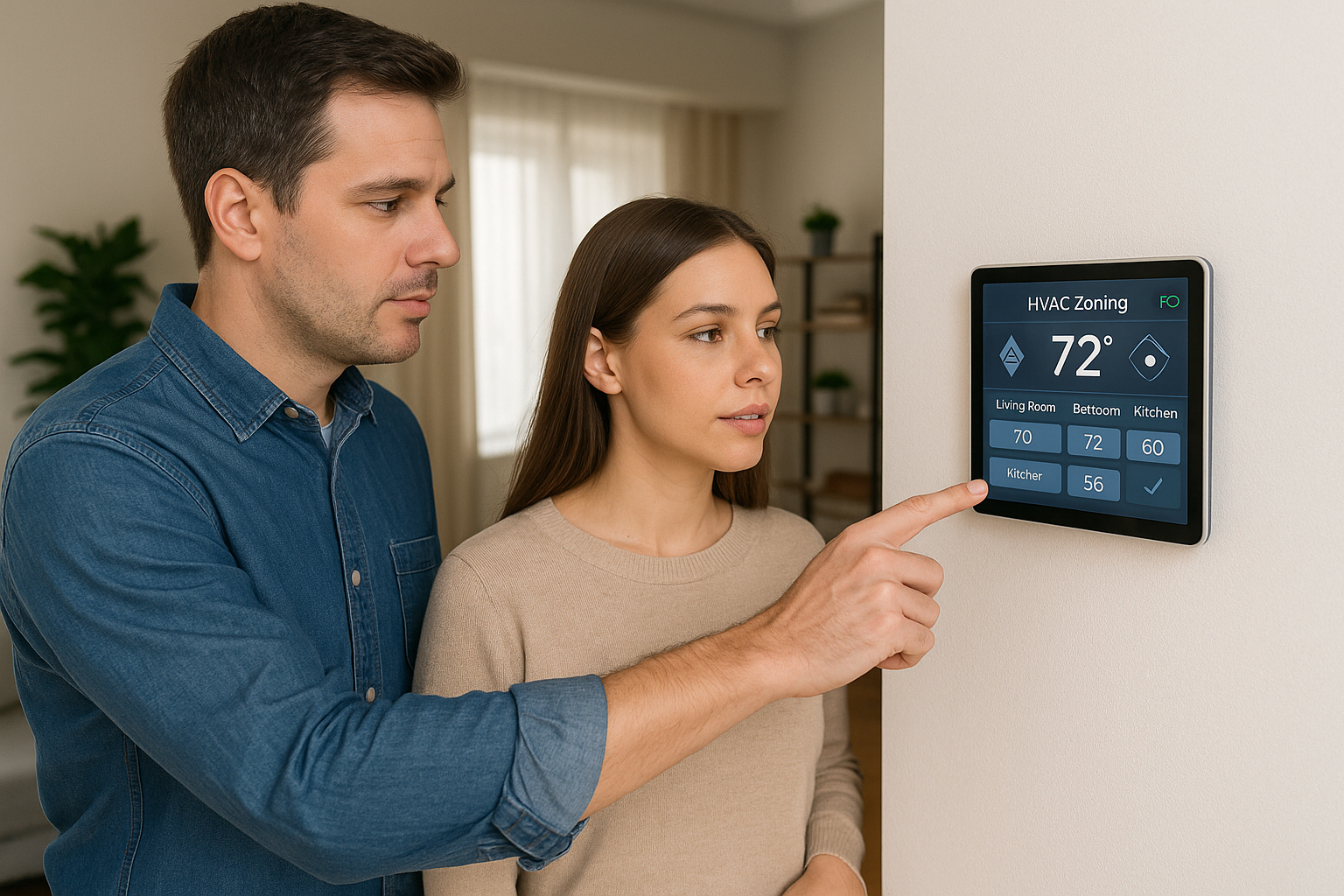
In our experience, higher AFUE furnaces use less fuel to deliver the same heat, often trimming 15 to 25% versus 80% units. You feel it with steadier room temps and quieter operation, not just a lower bill. Start with the house: air sealing and insulation reduce the load and may let you choose a smaller, less expensive furnace. Proper sizing is critical, like shoes that fit, so the system runs efficiently without short cycling or long struggles. Smart or programmable thermostats enable efficient setbacks. When comparing bids, prioritize true AFUE and total cost of ownership over the lowest price, since cut scope or skipped commissioning can erase savings.
Understanding Ratings: AFUE, ENERGY STAR Labels, and the Cooling Side (SEER)
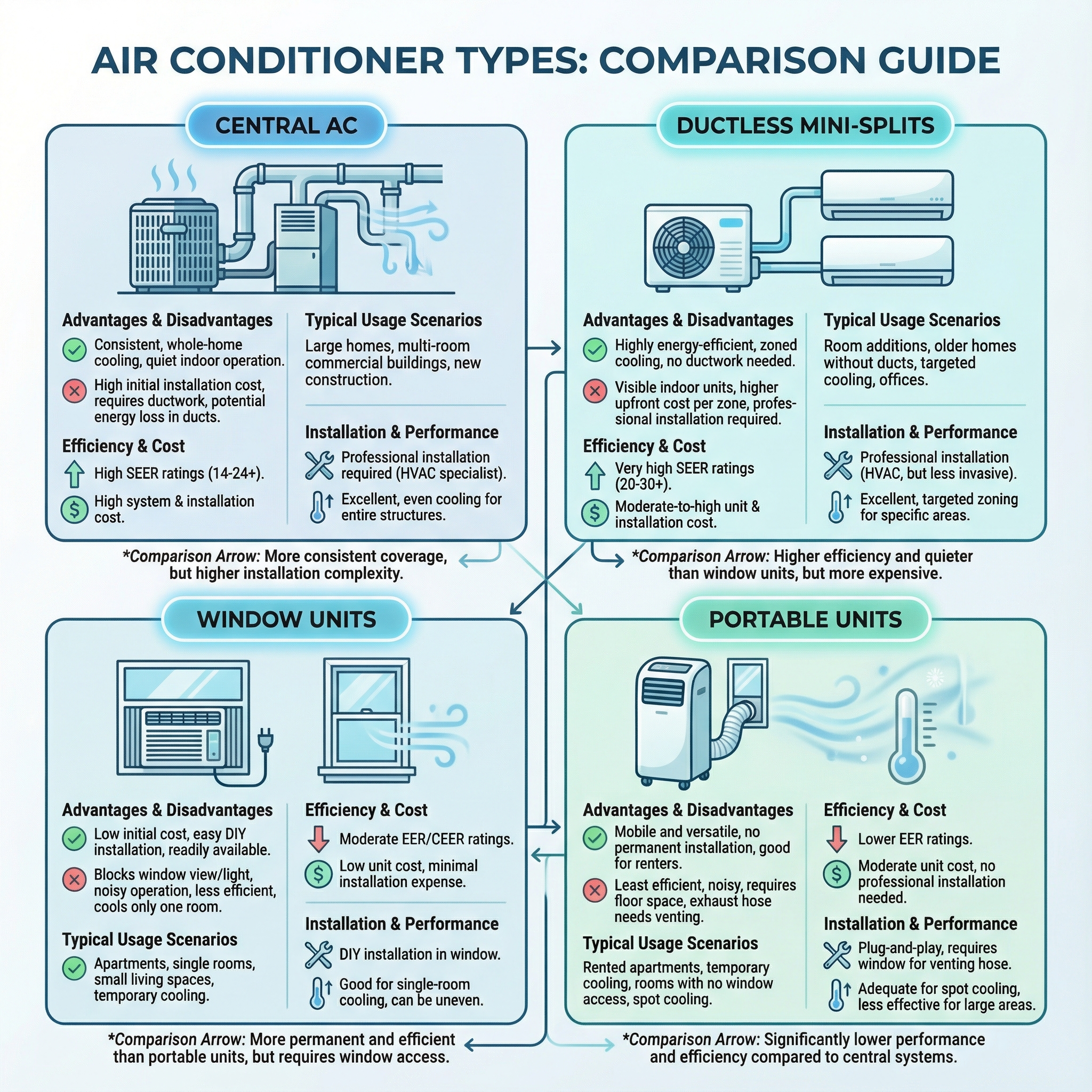
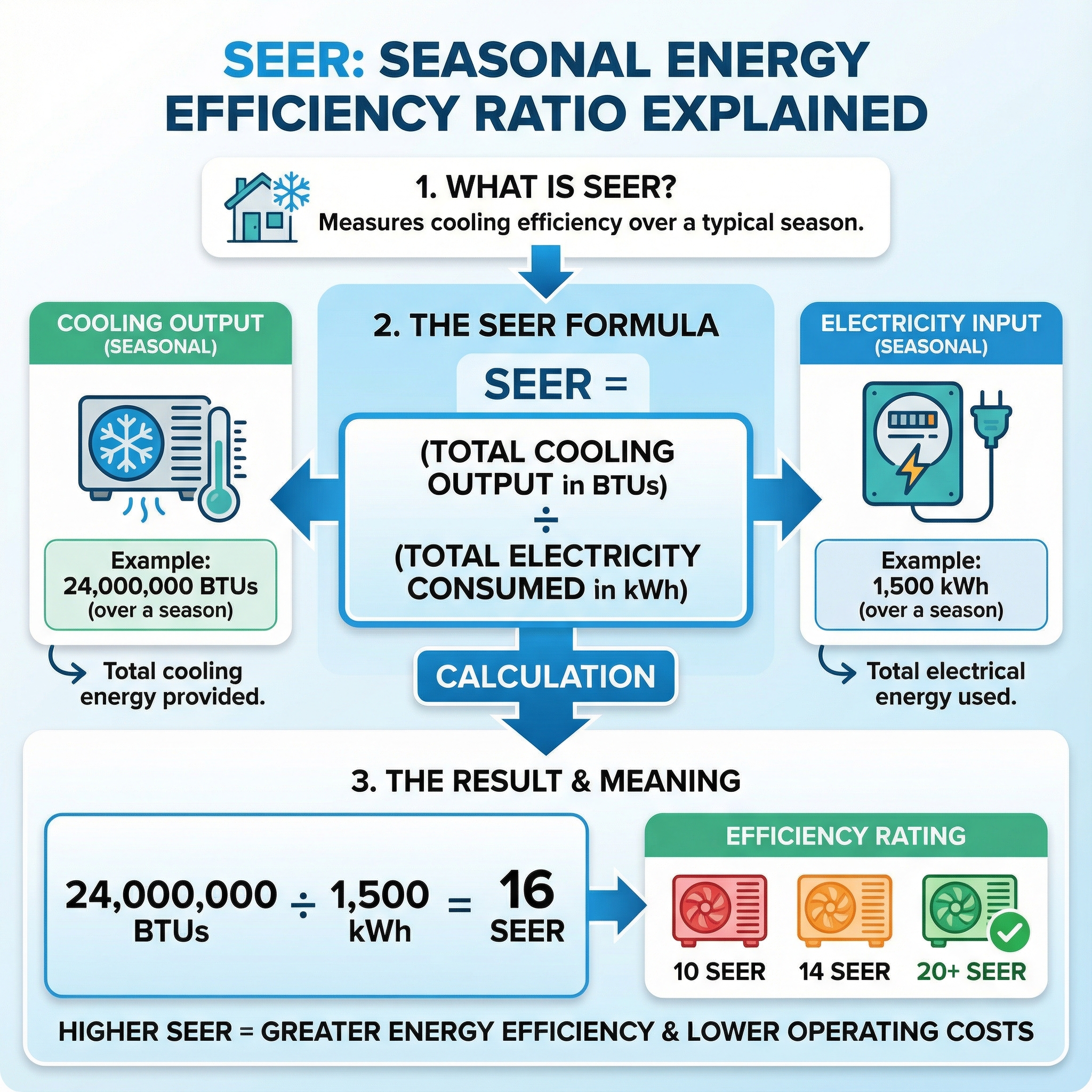
AFUE is the furnace's side of the story, SEER is the cooling side for air conditioners and heat pumps. Do not mix them. When you compare gas furnaces, SEER is irrelevant. It only matters if the furnace will share a blower or controls with a matched AC or heat pump, because that pairing can change overall system efficiency and comfort.
ENERGY STAR furnaces use region specific labels, including a U.S. South label. Certification signals tighter efficiency performance, and many utilities tie rebates to those listings. Use ENERGY STAR model lists and your utility's rebate finder to confirm eligibility before you decide.
Cooling standards recently shifted to SEER2, with higher minimums for split systems in many regions. If your furnace will be paired, verify matched equipment requirements and ensure the outdoor unit and indoor coil meet the new SEER2 thresholds together.
Types and Tradeoffs: Single Stage, Two Stage, and Modulating Furnaces (When They're Not the Best Choice)
Think of staging like a light dimmer. A single-stage furnace is simply on or off. Two-stage adds a low and a high setting for steadier comfort. Modulating units vary the flame in small increments, and when paired with variable-speed ECM blowers they deliver the smoothest temperatures, quietest operation, and the best fuel use in real homes.
- Common mistakes we see: trusting generic marketing instead of AFUE, confusing SEER with AFUE, buying on price alone which can hide omitted work, and accepting quotes without verified sizing.
- Mild southern climates: a 98 percent condensing furnace may never pay back. Consider a standard-efficiency model or a high-efficiency heat pump.
- Electrification goals: a cold-climate heat pump or dual-fuel setup often beats a top-end furnace.
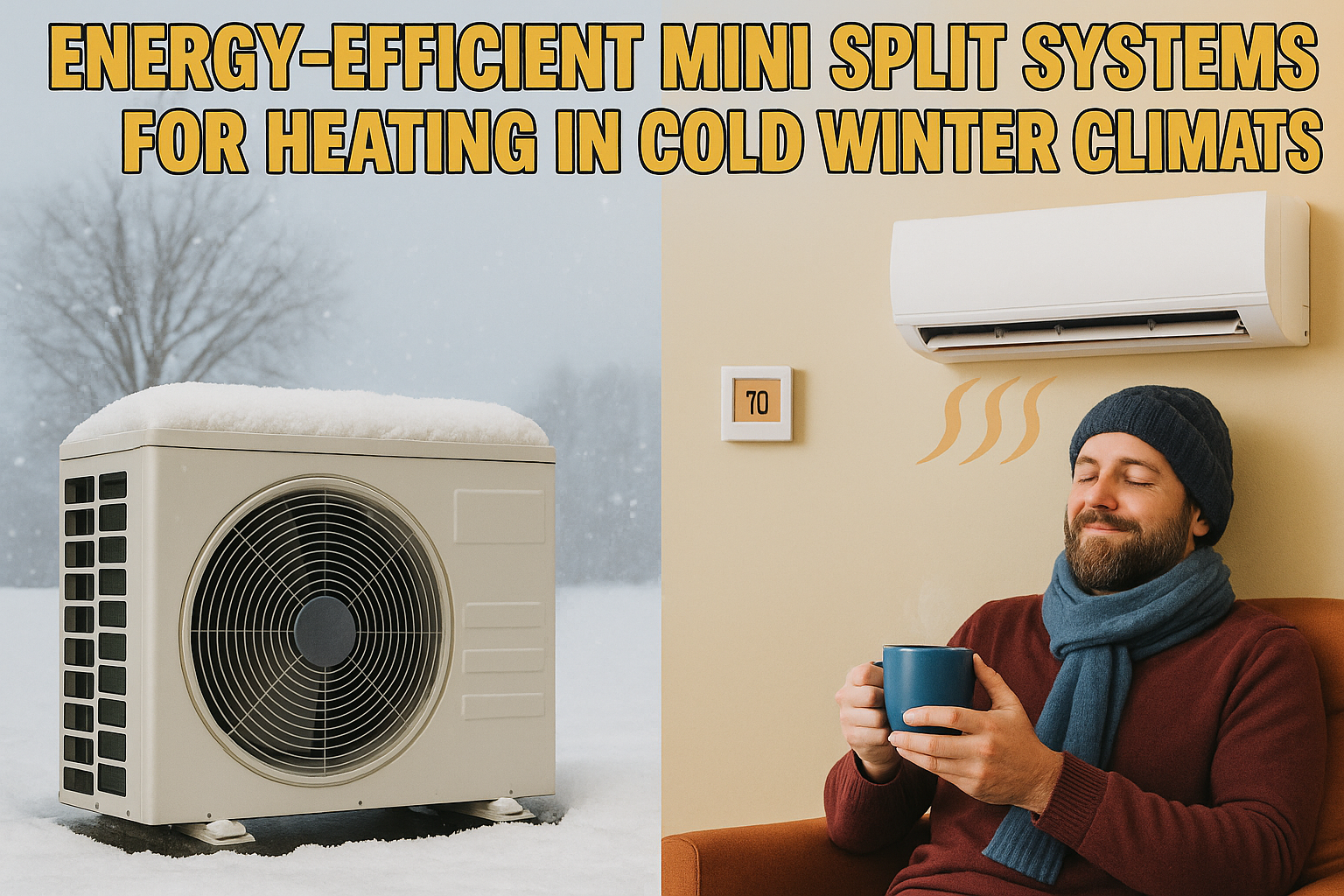
- Very small loads: a simple furnace or a mini-split can be the practical choice.
Condensing vs Non Condensing Furnaces: Venting, Condensate, and What to Expect
Non condensing furnaces vent flue gas up a metal flue and discard vapor heat. Condensing models cool the exhaust until water condenses, capturing that heat for the home. This is how they reach mid 90s AFUE, up to about 98 to 99%, and are often worth the premium where winters are longer. They use PVC or sidewall intake and exhaust, need properly sloped condensate drainage, a trap and neutralizer if required, and freeze protection at drains or terminations. Switching can affect appliances sharing a flue and may require a liner or rework. In our experience at Budget Heating (BudgetHeating.com), ensure quotes include the venting and condensate changes to meet local codes. In mild climates, a non condensing unit can still be practical.
How to Size a Furnace Correctly: Manual J, BTUs, and Avoiding Oversizing
Start with a room by room Manual J heat loss, then use Manual S to match furnace output to that load, and Manual D to be sure ducts can deliver it. Stay within about 10 to 15 percent over the calculated load. Oversized units short cycle, waste fuel, create temperature swings, and wear out parts faster. Undersized units run constantly, struggle on design days, and leave cold rooms.
In our experience at Budget Heating (BudgetHeating.com), the best bids show numbers. Ask the contractor to provide expected temperature rise and confirm it falls within the furnace nameplate range during commissioning. That proves the blower, ducts, and firing rate are dialed in.

Installation Considerations: Ductwork, Commissioning, and Controls to Protect Efficiency
Even a high efficiency furnace will miss its rating if the install is sloppy. These are the nonnegotiables to include in any proposal:
- Commissioning and safety checks: permits pulled, gas line sizing verified with leak tests, manifold pressure set, combustion analysis with CO testing, temperature rise confirmed within nameplate range, airflow measured in CFM with total external static pressure recorded, and all results documented.
- Ductwork testing and upgrades: measure total external static pressure and perform duct leakage testing, seal and insulate accessible ducts, confirm adequate return air, and balance supply registers. Leaky or undersized ducts can erase expected efficiency gains.
- Electrical controls and integration: verify thermostat compatibility, including a C-wire for smart thermostats, enable blower profiles for comfort and dehumidification, and confirm the indoor coil is properly matched. Replace the coil if airflow or condensate management would be compromised.
- Professional versus DIY: leave gas piping, combustion tuning, heat exchanger inspection, venting reroutes, electrical diagnostics inside the cabinet, and any refrigerant work to licensed professionals.
Cost Breakdown and Payback: Installed Price, Typical Ranges, and How to Calculate ROI
Installed pricing scales with sophistication. Standard 80% AFUE furnaces commonly land around $3,000 to $5,400 installed. High efficiency single-stage units typically run about $3,400 to $4,950. Two-stage systems run about $4,300 to $6,550. Modulating or variable-speed systems are often $6,250 to $7,600.
When comparing bids, look at lifecycle cost, not just sticker price. Model annual fuel savings using AFUE, account for blower electricity, plug in local gas and electric rates, and weigh expected maintenance and warranty differences.
- Upgrade premium: Moving from standard to high efficiency often adds about $400 to $2,200.
- Fuel savings signal: Jumping from about 80% to about 96% AFUE implies roughly 16% theoretical gas savings. Real savings depend on climate, runtime, and gas prices.
Simple ROI framework:
- Find the upgrade premium between the two quotes.
- Estimate annual heating fuel cost at 80% AFUE, then apply about 16% savings to gauge potential reduction.
- Adjust for blower electricity, plus any maintenance and warranty differences.
- Divide the premium by the net annual savings to get payback years. Many homes see payback emerge over about 20 years of service life.
Rebates, Tax Credits, and Incentives: Ways to Lower Upfront Cost
Many utilities, states and federal programs offer rebates or tax credits for 95% AFUE or higher and ENERGY STAR equipment. Start with ENERGY STAR rebate finder, your utility site, and the state energy office. We find most programs need preapproval and AHRI proof, then an itemized invoice within 30 to 90 days. When comparing bids, ask for net installed price after incentives, and include venting and condensate handling in the rebate eligible scope. Climate and codes matter: cold regions favor condensing units, others fund weatherization or heat pumps.
Next Steps: Ask the Right Questions, Get Multiple Bids, and Protect Your Investment
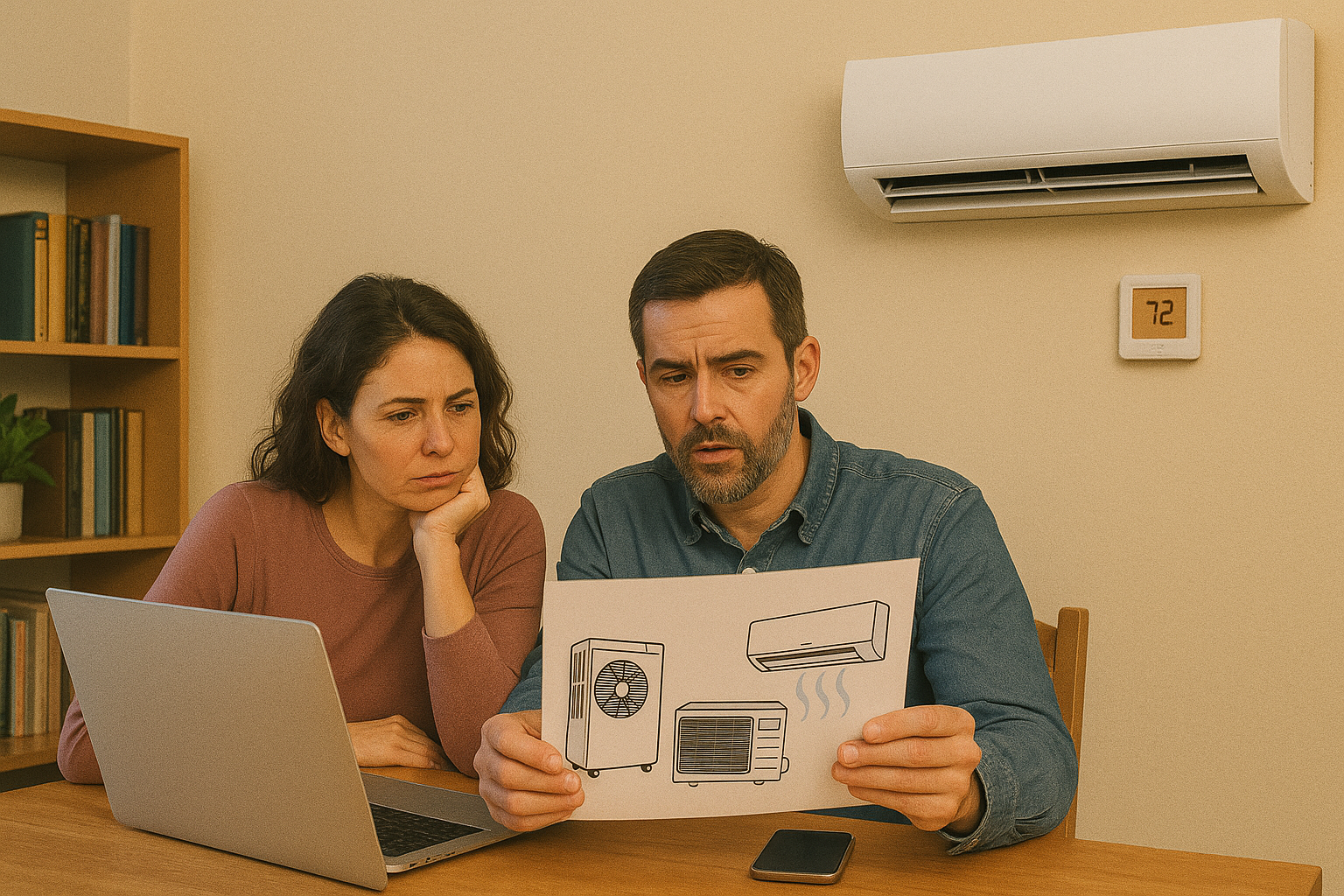
Treat your project like a preflight checklist. Get 2-3 written proposals and make sure each includes the same proof so you can compare clearly.
- Documentation to collect: Manual J, S, and D reports, AHRI certificate, proposed model numbers and AFUE ratings, serial numbers provided at install, a clear scope of work that covers venting, ducts, electrical, permits and inspection responsibilities, plus a commissioning plan with target results.
- Warranty and maintenance: Compare heat exchanger, parts, and labor terms, confirm the contractor's service availability, require annual professional maintenance, and plan homeowner tasks like timely filter changes.
- Safety and final checks: CO detectors on every level, a sediment trap on the gas line, proper combustion air, labeled gas and electrical shutoffs, and documented combustion and CO test results before sign off.
- Final purchase checklist: Request net pricing after rebates, documented commissioning data, an installation timeline, then schedule with a licensed, credentialed installer.
The one thing to remember: solid paperwork and clear scope protect comfort, safety, and dollars. We know choosing the right system and installer can feel complex. Our team can match equipment, supply AHRI pairings, and coordinate details with your installer.
- Get a Custom Quote
- Talk to Our Team by phone or chat for U.S.-based technical support
- Shop Gas Furnaces at wholesale pricing, with financing options