




How Often Should You Replace Your AC or Furnace in Texas? A quick overview
In Texas, reliable cooling is not optional. Long, high load summers put extra miles on an air conditioner, so planning replacement timing protects comfort and your wallet. In our three decades of field and warehouse experience, we see Texas AC units reach the end of their efficient life at about 12 to 15 years, while gas furnaces typically last 20 to 30 years.
Why it matters: older systems draw more power for the same comfort, run louder, and are more prone to breakdowns in peak heat. Think of it like driving on worn tires in desert conditions, you will still roll, but risk and cost climb quickly. Replacing before chronic failures start can cut energy use and repairs while adding newer safety and comfort features.
To extend lifespan and stay safe, pair seasonal preventive maintenance with quick attention to warning signs, warm air, short cycling, odd noises, rising bills, or recurring refrigerant issues.
Typical Lifespan: Air Conditioners vs. Furnaces in Texas
In Texas, an air conditioner typically lasts 12 to 15 years. With strong preventive maintenance, filters changed on time, clean coils, correct refrigerant charge, and gentle operation, we see some systems stretch to roughly 20 years. Furnaces usually run far less than the cooling system in most Texas homes, so their life tends to be longer, commonly 20 to 30 years. Usage hours, installation quality, and maintenance are the big levers that move those numbers up or down.
As equipment ages it behaves a lot like tires losing tread: performance slowly tapers. Efficiency slips, which shows up as higher electric or gas bills for the same comfort settings. Components such as capacitors, blower motors, inducer fans, and control boards face more stress and become more prone to breakdowns. Refrigerant leaks and heat exchanger wear are more likely late in life. Even if the system still runs, older units may short cycle, struggle to hold temperature on extreme days, and deliver uneven airflow or humidity control. That decline in reliability and comfort is the signal that repair costs should be weighed against replacement, especially once an AC is past its mid teens or a furnace is past two decades.
Why Texas Heat and New Rules Change Replacement Timelines
Texas summers are long, hot, and humid, so your AC runs like a treadmill for months. Heavy demand and frequent 100 F days mean long runtimes and heavy moisture removal, which speeds wear. That often puts AC or heat pump life on the low end here, while furnaces, used less, usually last longer.
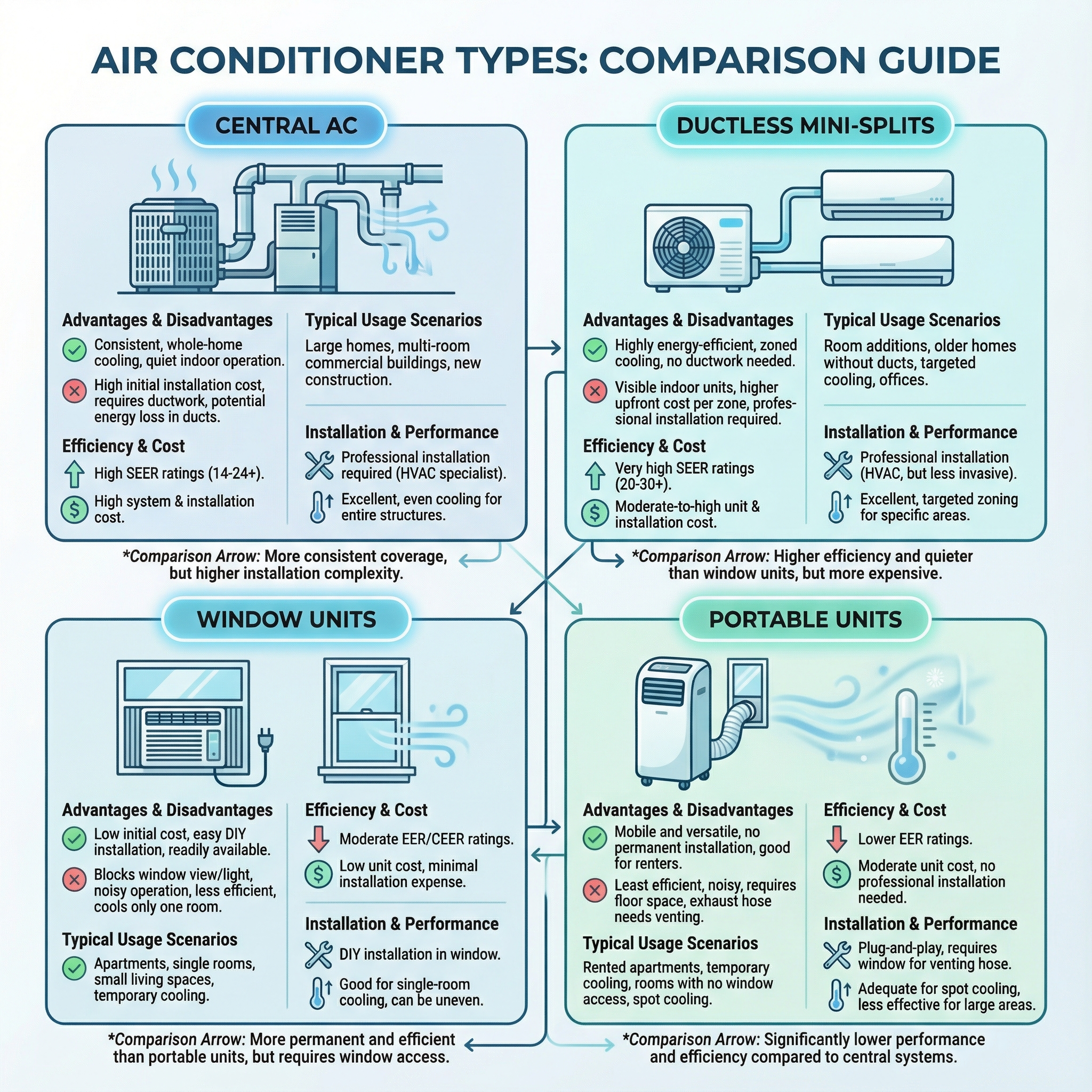
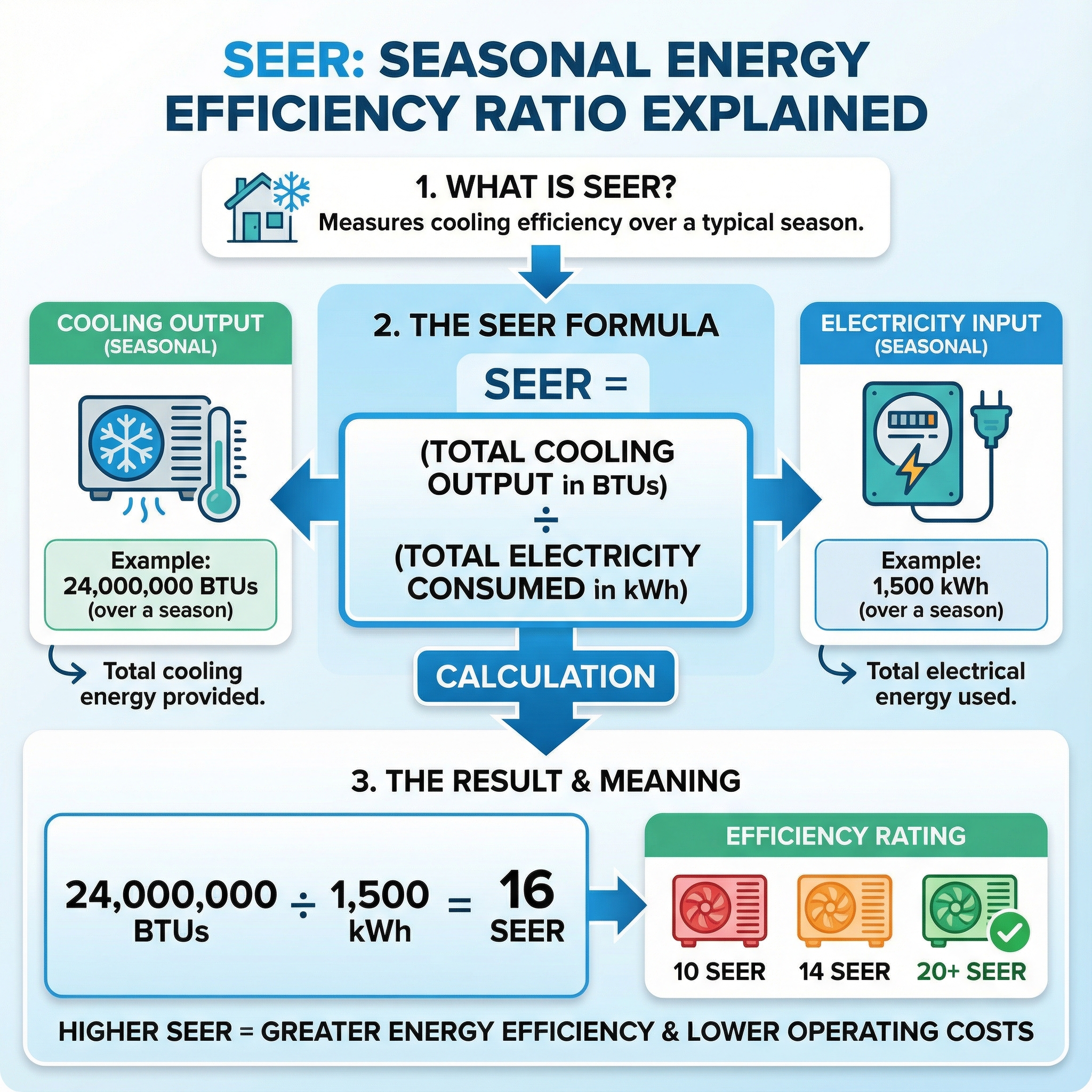
Texas is in the DOE Southern region, which carries higher minimum efficiency than Northern states. Since 2023, new split system ACs must meet SEER2-based regional minimums. Units under 45,000 Btu need at least 15 SEER, about 14.3 SEER2. In our experience at Budget Heating (BudgetHeating.com), these rules can turn borderline repair-versus-replace calls toward replacement when older gear cannot qualify.
Plan upgrades in spring or fall, when weather is mild and demand is lower, to secure better scheduling and less downtime.
How Often Should You Service Your AC Unit? A practical maintenance schedule
Routine care keeps efficiency high and pushes replacement farther out. We recommend this simple cadence for homeowners, with a pro handling the deeper tune-up.
- Monthly in summer, every 60 to 90 days otherwise: replace filters to protect airflow, indoor air quality, and system components.
- Monthly: keep the outdoor unit clear by 2 feet, gently rinse debris, and keep supply and return vents open.
- Seasonally: check visible ducts for crushed runs or loose connections, seal small leaks with mastic or foil tape, confirm the condensate drain is dripping, and add drain pan tablets to prevent clogs.
- Anytime: if performance changes, address it early to avoid bigger failures.
Professional maintenance: at least once a year, ideally spring and fall in hot climates like Texas. A proper service includes coil cleaning, refrigerant charge verification, electrical inspection, safety control tests, and clearing or flushing the condensate drain with the correct trap and slope. Add a float switch for overflow protection.
Typical Replacement Costs in Texas: Financing, Rebates and How to Compare Bids
High efficiency systems cost more upfront, but in hot Texas climates the premium often pays back in 3 to 5 years. To estimate savings, assume about 1,200 cooling hours per year. Use Annual Cost = Annual Energy Consumption (kWh) × local electricity rate. Compare proposals by total installed cost plus projected operating cost across SEER/SEER2 tiers. Also account for indirect benefits, like fewer major repairs, lower risk of peak rate emergencies, and better humidity control that protects finishes.
- Get 2 to 3 written bids listing model numbers, efficiencies, included accessories, and scope, then compare total installed and operating costs.
- Ask about rebates, promotions, utility incentives, and financing terms, including APR, term length, and any fees.
Key Factors That Affect HVAC Lifespan (usage, maintenance, installation, brand)
HVAC lifespan hinges on a few controllable drivers: how hard the system runs, how it is maintained, the quality of installation, and the brand and model line. Climate plays a role as well, covered elsewhere in this guide.
- Usage: More runtime means more wear. Heavy loads, frequent starts, and constant thermostat changes shorten life. Think of runtime like miles on a pair of sneakers, daily use wears them faster.
- Maintenance: A clean, tuned system runs cooler and lasts longer. Skipped filters, dirty coils, and ignored noises lead to early failures. Proactive maintenance and fixing small issues early preserves efficiency, extends lifespan, and reduces sudden outages.
- Installation quality: Proper sizing, duct design, airflow, and refrigerant charge are critical. In our experience at Budget Heating (BudgetHeating.com), many premature failures trace to installation shortcuts or poor airflow. A correct setup avoids strain that ages parts early.
- Brand and age: Reliable model lines matter, and age is a practical gauge. An AC nearing 12 to 15 years or a furnace nearing 20 to 30 years deserves scrutiny. Aging equipment runs less efficiently and breaks more, driving up energy costs. Rising energy bills or longer run times signal declining efficiency. Replacing on time brings steadier comfort, better reliability, lower operating costs, and fewer repairs.

How Often Should Your AC Cycle On and Off? Normal cycling and short cycling explained
Normal cycling means the AC runs long enough to pull heat and moisture out, then rests. Short cycling is rapid on/off after only a few minutes, like tapping the gas instead of cruising, and it is a performance red flag. We see two common causes: sizing and airflow. Oversized equipment short cycles, wastes energy, and leaves humidity high. Undersized equipment runs almost constantly and still struggles to keep up.
For airflow, we verify roughly 350 to 450 CFM per ton and confirm delivered airflow and external static pressure to make sure the blower and ducts are in range. Other clues of trouble include uneven temperatures, humidity problems, unusually long run times, and unusual noises.

Common Signs It's Time to Replace Your AC or Furnace: Repair vs. Replace (honest tradeoffs)
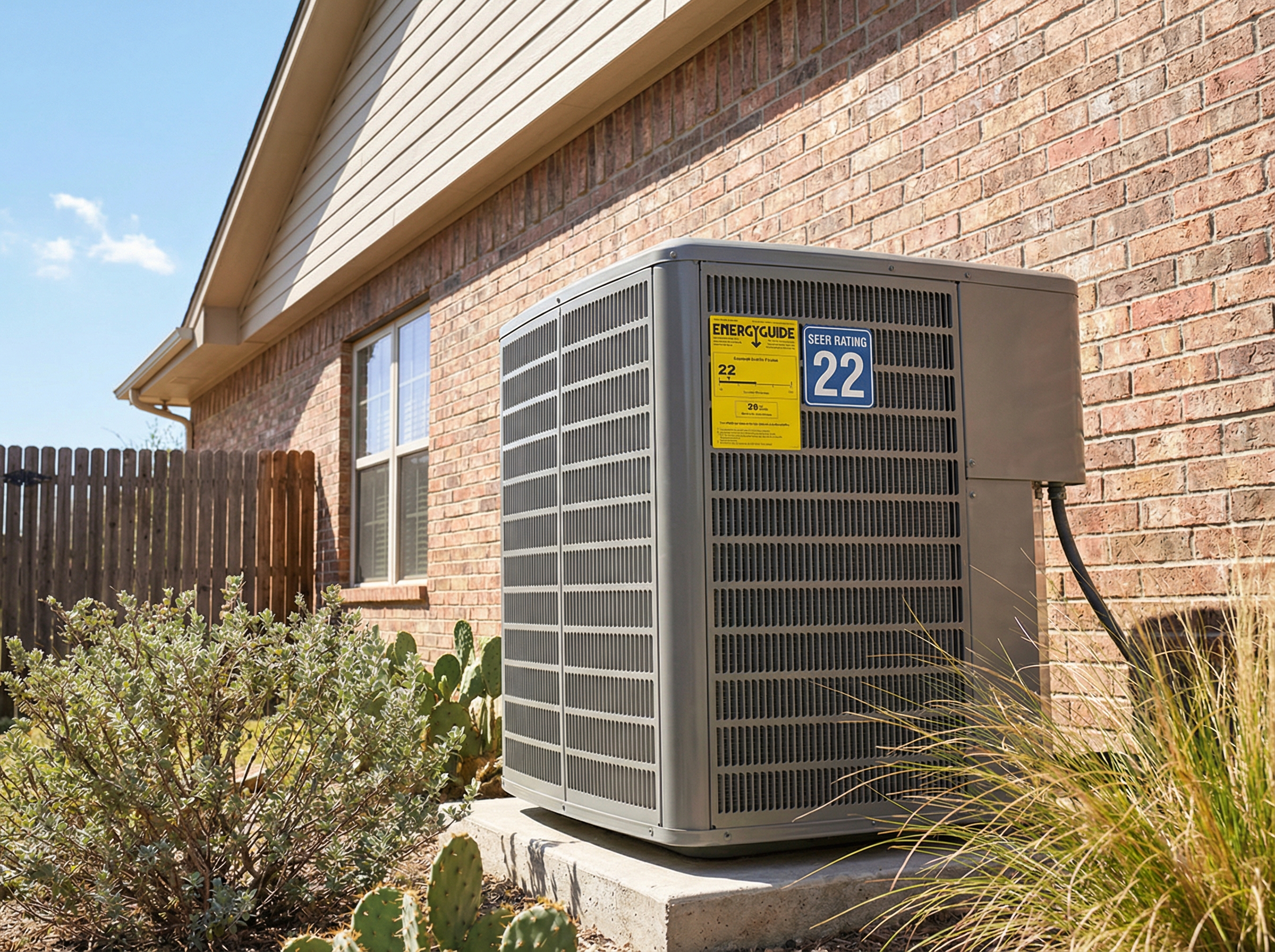
After decades installing and servicing HVAC systems, we use a simple checklist to decide when to repair or replace. Think of it like a traffic light, green to keep running, yellow to plan, red to replace.
- Frequent breakdowns: if you are calling for service more than twice a year, start planning replacement.
- Repair cost vs replacement: when a repair approaches 50 percent of a new system, or the unit is near end of life, replacement is usually smarter.
- Rising energy bills or declining comfort compared with prior years.
- Safety triggers: suspected cracked heat exchanger, combustion issues, soot or CO alarms. For AC, obsolete refrigerant that makes service unusually expensive.
- Persistent performance decline even after correct maintenance and repairs.
When replacement is not the best move:
- A single, minor failure on a midlife system with clean safety checks. A targeted repair or tune up is reasonable.
- You expect to move soon and current comfort is acceptable. A lower cost repair can be more practical.
- Comfort problems trace to duct leaks or airflow. Duct sealing, balancing, or zoning may fix it without a new unit.
If an aging system shows repeated repairs, declining comfort, or safety concerns, replacement is typically safer and more economical.
Choosing a Replacement: Sizing, SEER (SEER2), Refrigerants, Installation & Energy Savings
Start with sizing. Require a Manual J load calculation that accounts for square footage, ceiling height, insulation, window area, orientation, air leakage, duct location and condition, and local climate and humidity. Pair that with Manual S for equipment selection and Manual D for duct design when ducts are involved. Remember, SEER or SEER2 rates efficiency, not capacity, so tonnage is chosen from the load, then efficiency is chosen for operating cost.
Typical choices span code minimum systems around 15 SEER or 14.3 SEER2, mid tier 16 to 18 SEER, and premium variable speed options in the 20 to 26 plus range. Electricity use is roughly inversely proportional to SEER. For example, moving from 14 to 18 SEER can trim cooling kWh by about 22 percent.
Refrigerant matters. The R 22 phaseout drives up service costs on older systems. Newer equipment is shifting to lower GWP A2L refrigerants such as R 454B or R 32, which brings updated safety and code requirements.
Installation quality sets longevity: replace or properly flush line sets, nitrogen purge during brazing, pull a deep vacuum to 500 microns or less and hold, then weigh in charge and document superheat and subcooling. Set the outdoor unit level with 12 to 24 inches of clearance, maintain clean coils and trimmed vegetation. Confirm correct breaker or fuse size on a dedicated circuit and install a new disconnect if required. For gas furnaces, verify venting, combustion air, gas line sizing, and complete combustion and CO tests. Pull permits and schedule final inspection per local Texas jurisdiction.
Ask for written commissioning data: airflow in CFM per ton, external static pressure, supply or return temperature split, superheat and subcooling, and thermostat configuration.
Conclusion & Action Steps for Texas Homeowners: When to Replace Your AC or Furnace
In Texas, most central ACs and heat pumps are ready for replacement around 10 to 15 years, and furnaces around 15 to 20. If your AC is 12 to 15 years with rising repairs or bills, or your furnace is nearing 20 to 30 years, plan in spring or fall to avoid peak summer.
- Age check: AC or heat pump 10 to 15 years, furnace 15 to 20, many furnaces run 20 to 30 if safe.
- Symptoms: frequent repairs, higher utility costs, uneven rooms, noisy starts.
- Timing: schedule March to May or September to November.
- Vetting: verify license and insurance, ask for references, require load calculations with commissioning and start up reports, confirm warranty registration.
We handle the planning details so you get the right system at the right time with no guesswork.
- Get a Custom Quote
- Talk to Our Team, call our U.S. based HVAC pros for phone support
- Shop AC and Heat Pumps
- Shop Furnaces