




How Much Money Can You Save with Budget Heating?
Budget heating means pairing low-cost habit changes with targeted upgrades to cut heating bills without losing comfort. Instead of relying on one expensive replacement, the strategy is to right-size equipment, improve efficiency ratings (SEER2, HSPF2, AFUE), tighten the home, and use smart controls.
In practical terms, many homes trim 15 to 30 percent when improvements are layered. Starting from leaky ducts, thin insulation, and an aging heater, 30 to 50 percent is realistic. Actual results depend on climate, current system condition, local energy prices, and how consistently you apply these steps. From hands-on work, we see the biggest wins when savings are stacked across four layers:
- Behavior and controls: thermostat setbacks, room-by-room habits, timely filter changes. Typical 5 to 12 percent.
- Distribution: sealing and balancing ducts, sensible zoning. Typical 10 to 20 percent.
- Shell: air sealing and insulation in the attic and rim joists. Typical 10 to 25 percent.
- Equipment: right-sized furnaces or heat pumps with higher AFUE or HSPF2, set up correctly. Typical 10 to 30 percent versus older units.
Think of it like stacking coupons. Each layer adds a measurable slice, and together they move the needle on your bill.
What Is �Budget Heating'? Core Benefits and What It Actually Buys You
Budget heating means maximizing comfort per dollar, not just chasing the lowest price. It trims monthly bills, smooths hot and cold spots, and stretches equipment life while keeping upfront costs sensible.
From our field work, quick wins come first: moderate thermostat schedules, air sealing, duct fixes, and zoning tweaks often save 5 to 20% before any purchase. When equipment is due, choose right-sized, mid efficiency units that meet current SEER or SEER2, HSPF or HSPF2, and AFUE minimums. Variable speed blowers and compressors act like a dimmer switch, holding steadier temperatures and humidity so you feel comfortable at slightly lower winter setpoints.
This approach reduces breakdown risk, avoids short cycling, and supports a 15 to 20 year service life with routine filters and tune ups. It adapts to your region, using heat pumps in temperate areas or furnaces in colder zones, aligning with local energy costs and rules. Mid tier efficiency often offers the best balance of purchase price, operating cost, and lifespan, making total cost of ownership more predictable.
How Heating Efficiency Metrics (SEER, HSPF, AFUE) Affect Your Bills
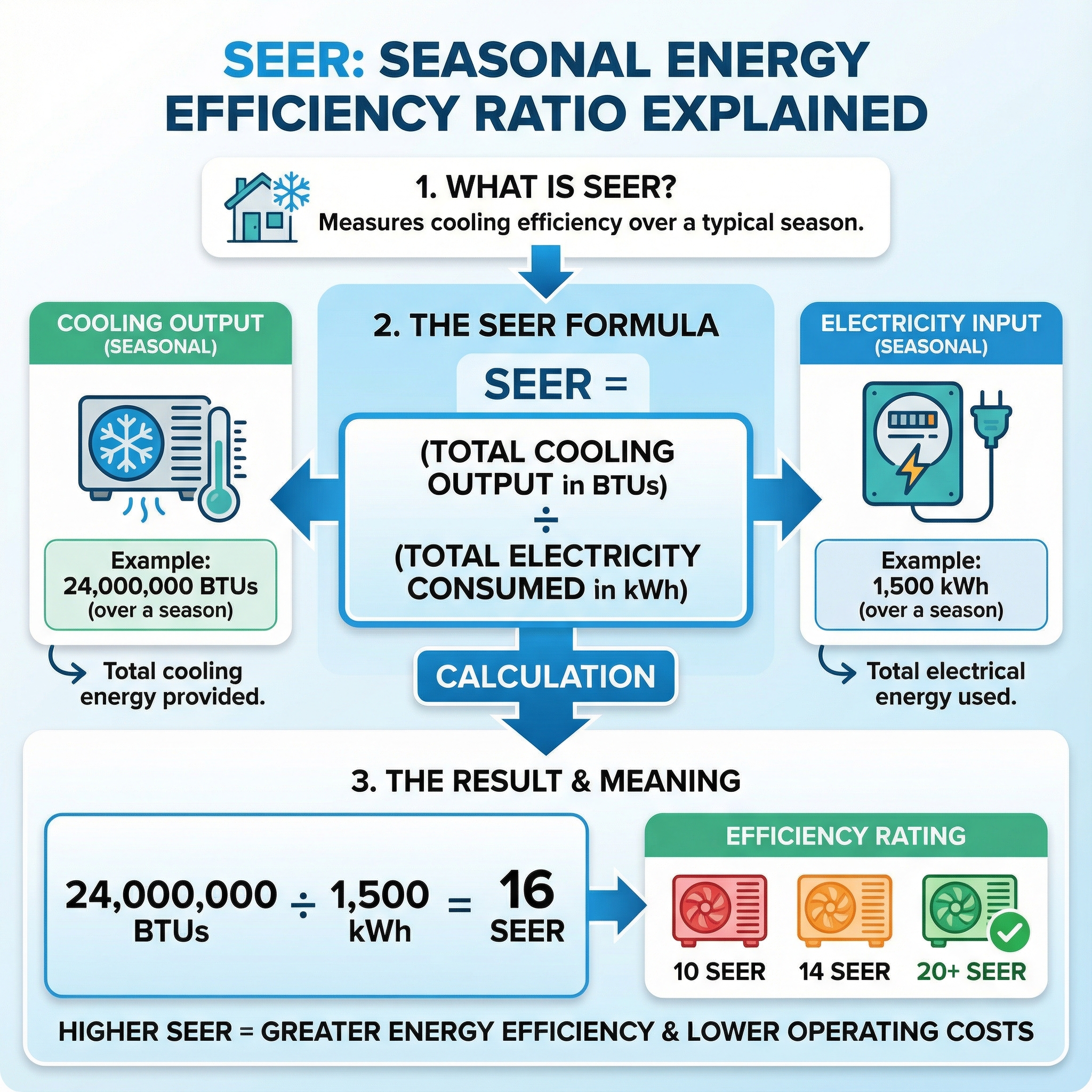
SEER shows how efficiently an AC or heat pump cools over a season. Think of SEER as miles per gallon for cooling. SEER2 is a newer test closer to real conditions, and the takeaway is the same: higher means lower operating cost. Older units are often SEER 8 to 10, today's start near 14 and can reach 25 plus. Upgrading from 10 to 16 SEER cuts cooling energy about 38%. If that avoids 500 kWh a year at $0.12 per kWh, you save about $60 annually. In our experience at Budget Heating (BudgetHeating.com), mid tier 14 to 16 SEER delivers most of the savings without the premium price of 20 plus. For heating, use HSPF or HSPF2 for heat pumps and AFUE for furnaces. Actual savings also depend on duct quality, thermostat use, and correct sizing.
Plan Your Upgrades: A Homeowner Checklist to Maximize Heating Savings
In our 30+ years working on real homes, the biggest savings come from planning, not just buying high numbers on a box. Use this prioritized checklist:
- Define constraints: climate zone and winter severity, home size and layout, rooms that need heat most, energy sources with local rates, budget and payback goals.
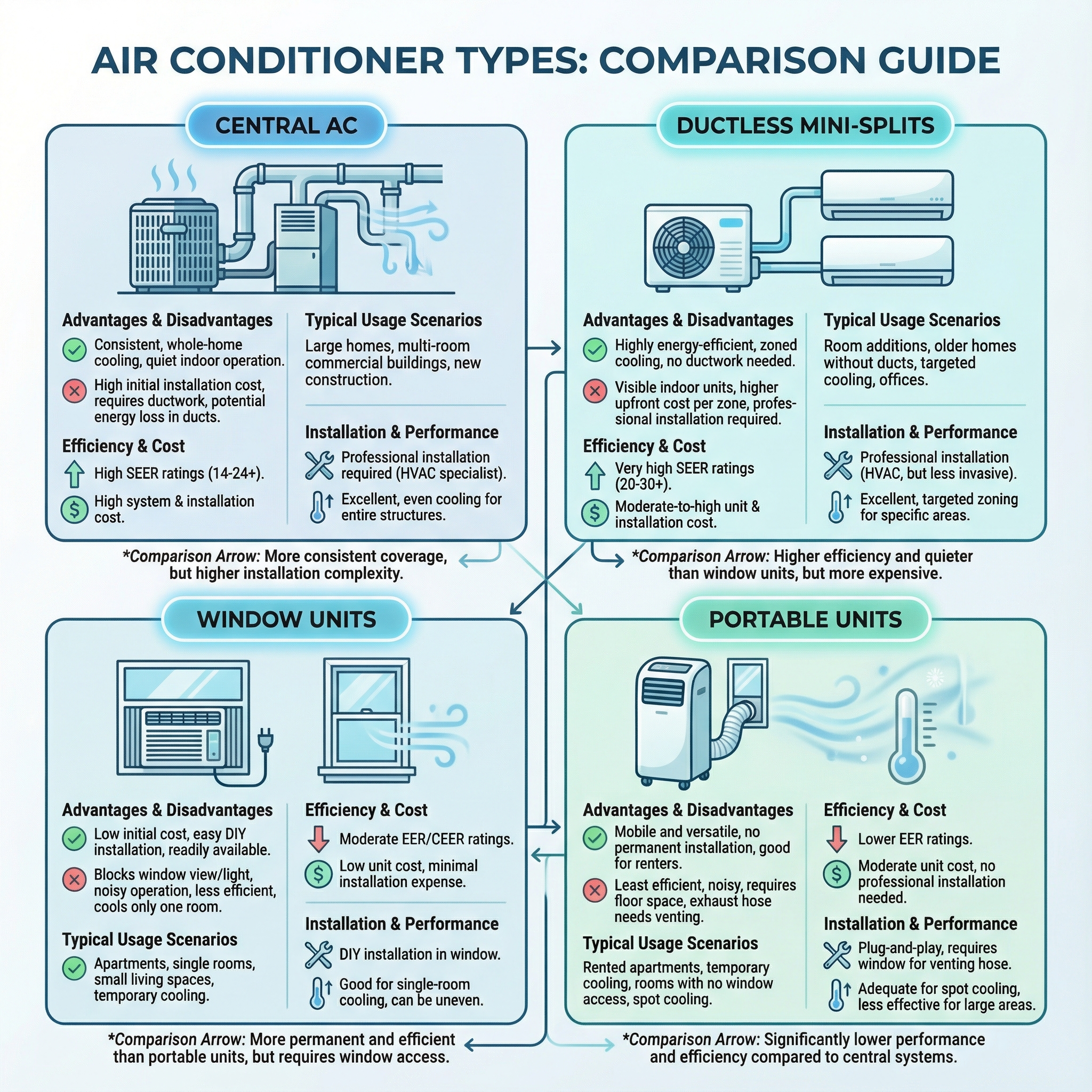
- Match system to climate: hot or mild areas favor ductless mini splits or high efficiency central systems with variable speed. Mixed climates suit air source heat pumps or hybrid dual fuel. Cold climates need cold climate heat pumps or high efficiency furnaces with efficient AC, plus small ducted or multi zone ductless for tricky layouts.
- Set efficiency targets: heat pumps by HSPF/HSPF2 and SEER/SEER2 with variable speed compressors. Furnaces by AFUE with variable speed blowers. Any system, check noise and zoning capability.
- Evaluate ducts: test for leaks, insulation gaps, and size limits. Seal and insulate. If ducts are poor or absent, consider ductless or small duct systems.
- Right size equipment: require a room by room Manual J. Then verify Manual S selection and Manual D duct design. Proper sizing is like shoes that fit, too big or too small hurts comfort and wastes energy.
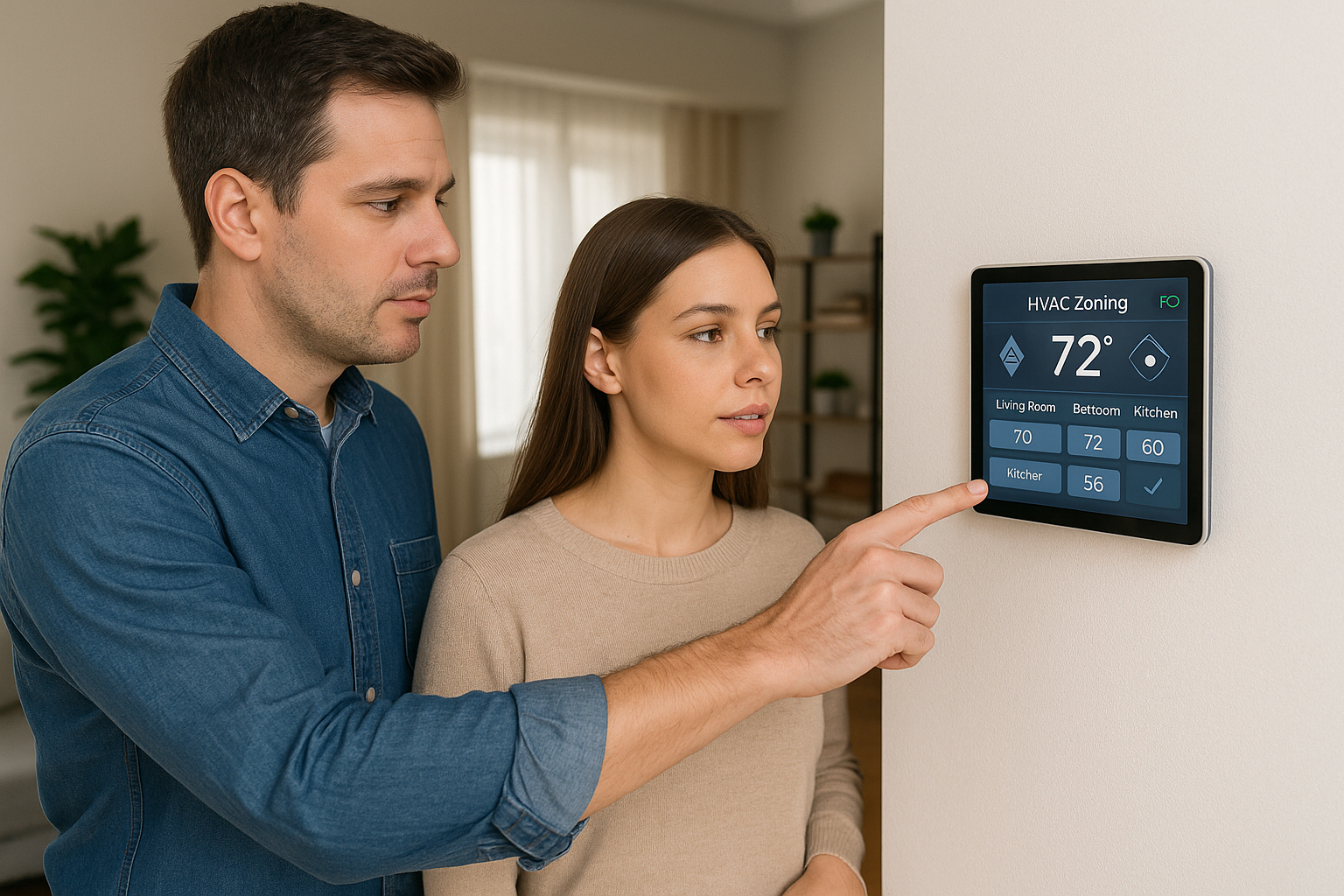
- Plan zoning and controls: separate bedrooms and living areas, use multi zone or zoned ducted systems, add programmable or smart thermostats with schedules.
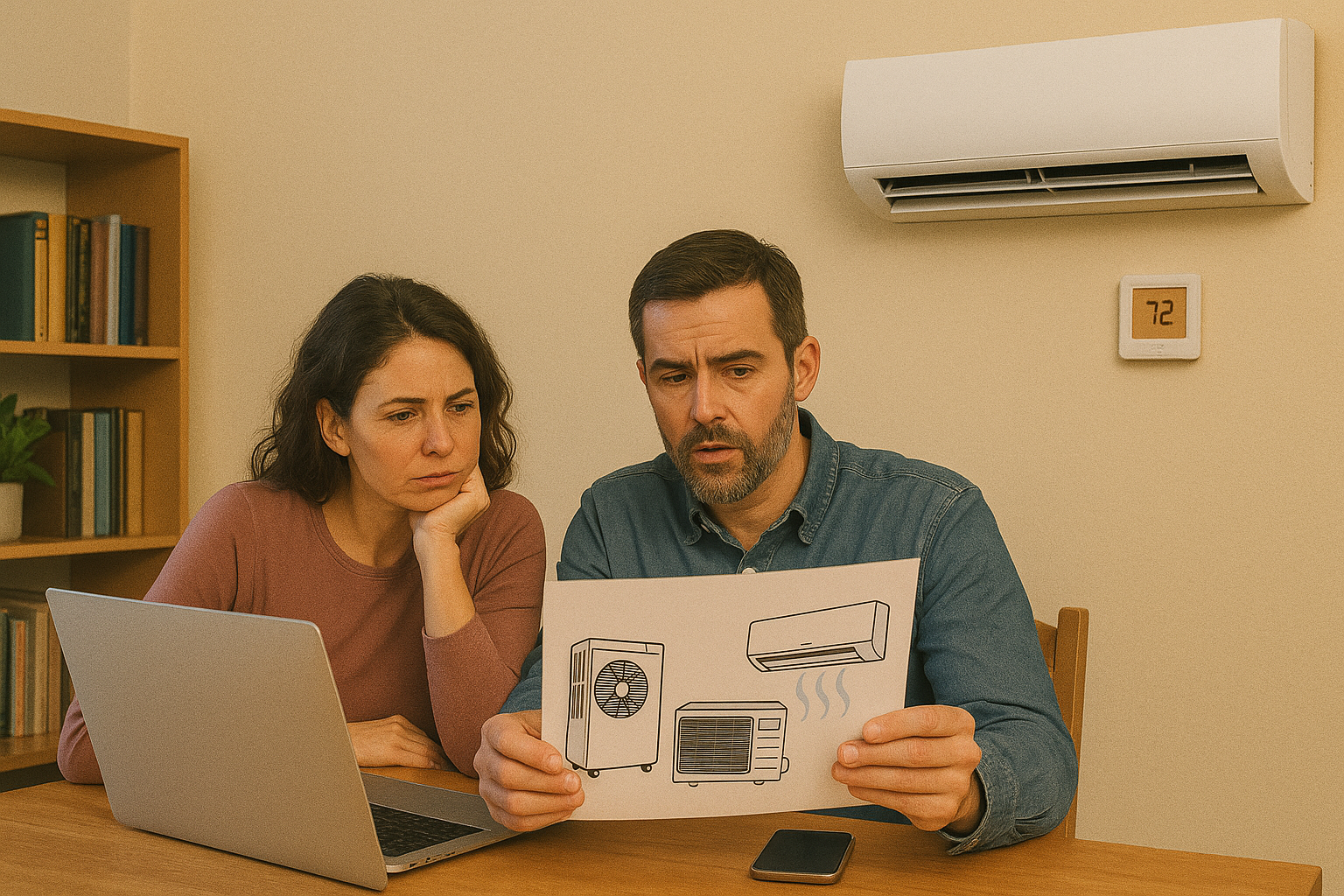
- Compare total cost of ownership: get three written quotes with model numbers, efficiencies, duct upgrades, zoning parts, and warranties. Estimate annual operating costs using local rates and climate, include maintenance.
- Decide repair vs upgrade: weigh repair cost against a right sized variable speed system that matches your climate and zoning plan. Phased implementation is possible.
- Ensure quality installation and commissioning: permits, correct refrigerant charge, airflow measurements, and control setup. Verify quiet operation and comfort in each zone.
- Plan maintenance: change filters, clear outdoor units, re check duct sealing, schedule periodic professional service to confirm charge, airflow, and safe operation, and adjust thermostat schedules seasonally.
When Budget Heating Won't Be Enough: Limitations, Myths and Better Alternatives
In our experience, budget-focused tactics stretch dollars, but they are not a cure-all. In cold or hot regions, a hybrid system pairing a heat pump with a furnace can outperform a budget unit. In homes with a leaky envelope, money is better spent on an envelope retrofit, air sealing and insulation, before upgrading equipment. If a system is oversized or near end of life, patchwork rarely pays off; a full high-efficiency equipment replacement is the clearer path.
- Myth: Cranking the thermostat heats or cools faster. Reality: output is fixed, and overshooting wastes energy. Fix: use steady setpoints. Each degree closer to outdoor temperature typically saves about 3 to 5 percent.
- Myth: Ceiling fans cool empty rooms. Reality: fans cool people, not air. Fix: turn them off when rooms are empty. Used with moderate setpoints, fans can reduce cooling costs roughly 15 to 25 percent.
- Myth: Denser air filters are always better. Reality: too much restriction raises static pressure and wear. Fix: select filters that balance air quality with airflow and change them on schedule.
Ignoring these basics often means higher bills, premature failures, uncomfortable rooms, and wasted spend.
Typical Monthly and Annual Heating Costs: Baselines and What Savings Look Like in Dollars
Heating savings are easiest to grasp when you convert percentages to dollars. Think of your bill as a pie, and each improvement simply takes a slice off the top. Here is what typical measures deliver and how fast they usually pay you back.
- Small, low cost actions (thermostat setbacks and scheduling, closing fireplace dampers, basic air sealing and weatherstripping, clean filters, smarter ceiling fan use): about 5 to 20 percent off annual heating costs. Payback often within one season to 2 to 3 years.
- Moderate investments (attic or crawlspace insulation, duct sealing and insulating, programmable or smart thermostats, basic zoning, professional tune ups): roughly 10 to 35 percent reduction. Payback commonly 3 to 7 plus years, depending on energy rates and incentives.
- Major retrofits (high efficiency furnace or boiler replacements, modern air source or cold climate heat pumps, fuel conversions, comprehensive envelope upgrades): about 20 to 50 percent or more. When multiple upgrades are combined, total bills can drop 40 to 70 percent. Payback varies from several years to a decade.
Dollars scale with your current spend. For example, on a 1,500 dollars per year heating cost, 20 percent saves about 300 dollars per year, while 40 percent saves about 600 dollars per year. On a 200 dollar winter month, 10 to 20 percent equals 20 to 40 dollars saved, and 30 to 40 percent equals 60 to 80 dollars.
In our experience at Budget Heating (BudgetHeating.com), the best long term value comes from combining quick payback steps first, then planning larger equipment and envelope upgrades as budgets and incentives line up.
How Climate, Region & Regulations Change Your Savings Potential
Regional rules and weather set the baseline for what a budget system can save. Since Jan 1, 2023, efficiencies use SEER2 and HSPF2. Central AC minimums: North 14 SEER (13.4 SEER2); Southeast/Southwest under 45k BTU 15 SEER (14.3 SEER2), 45k and up 14.5 SEER (13.8 SEER2). Split heat pumps are 15 SEER (14.3 SEER2) nationwide. Higher Southern cooling minimums can lift upfront price but usually reduce utility costs.
Climate drives equipment choice: Pacific Northwest cold favors gas furnaces; hot, dry southern West can use electric furnaces; temperate zones lean to heat pumps; in the Midwest, natural gas and propane remain competitive in long freezes.
Verify local minimums and local energy prices, then choose equipment that meets or modestly exceeds the standard to improve lifetime operating costs.
Installation, Maintenance, and Hidden Costs to Consider
Real savings stick when safety and upkeep are handled on schedule. Like tire pressure, small habits protect comfort and efficiency.
- Combustion safety: we recommend annual checks for furnaces and boilers to inspect heat exchangers, verify combustion, test for carbon monoxide, and confirm clear venting with adequate combustion air.
- Electrical and refrigerant: have a qualified technician verify wiring and breakers. Leave refrigerant lines to licensed pros, since leaks waste energy and can harm equipment.
- Routine maintenance: replace or clean filters on time, keep outdoor units clear of debris and snow, seal and insulate ducts, recheck every few years, and schedule service to confirm refrigerant charge and airflow.
- Operating practices and hidden costs: avoid big thermostat swings, do not block registers, plan for CO and smoke detectors with battery or device replacement, periodic service visits, duct sealing work, and a steady supply of filters.
Quick Savings Checklist: Low-Cost Steps You Can Take Today
- Adjust thermostat slightly and set schedules.
- Replace dirty air filter.
- Seal door and window drafts with weatherstripping or caulk.
- Use curtains: open for sun by day, closed at night.
- Set ceiling fans: clockwise low in winter, counterclockwise in summer.
- Clear and vacuum supply and return vents.
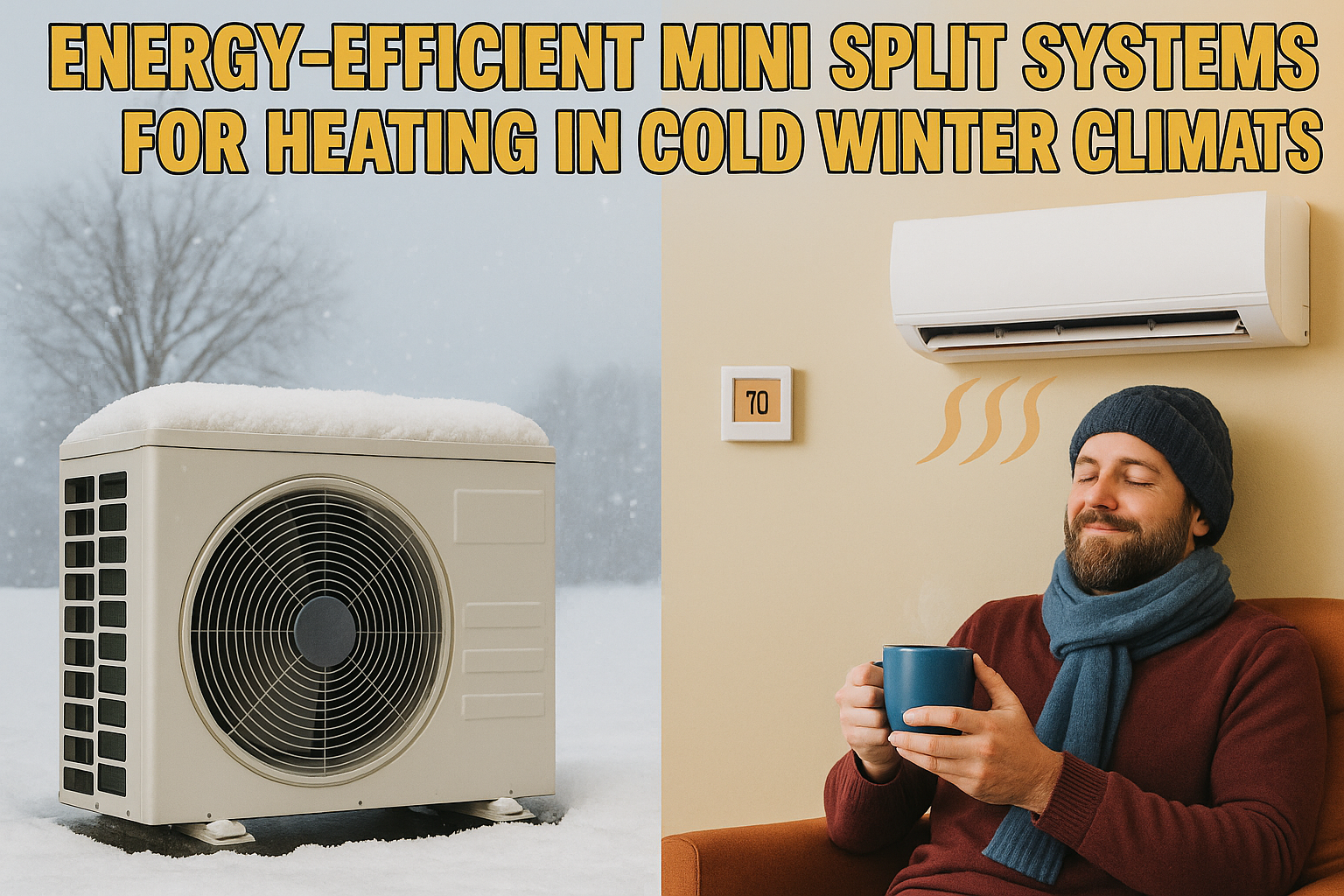
Quick gear picks: space heater for one occupied room, smart thermostat to automate set-backs, ductless mini-split for efficient zoned comfort in hard-to-condition areas.
Bottom Line: How to Capture the Most Savings from Budget Heating
The bottom line is to stack your savings in stages. Start with low cost fixes you can do now, thermostat schedules, air sealing, weatherstripping, and filter or duct attention. Layer in moderate upgrades next, insulation, zoning or smarter controls, and a professional tune. When timing and budget line up, plan the major retrofit, a right sized high efficiency furnace, boiler, or heat pump with envelope improvements.
Across the homes we serve, small steps commonly trim about 5 to 20 percent, mid tier measures about 10 to 35 percent, and well planned replacements can deliver about 20 to 50 percent or more versus a poor baseline. Results depend on climate, current equipment, fuel prices, and habits, which is why a staged plan keeps budgets sensible and paybacks honest. With 30 plus years in HVAC, over 200,000 orders fulfilled, and U.S. based technical support, we will map that plan to your home, rebates, and timeline.
- Get a Custom Quote: right sizing, staged options, and rebate guidance.
- Talk to Our Team: call to speak with a technician, no pressure, U.S. based support.
- Shop Heat Pumps, Furnaces, and Ductless: wholesale pricing, many items ship free, financing with Affirm available.