




How Much Does It Cost to Replace an AC Unit in Dallas? (Quick Answer)
In Dallas, most central AC replacements land around $6,700 to $12,000 installed. If your home needs new ductwork, plan for an additional $2,500 to $8,000. From our field installs, the biggest drivers are unit size and tonnage, efficiency rating (SEER or SEER2), brand and model tier, installation complexity, and the labor and permits required. Modern, efficient systems can lower energy bills, improve comfort during long Texas summers, and support cleaner indoor air. This guide focuses on Dallas specifics, clarifies the tradeoffs between up front price and efficiency, and explains what influences quotes, from equipment choices to duct scope. It is a quick way to set a realistic budget and understand why one estimate might differ from another in this market.
Typical Dallas Price Ranges: From Basic Swaps to Full System Replacements
When you compare quotes, use installed price, not equipment price alone. In the Dallas market, a like-for-like condenser and coil or air handler replacement with existing, serviceable ductwork typically runs $3,700 to $7,400. That covers equipment, standard installation, basic code items, and startup.
A full central AC system, including new indoor and outdoor units and standard accessories, commonly lands between $6,700 and $12,000, assuming ducts are in decent shape and do not need major redesign. Projects rise to $10,000 or more when the scope expands, such as replacing leaky ducts, adding returns, upgrading electrical circuits, or solving airflow issues.
Your position within these bands depends on capacity, efficiency rating, location of equipment (attic versus closet or garage), refrigerant line length, condensate management, slab or stand needs, permits, and thermostat upgrades. Think of these ranges as tiers: basic swap, full system, and full system plus improvements. From years of installing and shipping systems into DFW, we see most homeowners land near the middle of each band, with premium efficiency, complex attics, or extensive duct fixes pushing to the high side.
What Impacts Your Replacement Cost (Unit Size, Labor, Ducts & Permits)
Replacement quotes swing with a few big drivers. We look first at system size: house square footage and insulation dictate required tonnage. Right-sizing matters, because oversizing or undersizing costs you later through poor comfort and wasted energy. Efficiency rating (SEER/SEER2), brand and warranty level, and whether you replace only the outdoor unit or a fully matched system all move the number.
- Installation access and complexity: tight attics or crawlspaces and difficult equipment placements increase labor.
- Ductwork scope: minor fixes can land in the low thousands, while partial to full replacement or redesign typically adds about $1,300 to $8,000, depending on accessibility and extent. Sound ducts also protect performance.
- Permits and misc: permits, inspections, disposal, and thermostat upgrades usually add a few hundred dollars, common in Dallas-area installs.
Real World Cost Examples by Tonnage (1.5 , 3 , and 5 Ton Systems)
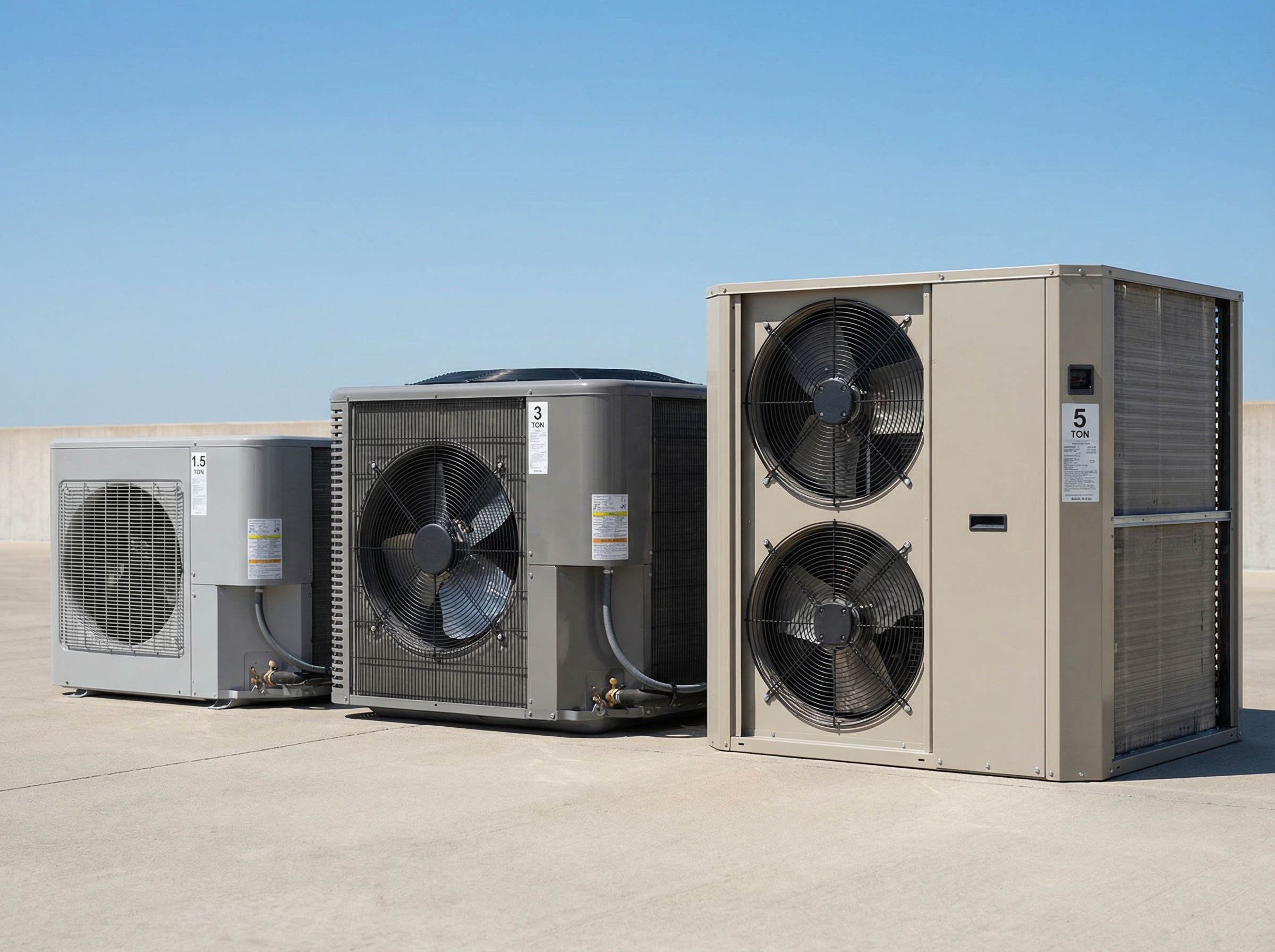
Tonnage is the system's cooling capacity. Bigger tons mean larger equipment, more airflow and refrigerant, and usually more labor, so installed price climbs. Typical ranges for basic replacements, not counting major duct or electrical work:
- 1.5 ton: about $5,000 to $8,000, common for small homes or a single zone.
- 3 ton: roughly $6,000 to $12,000, a frequent fit for many 2,000 sq ft Dallas homes.
- 5 ton: about $8,000 to $14,000, for larger homes or high cooling loads.
Efficiency tier, single versus two stage or inverter compressors, brand, and accessories can push a system toward the upper end. In our experience at Budget Heating (BudgetHeating.com), the jump from one tonnage to the next often adds a few thousand dollars because matching indoor components and electrical capacity must scale with the outdoor unit. Use these ranges to sanity check quotes and plan your budget.
Repair vs Replace: When a Replacement Is and Isn't the Right Choice
Replacement is usually the smarter investment when an older system struggles to keep up, bills are climbing, and you want better comfort, humidity control, indoor air quality, and fewer peak season breakdowns. That said, not every problem needs a new unit. Better choices can be targeted repairs, staged upgrades (swap the outdoor unit now and plan a matched system later), or improving ducts and controls to unlock performance at lower cost.
- Repair can be wiser for an isolated, low cost component failure on a newer system.
- When budget is tight, repair now and schedule replacement when it aligns with finances.
- If airflow or duct defects are the real issue, fix those first.
Common pitfalls: treating the sticker price as the full cost, assuming ducts do not matter, relying on rule-of-thumb sizing, and chasing the highest SEER when it is not the best value.
Component Costs: Condenser, Coil/Air Handler, Compressor and Refrigerant
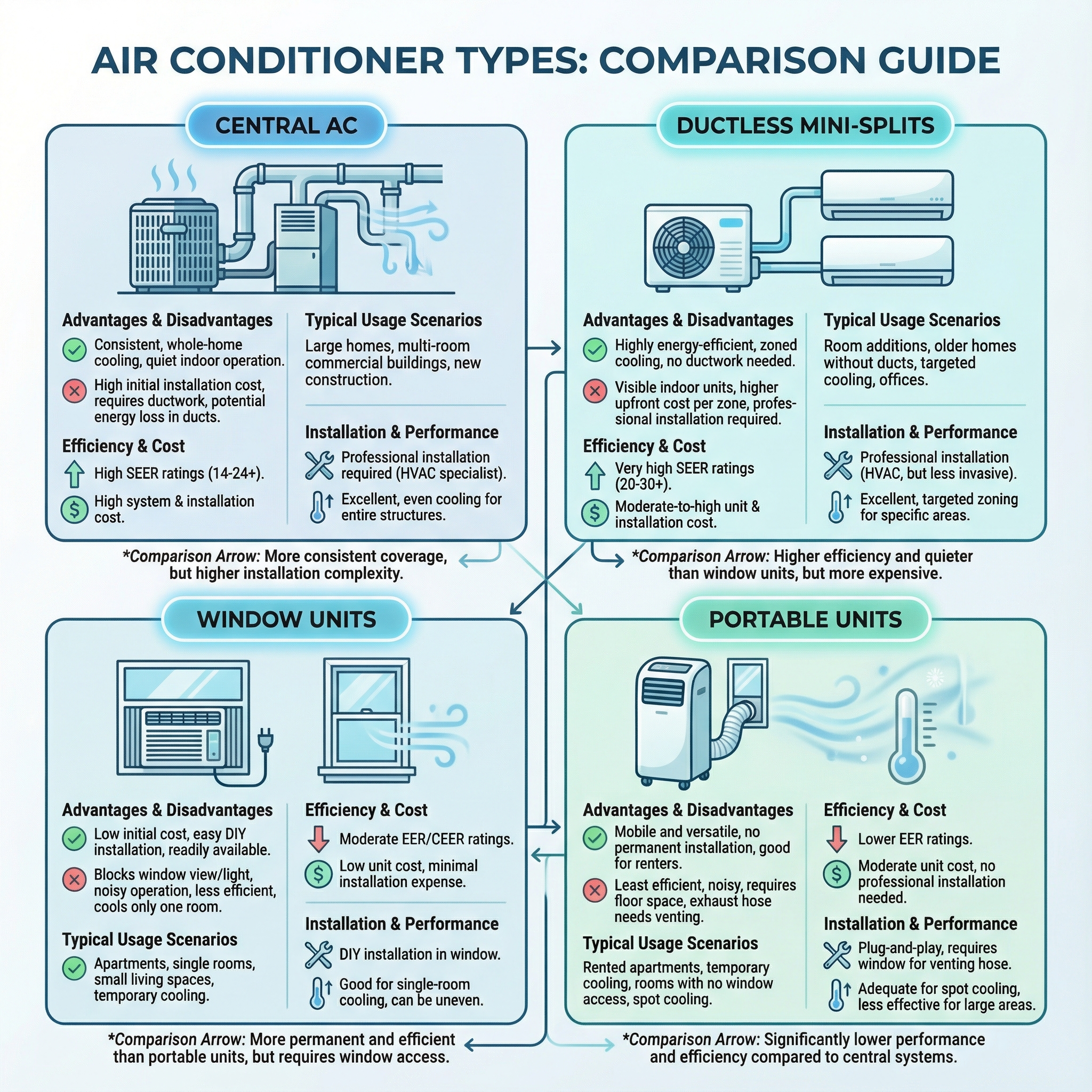
The biggest equipment costs come from the outdoor condenser and the matched indoor coil or air handler, sometimes paired with a furnace. Pricing scales with capacity in tons and with features. The outdoor unit contains the key mechanics, while the indoor coil or air handler completes the matched system. Refrigerant and controls are chosen to match the capacity and efficiency tier.
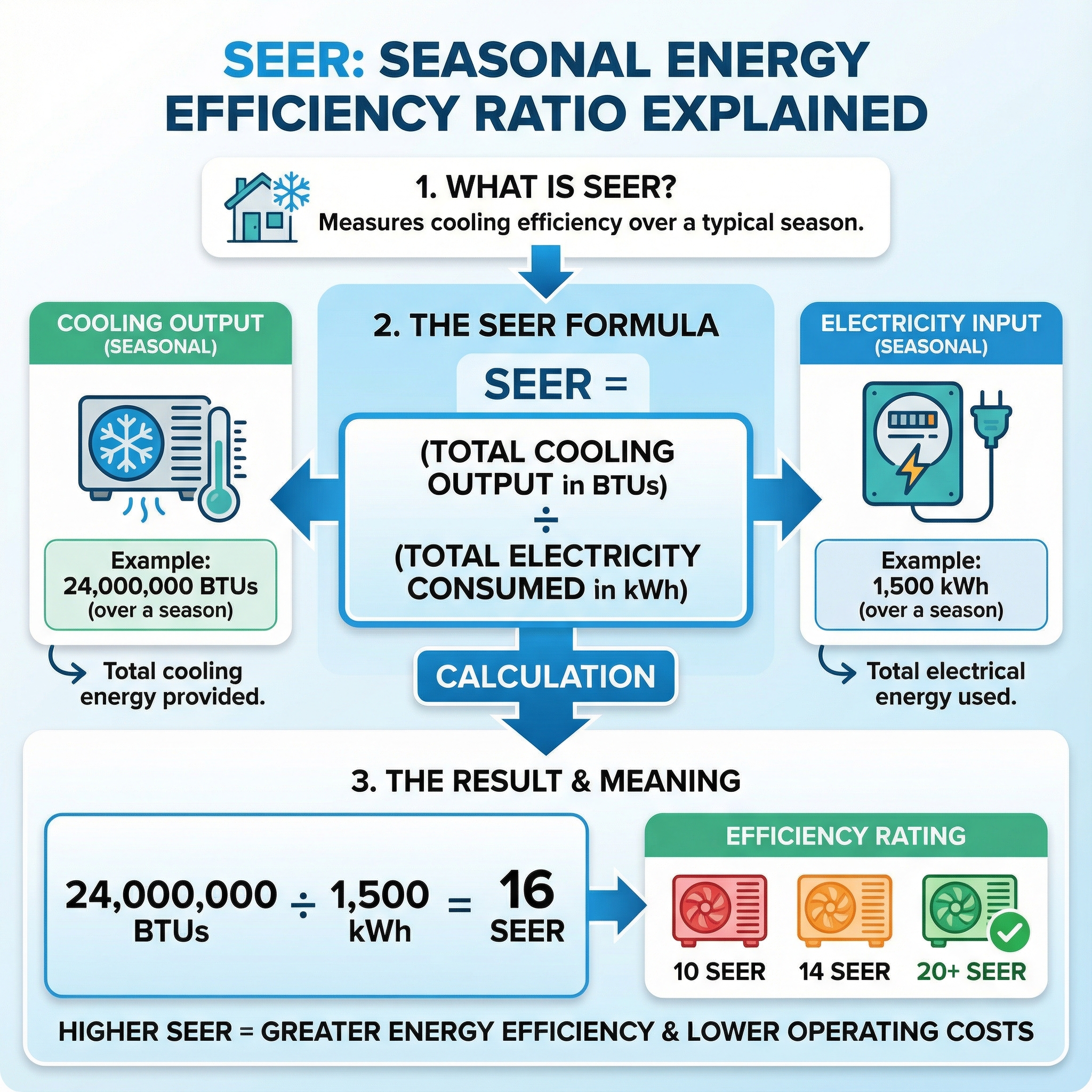
Think of SEER like miles per gallon for cooling. SEER2 is the newer test that reads a bit lower than legacy SEER and better reflects real-world performance. In Texas, the practical minimum for new splits is about 15 SEER (around 14.3 SEER2). Common tiers:
- Entry: about 14.3 SEER2
- Mid: about 15 to 16 SEER2
- High: about 18 to 20+ SEER, with premium variable speed reaching into the 20s
Higher SEER costs more up front but lowers operating costs over Dallas's long cooling season. A 2 ton at 16 SEER uses about 1,800 kWh per year (about $216 at $0.12/kWh). Replacing 10 to 13 SEER often cuts cooling energy 30 to 50%. In our experience at Budget Heating (BudgetHeating.com), that payback is meaningful in hot Texas climates.
Installation Costs & Labor in Dallas: What Contractors Typically Charge
In Dallas, installation labor commonly ranges from about $500 to $2,500. The spread depends on job complexity, attic work, any electrical or condensate changes, and how easy it is to get equipment in and out. It is a bit like moving a sofa: a ground floor swap is quick, tight attic stairs slow things down.
Quotes often call out site and logistics items that change cost and timeline:
- Outdoor pad prep or relocation
- Crane or hoist to set or remove equipment
- Condensate solutions, such as new drain routing or a pump
- Attic access conditions
- Debris and old equipment haul away
Before scheduling, confirm start date, expected duration, site access and parking, removal and disposal responsibilities, and whether you will need a temporary cooling plan. In our experience at Budget Heating (BudgetHeating.com), getting these answers up front avoids surprise adders. It also keeps the install on time.
Local Factors: Dallas Climate, Code, Licensing and Permits That Affect Cost
Dallas summers regularly hit 91 to 98 F and the cooling season runs long, so undersizing hurts comfort and oversizing wastes money. A typical 2,000 sq ft home often needs 3 to 4 tons. Higher SEER2 equipment can carry a price premium, but the long run time improves payback. Texas requires TDLR-licensed contractors for central AC work, plus local permits and inspections, which add fees and time. Minimums now sit near 14.3 SEER2 for many split systems.
How to Get an Accurate Quote: Contractor Measurement & Checklist for Dallas Homes
Use this checklist to make bids apples to apples and the installation predictable.
- Collect 2 to 3 bids from TDLR licensed contractors. Verify liability and workers comp insurance, and ask if the installing technicians hold NATE certification.
- Define goals and home details in writing: desired comfort rooms, hot or cold spots, square footage, insulation levels, window count and orientation, ceiling heights, shading, known air leaks, and any recent weatherization.
- Sizing and selection: require a Manual J load calculation, not rules of thumb. Require Manual S to match equipment to the load and Manual D to size ducts so the air actually gets there. Confirm airflow targets around 350 to 400 CFM per ton and adequate return air sizing.
- Itemized proposal must list model numbers, tonnage, SEER2 or EER2 or HSPF2 ratings, labor, ductwork scope, permits, electrical work, thermostat, pad or stand, condensate upgrades, and any crane or haul away fees.
- Ducts and commissioning: request duct leakage and static pressure testing. Price sealing, resizing, or replacement if needed. Require new or properly flushed line set, nitrogen pressure test, deep vacuum to about 500 microns, and documented startup readings for superheat and subcooling.
- Electrical and condensate: confirm dedicated circuit, breaker sizing, outdoor disconnect, bonding and grounding. Specify drain pan, float switch, slope, and verify outdoor pad location and attic access logistics.
- Permits and closeout: contractor pulls permits and schedules inspections. Keep permit records and AHRI certificate. Get written parts and labor warranty terms, often up to 10 years with registration, plus a commissioning report and homeowner walkthrough.
Next Steps: Get Local Quotes, Compare Lifetime Cost, and Hire a Trusted Installer
Choose confidently by comparing total installed quotes that list equipment, labor, ductwork, and permits. Weigh any efficiency premium against your cooling hours and local energy rates, and prioritize installer quality and warranty support. In Dallas, a properly selected and installed central AC typically lasts 10-15 years, and efficient equipment plus tight ducts lowers operating costs and improves comfort. Get 2-3 TDLR-licensed quotes with load calculations and duct evaluations, compare lifetime energy costs, and require a written scope, permits, warranty terms, and a commissioning report before final payment. Confirm parts and labor coverage in writing, registration, first-year tune-up, maintenance plans, and budget for filters.
We have 30+ years of experience and U.S.-based support. Our team can match you to the right system at wholesale pricing.
- Get a Custom Quote
- Talk to Our Team by phone for fast, expert guidance
- Shop Central AC Systems
- Ask about financing with Affirm and nationwide shipping