




Why Furnace Lifespan Matters for Your Home (A Quick Guide)
Your furnace shapes winter comfort, monthly energy costs, and indoor air quality. Knowing how long a system typically lasts helps you budget ahead, schedule maintenance at the right time, and plan for a smooth replacement before a breakdown in cold weather.
In real homes, longevity is not one size fits all. Fuel type, how often the system runs, installation quality, and ongoing care all influence wear and reliability. Thoughtful upkeep can stretch useful years, neglected issues can shorten them quickly.
This guide is written for homeowners, landlords, property managers, and buyers who want practical, no nonsense expectations. We set realistic lifespan ranges, highlight what accelerates wear, and outline when repair makes sense versus when replacement is the smarter move. The goal is simple, give you clear criteria so you can protect comfort, safety, and the budget without guesswork.
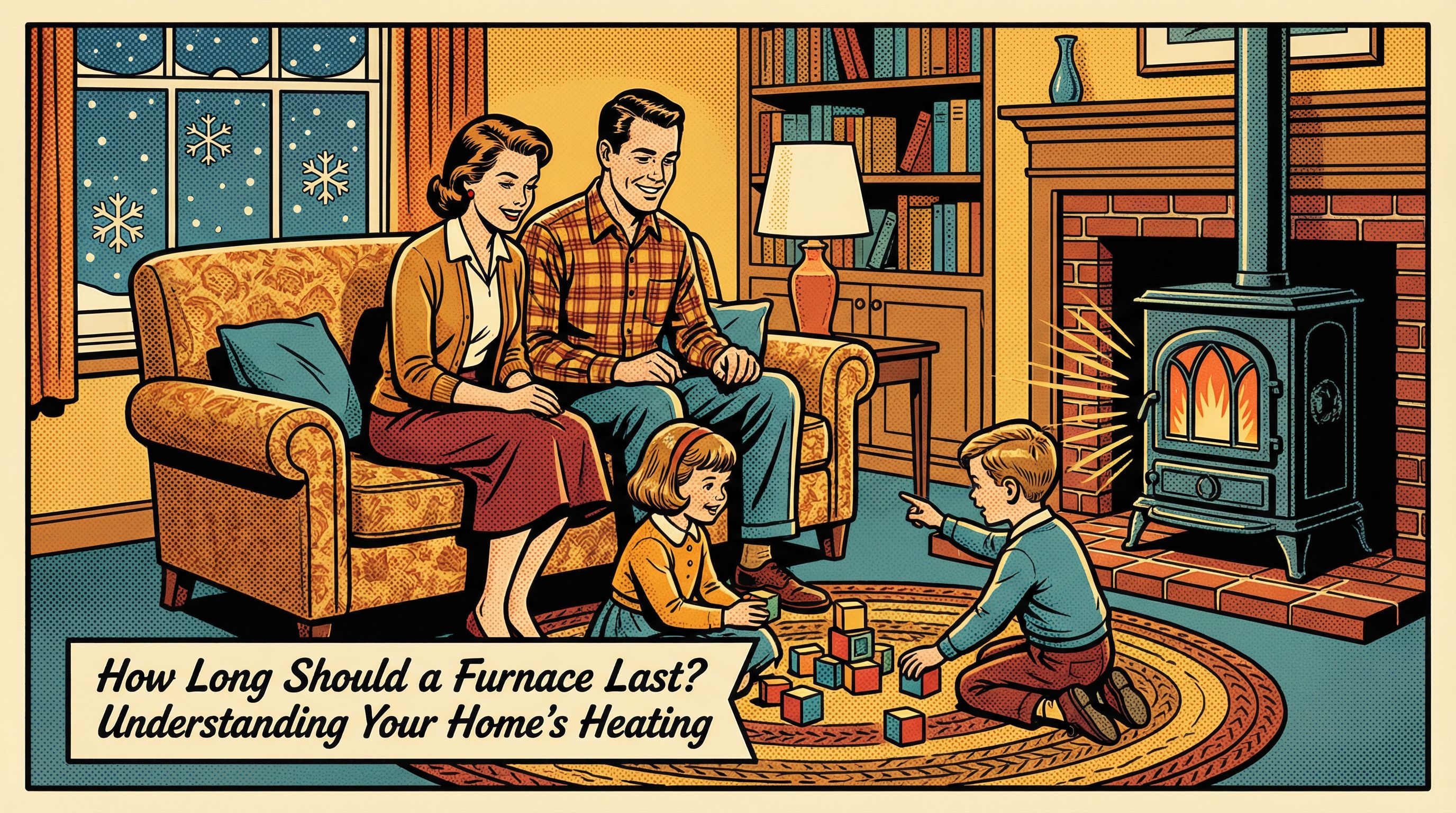
Typical Furnace Lifespans: What to Expect by Type
In our experience, most furnaces last 15 to 20 years.
- Gas: 15 to 20 years
- Oil: 15 to 25 years, up to 25 with good care
- Electric: 20 to 30 years
Longevity depends on sizing and install quality, runtime hours from climate and thermostat use, routine maintenance, duct leaks or restrictions, and the surrounding environment like dust, humidity, corrosives.
Stretch life with annual inspections, clean filters and clear airflow, and fixing small issues early. If repairs are frequent or costly, or the furnace is near its expected age, replacement often brings higher efficiency, quieter operation, and potential rebates.
Costs, Savings, and When an Upgrade Pays Off
High efficiency furnaces, 90 percent AFUE or higher, cut fuel use. Upgrading to 90 percent AFUE may save about $167 per year, about $3,340 over 20 years. From decades in the field, we see colder climates deliver faster payback because extra heating hours amplify savings.
For repair vs replace, use quick checks. If one repair costs more than 50 percent of a new furnace, replacement usually wins. Another rule: add two years of repair bills, multiply by system age. If that total exceeds new equipment cost, replacement is the smarter choice.
Weigh total ownership cost: upfront price, expected life, fuel rates, maintenance, and repair risk. If yearly savings and avoided repairs recover the price within a reasonable slice of the remaining life, the upgrade pays off.
Common Misconceptions and When a Furnace Is NOT the Right Solution
In our field work, we see a few myths trip people up:
- All furnaces last the same: lifespans vary by fuel type and conditions.
- Maintenance does not affect lifespan: consistent tune ups and cleanings extend service life.
- Filters only need annual replacement: most homes need changes every 1 to 3 months.
- Published lifespans are guarantees: they are benchmarks, not promises.
- Age alone should dictate replacement: also weigh performance, safety, and operating cost.
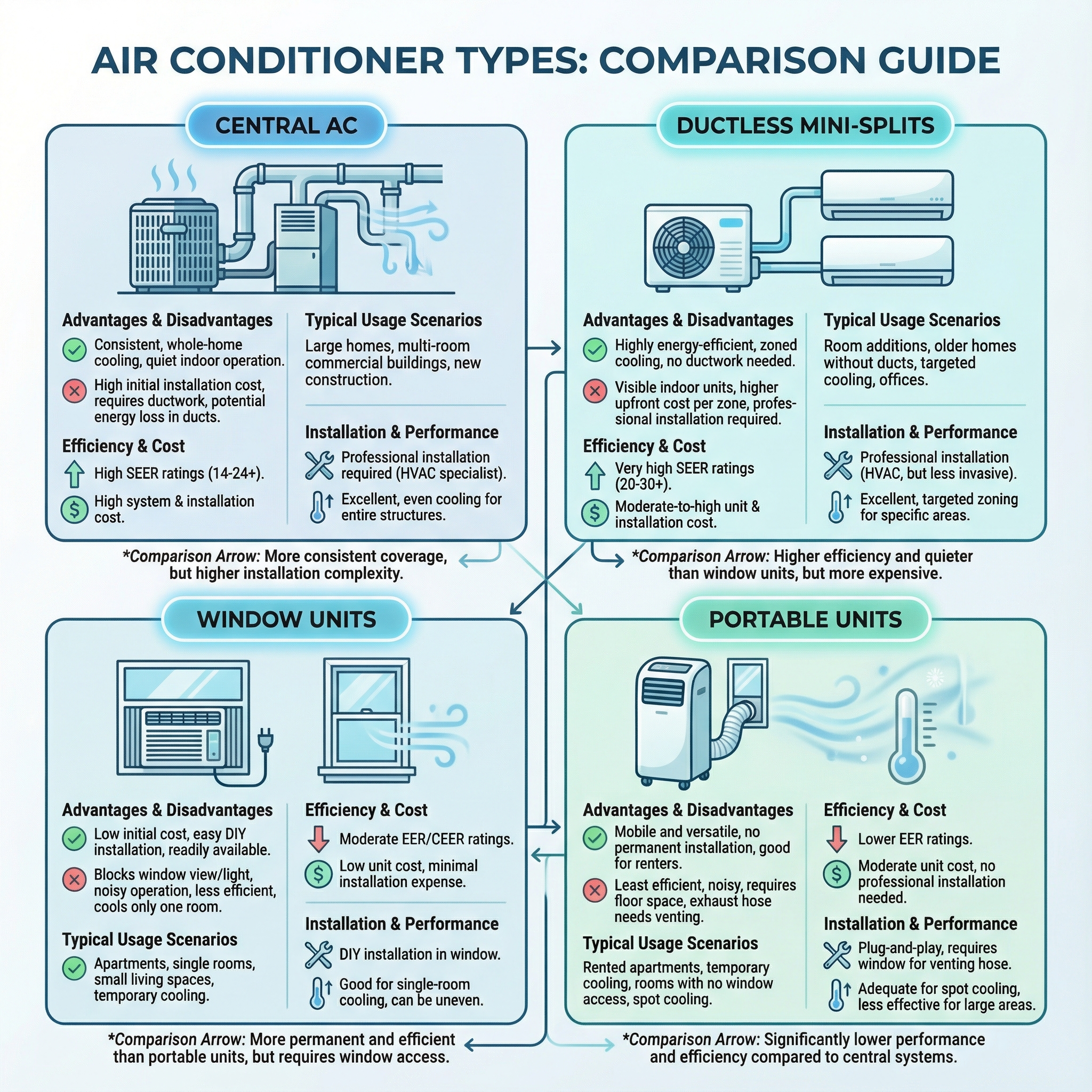
There are times a furnace is not the best fit. If you do not have ductwork, non ducted systems are usually a cleaner solution. In cooling dominant or mild winter areas, an all electric system that both heats and cools often aligns better with year round use. For single rooms or additions, a localized system typically beats extending furnace ducting. Think of it like choosing a vehicle for the job, a compact car shines in the city while a truck fits heavy hauling.
Efficiency Metrics: AFUE, SEER2, and What They Mean for Lifespan and Bills
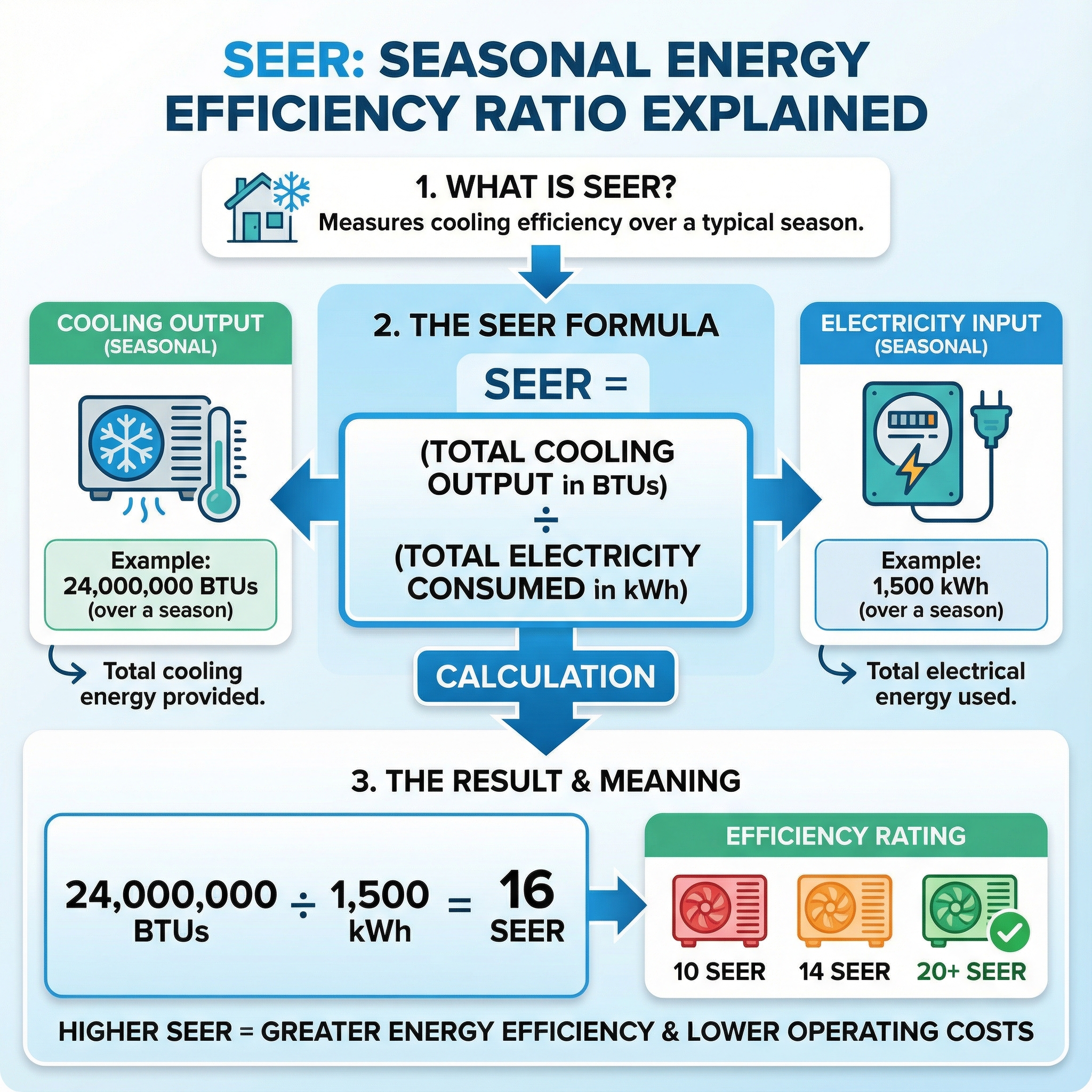
AFUE measures how much furnace fuel becomes heat. A 90% AFUE unit turns 90% of the fuel into usable heat. SEER and SEER2 measure cooling efficiency. The 2023 SEER2 test raised minimums and better reflects real operating conditions, which affects air conditioners and heat pumps, and any combined system that shares an indoor blower.
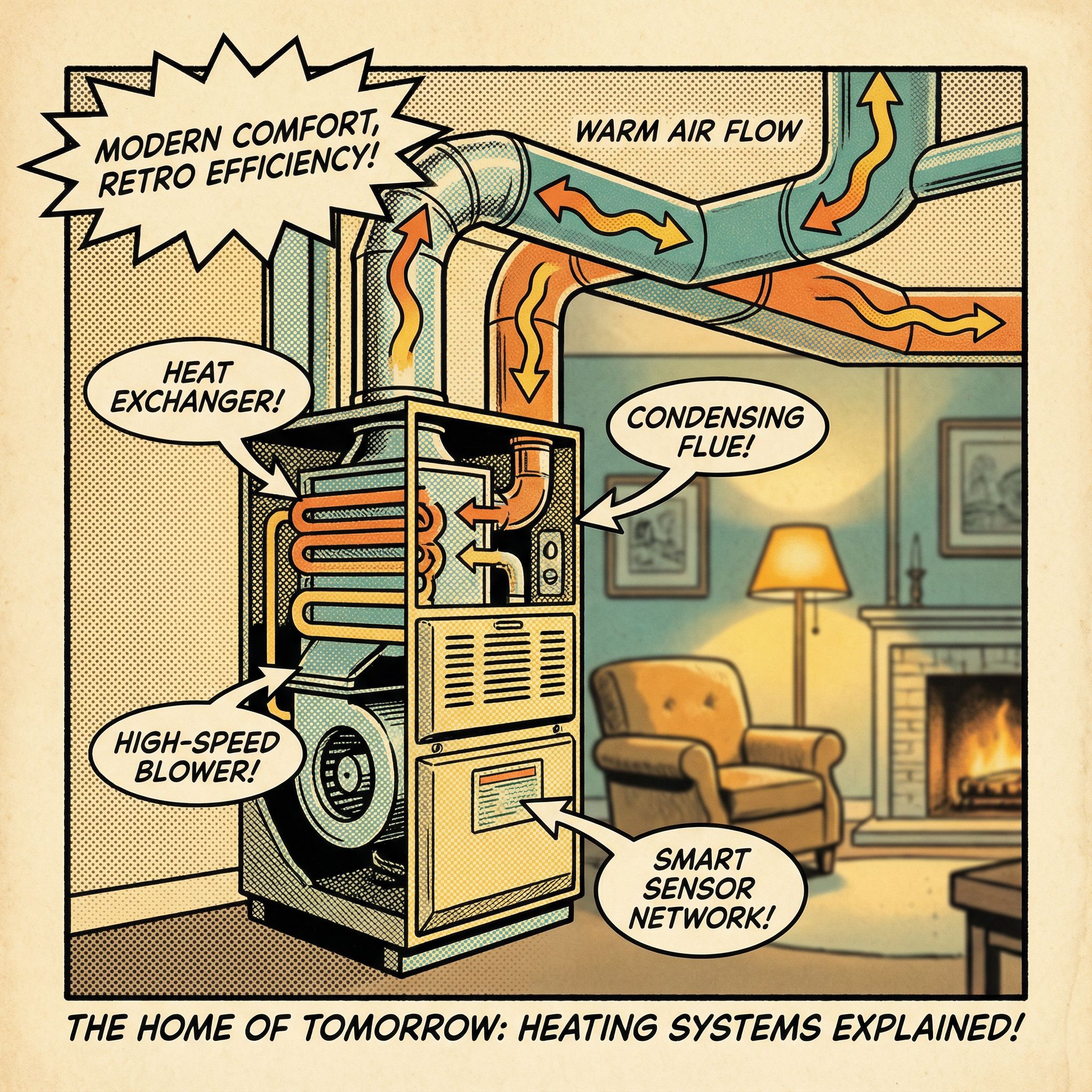
Typical furnaces run 80% AFUE for non-condensing, and 90 to 98% for high-efficiency condensing. Moving to 90%+ trims fuel use and can save hundreds over a couple decades. In our experience, higher efficiency does not guarantee longer life. Non-condensing 80% models are simpler, while condensing units add items like condensate drains and secondary heat exchangers that need periodic care.
A Homeowner's Checklist: Inspect, Maintain, and Track Your Furnace
Use this prioritized checklist to protect safety, extend equipment life, and keep bills predictable. Keep a simple log as you go.
- Identify your system: find the data plate, note model, serial, fuel type, install year, and filter size. Understand the typical lifespan for your furnace type.
- Safety first: test CO detectors, confirm a steady blue burner flame, and verify no gas odors. Look for rust, soot, or condensate around the furnace or venting. If you see any of these, call a pro.
- Airflow and filtration: replace or clean filters every 1 to 3 months. Keep returns and supply registers open and unobstructed.
- Annual professional service: schedule once per year for combustion analysis, temperature rise check, heat exchanger inspection, blower and inducer checks, and condensate maintenance on condensing units. In our experience at Budget Heating (BudgetHeating.com), this is where small issues are caught before they become outages.
- Document everything: date, work performed, readings taken, parts replaced, photos of issues, and contractor name. Keep warranty info with the log.
- Watch for red flags: uneven heating, short cycling, rising energy bills, new noises, or persistent hot and cold spots. Do not ignore patterns.
- Ductwork matters: inspect for leaks, kinks, crushed runs, or blocked returns. Seal and balance to improve comfort and reduce load.
- Venting and combustion air: verify flue and intake are clear, properly sloped, and free of corrosion. Ensure adequate combustion air.
- Thermostat and controls: use schedules, verify correct staging, and calibrate if spaces read off from actual temperature.
- When repair needs arise: apply your repair versus replace rules and estimate efficiency gains before deciding. If replacing, require a Manual J load calculation and verify sizing.
- Choose and vet contractors: confirm licenses, ask for Manual J and D, and request a commissioning report after startup.
- Plan ahead: target shoulder seasons for replacement and research available incentives. If keeping an older furnace, stay current on tune ups, maintain CO detectors, and have replacement quotes ready.
Climate, Codes, and How Regulations Affect Lifespan and Upgrades
In our experience, colder northern climates run equipment many more hours, like adding miles to an odometer, so practical lifespan shortens. Milder regions see less wear. Coastal or very humid areas boost corrosion risk on coils and cabinets, so coated coils and stainless hardware help and inspections matter more.
Regulations now drive upgrades too. Since 2023, SEER2, EER2, and HSPF2 test methods raised minimums. A 2023 DOE rule makes most new non-weatherized gas furnaces 95 percent AFUE in 2028, phasing out many 80 percent models. Expect condensing installs with PVC venting, condensate drains, and stricter commissioning, plus more attention to condensate traps during maintenance. IECC and local policies, along with incentives and electrification goals, also steer replacement timing and fuel choice.
Safety, Maintenance, and What You Should Do (and When to Call a Pro)
Split the work into two lanes: homeowners handle light upkeep, licensed techs handle anything involving combustion, refrigerant, or internal electrical parts.
- Replace or clean air filters every 1 to 3 months, they are the system's dust mask.
- Keep the area around the furnace or air handler clear and vacuum supply and return vents.
- Check thermostat settings and schedules.
- Make sure outdoor intake and exhaust vents stay unobstructed.
- Test carbon monoxide and smoke alarms.
Call a professional for an annual tune up and for any gas, venting, refrigerant, or internal electrical work. In our experience at Budget Heating (BudgetHeating.com), a proper service visit should include:
- Combustion analysis and a heat exchanger inspection.
- Blower and inducer motor checks.
- Condensate trap and drain maintenance on condensing units.
- Safety control testing, including limits and pressure switches.
Critical cautions: never handle refrigerant or adjust gas valves or internal wiring. If you smell gas or a CO alarm sounds, evacuate and call the utility.
With consistent professional maintenance, most systems run about 15 to 20 years, while neglected units often fail much sooner.
Brand, Model, and Installation Notes: What to Check Before You Buy
For a furnace that lasts, installation quality matters more than paying extra for a badge. Make sure every quote includes:
- A written Manual J load calculation, not a rule of thumb.
- Exact model numbers and AFUE ratings.
- Venting compatibility: 80 percent furnace or 90 percent plus condensing, with materials and condensate drain plan.
- Warranty details: heat exchanger, parts, and any labor coverage, with years specified.
- Commissioning after install: combustion analysis, temperature rise, and external static pressure documented.
Bottom Line: Plan Ahead, Maintain Regularly, and Replace at the Right Time
Most residential furnaces run 15 to 20 years, and electric or well maintained units can go longer. Longevity hinges on fuel type, correct sizing and installation, climate runtime, and consistent maintenance.
Keep yearly inspections, timely filters, clear airflow, and service records. Replace when a repair is 30 to 40 percent of new or when efficiency and regulations favor upgrading, ideally before winter to avoid emergencies.
Deciding what to do next can feel high stakes, and our team will help you plan and price the right move.
- Get a Custom Quote
- Talk to Our Team, U.S. based phone support
- Shop Furnaces
- Ask about free shipping zones and Affirm financing