





 heating
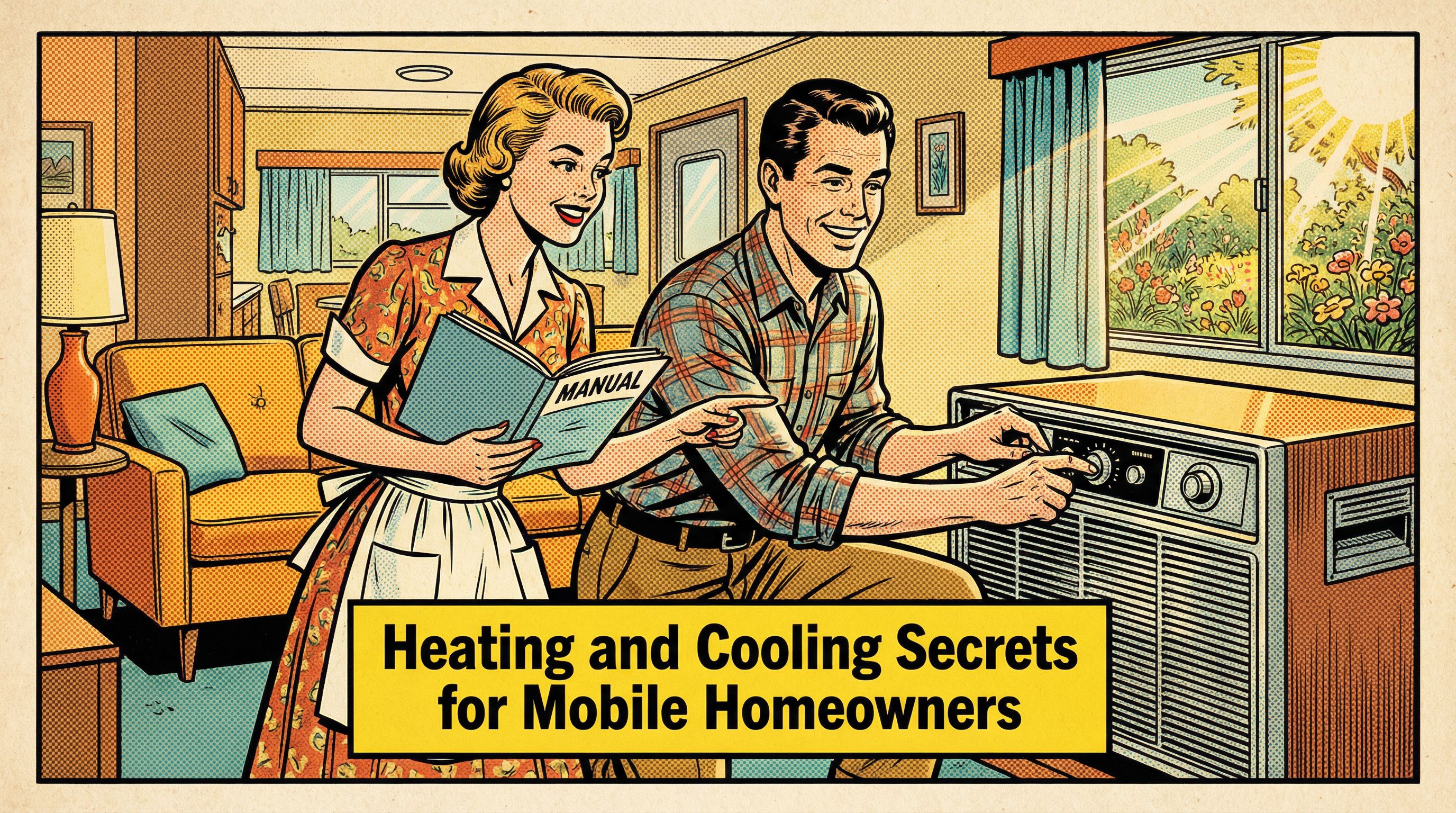
Heating and Cooling Secrets for Mobile Homeowners: What Makes These Homes Different
Mobile and manufactured homes reward a simple, two-part plan: tighten the building shell first, then match the HVAC to what the home actually needs. Think of the shell as the home's jacket. A good jacket, air sealing and insulation with intact skirting, cuts drafts and heat loss so the heater or air conditioner does not have to work as hard.
Shell improvements are straightforward: seal air leaks, add or improve insulation, and keep skirting continuous and secure. This stabilizes indoor temperatures and reduces the load that the mechanical system must handle.
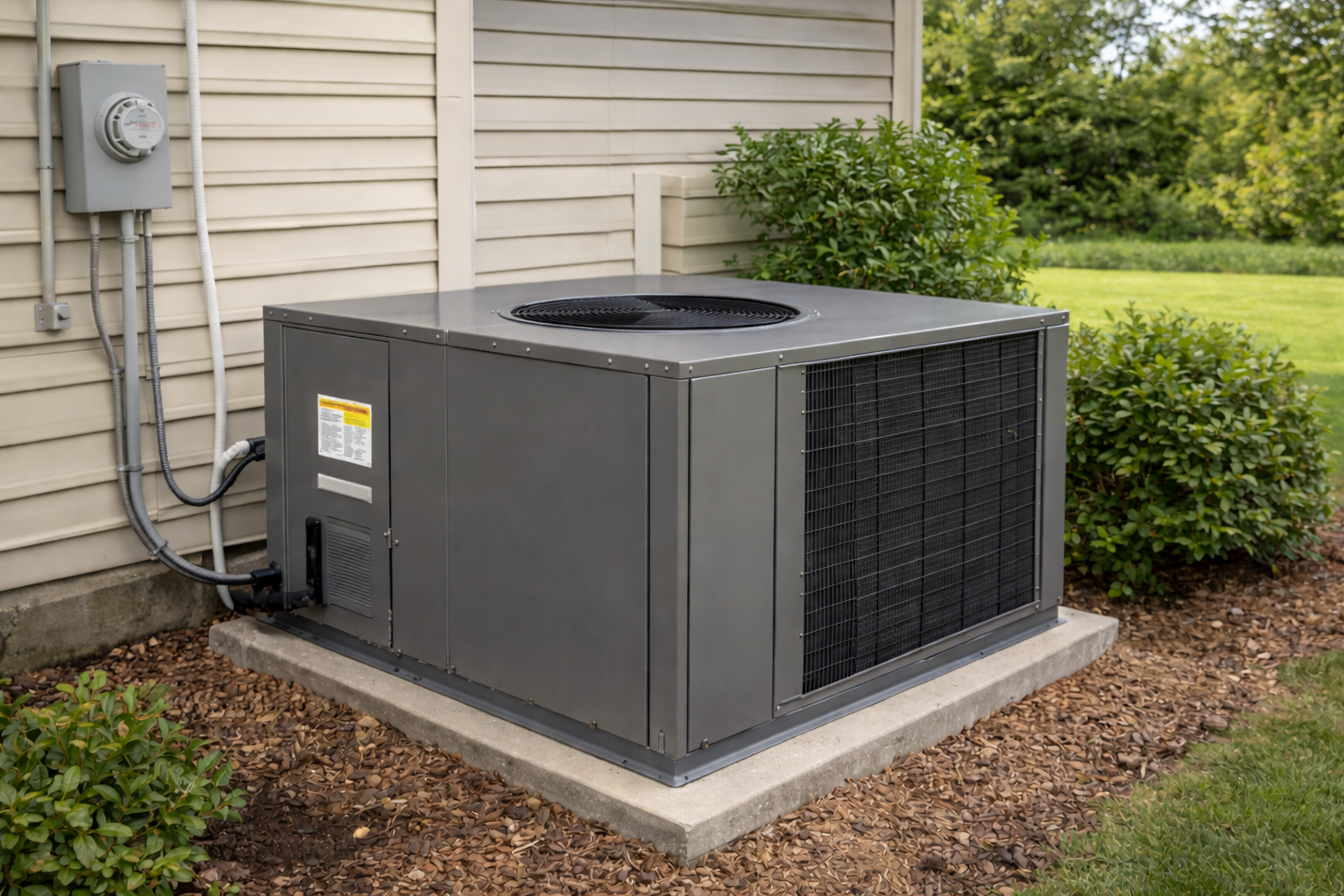
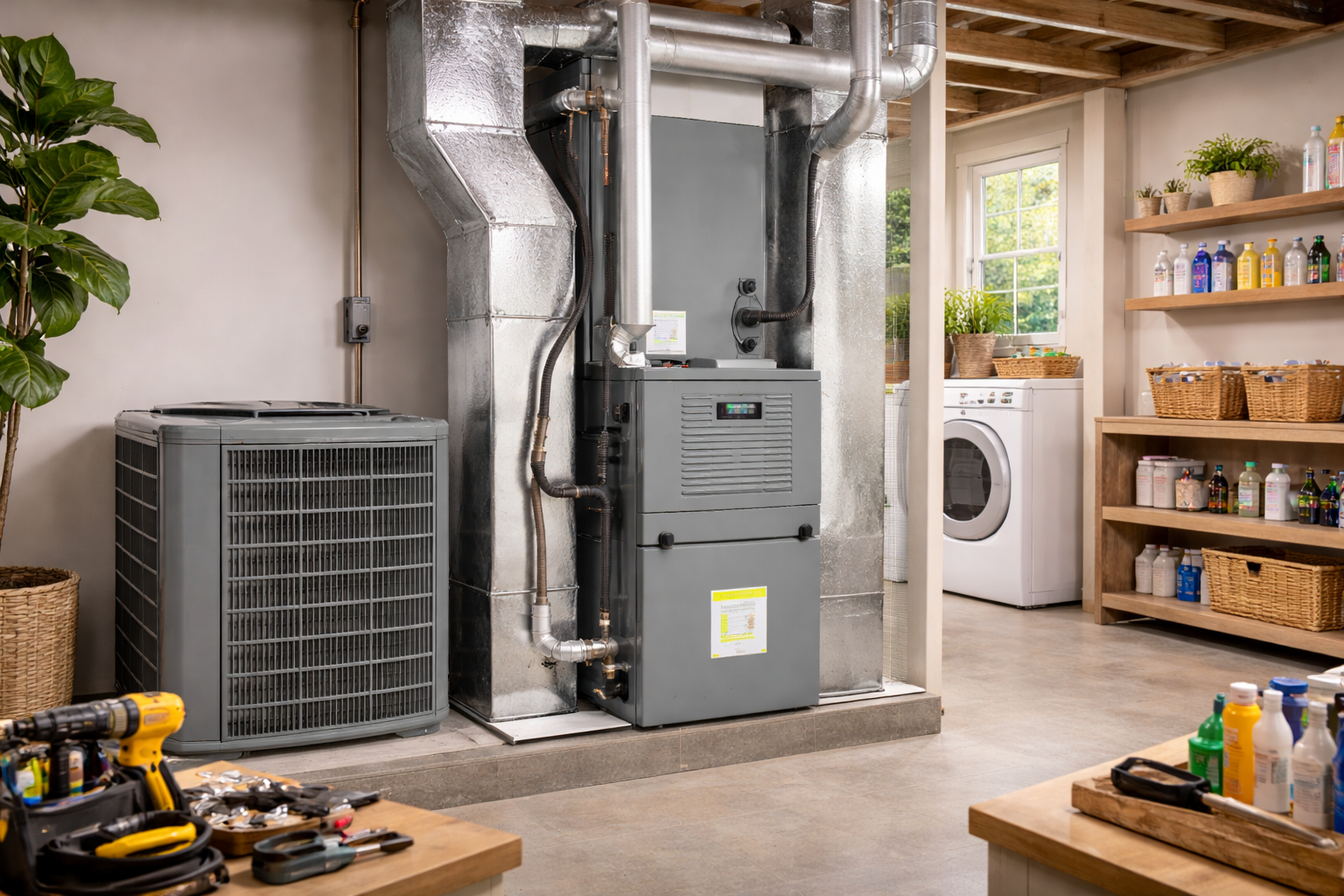
Once the shell is in order, select code-compliant equipment sized to the home's heated and cooled floor area. Options include furnaces, heat pumps, packaged units, and ductless mini-splits. Right sizing matters, because equipment that fits the actual conditioned area runs more efficiently and keeps comfort even from room to room.
In short, start with the envelope, finish with the machine. That combination, shell upgrades plus correctly sized, code-compliant HVAC, is what separates a mobile home that fights the weather from one that stays comfortable with less energy and fewer surprises.
Who This Guide Is For: Mobile Homeowners, Renters and Small Contractors
This guide is for people living with manufactured housing realities: tight spaces, specific equipment, and firm budgets. It delivers step by step tips you can use today, drawn from decades of hands on HVAC work.
- DIYers who want clear troubleshooting, maintenance, and replacement basics.
- Budget minded owners and renters comparing heat pumps, furnaces, and packaged units.
- Small contractors who service mobile homes and need quick product guidance.
Expect plain language, practical cost context, and solutions that respect mobile home codes and clearances.
Common Problems & Pitfalls: Why Your Mobile Home Heater May Not Be Working
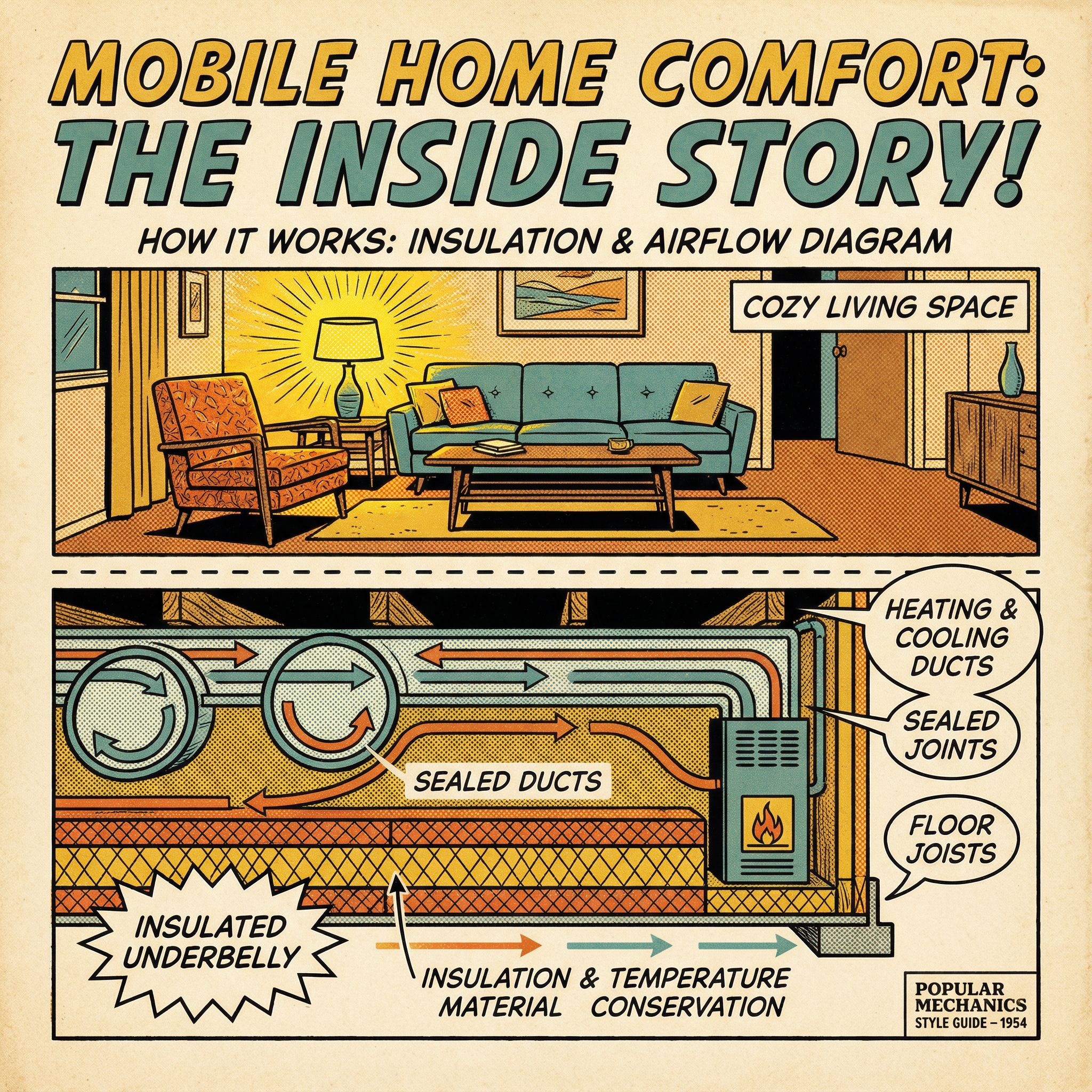
From what we see in the field, many no-heat calls in manufactured homes trace to basics that get missed. Think of the underbelly like a thermos: if it is torn or the cap is loose, heat disappears fast.
- Using standard residential gear instead of mobile-home rated units.
- Oversized equipment that short cycles and leaves cold rooms.
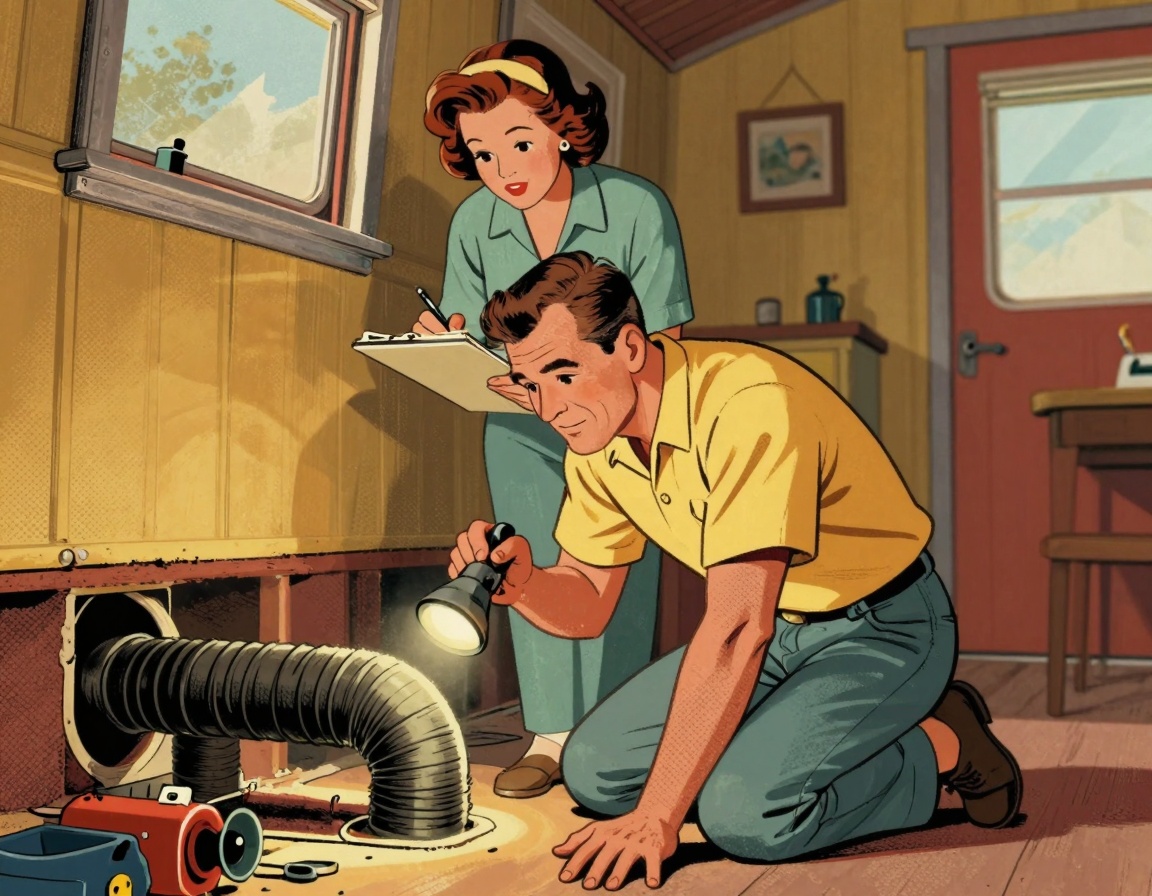
- Underbelly duct leaks dumping heat into the crawlspace.
- Missing underbelly insulation or skirting that invites wind wash.
- Sizing off total footprint, not the actual heated or cooled area.
- Dirty filters or skipped service causing limit trips or iced coils.
- Unvented combustion heaters adding moisture and CO risk.
- Outdoor unit boxed in with too little clearance.
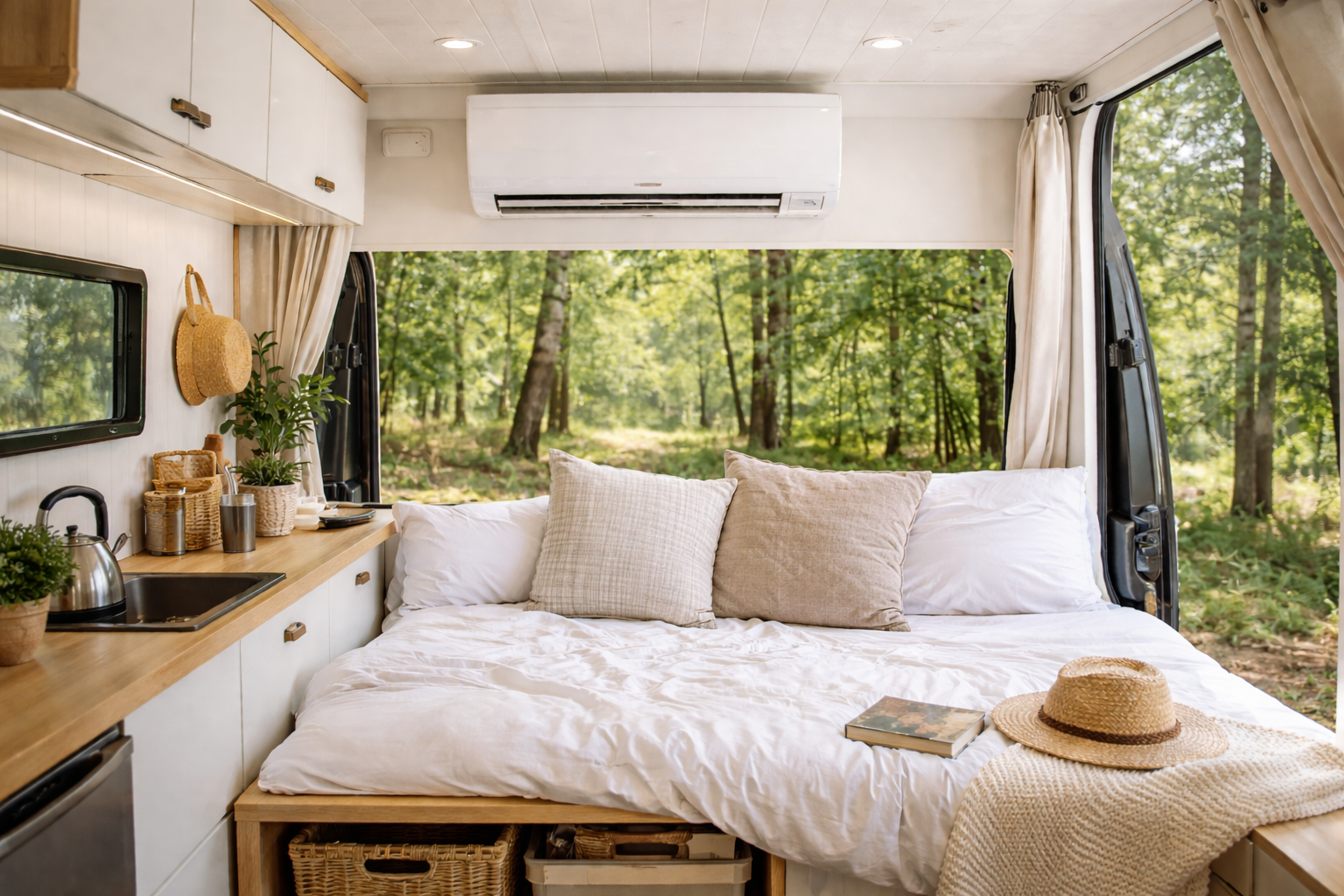
There are times a central, ducted system is not the best choice. If ducts are crushed or impossible to seal, a ductless mini split avoids those losses. If outdoor clearance is tight, a packaged unit or a sealed direct vent wall furnace can fit better than a split system. In severe cold with poor skirting, invest first in air sealing and insulation before changing equipment.
Homeowner Checklist: Measure, Size and Prepare Before You Buy or Replace HVAC
Use this checklist to define your space and get apples-to-apples bids. In practice, we size to the conditioned area, not the whole footprint. Think shoes to feet, not the box. Unconditioned zones do not count for capacity.
- Set climate priority: cooling, heating, or balanced.
- Measure total square footage for context.
- Measure conditioned square footage, heated and cooled.
- Document every room to be conditioned and share it.
- Plan heating and cooling footprints by region.
- Compare against typical mobile-home capacity norms.
- Request a load calculation for conditioned areas only.
- Confirm duct layout, returns, and target airflow.
- Select efficiency features suited to your region.
- Standardize bid scope so proposals truly match.
- Plan operating budget and thermostat schedules.
- Schedule pre-season tune-ups, then re-check after remodels.
SEER, SEER2 and Efficiency: What Mobile-Home Owners Need to Know
SEER and SEER2 are cooling efficiency ratings, like miles per gallon for AC. The U.S. shifted to SEER2 in 2023 with new regional minimums, so most mobile-home shoppers will see SEER2 on the label. Code-minimum split systems generally land around 13.4 to 14.3 SEER2, while high-efficiency models reach the mid to upper teens.
Why it matters: SEER affects how much electricity you use. Jumping from about 14.3 SEER2 to about 17 SEER2 typically trims seasonal cooling energy roughly 15 to 20 percent, but only with proper sizing and sealed ducts. Seal your ducts so the higher SEER2 unit can deliver its rating. In our experience at Budget Heating (BudgetHeating.com), right-sized equipment plus tight ducts turns the spec sheet into real savings.
Why Improving the Shell and Sealing Ducts Delivers the Biggest Comfort Wins
Tighten the shell and seal ducts, and the HVAC finally works with the home, not against it. Think of it as putting the lid on a cooler before adding ice.
- Comfort: fewer drafts and hot spots.
- Lower bills: higher-efficiency equipment plus tight ducts loses less air.
- Longer life: proper airflow and right sizing reduce wear.
- Health and safety: correct venting and moisture control.
- Compliance: upgrades align more easily with codes and incentives.
- Flexibility: mini-splits enable better zoning.
- Resilience: steadier temperatures during extreme weather.
This package approach matters in mobile homes, where compact spaces amplify leaks and sizing mistakes. Treating the shell and system together delivers stable, quiet, predictable comfort.
Safety & Maintenance: Simple Habits That Prevent Breakdowns and Hazards
Simple habits keep mobile-home HVAC safe and efficient. Focus on air, power, combustion, and the underbelly.
In our experience at Budget Heating (BudgetHeating.com), this checklist prevents most no-cool and no-heat calls.
- Change or clean filters every 1-3 months, the system's dust mask.
- Annually, have a pro check charge, wiring, blower, combustion safety, and duct integrity, including belly-duct leaks.
- Seal duct joints with mastic or UL 181 foil tape.
- Keep the underbelly intact and repair skirting.
- Verify combustion venting and test CO detectors.
- Keep outdoor units clear of debris for steady airflow.
- Use the thermostat steadily, set schedules to reduce short cycling.
- Before under-belly work, follow lockout or tagout and confirm power is off.
- After storms or animal activity, inspect for damage.
Regional Rules, ENERGY STAR Criteria and Why Climate Changes Equipment Choices
Since 2023, DOE uses SEER2/HSPF2 with regional minimums. In the North the minimum is about 13.4 SEER2. In the Southeast and Southwest, requirements are higher for systems under 45,000 Btu/h. For manufactured housing, the 2026 ENERGY STAR Manufactured New Homes program sets climate zones and recognizes heat pumps at 14.3 SEER2 and 7.5 HSPF2 as high efficiency. New DOE rules scheduled for July 2, 2026 will further influence HUD-code home equipment choices. In practice, we see equipment selection live and die on matching efficiency metrics to climate, the way tires differ for snow or summer:
- Hot-humid: prioritize higher SEER2 and strong dehumidification control.
- Hot-dry: SEER2 helps, but sensible capacity and airflow tuning matter.
- Cold climates: emphasize HSPF2 and verified low-ambient performance.
Costs, Pricing and Why There's No One-Size-Fits-All Price Tag
We do not publish universal price or savings ranges, because the real number is shaped by your region, home size, equipment type, ductwork condition, and the quality of installation. Think of it like tailoring a suit, the fit drives the price.
- Gather multiple written bids with the same scope.
- Require a Manual J load calculation.
- Have ducts inspected or tested for leakage.
- Confirm what is included: line set, pad, electrical, permits, start-up.
- Review local rebates and incentives before you commit.
Next Steps: How to Prioritize Upgrades, Find Contractors and Save Energy
Mobile homes work best with a package approach: seal the shell, insulate the underbelly, seal ducts, right-size SEER2/HSPF2 equipment, add a smart thermostat and shading. The result is comfort, safety and measurable energy savings.
- Seal obvious air leaks and repair the belly board.
- Schedule a Manual J load calculation and duct test before buying equipment.
- Hire licensed, insured pros with mobile home experience, then check utility rebates.
You want a clear plan and a safe install. We can turn that plan into a matched system and parts list.
- Get a Custom Quote
- Talk to Our Team by phone for fast answers
- Shop Heat Pumps, Ductless Mini Splits or Packaged Units
 Cooling
 Learning Center
 Money Saving Tips
 Product and Brands Insights
 Buying Guides
 State by State
 HVAC Systems