




Heating and Cooling Options for Mobile Homes: A Complete Guide
Choosing HVAC for a mobile or manufactured home is not one size fits all. Compact floor plans, shallow duct trunks, and lighter insulation change how systems perform. A mismatched setup can lead to hot and cold spots, higher bills, poor indoor air quality, and shorter equipment life. The right choice improves comfort, safety, and operating cost.
With 30+ years in HVAC and deep experience solving tight-footprint challenges, we focus on what works in factory-built homes. This guide explains furnaces, heat pumps, including ductless mini splits, packaged units, window or portable ACs, and when supplemental heat makes sense. You will see how to pick by climate and existing ducts, size correctly with Manual J for load and Manual D for airflow, and decide when going ductless is smarter. We outline how fuel type, efficiency ratings, controls, skirting and belly insulation, and air sealing influence results, plus the permitting and safety basics that apply to mobile homes.
By the end, you will have a practical roadmap to:
- Select equipment that fits your home, climate, and budget
- Fix distribution issues at ducts, registers, and returns
- Prioritize envelope upgrades before upsizing equipment
- Operate and maintain systems for safe, cost-effective performance
Why Mobile-Home HVAC Is Different from Site-Built Homes
Manufactured homes often have tighter chases and smaller, more restrictive ducts. Airflow is like sipping through a narrow straw, so sizing and distribution differ from site-built houses. The underbelly, skirting and ceiling assemblies also shift loads and how air moves. Use equipment specifically listed for manufactured-home use, and prefer sealed-combustion, direct-vent furnaces. Installations must follow HUD and manufactured-housing rules. Clarify goals up front: heat, cooling or both, any zoning, budget and lifecycle priorities, plus noise or space limits. Always match the system to the home's layout and insulation, not site-built assumptions.
How Heat Loss and Heat Gain Work in Mobile Homes (and Why It Matters)
Heat moves from warm to cool through conduction, air leaks, and sunlight. A mobile home's shell acts like a sweater: thicker insulation and tighter seams slow loss in winter and keep heat out in summer. In our experience at Budget Heating (BudgetHeating.com), the quickest path to right-sizing equipment is a focused audit that shows how your home actually loads.
- Measure square footage and ceiling heights.
- Identify climate zone and local design temperatures.
- Evaluate insulation, air sealing, underbelly, and skirting.
- Inspect ductwork size, leakage, and return-air paths.
- Count windows, note type, orientation, and shading.
- Account for occupancy and other internal gains.
- Confirm utilities and electrical service capacity.
- Check crawlspace ventilation and moisture conditions.
Leaky or undersized ducts can erase efficiency and comfort. Solid inputs produce accurate heating and cooling loads, which drive proper system selection and reliable performance.
How to Choose the Right System: Sizing, BTU Basics and Efficiency Ratings (SEER2/HSPF2/AFUE)
Start with sizing. Get a Manual J load calculation based on your home's specifics. BTU capacity should match that load, not a square-foot rule. Oversized systems short cycle and remove less humidity. If ducts are used or modified, require a Manual D design and static pressure checks. Like shoes, the right size is comfortable and efficient.
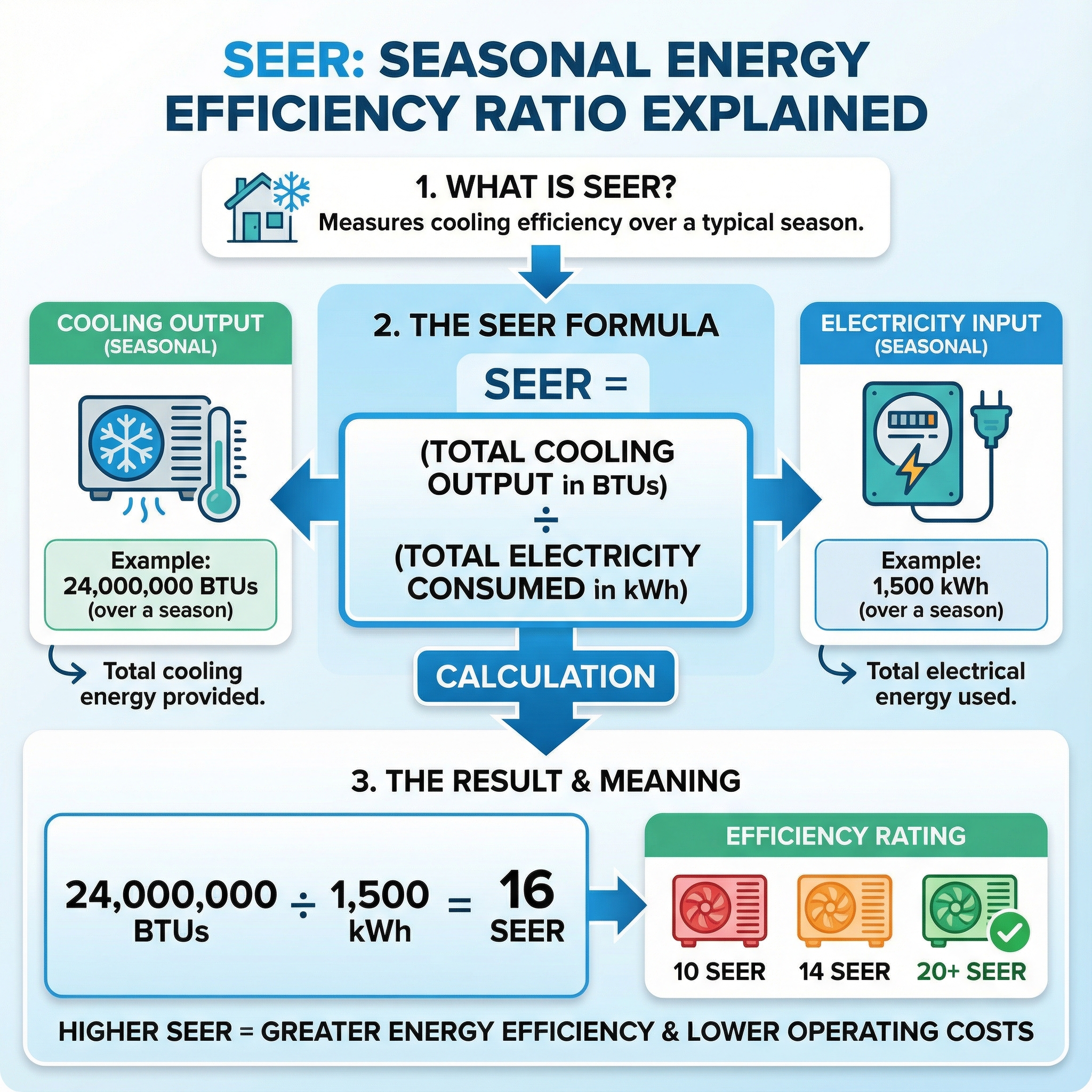
SEER and SEER2 measure seasonal cooling efficiency. For many mobile homes, mid teens, about SEER 14 to 16, balances cost and savings. Moving from 10 to 16 SEER can cut cooling use by roughly one third. For heating, compare HSPF or HSPF2 on heat pumps and AFUE on furnaces, these measure heating efficiency. Duct losses reduce real efficiency, tight ducts can let a mid efficiency unit beat a higher SEER unit with leaky ducts.
SEER2 and the M1 test changed airflow and static pressure assumptions, so ratings can differ. Some systems need matched components or a field installed TXV, confirm with your contractor. In our experience at Budget Heating (BudgetHeating.com), verifying manufactured home matchups avoids surprises. That keeps performance and comfort consistent.
Ductless Mini-Splits and Heat Pumps: Efficient, Zoned Heating & Cooling for Mobile Homes
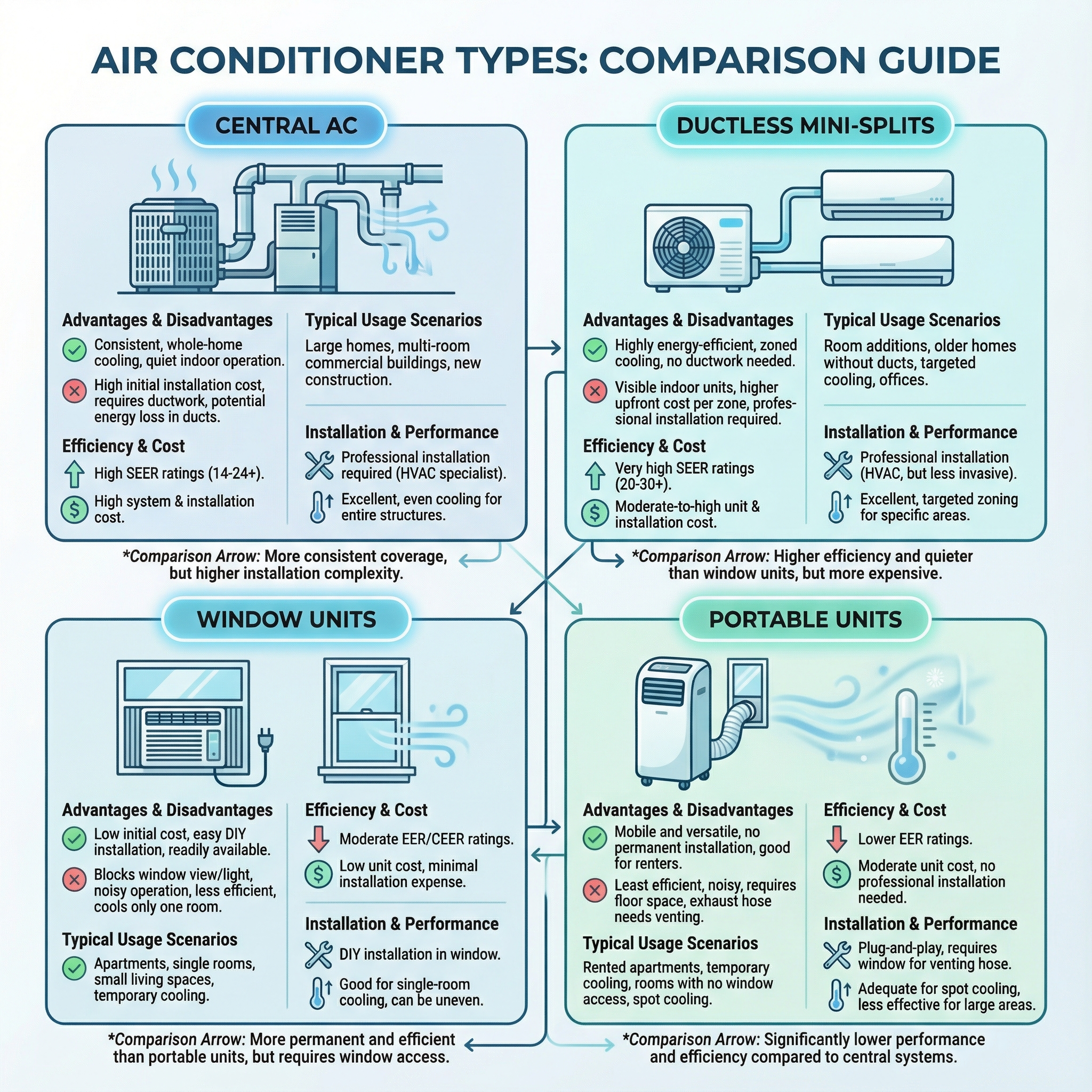
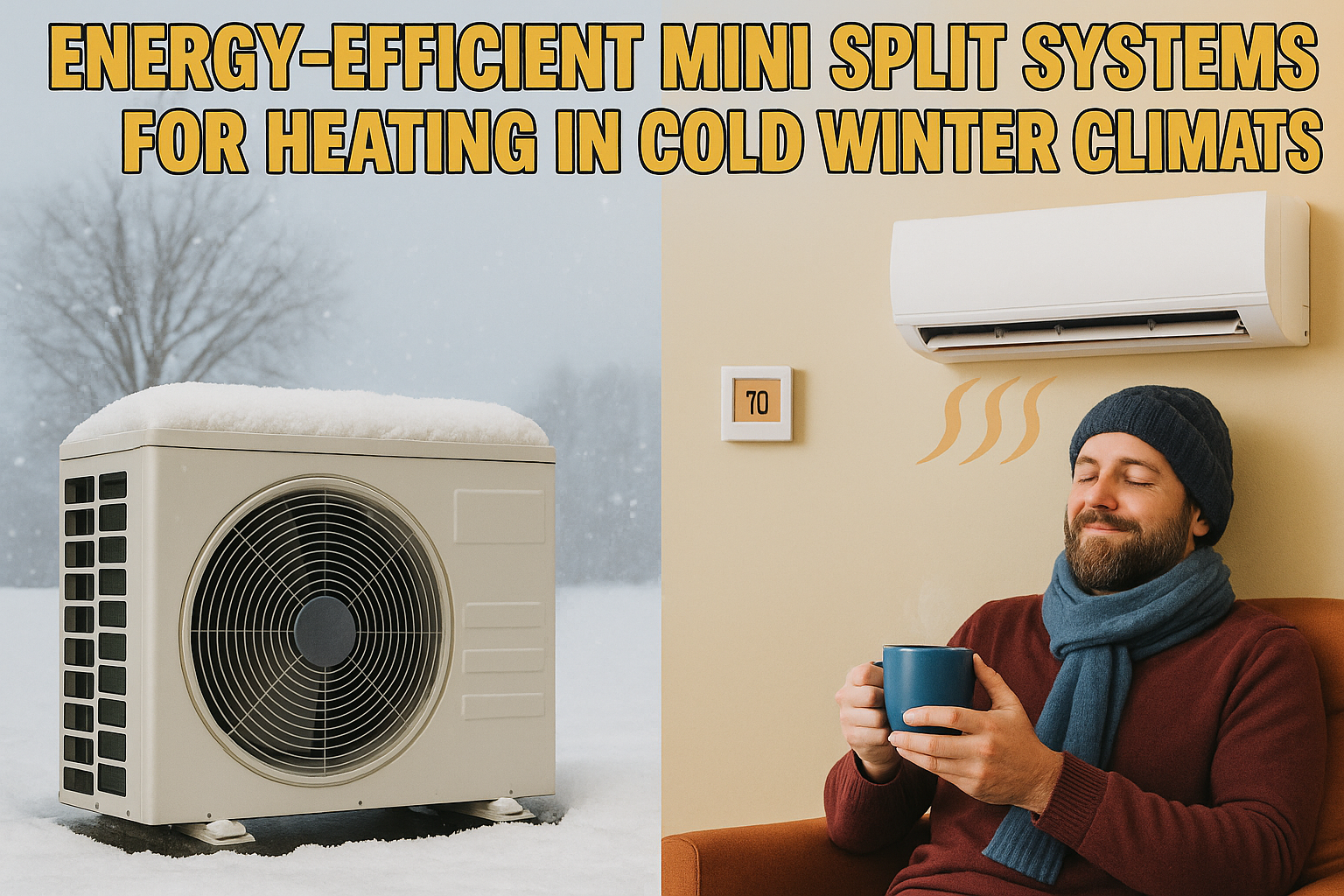
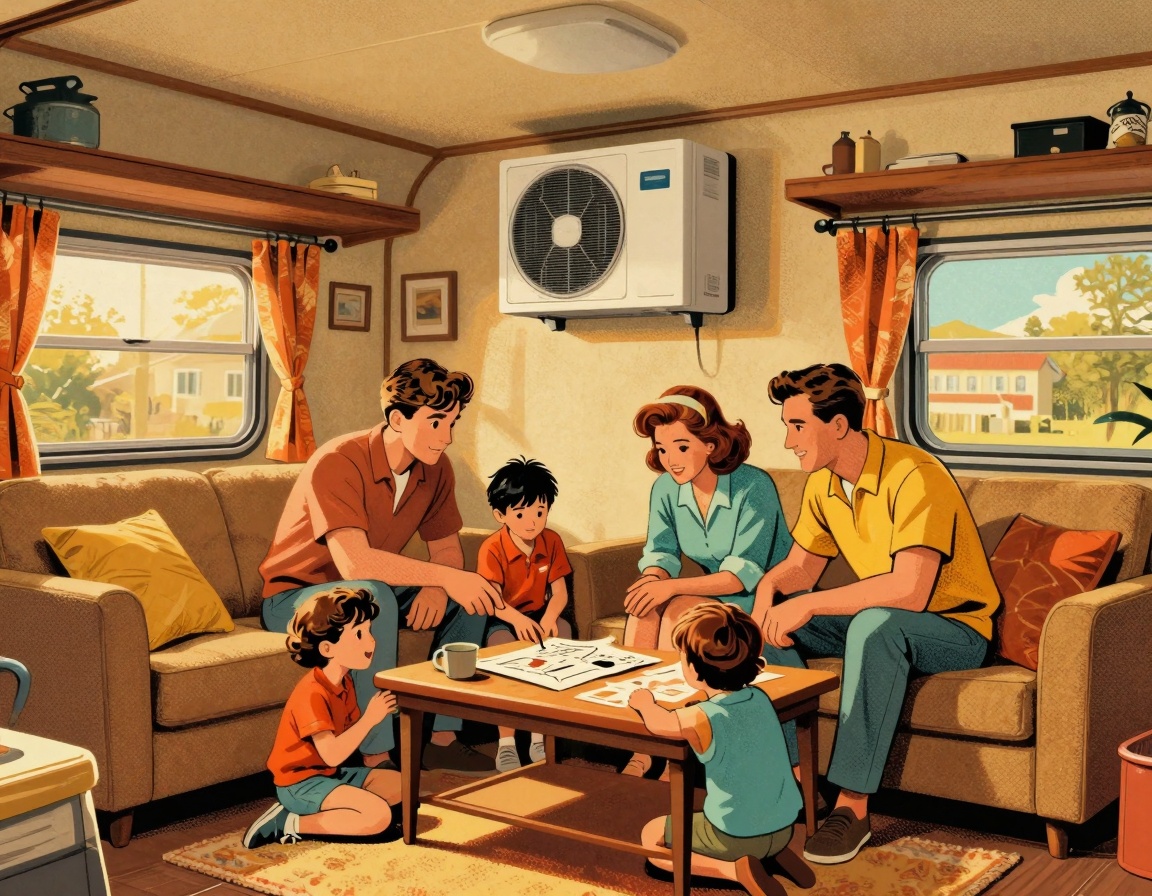
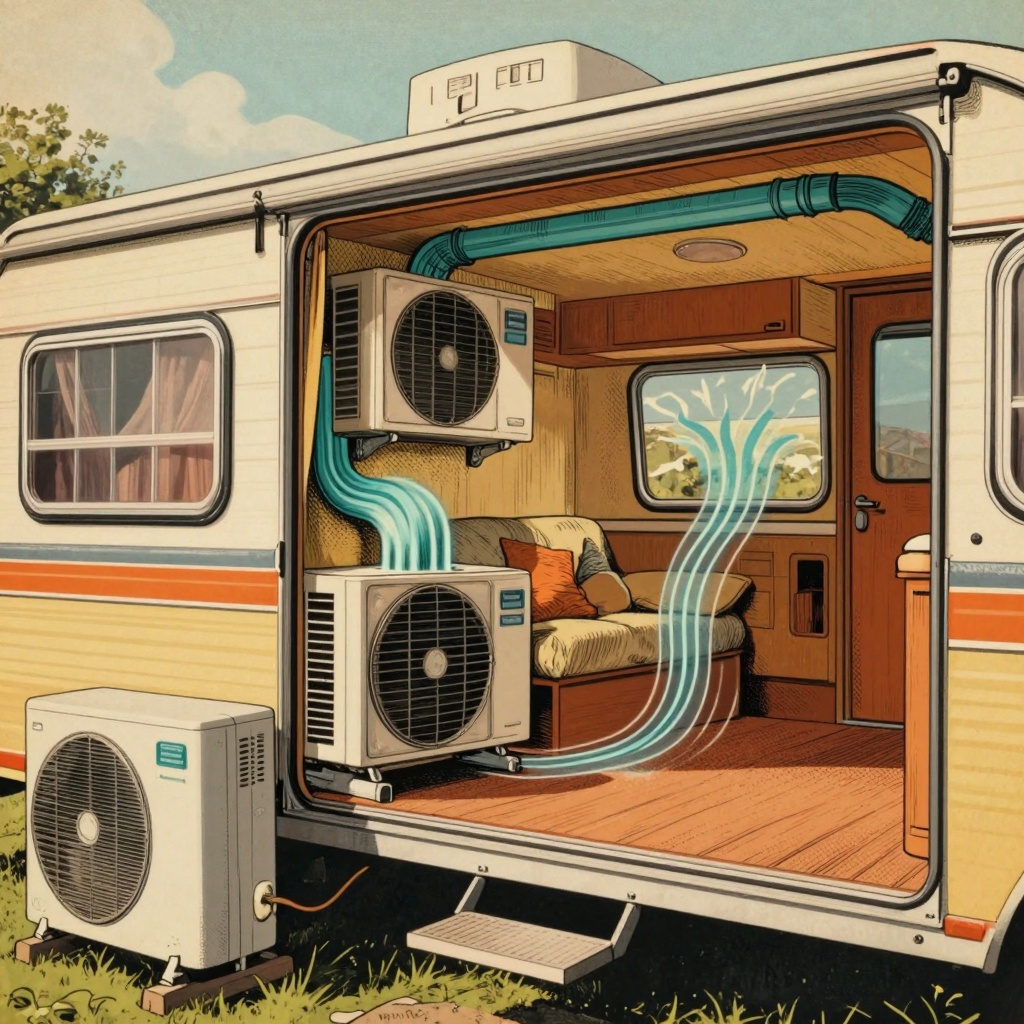
A ductless mini-split is a compact heat pump made of one outdoor unit and one or more indoor heads linked by small refrigerant lines through a tidy wall penetration. It shines where ducts are missing, leaky, or undersized, since there are no duct losses. Each head serves its own zone for room-by-room control, and inverter compressors modulate like a dimmer switch for high SEER2 efficiency. Systems are SEER2 rated, often a compliance-friendly path when ducts fall short.
Plan zones around how spaces are used, doors, and sun exposure. Confirm the number and placement of heads, line-set lengths, and capacity at local design winter and summer temperatures. One system handles heating and cooling, typically costing far less to run than resistance electric heat when properly sized and installed.
When a System May Not Be the Best Choice: Tradeoffs and Common Mistakes
From 30+ years in HVAC, we see cases where a popular choice is the wrong fit.
- Very cold climates: standard heat pumps lose capacity near 25 F. Dual-fuel or gas furnaces work better, or use a cold-climate heat pump with backup heat.
- Humid regions: evaporative coolers struggle because the air already holds moisture.
- High electricity rates: electric furnaces and other resistance heat can be costly, best in mild areas or all-electric homes with low kWh.
- Poor or missing ducts: skip central AC and use ductless mini-splits. If ducts are tight and sized correctly, central AC is a solid choice.
Common mistakes: oversizing causes short cycling and clammy rooms, bigger is not better. Cranking the thermostat does not heat or cool faster. Skipping maintenance and ignoring insulation, air sealing, and duct quality undermines comfort. Radiant floors shine as a supplemental upgrade, not the sole heat in typical manufactured homes.
Central Forced-Air, Packaged Units, Window & Portable AC: Cooling Options and Installation Needs
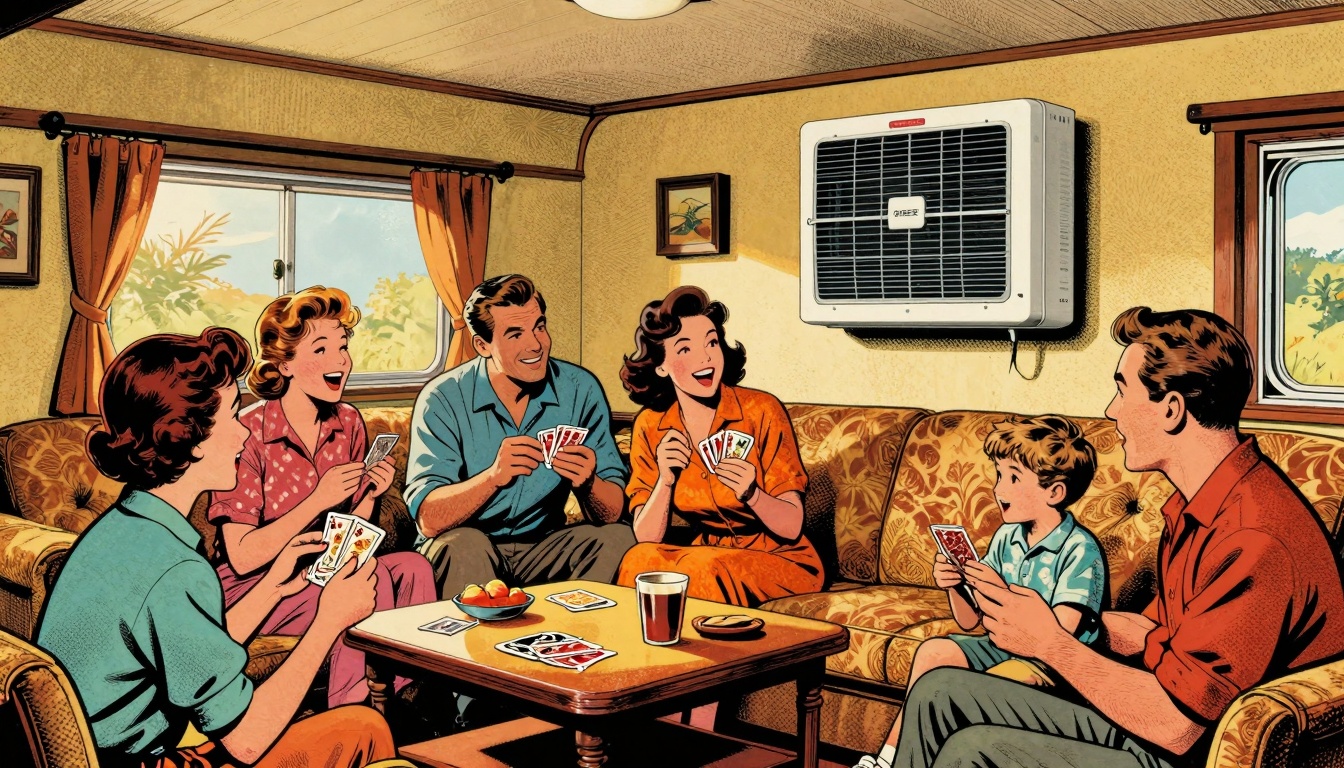
Central forced-air cools the entire home when ductwork is usable. In manufactured housing, packaged units remain common and can pair with a mobile-home-rated furnace or air handler. Window units and portables are spot cooling, like a desk lamp versus a ceiling light: low upfront cost and flexible, but usually less efficient and noisier than central or mini-split options. Evaporative coolers suit hot, dry climates and add humidity, so they are poor choices in humid regions.
For mobile-home installs, plan clearances, sturdy pads or mounts, protected refrigerant runs, freeze-safe condensate drainage, and correct indoor clearances. Since 2023, SEER2, EER2, and HSPF2 regional minimums apply, roughly 13.4 SEER2 in the North with higher SEER2 and EER2 in the Southeast and Southwest. Verify minimums and matched-system documentation. SEER2 and M1 test updates, plus evolving manufactured-housing rules, can affect allowable equipment and sizing for new homes.
Furnaces, Electric Heat and Supplemental Options for Mobile Homes
Gas or propane furnaces are often the primary choice in colder zones. Brands like Coleman or Miller are commonly used, and we prefer sealed-combustion, direct-vent units for safety and steady performance.
Electric furnaces and electric baseboard fit all-electric homes or mild climates. They are simple, clean and quiet, but operating costs can be higher where power rates are high. If considering a used electric furnace, weigh life-cycle cost and remaining life, not just the upfront price.
A dual-fuel setup can bridge seasons efficiently: pair a heat pump with a gas furnace, run the heat pump in shoulder months, then let the furnace handle very cold weather.
For supplemental comfort, radiant underfloor heat works well in targeted spots like bathrooms or kitchens. Portable space heaters can help in small areas, but use strict safety practices.
Ductwork, Insulation, Ventilation and Maintenance: Lower Loads and Keep Systems Running
Think of comfort as a chain, it is only as strong as its weakest link. Start with the envelope to shrink loads: air seal, add attic and underfloor insulation, improve skirting and manage moisture. Then tighten up air delivery and controls.
- Ducts: inspect yearly, seal and insulate, repair or upsize damaged or undersized crossovers, verify return-air pathways, and use correctly sized filters.
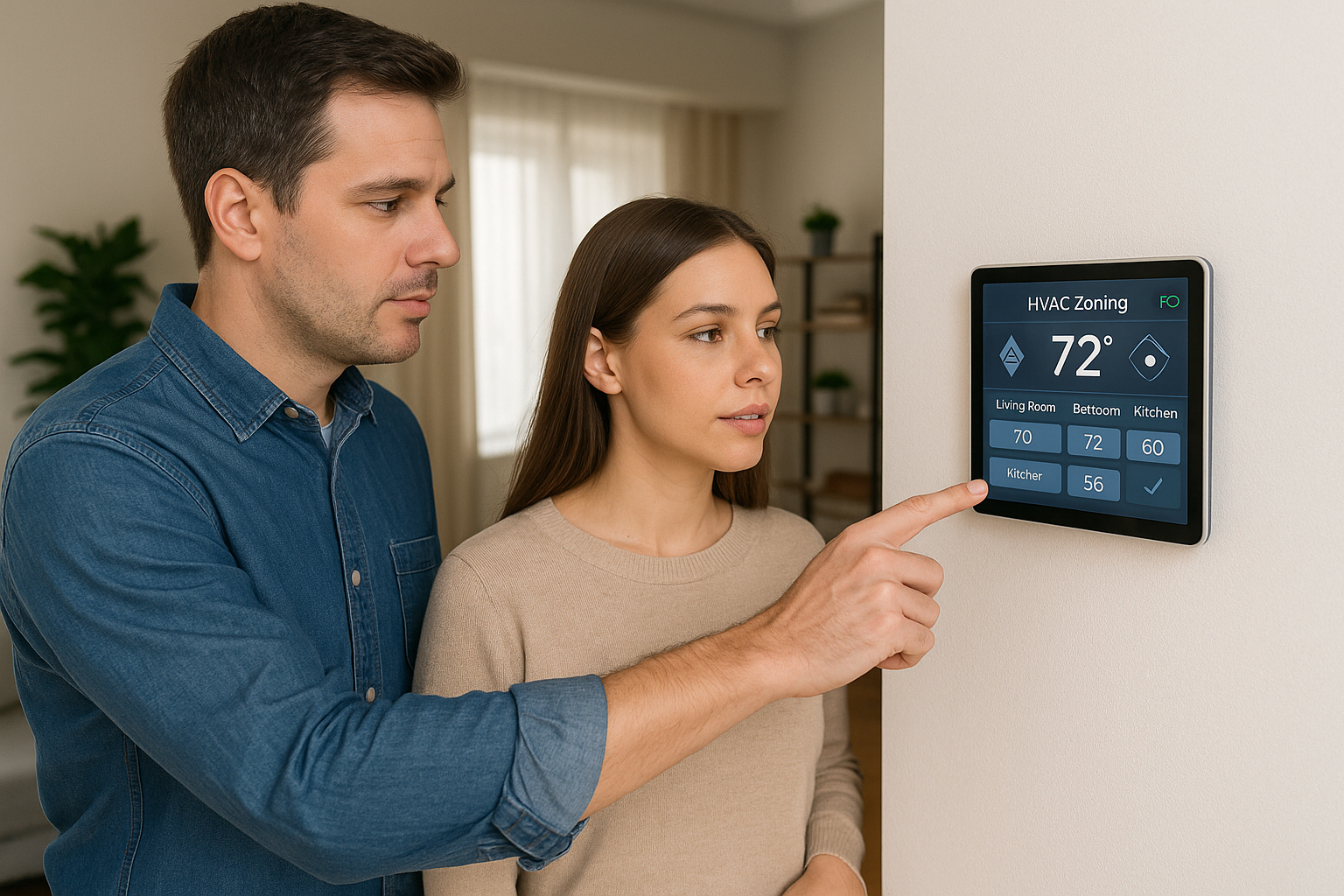
- Controls and zoning: install a programmable or smart thermostat. Use zoning or multiple mini-split heads to condition only occupied spaces, and confirm zone capacities at design temperatures.
- Owner upkeep: replace or clean filters every 1-3 months, keep supply and return registers clear, remove debris from the outdoor unit, and check thermostat settings and batteries.
- Pro work: schedule annual service for coils, refrigerant charge and defrost checks, and safety controls. Leave electrical, refrigerant, compressor, gas-line and combustion tasks to licensed HVAC pros.
- Safety: shut power before non-invasive work, never open refrigerant service ports, do not bypass safety devices, keep vents unobstructed, and maintain CO detectors near fuel-burning equipment and sleeping areas.
Quick Checklist & Next Steps: Choose, Install and Maintain HVAC for Your Mobile Home
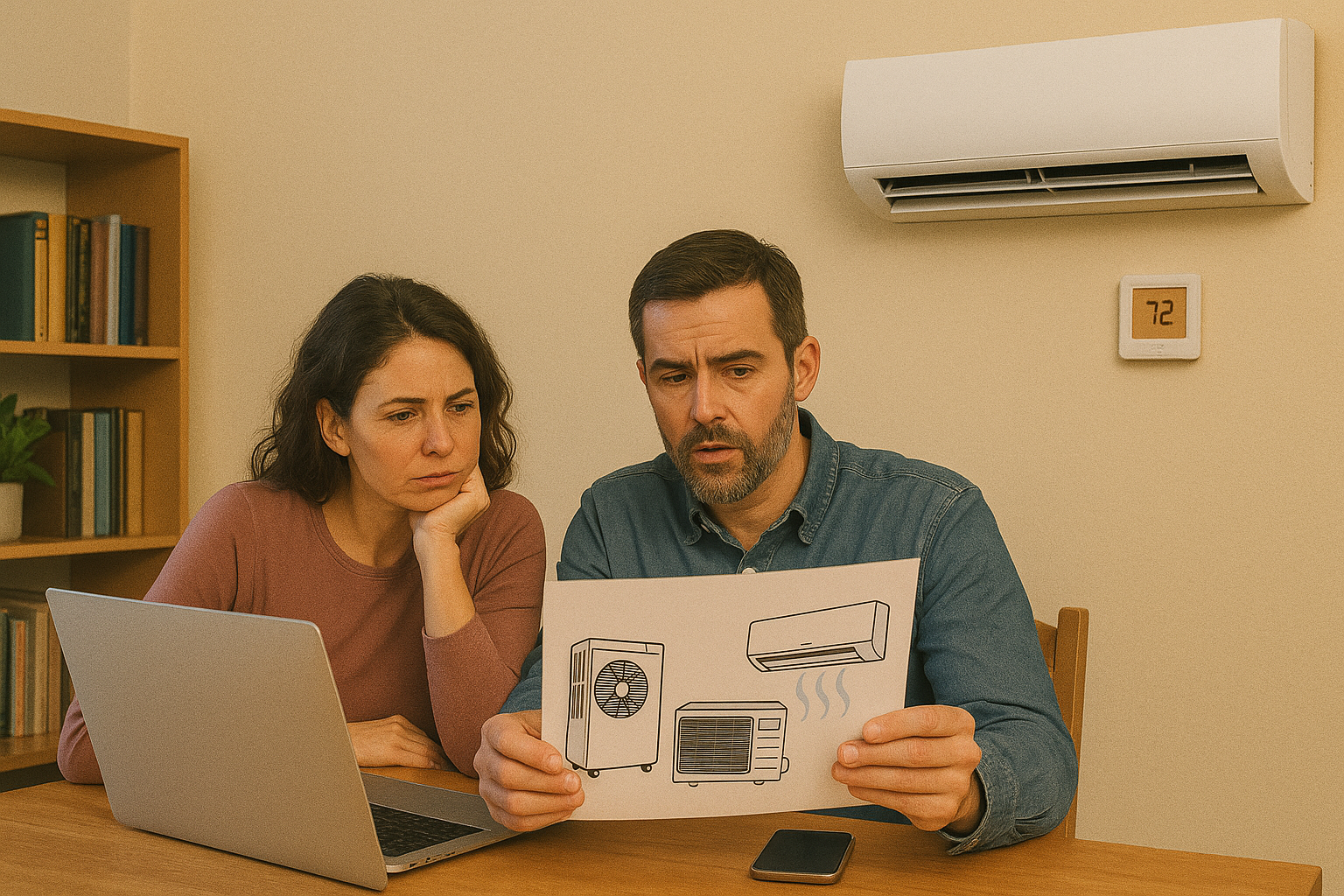
Start with climate and duct condition. Shortlist: ductless if ducts are poor or absent, heat pump or mobile-home-rated furnace if ducts are sound, electric heat for mild or all-electric homes, window or portable AC for spot cooling. Get 2 to 3 written bids with model numbers, efficiencies, AHRI matched-system certs, warranty terms, and ask about rebates. Replace when repairs near replacement cost or the unit is at end of life. It is a big call, so hire a contractor experienced with manufactured homes; our 30+ years team can coordinate Manual J, a duct check, permits, and manufactured-home-listed equipment.
- Get a Custom Quote
- Talk to our U.S.-based team
- Shop Mini Splits, Heat Pumps, and Mobile Home Furnaces