




Furnace Replacement Cost: What to Expect and Why It Matters
Replacing your furnace is one of the biggest home comfort investments you'll make, shaping comfort, energy bills, indoor air quality, and how long the system lasts. In 2026, most homeowners spend about $4,000-$10,000 installed, including the unit, materials, labor, and permits. From what we see in the field, the key choice is cost today versus cost over time. Higher efficiency models cost more upfront, but trim monthly utility use. Lower priced units keep the install bill down, but usually run at a higher operating cost. It is like choosing between a higher mpg car and a cheaper gas guzzler, the sticker price is only part of the story.
Average Cost to Replace a Furnace: Quick Summary and Price Bands
For most homes, installed furnace replacement typically falls between $4,000 to $10,000. Scope matters: a standalone furnace swap often runs $3,000 to $8,000 installed, while replacing both the furnace and a 3 ton AC together commonly totals about $10,500 to $13,500.
Equipment only benchmarks to sanity check quotes:
- 80% AFUE gas furnace: about $1,400.
- 92% AFUE single stage: about $1,800.
- 96% AFUE two stage: about $2,000 to $2,700.
- 97% AFUE modulating: about $2,500 to $3,000+.
Cost Breakdown: What You're Paying For (Equipment, Labor, Ducts & Disposal)
When comparing bids, group costs into clear buckets so exclusions stand out.
- Equipment and materials: Furnace plus basic fittings and supplies typically add $150 to $500 to the equipment price.
- Permits and installation labor: Commonly around $800 to $2,125, depending on complexity and local rates. High efficiency condensing furnaces need PVC intake and exhaust venting and a condensate drain, which adds upfront tasks, materials, and time.
- Complementary services and accessories: Thermostats, IAQ products, humidifiers, or duct repairs typically run about $100 to $2,000 depending on scope.
- Removal and disposal: Make sure the old unit's removal is included or quoted as a separate line item.
Treat these like columns on a worksheet. Once each bucket is priced, it becomes easier to compare proposals without surprises.
Factors That Influence Replacement Cost (Size, Efficiency, Brand & Accessibility)
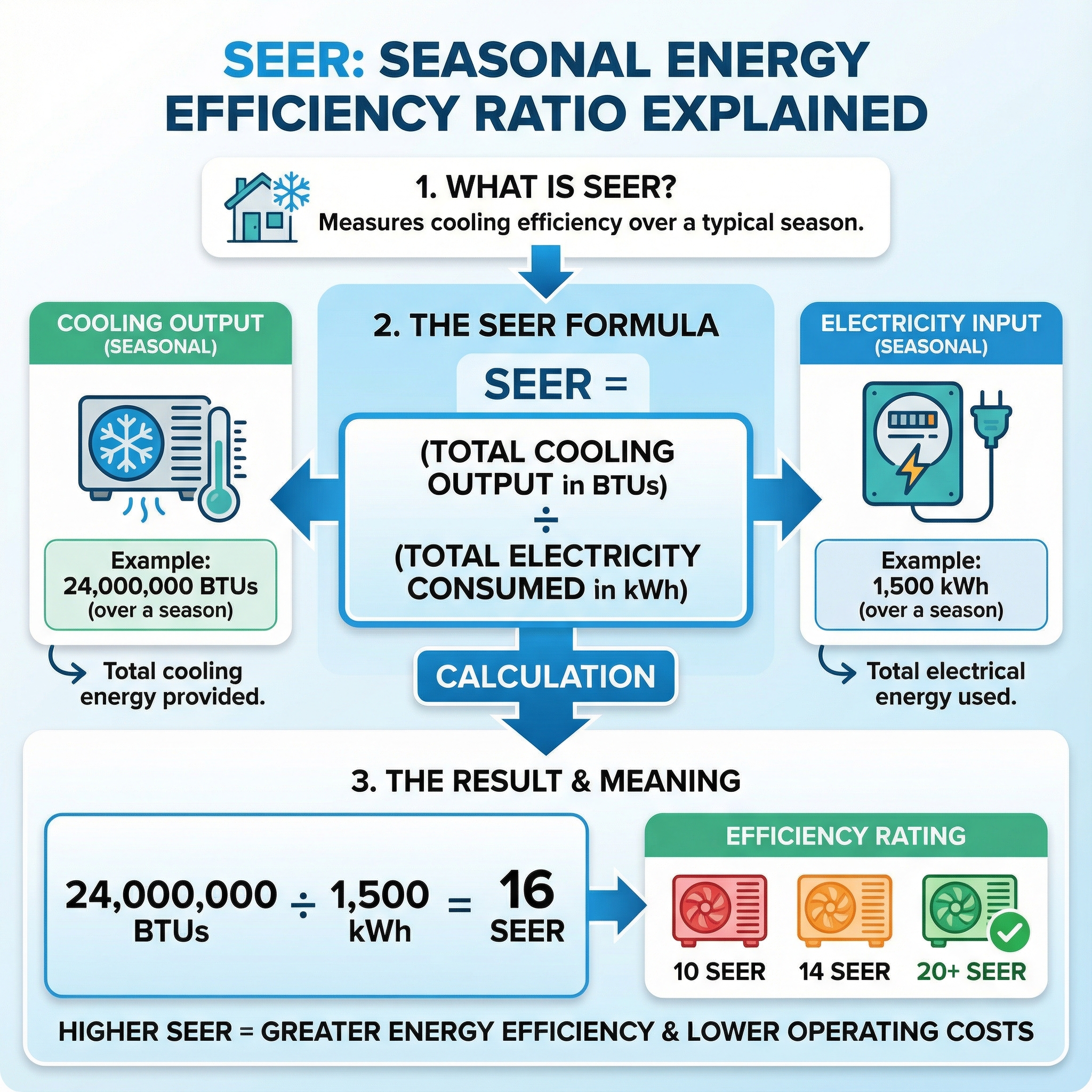
In our experience at Budget Heating (BudgetHeating.com), quotes vary because of efficiency ratings, capacity needs, feature sets, and how easy the equipment is to place. AFUE measures how much of the fuel becomes heat. An 80% unit wastes about 20%, a 95% wastes about 5%. Higher AFUE raises upfront cost but lowers fuel use over the system life. If your furnace is paired with cooling, check SEER and the newer SEER2, which uses a stricter test and has regional minimums. Blower electricity is shaped by the DOE Fan Energy Rating (FER), so many furnaces use more efficient motors, which affects selection.
- Home size and climate drive required BTU capacity. Correct sizing avoids short cycling or undersizing.
- Brand, model, staging, and blower type such as variable-speed or ECM change price and comfort.
- Accessibility of the install area can add labor time, which shows up in quotes.
Hiring an Installer & Maintaining Safety: What to Ask, Verify and Do After Installation
We advise getting at least three written, line-item bids listing brand/model, AFUE, staging, blower type, scope of duct, vent, gas, and electrical work, permits and inspections, removal/disposal, and a timeline. Permits should be included, and crews must document post-install tests: combustion analysis, CO readings, external static pressure, and temperature rise. Confirm the plan aligns with FER blower rules, SEER2 regional minima, DOE's 95% AFUE for most new furnaces in 2028, and any local policies.
- Homeowner tasks: change filters regularly, keep vents and the furnace area clear, check thermostat schedules.
- Professional only: gas piping, combustion setup, refrigerant service, major electrical or duct changes.
Costs by Furnace Type: Gas, Electric, Oil and Heat Pump Alternatives
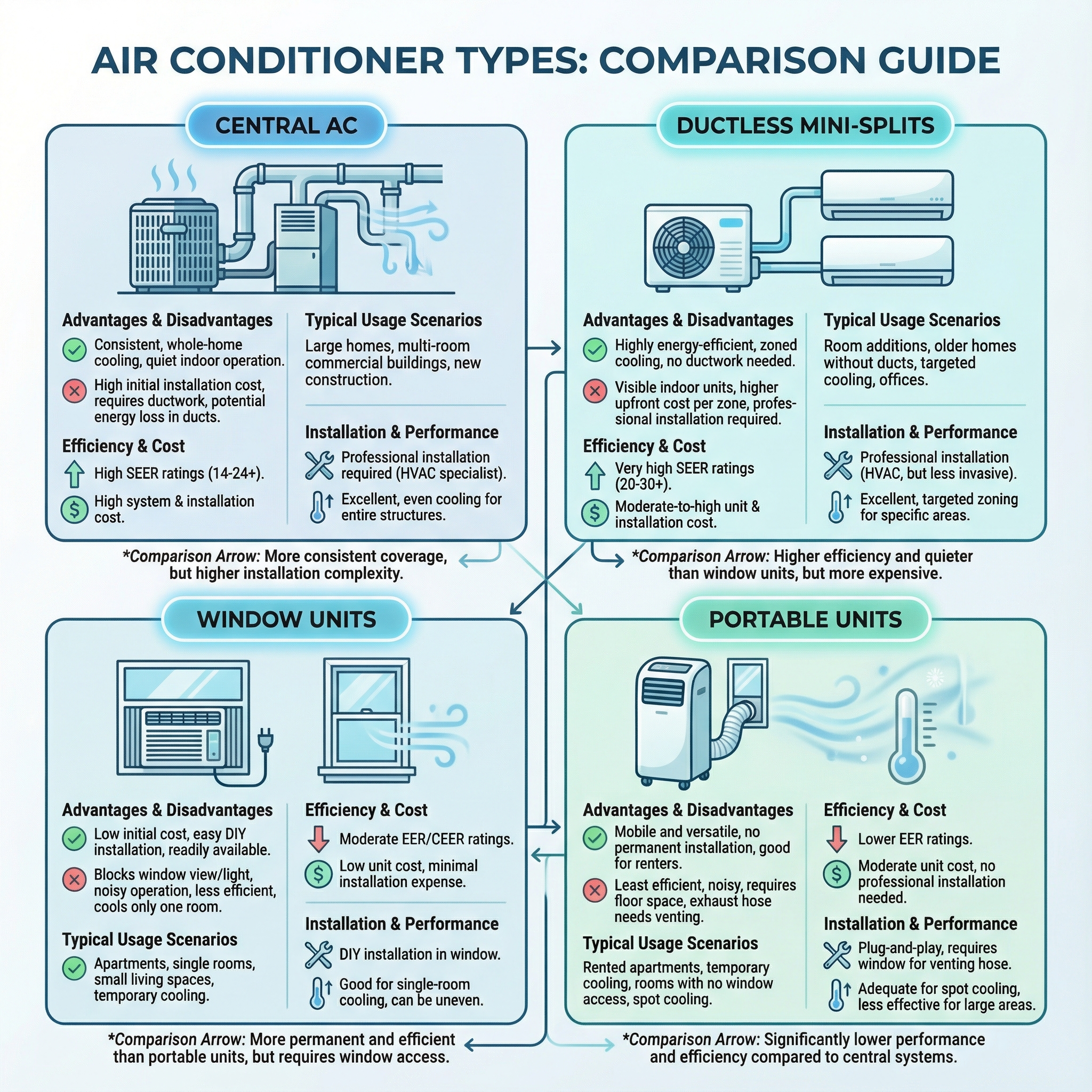
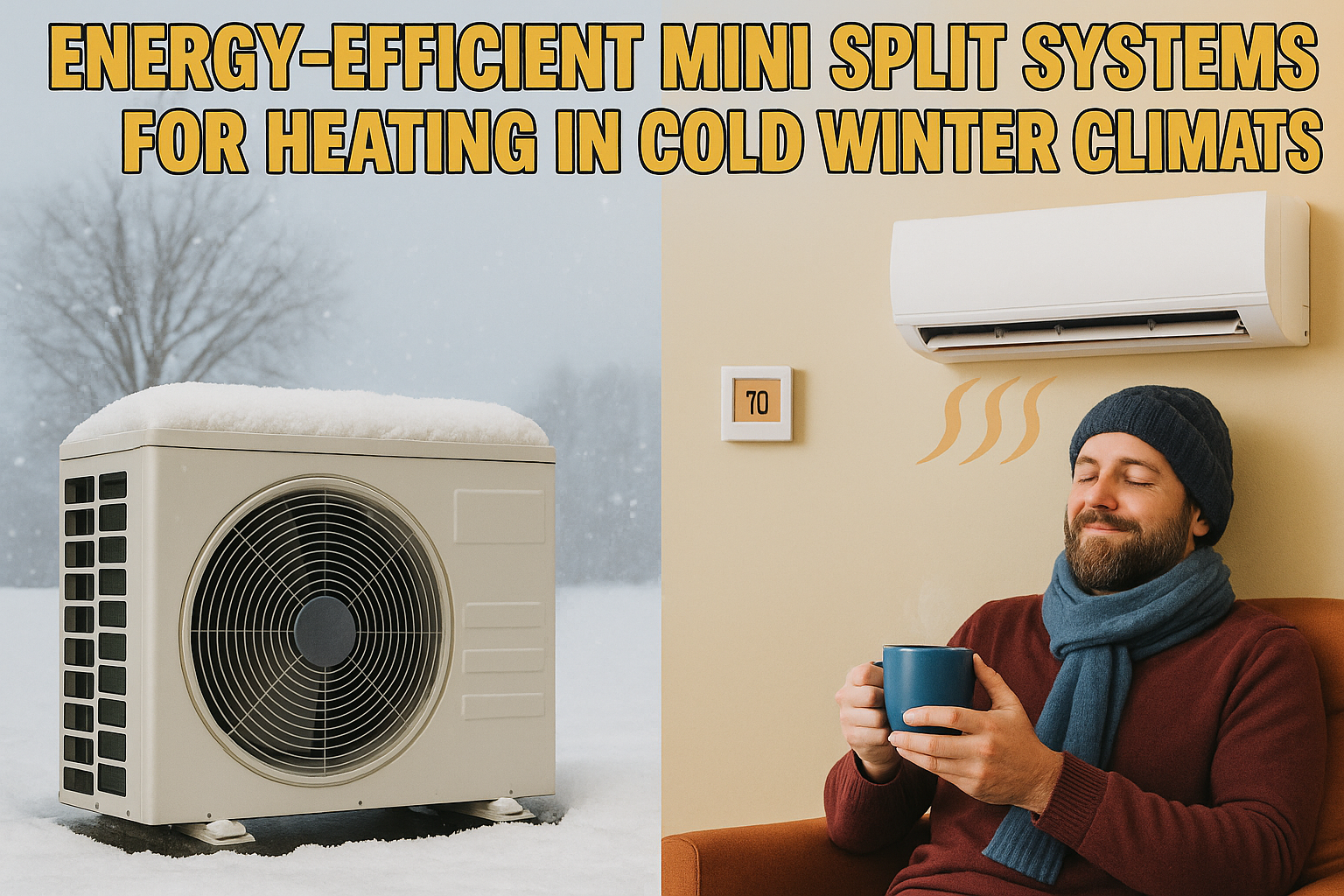
Gas furnaces are common, and in cold regions with natural gas access they are often the least expensive to operate, though they require a gas line and venting. Electric furnaces are simpler to install, since there is no flue or gas work, but where electricity is pricey they can cost more to run. Oil furnaces fill in where gas is unavailable, yet fuel and maintenance costs are typically higher and a storage tank may be needed. In moderate climates, a high efficiency heat pump or a dual fuel system that pairs a heat pump with a gas furnace can cut annual energy costs and be more cost effective long term. In practice, we let local utility prices, climate, and fuel or service availability drive the choice.
How to Decide: Repair vs Replace Your Furnace
We start with age, failure type, and dollars. Around 15 to 20 years, frequent breakdowns, or a cracked heat exchanger usually point to replacement. Otherwise, compare the repair quote to a new system.
- Thermostat: about $100 to $300+
- Ignitor: about $300 to $400
- Blower motor: about $450 to $1,500
- Heat exchanger: about $2,000 to $3,000
Common mistakes: oversizing, shopping only on sticker price, skipping proper sizing, waiting for a peak season failure, and unsafe DIY gas or electrical work.
When replacement is not the best choice: a newer furnace with a minor issue, a home you will sell soon, or a mild climate better served by a high efficiency heat pump. In those cases, a targeted repair or a heat pump is the smarter path.
How to Choose the Right Furnace: Sizing, Staging & Features That Matter
Start with sizing. Insist on a Manual J load calculation, room by room, not rules of thumb. It factors insulation, windows, orientation, and duct losses. Oversizing short cycles, creates hot and cold spots, and wastes fuel. It is like measuring your feet before buying shoes. In our experience at Budget Heating (BudgetHeating.com), accurate Manual J numbers often point to a smaller, quieter furnace than expected.
- Staging: single-stage is the lowest cost. Two-stage and modulating run longer at low fire, delivering steadier temperatures and quieter operation.
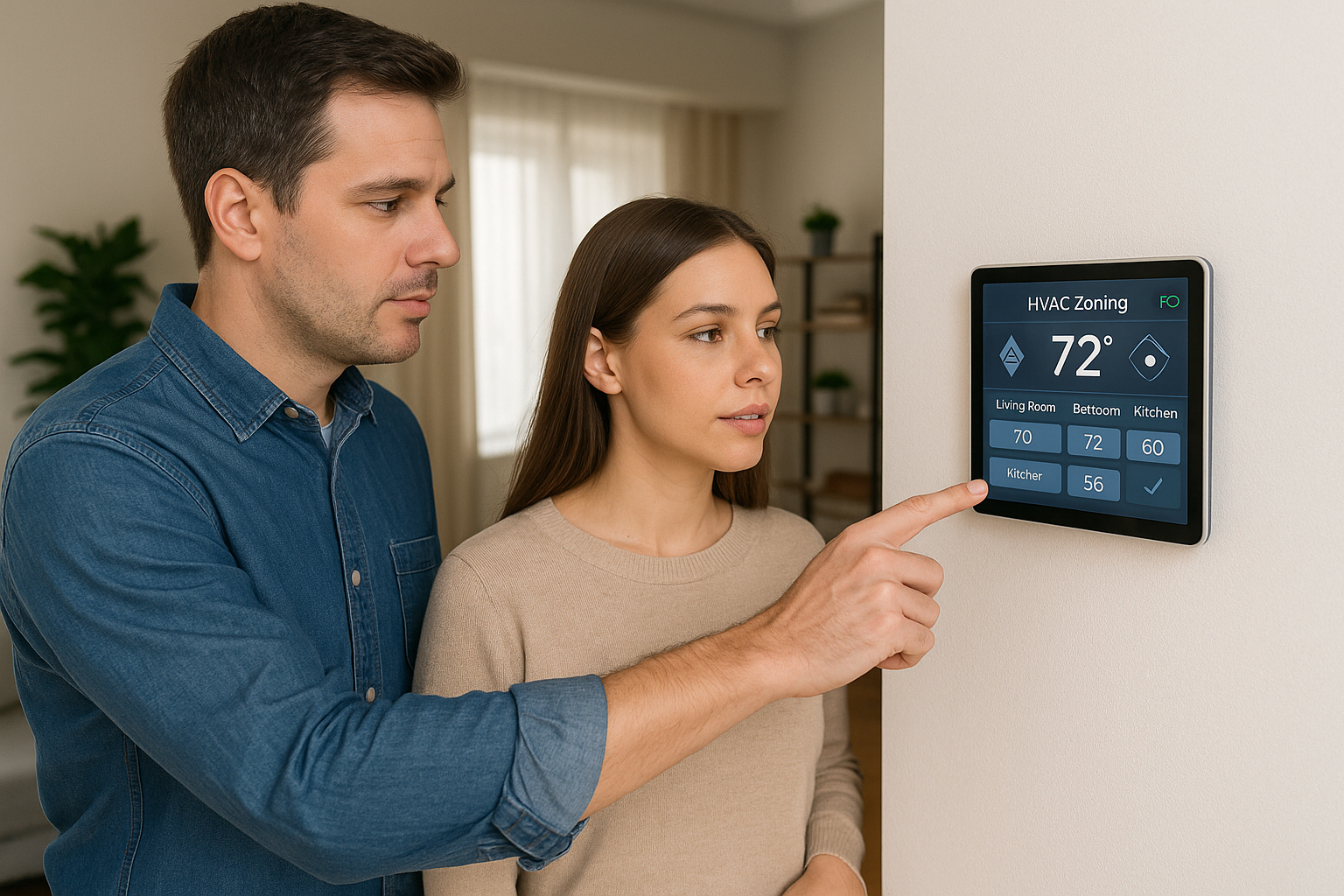
- Blower: variable-speed ECM motors enhance comfort, filtration, and humidity control, and pair well with advanced thermostats and zoning.
Choose AFUE with climate and budget in mind. Condensing 96 to 98 percent models often shine in colder regions, and align with upcoming standards. If condensing, plan for proper venting and a condensate drain.
Do not ignore ducts. Leaks, poor sizing, or layout can sabotage comfort, so sealing or resizing may be needed to realize efficiency gains. Decide on IAQ add-ons, such as a media filter cabinet, higher MERV filtration, or a whole-home humidifier.

Ways to Save: Rebates, Financing, Timing and Long Term Payback
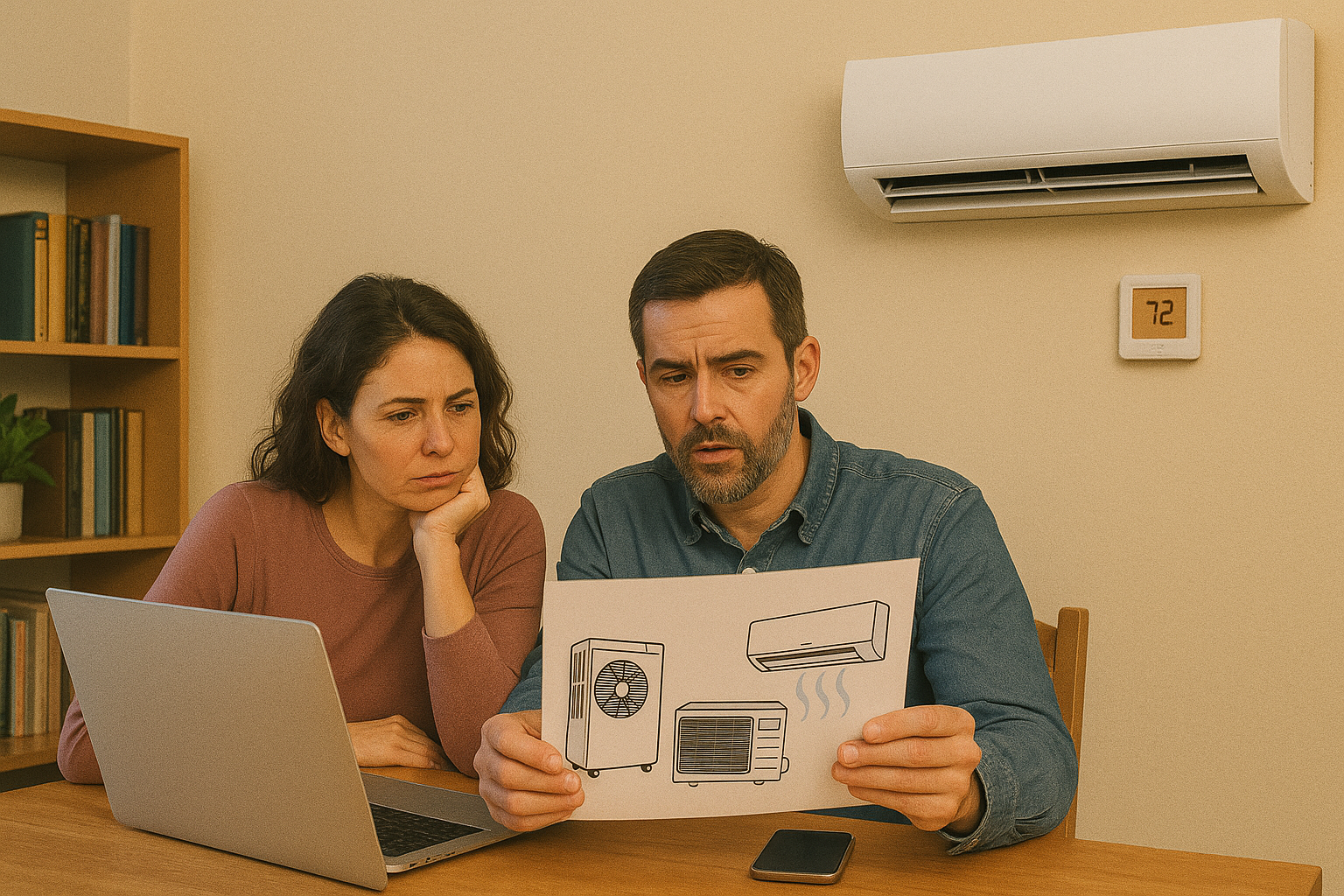
We regularly see homeowners cut net cost by stacking incentives, smart timing and realistic payback math. Utilities and federal or state programs often rebate high efficiency gear, like 96 to 98% AFUE furnaces and high SEER2 cooling. Contractor financing and manufacturer promos can spread the upfront hit. Compare total cost of ownership: price minus rebates and credits plus projected energy savings.
As a rule of thumb, moving from 80% to 96% AFUE saves about $250 to $400 per year, with a 5 to 8 year payback depending on climate and fuel prices. Avoid emergency midwinter swaps when you can. Shopping shoulder seasons usually brings more choices and leverage.
Final Recommendations & Next Steps for a Smart Furnace Replacement
Best value comes from correct sizing, reputable installation, and realistic lifetime costs, not the lowest bid. Expect to invest thousands to up to about $10,000 installed. Get multiple detailed bids, require Manual J and a duct assessment, verify permits and post-install testing, and factor in rebates or financing. Watch efficiency rules on the horizon, including a 95% AFUE floor in 2028 plus FER and SEER2 shifts that favor higher-efficiency choices. It is a big decision. We can help you compare options and move forward confidently.
- Get a Custom Quote
- Talk to Our Team by phone
- Shop Furnaces