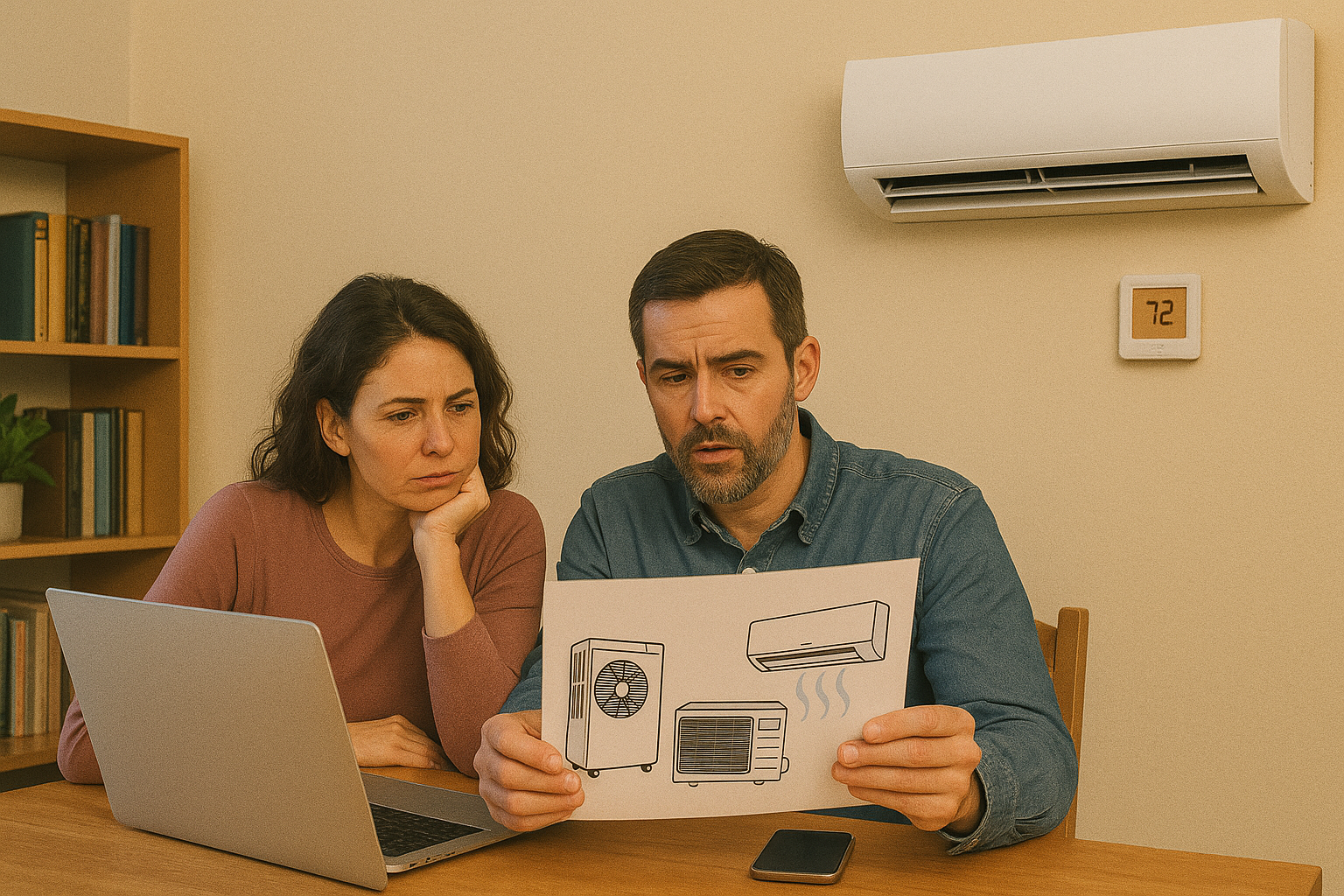





Eco Friendly and Efficient: Why Heat Pump Mini Splits Matter
Heat pump mini splits move heat instead of creating it. We often explain them as a refrigerator that can run in either direction, shifting heat where you want it. In winter they pull heat from outside air into your home, and in summer they move indoor heat out. Because they transfer energy rather than burn fuel, they are all electric and inherently efficient. That core difference is why mini splits can deliver targeted heating and cooling to specific rooms or zones with less waste.
These systems also support cleaner living. When powered by a greener grid or rooftop solar, they can materially shrink a home's carbon footprint. Expect comfortable, room by room control and steady performance. By focusing on just the rooms you use, energy goes where it counts. To keep that performance, routine maintenance matters. Regular filter cleaning and basic checkups help preserve indoor air quality and extend equipment life, so the system keeps operating efficiently season after season.
How Ductless Mini Split Heat Pumps Work: Components and the Refrigeration Cycle
At the heart of a ductless mini split are four pieces: a compressor, a condenser, an evaporator, and a reversing valve. The refrigeration cycle moves heat. In cooling, the indoor evaporator coil absorbs heat from room air, the compressor raises the refrigerant's pressure and temperature, and the outdoor condenser coil releases that heat outside. In heating, the reversing valve flips the refrigerant direction so the outdoor coil becomes the evaporator that gathers heat from the outside air, and the indoor coil becomes the condenser that releases that heat indoors. Picture the refrigerant as a shuttle carrying heat between the two coils.
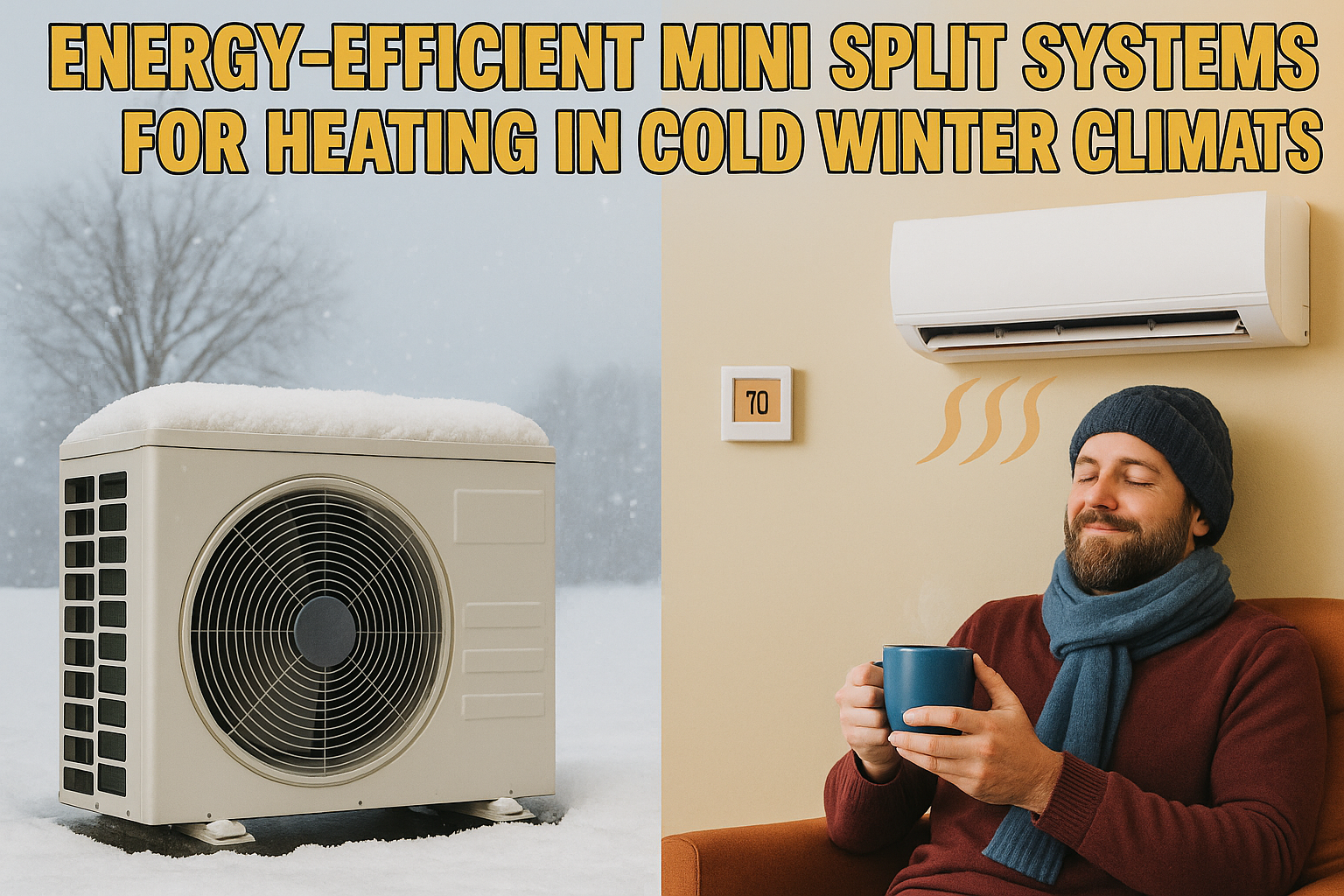
The reversing valve is the traffic cop that reroutes refrigerant, which is why one system handles both summer cooling and winter heating. Modern mini splits pair this with inverter driven compressors and variable speed fans. Instead of turning fully on and off, the compressor adjusts speed to match the load. That reduces temperature swings, trims cycling losses, and boosts seasonal efficiency. Because output can modulate, these systems provide steady comfort year round, and many cold climate models maintain useful capacity even when outdoor temperatures drop well below freezing.
Top Environmental Benefits: Why Mini Splits Are Greener Than Combustion or Resistance Heat
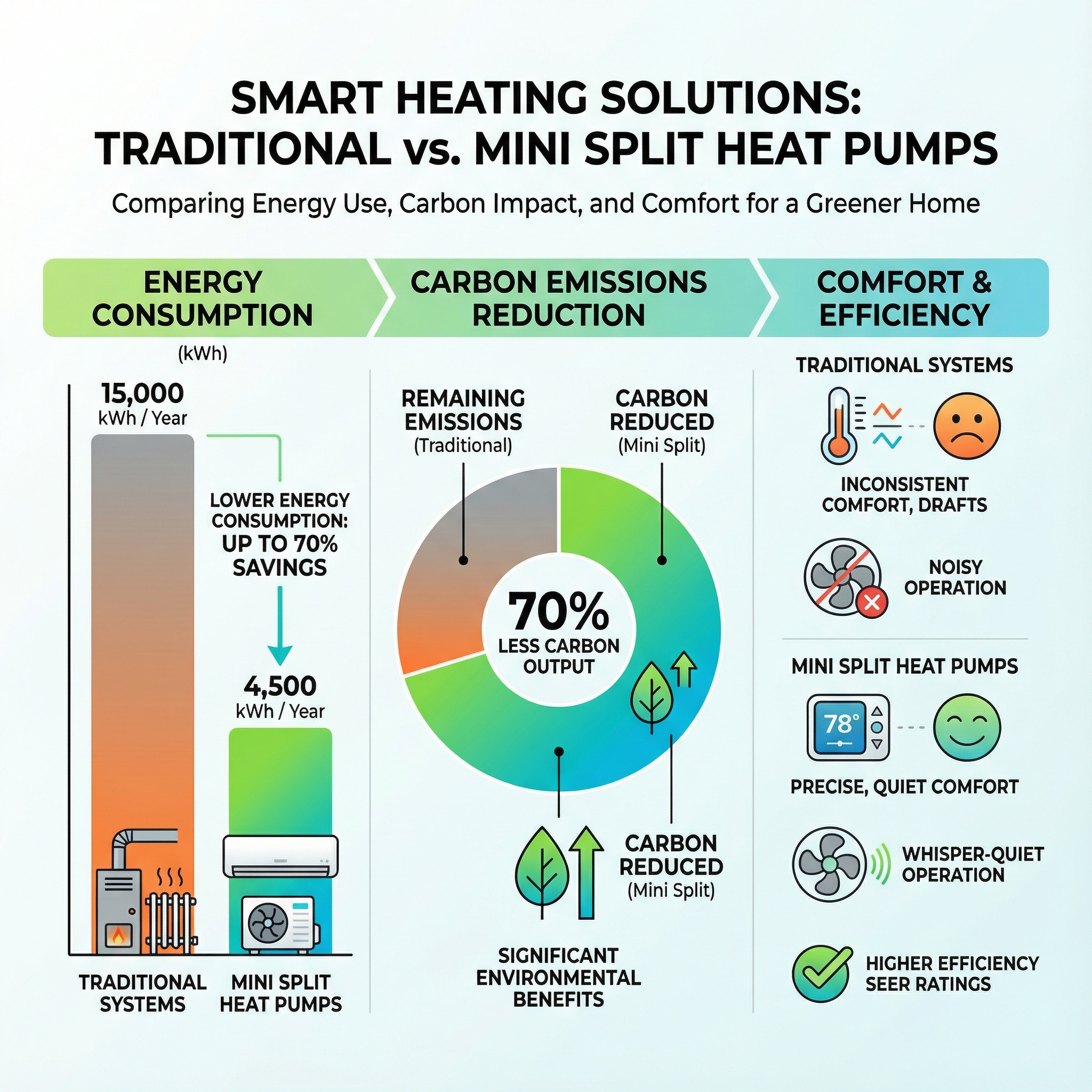
All electric mini splits move heat instead of burning fuel on site, so they can substantially reduce on site greenhouse gas emissions. Their environmental upside grows as the grid decarbonizes, and it grows even faster when paired with rooftop solar PV. This makes them a future proof choice for households that want lower emissions today and even lower emissions tomorrow as electricity gets cleaner.
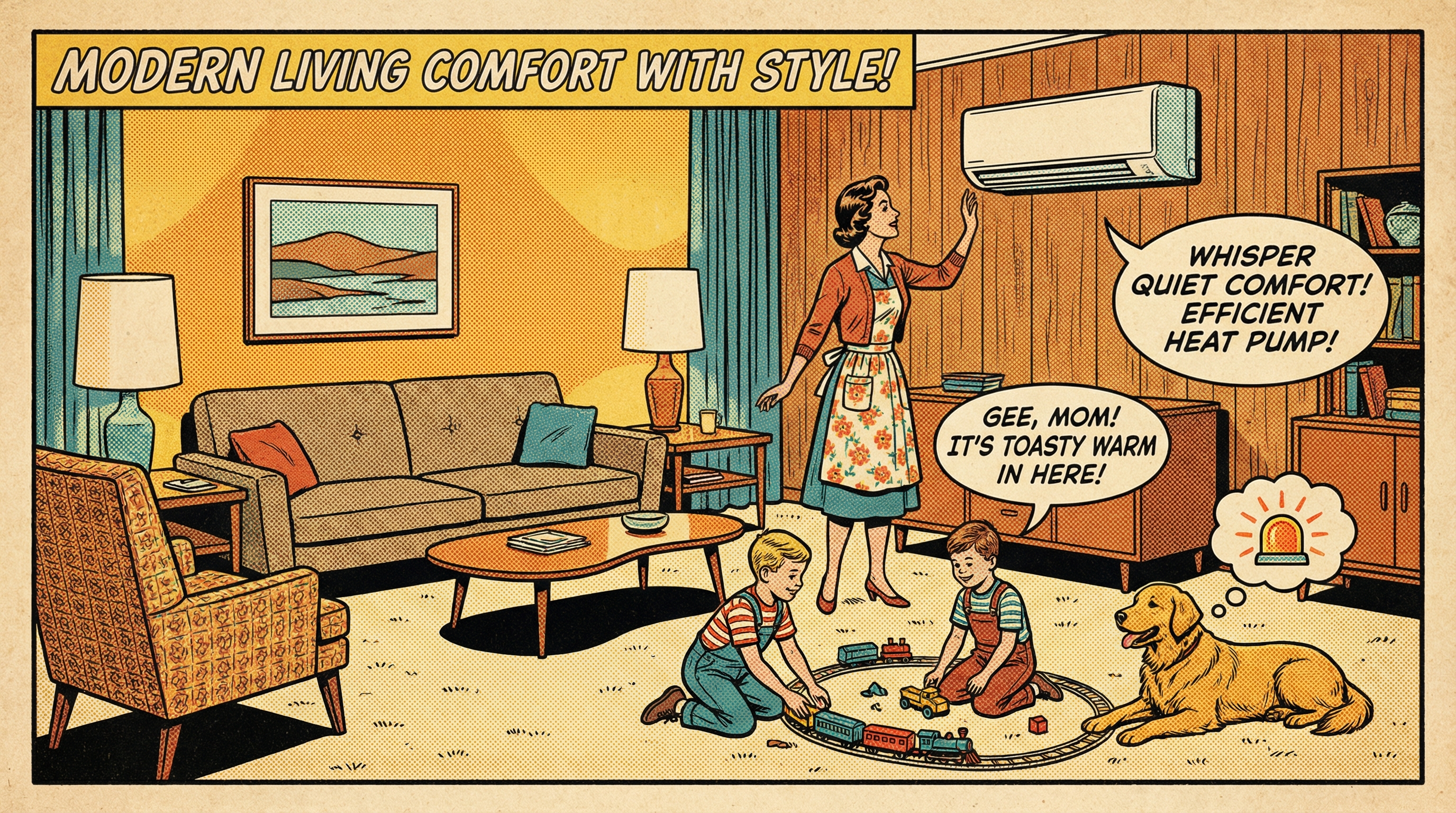
Comfort ties into the green story too. Indoor air handlers and modern inverter compressors are engineered for low sound levels, making mini splits quieter in bedrooms and living areas compared with many traditional HVAC systems or older outdoor compressors. Lower background noise reduces daily stress, supports better sleep, and avoids the tradeoff between efficiency and comfort. In short, the same technology that trims on site emissions also delivers a calmer, more livable home environment.
When a Heat Pump May Not Be the Best Choice: Limitations, Alternatives and Myths
Mini-splits are excellent tools, but not universal solutions. In very cold climates, non-cold-climate models can lose useful capacity at low outdoor temperatures, so plan for backup heat. A gas furnace or other high-capacity combustion backup often provides the resilience needed. If a home already has tight, well-designed ductwork and the goal is even whole-house conditioning, a modern central heat pump or a two-stage furnace may fit better. For a single room where lowest upfront cost matters most, a window AC or electric baseboard can still be the cheapest route. Performance hinges on correct design and installation: right sizing, proper line-set routing, and thoughtful outdoor unit siting. Oversizing is a common pitfall, leading to short cycling, uneven temperatures, and humidity issues. Upfront costs are typically higher than very basic options.
Common myths to skip: mini-splits are cooling-only (they heat too), they never work in cold weather (cold-climate models can), they are always noisy (modern units are quiet), and bigger is better (right sizing wins).
Top Brands, Filter Care & Maintenance: What to Buy and How to Keep It Efficient
Comparing Mitsubishi, Goodman, Carrier and others? Focus on verified SEER2 and HSPF2 ratings, low ambient heating at your design temperature, manufacturer capacity tables, and ENERGY STAR. Many legacy mini splits were relabeled under SEER2 and HSPF2, so confirm the current spec sheet. In our experience at Budget Heating (BudgetHeating.com), capacity tables separate contenders from pretenders.
- Homeowner: change or clean filters every 1 to 3 months, keep indoor inlets and outlets clear, remove debris and snow from outdoor units, and check condensate drains. A dirty filter can cut efficiency by 10% or more.
- Pro: annual tune-up with coil cleaning, refrigerant pressure checks, electrical inspections, and commissioning.
Safety: never handle refrigerant or open electrical panels yourself. Pull permits and schedule inspections to remain code compliant and protect warranties.
Energy Efficiency & Cost Savings: SEER2, HSPF2 and Real World Dollars Saved
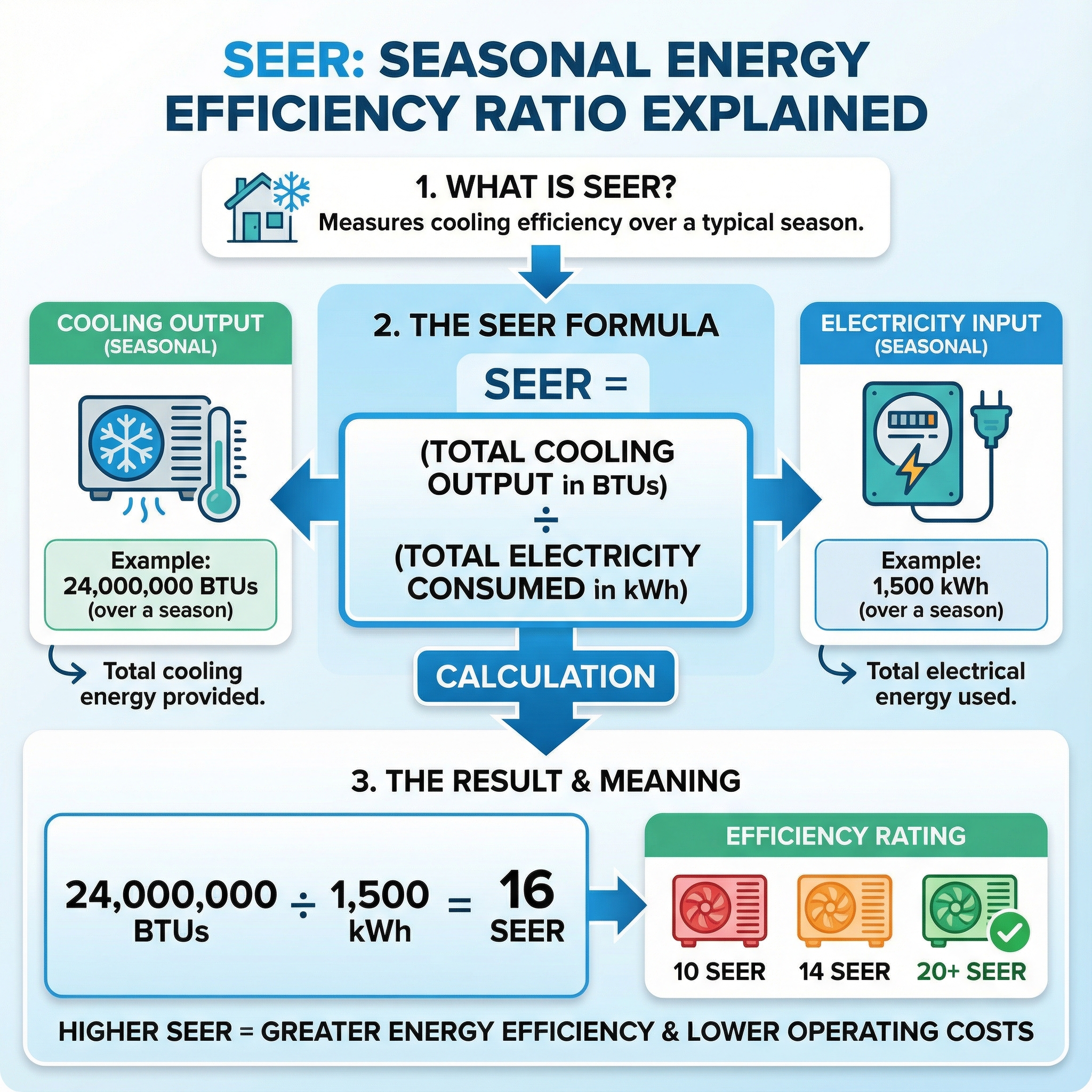
SEER2 and HSPF2 are the updated yardsticks for cooling and heating efficiency. Think of them like miles per gallon for air conditioners and heat pumps. In 2023 the U.S. shifted to SEER2/EER2/HSPF2 test procedures that use higher external static pressure, which better reflects real ductwork. This raised the bar by roughly 8 to 10 percent and many models were retested and relabeled. The result is that a SEER2 number cannot be directly compared to an older SEER label. Look at the new ratings when comparing options, and know that EER2 and HSPF2 follow the same principles for steady state and heating performance.
Real savings come from moving up the ladder. Today's ductless mini splits commonly land from the mid teens to the 30s on SEER or SEER2. Upgrading from a 10 SEER baseline to 14, 18, or 22 reduces cooling costs step by step, with typical payback around 3 to 5 years depending on climate and electricity price. ENERGY STAR and ENERGY STAR Most Efficient sit above federal minimums and flag top performers. In our experience at Budget Heating (BudgetHeating.com), most homes do well with a mid to high teens SEER2 unit, while long runtime or high electric rates can justify 20 plus SEER2.
- If summers drive your bills, prioritize higher SEER2.
- If heating matters more, compare HSPF2 first.
- Use ENERGY STAR badges to quickly spot models that outperform minimum standards.
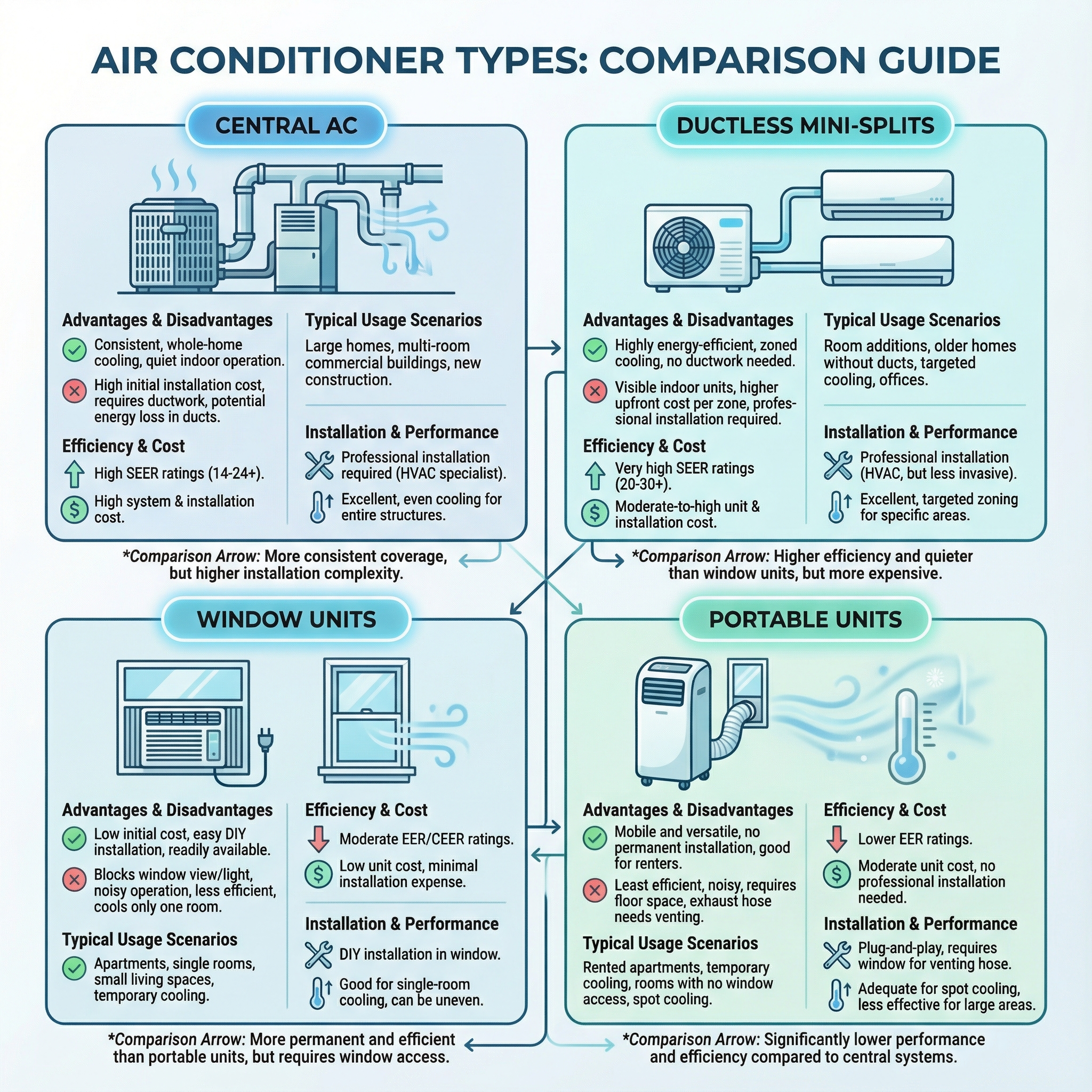
Mini Splits vs. Central HVAC: Where They Outperform and Where Central Systems Still Win
Mini-splits shine where ductwork is missing or tired. By skipping ducts entirely, they avoid the 20 to 30 percent distribution losses common in leaky systems, so delivered comfort is often higher, especially in retrofits. Per head controls act like light switches for each room. You condition only the spaces you are in, which reduces waste and evens out hot and cold spots that a single thermostat central system often leaves.
Where do central systems still make sense? Very large open plan homes and spaces with high ventilation demands change the calculus. A mini-split layout there needs careful planning of indoor unit count, placement, and possibly supplemental ventilation. If uniform whole house conditioning is the priority, a single thermostat central approach, including traditional ducted heat pumps, can be the straightforward path.
Sizing Your Mini Split: Manual J, Tons, Zones and Low Temperature Capacity
Good sizing starts with numbers. We size mini splits from a room by room Manual J, which sets the target BTUs for each space. In cold climates, size primarily for winter heating, then confirm the selected equipment can maintain output as outdoor temperatures drop. Tons should follow the calculated load, not rule of thumb guesses, and zones should reflect how the home is actually used.
- Manual J: request a room by room report, then match each indoor unit to its room load.
- Low temperature capacity: compare manufacturer tables at your design temperature. A useful check is staying near 70% of the 47°F rating at 5°F.
- Tons and zones: avoid one large head for many rooms. Choose head types by layout. Floor consoles help in cold rooms, cassettes suit high ceilings, concealed duct keeps a clean look.
- Line sets: verify diameters, total length, and elevation are within limits. Insulate and route to minimize heat loss and leakage risk.
- Ask contractors for the Manual J, the low temperature capacity tables for proposed models, and their outdoor unit protection and line set routing strategy.
Costs & Installation: Typical Scenarios, Price Drivers and Incentives
We typically see three scenarios for ductless mini split installs: a single room or addition, a multi zone setup serving several rooms, or a whole home replacement. Because these systems need only small wall penetrations for refrigerant, condensate and control wiring, installation is quicker and far less disruptive than adding ductwork. That low impact approach suits retrofits in finished spaces and sunrooms, garages or attic conversions.
- Home size and capacity.
- Zones and number of heads.
- Indoor unit type and finish.
- Line set length and routing complexity.
- Electrical work, circuits and panel.
- Outdoor stands, brackets, snow or wind protection.
Outdoor units should be sited above typical snow levels on sturdy stands, kept out of roof snow or ice fall zones, and given drainage for defrost melt to avoid icy walkways. Incentives from many utilities and jurisdictions, including rebates or tax credits for efficient heat pumps, can materially reduce upfront cost and improve payback. Routing is like threading a needle through a wall, straight runs cost less than zigzags around obstacles.
Conclusion: Is a Heat Pump Mini Split Right for Your Home?
When appropriately sized, professionally installed, and properly maintained, heat pump mini splits are an energy efficient, low carbon alternative that deliver targeted comfort, lower operating costs, quiet operation, and long term value. For many homes, they offer a practical path to better comfort, reduced bills, and lower emissions.
If you are weighing options or have a tricky space, our team brings 30 plus years in HVAC and over 200,000 orders fulfilled. We are a factory authorized dealer with wholesale pricing and full manufacturer warranties, so you get the right equipment and support without the guesswork.
Tell us about your rooms and goals, we will size and spec the system, then ship fast from Pennsylvania or Houston, Texas.
- Get a Custom Quote
- Talk to Our Team by phone or chat
- Shop Mini Split Heat Pumps
- Ask about free shipping zones and Affirm financing