




Ductless Mini Splits: A Low Impact Way to Add Heating & Cooling to Older Homes
Ductless mini-splits are compact heat pump systems that add comfort without tearing into the bones of an older home. Each system pairs one or more sleek indoor heads with an outdoor condenser, connected by refrigerant line sets. The wall penetration for each head is small, typically only a few inches across, and there is no need for full-size ductwork. The result is year-round heating and cooling, delivered as zoned comfort, with far less disruption to plaster, original wood trim, or masonry than a ducted retrofit.
At the core is the heat pump principle: move heat rather than create it. It works like a refrigerator, but it can run in either direction, shifting heat into the house in winter and out in summer. Because the system transfers energy instead of burning fuel, it provides steady, gentle conditioning while preserving historic finishes. For preservation-sensitive projects, set expectations around careful head placement and discreet line-set runs so the building fabric stays intact.
Why Mini Splits Fit Older Houses: Comfort, Efficiency, and Low Disruption
From years of retrofitting prewar and historic homes, we have found mini splits deliver modern comfort without tearing into plaster or trim. Most installs are faster and cleaner than ducted retrofits, with small wall penetrations and little demolition, which keeps occupants comfortable and avoids renovation dust.
The real win is zoning. Older homes often have compartmentalized rooms and stubborn hot or cold spots. With room by room control, you condition the spaces you use and set back the ones you do not. That trims operating time and smooths temperatures, and in leaky or under insulated structures it turns high equipment efficiency into practical savings. Inverter driven compressors modulate to match the actual load, so the system settles into steady, quiet operation rather than cycling. That steadiness improves comfort, tightens humidity control, and avoids the temperature swings common with single speed systems.
Efficiency holds up in the real world because there are no long duct runs. Skipping ducts eliminates typical distribution losses of about 20 to 30 percent. During cooling, indoor units dehumidify well and include onboard filtration, which helps protect plaster, woodwork, and finishes while reducing dust recirculation compared with central ducted systems. Modern mini splits are quiet, scale easily as budgets allow, and can be added zone by zone to match phased renovations.
Preservation Concerns: Minimizing Visual and Fabric Impact in Historic Homes
In historic districts, HVAC projects usually require a certificate of appropriateness before any drilling or mounting. Review boards prioritize visibility over structural feasibility: exterior condensers, exposed line sets, and new penetrations on primary elevations draw the most scrutiny.
A preservation-first, low-impact approach protects historic fabric. Indoors, we avoid major moldings and trim, use reversible fastening, and limit plaster disturbance. It is like tucking a cable along a baseboard rather than across the room.
- Select low-profile indoor heads, paintable line-set covers, and reversible mounts to soften what remains visible.
- Route line sets through closets, inside shallow chases, or along discreet corners to reduce repeated drilling.
- On facades, follow inside corners or align with downspouts so runs visually disappear into shadow lines.
- Place outdoor units on secondary elevations where equipment is least visible from the street.
These measures align with typical approval conditions and keep significant fabric intact.
Choosing Types and Sizes: Selecting Heads, Sizing, and Drainage for Historic Interiors
In older homes, correct sizing starts with a room by room Manual J, not rules of thumb. We calculate each space's load, accounting for tall ceilings, masonry, original windows, and the infiltration common to historic structures. It is like tailoring a suit, every room needs its own measurements.
With those loads, we match indoor head formats to architecture and airflow: wall mounted units for simple walls, floor consoles under windows, ceiling cassettes where framing allows, or short run concealed duct for the most discreet look. We verify the capacity of every head and the outdoor unit to avoid short cycling, weak humidity control, and wasted energy.
We plan condensate handling early. Use gravity drains where feasible, or quiet pumps only when needed to protect historic finishes. We also confirm line set length and elevation stay within manufacturer limits and preserve clear service access for future maintenance.
When Mini Splits Aren't the Best Option: Tradeoffs, Limits & Alternatives
Mini splits are versatile, but there are clear cases where another approach fits better. Consider these tradeoffs before committing:
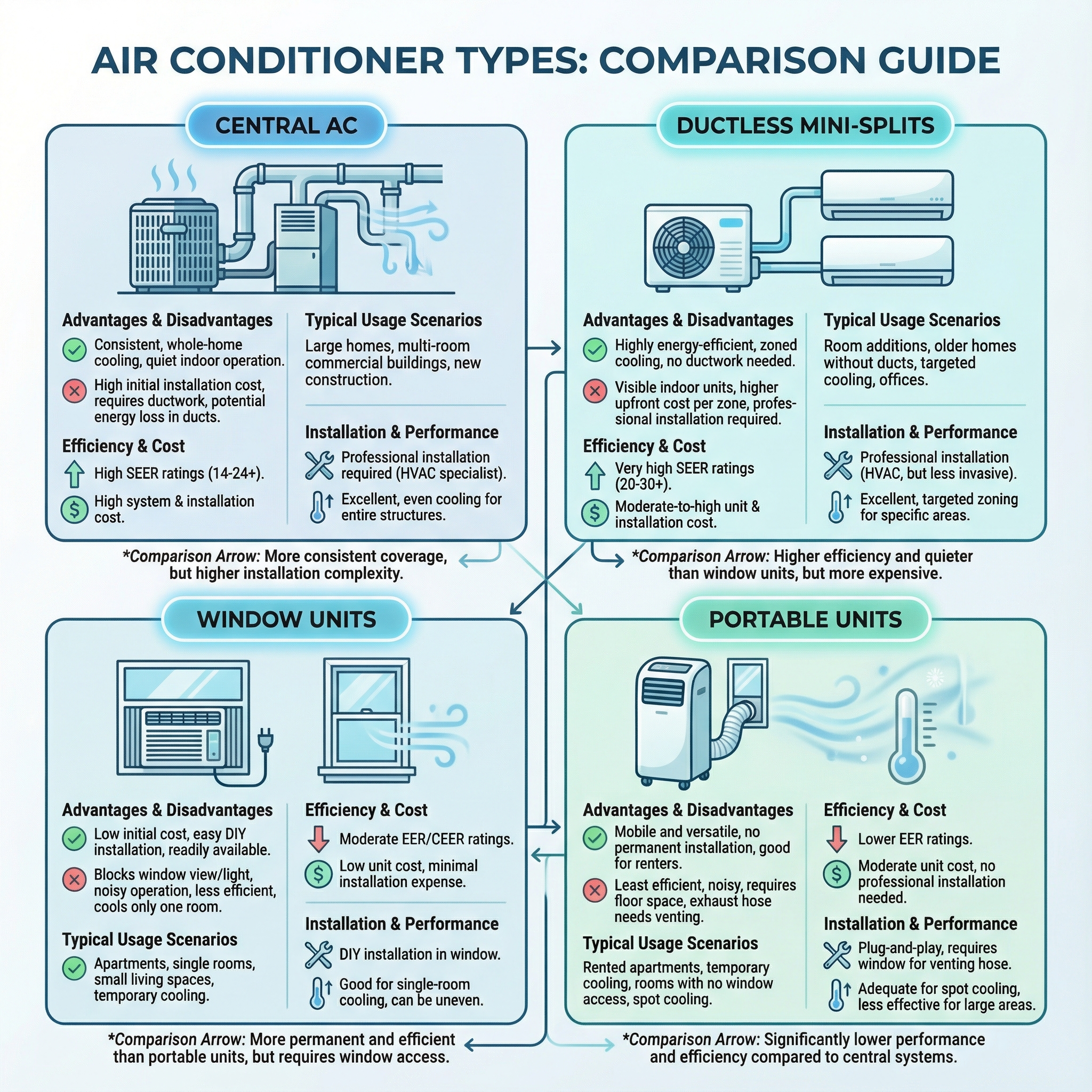
- Primary heat in extreme cold: Heating capacity can drop at very low outdoor temperatures. Where reliable high output is required, a gas furnace, a high output boiler, or pairing with a fossil fuel or electric resistance backup is often the better fit.
- Lowest first cost as the priority: Multi zone ductless can carry an upfront price similar to, or higher than, a single central system. If the goal is the simplest, least expensive install, a conventional central system may align better with the budget.
- Design or envelope issues: Skipping a room by room load calculation, over or under sizing, poor head placement that blocks airflow or harms trim, and ignoring insulation or air sealing routinely undermine results. In these cases, fix the shell and sizing plan first, then select equipment.
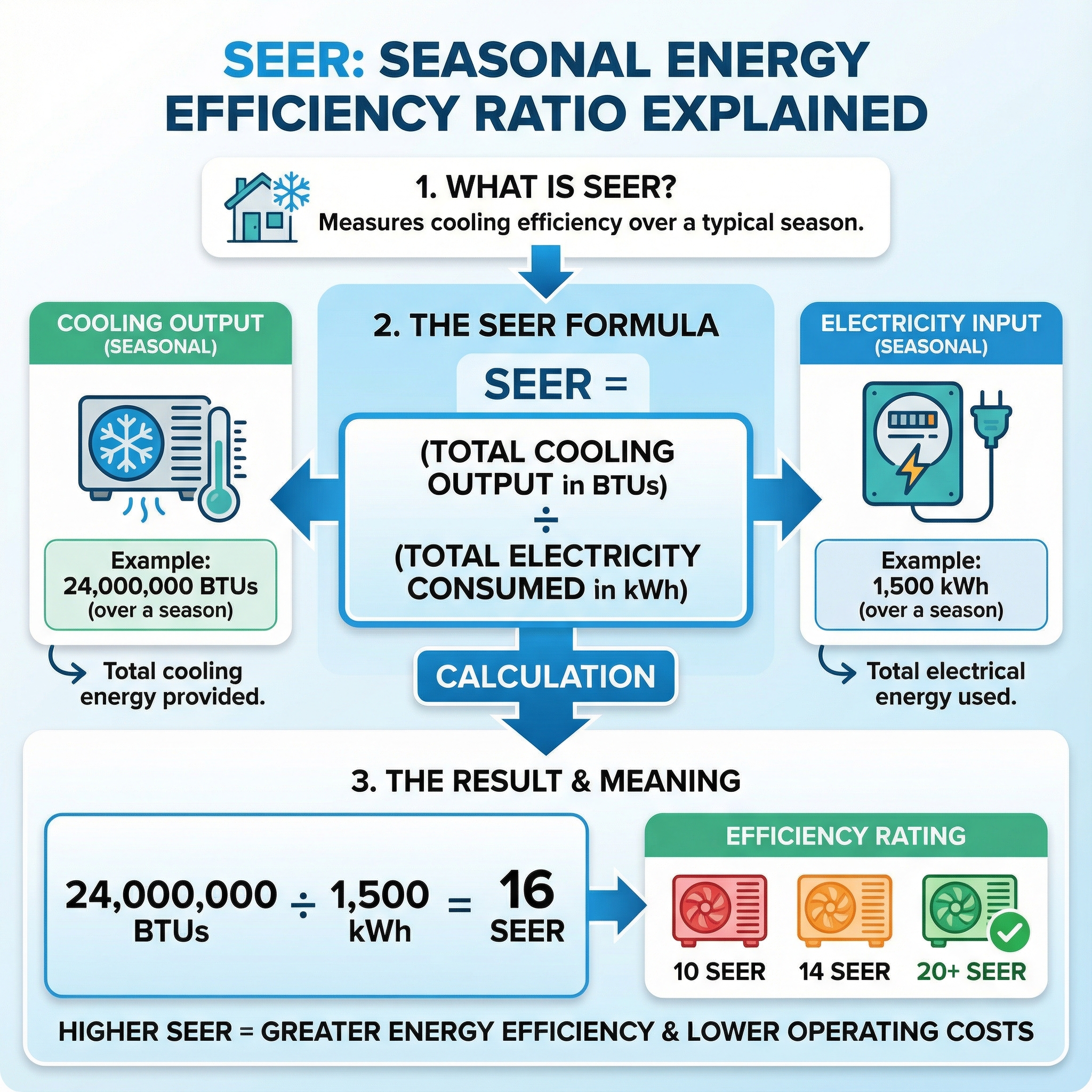
Avoid choosing on SEER alone. Include heating metrics and low ambient performance in the comparison to match real world needs.
Site Assessment: What to Check Before You Install a Mini Split
A solid site assessment starts with the building envelope. Insulation levels and air leakage set the true heating and cooling load. Poor insulation and drafts force larger equipment and still leave rooms uneven. Tightening and insulating first often allows smaller systems to run steadily, reduce cycling, and keep temperatures even.
- List every space to be heated and cooled, then decide on zones. Compartmentalized older layouts often need multiple indoor heads.
- Evaluate the envelope: check attic, wall, and floor insulation, and locate major drafts at windows, doors, and penetrations. Older homes commonly have high leakage and limited insulation.
- Plan targeted air sealing and insulation upgrades before choosing equipment to lower required capacity and improve comfort.
- Review the floor plan, including room adjacencies, high ceilings, finished attics, and additions, since these affect head counts and placement.
- Match system selection to climate. In cold regions use cold climate models, and plan supplemental or backup heat for extreme cold snaps.

Electrical, Structural, and Code Considerations for Retrofits
Retrofitting older properties is a bit like dropping a modern engine into a classic car, the mounts, wiring, and clearances must match. We start by confirming panel capacity and space for dedicated HVAC circuits and outdoor disconnects. Older load centers often come up short, so panel or service upgrades are common, and all new circuits, breaker changes, and wiring are performed by licensed electricians.
Current regulations affect equipment choice. SEER2 and HSPF2 testing changed airflow and static expectations, which can impact duct transitions and required working space. The shift to lower GWP A2L refrigerants, such as R 32 or R 454B, brings mechanical and fire code requirements for location, ventilation, and clearances. Any refrigerant piping, charging, and leak testing is completed by certified HVAC technicians.
Permits and inspections are part of the scope. Commissioning includes pressure testing, a deep vacuum, verified charge, and documented leak checks.

Noise, Low Ambient Performance, and Picking Cold Climate Models
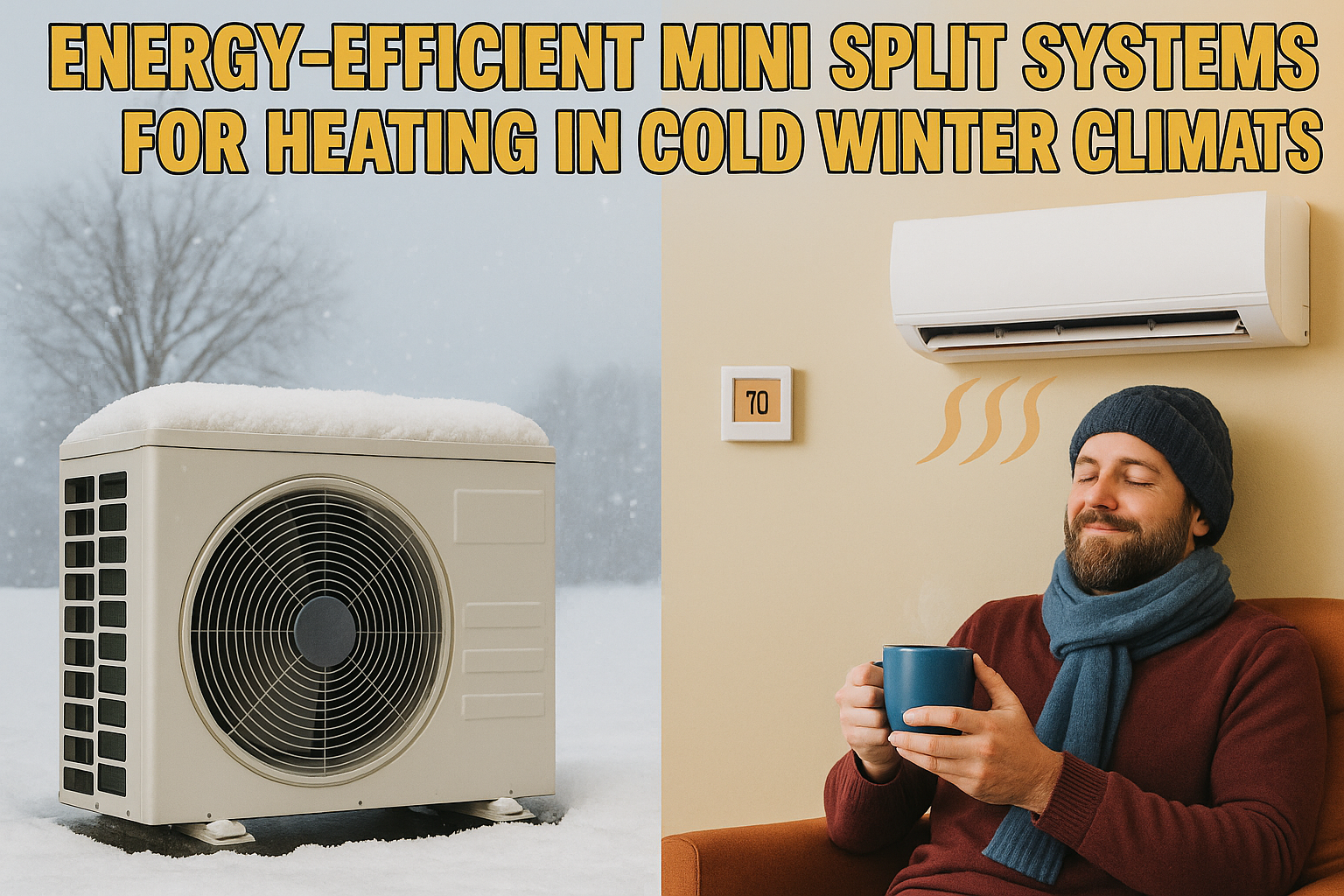
Two specs matter most when choosing a mini split: sound ratings and low ambient heating. Capacity falls as outdoor temperatures plunge, so favor cold climate or hyper heat models and compare capacity maintained at low ambient. Think of it like pedaling uphill, the steeper it gets, the slower you go.
- Moderate climates: a mini split can be your primary system.
- Very cold climates: plan supplemental heat for the harshest snaps.
- Hot humid climates: confirm strong dehumidification performance.
For noise, check indoor and outdoor dB ratings and specify vibration isolation mounts to limit transfer into living areas or neighboring properties. Most brands offer both standard and cold climate lines, so weigh the low ambient curve alongside the sound spec that fits your site. In our experience at Budget Heating (BudgetHeating.com), pairing a cold climate line with smart placement delivers reliable comfort.
Maintenance, Troubleshooting, and Who Should Do What
Think of the air filter as a dust mask for your system. Homeowners can handle light care and observation. These small steps support efficiency and prevent avoidable messes.
- Replace or clean filters on the recommended cycle.
- Gently dust indoor grilles.
- Keep the outdoor unit free of leaves, lint, and snow.
- Visually check the condensate drain for blockages.
- Maintain clearance around the outdoor unit and keep water away from historic finishes.
Leave system-critical work to licensed professionals. Plan tune-ups at least twice yearly to check refrigerant pressures, electrical connections, coils, condensate systems, and overall performance. Do not attempt refrigerant work, electrical circuit changes, deep coil or coil-component cleaning, or commissioning checks. If you notice unusual noises, odors, or error codes, turn the system off and report them to a service technician promptly.
Cost, Incentives, and Next Steps for a Preservation Aware Mini Split Retrofit
Mini-splits deliver zoned comfort with minimal impact on historic details when planned well. SEER/SEER2 is like miles per gallon: upgrading a SEER 10 system to SEER 14 often trims cooling bills about 30 percent, SEER 18 about 50 percent. Most current units sit in the mid to high teens, and ENERGY STAR and cold-climate listings unlock rebates. The efficiency premium often pays back in 3 to 5 years, depending on baseline, envelope, rates, incentives, and zoning.
- Choose an older-home installer and request a room-by-room Manual J.
- Preplan line-set and condensate paths, confirm historic approvals and permits.
- Ask your utility about rebates and tax credits before you sign.
Balancing comfort and preservation is a real tradeoff; we pair wholesale pricing with HVAC-pro guidance by phone or online.
- Get a Custom Quote
- Talk to Our Team: live U.S.-based phone support
- Shop Ductless Mini Splits: free shipping, Affirm financing