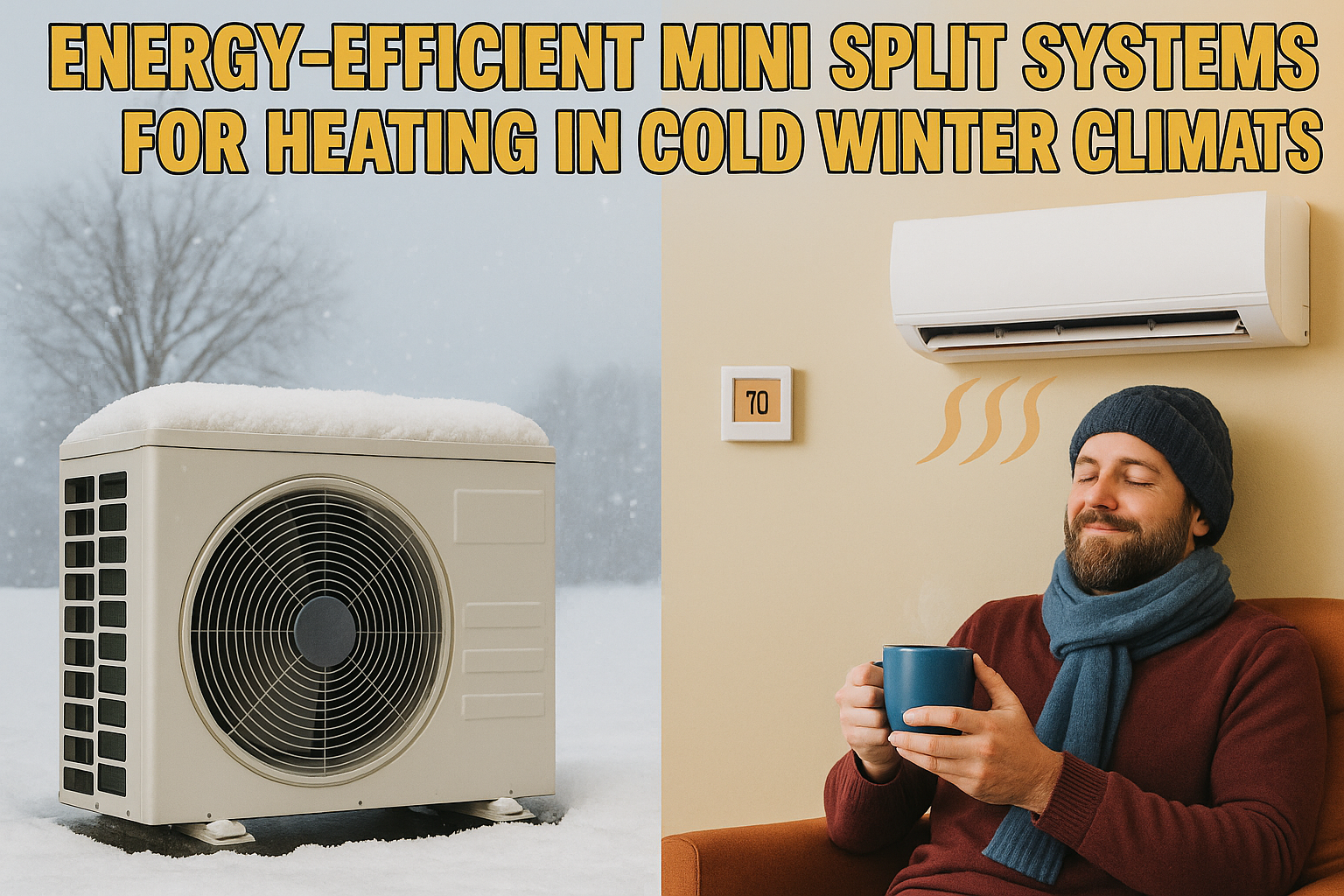





Why Choosing an Eco Friendly HVAC Brand Matters for 2026 Installations
2026 is a watershed year for HVAC. Low GWP A2L refrigerants, new safety requirements, tighter efficiency minimums, and smart controls arrive together. From what we see in the field, the brand you choose now will set your comfort, noise levels, energy bills, and service needs for years.
This guide explains the shifts, then how to compare brands: cold climate and quiet performance, efficiency and savings, indoor air quality features like filtration and ERV or HRV, durability and warranties, A2L readiness, ducted and ductless heat pumps or VRF, and smart thermostats with AI. We also weigh upfront price against lifetime cost, rebates, and maintenance, then provide a practical checklist and comparison.
Key Green HVAC Trends to Watch in 2026: Refrigerants, Regulations, and Efficiency Standards
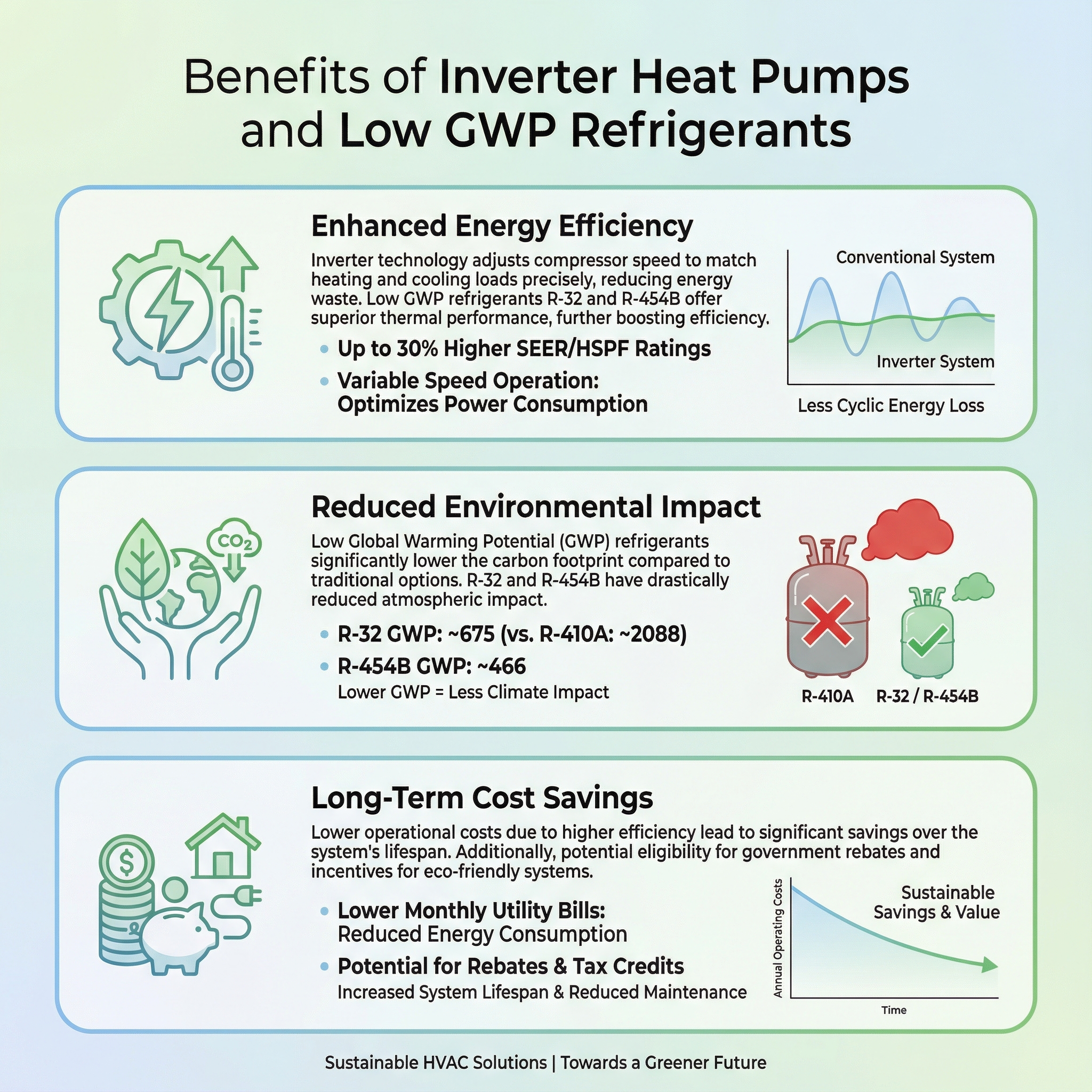
Two forces define 2026 for HVAC buyers and installers: the refrigerant shift and the efficiency framework. Under the U.S. AIM Act, aligned with the Kigali HFC phase down, new residential and light commercial equipment built after January 1, 2026 must use refrigerants with GWP below 700. That pushes most new systems to low GWP A2L options, primarily R 32 and R 454B. These are mildly flammable, so handling, storage, and installation clearances change, and local codes and technician training need to keep pace. Existing R 410A systems remain serviceable, but replacements move to A2Ls.
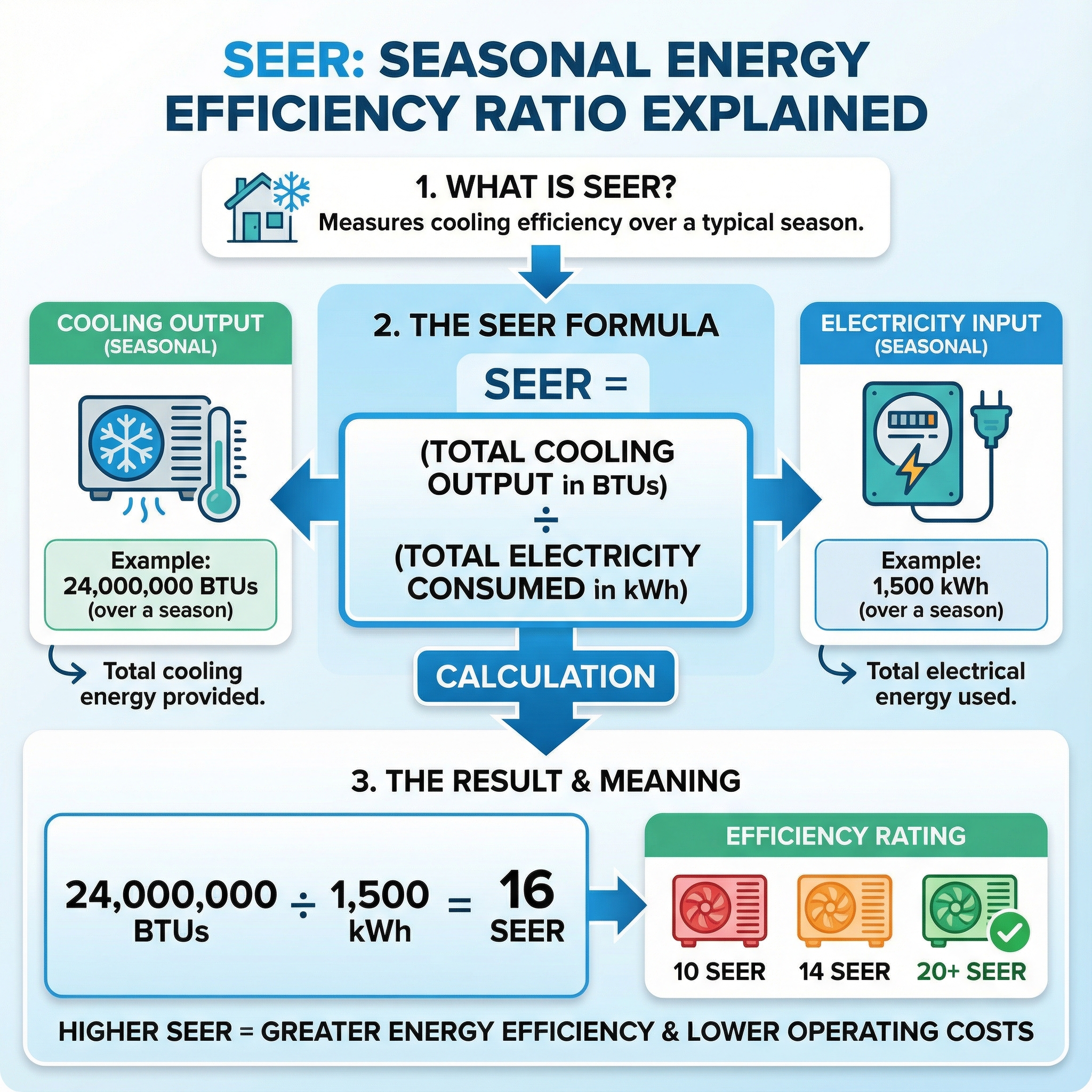
Efficiency is measured under DOE's SEER2 and HSPF2 framework, in place since 2023 and continuing in 2026. Think of SEER2 like a road test that includes hills and stoplights, closer to real homes than the older SEER lab cycle. Regional minimums matter, roughly 13.4 SEER2 in the North and 14.3 SEER2 in the Southeast and Southwest, while heat pumps carry national minimums around 14.3 SEER2 and 7.5 HSPF2.
Incentives often steer choices above code minimums, commonly around 17 SEER2 and 12 EER2 tiers, which tends to favor inverter heat pumps. Installation details grow in importance, especially when swapping high temperature furnaces for heat pumps, since duct sizing and sealing can affect comfort and noise. Match equipment to climate: prioritize humidity control in the Southeast, higher EER2 for hot and dry regions, and cold climate heat pumps or hybrid setups in northern zones.
How to Define �Eco Friendly' HVAC in 2026: Efficiency, Refrigerants, Lifecycle and Smart Controls
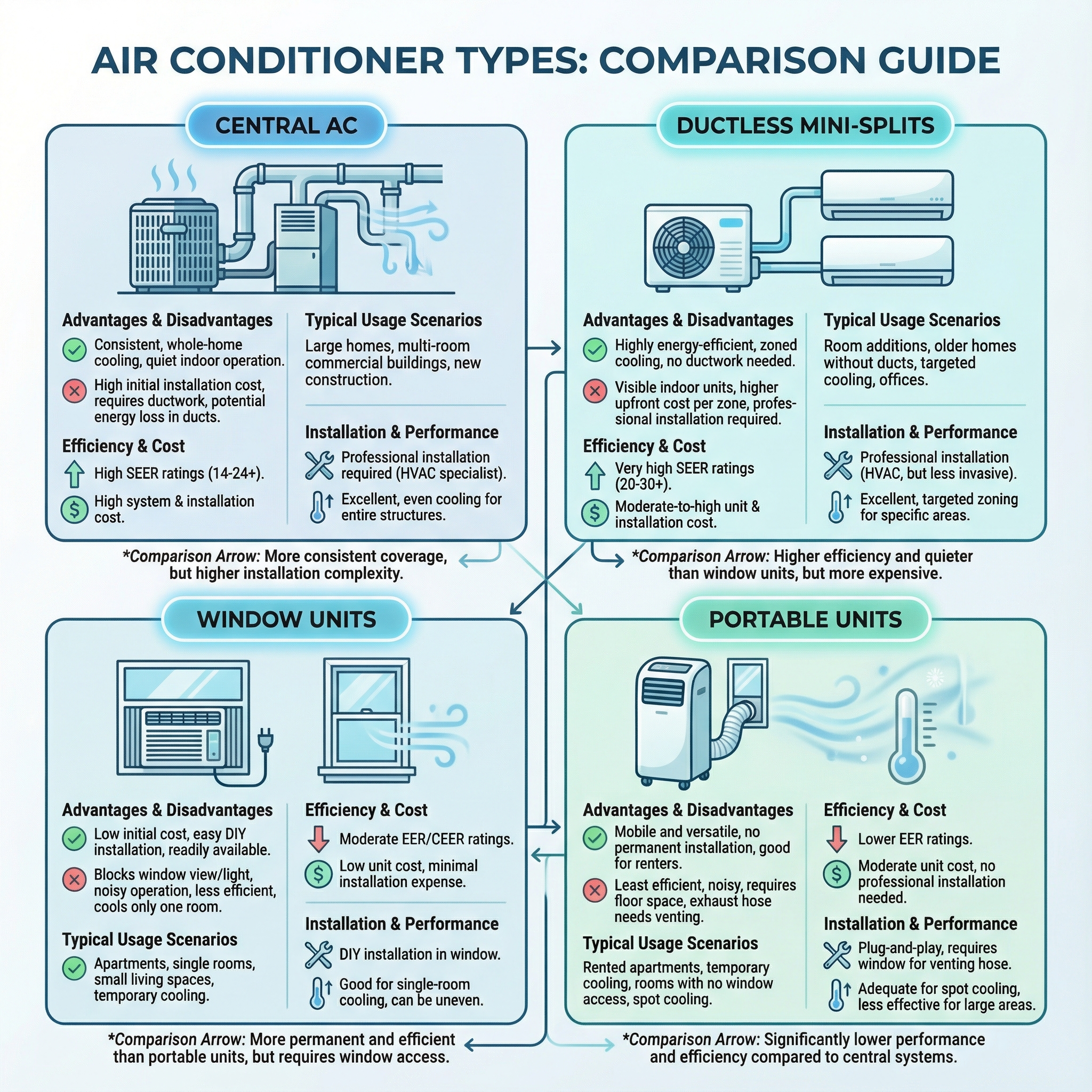
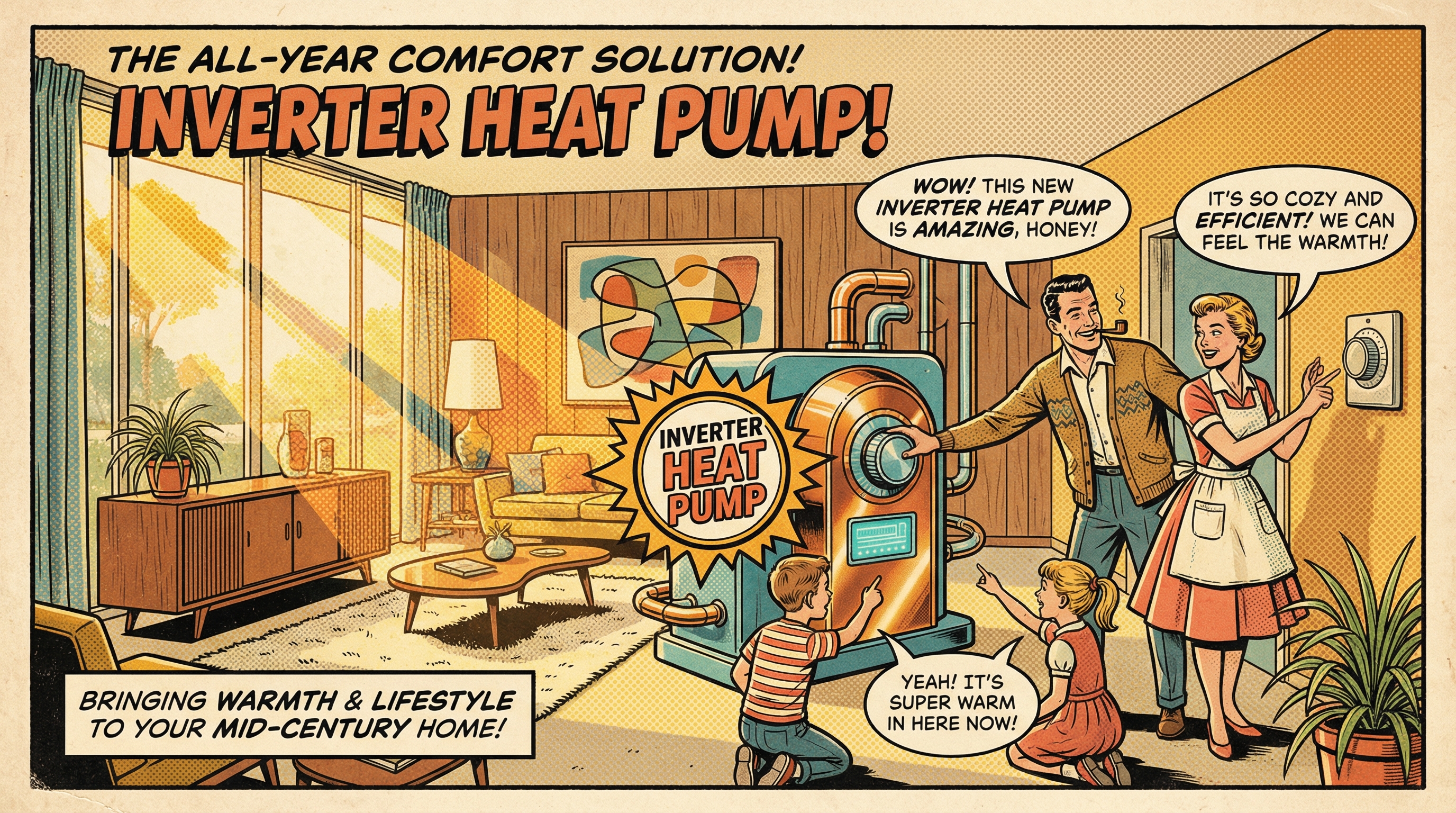
We define eco friendly HVAC as systems that cut carbon and utility bills through higher seasonal efficiency and smarter controls, with an electrification first mindset. That means prioritizing high efficiency heat pumps, whether air source, ductless, VRF, or geothermal, which move heat instead of generating it. Think of inverter operation like cruise control, trimming energy use at part load while improving comfort.
It also favors low GWP refrigerants, such as R 32, R 454B, or CO2, to reduce lifecycle climate impact. Indoor air upgrades belong in the same filter: ERVs or HRVs recover energy while bringing in fresh air, and better filtration boosts health with little energy penalty. When selecting equipment, look for variable speed compressors, clear manufacturer plans for the refrigerant transition, and installers who can commission the system so it delivers its rated performance.
Brand Profiles: Daikin, Mitsubishi, Trane, Carrier, Lennox, Bosch, Rheem and Goodman: Strengths and Tradeoffs
Compare by verified SEER2, warranty terms and registration, dealer authorization, and parts availability. Warranty depth plus a broad service network reduces downtime. Goodman offers strong coverage at value pricing, with Lennox and Carrier adding robust terms on premium lines. In our experience at Budget Heating (BudgetHeating.com), fast parts access can matter as much as a long compressor warranty.
- Daikin: inverter efficient, quiet, low GWP. Eco: high-SEER2 ductless.
- Mitsubishi Electric: ultra quiet, strong zoning. Eco: room-by-room.
- Trane: durable variable speed. Eco: long service life.
- Carrier: innovative, smart-home, new refrigerants. Eco: connected homes.
- Lennox: top efficiency, higher cost. Eco: maximum savings.
- Bosch: broad electric heat pumps. Eco: all-electric.
- Rheem: balanced cost and performance. Eco: mainstream swaps.
- Goodman or Amana: value with strong warranties. Eco: affordable electrification.
Reading Efficiency in 2026: SEER2, EER2 and HSPF2: What They Mean for Bills and Emissions
SEER2 is the after-2023 seasonal rating with more realistic tests, so compare SEER2 across models for apples to apples results. Each 1-point gain delivers about 5 to 8% better cooling efficiency. Moving from 15 to 20 SEER2 can cut cooling energy 30 to 45%, with similar drops in bills and emissions. EER2 measures steady-state output in high outdoor heat, important in hot, dry regions. HSPF2 rates heat pump performance in winter.
- Select by climate: use SEER2 first, EER2 for peak heat, HSPF2 for heating. Favor inverter or variable-speed for strong part-load efficiency.
- Tiers: baseline 14 to 15 SEER2, mid 16 to 18, incentives often near 17 SEER2 and 12 EER2, premium mini-splits reach the high 20s. DOE minimums are lower.
Top Eco Friendly HVAC Brands: Quick Cost, Savings and Payback Comparison (2026)
- Value tier Goodman/York: installed $4,500-$7,000. Inverter options give real gains vs older units.
- Mid Rheem/American Standard: $6,000-$9,000.
- Premium Trane/Carrier/Lennox: $8,000-$12,000+. 2026-ready adds ~10% upfront, but with 25C up to $2,000 plus local rebates, payback is often 3-4 seasons.
- In our experience at Budget Heating (BudgetHeating.com), pairing inverter systems with CTA-2045 or utility demand-response credits yields the quickest paybacks.
- Savings: high-efficiency cuts bills ~20-30% vs decade-old. Moving ~15 to ~20 SEER2 saves about $200 per year in high-rate regions.
- Price reference: 3-ton 14.5 SEER2 AC about $4,050 on sale (~$4,860 regular).
Common Pitfalls, Tradeoffs and When an Eco First HVAC Choice Isn't Optimal
From hands-on installs and service calls, we see situations where an eco first heat pump is not the best fit:
- Prolonged extreme cold: Choose a cold climate variable speed heat pump or a dual fuel setup with a high AFUE furnace backup for reliable, cost effective heat.
- Very tight budgets: Value options from Goodman or Rheem with inverter technology can electrify affordably, preserving efficiency without premium pricing.
- Strict noise or multi zone needs: Ductless systems from Mitsubishi or Daikin excel in quiet, room by room control compared with packaged single stage units.
Common myths to avoid: Brand alone does not make a system green, the specific model, installation, and commissioning do. Highest SEER or SEER2 is not automatically the most eco choice, right sizing, duct condition, and commissioning drive real savings. Bigger equipment is not better, oversizing means short cycling and poor humidity control. High efficiency units still need routine service, skipping maintenance is like buying a sports car and never changing the oil.
Refrigerant Roadmap: Low GWP Options, A2L Safety and Future Proofing Your Install
In 2026, favor low GWP systems using R 32, R 454B, or CO2, and avoid new R 410A on post 2025 installs as lines are shifting. Many low GWP options are A2L, mildly flammable. We handle them like a gas grill: safe with proper steps.
Installers need A2L training, leak detection, ventilation and clearance know how, and A2L rated recovery tools. Future proof by confirming cylinder storage, labeling, nitrogen pressure tests, brazing steps, code compliance, and selecting makers with clear roadmaps and reclamation or recycling support.
Installation, Contractor Best Practices, Incentives and Maintenance to Keep Systems Green
Use this field checklist to make sure an efficient system actually performs efficiently in your home.
- Efficiency targets: aim for 18-22+ SEER2 for cooling and HSPF2 around 9 for standard heating, 12-13 for premium cold climate models.
- Comfort and air quality: in humid regions choose variable speed equipment, use MERV 11-13 filters, and add ERV or HRV and whole home dehumidification as needed.
- Right size and design: require Manual J, Manual S, and Manual D. If converting from a furnace to a heat pump, seal and insulate ducts.
- Refrigerant readiness: select low GWP refrigerants under 700. Confirm your contractor is A2L trained and verify refrigerant on the unit nameplate at commissioning.
- Match system to climate: variable speed heat pumps for mild or hot areas, cold climate or dual fuel for very cold regions, ductless for homes without ducts.
- Installation day checks: nitrogen pressure test, deep vacuum to manufacturer spec such as 500 microns or less, charge by weight with subcooling or superheat confirmed, line set length and rise within limits, and documented airflow in CFM per ton.
- Homeowner maintenance: check or replace filters monthly, clear outdoor debris, flush condensate drains each season, keep thermostat firmware updated.
- Professional maintenance: spring and fall tune ups, verify charge and external static pressure, apply firmware updates, and perform combustion safety if applicable.
- Paperwork and warranty: collect model and serials, refrigerant type, commissioning data, permits, and complete warranty registration. Enroll in a maintenance program to preserve coverage and efficiency.
- Know the limits: leave refrigerant handling, electrical changes, Manual J or S or D work, and duct or ventilation modifications to licensed technicians with EPA 608 and A2L credentials.
- Incentives and cost: review federal 25C tax credits plus state and utility rebates. Ask for a lifecycle cost analysis that compares installed price, energy savings, maintenance, and expected service life.
Conclusion: How to Choose the Most Eco Friendly HVAC Brand for Your 2026 Project
There is no single most eco friendly brand in 2026. The best choice is a high efficiency heat pump, low GWP refrigerant, climate matched performance, and strong manufacturer and installer support. Use ENERGY STAR, AHRI, regional cold climate lists, and local utility rebate catalogs, then pair the model with quality design and installation.
- Choose inverter or variable speed heat pumps that meet incentives, around 17+ SEER2 and 12 EER2 where applicable.
- Prefer low GWP refrigerants and confirm A2L ready, factory authorized installers.
- Require Manual J/S/D, proper commissioning, and a documented maintenance plan.
- Get a Custom Quote with a Manual J and 2-3 model quotes from factory authorized options.
- Talk to Our Team by phone to review A2L readiness and rebate paths.
- Shop Heat Pumps, then request a lifecycle cost analysis and register for warranty and incentives.