




Choosing the Right HVAC for Your Climate: What This Guide Covers
Choosing HVAC is not one size fits all. A system that excels in Phoenix can feel out of place in Minneapolis. Think of it like clothing, the right fit depends on local weather, humidity, and seasonal swings. From years of field work, we have seen that matching equipment to climate improves comfort, cuts operating costs, and helps systems last. We also stress the basics that make any unit perform as promised: proper installation and routine maintenance. A great model installed poorly can underdeliver, while a correctly sized, well tuned system shines.
This guide is for homeowners, property managers, and light commercial buyers planning a replacement or new build who want clear, climate-first guidance without the fluff. Here is what you will learn:
- Climate-specific recommendations for hot, humid, cold, and mixed regions
- Right-sizing fundamentals to avoid short cycling and high bills
- Upfront, operating, and lifetime cost tradeoffs
- How rebates and incentives can lower net costs
- Practical next steps, from load calculations to maintenance planning
Why Climate Matters: How Weather Should Drive Your HVAC Decision
Weather patterns should set the playbook for your HVAC choice. After decades sizing and commissioning systems across regions, we have learned that matching equipment to local conditions delivers steadier comfort and lower utility bills. It is like choosing the right tires for the road you drive most.
- Hot-dry climates: Prioritize high SEER efficiency and variable-speed compressors. These run longer at low power to track big daytime swings, focusing on sensible cooling rather than moisture removal.
- Hot-humid climates: Make dehumidification a headline requirement. Variable-speed air handlers and controls that favor longer, lower-speed cycles pull moisture effectively, keeping rooms comfortable without overcooling.
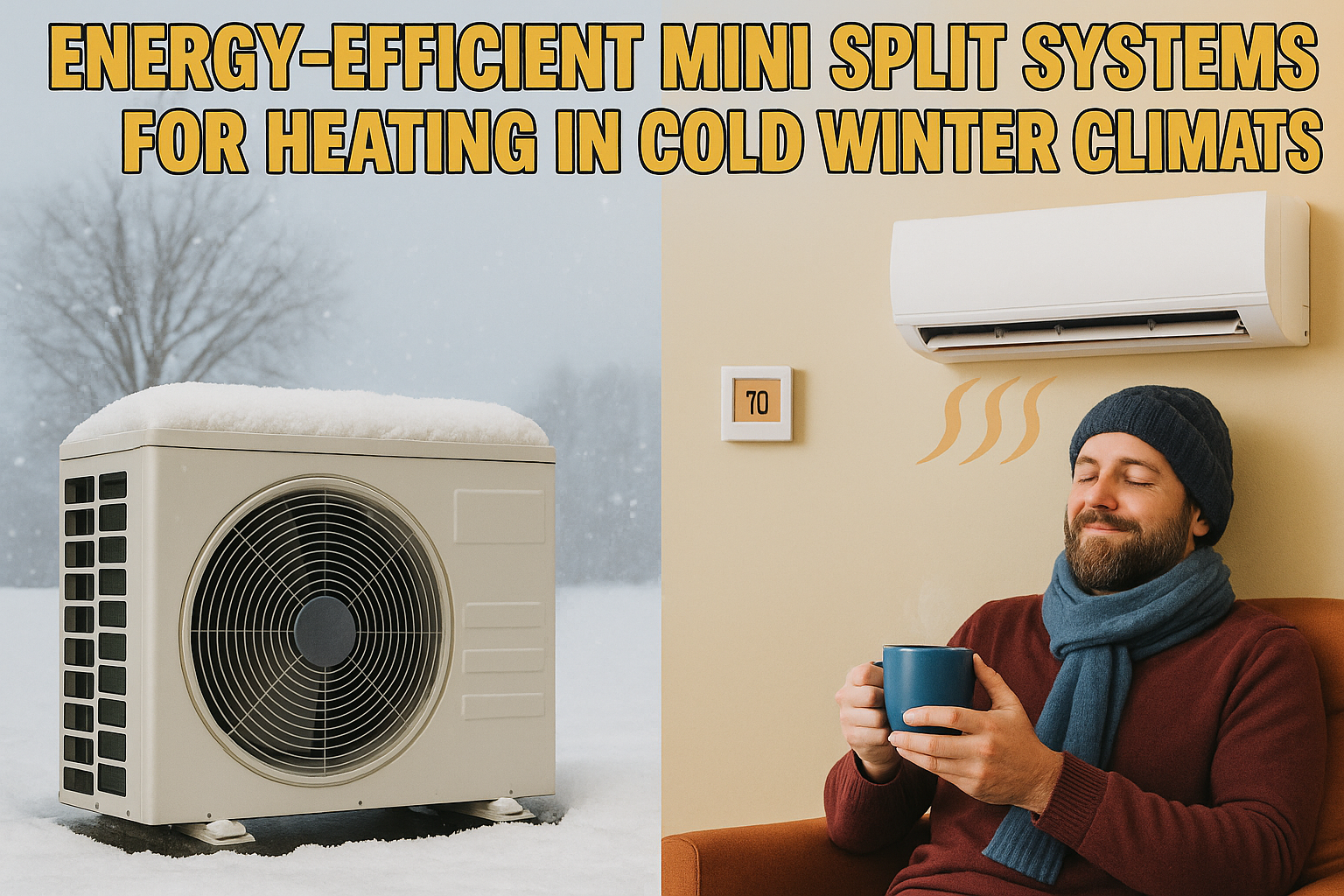
- Cold climates: Look for cold-rated heat pumps that hold capacity at low temperatures, or a hybrid configuration that pairs a heat pump with a furnace for subfreezing snaps.
- Coastal areas: Corrosion protection matters. Coated coils, corrosion-resistant fasteners and protected electronics help equipment stand up to salt air.
- Mixed climates: Choose a balanced setup, typically variable-speed with solid mid to high SEER and decent moisture control, so it handles shoulder seasons efficiently.
- Severe-weather zones: Build in storm protections like surge protection, wind-rated mounting or tie-downs, and hail guards to reduce weather-related failures.
Let local weather drive the spec sheet: efficiency where heat dominates, moisture control where humidity lingers, cold performance where winters bite, and durability where salt or storms threaten.
When a System Isn’t Right: Key Tradeoffs, Limits and Better Alternatives
In our experience, the same pitfalls show up again and again. Shiny specs lead people to fixate on SEER alone, assume one size fits all, ignore humidity and zoning, and skip proper load calculations. SEER is like the highway mpg sticker, it shows potential, but duct quality, sizing, and moisture control determine real comfort and costs.
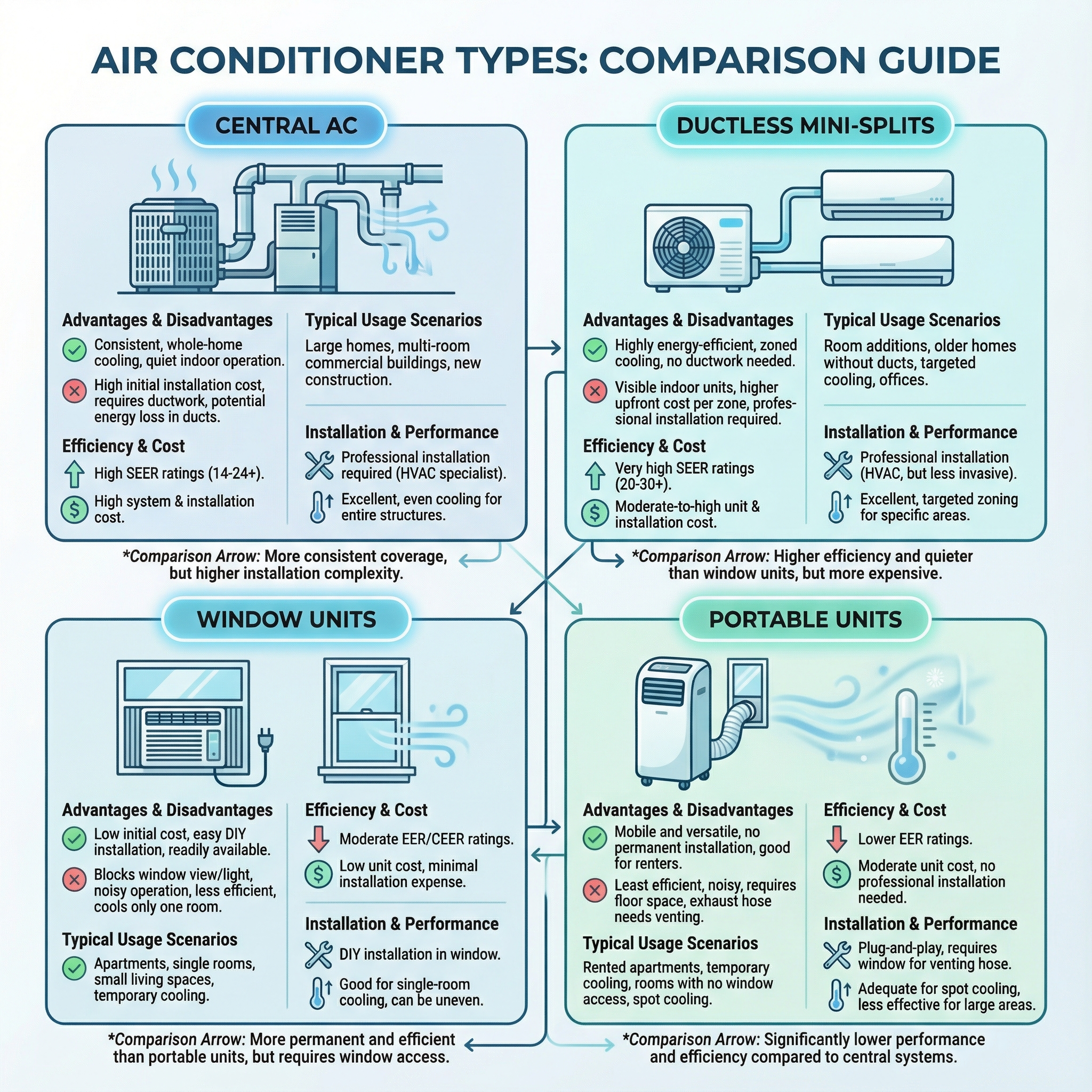
- Not ideal: A high SEER central AC feeding leaky or unbalanced ducts. Better: seal and balance ducts, verify capacity with a load calc, choose a variable speed blower, and add a dedicated dehumidifier where indoor moisture is persistent.
- Not ideal: One thermostat serving multi story or mixed use spaces. Better: zoning with separate thermostats, a multi zone mini split, or two smaller systems sized per area to reduce hot and cold spots.
- Not ideal: Electric resistance furnaces where kWh rates are high or a gas line already exists. Better: a high efficiency gas furnace or an inverter heat pump with smart backup heat.
- Not ideal: A ductless head in every closed bedroom. Better: a central system with proper return air paths, or a concealed ducted mini split for quiet, even distribution.
Maintenance matters: change filters every 1 to 3 months and clean coils yearly. Skipping a $150 tune up can become a $2,000 failure.
Regional Rules, Refrigerants and Code Changes That Affect Your Choice
DOE’s 2023 update changed how efficiency is tested (SEER2, HSPF2) and set regional minimums. The North allows a lower central AC minimum than the Southeast and Southwest. The Southwest also adds an EER2 threshold to ensure performance in very hot, dry climates. Heat pumps and packaged units follow national minimums under the new test, so two similar models can have different compliance outcomes depending on where they are installed.
Next, furnaces face tighter AFUE requirements in 2028, which will shift many replacements toward condensing equipment. Refrigerants are also moving to lower GWP A2L types. That affects codes and installation: use listed A2L equipment, observe required clearances and charge limits, and employ A2L-rated tools, recovery, and leak detection where required. Coils, line sets, and accessories must be verified for A2L compatibility, and local permitting will track each jurisdiction’s adoption timeline.
Cost, Payback and When Higher Efficiency Pays Off
With 30+ years in HVAC, we look at more than the sticker price. Higher efficiency equipment costs more upfront, but the real question is lifecycle cost: what you spend to buy, install, power, and maintain the system over its life. Think of it like fuel economy, the savings show up only if you rack up the miles.
High-SEER heat pumps and geothermal tend to pay back faster where systems run hard, very hot summers or very cold winters. Occupancy matters too. Homes occupied all day see more run hours than ones used mostly mornings and evenings, which stretches payback. Correct installation and regular maintenance protect the expected savings, poor setup can erase them.
- Include all costs: purchase, installation, electricity or fuel, routine maintenance.
- Estimate annual run time based on climate and usage.
- Expect shorter paybacks in high-usage regions, longer in mild climates or low-use homes.
Understanding SEER, SEER2, HSPF and AFUE: What Efficiency Ratings Mean for Your Bills
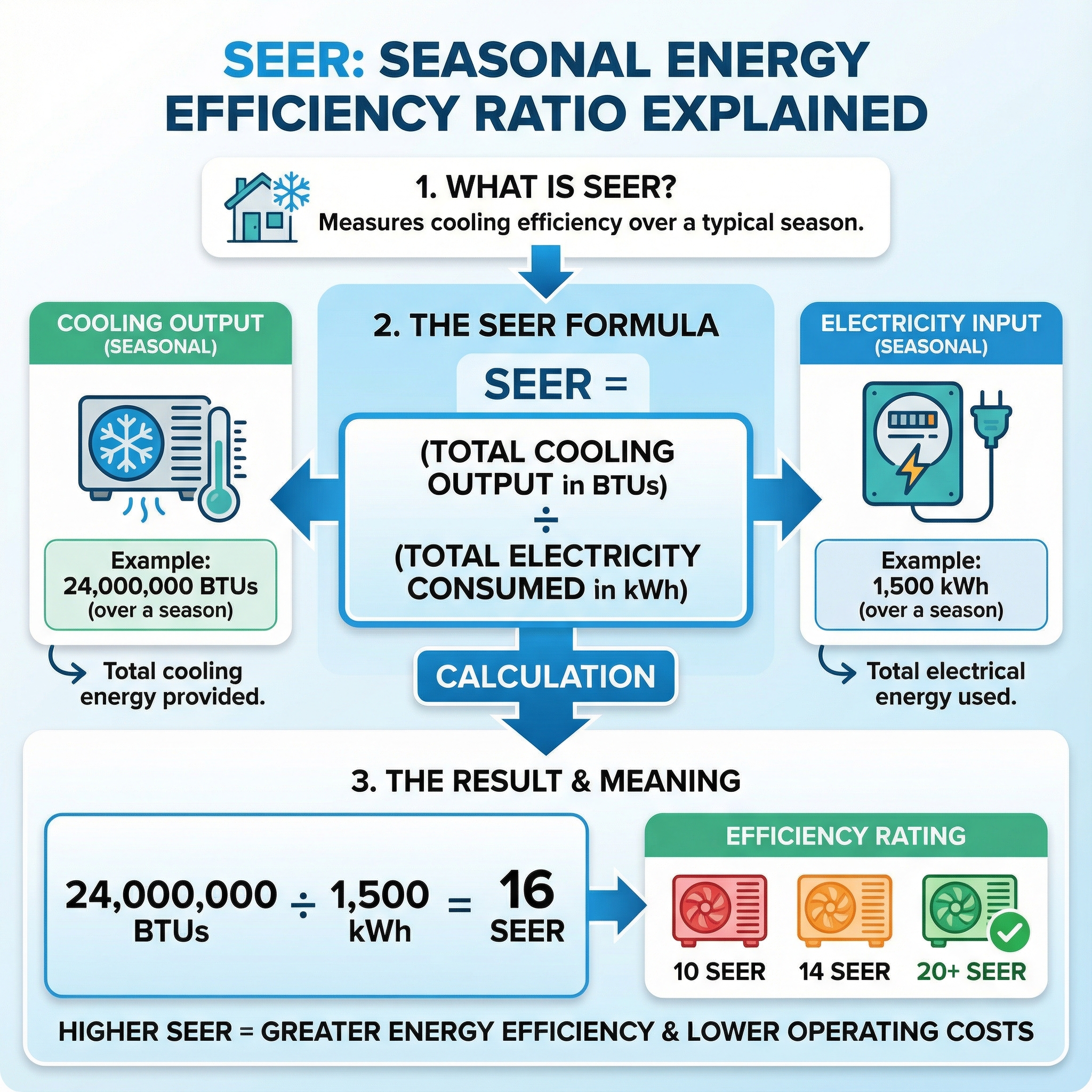
Think of efficiency ratings like miles per gallon for HVAC. SEER and HSPF measure how much cooling or heating you get per unit of electricity. SEER2 and HSPF2 are the updated versions that use tougher test conditions to better reflect real ductwork resistance, so the numbers are usually a bit lower, but more realistic. AFUE is a furnace score that shows what percent of fuel becomes usable heat.
- SEER/SEER2: Cooling efficiency over a season. Higher numbers mean fewer kWh for the same comfort.
- HSPF/HSPF2: Heat pump heating efficiency. Higher ratings reduce winter electricity use.
- AFUE: Fuel furnace efficiency. 95% AFUE means 95% of the gas becomes heat in the home.
Higher ratings cut operating costs most when your cooling or heating season is long. Moving from 14 to 18 SEER can trim summer kWh by roughly 20 to 30%. Stepping up a couple HSPF2 points often saves 10 to 20%. Going from 80% to 95% AFUE typically saves 15 to 20% on gas. In our experience at Budget Heating (BudgetHeating.com), pairing high-efficiency equipment with variable-speed blowers and compressors improves comfort and shortens payback by running steadier at lower power.
Safe Maintenance and What You Can Do Yourself (and When to Call a Pro)
Think of DIY care as brushing your teeth, not doing a root canal. Always shut power off at the disconnect and breaker before you touch anything.
- Replace or wash filters every 1 to 3 months, monthly in peak season or dusty homes.
- Keep supply and return grilles clear by about 12 inches, vacuum dust buildup.
- With power off, gently hose rinse the outdoor coil once or twice a year, no pressure washer, avoid controls.
- Flush the condensate line with warm water or a cup of vinegar at the start of cooling season, monthly in humid climates.
- In snowy areas, clear ice and snow and keep 12 to 18 inches around outdoor units.
Leave to licensed pros: refrigerant diagnostics and charging, electrical or gas repairs, combustion checks, duct changes, and any installation. These tasks require permits or specialized tools and protect warranties. Plan a professional system check once a year.

A Step-by-Step Homeowner Checklist: How to Choose, Size and Specify Your System
Use this checklist to move from guesswork to a clear spec you can hand to any contractor or supplier.
- Identify your climate: note hottest and coldest months, humidity swings, and typical peak conditions.
- Set efficiency targets: decide the SEER2, HSPF2 or AFUE levels that fit your comfort and budget goals.
- Define humidity and IAQ needs: target indoor humidity, filtration level, and any fresh air requirements.
- Choose ducted vs ductless: consider existing ducts, room-by-room comfort, and aesthetics.
- Request professional load calculations before anyone sizes equipment.
- Assess the envelope and zoning: insulation, windows, schedules, and rooms that run hotter or colder. Plan zones for distinct areas or floors.
- Compare ratings and features: capacity range, staging or inverter, controls, and noise.
- Vet contractors: confirm they provide load calcs and identify available rebates. In our experience at Budget Heating (BudgetHeating.com), those two items prevent most mis-sized installs.
Who Sells HVAC, Warranties, Rebates and Where to Buy
We break down where to buy and what shapes total cost. Online suppliers mean broad selection and clear pricing. Local dealers bundle design, installation and quick service. Either way, confirm the equipment can be registered and supported in your area.
- Warranties: need licensed installation, timely registration, commissioning proof, and local parts access.
- Rebates: check utility and state programs plus federal credits, and match exact model numbers.
- Installer: verify state license, insurance, EPA 608, NATE or factory training, and nearby service references.
Conclusion: How to Make the Final Choice and Your Next Steps
No single best system fits every home. Match your equipment to climate, construction, fuel options and your comfort and budget goals. The right choice is correctly sized, skillfully installed, maintained on schedule, and viewed through total lifecycle cost with available rebates.
We know the decision can feel complex. With 30+ years in HVAC and 200,000+ orders fulfilled, our team can turn your wish list into a clear, right-sized package you can buy with confidence.
Use this quick framework: get a Manual J load calculation, request at least two install bids, verify utility and manufacturer rebates, confirm duct condition or plan for ductless, and schedule routine tune-ups to protect the investment.
- Get a Custom Quote, including sizing, matched components and rebate guidance.
- Talk to Our Team by phone for U.S.-based technical advice or installer coordination.
- Shop Heat Pumps, AC and Furnaces at wholesale pricing, with free shipping on most systems and Affirm financing.