




8 Summer Cooling Tips to Lower Your Energy Bills: A Smart, Practical Guide
Summer comfort does not have to mean high bills. Smarter cooling pairs everyday habits with a few strategic upgrades. Whether you rent or own, the goal is simple, keep cool air where it belongs and reduce the heat your home makes in the first place.
From decades working with homeowners, the biggest savings come from eight levers you can control:
- Thermostat habits, keep set points steady and nudge 1 to 2 degrees up when away or sleeping.
- Airflow and filters, replace or clean every 60 to 90 days so the system breathes easily, like lungs.
- Sealing and insulation, close the leaks and add attic insulation to cut heat gain.
- Shading and windows, use curtains, films, or exterior shade to block afternoon sun.
- Preventive maintenance, clean coils and verify refrigerant charge to protect efficiency.
- Appliance timing, run ovens, dryers, and dishwashers in the evening to avoid extra indoor heat.
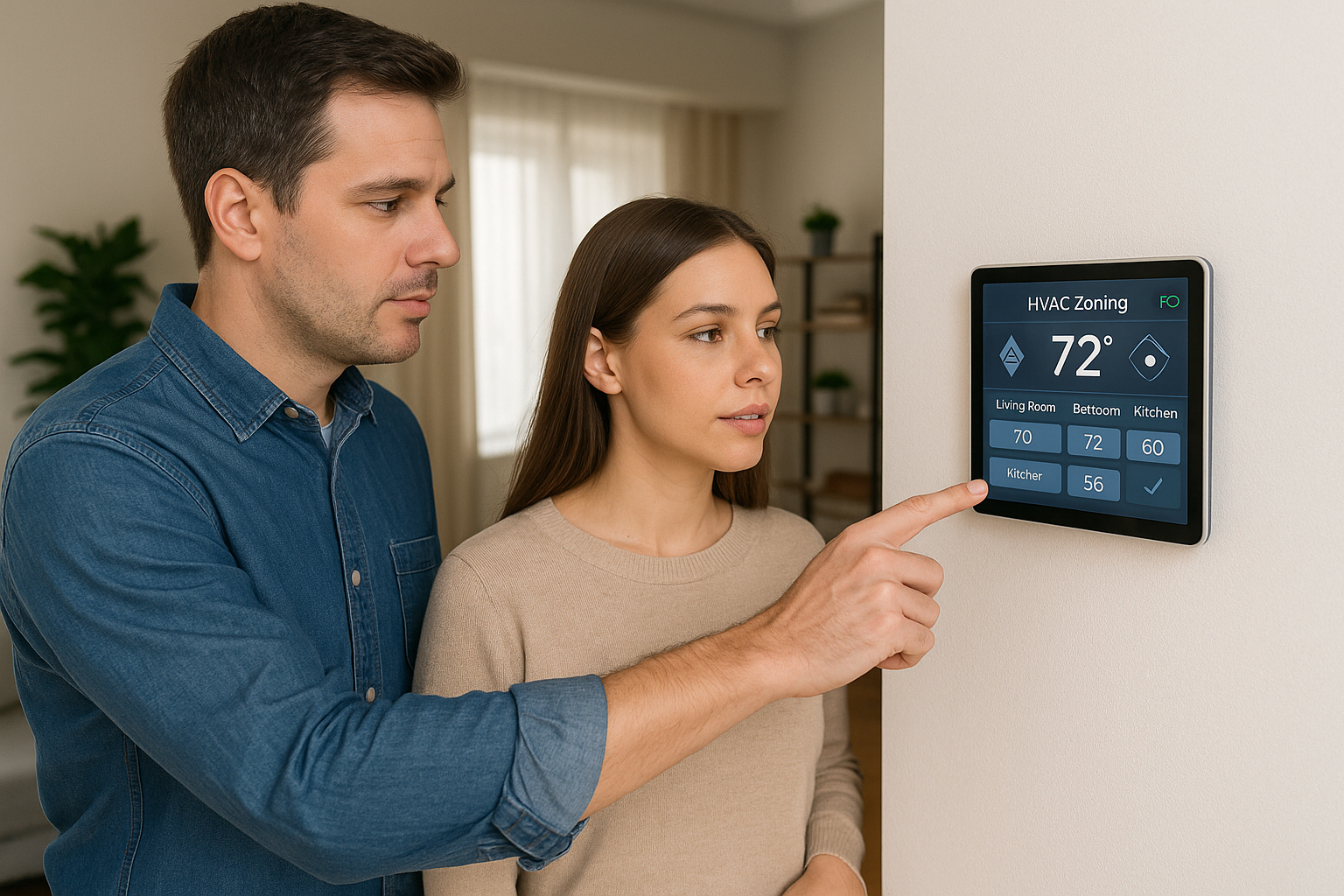
- Smart controls, program schedules, pair with ceiling fans, and use room-by-room control where possible.
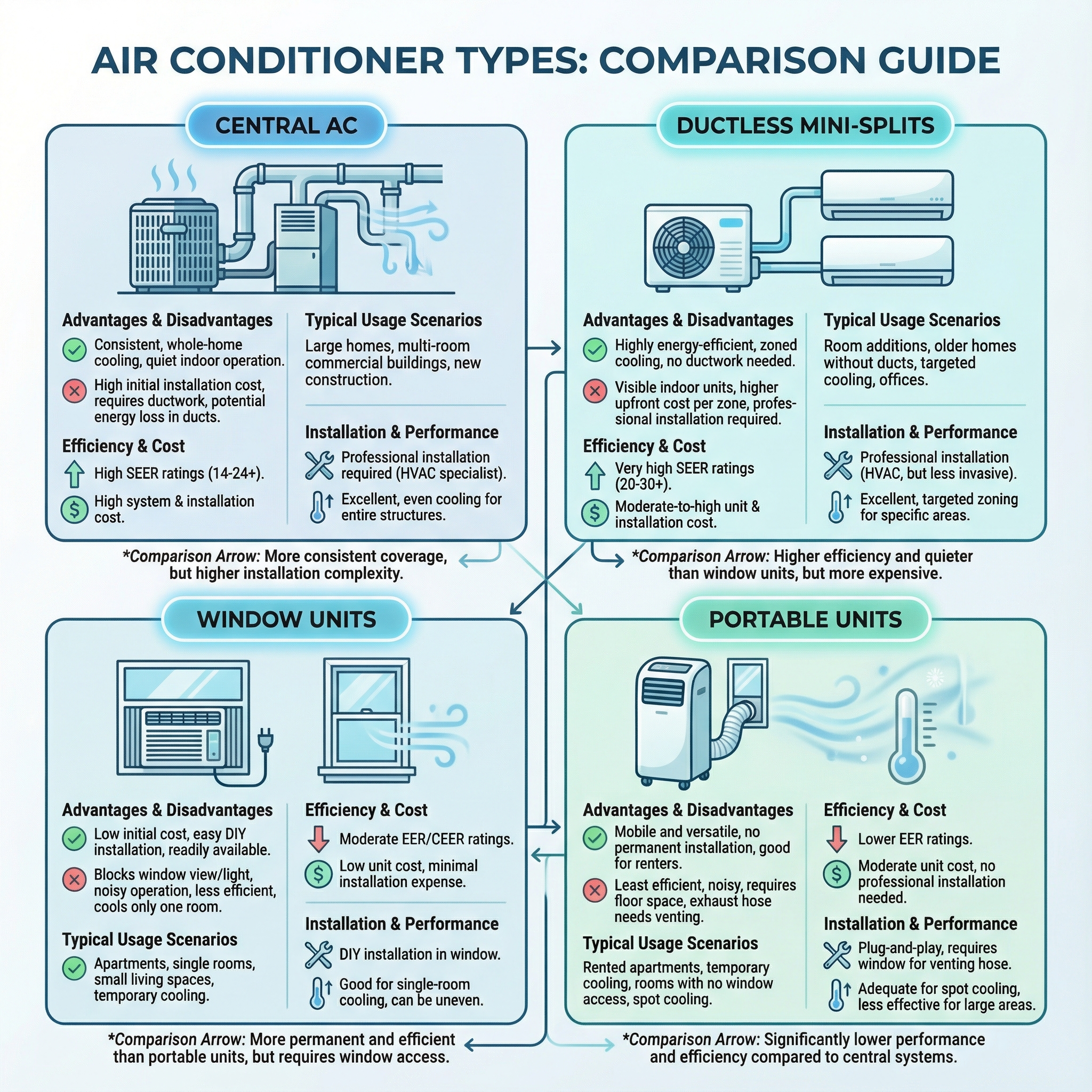
- Targeted upgrades, high SEER heat pumps or better ducts and weatherstripping where payback is clear.
Start with no-cost behavior, move to low-cost fixes, then invest in upgrades that deliver reliable, measurable savings.
Tip 1: Raise the Thermostat a Few Degrees (Use a Programmable or Smart Thermostat)
A small thermostat bump cuts run time and costs. As a rule of thumb, raising your cooling setpoint by 1 degree saves about 3-5 percent on energy. Target around 78 F when you are home. When you are away or sleeping, increase the setpoint to 80-85 F, or use a 4-8 F setback that brings comfort back before you return.
- Programmable thermostats: Set simple blocks like Wake, Leave, Return, Sleep. Start with 78 F for Wake/Return and 82-85 F for Leave/Sleep.
- Smart thermostats: Enable scheduling, geofencing so it switches to Away when you leave, and Eco mode for automatic setbacks. Use the app to fine tune without standing at the wall.
- Quick checks: Confirm the thermostat is in Cool or Heat as needed, replace batteries yearly or when the display dims, and verify the time and day are correct for schedules.
Two myths to ignore: Colder is not faster. Setting 65 F does not cool quicker, it only runs longer. And programming is not a hassle. A 5-minute setup, or a one-time app schedule, delivers steady savings all season.
Tip 2: Use Fans Strategically to Feel Cooler Without Overworking the AC
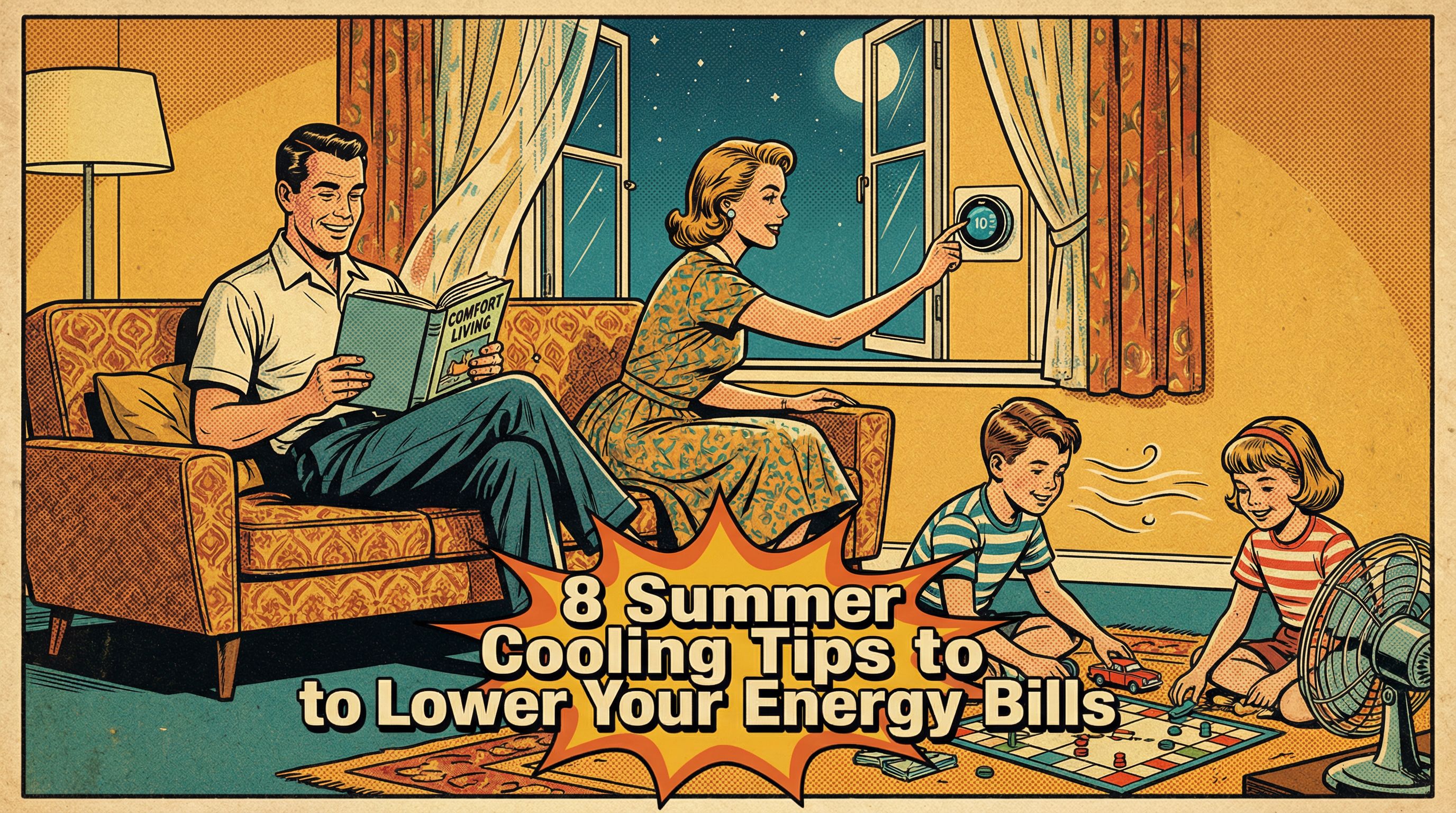
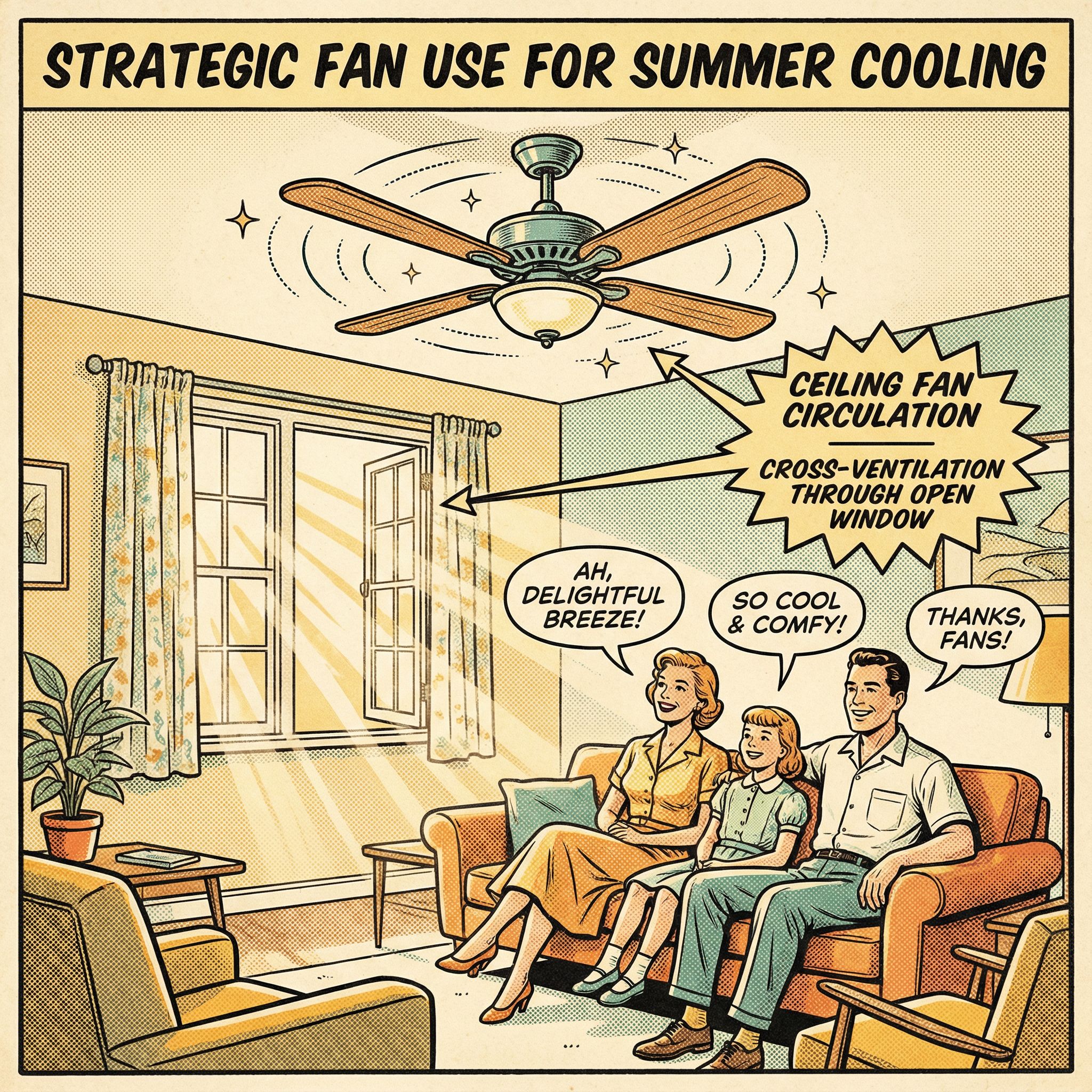
Fans do not lower room temperature, they move air across skin to create a wind-chill effect. In our field experience, most homes can raise the thermostat 2 to 4 degrees while feeling just as cool. Set ceiling fans to spin counterclockwise in summer at medium to high speed when the room is occupied. Use portable fans to pull cooler air from hallways or shaded rooms into the spaces you are using.
Turn fans off when you leave, since empty rooms do not benefit from airflow. Use bathroom and kitchen exhaust fans sparingly so you are not dumping conditioned air. Targeted airflow plus a modest thermostat bump trims AC run time without sacrificing comfort.
Tip 3: Seal Leaks and Insulate: Stop Cool Air from Escaping
Your home's building envelope is the shell that separates indoors from outdoors. When it is tight, your AC does less work and rooms feel more even. Think of it like a cooler: if the lid is cracked open, the ice melts fast, but a snug seal keeps everything cold with less effort.
- Weatherstrip exterior doors. Replace worn foam or vinyl and install a door sweep to close the gap at the threshold.
- Caulk gaps around window and door trim. A steady bead along joints stops hot air infiltration and blocks drafts.
- Add attic insulation. A thicker blanket over the living space cuts heat gain so the AC can maintain setpoint with shorter cycles.
- Insulate ducts in attics or crawlspaces to keep supply air cold all the way to the registers.
Do a safe visual check of accessible ducts. Look for disconnected sections, crushed runs, or obvious gaps at joints. If you find damage or loose connections, duct sealing or repairs should be handled by a qualified professional.
Tip 4 - Block Heat Before It Enters: Shading, Blinds, and Window Films
In our field experience, sunlight turns windows into radiant heaters. Block that heat at the glass and your AC faces a smaller cooling load, preserving the cool air you already produced, regardless of the system's SEER or SEER2 rating.
- Close blinds or curtains on east windows in the morning and west windows in the afternoon. Do it before the glass warms up.
- Use exterior shade where possible, like awnings, solar screens, or well-placed trees. Outside blockers beat inside treatments.
- Apply reflective or low-e window films in hot rooms to cut solar gain.
- Time ventilation: flush with cool outdoor air overnight or early morning, then close up as temps rise. Never run the AC with windows or doors open.
Tip 5 - Maintain Your HVAC: Filters, Condenser Care, and Seasonal Tune Ups
Routine care preserves efficiency and avoids most breakdowns. Think of airflow like breathing through a clean mask: the cleaner the path, the easier the system works.
- Filters: Check monthly during heavy use and replace or wash as needed, typically every 1 to 3 months. This is a safe DIY task.
- Vents and airflow: Vacuum return and supply grilles and keep furniture or rugs from blocking them.
- Outdoor condenser: With power off at the disconnect, remove leaves and debris. Maintain at least 2 feet of clearance on all sides, trim shrubs, and keep the area tidy and level.
- Quick performance check: Run heat or cooling, confirm steady airflow and a clear temperature change, listen for unusual noises, and compare thermostat reading to room feel.
Schedule annual professional maintenance to inspect coils, verify refrigerant levels, test electrical components, and measure airflow. Only a licensed technician should handle refrigerant diagnostics, electrical repairs, combustion or gas systems, and deep performance tuning. Always shut off power before any homeowner task and never open refrigerant lines. In our experience at Budget Heating (BudgetHeating.com), these basics prevent the majority of nuisance calls and keep systems operating as designed.
Tip 8: Consider Targeted Upgrades: Efficient AC, Attic Insulation, and Smart Controls (and When They're Not the Right Move)
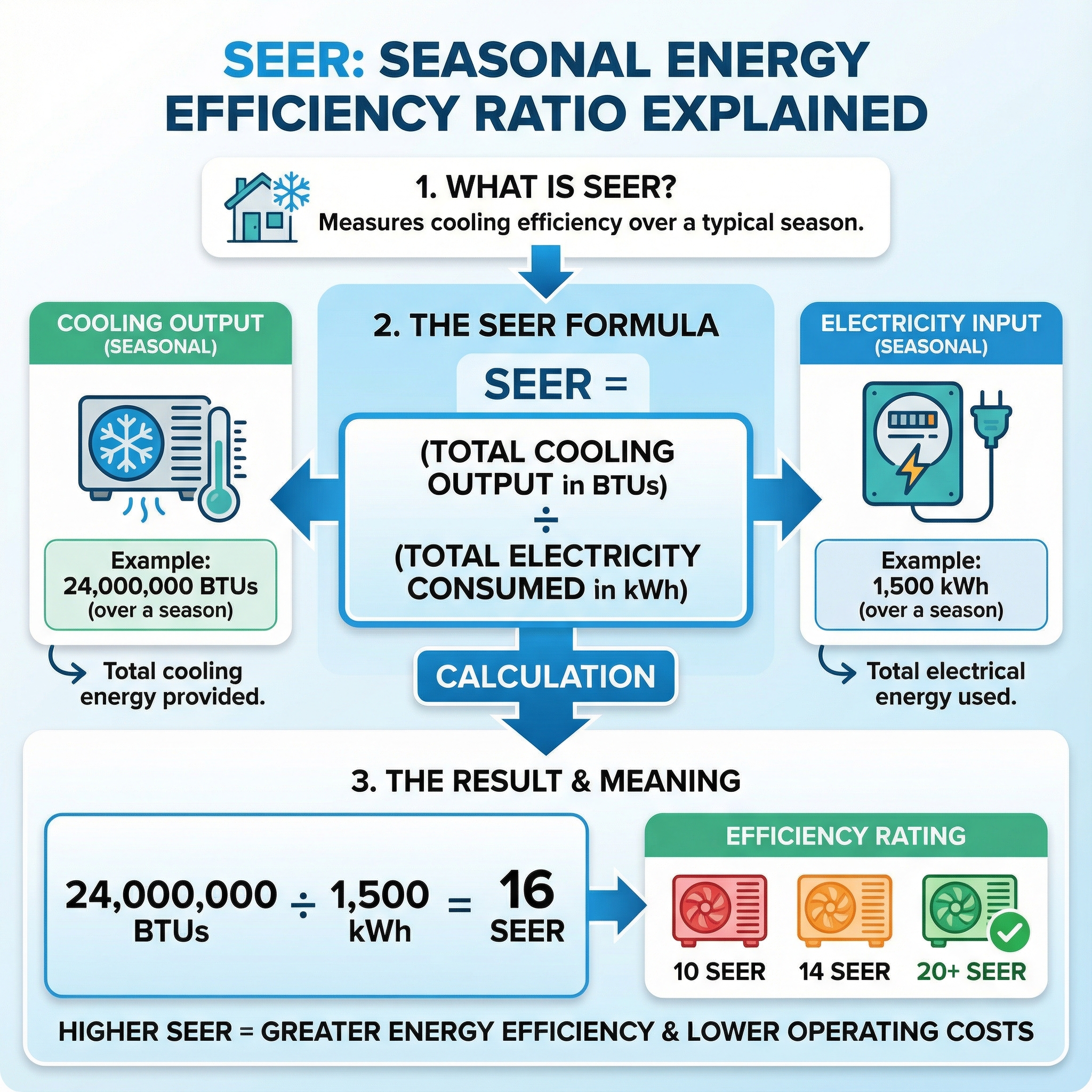
Upgrading to a properly sized, high efficiency AC can cut cooling costs. SEER measures seasonal efficiency, while SEER2 is the updated test that better reflects real world conditions. Since 2023, DOE minimums are based on SEER2 and vary by region, and many jurisdictions are phasing in new refrigerant and safety codes. Moving from SEER 10 to 16 can trim usage about 38 percent, while 14 to 16 yields roughly 12 to 13 percent. With features like variable speed compressors and ECM blowers, total savings of 20 to 40 percent are common when the home's load is addressed too.
Pair the equipment with envelope and control upgrades: add attic insulation to reduce heat gain, seal ducts, and use smart thermostats for tighter scheduling. We recommend asking contractors for a Manual J load calculation, SEER2 and EER2 ratings in writing, and available rebates. Correct sizing improves comfort and humidity control.
- When upgrades are not ideal: mild climates or low use homes, where payback stretches. Consider fans, shading, and smarter setpoints instead.
- Short tenure or rentals, where you may not recoup the upfront cost. Focus on maintenance and low cost efficiency tweaks.
- Systems that are relatively young and well maintained. A tune up can be a better spend than replacement.
Site outdoor units with clear airflow, not hidden behind screens or shrubs, to protect performance and longevity.
Tip 6: Use Appliances Smartly: Run Ovens and Dryers at Cooler Times
Appliances that make heat add to your home's internal heat gains. That is extra warmth your AC must remove, which means longer runtimes. Shift ovens, dishwashers, and dryers to early morning or evening when outdoor temps are lower. Choose low-heat options like a microwave or toaster oven, or cook outdoors. It is a myth that appliance use does not affect AC energy use. We see the opposite in the field at Budget Heating (BudgetHeating.com): a baking session on a hot afternoon can push indoor temps up and keep the compressor running. Used with other simple steps, timing and smarter cooking can trim cooling energy by a low double-digit share, often around 10 to 15 percent.
Tip 7: Take Advantage of Nighttime Ventilation and Natural Cooling
On cool nights and early mornings, use outside air to flush heat, then seal up before the day warms. When outdoor air is cooler than indoors, open windows on opposite sides to create a cross-breeze. Pair ventilation with fans: place a box or window fan blowing out of an upper window, crack a lower window to draw in cool air, and run ceiling fans for comfort. Before temperatures rise, close windows and shades to keep the cool inside and return to recirculating cooling if needed. This tactic works best where nights are dry and significantly cooler. In humid periods, the moisture you pull in can erase the gains, so choose drier nights.
Quick Wins vs Long-Term Investments: Simple Next Steps to Start Saving This Summer
Small moves stack up. Moderate the thermostat, use fans correctly, keep filters and maintenance on schedule, seal and shade, and run heat-making appliances later in the day. Together these quick wins often add up to low double-digit savings, typically 10 to 15 percent, without sacrificing comfort.
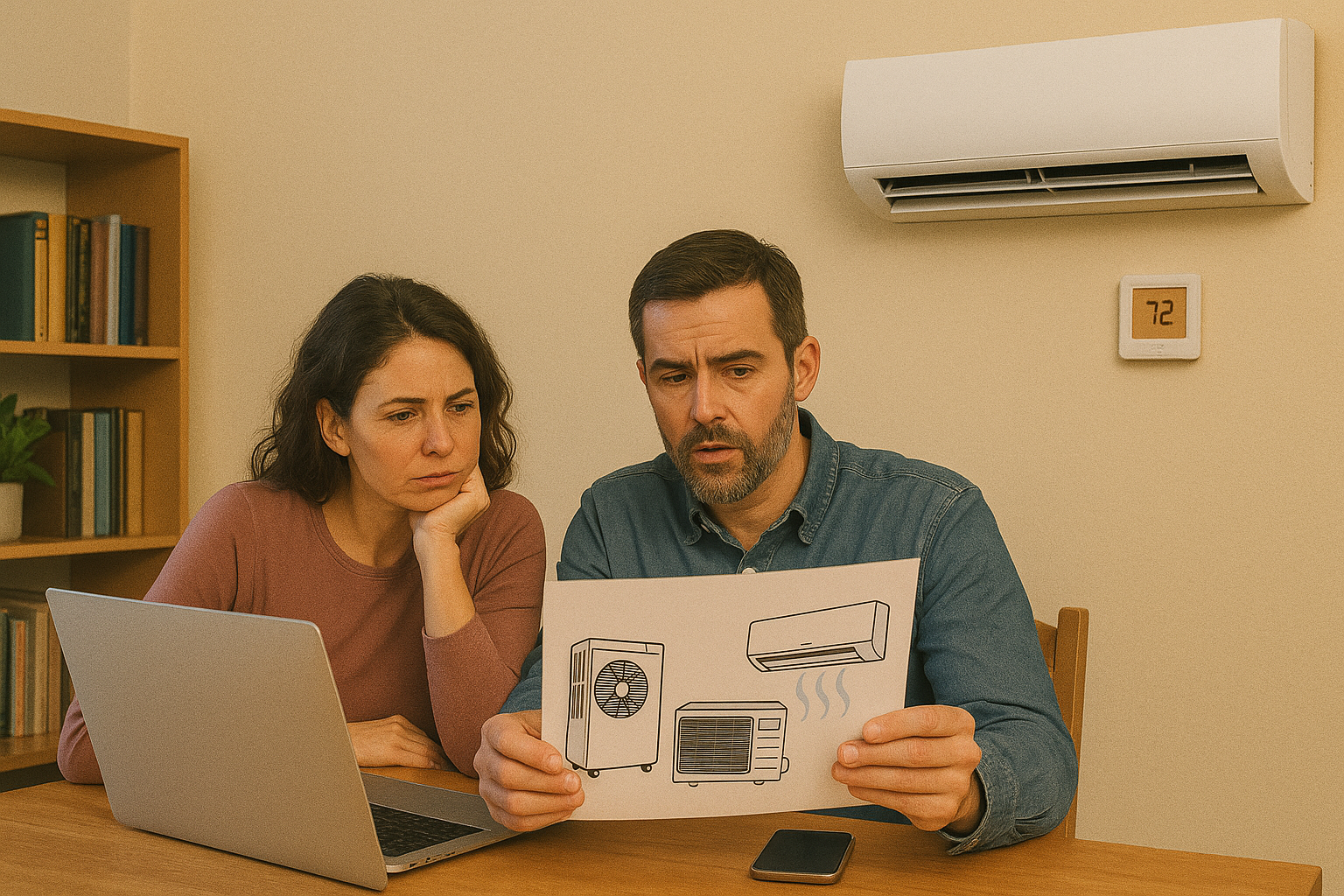
We know deciding what to tackle first can feel overwhelming, especially if your system is getting older or bills are rising.
Start with these this week, then plan the next steps:
- Inspect or replace your air filter.
- Clear debris at least 2 feet around the outdoor unit.
- Program day and sleep setbacks on your thermostat.
- Open and clean all supply and return vents.
- Schedule a precision tune-up.
- Add basic sealing and sun shading where you can.
- If the system is old or inefficient, price an upgrade using SEER2 ratings as your guide.
Our team has 30+ years in HVAC and 200,000+ orders fulfilled. We can validate sizing, quote the right equipment, and ship fast at wholesale pricing with full manufacturer warranties and U.S.-based phone support.
- Get a Custom Quote
- Talk to Our Team by phone or chat, ask about free shipping zones and Affirm financing
- Shop Air Conditioners, Heat Pumps, and Mini Splits