




5 Warning Signs Your Furnace Needs Repair: Catch Problems Before They Cost More
When cold weather hits, your furnace should quietly and efficiently keep every room comfortable. If it starts making strange noises, shuts off unexpectedly, or struggles to push warm air, those early red flags can drive up energy bills, worsen indoor air quality, and even shorten your system's lifespan if ignored. Think of these symptoms like a dashboard light, they appear before a breakdown. After decades in furnace service, we see small fixes today prevent thousand-dollar failures tomorrow.
This guide highlights five clear signs to watch: new or louder sounds (bangs, rumbles, squeals), short cycling or hard starts, weak airflow and cold spots, strange odors or a yellow burner flame, and rising utility bills or longer run times at the same thermostat setting. We explain what each looks like, common causes like clogged filters, failing blower motors, or dirty burners, how they hit comfort and costs, and when a licensed technician should inspect. Addressing issues early often means a $100 to $200 tune-up instead of a $1,500 to $3,000 failure. Catch them now to keep heat steady and costs predictable.
1) Strange Noises from the Furnace (Banging, Squealing, Rattling)
New or loud mechanical noise is an early red flag. A healthy furnace hums quietly. Fresh banging, rattling, squealing, or grinding usually signals a mechanical issue: a loose or broken part, an unbalanced blower wheel, or bearings beginning to fail. If ignored, minor looseness can escalate into a costly breakdown.
Quick homeowner checks:
- Make sure all access panels are properly seated and screws are snug.
- Remove any loose items or debris resting on the cabinet or touching nearby ductwork.
- Listen and note if the noise occurs at startup, during the run cycle, or on shutdown.
If the noise is severe, such as banging, grinding, or a booming start, shut the furnace off and schedule an HVAC inspection to prevent damage to the blower, motor, or heat exchanger.
Uneven Heating or Weak Airflow - What It Tells You About the Blower and Ducts
Cold rooms and barely-there air from vents usually point to an airflow bottleneck. In our field experience, weak movement often traces to a tired blower motor (worn bearings or a weak capacitor), duct restrictions or leaks, or a filter packed so tight it chokes return air like breathing through a clogged straw.
- Replace the air filter with the correct size and type.
- Confirm all supply and return vents are open and unblocked.
- Ensure doors to mechanical areas are not restricting return or combustion air.
- Check thermostat fan mode and use Auto while troubleshooting.
If the burners fire but the blower never starts, heat is trapped, safety limits may trip, and components can be damaged. This condition requires shutting the system off and professional testing of the blower motor, relay, and control board. To reduce the risk of motor failure, keep filters changed, avoid closing multiple supply registers, and correct obvious duct kinks or collapses before extended operation.
3) Frequent Cycling or Short Cycling: Why Your Furnace Keeps Turning On and Off
Short cycling is when the furnace starts, stops within a few minutes, then repeats. It usually means a control or safety issue: weak limit switch, airflow restriction from a dirty filter or closed vents, thermostat problems, or an oversized furnace.
- Replace or clean the air filter.
- Open all supply registers and return grilles.
- Verify thermostat mode and setpoint.
- Check the furnace switch and breaker once only. Do not keep resetting.
Do not bypass safety controls or jumper limit switches. If cycling continues, schedule a technician. Ongoing short cycling accelerates wear and can void warranties, and it wastes energy. In our experience at Budget Heating (BudgetHeating.com), catching it early is like avoiding stop and go traffic for your furnace, the constant starts add stress that quickly turns a small airflow or control problem into a larger failure.
4) Rising Energy Bills or Reduced Heating Efficiency: How to Read the Signs
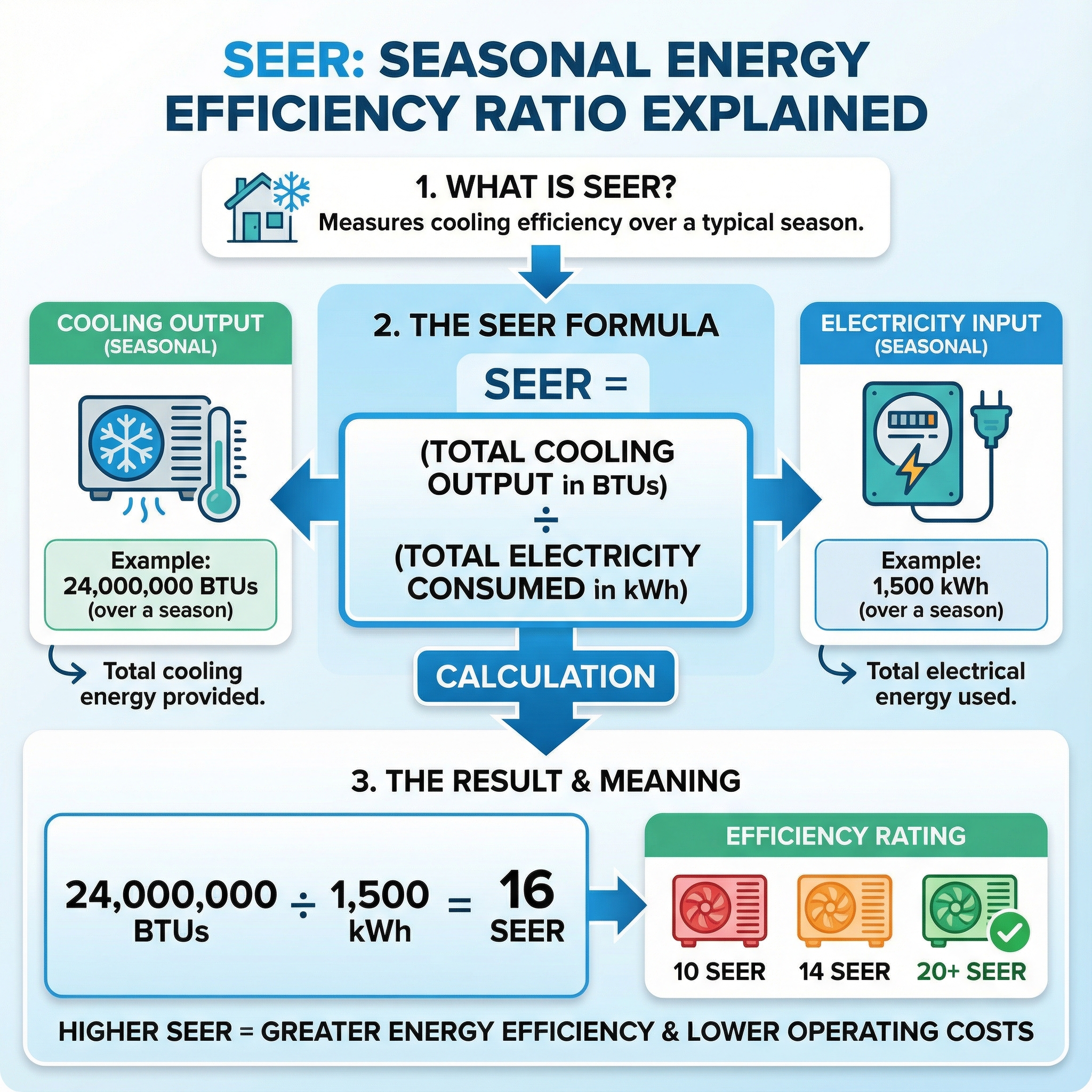
When rooms stay chilly, the furnace runs much longer to hit setpoint, or the house takes far longer to warm up, that usually points to worn sensors, motors, or controls, not a one-off glitch. AFUE, Annual Fuel Utilization Efficiency, tells you how well fuel becomes heat. An 80% AFUE unit turns 80% of gas into heat, while 95% AFUE uses 95%, and lower AFUE means higher winter fuel costs. If bills climb and runtimes grow, track both to spot slow failures. In our experience at Budget Heating (BudgetHeating.com), a newer high-AFUE furnace with these symptoms often benefits from targeted repair, while an older low-AFUE unit may be a better candidate for replacement.
5) Unusual Smells, a Yellow Burner Flame, or Other Safety Red Flags
From decades in the field, we treat flame color and odors as immediate safety cues. A healthy gas furnace has steady blue flames. Yellow, orange, lazy, or flickering flames, or any soot around burners or venting, indicate incomplete combustion and a potential carbon monoxide issue. Turn the furnace off, do not adjust burners or gas valves, and call a certified technician.
Trust your nose: burning plastic or electrical smells point to overheated wiring or components. A rotten egg odor signals natural gas. Persistent musty odors, especially in humid or mixed climates, often trace to condensate drainage problems or duct leakage. Ventilate if it is safe, avoid open flames and switching electrical devices if you suspect gas, and verify carbon monoxide detectors are installed and powered.
Water is a warning too. Puddles or drips near the base, condensate piping, or humidifiers mean shut the unit off. Inspect condensate tubing for kinks or disconnects, and do not keep running a leaking furnace to prevent water damage and corrosion.
When to Call a Professional: Emergencies, 24/7 Repair, and How to Find Local Help
Treat the following as true emergencies. Evacuate for gas or carbon monoxide, call the utility or 911, then contact a licensed HVAC professional.
- Gas or rotten egg odor
- Carbon monoxide alarm
- Burning or electrical smells
- Visible soot or a yellow or orange burner flame
- Repeated breaker trips
- Active water leaks
Gas piping, venting, and combustion air changes fall under NFPA 54 or IFGC and local codes. Many jurisdictions require permits and licensed pros for any repair or replacement touching gas or venting, and carbon monoxide alarms are required in many areas.
Do not DIY: refrigerant systems, capacitors or boards, gas lines, gas valve adjustments, or bypassing safeties. For urgent help, confirm license and insurance, read recent reviews, ask about your brand and high altitude or local code experience, and get written estimates and warranties. Search locally, for example: furnace repair Aurora, furnace repair Long Beach, furnace repair Nampa.

Quick DIY Checks Before You Call (Filters, Thermostat, Breakers)
Before scheduling service, try these safe homeowner steps. Think of the thermostat as the system's light switch: confirm HEAT or COOL is correct, set the temperature above or below room as needed, and replace thermostat batteries if used.
- Replace or clean the furnace filter, correct size and arrow toward airflow.
- Keep about 2 feet of clearance around the furnace, and make sure supply and return vents are not blocked.
- Verify the furnace switch is on. If a breaker is tripped, reset it once. If it trips again, stop resetting and call a professional.
- Visually check accessible ducts for obvious disconnections or damage.
To prepare for a technician: install a fresh, correctly oriented filter, clear 2 to 3 feet around the unit, keep vents open, photograph any error codes on the control window or thermostat, and note when noises, odors, leaks, or shutdowns occur, such as at startup, mid-cycle, shutdown, or only at night.

Furnace Repair vs Replacement: Cost Guide, Tradeoffs, and When Replacing Makes Sense
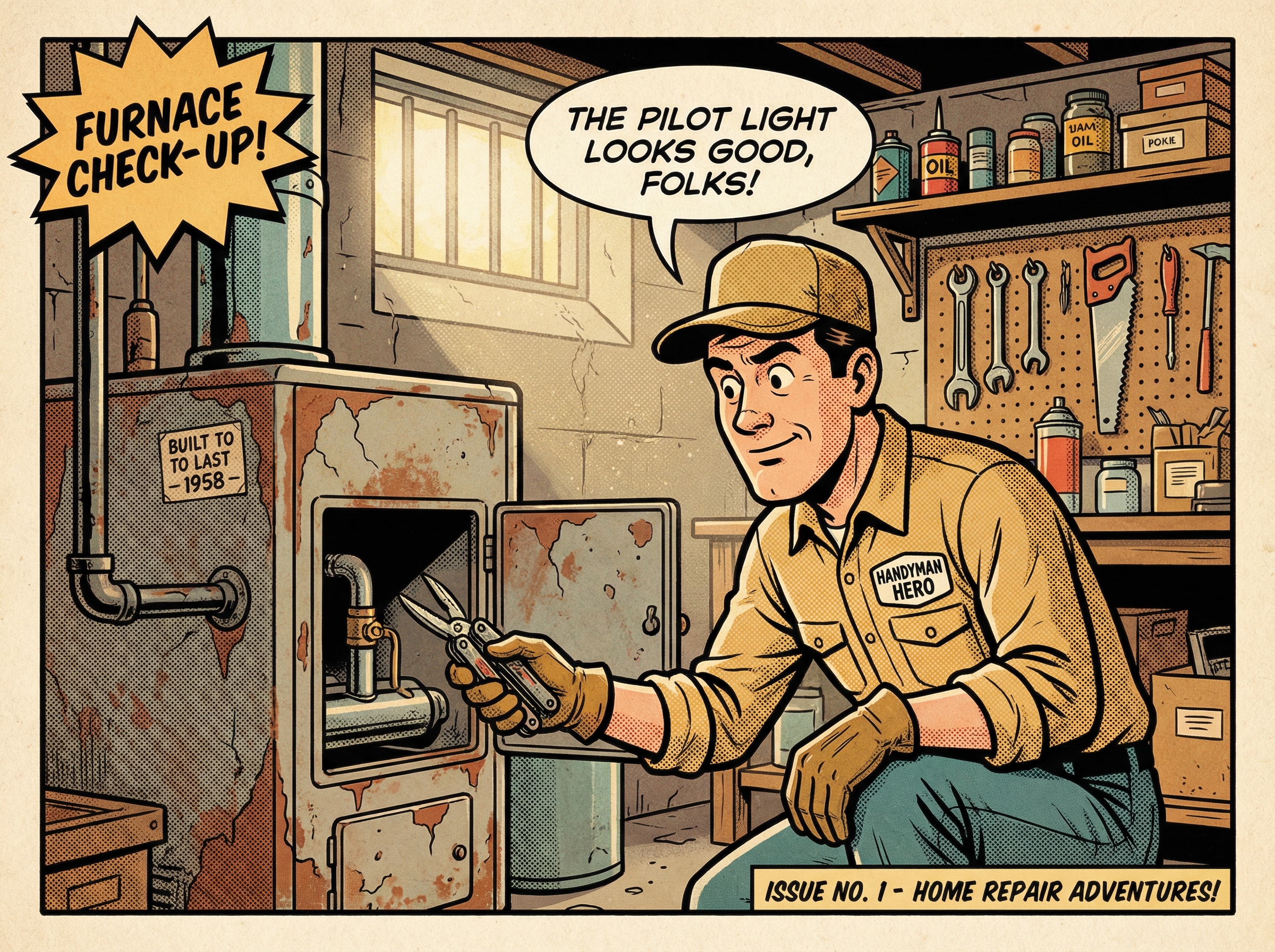
From what we see in the field, quick fixes often cost about $250 to $300 for items like igniters or limit switches, while major components such as blower motors or control boards can run roughly $1,000 to $3,000. Early attention keeps problems small. Regular maintenance can cut breakdown risk by up to about 95%, reduce service calls roughly 40% when filters are changed on schedule, and extend equipment life by up to about 50%. A proper tune up should include burner and heat exchanger cleaning, safety switch testing, CO checks, flame sensor cleaning, blower inspection, and condensate drain clearing on condensing models.
Replacement usually makes sense when a unit is roughly 15 years or older, has a cracked heat exchanger or chronic combustion issues, or when higher efficiency standards shift the math. The DOE is moving minimum furnace efficiency to about 95% AFUE in 2028, which favors condensing models. Also consider FER and SEER2 updates, since a new furnace or blower may require matching your cooling equipment to meet current standards.
- Myths to avoid: closing vents saves energy, strange noises are normal aging, short cycling is a thermostat quirk, cold spots are just drafts, wait until it fails.
- When replacement is not the best choice: a newer furnace with a small, isolated fault is typically better repaired; if a replacement would trigger matched cooling upgrades you are not ready for, repair now and plan a coordinated swap; if you expect to move soon and safety is intact, a targeted repair or maintenance visit can be the prudent route.
Next Steps: Simple Checks, When to Book Service, and Emergency Rules
If you notice any of these, noises, uneven heat or short cycling, higher bills or low airflow, odors or a yellow flame, soot or black dust, or water near the unit, start with safe checks. Confirm thermostat settings, replace the filter, and clear vents and the area around the furnace. If symptoms remain, schedule a licensed HVAC tech before it becomes a breakdown. Gas smell or a carbon monoxide alarm is an emergency: evacuate and call your gas utility or 911.
Not sure what you need? Our U.S. based team with 30+ years in HVAC will guide you.
- Get a Custom Quote
- Talk to Our Team by phone
- Shop Furnaces, wholesale pricing, many ship free, Affirm financing