




Why There's Water on the Floor Near Your Furnace (Quick Overview)
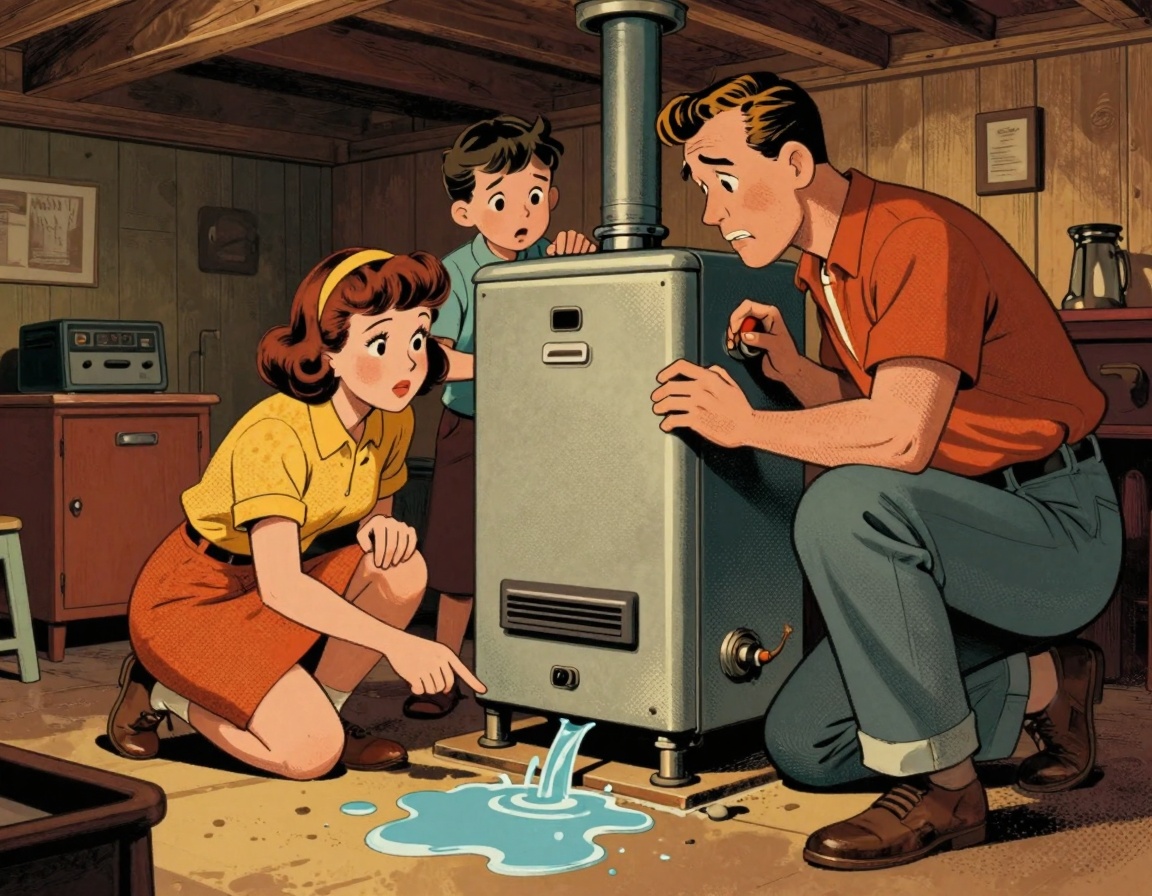
Seeing a puddle by a furnace is unsettling, but it is usually a condensate or accessory plumbing issue, not a sign of immediate heat exchanger failure. High efficiency, also called condensing, furnaces are designed to create condensate. They squeeze extra heat out of exhaust gases until water vapor turns into liquid, much like a cold glass sweating on a humid day. That water must flow through a trap, drain line, or pump. If any of those parts clog, crack, or lose power, you can end up with water on the floor.
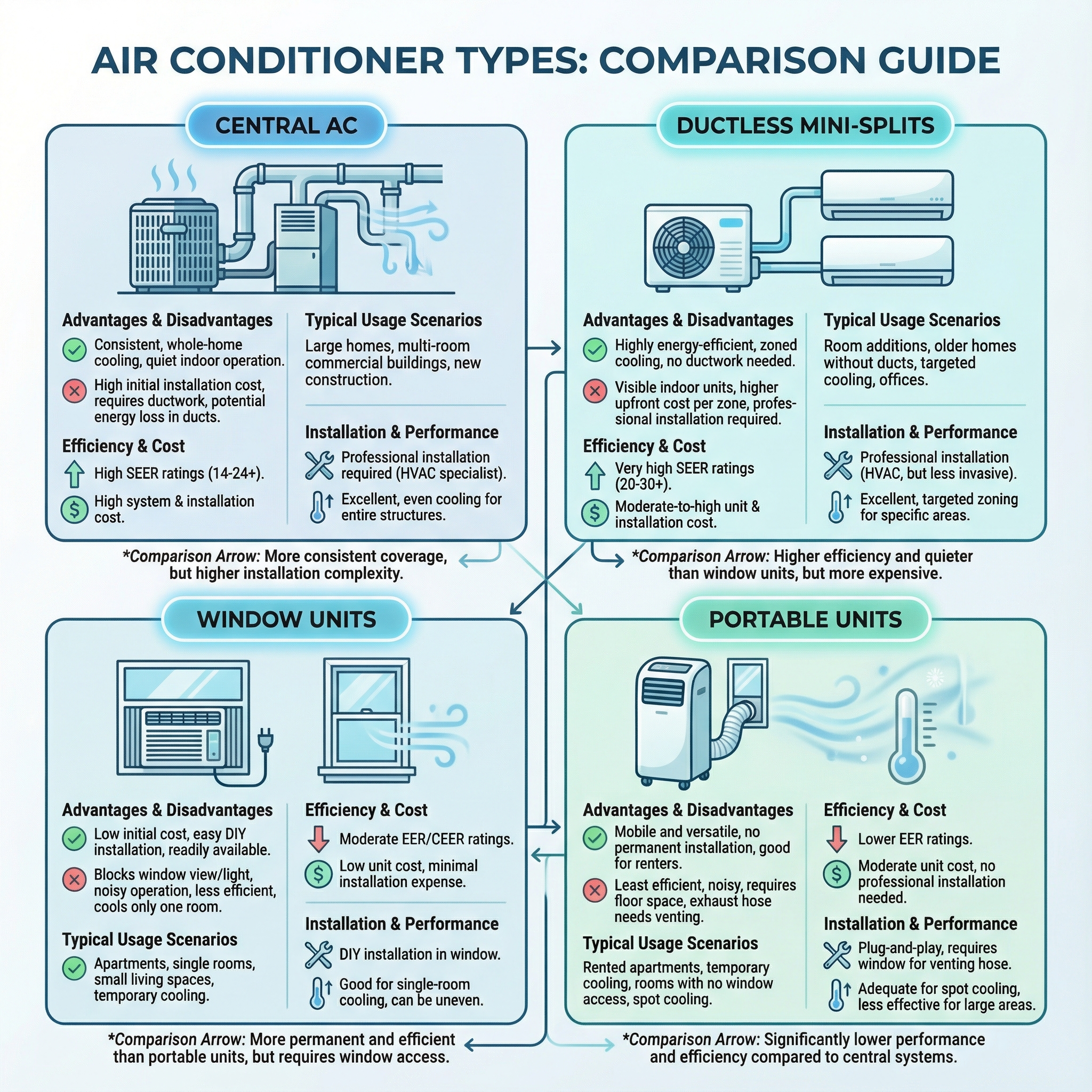
Conventional furnaces do not normally produce water during heating. When they are paired with central air, the evaporator coil above the furnace removes humidity in cooling season and sends that condensate to a drain. Puddles around a conventional furnace often trace back to that A/C coil drain or a whole home humidifier mounted on the ductwork. Quick attention matters because small blockages or leaks can escalate into water damage, safety switches tripping, or intermittent shutdowns. Knowing whether your system is condensing or conventional helps you zero in on the likely source and fix the simple stuff first.
Quick Safety Steps: Turn Off the Furnace and Stop Water Damage
First, make it safe: turn the thermostat to Off, then cut power to the furnace or air handler at the service switch or breaker. Mop up standing water so it cannot reach electrical components, and keep children and pets away. Before opening any panels, de-energize the unit. Do not touch electrical parts with wet hands or tools, and do not tamper with gas or refrigerant systems.
- (1) Identify the system type by its venting: PVC usually means a condensing, high efficiency furnace, and a metal flue often means a conventional unit.
- (2) Dry the area and make it safe.
- (3) If cooling was running, inspect the evaporator coil drain pan and the A/C condensate drain line.
- (4) Locate the furnace condensate drain and trap. Check the PVC or vinyl line for kinks or loose fittings. Where safe, disconnect and flush the line with warm water or a mild vinegar solution. Think of it like a sink trap that can clog with sludge.
- (5) If there is a condensate pump, add water to the reservoir and confirm it runs and discharges.
- (6) Inspect any humidifier water lines. Shut the humidifier water off if you see drips.
- (7) After drying and basic fixes, briefly restore power and run the system while watching closely to pinpoint the leak origin.
- (8) Schedule professional service if leaks persist, you see water inside the furnace cabinet, smell gas, or find electrical issues.
Reason 1: Clogged Condensate Drain or Trap (The Most Common Cause)
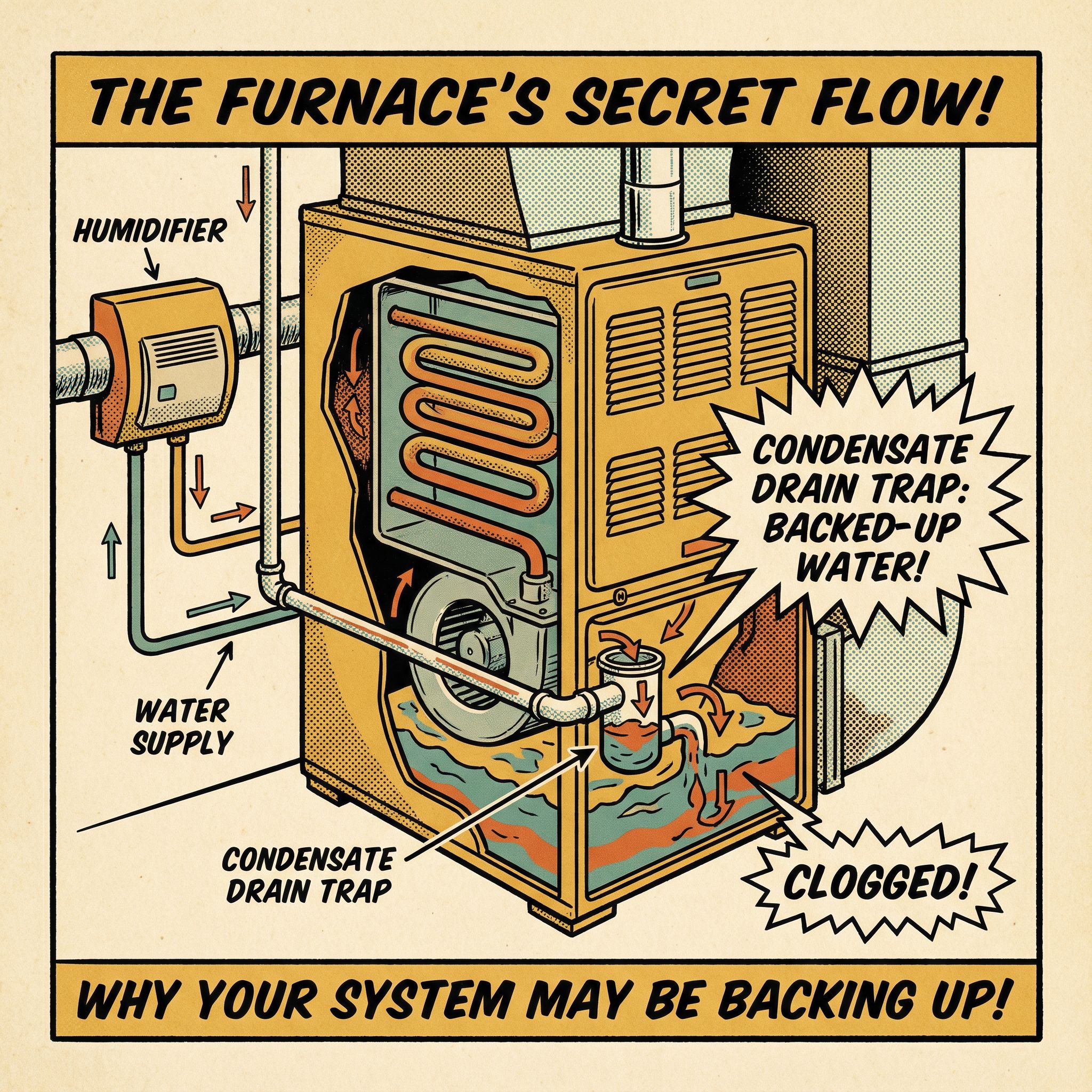
Your system routes condensate through a small trap and drain. The trap holds a water seal so air is not drawn into the cabinet, and it provides a clear path for water to exit. Think of it like the P-trap under a sink. If that narrow passage plugs, water backs up and has nowhere to go, so it spills from the cabinet or seeps out of fittings.
Dust, sludge, algae, and mineral scale are the usual culprits that choke these lines. Persistent backups do more than make a mess, they can rust nearby components and corrode electrical parts. In our experience at Budget Heating (BudgetHeating.com), a clogged trap or line is the most common reason for water around a furnace or air handler.
Quick homeowner fix: power down the unit. Remove accessible hoses or the trap per the manufacturer's guidance. Flush the trap and drain with warm water or a mild vinegar solution until the flow runs clear, then reassemble. Make sure the drain line slopes toward the disposal point. A simple, regular flush helps prevent repeat clogs.
Reason 3: Failed or Faulty Condensate Pump (Common in Basements)
When a furnace or evaporator coil cannot drain by gravity, a small condensate pump lifts water to a higher drain, which is common in basements. Think of it like a tiny sump pump for condensation. If the motor fails, the float switch sticks, the inlet is clogged, or the discharge tubing is blocked or kinked, the pump reservoir will fill and overflow onto the floor. Typical symptoms include water sitting in the pump tank without being discharged, erratic on and off cycling, or no run at all when water is added.
Safe checks a homeowner can do: with power off, clean the reservoir and inlet screen, ensure the float moves freely, and clear discharge tubing. Restore power and add water to the tank. The pump should start quickly and evacuate the water. If it will not reliably clear the tank, replacement is usually the best fix. These pumps are inexpensive and typically last only a few years.
Common Myths and Mistakes: What NOT to Assume About a Furnace Leak
A few wrong assumptions turn small drips into big headaches. Here is what trips up homeowners most:
- Seeing a puddle and assuming the furnace is ruined. In our experience most leaks trace to condensate lines or pumps, not a failed core.
- Ignoring minor moisture because it is just water. Condensate can carry debris, stain cabinets, corrode metal, and feed mold on nearby materials.
- Blaming the furnace while overlooking the evaporator coil or whole home humidifier, which often shed water into the same area.
- Taking a dry floor as proof the issue is gone. Partial clogs or a weak condensate pump leak intermittently, often during long heating or cooling cycles.
Reason 2: Blocked or Sagging Downstream Drain to Floor or Septic
Even if the short drain at the furnace looks clear, the long run to a floor drain, utility sink, or septic can clog with biofilm, lint, or rust flakes. Sags or kinks create low spots where water sits, then backs up and overflows upstream. Think of a garden hose with dips that never fully empties.
In our experience at Budget Heating (BudgetHeating.com), reliable condensate removal depends on the entire run having steady fall, with no bellies and no sharp bends.
- Trace the full line to its end point and remove kinks.
- Re-pitch any sections that sag so the line slopes continuously toward the drain.
- Snake or flush the long run to clear slime or debris.
- Check the floor drain or sink inlet for blockage.
Reason 4: Leaking Humidifier or Connected Water Line (And When DIY Isn't Enough)
Whole-house humidifiers mounted to the furnace have a dedicated water supply and drain, so a humidifier issue can look like a furnace leak. Common failure modes include mineral buildup that blocks or props valves open, a stuck float that never shuts the water off, cracked plastic housings, and deteriorated vinyl or rubber tubing. The result is a steady drip that can pool under or beside the humidifier or run down the cabinet exterior. A stuck float behaves much like a toilet float that has failed to rise and close the inlet.
- Shut off the humidifier's water supply immediately.
- Inspect and replace the humidifier pad if it is clogged or crumbling.
- Clean the inlet valve and orifices to remove mineral deposits.
- Inspect tubing and fittings for cracks or loose connections and replace as needed.
- Leave the water off until repairs are complete or the unit is serviced.
DIY is not optimal when the humidifier plumbing is integrated into supply or return piping, or if the leak touches gas lines or wiring. If there is visible mold, pervasive corrosion, or leaks that return after basic fixes, professional service is safer. For older units with repeated failures, replacement and professional installation can cost more upfront but reduces repeat calls and water damage risk. Alternatives include installing a modern, low maintenance whole-house humidifier or using portable humidifiers in specific rooms when full replacement is not practical.
Reason 5: Frozen or Restrictive Evaporator Coil Causing Sudden Meltwater
When airflow across the evaporator coil is restricted by a very dirty filter, blocked return or supply registers, a weak blower, or low refrigerant, the coil can drop below 32°F and ice over. Once the system cycles off or the ice breaks free, it thaws quickly and releases a surge of water. That rush can overwhelm the condensate pan and drain, spill over, and show up as a furnace leak. It is similar to a freezer defrost that dumps water all at once.
Prevention starts with basics: replace clogged filters and confirm all returns and supplies are open and unobstructed. Then have a technician evaluate blower performance and refrigerant charge. Restoring steady airflow and correct cooling performance stabilizes coil temperatures, prevents freeze and thaw cycles, and stops the sudden puddles that follow a rapid melt.

How Climate, Code and Efficiency (SEER/AFUE) Relate to Condensate and Leaks
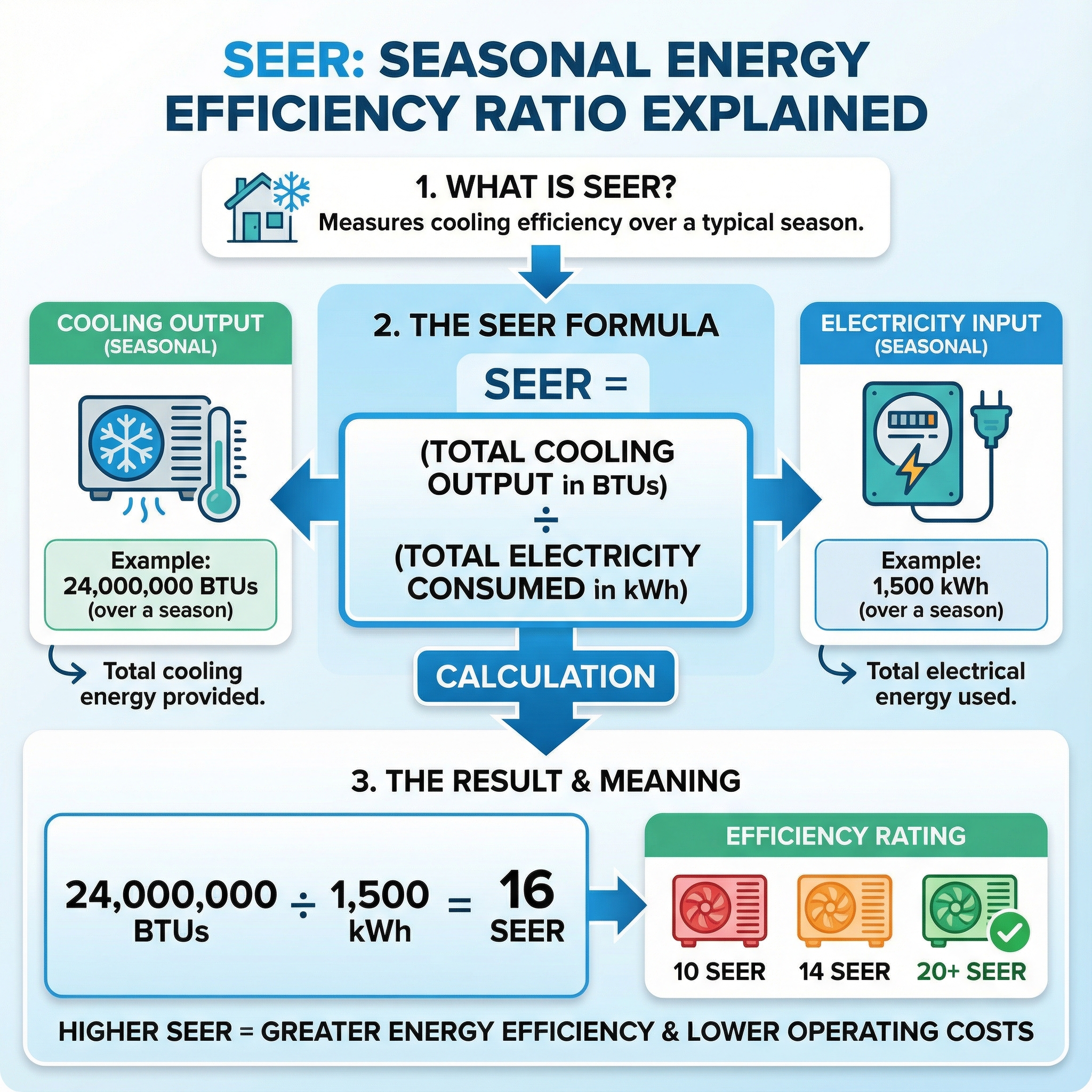
In cold climates, condensing furnaces generate more condensate because exhaust cools more, so drains see higher volume. In hot or humid regions, most leak calls we see trace back to the A/C side: heavy run time and a shared evaporator coil drain overwhelm or clog lines. Efficiency ratings set expectations, not water: SEER or SEER2 reflect electricity use in cooling, while AFUE identifies condensing furnaces that are designed to make water. Older non-condensing furnaces should be dry, and puddles there usually point to the A/C or a humidifier. Codes and manuals converge on the same basics: properly sized PVC, continuous slope, a clean trap, approved disposal, and, where required, overflow protection. Think of it like roof gutters; without slope or an outlet, water backs up and spills.
Summary: Stop the Leak, Prevent Damage, and When to Call a Pro
Most leaks trace to five issues: clogged drains or traps, blocked downstream lines, failed condensate pumps, humidifier or supply line leaks, and excess condensate from frozen or thawing coils. Quick checks like flushing drains, confirming slope, testing the pump, replacing filters, and tracing tubing often stop minor drips. Small DIY fixes cost little; pump replacements and pro repairs vary by region. If water persists, you smell gas, or you see water inside the furnace cabinet, shut the system off and call a licensed HVAC technician. When you need parts or sizing help, our U.S.-based team brings 30+ years of hands-on HVAC experience.
- Get a Custom Quote
- Talk to Our Team by phone for fast, real support
- Shop Condensate Pumps