









Our price:
$4,915.00
Sale price:
$3,855.00List price:
$5,182.00Our price:
$4,915.00
Our price:
$6,607.00Sale price:
$4,880.00List price:
$6,607.00Our price:
$6,607.00
Our price:
$7,356.00Sale price:
$5,580.00List price:
$7,356.00Our price:
$7,356.00
Our price:
$7,970.00Sale price:
$5,899.00List price:
$7,970.00Our price:
$7,970.00


The Complete Guide to Buying Heating Equipment Online
How to choose the right furnace, heat pump, or heating system for your home or building
Selecting the right heating equipment determines your comfort, energy costs, and system reliability for the next 15–20 years. Whether you are replacing a failed furnace, upgrading to a high-efficiency heat pump split system, or outfitting a new commercial building, understanding the differences between fuel types, efficiency ratings, and system configurations helps you make a confident purchase. Browse our full heating equipment catalog to explore every system type at wholesale prices.
Gas Furnaces vs. Heat Pumps: Choosing Your Heat Source
Gas furnaces burn natural gas or propane to generate heat, pushing warm air through ductwork via a blower motor. They are measured by AFUE (Annual Fuel Utilization Efficiency), where a 96% AFUE furnace converts 96 cents of every dollar spent on fuel into usable heat. Gas furnaces excel in cold climates where temperatures regularly drop below freezing, delivering consistent warmth regardless of outdoor temperature. Standard efficiency furnaces run at 80% AFUE, while high-efficiency models reach 96–98% AFUE with secondary heat exchangers and modulating burners.
Heat pumps transfer heat rather than generate it, using refrigerant to extract warmth from outdoor air and move it inside. This makes them significantly more efficient than combustion heating, often delivering 2–3 times more energy than they consume. Heat pump efficiency is measured by HSPF2 (Heating Seasonal Performance Factor), where higher numbers indicate better performance. Modern inverter-driven heat pumps maintain effective heating down to 0°F, and some cold-climate models operate efficiently at -13°F or lower. Heat pumps are ideal for moderate climates and regions where electricity costs are reasonable relative to natural gas.
Dual-Fuel Systems: The Best of Both Worlds
A dual-fuel split system pairs a heat pump with a gas furnace, automatically switching between the two based on outdoor temperature. The heat pump handles heating during mild weather (typically above 35–40°F), where it operates at peak efficiency. When temperatures drop below the balance point, the system switches to the gas furnace for reliable warmth in extreme cold. This configuration minimizes operating costs across the full heating season and is especially popular in the Mid-Atlantic, Midwest, and transition climates where winters are cold but not arctic. Dual-fuel configurations are also available as all-in-one package units for homes with limited indoor equipment space.
Electric Heat Strip vs. Gas Furnace for Backup Heat
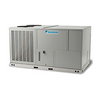
Heat pump split systems and package units require a backup heat source for extremely cold days. Electric heat strips (resistance heating) are the simpler, lower-cost option with no gas line or venting required. They are standard in warm climates like Florida, Texas, and the Southeast where backup heat is needed only a few days per year. Gas furnace backup is more cost-effective in colder regions where the backup heat source runs more frequently, since natural gas costs less per BTU than electricity in most markets. For homes that need strong gas heat in a compact footprint, packaged gas units combine the furnace and air handler in a single outdoor cabinet.
Understanding AFUE Ratings for Gas Furnaces
AFUE measures how efficiently a furnace converts fuel into usable heat over a typical heating season. An 80% AFUE furnace loses 20% of its fuel energy through exhaust, while a 96% AFUE furnace captures nearly all of it. The federal minimum for non-weatherized furnaces is 80% AFUE. High-efficiency condensing furnaces (90%+ AFUE) use a secondary heat exchanger to reclaim heat from exhaust gases, requiring PVC venting instead of traditional metal flue pipes. The upfront cost difference between 80% and 96% AFUE typically pays for itself within 3–5 years in colder climates. Browse our gas furnace split systems available in both 80% and 96% AFUE configurations from Goodman, Rheem, and EcoTemp.
Heat Pump Efficiency: SEER2 and HSPF2 Explained
Heat pumps carry two efficiency ratings: SEER2 for cooling performance and HSPF2 for heating performance. SEER2 measures cooling efficiency under the updated 2023 DOE testing standard, which uses higher static pressure than the original SEER test to better simulate real-world duct conditions. HSPF2 measures heating output relative to electricity consumed over a typical heating season. A higher HSPF2 means lower heating bills. The federal minimum is 7.8 HSPF2 for split systems. Premium inverter-driven heat pump split systems can reach 12–13 HSPF2, delivering significant savings in climates with extended heating seasons.
Ductless Mini Split Heat Pumps: Zone Heating Without Ductwork
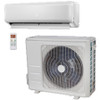
Ductless mini split heat pumps deliver heating and cooling to individual rooms through compact indoor units connected to an outdoor compressor. Each zone operates independently, allowing different temperatures in different rooms. Modern cold-climate mini splits maintain rated heating capacity down to 5°F and continue operating at reduced capacity to -13°F or lower. They are ideal for room additions, converted garages, older homes without ductwork, and any space where running duct is impractical or too expensive. Inverter compressors modulate output to match demand, avoiding the energy waste of on/off cycling common in single-stage systems. For a deeper look at how these systems work, see our guide: What Is a Mini Split and How Does It Work?
PTACs and Bard Wall-Mount Units: Through-the-Wall Heating
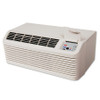
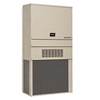
PTAC heat pumps and Bard wall-mount heaters provide self-contained heating through a wall sleeve, requiring no ductwork. PTACs are the industry standard for hotels, motels, and apartments, fitting a standard 42" wall opening with 7K–15K BTU capacity. They are available as heat pump models for efficient operation in moderate climates, or with electric resistance heat for reliable performance in any climate. For a full breakdown of how PTACs work and where they perform best, see our complete PTAC guide. Bard wall-mount units serve commercial and industrial applications where higher capacity and 24/7 unattended operation are required, available up to 5 tons in single-phase and three-phase power, and widely used in telecom shelters, modular buildings, and equipment enclosures.
| System Type | Heat Source | Best For | Ductwork? |
|---|---|---|---|
| Split – Heat Pump + Electric | Heat Pump + Electric Strip | Warm/moderate climates | Yes |
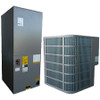
| Split – Gas Furnace + AC | Natural Gas / Propane | Cold climates, site-built homes | Yes |
| Split – Dual Fuel | Heat Pump + Gas Backup | All climates, max efficiency | Yes |
| Pkg – Heat Pump + Electric | Heat Pump + Electric Strip | Mobile homes, rooftops, slabs | Yes (wall/roof) |
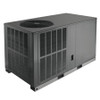
| Pkg – Gas Heat & AC | Natural Gas + Electric AC | Cold-winter manufactured homes | Yes (wall/roof) |
| Pkg – Dual Fuel | Heat Pump + Gas Backup | Mobile homes, all climates | Yes (wall/roof) |
| PTAC Heat Pump | Heat Pump + Electric Strip | Hotels, apartments, healthcare | No (42" sleeve) |
| Mini Split – Single Zone | Inverter Heat Pump | Room additions, zone control | No |
| Mini Split – Multi Zone | Inverter Heat Pump | Whole-home, multi-room | No |
| Bard Wall-Mount (1Ø / 3Ø) | Heat Pump + Electric Strip | Telecom, modular, industrial | No (through-wall) |
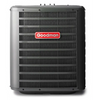
| Heat Pump Condenser | Heat Pump (Refrigerant) | Outdoor unit replacement | Existing system |
| Commercial Split HP | Heat Pump, 3–10 Ton | Offices, retail, warehouses | Yes |
| Commercial HP Package | Heat Pump, 3–12.5 Ton | Rooftop, multi-tenant | Yes (rooftop) |
| Commercial Gas Package | Gas Furnace, 3–25 Ton | Cold-climate commercial | Yes (rooftop) |
| Commercial HP Condenser | Heat Pump (3-Phase) | Commercial replacement | Existing system |
How to Size Your Heating System Correctly
Proper sizing is critical for comfort, efficiency, and equipment longevity. An oversized furnace or heat pump will short-cycle (turning on and off frequently), wasting energy and creating uneven temperatures throughout your home. An undersized system will run continuously without reaching the desired temperature, increasing wear and energy costs over time. A Manual J load calculation accounts for your home's square footage, insulation levels, window area, climate zone, and duct conditions to determine the correct heating capacity. Budget Heating's technical team provides free sizing assistance by phone at (813) 885-7999. You may also qualify for rebates and tax credits on qualifying high-efficiency heating equipment — visit our Rebate Center to explore available offers in your area before you order.
Heating Equipment FAQ
Answers to frequently asked questions about buying heating equipment online at wholesale prices.
-
Should I buy a gas furnace or a heat pump?
It depends on your climate and energy costs. Gas furnaces are the better choice for regions with harsh winters where temperatures regularly drop below freezing, since they deliver consistent heat regardless of outdoor temperature. Heat pumps are more efficient in moderate climates (Southeast, Mid-Atlantic, Pacific Northwest) and can reduce heating costs by 30–50% compared to gas in those regions. Dual-fuel systems combine both for maximum efficiency across all temperatures.
-
What size furnace or heat pump do I need?
Furnace sizing is based on BTU output, while heat pump sizing uses tonnage (1 ton = 12,000 BTU). A rough guideline is 30–60 BTU per square foot for furnaces, depending on climate zone and insulation. For heat pumps, 1 ton per 500–600 square feet is a general starting point. These are approximations only. A Manual J load calculation provides accurate sizing. Our team offers free sizing help at (813) 885-7999.
-
What does AFUE mean and what rating should I choose?
AFUE (Annual Fuel Utilization Efficiency) measures how much fuel a furnace converts into usable heat. An 80% AFUE furnace uses 80% of the gas it burns for heating and loses 20% through exhaust. A 96% AFUE furnace is significantly more efficient. In cold climates with long heating seasons, a 96% AFUE furnace typically pays for its higher upfront cost within 3–5 years through lower gas bills. In mild climates, an 80% AFUE unit may be sufficient.
-
What is HSPF2 and how does it affect my heating bill?
HSPF2 (Heating Seasonal Performance Factor 2) measures heat pump heating efficiency under the updated 2023 DOE standard. Higher numbers mean lower operating costs. The federal minimum is 7.8 HSPF2 for split-system heat pumps. Premium models reach 12–13 HSPF2. For every point increase in HSPF2, you can expect roughly 10–12% lower heating electricity costs. In regions with extended heating seasons, investing in a higher HSPF2 unit delivers meaningful long-term savings.
-
Can a heat pump work in cold climates?
Yes. Modern cold-climate heat pumps with inverter-driven compressors maintain rated heating capacity down to 5°F and continue operating at reduced capacity to -13°F or lower. Brands like Bosch, Daikin, and Goodman all offer cold-climate models. For areas with extended periods below 0°F, a dual-fuel system (heat pump + gas furnace) provides the best combination of efficiency and reliability.
-
What is a dual-fuel system?
A dual-fuel system combines a heat pump with a gas furnace in a single split system. The thermostat automatically switches between the two based on outdoor temperature. The heat pump runs when conditions favor electrical efficiency (typically above 35–40°F), and the gas furnace takes over during extreme cold. This setup minimizes heating costs year-round and is especially popular in transition climates like the Mid-Atlantic, Midwest, and upper Southeast.
-
Do I need a licensed contractor to install a furnace or heat pump?
Installation requirements vary by state and municipality, but most jurisdictions require a licensed HVAC contractor for furnace and heat pump installations. Gas furnace installs involve fuel line connections and venting that require proper certification. Heat pump installations involve refrigerant handling, which requires EPA Section 608 certification. We recommend verifying local permit and licensing requirements before purchasing. Budget Heating sells to contractors, builders, and homeowners nationwide.
-
Do you offer contractor or volume pricing on heating equipment?
Yes. Budget Heating offers competitive pricing for contractors, builders, and property managers purchasing multiple units. Contact our commercial sales team at (813) 885-7999 or email sales@budgetheating.com for volume quotes, multi-unit discounts, and dedicated account support.
-
How fast does heating equipment ship?
Most in-stock residential heating equipment ships same-day or next business day from our Tampa, FL headquarters. Standard delivery takes 1–5 business days depending on your location. Florida and Southeast customers typically receive orders in 1–3 days. Commercial equipment and oversized orders may require freight shipping with slightly longer transit times. In-store pickup is available at our Tampa warehouse (6217 Anderson Rd., Tampa, FL 33634).
-
Do all heating systems include a manufacturer warranty?
Yes. Every furnace, heat pump, mini split, PTAC, and commercial heating system we sell ships with the full manufacturer warranty. Gas furnaces typically include a 20-year heat exchanger warranty and 5–10 years on parts. Heat pumps carry 5–10 year parts coverage and up to 10 years on the compressor. Some brands offer extended warranty terms when registered online within 60 days of installation. Warranty details are included with every order.
Recent posts
All Articles
Why Many US Households Don't Have Air Conditioning - Causes
Why Many U.S. Households Don't Have Air Conditioning: a quick snapshot Air conditioning is not univ ...
Protect Your HVAC with Surge Protectors | Budget Heating
Protect Your HVAC with Surge Protectors: Why It Matters We view HVAC-specific surge protection as e ...
Should You Turn Off Your AC If It's Not Cooling? Quick Guide For 2026
AC Running but Not Cooling? What to Know First AC running but the house still feels warm? We see th ...
Window Upgrades to Enhance Home Energy Efficiency | Guide For 2026
Window Upgrades to Enhance Home Energy Efficiency: What to Expect Window upgrades matter because th ...
Sign up to receive exclusive deals, news, and more!
