





Mar 27th 2025
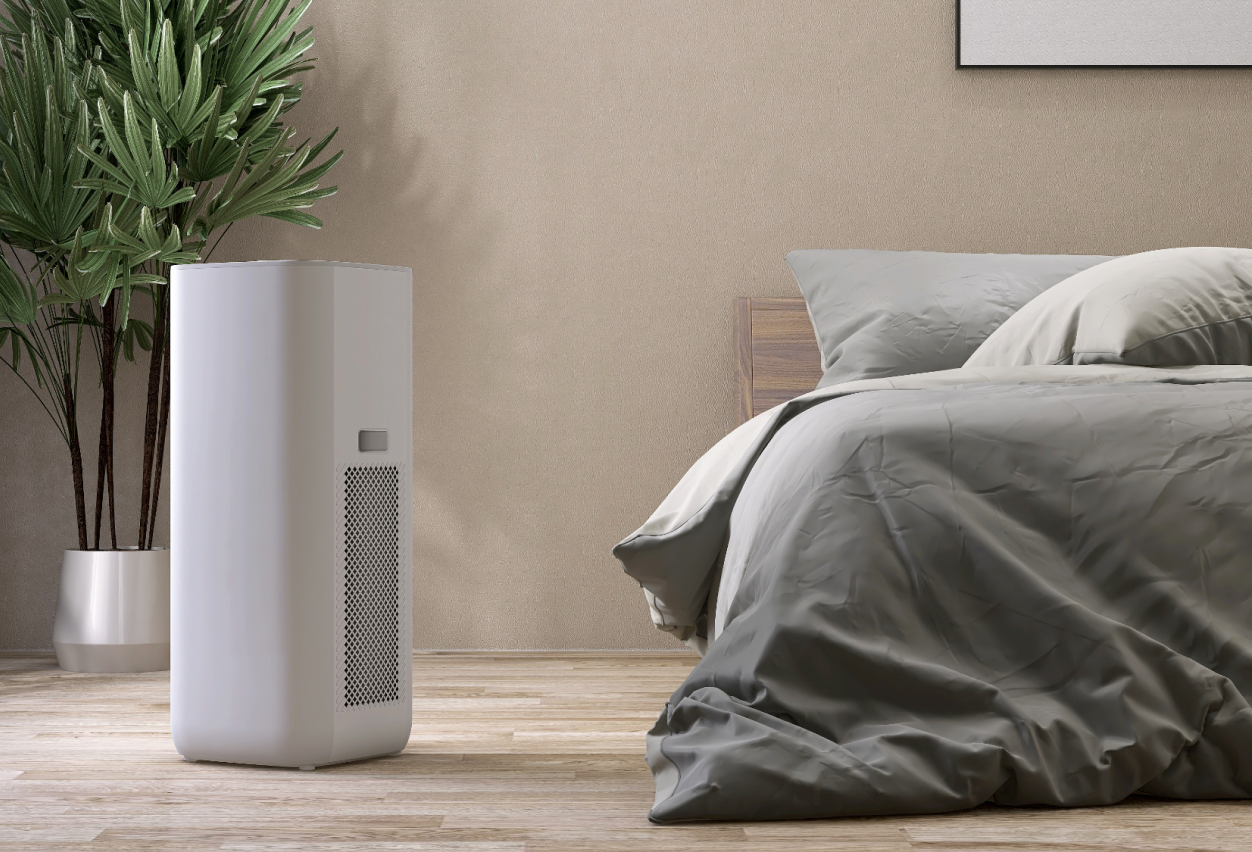
UV light and air purifiers serve related but distinct purposes in improving indoor air quality:
UV Light
- UV (Ultraviolet) light is a type of electromagnetic radiation with wavelengths shorter than visible light.
- UV light is often used in air purification systems to kill or deactivate microorganisms like bacteria, viruses, and mold spores.
- UV-C light, with wavelengths between 200 and 280 nanometers, is particularly effective at disinfecting air and surfaces.
- UV light does not filter out particles from the air but rather works to sterilize or deactivate biological contaminants.
Air Purifiers
- Air purifiers are devices designed to remove contaminants from the air, including particles like dust, pollen, pet dander, smoke, and volatile organic compounds (VOCs).
- Air purifiers use various methods to capture or neutralize these contaminants, such as HEPA (High-Efficiency Particulate Air) filters, activated carbon filters, ionization, and sometimes UV-C light.
- HEPA filters are particularly effective at trapping small particles, while activated carbon filters are efficient at adsorbing gases and odors.
- Air purifiers can improve overall air quality by reducing the concentration of airborne pollutants, making indoor environments healthier and more comfortable.
Summary
UV light primarily targets and neutralizes biological contaminants like bacteria and viruses, while air purifiers are more comprehensive in their approach, capturing a wide range of airborne pollutants to improve overall air quality. Some advanced air purifiers may incorporate UV-C light as part of their purification process to enhance microbial disinfection.