




What to Know Before Buying a Mitsubishi Wall Air Conditioner
A Mitsubishi wall-mounted air conditioner is a slim indoor unit paired with an outdoor condenser. Most are heat pumps, which transfer heat rather than generate it. Think of it like a conveyor belt moving heat out of your rooms in summer and bringing it back in cool weather. Because the unit sits high on a wall, placement and clearance shape airflow and comfort.
Your choice affects comfort, noise, energy bills and lifespan. From our field experience, proper sizing and placement drive day-to-day results. Modern Mitsubishi systems use inverter-driven compressors that vary speed to match the load, avoiding wasteful on-off cycling, smoothing temperatures and lowering sound. Quiet modes reduce output and noise further. This guide covers sizing and selection, efficiency and noise ratings, installation and placement, operating costs and savings, and the maintenance that keeps performance quiet and efficient. With routine filter care and periodic service, these wall units typically deliver reliable performance for about a decade.
Why Choose a Mitsubishi Wall-Mounted Unit? Key Benefits to Expect
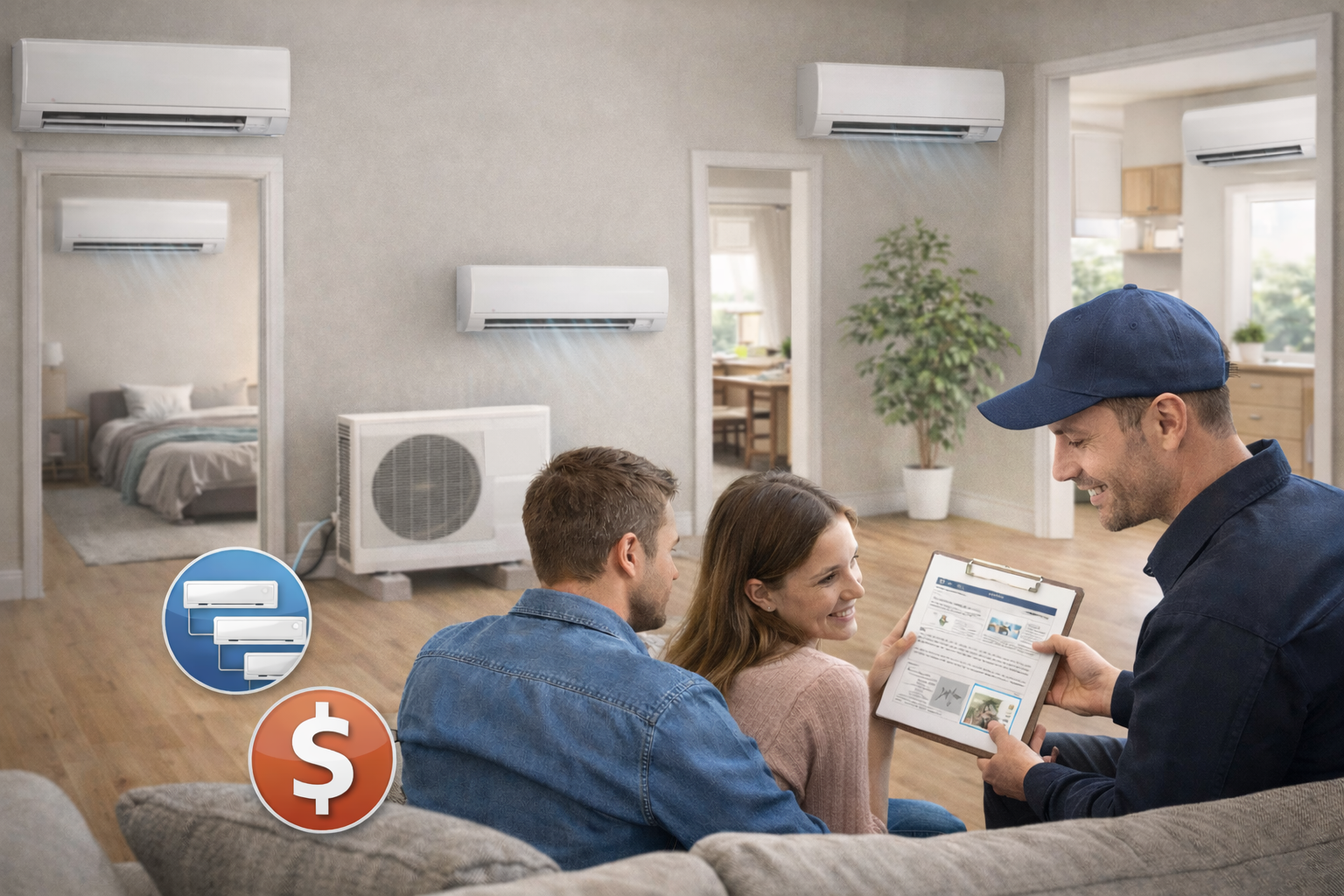
From years of installs, we see Mitsubishi wall units excel at precise comfort. Their inverter-driven compressors modulate like a dimmer switch, giving wide turndown for steady temps, quiet operation, better part-load efficiency, and stronger humidity control than fixed speed. Many models offer year-round heating and cooling, and cold-climate H2i Hyper-Heat maintains useful capacity in low outdoor temperatures. Use a single head for a problem room or an addition, or build multi-zone by connecting several indoors to one outdoor. Each head runs its own zone, so spaces get the setpoint they need without overconditioning others.
Mitsubishi Wall Unit Types: Single-Zone vs Multi-Zone, Models and Aesthetics
Choosing a Mitsubishi wall unit starts with system type: single-zone pairs one indoor head to one outdoor unit, ideal for a single room or a garage conversion. Multi-zone lets one outdoor serve several rooms, often up to eight, each with its own thermostat so you only condition spaces in use. Cooling-only models fit mild climates, heat pumps handle year-round comfort. Through-the-wall packaged units exist, but wall-mounted ductless splits are typically quieter and more efficient.
Pick an indoor style that suits the room, from slim to flat-front. Plan line-set concealment and outdoor sightlines for curb appeal and HOA rules. Compare sound ratings in dB and locate equipment to avoid bedrooms and neighbor windows. In our experience at Budget Heating (BudgetHeating.com), the quietest heads and smart outdoor placement make bedrooms feel library-quiet without compromise.
Energy Efficiency & Ratings: SEER2, HSPF2, EER and What They Mean for Your Bills
SEER and SEER2 describe seasonal cooling efficiency across a range of conditions. EER and EER2 show snapshot efficiency at a fixed peak load and temperature, which matters for hot-climate afternoons. The DOE's newer M1 test created SEER2 and EER2, so values look lower than legacy SEER and EER for similar equipment. Always compare SEER2 to SEER2. Current regional minimums are about 13.4 SEER2 in the North and 14.3 SEER2 in the South.
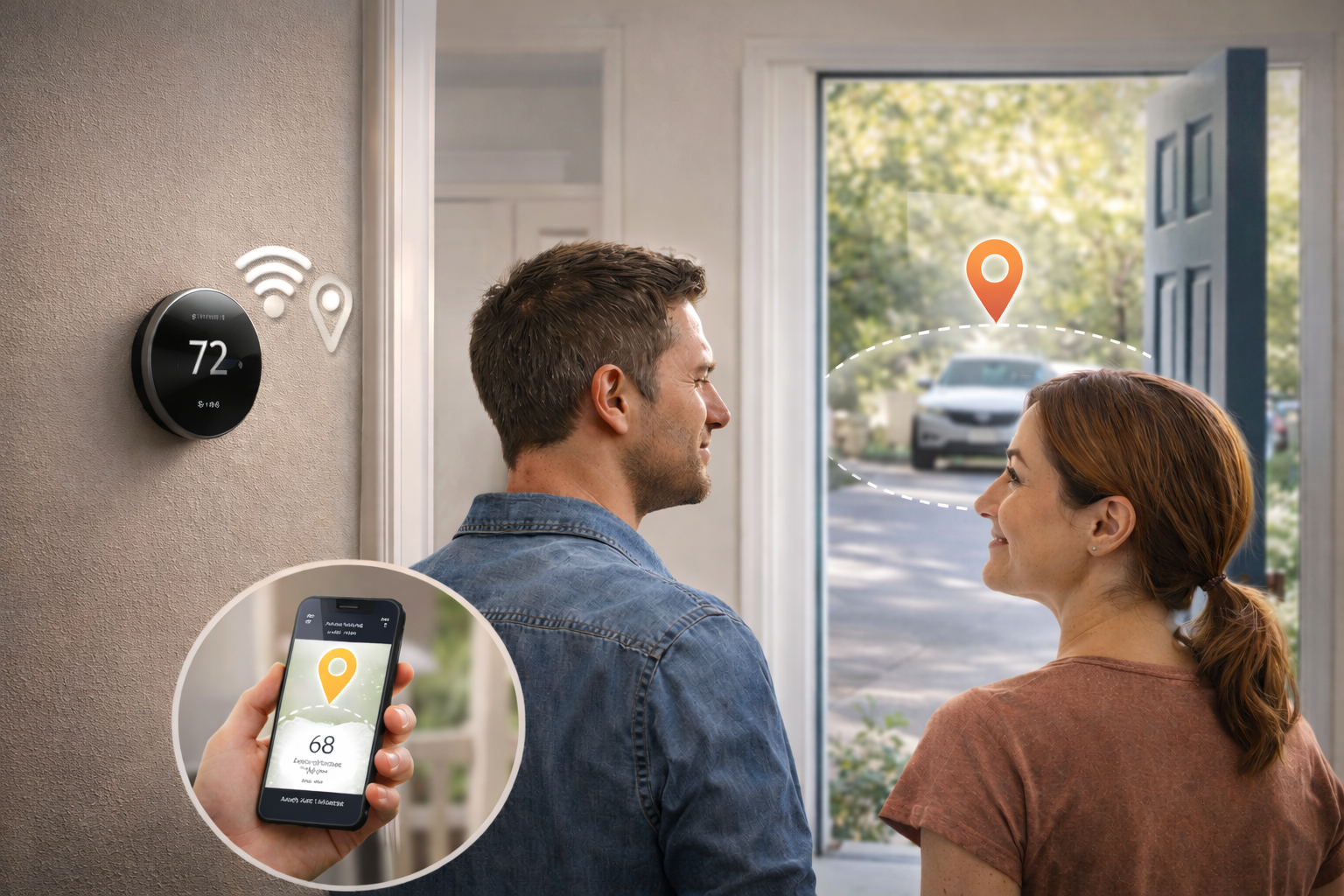
Inverter systems adjust capacity like a dimmer switch, so they excel at part load where most runtime happens. Mitsubishi inverter units are a good example of strong part-load performance. Smart features such as Wi Fi control, scheduling, and dry mode trim wasted runtime. In our experience at Budget Heating (BudgetHeating.com), those controls often turn a solid lab rating into reliably lower utility bills.
To estimate savings, apply the percent efficiency gain to your annual cooling kWh and your electric rate. Going from an older SEER 10 system to SEER2 16 can cut cooling use roughly 35 to 40 percent, while a move from 16 to 18 may save about 10 percent. For heating, review HSPF or HSPF2, and in very hot regions, use EER or EER2 to judge peak performance.
Upfront Costs, Operating Bills and Incentives: How to Estimate Total Ownership Cost
Installed costs vary widely with capacity, efficiency tier and installation complexity. Ask for an itemized quote that includes permits, electrical work, line sets, stands or snow hoods, and disposal of the old unit.
Estimate payback with a quick math check: total last year's cooling kWh, multiply by your electricity rate to get annual cooling cost, apply the expected efficiency gain, then divide the higher efficiency equipment premium by the annual dollar savings. Example: moving from SEER10 to SEER16 can cut cooling energy roughly 38 percent, though climate and usage matter.
High efficiency Mitsubishi ductless systems may qualify for federal tax credits and local or utility rebates tied to ENERGY STAR. Verify eligibility and required documentation with the installer.
Room Sizing & BTU Guide: How to Pick the Right Capacity
Right sizing starts with a room-by-room Manual J, not square-foot shortcuts. We calculate each room's load by accounting for insulation, window size and orientation, infiltration, ceiling height, internal gains, and local design temps so the selected indoor head matches the actual need.
- Oversizing leads to short cycling, weak humidity control, uneven temperatures, and noise. Undersizing cannot meet peaks on extreme days.
- Plan adjustments for special spaces: high ceilings, strong sun exposure, kitchens, sunrooms, or poor insulation. These often justify a 10-20% bump for exposed rooms.
- Match the unit's turndown range to the room's load so it modulates efficiently most of the time.
Installation Requirements: Mounting, Line Sets, Condensate and Electrical Needs
Before ordering, confirm the site can meet mounting, refrigerant, condensate, and electrical needs.
- Wall and mounting: Verify wall construction and thickness for anchors or a bracket. Plan indoor unit height and all clearances for airflow and service.
- Line sets and refrigerant: Confirm allowable line length and elevation. Factory charge covers only a set length, longer runs typically need added refrigerant by weight. Think of it as fuel for a standard trip, longer routes need more.
- Condensate management: Use a gravity drain with continuous slope when possible. If not, specify a condensate pump. In cold climates route and terminate to avoid freezing or ice, and limit exterior runs.
- Electrical requirements: Confirm 115/120V or 208/230V, available amperage, a dedicated circuit and disconnect, and correct breaker, conduit, and wire gauge per Mitsubishi specs and local code.
- Permits and code: Obtain required permits. Only EPA-certified technicians may handle refrigerant.
When a Mitsubishi Wall Unit May Not Be the Best Choice (Tradeoffs & Alternatives)
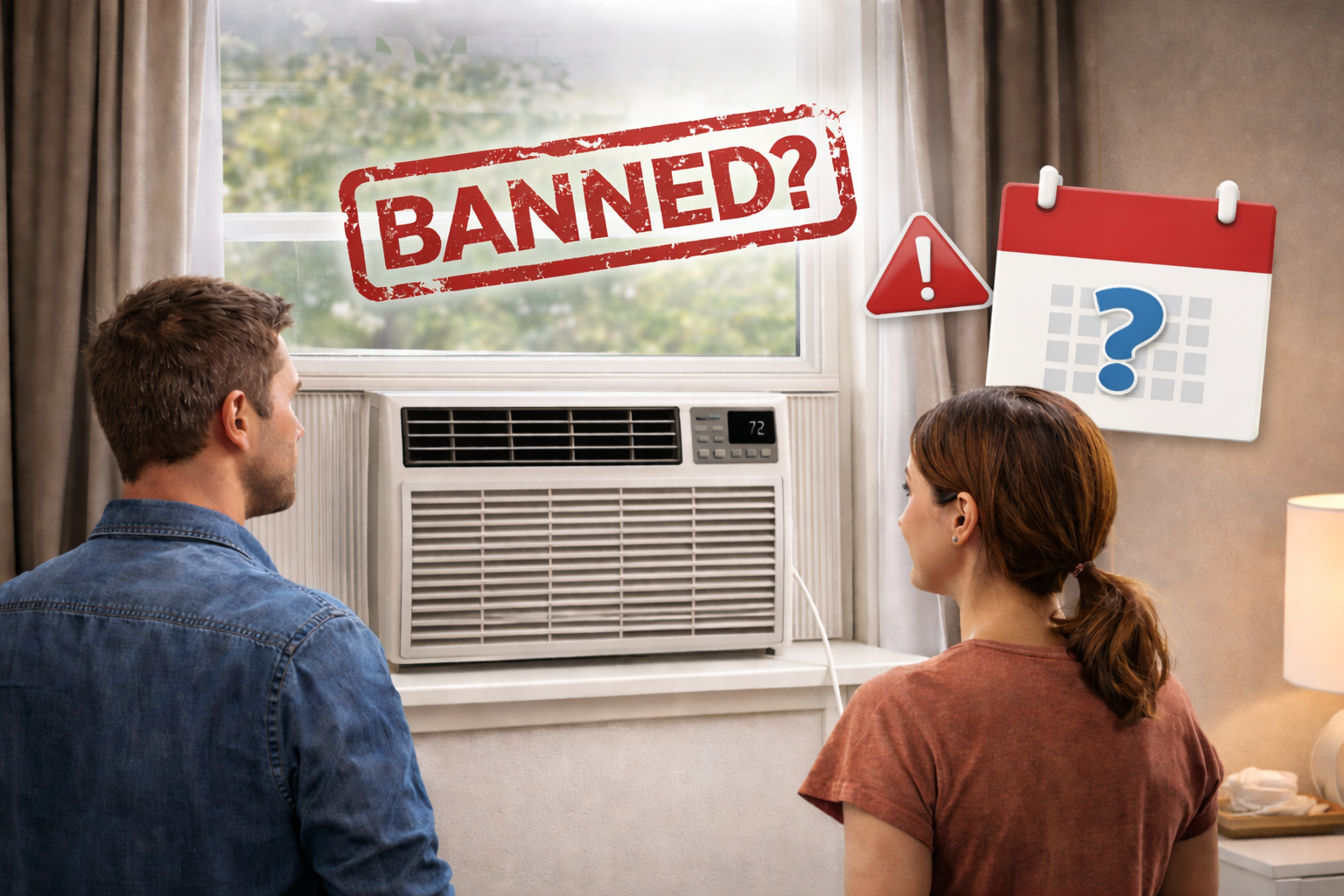
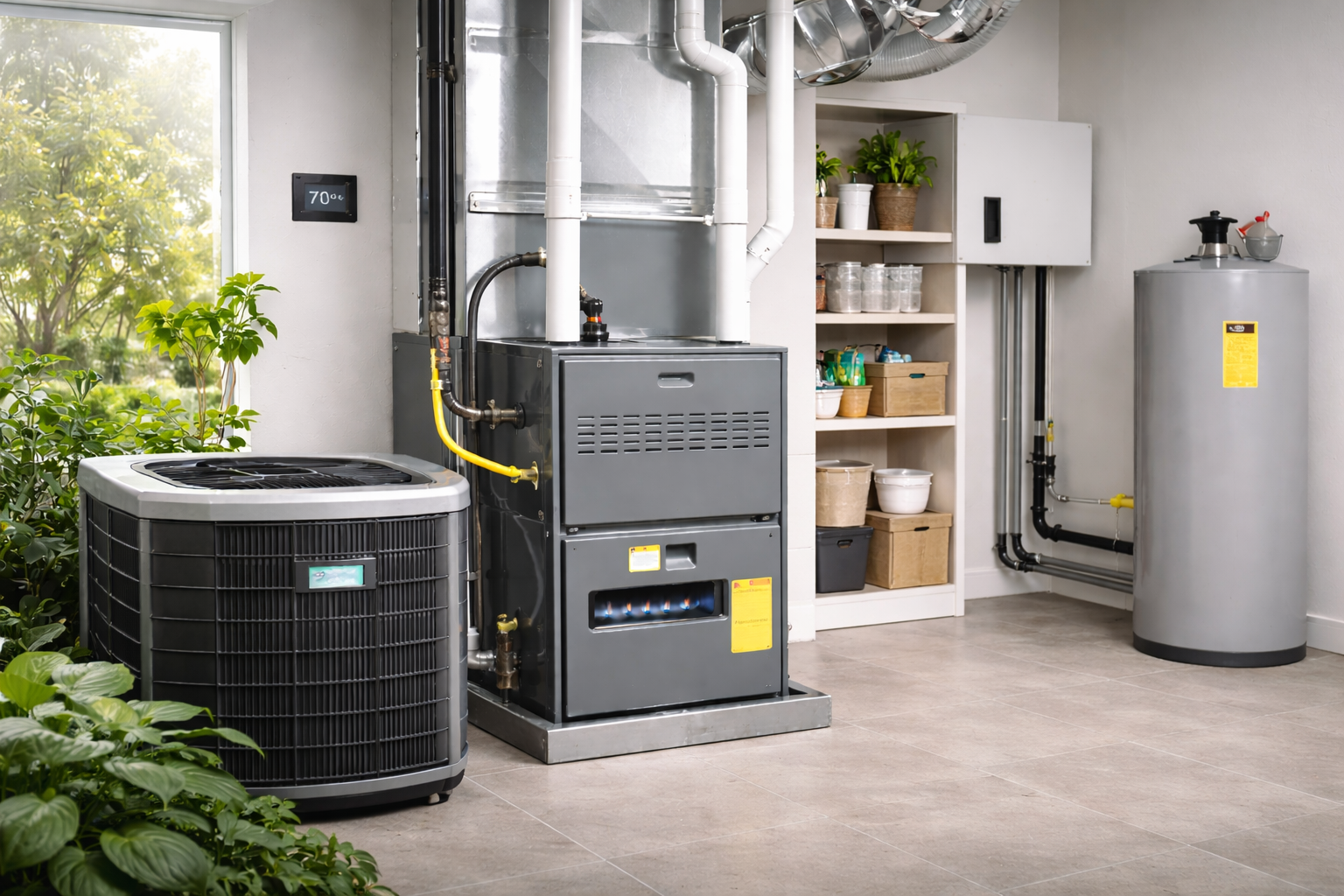
In our field work, a wall unit is not ideal in a few cases: very cold climates where non-H2i units struggle below -15°F, choose a gas furnace or high-capacity ducted heat; whole-home comfort, use multi-zone, multiple heads, or a ducted system; tight budgets or strict HOA noise rules, consider through-the-wall or window units. Common mistakes: bigger is not better, SEER alone does not cut bills, proper sizing and install quality matter most, DIY install can void warranties and hurt performance.
Maintenance, Warranty and Common Issues: Keep Your Mitsubishi Wall Unit Running
Homeowners can handle basics: clean or replace indoor filters every 2 to 4 weeks, wipe the cabinet, and keep the outdoor unit clear of debris. Some models have Dual Barrier Coating to help coils and vanes stay cleaner between cleanings. In our experience, a licensed pro should perform a yearly inspection, checking electrical connections, drain function, refrigerant circuit integrity, coils, and commissioning. Unplug power before cleaning, and never attempt brazing, charging, or major electrical changes.
Watch for warning signs: unusual noises, odors, error codes, ice on coils or lines, slow drainage, or reduced capacity. In coastal or corrosive areas, ask about anti-corrosion coatings and increase maintenance frequency. Preserve warranty coverage by confirming Mitsubishi parts and compressor terms, any registration, using accredited installers, and asking about parts availability and local service familiarity.
Final Recommendations & Quick Buying Checklist for Mitsubishi Wall Air Conditioners
The best value comes from a Mitsubishi wall unit that is correctly sized, matched to your climate, and installed by qualified pros. Before you buy, request a room by room load calc, exact model numbers with SEER2/HSPF2, indoor and outdoor dB, heating capacity at your design temp, electrical needs, line set lengths, and a written itemized quote including permits and rebates. Ask contractors: Will you perform and share a Manual J? Which model and why? Exact efficiency and noise specs? How will condensate be handled? Is electrical work included? How will warranties be registered? Get multiple itemized quotes, verify licenses, and check rebates. With 30+ years and 200,000+ orders fulfilled, our team can spec, ship, and support the right setup at wholesale pricing.
- Get a Custom Quote
- Talk to Our Team by phone for U.S.-based tech guidance
- Shop Mitsubishi Wall Units
- Enjoy wholesale pricing, free shipping on most systems, and financing with Affirm