




 learning center
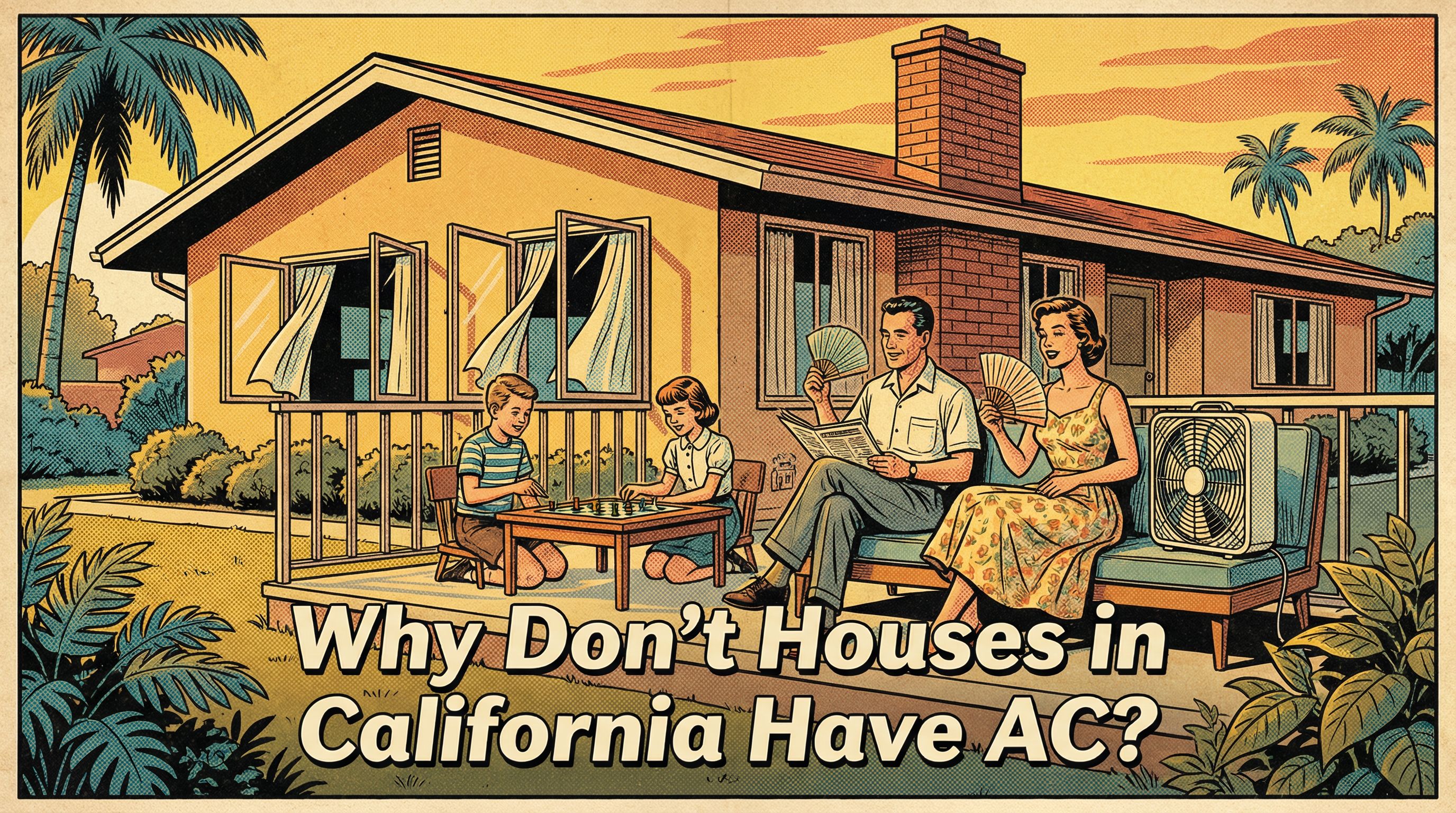
Why Don't Houses in California Have Air Conditioning?
California's coastal, marine-influenced climate and historic design choices made central air optional in many places; this guide explains why adoption varies and what homeowners should consider today. We will unpack regional differences between foggy coasts and hotter inland valleys, how building codes and architecture shaped past decisions, and the practical paths to cooling now, from whole-home systems to targeted solutions. Think of it as a quick map to when AC makes sense, what it costs, and pitfalls to avoid.
California's Climate: Why the Coast Feels Different Than Inland
Most residents cluster along the Pacific coast, where cool ocean air keeps summer days mild and nights cool. That marine influence acts like a quiet, cool blanket, so whole home AC is less common along the shoreline. Move inland and the story changes quickly. Within about 10 to 15 miles, the marine effect fades, microclimates heat up, and cooling needs jump. This sharp microclimate gradient is driven by distance from the ocean. In our field work we consistently see coastal homes manage with simple cooling strategies, while inland homes often need sustained, full season air conditioning for comfort.
Historic Home Design, Ductwork and the Cost of Retrofitting AC
Many older California homes were built for cross-breezes and aesthetics, not ducts, so adding them later can be costly and disruptive.
In Craftsman and bungalows, mini splits or small-duct systems usually fit best, keeping historic interiors intact and discreet. Modern tract homes more easily accept a central heat pump with conventional ducts. Skip square-foot rules. A quality retrofit uses Manual J for room loads, Manual S to match equipment, and Manual D for duct layout, like tailoring a suit. At Budget Heating (BudgetHeating.com), right sizing reduces noise and evens out temperatures.
Ask contractors for Manual J/S/D, duct leakage testing, airflow verification, permit handling, and commissioning details.
Passive Cooling: How California Homes Stayed Comfortable Without AC
Long before central air, California homes leaned on simple physics to stay cool. From decades in the field, we see the same strategies still lower peak indoor temperatures and trim AC run time.
- Cross ventilation: align operable windows so afternoon breezes sweep heat out.
- Night ventilation: open windows at night to purge heat, then close up by late morning.
- Shaded eaves and porches: like a wide brim hat for the house, they block high summer sun while allowing winter light.
- Ceiling fans: increase perceived comfort so thermostats can sit a few degrees higher.
- Reduce load first: add exterior shading, strategic window shading, attic ventilation, insulation and thorough air sealing to shrink the system size you actually need.
- Improve the home first: seal ducts, boost attic insulation and fix envelope leaks to cut both peak temperature and AC run time.
These passive steps work together, so each upgrade multiplies the benefit of the next.
Regional Differences: Coastal Cities, the Central Valley and Desert Cooling Needs
Start by mapping your microclimate: coastal with mild days and cool nights, inland valley with sustained heat, or desert that is hot and dry. Decide if whole-home or spot cooling is sufficient. Along the coast, roughly one quarter of homes lack AC, so fans or a window unit often cover needs. In the Central Valley, whole-home AC or modern heat pumps are typical, with higher absolute bill savings due to more cooling hours. Desert areas use similar systems, and evaporative coolers remain a lower-energy option in dry air. Final choice depends on home type, existing ducts, costs, aesthetics, operating costs, and indoor air quality.
How Building Materials (Wood, Stucco, Masonry) Affect Cooling Choices
Wood framing makes it easier to route small-duct runs or mini-split lines with light patching. Stucco needs planned penetrations to avoid cracking, so wall-mounted heads or concealed small-duct air handlers in attics or soffits work best. Masonry favors small core drills and often leans to central air or small-ducted heat pumps using existing chases.
For historic or high-value interiors, use wall-mounted mini-splits, concealed-duct small-duct systems, and careful condenser placement to protect curb appeal. Coastal homes should specify coated coils and cabinets for salt air. California sites also need seismic anchoring and wildfire readiness, with tight filtration and a recirculate setting.
Options by build: ductless mini-splits, small-ducted heat pumps, central air or packaged units, plus evaporative coolers in dry inland zones. In our experience at Budget Heating (BudgetHeating.com), choosing material-aware routing up front prevents leaks and costly stucco repairs.
Energy Costs, Efficiency and Honest Tradeoffs When Adding AC
In our experience, AC makes sense when cooling hours or humidity are high. SEER and SEER2 rate seasonal efficiency, EER2 rates hot day performance. Higher ratings mean fewer kWh. Variable speed compressors and blowers reduce cycling, steady temperatures, and improve dehumidification.
Expect about 1 SEER drop every 4 to 5 years as equipment ages, which raises bills. If replacing a gas furnace, a heat pump often adds the most cost effective cooling. Swapping 12 to 13 SEER2 single speed AC for 16 to 17 SEER2 variable speed heat pump cuts cooling energy about 20 percent in California.
- Coastal homes with few hot days: window units or a small ductless mini split.
- Historic interiors: ductless or small duct systems.
- Hot dry zones or frequent smoke: evaporative coolers to save energy, plus indoor filtration and recirculation.
Building Codes, Permits and What California Requires for AC
Title 24 and DOE SEER2/HSPF2/EER2 retesting raise efficiency and tighten installs. Mid-tier AC often rates 15-17 SEER2, premium higher. Permits are typically required, with checks for duct sealing, ventilation and sizing, even though AC is not mandated. Codes and rebates favor high-efficiency heat pumps and electric-ready work. High-GWP refrigerants phase down starting 2026, shaping availability. Maintain filters, coils, condensate, and get tune-ups every 1-2 years.
How Recent Heat Waves, Wildfire Smoke and Policy Are Changing the Equation
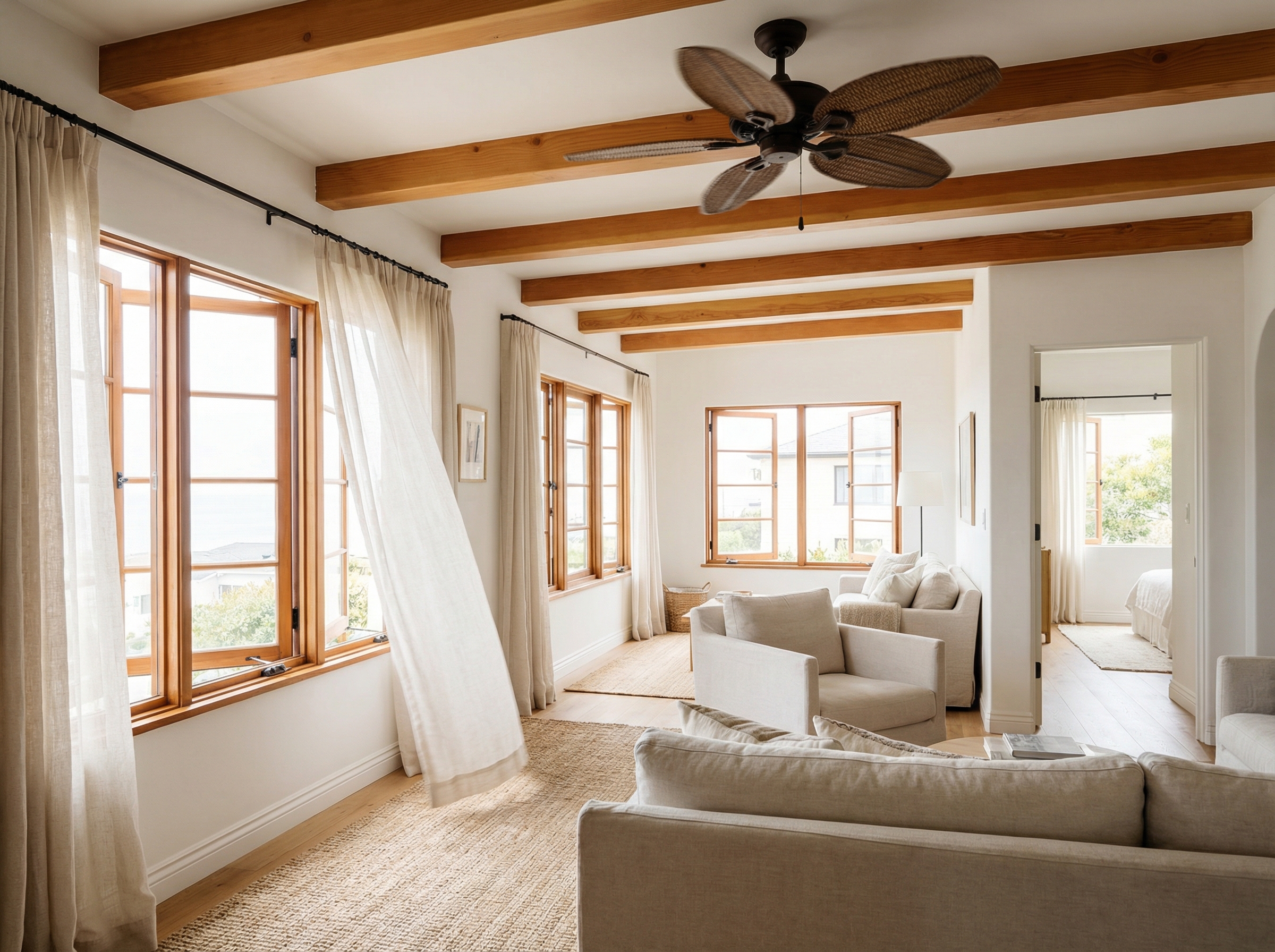
More frequent multi day heat waves are pushing past what passive measures can handle. Millions without AC face heat health risks, and wildfire smoke increases the need for sealed systems with strong filtration. Policy and electrification incentives are speeding heat pump adoption, so efficient cooling is more attainable. True resilience means equipment that cools reliably in extreme heat and filters fine smoke.
- Filtration: AC with MERV 11 or higher can improve indoor air during smoke, but verify static pressure and filter capacity.
- DIY: replace filters, clear outdoor condenser debris, confirm supply and return vents are open.
- Pros: handle refrigerant, electrical faults, compressors, sealed systems, and permitted new installs.
- Safety: hot attics and garages are risky in heat. Schedule work in cooler hours. Never bypass safety switches or perform unpermitted refrigerant work.
Conclusion: Balancing Comfort, Cost and Climate
There is no single reason homes lack AC, it varies by region and microclimate. Coastal homes often used passive cooling and lack ducts, inland and newer homes usually have AC; if retrofitting is pricey, modern heat pumps, ductless systems, and efficiency upgrades offer scalable options.
Choosing a path can feel complex when you weigh comfort, cost, and future heat or smoke.
With 30+ years in HVAC and 200,000+ orders fulfilled, we help you assess your microclimate, cut loads first, right size high efficiency equipment, consider electrification, and handle permits and safety.
- Get a Custom Quote, wholesale pricing, free shipping on most orders, Affirm financing
- Talk to Our Team by phone, U.S.-based technical guidance
- Shop Heat Pumps and Ductless Mini Splits
 Cooling
 Heating
 Money Saving Tips
 Product and Brands Insights
 Buying Guides
 State by State
 HVAC Systems