




How to Dispose of Old Air Conditioners: A Quick, Responsible Overview
Getting rid of an old air conditioner is a regulated process, not curbside trash. ACs contain refrigerants, compressor oils, metals, plastics, and electronics that must be handled through certified channels to protect health and the environment. In 30 plus years working with HVAC systems, we have seen that responsible end of life handling prevents illegal refrigerant release and maximizes material recovery.
Use this how to resource to map a safe, legal, and cost effective plan whether you are a homeowner, renter, property manager, or DIYer. We outline how to verify certified refrigerant recovery, where to bring the unit, what to do if it still runs, and which receipts or tags to keep for compliance. We also note typical fees or rebates so you can choose the most practical option.
Why Proper AC Disposal Matters: Environmental, Safety, and Legal Risks
Improper AC disposal often leads to refrigerant venting, which is both hazardous and illegal. Under the U.S. Clean Air Act Section 608 it is unlawful to intentionally release ozone depleting refrigerants and many substitutes during service or disposal. Venting harms the ozone layer and increases global warming potential, while oils and legacy components can leak harmful residues in landfills and into groundwater. Refrigerants also pose acute risks: frostbite on contact, oxygen displacement that can cause asphyxiation, and some newer blends are mildly flammable, so proper handling and ventilation are essential. Using certified recovery and recyclers ensures legal compliance, reduces liability, and avoids fines.
Is Your Unit Hazardous? Refrigerants, Oils, Electronics and Batteries Explained
Not every part of an AC is safe to toss in the scrap pile. Treat the sealed refrigerant loop like a pressurized container, it must stay intact until a certified technician handles it. Modern units also carry electronics and small batteries that do not belong in metal recycling.
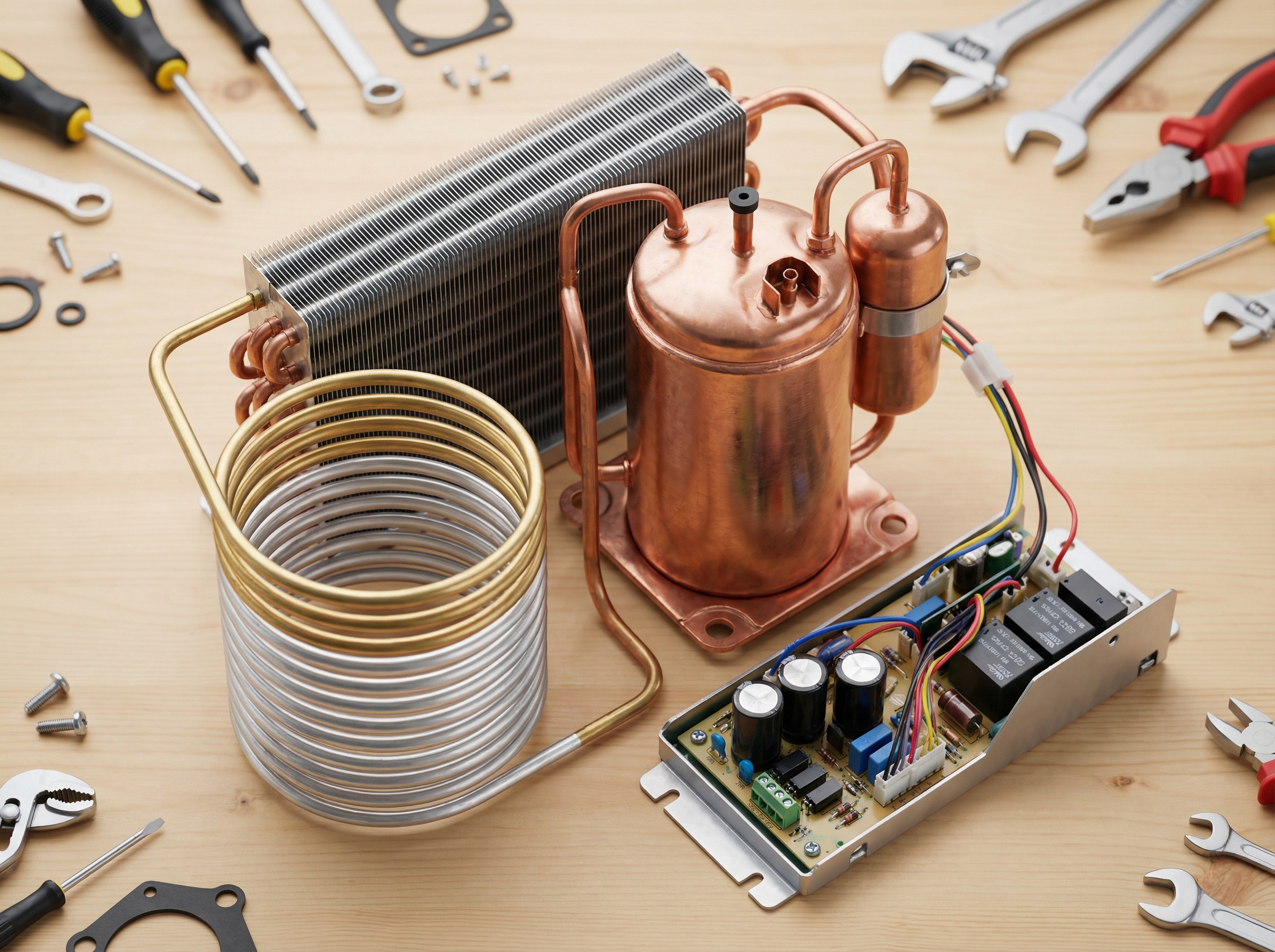
- Sealed refrigerant system: do not cut lines or open fittings. Leave the circuit sealed until refrigerant is properly recovered by a certified technician.
- Electronics and batteries: control boards, Wi Fi modules, displays and batteries are e waste. Remove and recycle them through approved electronic or battery channels. These parts are subject to e waste and universal waste rules. A common mistake we see is treating the whole unit as scrap and ignoring this step.
- Electrical safety: capacitors can hold dangerous voltage even when unplugged. Homeowners should avoid internal electrical work. Only remove small, external pieces such as remotes, loose batteries or snap in modules.
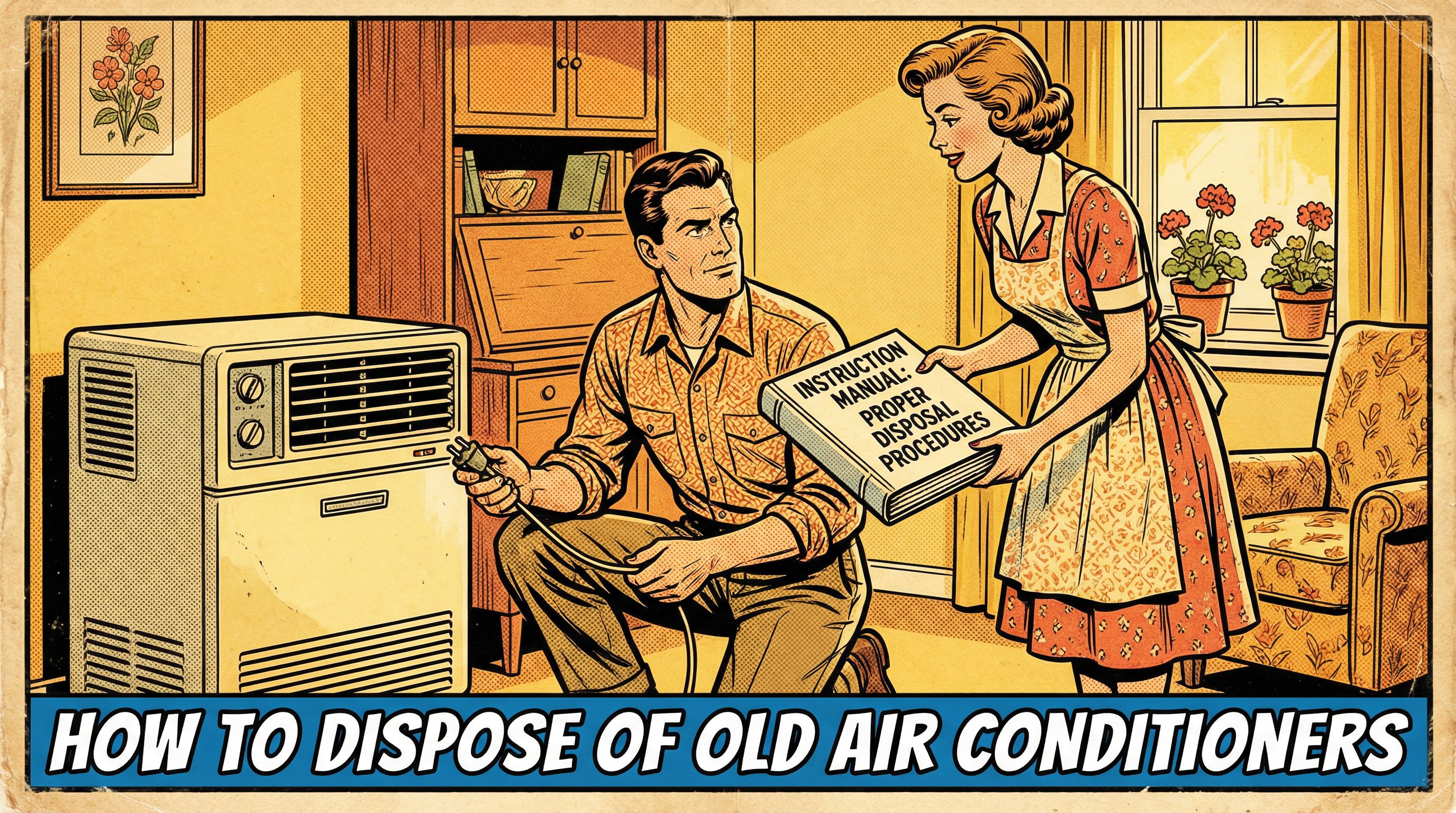
Disposal Options: Municipal HHW, Appliance Recyclers, and Retailer Take Backs
Air conditioners contain refrigerant and oils, so choose a channel that can legally recover them. Best choice: a certified appliance recycler that captures refrigerant, dismantles the unit, and separates metals and plastics. Always verify they are authorized to handle refrigerant.
If a recycler is not available, use your city's household hazardous waste program, e waste events, or bulky item collection that accept AC equipment and hazardous components. In our experience at Budget Heating (BudgetHeating.com), ask whether the program does refrigerant recovery on site or uses a certified partner, and whether appointments or fees apply.
- HHW or e waste: good for one time drop offs and small window units.
- Bulky item pickup: helpful if you need curbside removal of a heavy condenser.
- Retailer or utility take back: useful when replacing equipment through organized events.
Avoid putting an AC in regular curbside trash. Most jurisdictions prohibit this and require designated drop off or special pickups.
When Recycling or Donating an AC Isn't the Best Choice (Tradeoffs & Alternatives)
Recycling and donation are not one size fits all. In our experience, the better path depends on safety, efficiency, and how much useful life is left.
- Fully functional, safe units: Recycling is rarely ideal if the system runs well. Reuse is preferable, and reselling through qualified channels can recover value more effectively than donating or dismantling a good system.
- Non functional or R 22 units: Donation is a mistake here. Most programs require working, safe equipment and often reject R 22 systems. These should be recycled, then replaced with a modern SEER2 compliant unit.
- Very low SEER equipment: Units around SEER 8 to 10 are like cars with poor miles per gallon, they burn through electricity. Donating them passes high bills to the next owner. Retiring the unit often saves more long term than repairing it repeatedly.
- Repair vs replace tradeoffs: If the unit is mid life and reasonably efficient, a small fix can beat replacement. A $150 to $300 repair can make more sense than a multi thousand dollar swap, especially if annual energy use is already modest.
When older and inefficient, replacement with a SEER2 compliant model is often the most cost effective path over time.
Step by Step: How to Prepare a Window or Portable AC for Disposal
Proper prep helps recyclers accept the unit and reduces handling hazards. Follow these steps before pickup or drop off.
- Make it safe: unplug the unit, turn off the breaker when applicable, and work in a ventilated, well lit area. Wear gloves and eye protection to avoid cuts from sheet metal or coil fins. Coil and tape the cord and clear a path for removal.
- Drain and dry: empty condensate reservoirs on portable units and let them air dry. For window units, tilt to drain remaining water before transport. Skipping this is a common mistake that causes spills and mold.
- Detach accessories: remove filters, drain pans, hoses, and mounting brackets. Bag dirty filters if local rules require.
- Pull e waste: remove remotes, batteries, and any obvious electronic modules and take them to battery or e waste collection programs.
- Sort materials: separate recyclable metal brackets and clean plastics from non recyclable items like soiled filters or insulation. Not every component is recyclable, some foams and filters are landfill bound.
- Clean and secure: wipe the exterior, tape sharp edges, and secure loose panels and screws. Use proper lifting techniques, ACs are heavy and awkward, like moving a small filing cabinet.
- Handle carefully: keep the unit upright and do not crush or deform cabinets or coils before refrigerant recovery to avoid leaks or oil spills.
Preparation, including draining, securing, and removing loose parts, improves acceptance and avoids refusals tied to dirty or unsecured units.
Hire an HVAC Pro: Certified Refrigerant Recovery and Proper Disposal
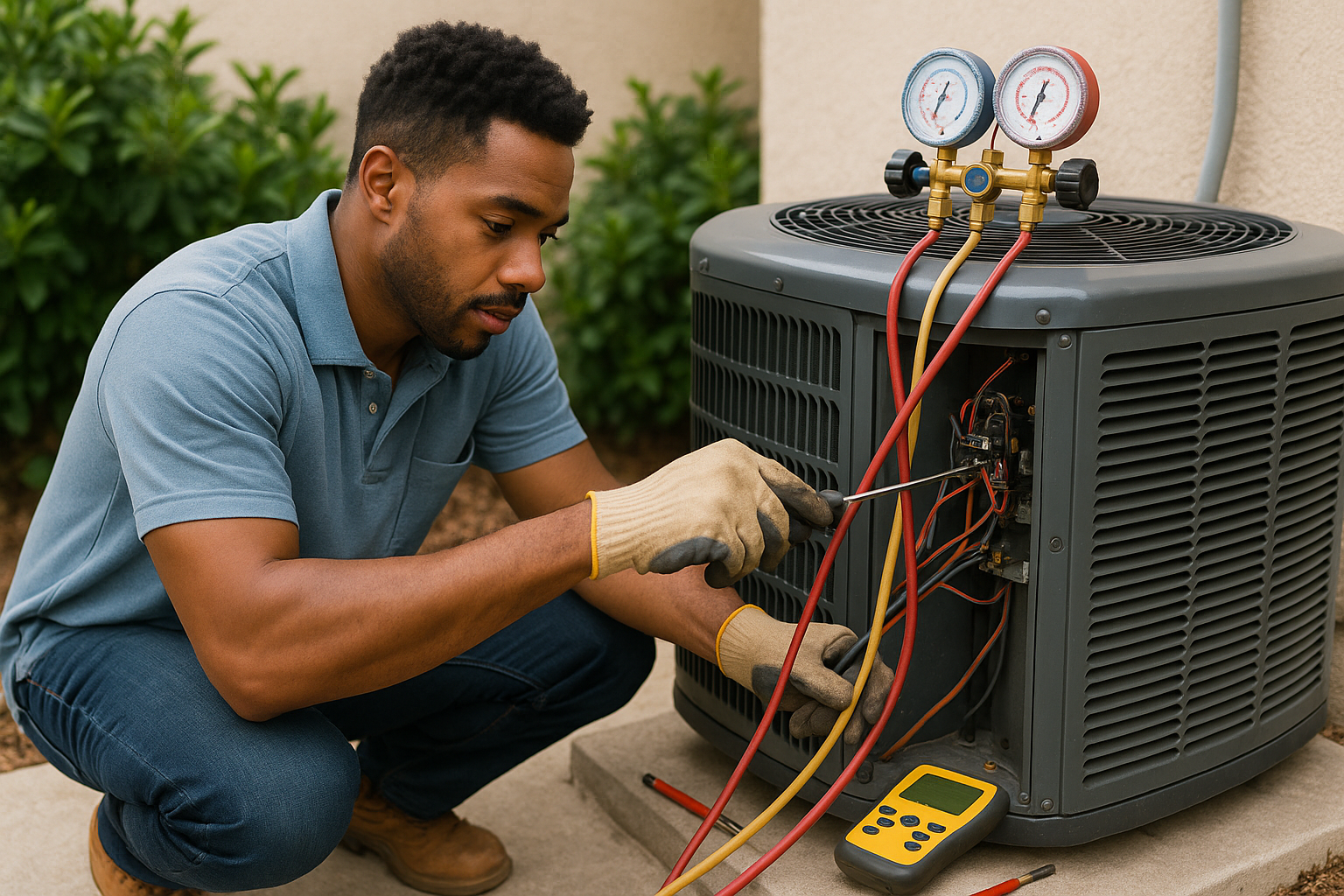
Hire an EPA-certified HVAC technician for any central or split system, and most room units that still hold charge. The technician isolates power, disconnects line sets, and recovers refrigerant with certified equipment into sealed cylinders. They weigh the recovery, cap lines, and tag the unit so it can be transported to a recycler or household hazardous waste site.
Paperwork is essential. Request a recovery record that lists the technician's certification, equipment ID, cylinder serial, refrigerant type and weight, and the destination. If refrigerant will not be reused onsite, it must be sent to an EPA-certified reclaimer with a shipping receipt or manifest.
- Do request documentation and verify the recycler accepts evacuated units.
- Do separate e-waste like thermostats first.
- Do not cut lines or vent refrigerant, fines and damage can result.
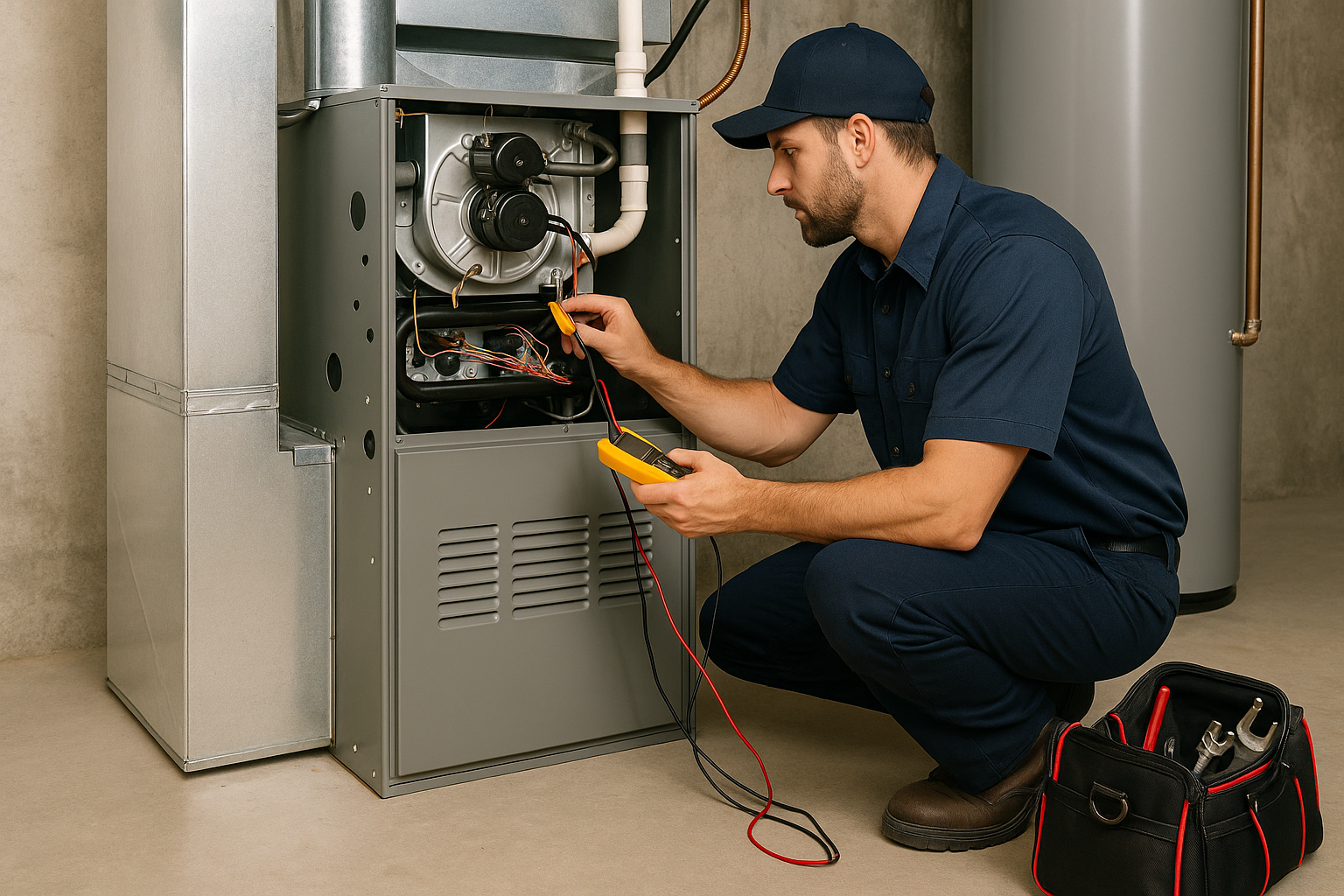
- Use a licensed pro when an indoor coil ties into a furnace so the plenum is resealed.
Recycle or Sell for Cash: How Recyclers Recover Value from Old ACs
Certified recyclers remove refrigerant, then dismantle the unit to harvest metals with real resale value: copper tubing, aluminum coils, compressor motors and steel frames. These recovered materials can offset disposal costs and feed back into manufacturing. Payouts vary by location, unit condition and current metal prices, so there is no single number. To stay legal and maximize return: arrange transport or schedule pickup with your recycler or contractor, and confirm whether refrigerant must be recovered first. Keep paperwork. Many yards refuse sealed ACs or require proof that refrigerant was evacuated. Ask for a receipt and a refrigerant-recovery certificate or service invoice. In our experience at Budget Heating (BudgetHeating.com), having complete documentation speeds acceptance and keeps your metal weight credited correctly.
Finding Local Services: Using 'Air Conditioner Disposal Near Me' and Hazardous Waste Programs
Search “air conditioner disposal near me” with your city or county. Start with the local waste or sanitation authority website. Confirm acceptance, fees, and preparation steps before drop-off or scheduling pickup. Local and state solid-waste programs determine the destination after refrigerant recovery: appliance recyclers, municipal household hazardous waste facilities, or scheduled bulky-item pickups. Refrigerant must be recovered before scrapping, so use a path that performs or requires documented recovery.
- City or county HHW pages: find drop-off rules, event dates, and prep instructions.
- Utilities: look for bounty or turn-in programs and rebates. Check ENERGY STAR and local utility listings.
- Certified recovery or reclaimers: search locally and ask for written proof of refrigerant handling.
- Retailer or hauler take-back: verify refrigerant recovery is included and request a receipt.
Next Steps: Safe Disposal, Documentation, and Upgrading to a More Efficient AC
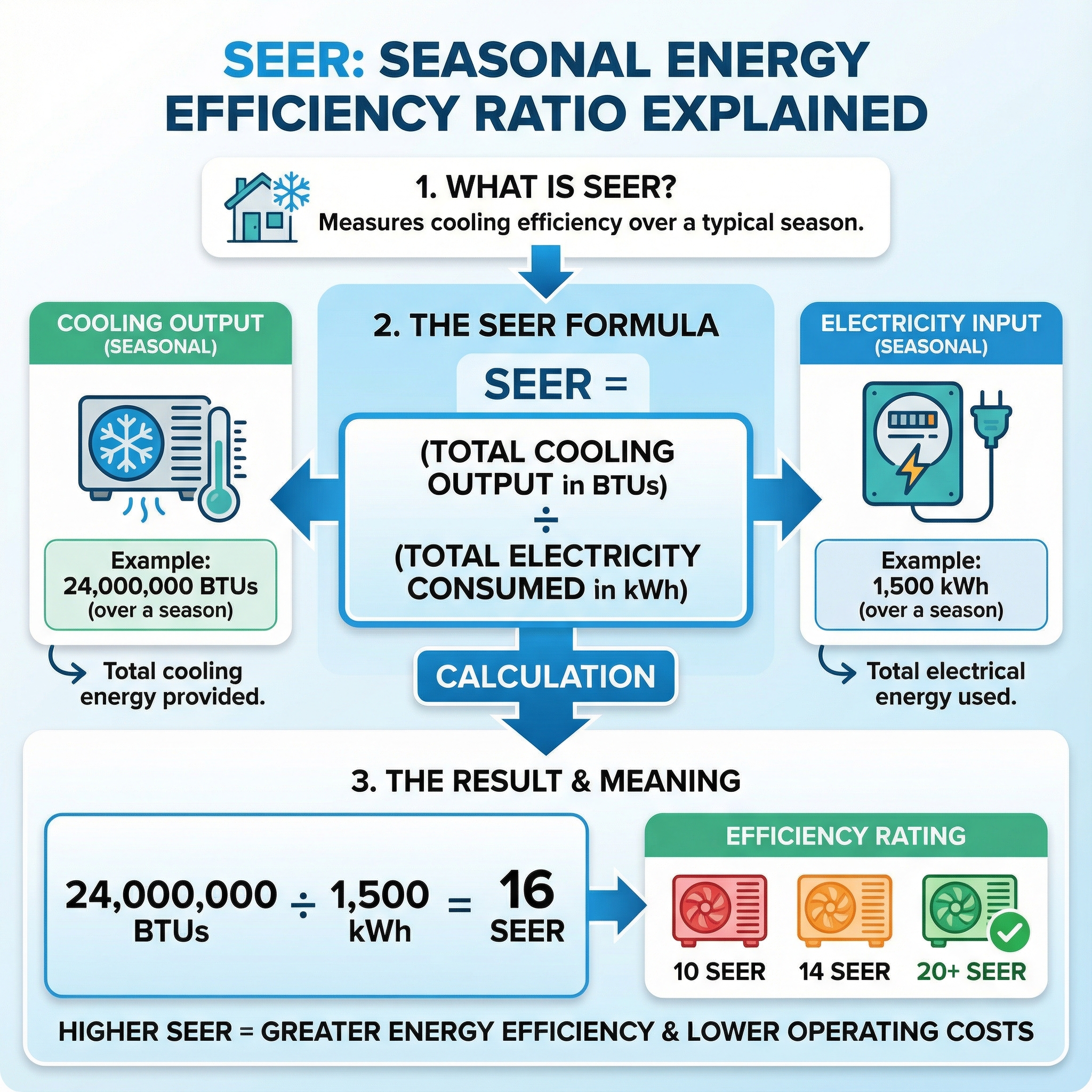
Do not throw an old AC in household trash. Decide if it can be reused; if not, schedule professional refrigerant recovery, then take the unit to a certified recycler, your local household hazardous waste program, or a take back option. Keep all recovery and recycling paperwork. If you are replacing the unit, remember SEER and SEER2 measure seasonal efficiency and higher ratings use less energy. Many pre 2006 systems run at 8 to 10 SEER, while modern equipment typically starts around 13 to 14 SEER. DOE's 2023 SEER2 rules raised minimums by region, so make sure your new system meets your local requirement. Choosing the right SEER2 model is where our team shines.
Disposal choices and upgrade decisions can feel daunting. We make it straightforward with real numbers and practical options.
- Get a Custom Quote
- Talk to Our Team by phone for U.S. based technical guidance
- Shop SEER2 Air Conditioners and Heat Pumps at wholesale pricing
- Ask about free shipping and financing with Affirm