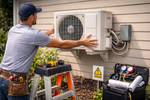



R-410A vs R-32 Refrigerant
R-410A and R-32 are both types of refrigerants used in air conditioning and heat pump systems, but they have some differences: Composition R-410A is a blend of two hydrofluorocarbon (HFC) refrigerant ...


Inverter compressors are generally more efficient than traditional fixed-speed compressors used in air conditioning and heat pump systems. Here's why: Variable Speed Operation Inverter compressors can ...
Heat pump air conditioners offer several benefits compared to traditional air conditioning systems that only provide cooling. Here are some of the key advantages: Heating and Cooling: One of the prim ...
HVAC Systems for High Altitude Homes: Why Altitude Matters At higher elevations, air is thinner, daily temperatures swing wider, and humidity runs low. Conventional heating and cooling can work harde ...
Why Humidity Control Matters for Year Round Comfort Taming indoor moisture is as important as managing temperature; mini splits with dedicated humidity control pull excess moisture from the air, impr ...
Why Air Conditioners Matter to Property Insurers Air conditioners affect more than comfort, they reshape how underwriters view moisture, fire and electrical exposure. In our decades of HVAC work, we ...
Is It Illegal to Install Your Own AC Unit? A Clear, Short Answer The short answer: installing your own AC unit is not automatically illegal. Legality is location dependent, and it turns on building c ...
How Much Space Can a 12,000 BTU Air Conditioner Cool? A Quick Overview A 12,000 BTU air conditioner delivers about one ton of cooling capacity, roughly 3.5 kW. BTU per hour measures how much heat the ...
Mobile Home Electric Furnace Models: Must-Have Features Choosing the right electric furnace for a mobile or manufactured home affects day-to-day comfort, monthly energy bills, indoor air quality, and ...
How to Relight the Pilot Light on Your Gas Furnace: Quick Overview If your furnace stopped heating on a cold night, a blown-out pilot is a common, fixable cause. Relighting it often restores comfort ...
How to Conduct a Home Energy Audit: What to Expect A home energy audit is a structured, whole-house assessment that reveals where your home is wasting energy and how to address it most cost effective ...
Review of Daikin Mini Splits: Cooling Efficiency and Comfort: What This Guide Covers Considering a ductless upgrade for more consistent comfort and lower energy bills? This review focuses on how Daik ...
The right furnace size depends on your home's square footage, insulation quality, climate zone, and ceiling height. A unit that's too small won't heat effectively, while an oversized furnace will cycle on and off frequently, wasting energy and causing uneven temperatures. Our blog articles include BTU calculators and sizing guides to help you find the perfect fit.
Most HVAC air filters should be replaced every 30 to 90 days, depending on the filter type, household size, and whether you have pets. High-efficiency filters like MERV 13 or higher may need more frequent changes due to their denser material. Regular replacement improves indoor air quality and keeps your system running efficiently.
A heat pump transfers heat from outdoor air to warm your home and can reverse the process for cooling, making it an all-in-one solution. A furnace generates heat by burning fuel (gas, oil, or propane) or using electric resistance. Heat pumps are more energy-efficient in mild climates, while furnaces perform better in regions with harsh winters.
Start by sealing air leaks around windows, doors, and ductwork. Adding proper insulation to your attic and walls makes a significant difference. Schedule annual HVAC maintenance, upgrade to a programmable thermostat, and consider replacing older equipment with high-efficiency models rated 95% AFUE or higher.
AFUE stands for Annual Fuel Utilization Efficiency and measures how efficiently a furnace converts fuel into heat. A furnace with a 96% AFUE rating converts 96 cents of every dollar spent on fuel into actual heat, with only 4 cents lost to exhaust. Higher AFUE ratings mean lower energy bills and reduced environmental impact.
Consider replacing your heating system if it's over 15 to 20 years old, requires frequent repairs, or your energy bills have increased significantly. Other warning signs include uneven heating, strange noises, and difficulty maintaining consistent temperatures. Modern high-efficiency furnaces and boilers can reduce heating costs by up to 30%.
A modulating furnace adjusts its flame and blower speed in small increments to match your home's exact heating demand. Unlike single-stage units that only run at full capacity, modulating furnaces provide more consistent temperatures, quieter operation, and improved energy efficiency. They're ideal for homeowners seeking maximum comfort and lower utility costs.
Your choice between a gas furnace and an electric furnace depends on local utility costs, existing infrastructure, and climate. Gas furnaces typically have lower operating costs and heat more quickly, but require a gas line and proper venting. Electric furnaces have lower upfront costs and simpler installation but may cost more to run in colder regions.
Annual professional maintenance should include inspecting the heat exchanger, cleaning burners, checking the flue system, testing safety controls, and lubricating moving parts. Homeowners should regularly replace air filters, keep vents unobstructed, and check thermostat batteries. Proper maintenance extends equipment life and prevents costly emergency repairs.
Smart thermostats can reduce heating costs by 10% to 15% by learning your schedule and adjusting temperatures automatically. Features like remote control via smartphone, energy usage reports, and integration with home automation systems add convenience. Most homeowners see a return on investment within one to two heating seasons.