




When Should You Replace Your Old AC System in 2026? A quick primer
2026 is a pivot point for air conditioning decisions. Think of it like a model year change in the auto world, the equipment on the shelf, the way it must be installed, and the way it sips electricity are all shifting at once. New refrigerant rules and tighter efficiency standards are redefining what makes sense to keep and what makes sense to retire.
If a system is older, especially one using R 410A or an earlier high GWP refrigerant, the warning lights are familiar. Repair bills that creep up, hot and cold spots that never quite balance, utility use that trends higher even after simple fixes, and indoor air that feels stale or dusty. Those are practical signals that a proactive replacement in 2026 can change the trajectory, delivering steadier comfort, lower monthly costs, and cleaner air over the next decade. The transition matters because it influences the availability of matching components, approved installation practices, and the long term operating profile of the equipment. Replacing during the 2026 changeover aligns the home with the new baseline, rather than patching an aging system that will sit on the wrong side of the rules and the efficiency curve.
Short checklist: When replacing your old AC in 2026 makes sense
In our experience, waiting for a total breakdown rarely pays off. With 2026 rules and refrigerant changes on deck, the economics around major repairs often shift toward replacement, especially on legacy systems. Use this quick gut check:
- Frequent repairs, refrigerant leaks, rising energy bills, uneven rooms or humidity, or new noises: planned replacement typically costs less over the next few years than patching a late life unit.
- Comfort and indoor air quality: two stage or variable speed compressors and blowers smooth temperature swings, reduce humidity, and support better filtration performance.
- Major component failure on older refrigerant: the parts, refrigerant, and labor mix in 2026 often tilt the math toward replacing rather than rebuilding.
- Timing strategy: replace before peak season to avoid emergency premiums and limited model availability.
- Right sizing and install quality: a properly sized, well commissioned system will outperform any oversized unit installed poorly.
- Maintenance reality check: if routine upkeep no longer reins in bills or comfort issues, that signals aging equipment.
Think of it like swapping a worn tire before it shreds on the highway: a planned change keeps you moving and protects your comfort.
Cost & savings: What replacing your AC costs in 2026, and how much you can save
Start with simple lifecycle math: estimate your current annual cooling cost, model a new unit, then multiply the yearly difference by your expected years of ownership. Compare that total to the price gap between repair and replacement to see which choice wins.
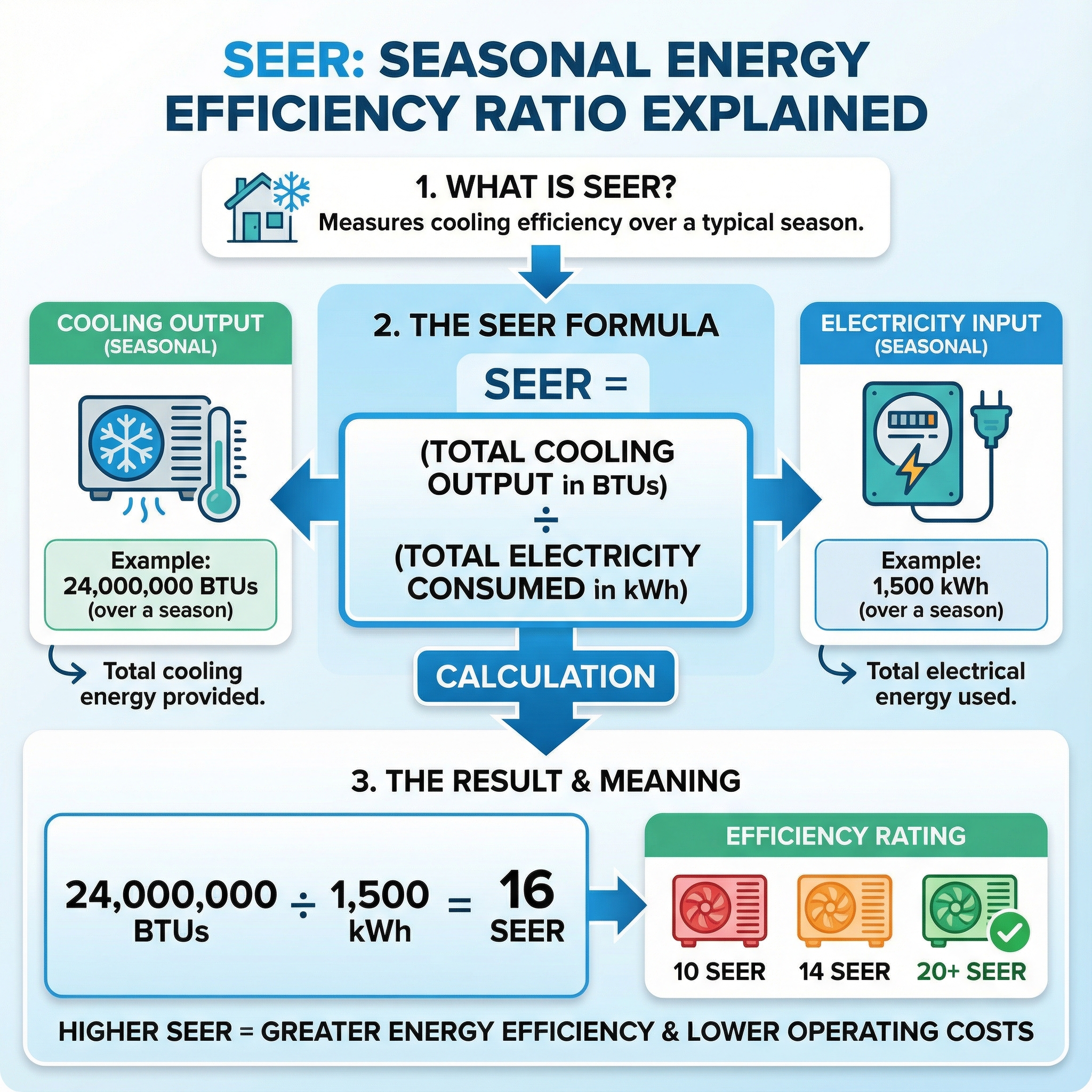
For a typical 3-ton system, annual operating cost is about $750 at 10 SEER, ~$580 at 13, ~$490 at 15, ~$435 at 20, and ~$375 at 28. Going from 10 to 15 SEER saves roughly $260 per year, or about $3,900 to $5,600 over 15 years. Preventive maintenance lowers total ownership cost and helps the unit reach its full life.
Payback: divide the extra upfront cost by annual savings. If a major repair on a 10 to 15 year old unit is 40 to 50 percent of full replacement, replacement usually wins. In our experience at Budget Heating (BudgetHeating.com), that cutoff prevents short-lived fixes.
Practical checklist: How to prep your home and evaluate quotes before you replace an AC
Use this pre-bid plan to get apples-to-apples quotes and a smoother install.
- Timing and triggers: Decide if 2026 should be your swap year by checking system age and refrigerant type. Plan replacement if the unit is about 10 to 15 plus years old. If a repair approaches 40 to 50 percent of replacement cost, lean toward replace.
- Document your home: Note climate, square footage, occupants, problem rooms, existing model numbers, and take photos of equipment and ducts.
- Require proper design: Demand a Manual J load calc. Ask for Manual S to match equipment to that load and Manual D if ducts are modified. Think of it like tailoring a suit, not buying off the rack.
- Prep checks: Inspect duct condition and attic or crawl insulation. Verify electrical panel capacity and breaker space. Measure outdoor clearances.
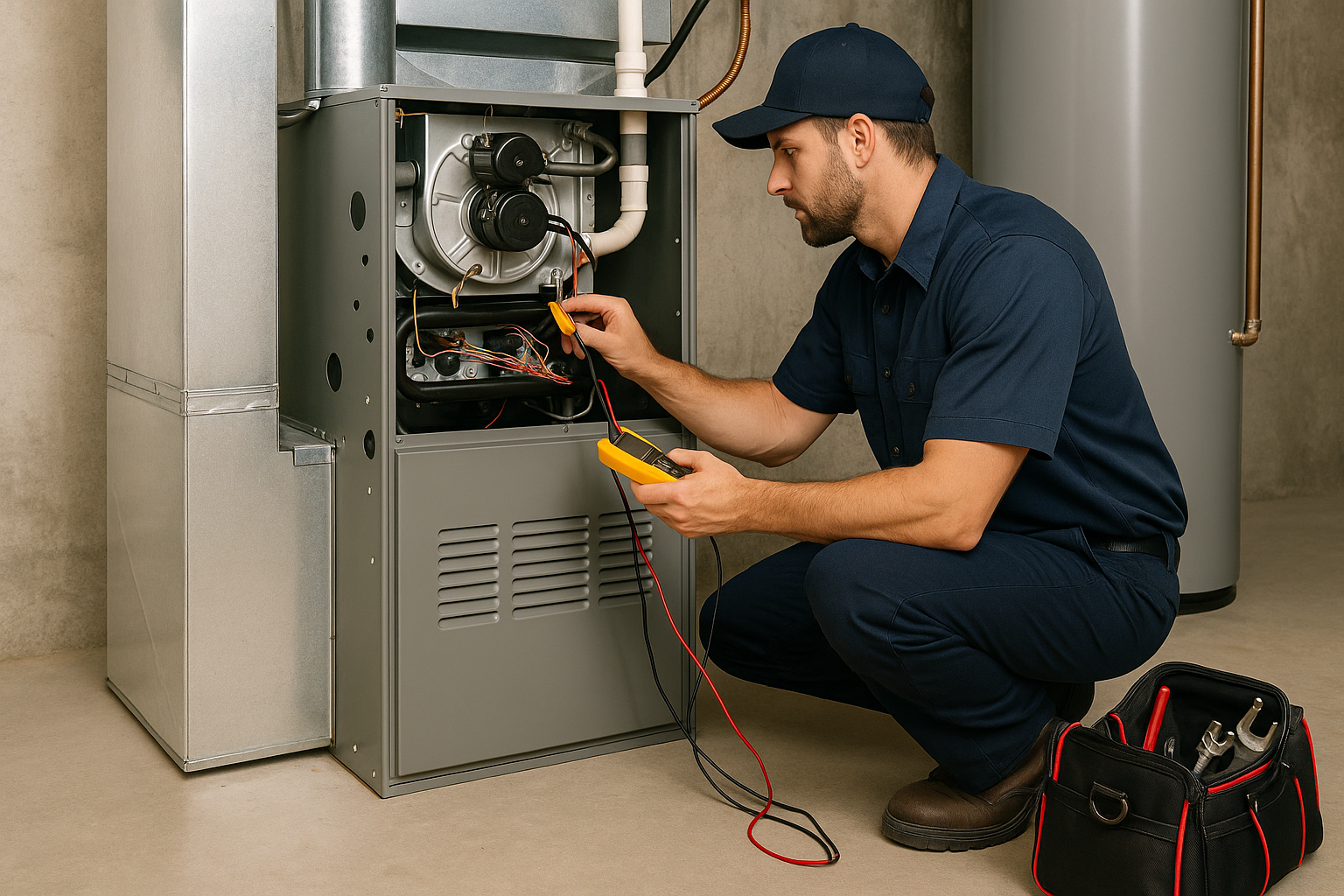
- Quote must-haves: Full line-item pricing. Commissioning data at startup, including static pressure, airflow CFM, superheat or subcooling, and charge verification. Written warranty terms for parts and labor.
- Schedule smart: Avoid peak summer. Confirm installer A2L certification. Ask about current rebates and incentives. In our experience at Budget Heating (BudgetHeating.com), teams that provide load calcs and commissioning sheets deliver the most reliable outcomes.
Tradeoffs & honest scenarios: When replacing your AC is NOT the best choice
In our experience, replacement is not always the smartest move.
- Newer, well maintained systems under 10 years: If the unit is relatively young and well cared for, targeted repairs plus a maintenance plan usually beat replacement. Like patching a small roof leak instead of reroofing your house. Swap the failing component and schedule preventive visits to stretch service life and keep costs lower.
- Short-term ownership or tight budgets: If you plan to move within a few years, or funds are tight, a repair can be a smart stopgap. Document repairs and maintenance for the next owner, since buyers value clear records.
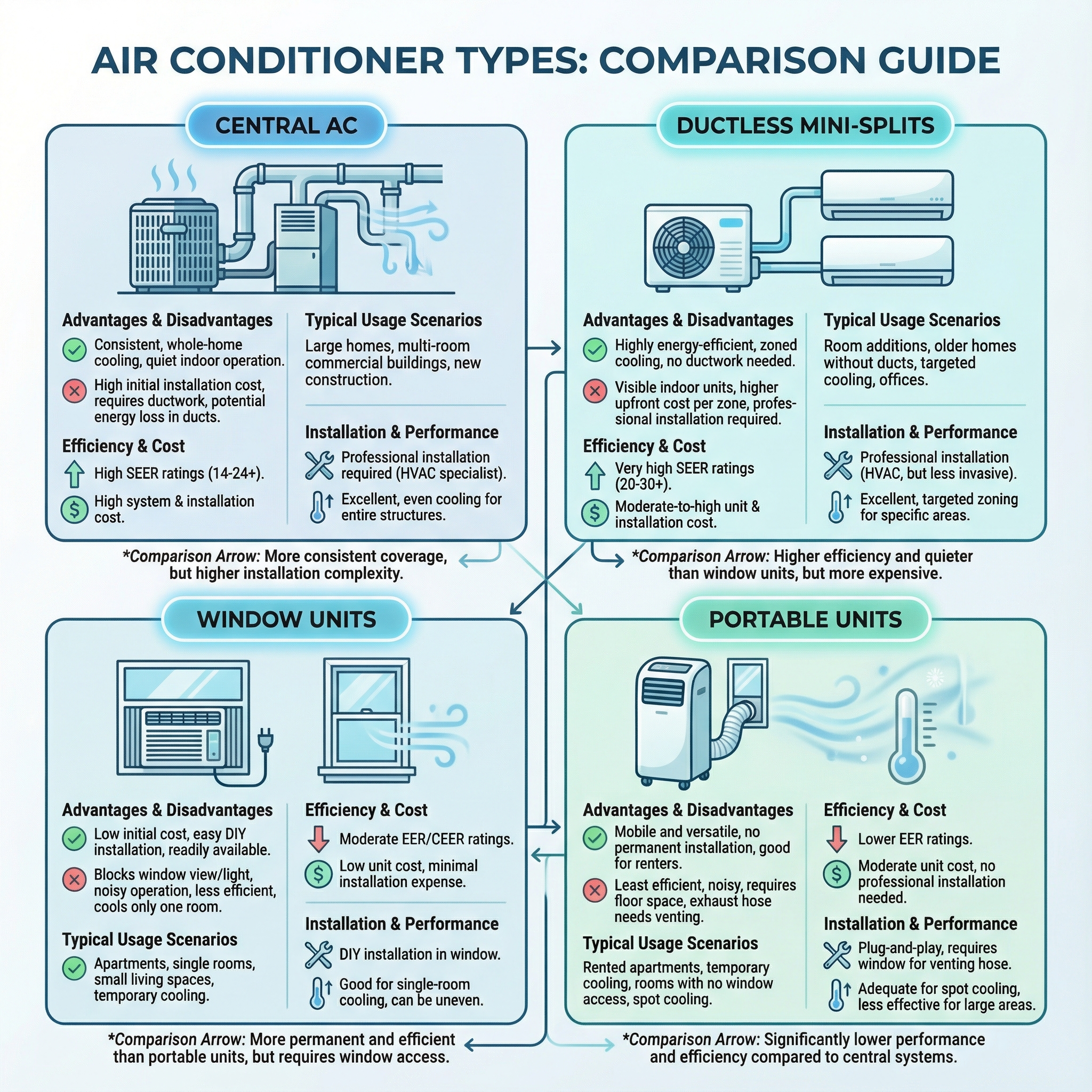
- Climate or design mismatch: In very cold regions or homes with unusual layouts, converting to certain new technologies may not be optimal. Consider zoned repairs, a ductless mini split for a problem area, or partial ductwork improvements like sealing and resizing runs.
Do not assume a new system pays back immediately. Evaluate remaining life, likelihood of future repairs, and local incentives before deciding. In these cases, repair or incremental duct and envelope improvements can be the better path.
Regulations, refrigerants and regional rules that change the 2026 choice
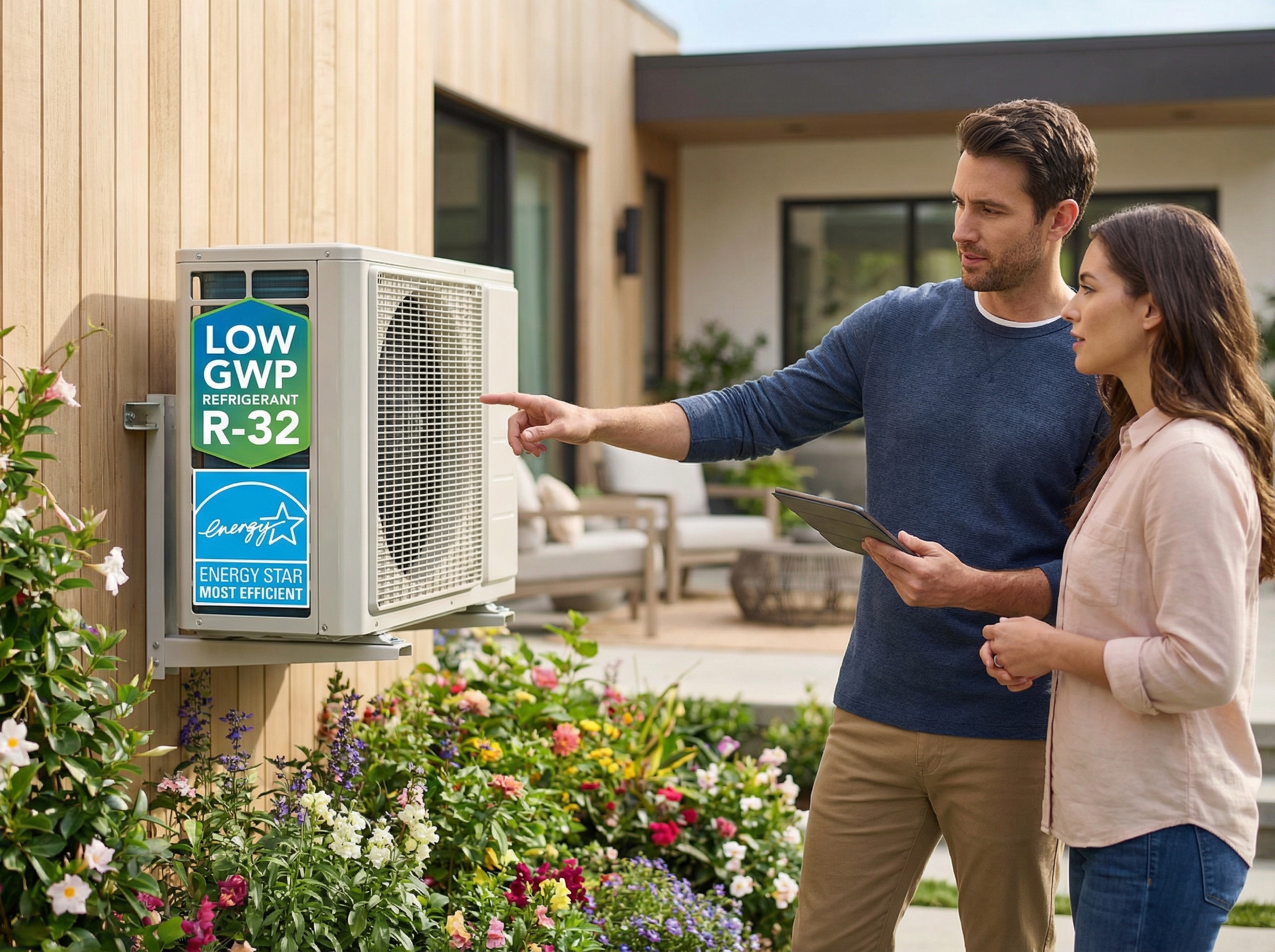
By 2026, most new residential systems shift to low GWP refrigerants such as R-32 and R-454B. Manufacture cutoffs and sell-through limits will taper R-410A availability, so model options and timelines can vary by distributor and region. These newer refrigerants are A2L, meaning mildly flammable, which brings code implications: jurisdictions must adopt A2L language, permits often add safety checks, and installers need A2L training and approved tools. We see local adoption moving at different speeds, so confirm what your authority having jurisdiction requires before you plan the swap.
Regional efficiency rules shape equipment selection. Minimums are set by climate zone, and different metrics matter by location:
- Southeast: prioritize humidity control, look for variable speed air handlers and strong latent performance.
- Southwest: emphasize EER2 for high temperature efficiency during peak loads.
- North: choose cold climate heat pumps with low ambient capacity ratings that hold output in freezing conditions.
Expect permitting, inspection steps, and installer qualifications to be part of a compliant 2026 project.
Energy efficiency in 2026: What SEER2, EER2 and product tiers mean for bills
SEER2 is the federal cooling efficiency rating since 2023. It uses a tougher test than the old SEER, so numbers are lower and not directly comparable. Think of it like a stricter mpg cycle that better reflects real driving.
Typical 2026 tiers: entry or builder near regional minimums (about 13.4 to 14.3 SEER2), mainstream mid tier (15 to 17 SEER2), and premium variable speed inverter models (18 to 20+ SEER2). To translate that into bills, use this quick check: kWh savings ≈ 1 − (baseline SEER2 ÷ new SEER2). Example: upgrading from 14.3 to 17 SEER2 trims cooling energy about 16%.
Real savings still hinge on correct sizing, duct condition, and runtime profile. In some regions, EER2 requirements or alternate compliance paths shape peak hour performance and rebate eligibility.
Safe maintenance & what you can (and shouldn’t) do yourself before replacing an AC
Before assuming the system is done, handle the safe, simple tasks that restore airflow and prevent avoidable service calls.
- Replace or clean filters every 1 to 3 months.
- Keep supply and return grilles clear of furniture and rugs.
- Shut power off, then gently rinse outdoor condenser fins with a garden hose.
- Verify thermostat settings and schedules, and ensure the condensate drain is flowing.
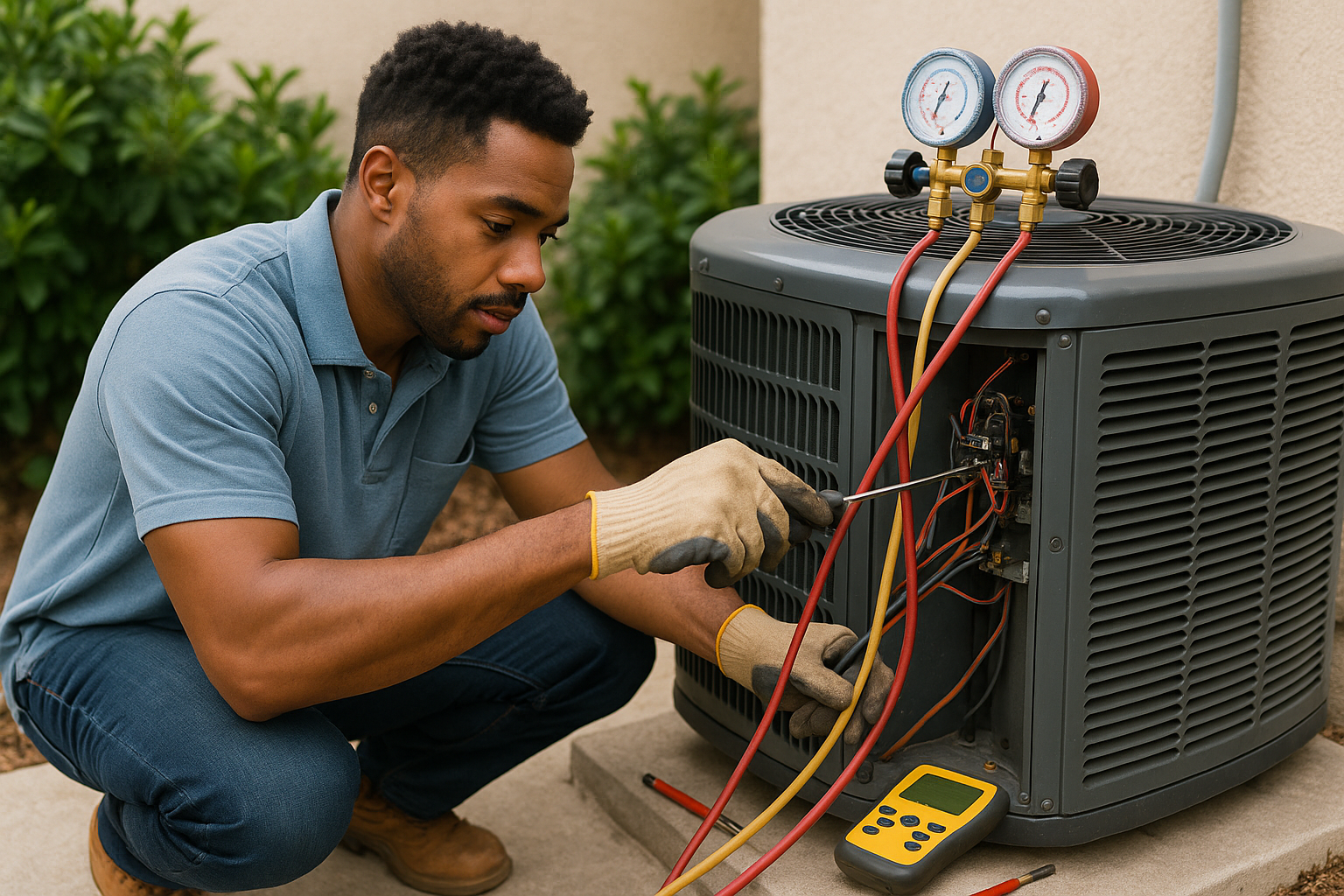
- Leave refrigerant recovery or charging, high voltage electrical work, system commissioning, and all A2L refrigerant handling to licensed professionals.
Planning helps: note the unit’s age and refrigerant on the nameplate. If it is 10 years or older, or uses a high GWP refrigerant, collect replacement quotes. A2L refrigerants require trained techs and code compliant installation. Avoid open flames around refrigerant, never do DIY refrigerant work, and always de energize equipment before cleaning. Expect service costs for legacy R 410A systems to trend up as parts and supply tighten in 2026.
Article title & reference: core title and how to use this guide
When Should You Replace Your Old AC System in 2026? is our plain language roadmap for deciding if repair or replacement makes more sense this year. Built on decades of hands-on HVAC experience, we outline the signs to watch, how to weigh age, comfort, noise, and utility bills, and simple cost checkpoints. Each section stands alone, so you can jump to symptoms, costs, or timing without reading end to end. Use it like a checklist, match your situation, then follow the decision points to reach a confident, budget aware choice.
Next steps: How to decide and act on replacing your AC in 2026
If several of these are true, replacement in 2026 makes sense: your system is 10 to 15 years old, it uses R-22 or R-410A, you are seeing two or more repair visits a year or a repair quote that is 40 to 50 percent of a new system, bills have climbed and efficiency is below current SEER2 minimums, comfort or humidity is uneven, parts or refrigerant are pricey, the warranty is over, or you are remodeling. Do this next: schedule a professional inspection and Manual J, get multiple detailed quotes, compare lifecycle costs and incentives, then choose a properly sized SEER2 system with low GWP refrigerant installed by an A2L trained contractor.
Timing your replacement well protects comfort and your wallet over the next 10 to 15 years. We know it is a big decision. Our team has 30+ years of hands-on HVAC experience, factory-authorized support, and U.S.-based phone experts to guide you.
- Get a Custom Quote: line-by-line pricing with matched SEER2, low GWP options.
- Talk to Our Team: call our U.S.-based techs for straight answers before you buy.
- Shop Central AC and Heat Pumps: wholesale pricing, many items ship free, financing with Affirm.