




What is an HVAC system? A simple definition
HVAC stands for heating, ventilation, and air conditioning. An HVAC system provides indoor thermal comfort and acceptable air quality by integrating heating, cooling, and ventilation to manage temperature, humidity, airflow, and air cleanliness. With 30 plus years around installed systems, we think of it like a home's climate manager, quietly coordinating temperature and fresh air so rooms feel steady and breathable year round.
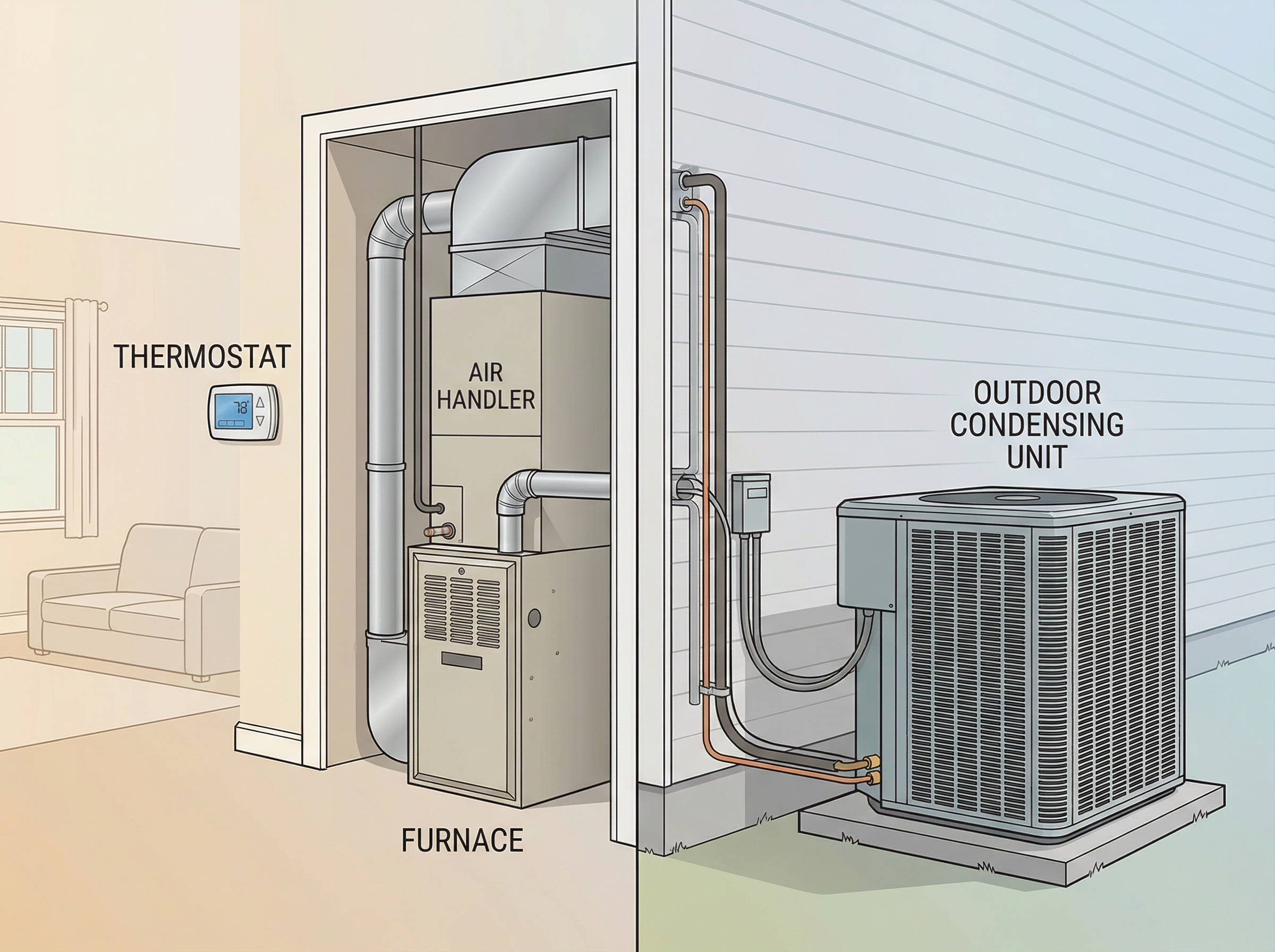
A typical residential setup combines a thermostat, a furnace or air handler, an indoor evaporator coil, an outdoor condenser, ductwork or refrigerant piping, and air filters to move and condition air throughout the home. These pieces work together to warm in winter, cool in summer, and filter or exchange air to cut dust, odors, and excess moisture.
Because HVAC runs daily, it shapes comfort, energy bills, and indoor air quality. Proper upkeep extends system life and reduces unexpected breakdowns. In this guide you will learn the core components, how they operate as a system, and why smart choices about sizing, filtration, and maintenance pay off for comfort and health.
Why HVAC matters for comfort, health, and energy bills
A well designed HVAC system is the backbone of comfort. It maintains steady temperatures, manages humidity, and keeps indoor air cleaner with proper filtration and ventilation. Humidity matters, and choices should consider local climate. Aim for 30 to 50 percent indoor relative humidity to stay comfortable and discourage mold. In sticky seasons, dehumidifiers or variable speed equipment remove moisture without creating cold, clammy rooms.
Energy use is tied to design and installation quality. Real performance depends on accurate load calculations, correct sizing, sealed and balanced ducts, good insulation, and careful commissioning. Oversizing or leaky ducts raises bills, creates hot and cold spots, and shortens equipment life. Pair modern high efficiency equipment with sound design to lower operating costs while improving air quality. Think of it like a tailored suit, the right fit makes everything work better.
Main components of a residential HVAC system (inside and outside)
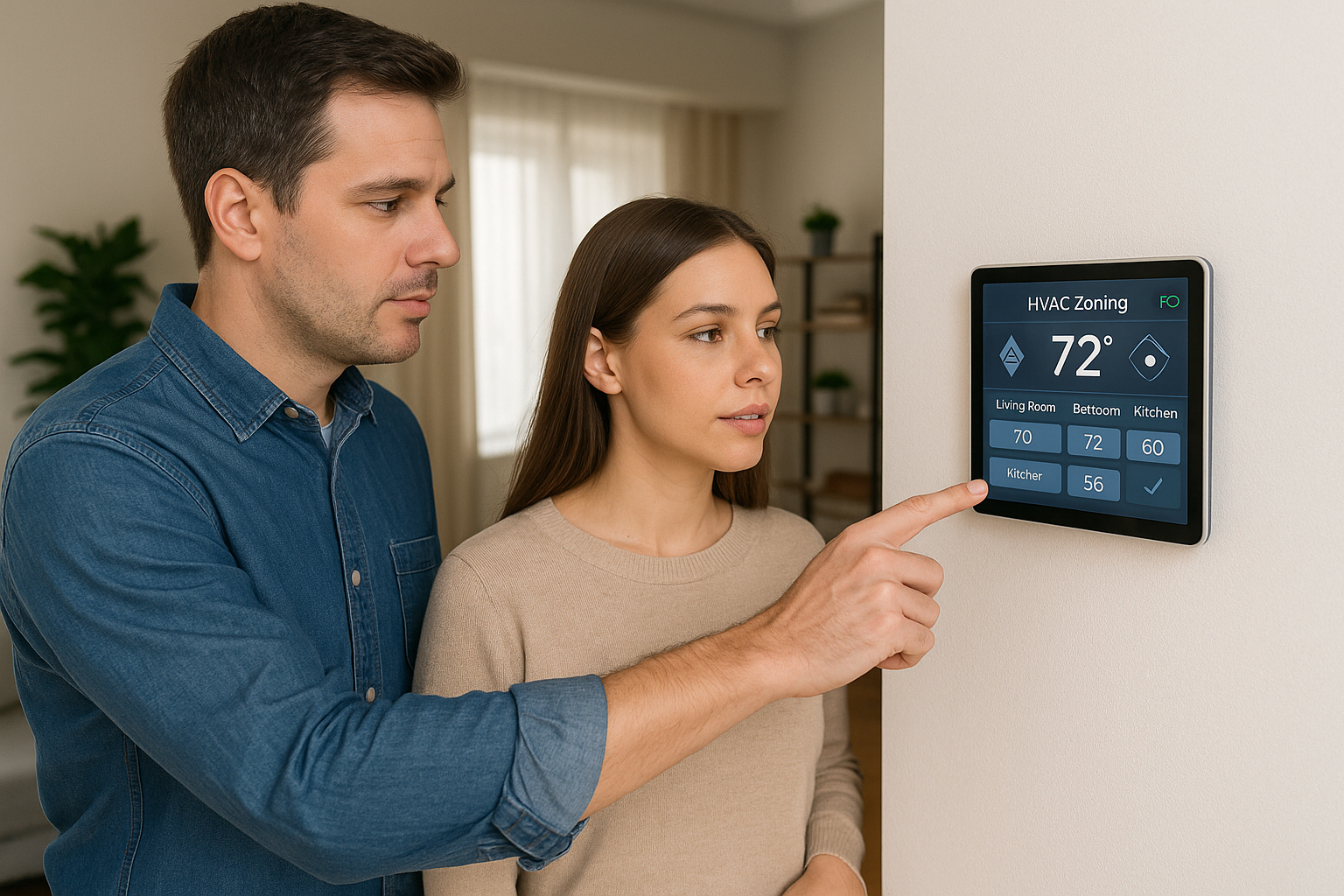
Your HVAC has a few core pieces. Think relay team: the thermostat calls the play, the indoor air handler or furnace moves air, the evaporator coil swaps heat, and the outdoor condenser or heat pump rejects or absorbs it. Ducts deliver supply and pull return air through registers, with filters at return grilles or in a cabinet. Placement matters: give the outdoor unit clearance, use a level pad with vibration isolation, and check sound ratings. In our experience at Budget Heating (BudgetHeating.com), proper thermostat staging and auxiliary heat lockout prevent short cycling and bill spikes. Useful add ons include smart thermostats, zoning panels, ERVs or HRVs, humidifiers or dehumidifiers, and higher MERV media filters.
- Identify ducted or ductless. Locate: thermostat, outdoor unit, air handler or furnace, evaporator coil, supply and return registers, all filter locations and sizes.
- Note room comfort issues, insulation, window orientation and shading, known air leaks, and your climate category. For quotes, ask for Manual J, Manual S, Manual D, plus design temps and sensible/latent load details.
How cooling works: air conditioners and the refrigerant cycle explained
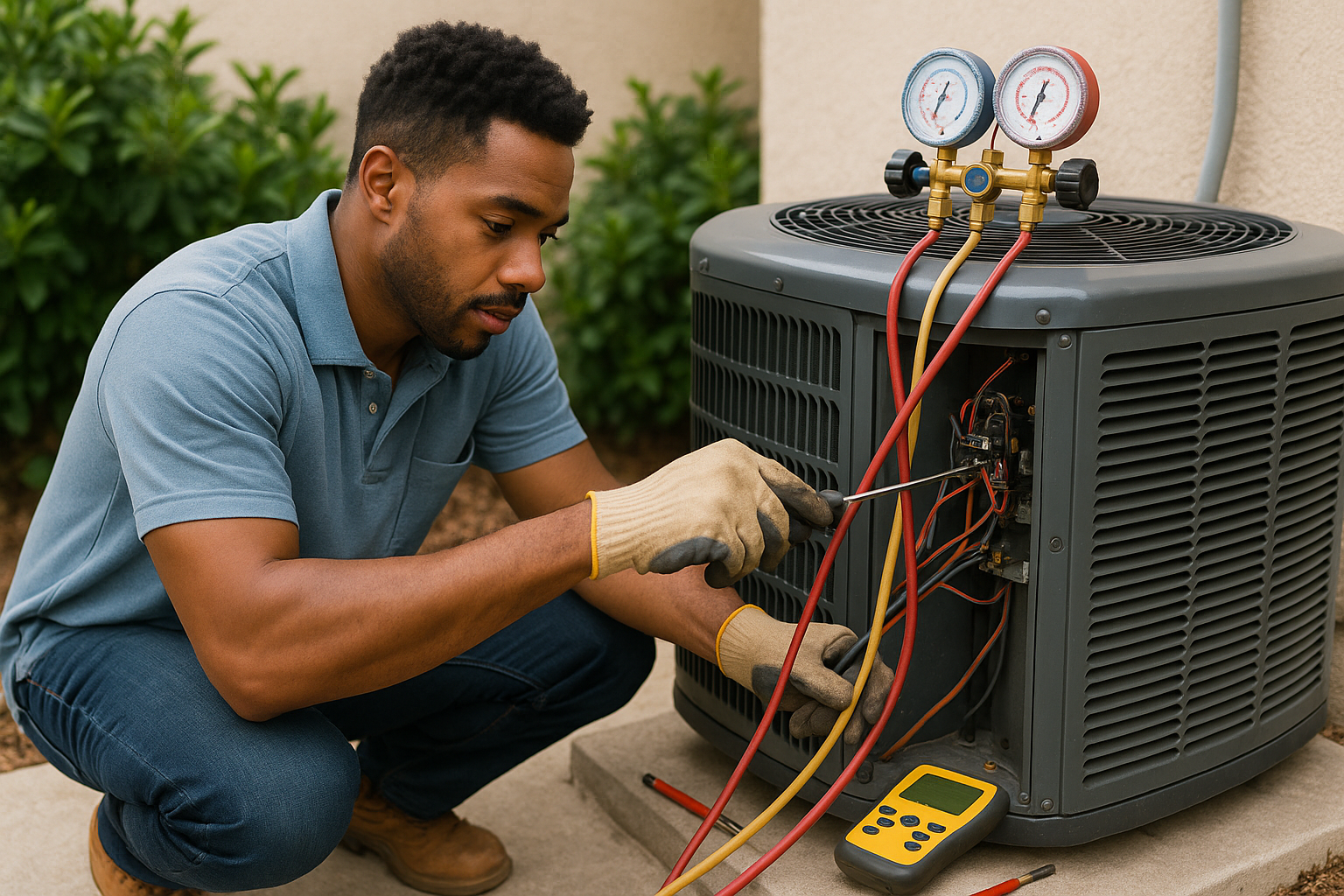
Air conditioners move heat, they do not create cold. A closed refrigerant loop does the work: the compressor squeezes refrigerant into a hot, high pressure gas, the outdoor condenser coil dumps that heat to the outside air, the expansion device drops the pressure, and the indoor evaporator coil absorbs heat and moisture from indoor air. Think of the refrigerant as a courier carrying heat out of the house. It then returns to the compressor and the cycle repeats.
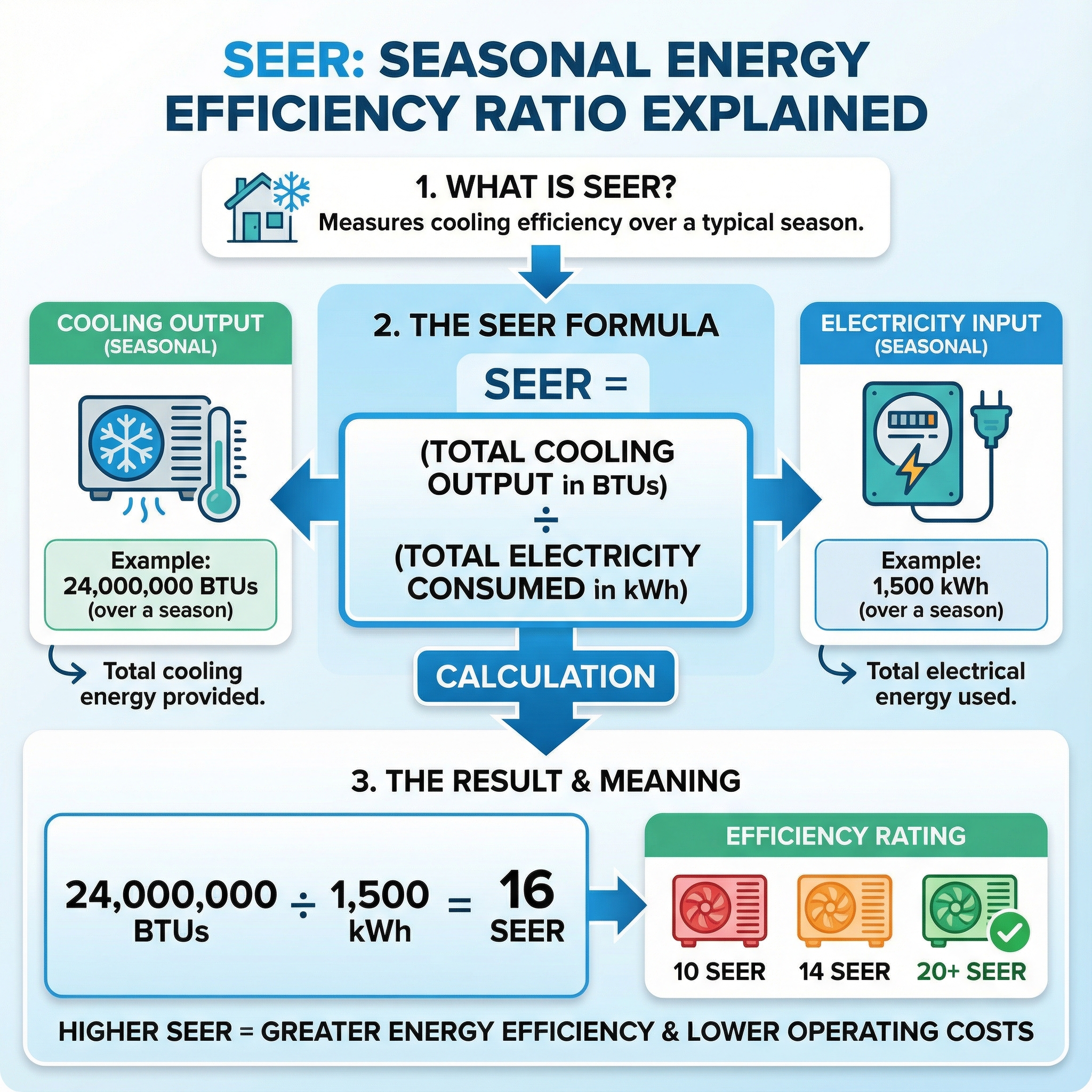
Efficiency ratings tell you how much electricity that process needs. SEER and updated SEER2 measure seasonal cooling efficiency, while EER and EER2 are single condition snapshots. Compare like for like, SEER2 to SEER2. Typical tiers: code minimum around 14 to 15 SEER, mid efficiency 16 to 18, premium variable speed above 20. Upgrading can cut cooling use about 12 to 25 percent, but savings depend on cooling hours, utility rates, home tightness, and installation quality. Higher SEER is most valuable in hot climates. Heat pumps also list HSPF or HSPF2 for heating.
Basic troubleshooting: quick HVAC checks you can do at home
From decades in the field, we see many no-heat or no-cool calls come down to simple checks.
- Thermostat: correct mode and setpoint, schedules on, fresh batteries.
- Filter: check monthly, replace or clean every 1 to 3 months.
- Airflow: keep supply and return vents open.
- Power: if a breaker tripped, reset it once only.
- Outdoor unit: power off, clear leaves, gently hose coils.
- Condensate: look for standing water. Note unusual noises or odors.
Pro only: refrigerant work, electrical beyond a reset, combustion checks or any gas odor, repeated breaker trips, and opening sealed compartments.
How heating works: furnaces, boilers, heat pumps and radiators
Home heating gets delivered a few different ways. Furnaces heat air, then push it through ducts. Fuel types include natural gas, propane, oil, or straight electric resistance. Boilers heat water or make steam, then send it through pipes to radiators or baseboards; those emit warmth by radiation and gentle convection into the room. Heat pumps do not make heat at all, they move it using a reversible refrigeration cycle, so the same outdoor unit and indoor coil can cool in summer and heat in winter.
The key difference is heat generation versus heat transfer. Think of a furnace like a campfire that creates heat, and a heat pump like a conveyor belt that carries existing heat from outdoors to indoors. Because a heat pump is moving energy, efficiency can be very high, and its behavior depends on how much heat is available outside, while a furnace's output depends on the fuel burned or electric input. In our experience at Budget Heating (BudgetHeating.com), understanding that distinction clarifies why equipment choices vary by home and climate.
Air distribution and ventilation: ducts, air handlers and filters
Conditioned air moves from the air handler through supply ducts and returns bring it back. Comfort rests on duct sizing and tightness. Good design also avoids oversizing and short cycling. Technicians should measure total external static pressure and supply and return airflow, with about 400 CFM per ton a common target unless the manufacturer says otherwise. Seal duct joints in unconditioned spaces with mastic or UL-181 tape, and insulate attic or crawlspace runs. Ventilation brings in outdoor air, removes contaminants and moisture, and balances pressure; systems may use HRVs or ERVs. Choose filters that protect IAQ without choking airflow, often MERV 8 to 13, and confirm replacements are easy to get for your size and type.
Common types of HVAC systems and when they aren't the right fit
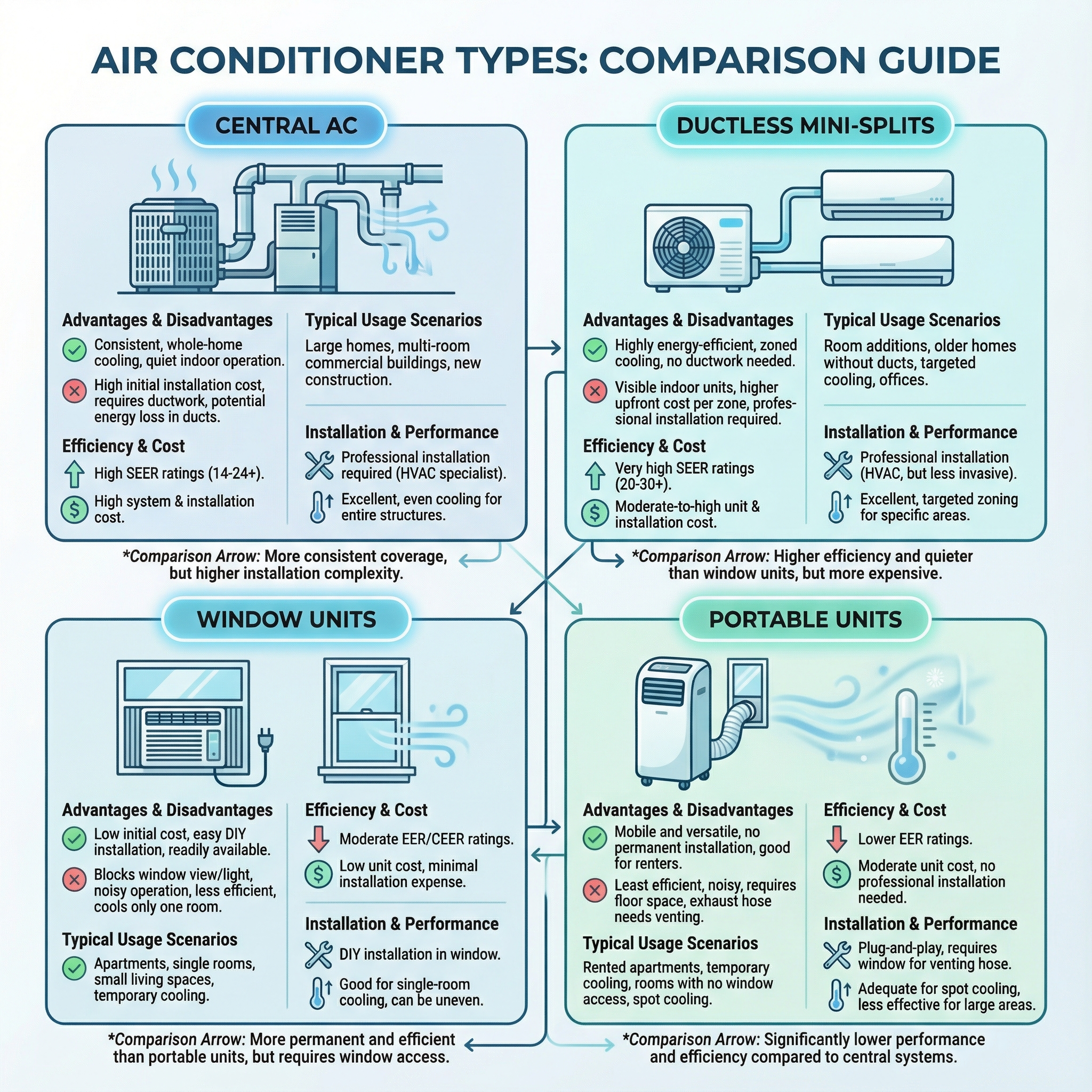
Ducted systems, such as a gas furnace with central AC or a heat pump with an air handler, suit whole homes when ducts are tight and inside the envelope. In cold regions, a high AFUE furnace or a cold climate heat pump handles long freezes better than a basic heat pump. In our field experience, hot humid regions benefit from variable speed equipment for stronger dehumidification. Ductless mini splits shine for additions and true zone control, but they require proper indoor head placement, clean condensate routing, and staying within manufacturer line set and elevation limits. Packaged units are compact for rooftops or tight closets, but choices and service access can be more limited.
- Single stage central AC in muggy climates often short cycles and leaves humidity high; choose variable speed or dedicated dehumidification.
- A standard heat pump in deep cold may rely on strips; use a high AFUE furnace or a cold climate heat pump.
- One or two ductless heads for many closed rooms yields uneven temps; use multi zone or a ducted system.
- Refrigerant is not consumable. Fix leaks.
- Cranking the thermostat does not speed heating.
- Oversizing causes short cycling and humidity issues.
Maintenance tips to improve performance and extend system lifespan
Regular maintenance keeps real-world performance closer to rated efficiency and reduces failures. In our experience, tune-ups uncover issues before they become breakdowns. These simple steps support longevity and comfort year-round.
- Check filters monthly, replace every 1-3 months.
- Maintain about 2 feet of clearance around the outdoor unit.
- Gently clean outdoor coils and remove leaves or grass clippings each season.
- Flush the condensate drain at the start of cooling season.
- In humid climates, prioritize variable-speed equipment, advanced humidity controls, or a whole-home dehumidifier to avoid mold and comfort issues.
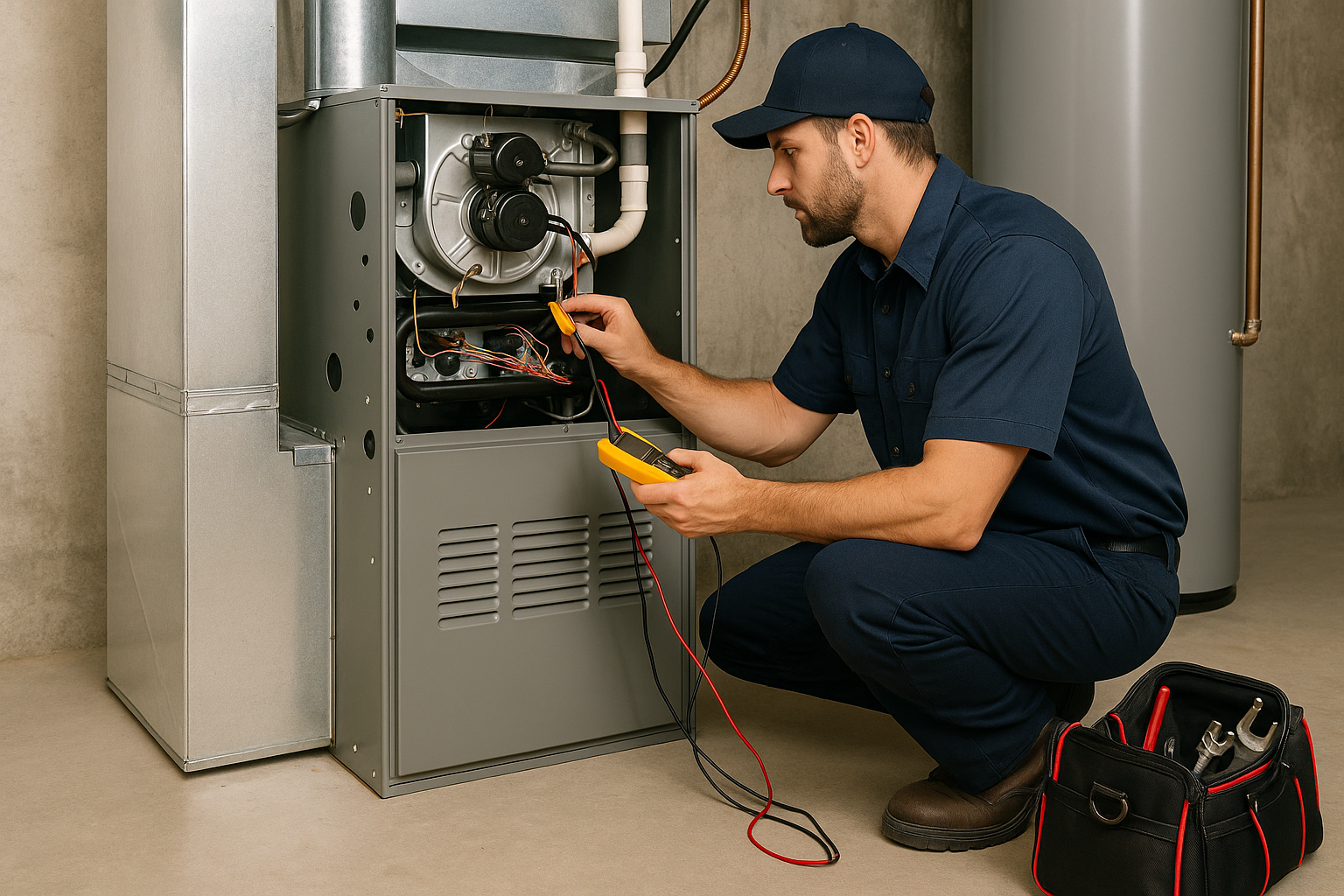
What to expect from a professional visit: cleaning, testing, and basic adjustments that keep the system on track, plus notes on any developing concerns.
- For fuel-burning equipment, test CO detectors monthly.
- Verify venting and combustion air are unobstructed, and keep combustibles away.
- Schedule professional combustion and heat-exchanger inspections.
Choosing the best system, buying tips, regulations, and next steps
A well designed, correctly sized and maintained HVAC system delivers comfort, healthier indoor air and better energy bills. Choose equipment based on climate, real load calculations and long term operating cost, not just sticker price. Get at least three written quotes that list model numbers, capacities, efficiency ratings, scope of work, warranty terms, and any duct or electrical upgrades, then compare total cost of ownership and available rebates or tax credits.
For installation, insist on permits and proper commissioning: evacuation to deep vacuum, charging by manufacturer specs using superheat or subcooling, verified condensate drainage with a float safety, correct electrical disconnects and clearances. The final commissioning report should document refrigerant charge, airflow, static pressure, temperature split and, for combustion equipment, a combustion analysis or heat exchanger check.
Know the regulatory direction: the HFC phasedown is moving the market to lower GWP and A2L blends and efficiency standards are rising, which affects service and incentives. Detailed national cost ranges are not available here, so request local quotes because price depends on home size, existing ducts, and local labor and permit costs.
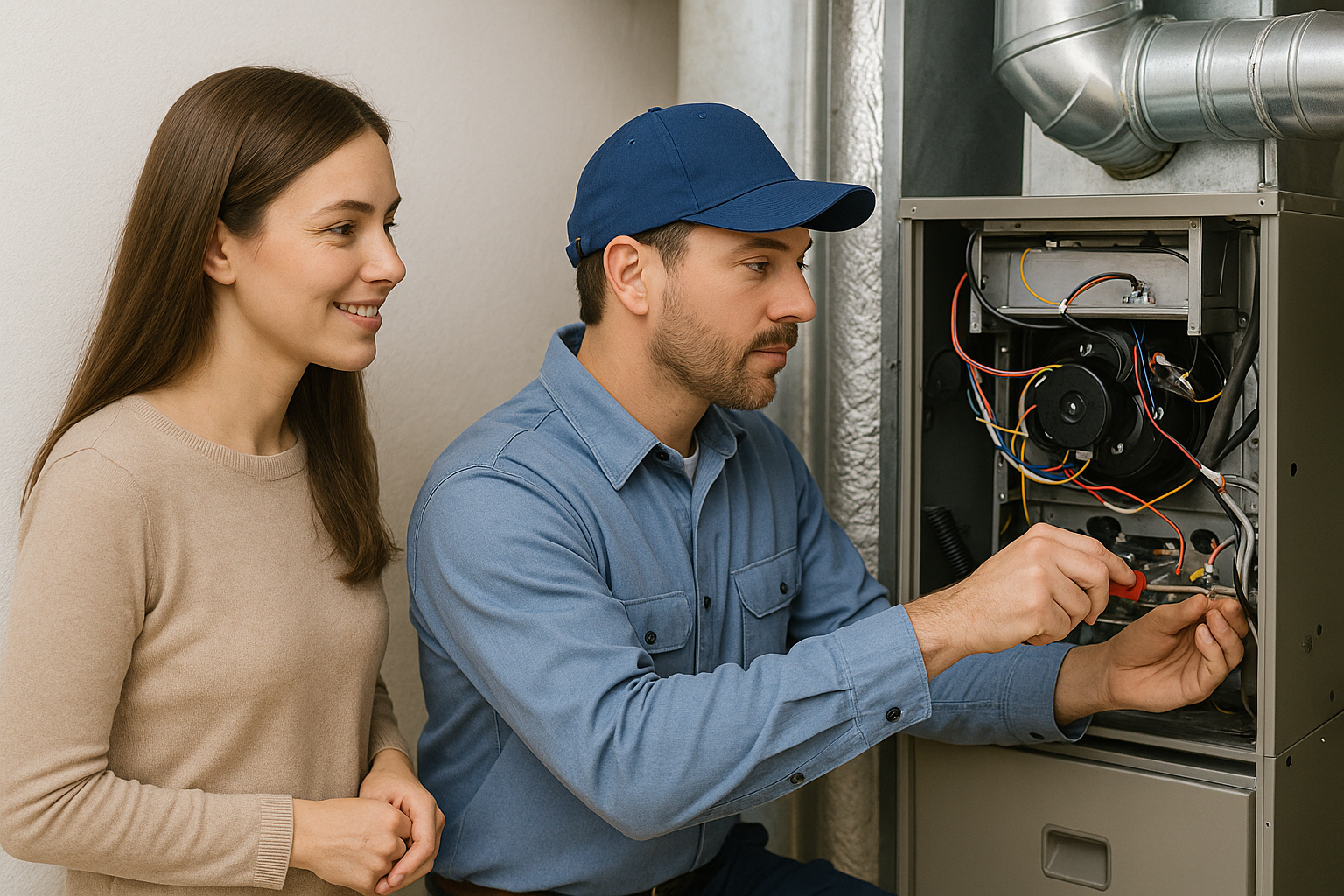
We know choosing and overseeing an install can feel like a lot. Our team can help you size the system, review quotes, and set clear commissioning expectations.
- Get a Custom Quote
- Talk to Our Team, phone support available
- Shop Heat Pumps, Central AC, and Gas Furnaces