




What Is a Packaged Air Conditioner Unit? A Clear, reader-friendly definition
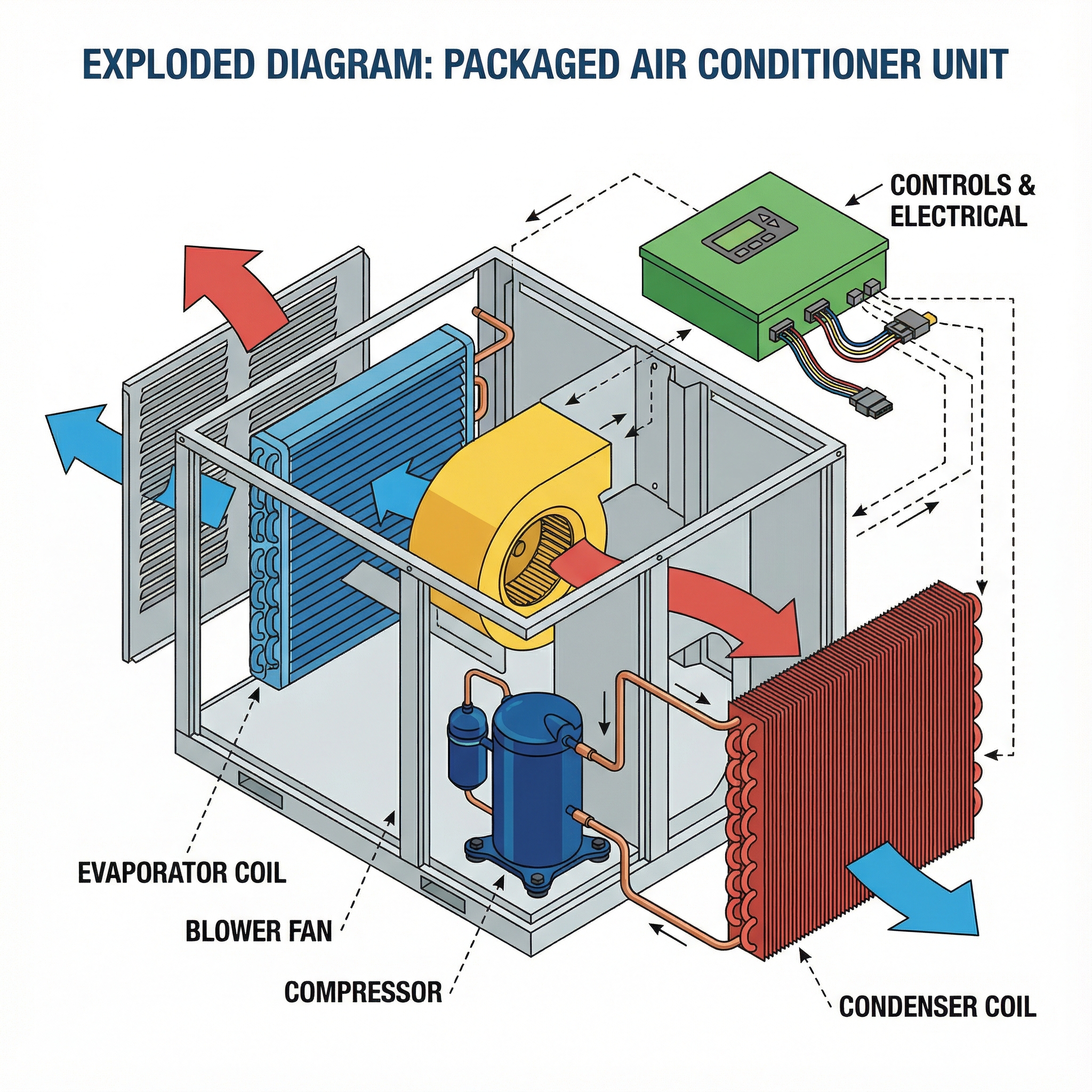
A packaged air conditioner unit, often called a packaged HVAC unit, is a complete cooling system in a single outdoor cabinet. It contains the evaporator coil, condenser, compressor, blower or air handler, and controls. Installed on a rooftop or a concrete slab beside the building, it connects directly to the ductwork. We see it used most where indoor space is limited. In this guide, we outline how it works, where it fits best, and what to expect.
How Packaged Air Conditioner Units Work: The Self Contained HVAC Cabinet
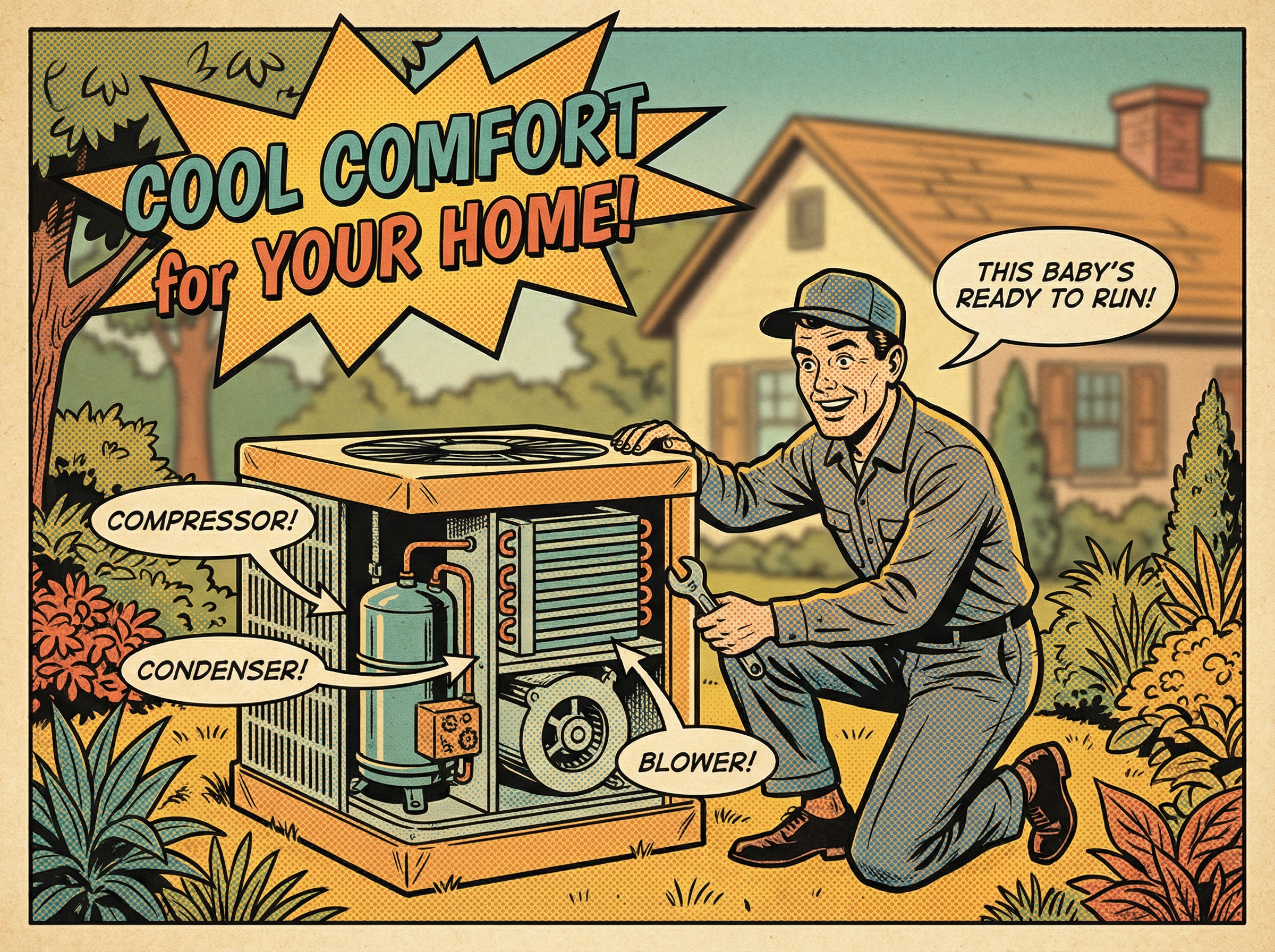
Think of it as a mini mechanical room in one weatherproof box. Inside are the compressor, condenser coil and fan, evaporator coil, blower, controls, an expansion device, and a filter rack. Return air from the building's ductwork enters the cabinet, the blower pulls it across the evaporator coil to remove heat and humidity, then pushes cooled air back into the supply ducts. Refrigerant carries the heat outdoors to the condenser, where it is rejected to ambient air.
Units sit on a roof curb or a ground pad, with duct connections through the curb or through a wall plenum. Power, thermostat wiring, and a condensate drain complete the hookup. Access panels simplify service.
Benefits of Choosing a Packaged Air Conditioner: Space, Simplicity, and Serviceability
Packaged ACs put the evaporator, condenser, compressor, and air handler in one cabinet, freeing interior space and keeping equipment outdoors. You can place them on a rooftop or ground pad, and all service happens outside, fast and clean. The factory built, matched design protects efficiency and makes startup straightforward. Installs are often quicker and less invasive than split systems, which is ideal on retrofits. In our experience at Budget Heating (BudgetHeating.com), that simplicity cuts headaches on day one and over the long run.
- You have limited interior mechanical space.
- You prefer all equipment outdoors for access and noise control.
- Your site supports a roof curb or ground pad, and local codes allow it.
Common Myths and Mistakes About Packaged AC Units (and the Realities)
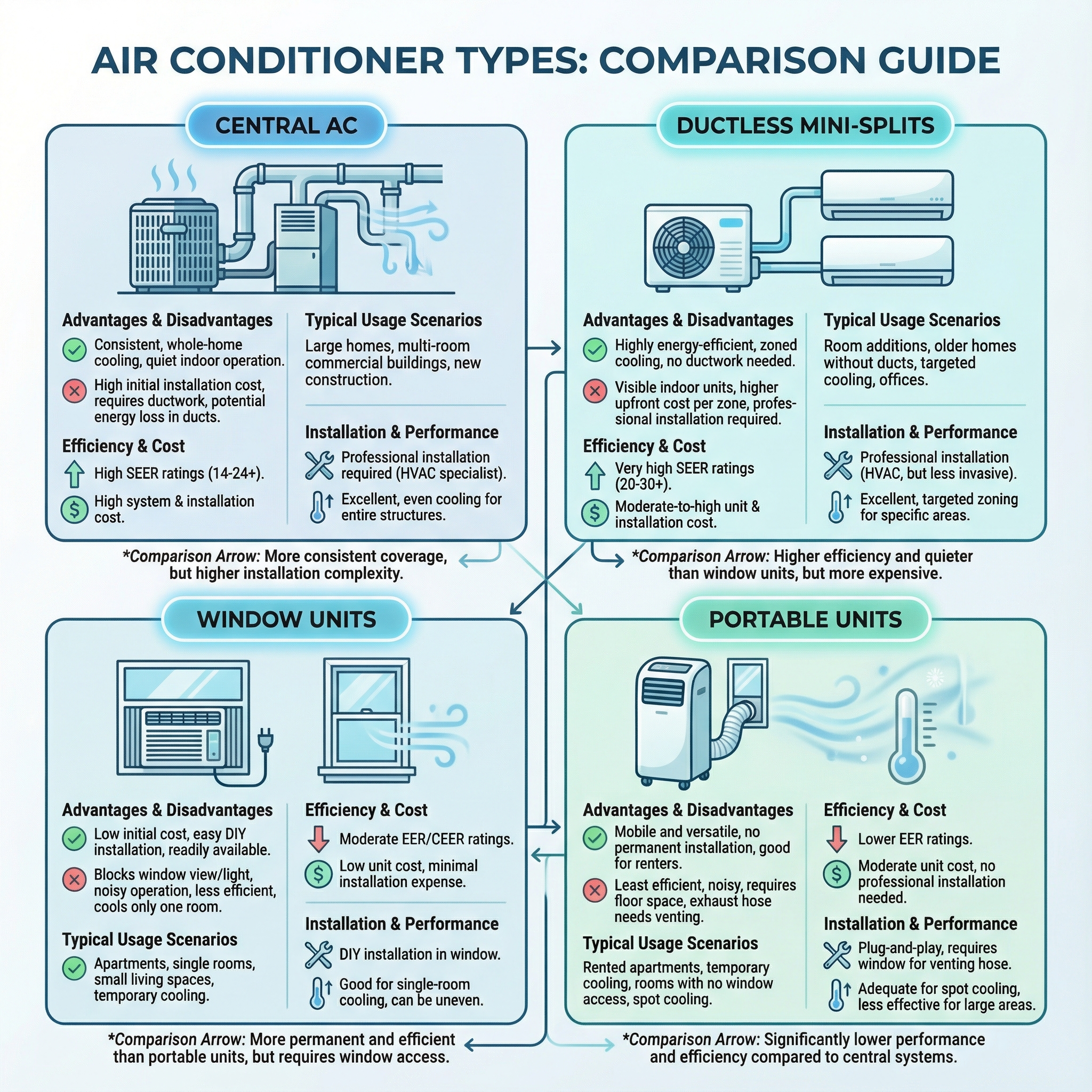
We often see myths trip up buyers before installation even starts. A packaged unit is not a window unit or a mini split, it is a central ducted system. It is not just for commercial roofs, and it is not always gas heated. Heating can come from electric heat strips, a packaged heat pump, or a gas and electric combo.
- Skipping a Manual J load calculation: rules of thumb per square foot routinely oversize or undersize. Do the math first.
- Topping off refrigerant each season: if charge is low, there is a leak that needs found and fixed.
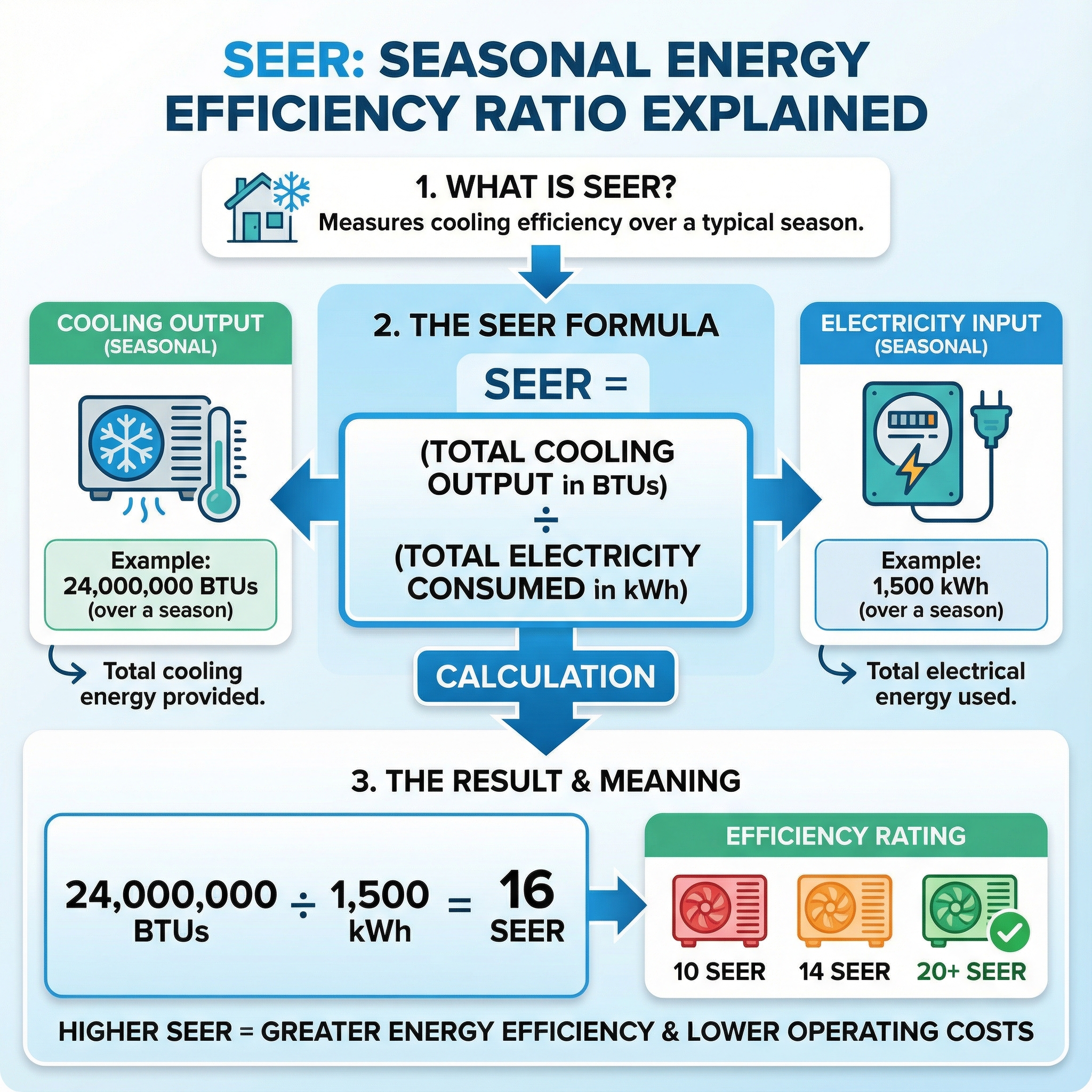
- Chasing SEER only: like miles per gallon, it is a guide, not the full story. Consider application, ductwork, and climate.
- Assuming models share the same footprint or airflow: verify dimensions, capacities, and electrical specs before swapping.
Drawbacks and Limitations of Packaged Units: When to Consider Alternatives
Packaged units are compact and simple, but they carry tradeoffs.
- Limited zoning: multi split or zoned split systems give better room by room control.
- Major failures: with all parts in one cabinet, a bad compressor or heat exchanger can mean big repairs or full replacement.
- Very cold regions: a gas furnace or dual fuel often provides steadier, cheaper heat.
Results depend on Manual J sizing, tight ducts, and proper installation. If you have space for indoor air handlers, a split system or ductless mini split can solve zoning needs and boost comfort. Confirm local codes and refrigerant rules before you finalize a design.
Regulations, Climate Considerations, and Where Packaged Units Make Sense
Start with local rules. Most jurisdictions require permits and inspections, and many expect Manual J, S, D, and T documentation. In our field work, missing load calcs or duct designs is a common cause of permit delays. Updated test procedures and changing refrigerant rules can affect what models qualify and which rebates apply, so verify code language early.
Refrigerant transitions also influence who can install and service the system. Technicians need the proper certifications, and jobsite handling must follow current safety and recovery requirements.
Right sizing is climate driven. In hot humid zones, prioritize latent control and avoid oversizing to keep indoor humidity in check. In cold dry climates, ensure adequate heating capacity and steady run times. Mild coastal areas often suit moderate capacities with balanced airflow. Packaged units make sense where permit pathways are clear and the climate load aligns with an all in one format.
Energy Efficiency, Typical Costs, and Expected Savings for Packaged Units
For residential packaged units up to 5 tons, you will see EER around 9.5 to 12.5. Moving from 9.5 to 12.5 EER cuts energy use about 24 percent. Replacing an older 10 SEER unit with a 16 SEER can trim cooling energy roughly 38 percent. SEER2 and EER2 are the updated test metrics, and single packaged ACs must meet the SEER2 minimum post 2023. Think of SEER like miles per gallon, higher means less energy per comfort delivered. Expect a price premium for higher efficiency, but the energy drop above often offsets that premium within a few seasons in high use homes. In our experience at Budget Heating (BudgetHeating.com), premium units may also qualify for rebates or tax credits that shorten payback. Routine maintenance can boost efficiency about 15 percent and reduce repair costs around 40 percent, protecting savings over time.
Maintenance Checklist and Common Problems (including why coils freeze)
- Homeowner: power off first, change or clean filters every 1-3 months, keep clearances around the unit, gently rinse exterior coils, and confirm the condensate drain flows.
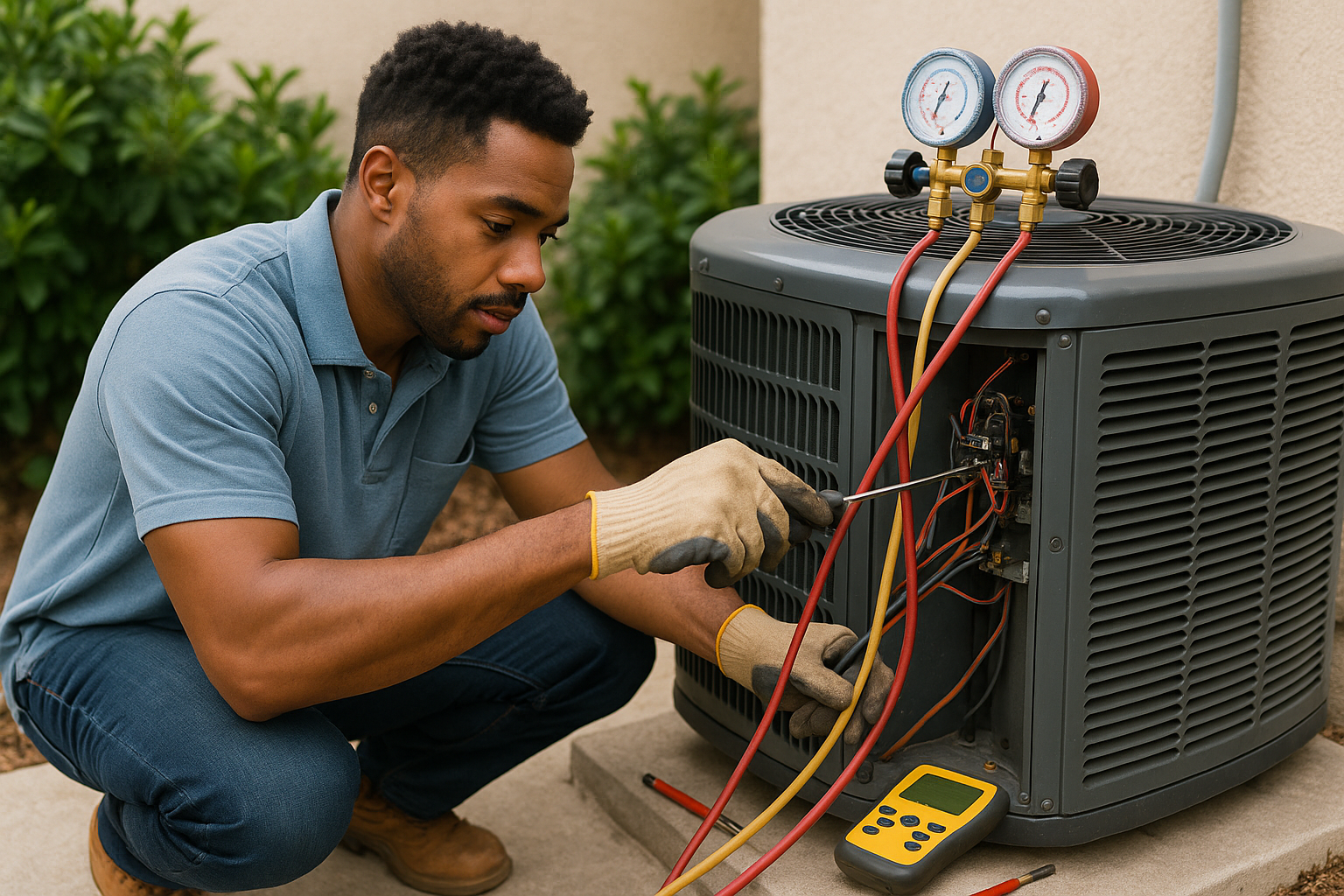
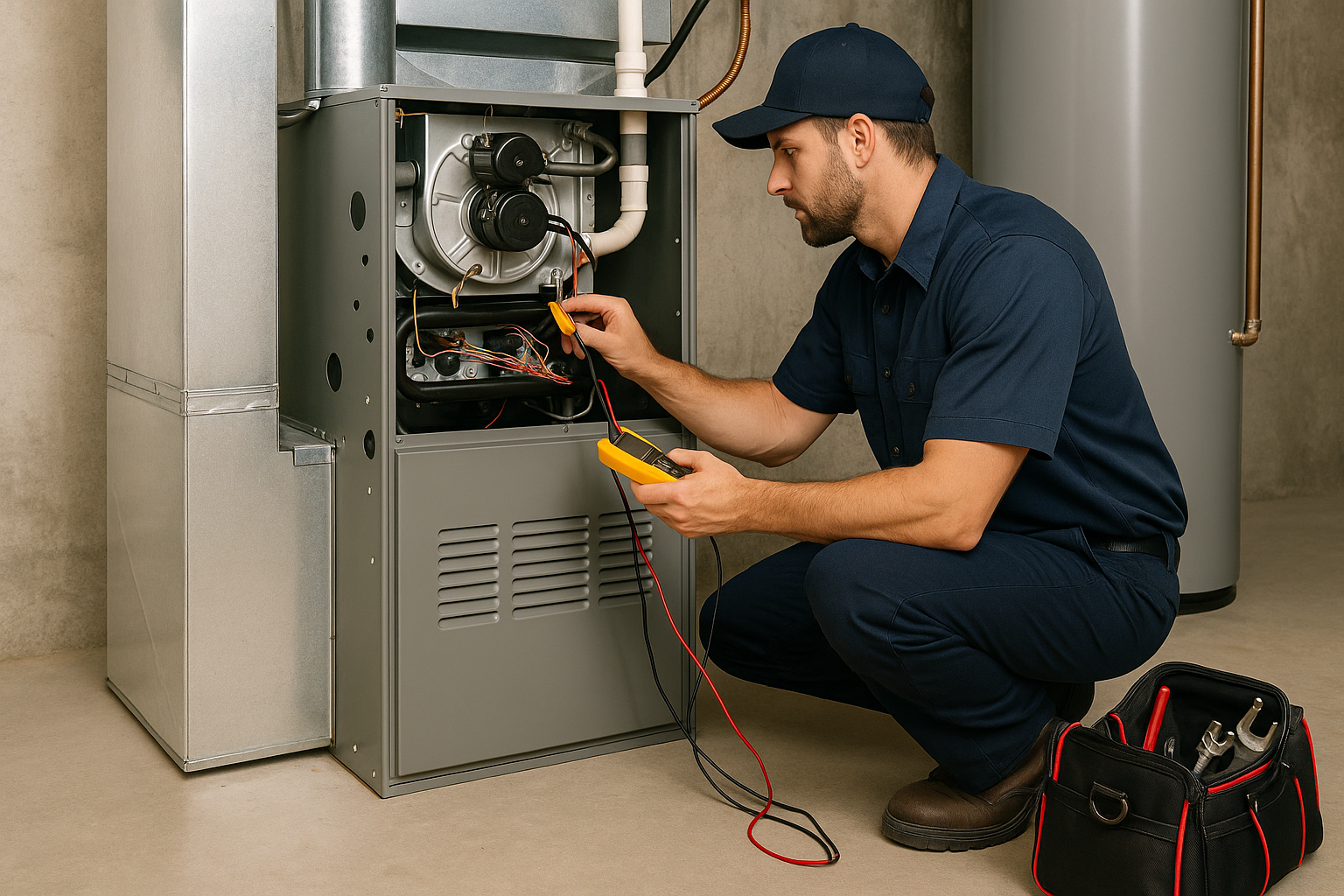
- Pro: annual service to clean coils, verify refrigerant charge, check for leaks, and tighten electrical. Only certified techs handle refrigerant or major electrical.
- Common issues: weak airflow, water around the cabinet, frozen coils. Coils freeze when airflow is restricted or the charge is wrong.
- Safety: never open sealed electrical or refrigerant panels, install CO detectors with gas packages, and use caution with roof access.
Buying and Installing a Packaged Unit: A Homeowner's Practical Checklist
We use this quick, step-by-step list for a smooth packaged-unit install.
- Confirm suitability: site, ducts, local codes.
- Require Manual J and Manual S.
- Seal ducts, target ≤10% total leakage.
- Set roof curb or ground pad, plan condensate.
- Choose SEER2/EER2/HSPF2 and variable speed.
- Verify electrical service and thermostat.
- Pull permits and verify AHRI certification.
- Get a commissioning report at startup.
- Confirm filter access and outdoor disconnect.
- Register warranty and schedule annual service.
Next Steps: Buying, Installing, and Maintaining Your Packaged Air Conditioner
Right-sized equipment, a clean install, and routine tune-ups drive comfort, efficiency, and lifespan. If you are comparing SEER2 and EER2 and planning a Manual J with your installer, you are on the right path. With 30+ years of hands-on HVAC, we can align the model, budget, and timeline to your home.
- Get a Custom Quote: Share a few details and we will size, recommend models, and provide pricing, freight, and lead time.
- Talk to Our Team: Call our U.S.-based techs for straight answers and installer coordination.
- Shop Packaged AC Units: Browse top brands at wholesale pricing, with Affirm financing and free shipping on many models.