




Why Proper Insulation Matters for Year Round Home Comfort
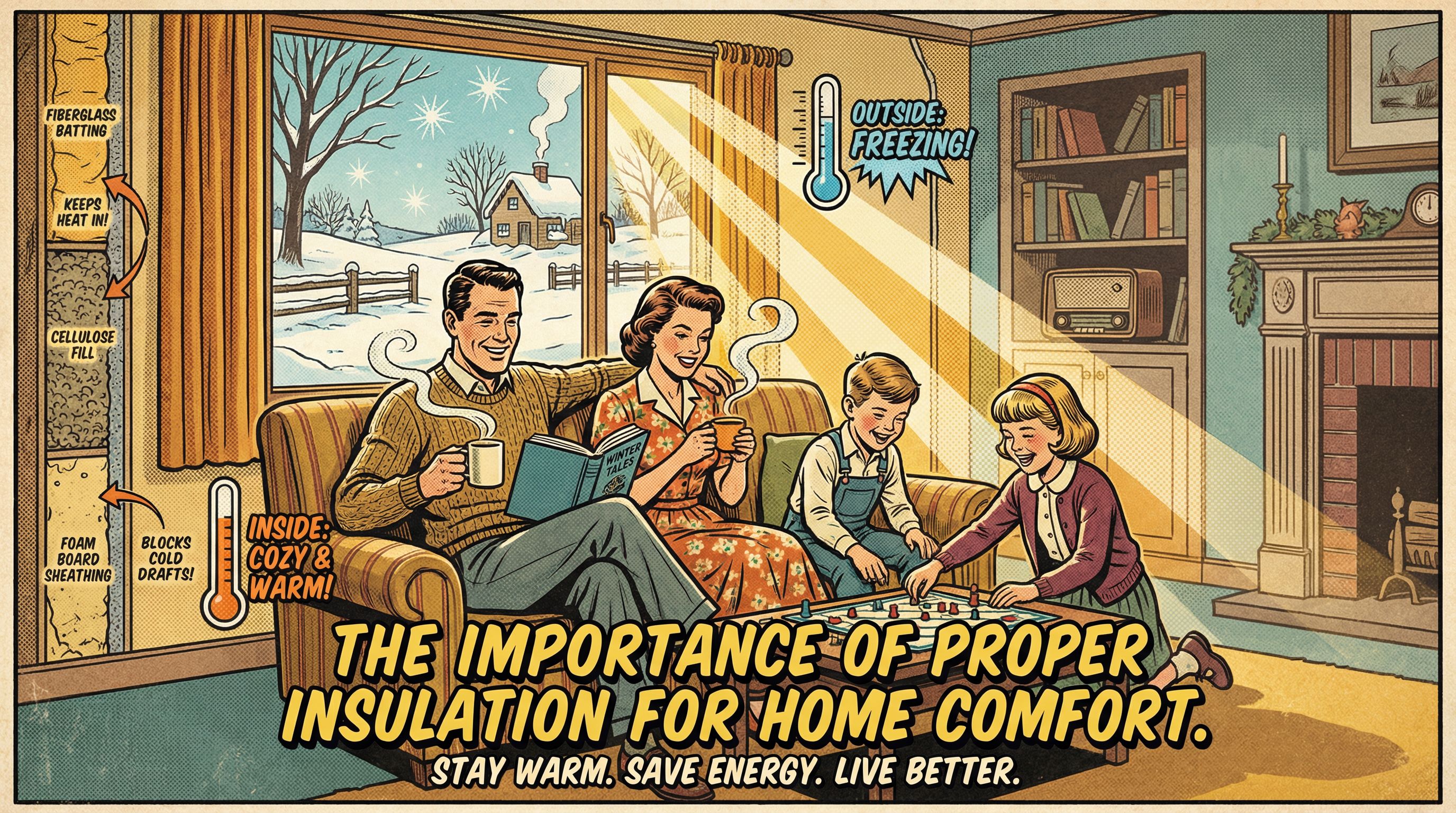
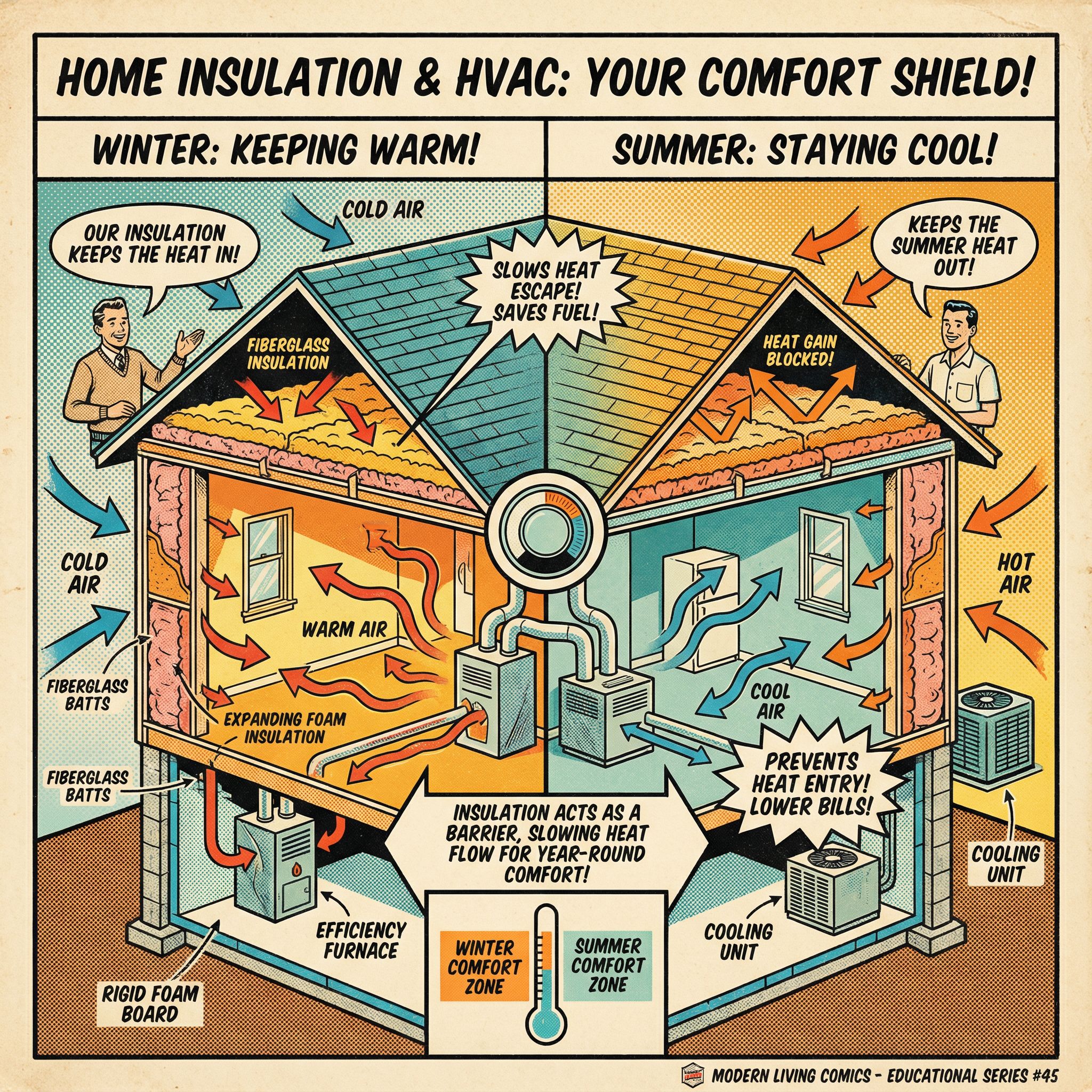
Proper insulation is a foundational element of a comfortable, efficient home. It slows the movement of heat through the building, so rooms stay near the thermostat setting in January and July. Think of it as a lid that keeps heat where it belongs. By resisting heat flow in walls, attics, floors, and ducts, insulation reduces hot and cold spots, cuts how often HVAC systems run, and softens outside noise. Matched to local climate and installed with the right thickness and air sealing, it helps manage humidity, limits condensation and mildew, and supports cleaner indoor air. The result is steadier comfort, lower energy use, and fewer drafts all year.
Key Benefits of Proper Home Insulation: Comfort, Health and Noise Reduction
Done right, insulation makes a home feel even, quiet, and dry. Rooms hold steady temperatures, so the furnace and AC cycle less, energy use drops, and equipment sees less wear. Paired with diligent air sealing, it cuts drafts and filters out outdoor dust and allergens, which supports healthier indoor air. Good insulation also manages moisture, helping to prevent condensation and mold.
- Consistent temperatures in every season
- Lower heating and cooling costs with reduced runtime
- Quieter rooms due to less noise transfer
- Improved air quality when combined with air sealing
- Moisture control that protects finishes and structure
In most homes, we start with air sealing and the attic. Then select R-values suited to your climate and choose materials that fit your framing, exposure, and moisture needs.
How Insulation Regulates Temperature and Reduces Energy Bills
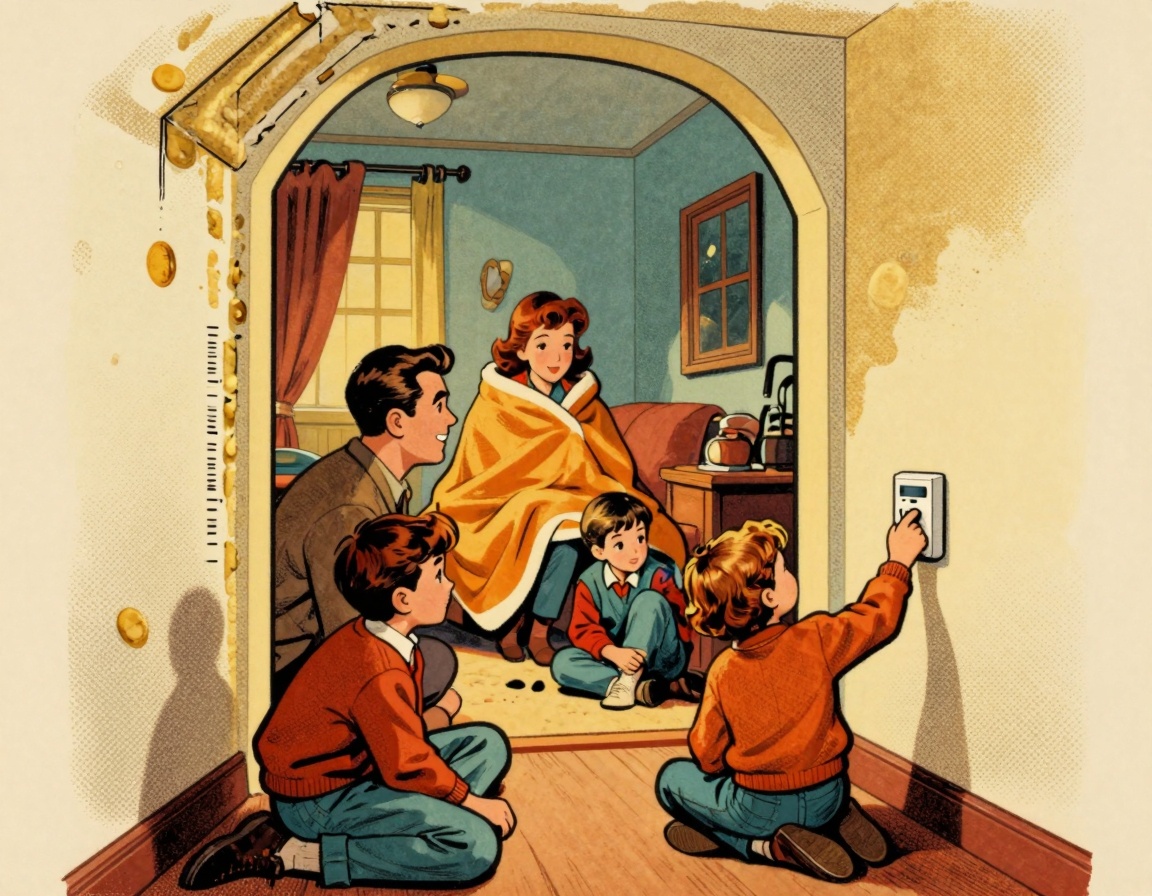
A well-sealed, well-insulated envelope lets your HVAC hold the thermostat setpoint with fewer and shorter cycles. That cuts run hours, lowers peak loads, and smooths out temperature swings. In our experience at Budget Heating (BudgetHeating.com), tightening attics, walls, and crawl spaces yields immediate runtime reductions in both summer and winter.
- Savings upside: properly sealing and insulating can cut heating and cooling costs by up to about 20%, which is roughly up to 10% off total annual energy bills (ENERGY STAR).
- What drives results: climate zone, current insulation levels, and installation quality.
- What to expect day to day: steadier indoor temps with fewer long recovery periods and less short cycling from your AC or furnace.
Understanding R Value: Choosing the Right Insulation for Your Climate Zone
R-value is the score for how strongly an insulation layer slows heat transfer. Higher is better. Picture it like sweater thickness for your house.
In the U.S., targets follow climate zones. Practical ranges we use when planning upgrades:
- Zones 1-3 (warm or marine): attic R-30 to R-38; above-grade walls R-13 to R-15 in cavities or about R-5 continuous when residing; basement or crawlspace R-5 to R-10 continuous on walls or R-10 under floors.
- Zones 4-5 (mixed): attic R-38 to R-49; walls R-13 to R-21 in cavities with R-5 to R-10 continuous if replacing siding; basement or crawlspace R-10 to R-15 continuous on walls or R-19 under floors.
- Zones 6-8 (cold to very cold): attic R-49 to R-60; walls R-19 to R-21 in cavities plus R-10 to R-15 continuous when residing; basement or crawlspace R-15 to R-20 continuous on walls or R-30 under floors.
ENERGY STAR retrofit guidance aligns with the 2021 IECC, including continuous exterior insulation when siding is replaced and zone based basement or crawlspace targets.
Common Insulation Myths, Installation Mistakes and Key Tradeoffs
Insulation helps in hot and cold climates, and products are not interchangeable. In our field experience, sloppy DIY traps moisture and invites mold. Adding batts without air sealing is like wearing a sweater in a windstorm. Do not block attic vents, moisture and roof damage follow. Follow local code for R-values and vapor controls.
- Comfort issues from unbalanced HVAC or leaky ducts: prioritize duct sealing, airflow setup, or a right-sized system.
- High humidity, especially in coastal regions: add ventilation or dehumidification.
- Solar gain through glass: window films, exterior shading, or low-e replacements work better than more attic R.
How Insulation and HVAC Efficiency (SEER/SEER2) Work Together
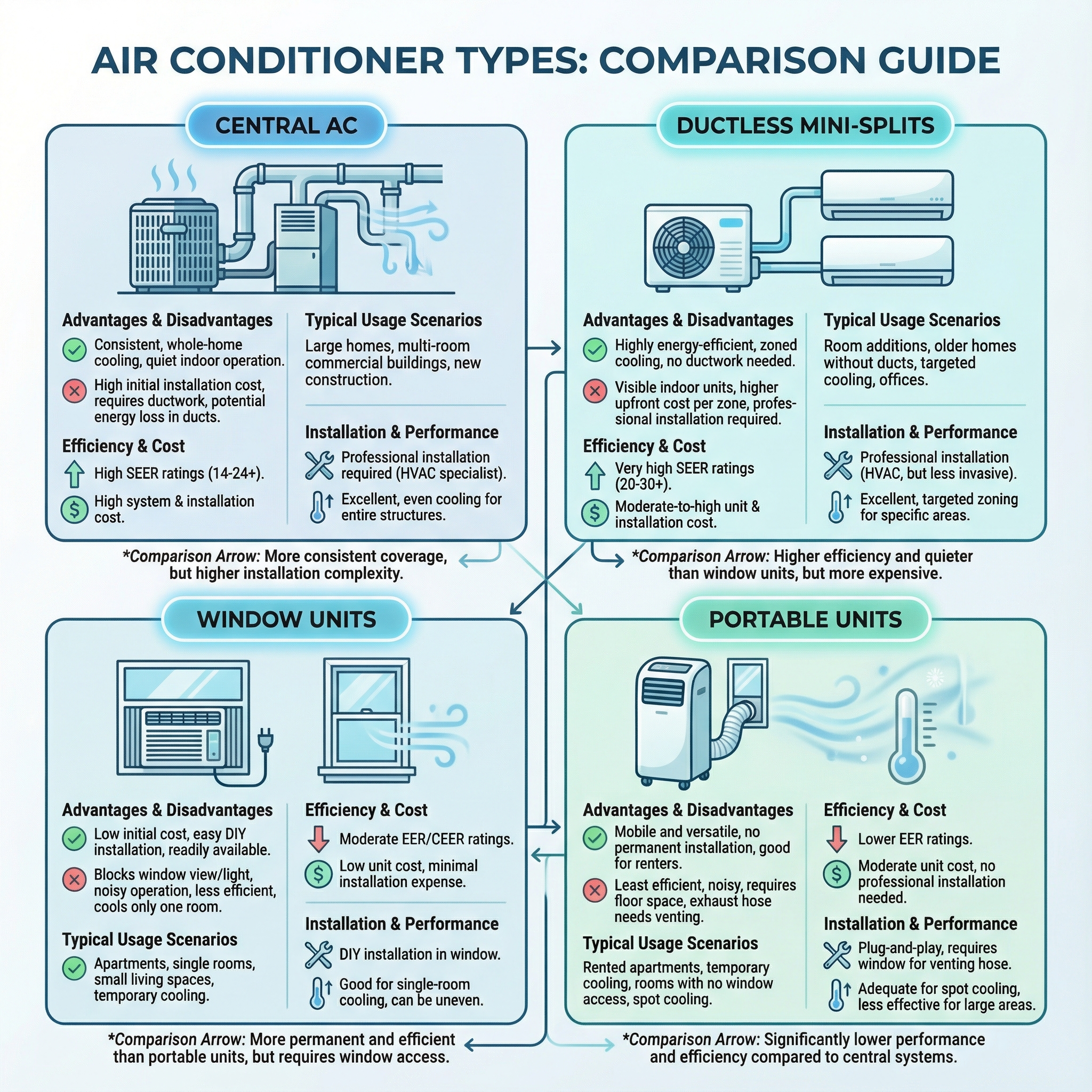
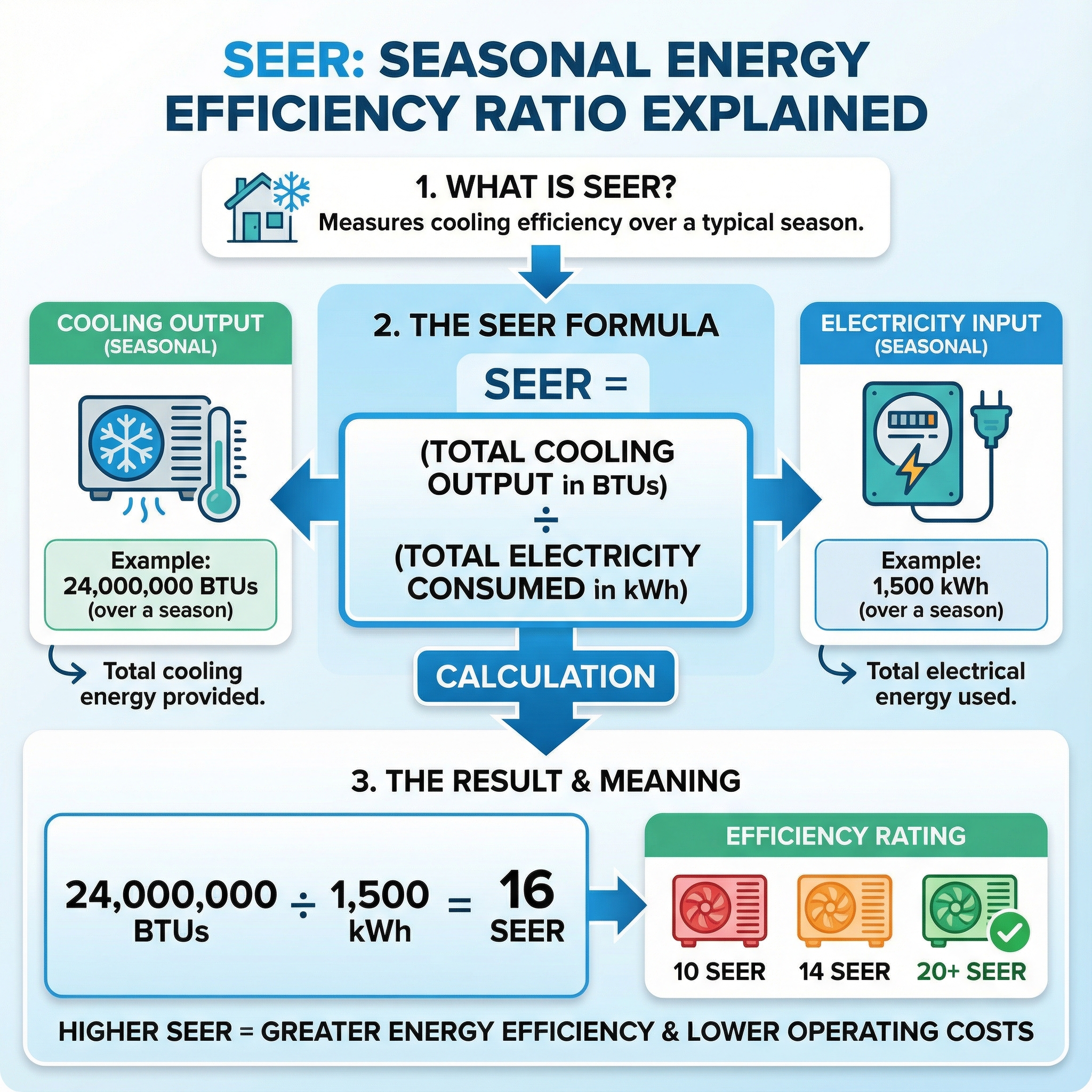
SEER measures seasonal cooling efficiency. In 2023, testing shifted to SEER2, which is a tougher procedure, so the same equipment often shows a lower numeric rating under SEER2. Modern tiers commonly span 14 to 20+ in SEER terms, with SEER2 values reading lower for the same hardware.
From years of installs, we see the building envelope decide real outcomes. Strong insulation and air sealing reduce heat flow, so a high SEER or SEER2 system runs in its efficient zone instead of chasing leaks. With a tighter envelope, load calculations often justify smaller tonnage, which can trim equipment cost, right-size ducts, reduce short cycling, and maintain the efficiency you expected.
A Homeowner's Checklist: Prioritize Air Sealing, Attic Work and Proper Ventilation
Think of efficiency like a leaky boat: plug the holes first, then add power. Here is a practical, priority-based plan you can follow.
- Set goals: pinpoint hot or cold rooms, noise, dust, and what comfort means for your home. Pull a recent utility bill for a baseline.
- Confirm your climate zone and target R-values for each area you plan to improve.
- Audit what you have: check attic, walls, floors over garages, basements and crawlspaces. Note insulation depth, gaps, compression, and dirty spots that signal air leaks. Inspect ducts for loose joints or missing insulation.
- Air seal first: focus on the attic plane, utility penetrations, top plates, chases, attic hatches, and rim joists. Add gaskets where covers meet living spaces.
- Control moisture and keep ventilation clear: install or verify baffles at eaves, make sure bath and kitchen fans exhaust outdoors, and use crawlspace vapor barriers where appropriate.
- Do work in order: start with the attic, then basements or crawlspaces, finish with walls. In our experience at Budget Heating (BudgetHeating.com), this sequence delivers the fastest comfort gains.
- Choose materials by location: loose-fill or batts for open attics, rigid boards or faced batts for crawlspaces, appropriate products for walls.
- Safety and code: maintain clearances around flues and heat sources, protect exposed foam where required, and keep ventilation paths open.
- Seal ducts before insulating them. Balance supply and return as needed.
- Before hiring: ask for written scope listing air sealing, R targets, ventilation details, and photos. After completion, verify even coverage, clear baffles, sealed hatches, labeled R-values, and quieter, less drafty rooms.
- Plan annual checkups: confirm vents stay clear, fans work, no moisture stains, and insulation remains undisturbed.
Safe DIY Tasks vs. When to Hire an HVAC or Insulation Pro
From years of field work, the safe DIY list is short and focused on upkeep. Do these confidently:
- Replace HVAC filters on schedule.
- Keep supply and return vents clear.
- Maintain 2 to 3 feet of clearance around the outdoor condenser, remove debris.
- Basic thermostat checks and simple visual inspections.
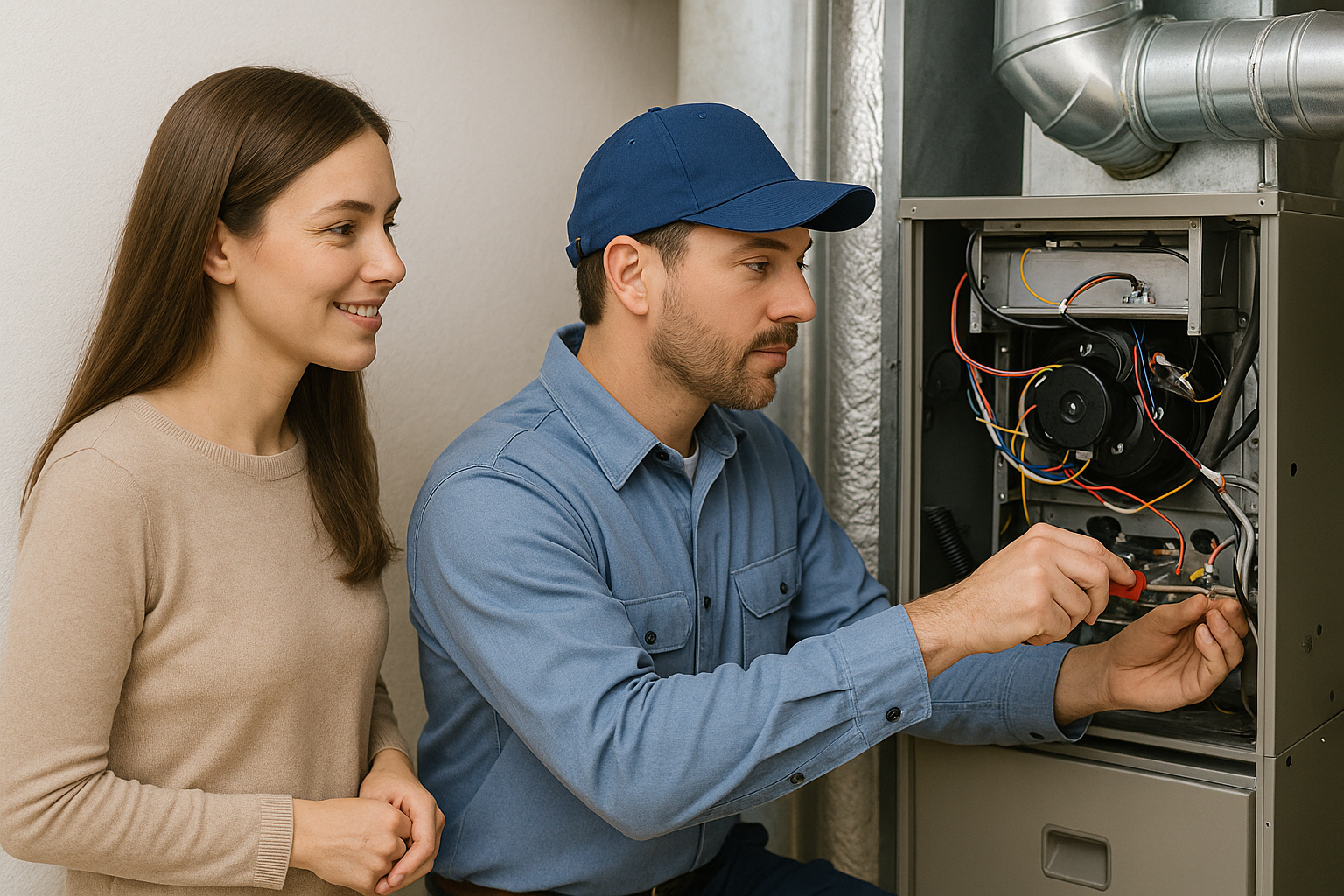
Bring in a licensed pro for anything involving risk, certification, or warranty exposure:
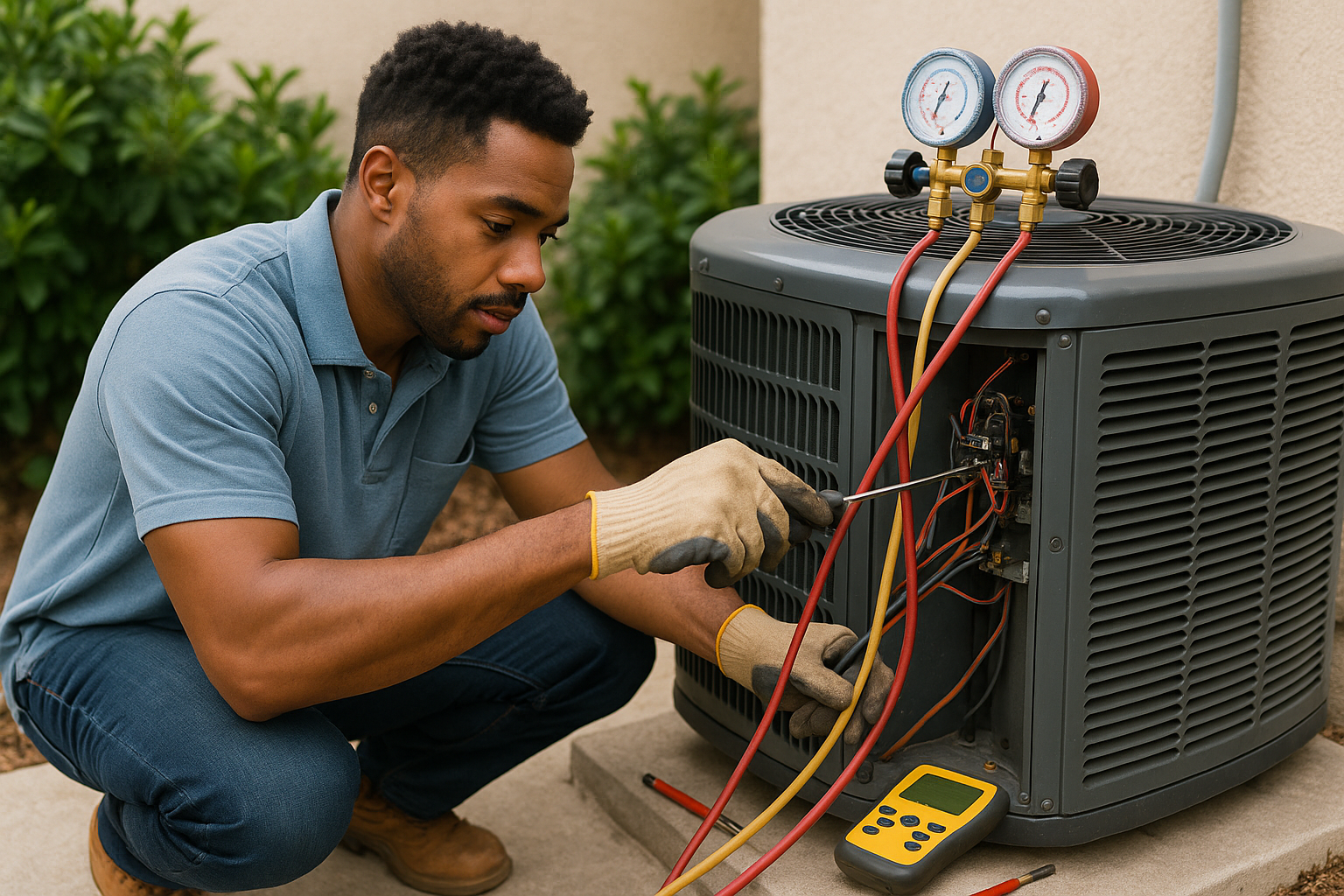
- Refrigerant charging, leak checks, or opening the sealed system.
- Electrical diagnostics or component replacement.
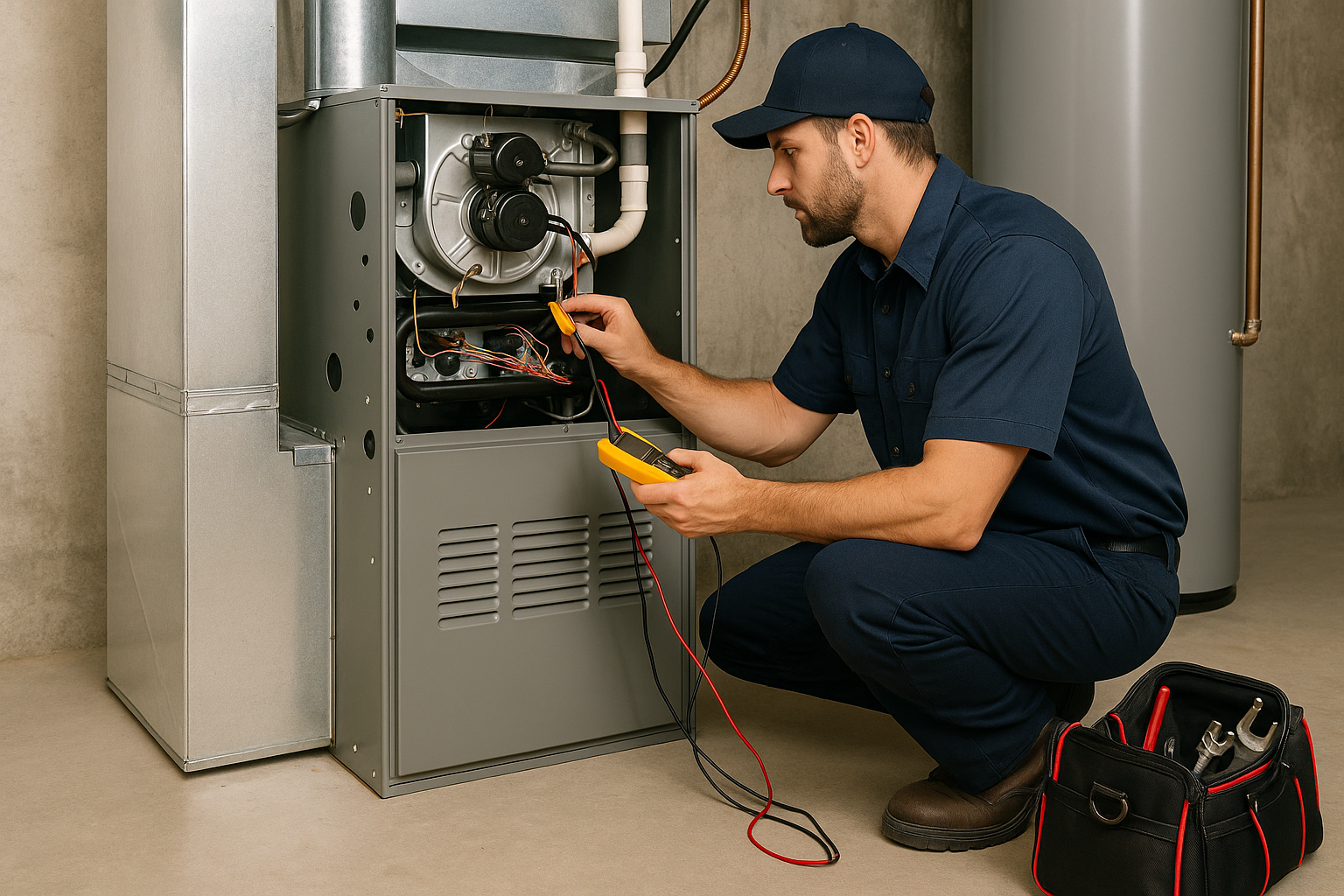
- Combustion checks and tuning on gas or oil equipment.
- Deep equipment service, coil cleaning, duct leakage testing and repair.
- Any task that could void manufacturer warranties.
Safety first: cut power before removing panels, never open refrigerant circuits, and call immediately for gas odors, burning smells, repeated breaker trips, heavy icing, or sparking.
Where to Insulate: Attics, Walls, Floors, Ducts and Dryer Vents (Practical Tips)
We prioritize the attic first: keep soffit vents clear with baffles, air-seal penetrations, and weatherstrip and insulate the hatch. Next, basements and crawlspaces: use moisture-appropriate insulation, seal continuously, and treat rim joists carefully. Floors over garages or porches need tight-faced batts and sealed subfloor gaps. Walls when accessible: dense-pack cavities or add continuous exterior insulation during re-siding. Seal and insulate ducts in unconditioned spaces. Dryer vents: never block exhaust, wrap only with listed products, and keep clearances.
Conclusion: Proper Insulation Is a High-Impact Upgrade: Next Steps to Take
Proper insulation is a high-impact, cost-effective way to boost comfort year-round. Start with air sealing and attic insulation, then verify results with an audit and use available incentives to trim costs. If you are deciding what to do next, our team can translate those improvements into the right HVAC sizing and equipment so you keep the comfort gains and the savings. With 30+ years in HVAC and over 200,000 orders fulfilled, our U.S.-based techs make it simple.
- Get a Custom Quote
- Talk to Our Team, U.S.-based phone support
- Shop Heat Pumps, wholesale pricing, free shipping on most systems, Affirm financing available