




How HVAC Upgrades Boost Comfort and Your Home's Resale Value
Upgrading your home's HVAC is not just about staying comfortable, it is one of the most effective ways to boost resale value while lowering energy bills and improving indoor air quality. Done right, it brings day to day comfort, cleaner air and fewer buyer concerns about surprise repairs, which helps offers stay strong. Modern equipment also reduces buyer risk by lowering the chance of near term failures and costs.
Before comparing options, establish goals and a baseline. Collect recent utility bills and list specific comfort and IAQ issues by room. This simple inventory clarifies where performance falls short and what success should look like, for example steadier temperatures, better filtration or lower monthly costs. With that baseline, you can match upgrades to measurable outcomes instead of guesses, and you will be able to point to clear improvements when it is time to sell.
Why HVAC Upgrades Matter for Resale Value: What Buyers and Appraisers Notice
Buyers and appraisers look for HVAC systems that deliver efficiency, comfort, healthy air and low ownership risk. In practice, that translates to upgrades that are easy to recognize, documentable and clearly felt during a walkthrough.
- High efficiency, inverter or variable speed equipment: Heat pumps and variable speed AC or furnaces smooth out temperatures, cut noise and lower operating cost, which supports stronger offers.
- Central cooling: In many markets it is expected, and its presence or absence materially shifts perceived and appraised value.
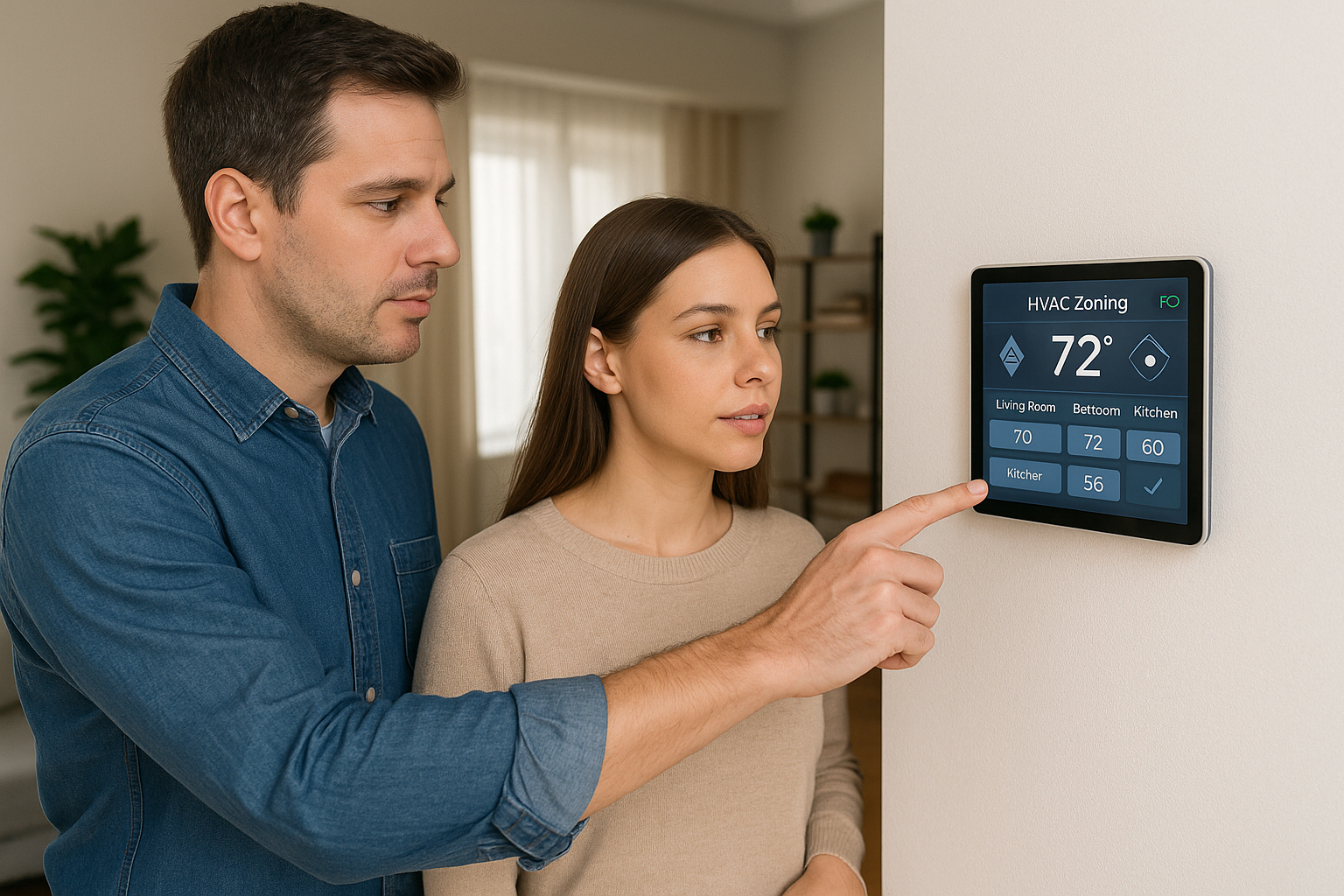
- Smart controls: Modern thermostats and controls signal updated systems and can demonstrate reduced energy use.
- Whole home IAQ: ERV or HRV, dehumidifiers, humidifiers, high MERV filtration and UV options improve comfort and health, helping a listing stand out.
- Ductwork quality: Sealing, insulating and balancing remove hot and cold spots and boost measured efficiency.
- Proper sizing and commissioning: Manual J, Manual D and verified airflow prevent short cycling, noise and comfort complaints.
- Recognizable ratings: SEER or SEER2, HSPF or HSPF2, AFUE and ENERGY STAR make value visible on a spec sheet.
- Proof of care: Documentation, maintenance records and transferable warranties reduce buyer risk and support price.
For best ROI, sequence upgrades: tighten the envelope and ducts first, add controls and IAQ next, then invest in premium equipment.
How Appraisers, Buyers and Realtors Value HVAC Improvements: The Documentation They Want
Appraisers and serious buyers assign value to HVAC upgrades when the proof is organized and verifiable. Build a packet that shows what was installed, why it fits the home, and how it performs.
- Load and design: Include Manual J (room-by-room loads) and Manual D (duct design). This answers sizing questions up front.
- Commissioning data: Startup checklist with supply and return temperatures, refrigerant readings, static pressure, and airflow. Add duct leakage or duct test results if performed.
- Equipment specifics: Model and serial numbers, matched system details, and published efficiency ratings (SEER2, EER2, HSPF2, AFUE as applicable).
- Permits and inspections: Finaled permit card or inspector sign-off with permit number and completion date.
- Warranties and service: Manufacturer warranty confirmations plus a maintenance log with dates, filter changes, and tune-ups.
- Owner resources: User guides and installer contact information.
Assemble everything in one PDF or binder with a one-page summary on top. In our experience at Budget Heating (BudgetHeating.com), this format helps appraisers tie upgrades to market value and gives buyers confidence. Think of it as the HVAC equivalent of a well documented service history, it reduces doubt and supports stronger offers.
High Efficiency Furnace, Central AC and Heat Pump Replacements: Understanding SEER, HSPF and AFUE
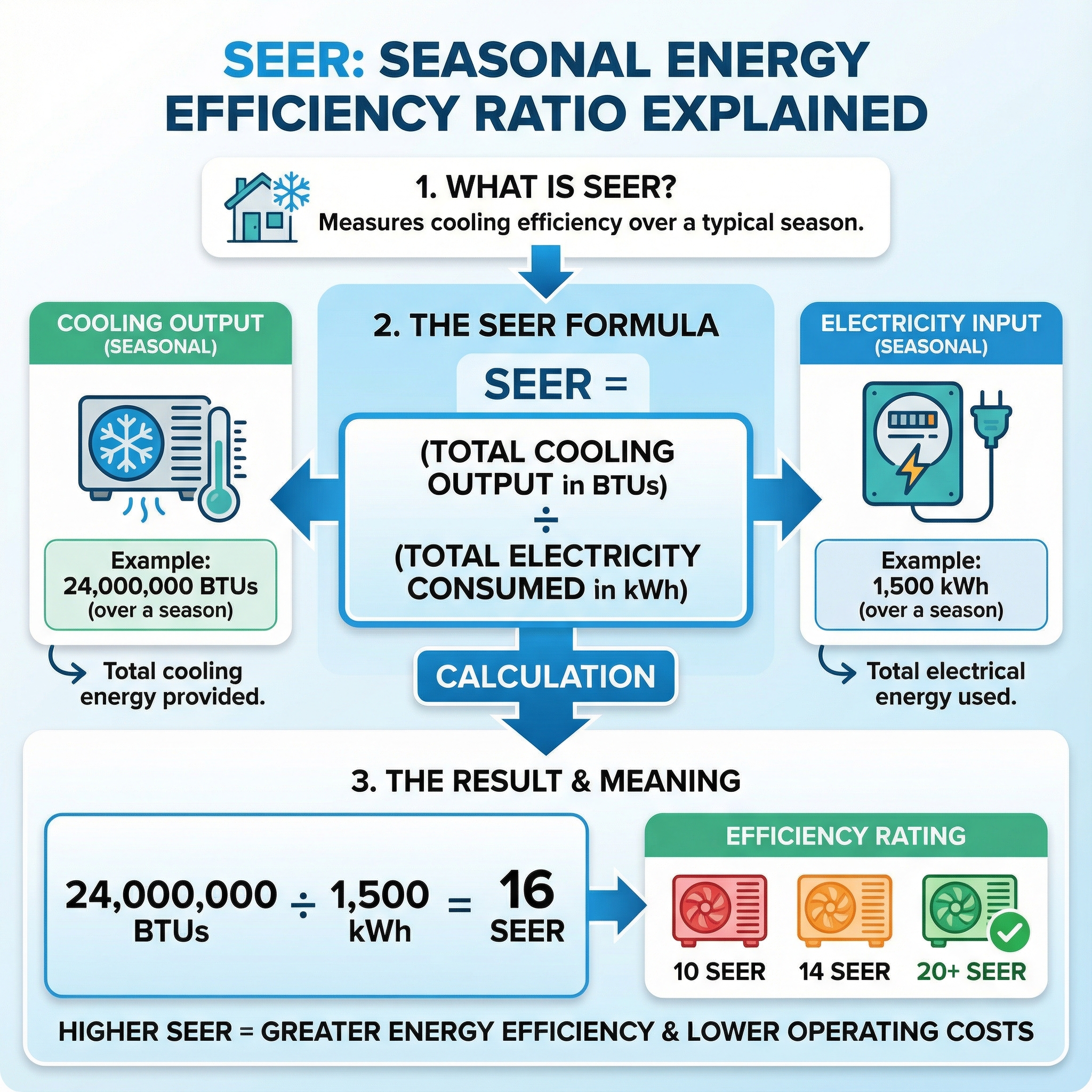
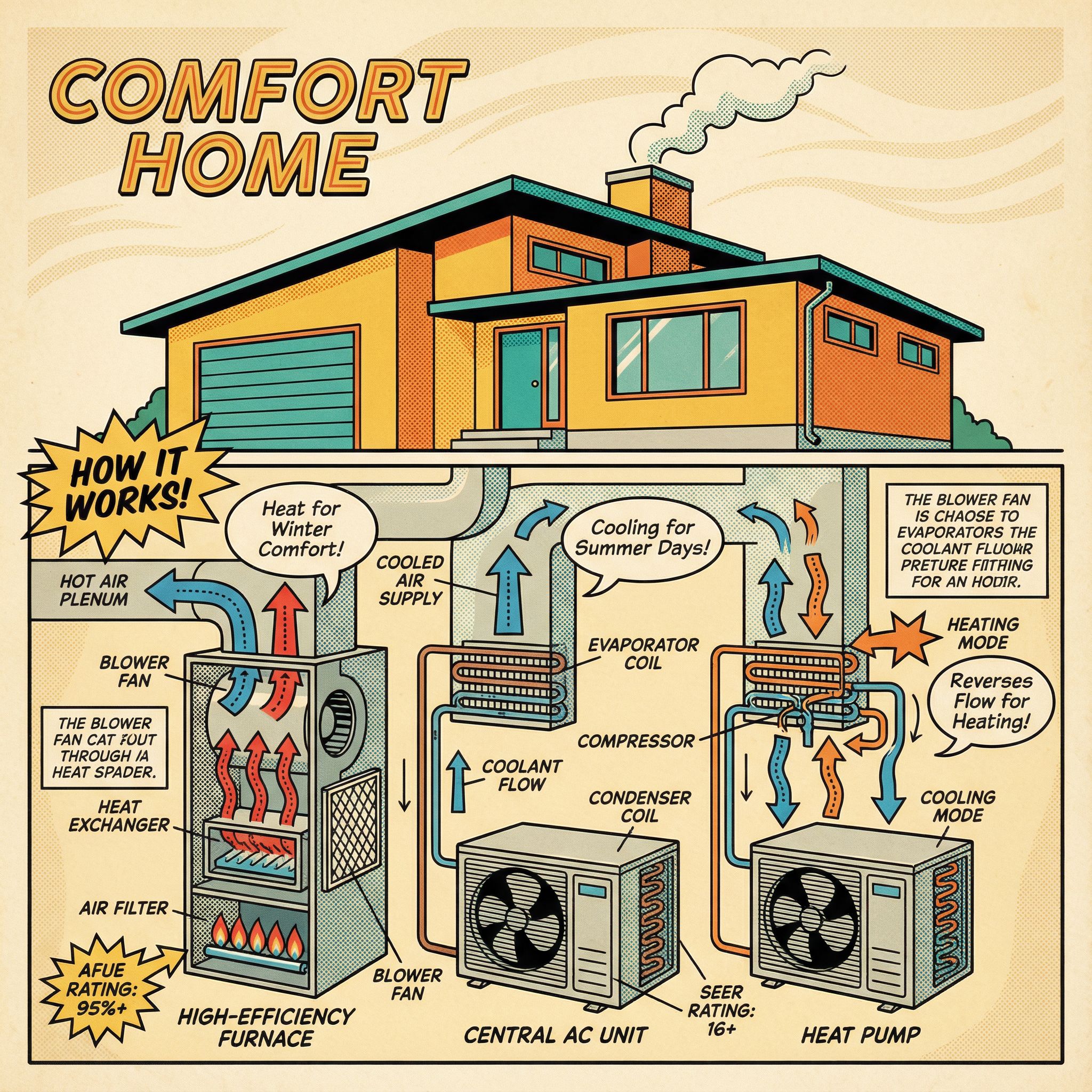
Cooling efficiency is labeled as SEER, with SEER2 using a newer test that reads slightly lower for the same real performance. Furnaces use AFUE, and heat pumps add HSPF or HSPF2 for heating. Think of these ratings like a car's mpg on the window sticker, you only see them if the system is set up correctly.
As of 2023-2026, minimums stepped up. In northern regions many central ACs must meet about 14 SEER or 13.4 SEER2. The Southeast and Southwest require higher minimums, often 15 SEER or 14.3 SEER2. Heat pumps have national minimums around 15 SEER or 14.3 SEER2 and roughly 7.5 HSPF2. Moving from very low SEER to the mid or high teens typically trims cooling use by about 15 to 30 percent. A jump from SEER 10 to SEER 16 can approach 30 percent. In cold regions, prioritize heat pumps with strong HSPF2 and cold climate performance.
Proper sizing and commissioning are what unlock the labeled efficiency. We consistently see mid to high SEER systems with tight ducts outperform ultra high SEER units in leaky homes. Use this checklist:
- Require a Manual J load calculation.
- Request Manual D duct design or a duct assessment.
- Ask for the Manual J and D reports and commissioning data at startup.
How Region and Code Changes Affect Which HVAC Upgrades Pay Off
Regional code minimums set the floor, not the target. Since 2023, Northern states sit near 14 SEER or 13.4 SEER2, while Southeast and Southwest require higher cooling efficiency. Heat pump minimums apply nationwide, and ratings now show as SEER2, EER2, and HSPF2. In practice, we prioritize by climate: hot humid markets need high SEER2 with strong dehumidification and often ERV over HRV, hot dry regions value high SEER and EER, cold climates favor cold climate heat pumps or dual fuel with humidification and HRV. Codes are tightening around duct sealing and mechanical ventilation. At the same time, the AIM Act is shifting equipment from R 410A to lower GWP refrigerants like R 32 and R 454B. Pair upgrades with federal, state, and utility incentives to improve ROI and marketability.
Top HVAC Upgrades That Boost Home Value: Typical Costs, Savings and ROI
Thinking like an appraiser and a utility bill at the same time helps you weigh upgrades. Here are the big moves, what they tend to cost, and how they can pay you back through energy savings and resale appeal.
- High-efficiency AC or air-source heat pump replacement: Whole-system swaps are multi-thousand-dollar projects. Replacing older low-SEER equipment with contemporary units typically cuts cooling energy about 15 to 30 percent. Example: moving from SEER 10 to SEER 16 can approach ~30 percent. Air-source heat pumps have also been associated with resale price premiums of roughly 4.3 to 7.1 percent.
- Smart or learning thermostat: Relatively inexpensive. Common savings are ~10 to 12 percent on heating and ~15 percent on cooling, so simple payback often lands in 1 to 2 years. It is a small upgrade that signals efficiency to buyers.
- Duct sealing and airflow balancing: Lower-cost compared to equipment change-outs. These steps reduce leakage, stabilize room-to-room temps, and help new equipment hit its rated performance. Savings vary with duct condition, but ROI is often quick because the spend is modest.
- Targeted indoor air quality upgrades: Items like improved filtration or focused ventilation are relatively inexpensive and can strengthen buyer confidence around comfort and health.
In our experience at Budget Heating (BudgetHeating.com), buyers and appraisers respond to clear efficiency signals like high SEER ratings, heat pump capability, and smart controls.
To dial in ROI, use a homeowner checklist: get multiple quotes, factor rebates and incentives so you are comparing net cost, and ask each contractor for a 10-year lifecycle cost comparison that includes energy, maintenance, and likely repairs.
Honest Tradeoffs: When HVAC Upgrades Aren't the Best Choice (and Better Alternatives)
From years in the field, we see upgrades underperform when the situation is wrong. A few cases where a different path wins:
- Cold climates: standard heat pumps can lose capacity below freezing. Better options: cold climate heat pumps, dual fuel systems, or efficient gas furnaces where appropriate.
- Poor ductwork: a high SEER condenser on leaky or undersized ducts will not deliver. Invest first in duct sealing, insulation, and airflow balancing.
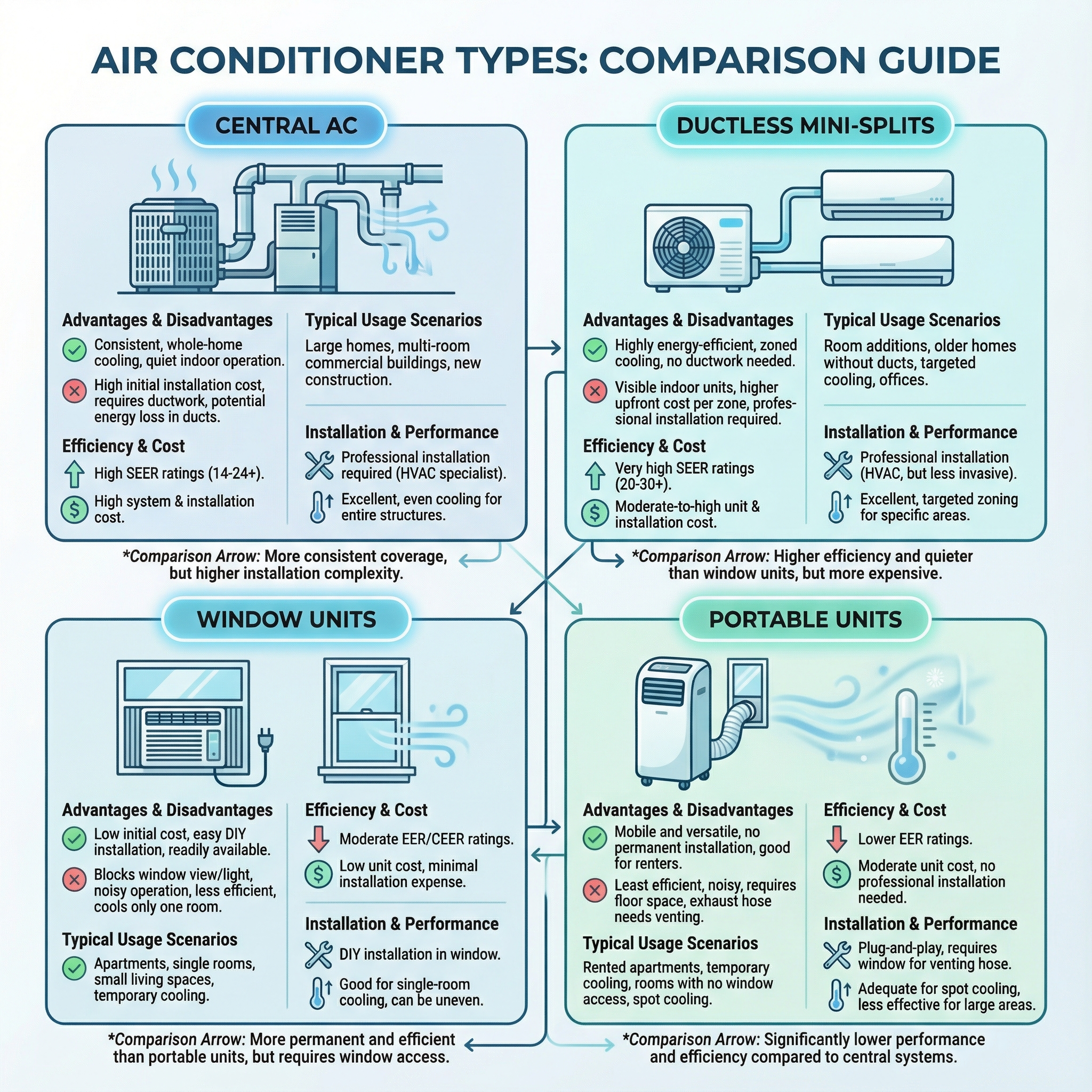
- Small homes or add ons: a whole system replacement is often overkill. Ductless mini splits or true zoning are typically more cost effective.
Common pitfalls to avoid: oversizing causes short cycling, humidity swings, noise, and early wear; set it and forget thermostats do not save without proper setup; turning systems off in extreme weather hurts recovery and can create moisture issues; closing vents raises duct static pressure, use zoning or mini splits instead; neglected or overly restrictive filters choke airflow, use the right MERV and change regularly; smart thermostats alone rarely deliver big savings without efficient equipment and good ducts; replacing only the outdoor unit with mismatched indoor parts can hurt performance and void warranties; SEER is not the only metric, climate, duct quality, installation, and heating ratings also matter; maintenance is not optional for new systems.
Routine HVAC Maintenance, Safety and Buyer Wanted Documentation
Think of upkeep like brushing your teeth versus seeing the dentist. Homeowners can safely handle basic care that keeps systems breathing and clean. Professionals should take the complex, hazardous items.
- Safe homeowner tasks: replace air filters regularly, keep supply and return vents clear, remove leaves and debris from outdoor condensers, and shut power before any light cleaning.
- Professional only: electrical repairs, refrigerant handling, complex mechanical repairs, and any gas line or combustion work.
To protect performance and resale value, schedule periodic professional tune ups, and do simple cleanliness checks between visits. Do not forget accessory care: maintain dehumidifiers, humidifiers, and ERV cores so the whole system stays balanced.
Buyers want proof the system was cared for. Keep a dated file of service records and tune ups, a filter change log, notes or receipts for coil cleaning, and records of accessory maintenance. Organized documentation signals consistent stewardship and reduces last minute surprises during inspections.
Practical Next Steps: Choosing Contractors and Getting Reliable Estimates
This article centers on the best HVAC upgrades to increase home value. To finish strong, approach contracting like a buyer and a seller: sellers need clear documentation that shows well, investors and property managers need verifiable performance and predictable costs.
- Collect at least three itemized quotes with model numbers, scope, labor, accessories, and disposal for apples-to-apples comparison.
- Require a Manual J load calculation and Manual D duct design before replacement.
- Ask for a commissioning report: airflow in CFM, static pressure, refrigerant charge data, and combustion analysis where applicable.
- Verify permits, inspection sign off, warranty registration, and transferability.
- Confirm timeline, startup walkthrough, and a maintenance plan.
- Apply the incentives and cost considerations you gathered earlier, and use your homeowner checklist to score each bid.
Make HVAC Upgrades Work for Comfort and a Higher Sale Price: Your Next Moves
Prioritize what buyers feel every day: right-size equipment, tight ducts, steady humidity and clean air, and document it. Sequence the work, envelope and airflow first, then controls and IAQ, then premium equipment. Keep permits, commissioning, maintenance, warranties, and incentive records, a tidy file and a balanced system remove objections and lift perceived value.
If you are weighing estimates or getting ready to list, we can map the smartest path for your home and budget.
Our U.S.-based team brings 30+ years of hands-on HVAC experience and factory-authorized support so you get it done right the first time.
- Get a Custom Quote
- Talk to Our Team by phone for fast answers
- Shop Heat Pumps, Ductless Mini Splits, and IAQ