




Why R32 Is Becoming the Go To Refrigerant for Eco Friendly Homes
R32 has emerged as a practical pick for homeowners who want comfort, lower utility bills, and a smaller environmental footprint. In our experience, it hits the sweet spot: dependable year-round performance with efficiency that shows up on the power bill. With professional installation and routine maintenance, R32 systems stay dialed in and reliable. This article walks through the key angles homeowners ask about: environmental impact, energy performance, safety basics, cost considerations, and upkeep.
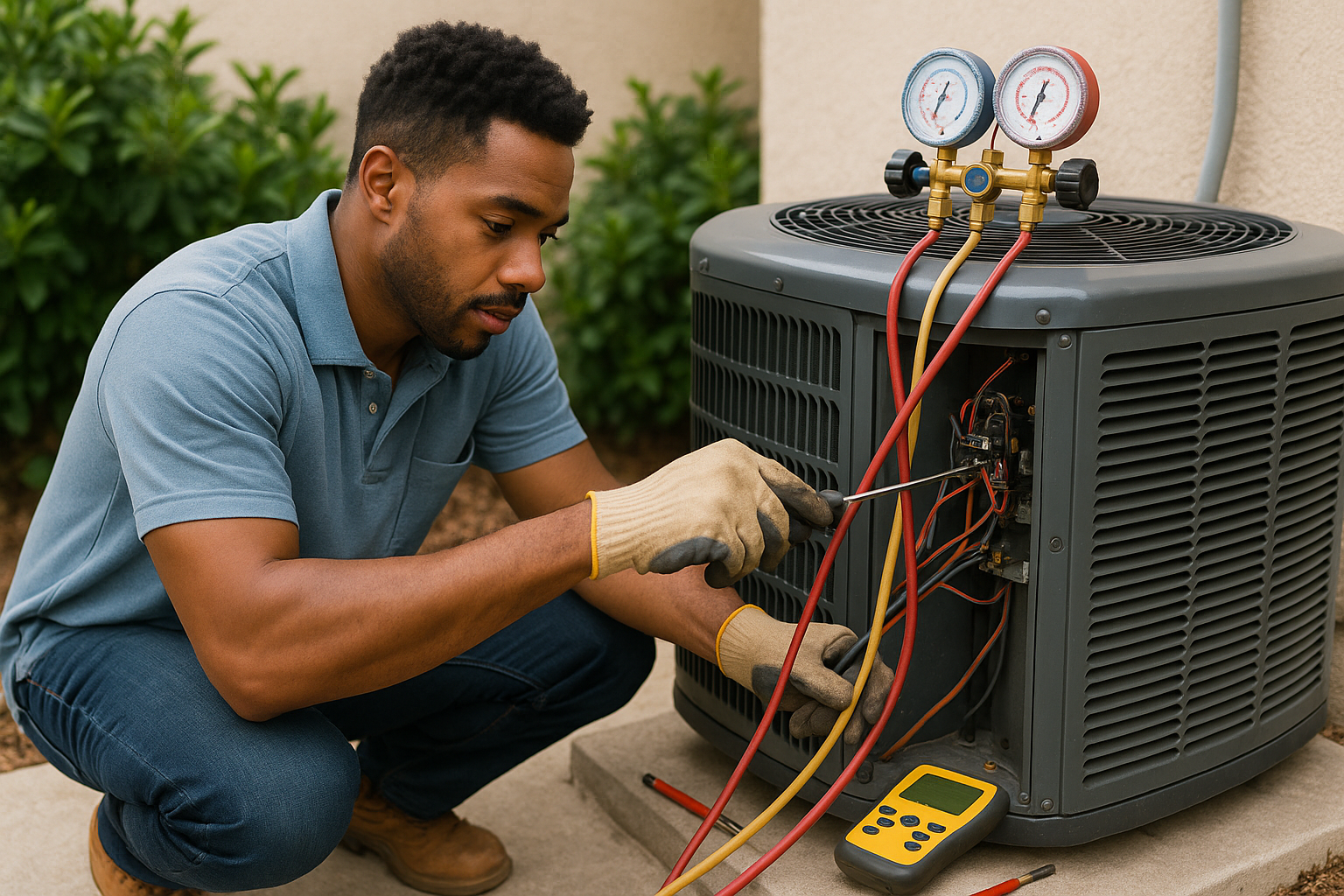
What is R32? It is a modern HVAC refrigerant, the working fluid inside heat pumps and air conditioners that moves heat where you want it. Think of it like a courier that picks up heat on one side of the system and delivers it to the other. R32 is engineered to transfer heat efficiently, which supports lower energy use and, in turn, a reduced footprint. When installed and serviced by qualified technicians, it provides steady, quiet comfort through summer cooling and winter heating while keeping long-term operating costs in check.
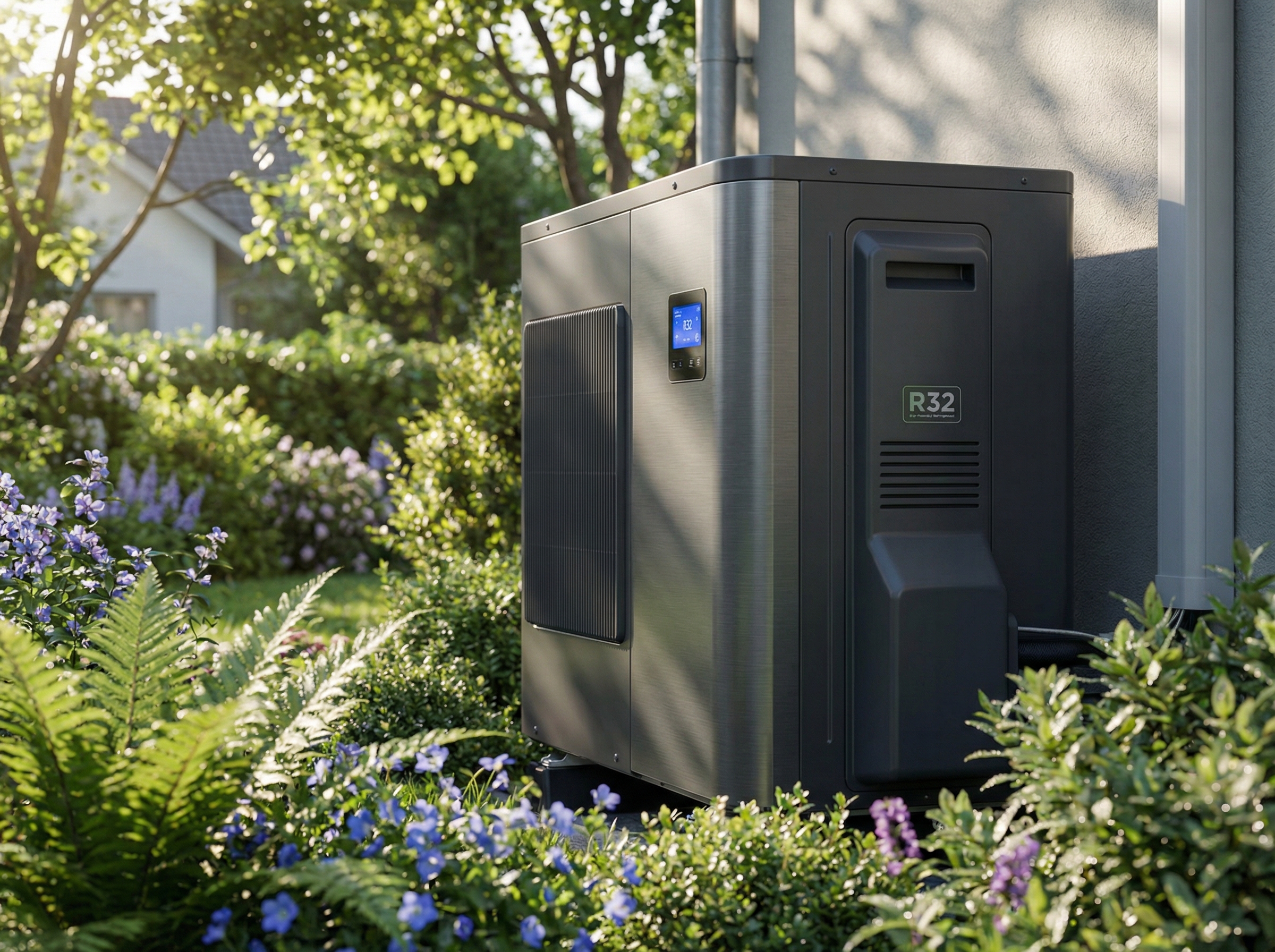
Quick Overview: What Makes R32 Different from Older Refrigerants
For eco-conscious homes, R32 systems stand out for three reasons: cleaner footprint, higher efficiency, and practical service advantages. Compared with common legacy blends like R410A, R32 has a much lower global warming potential, typically about 65 to 70 percent lower, and often needs 15 to 30 percent less charge to deliver the same capacity. In our field installs we routinely see 5 to 10 percent better seasonal efficiency from well matched R32 equipment. Practically, it is a single-component refrigerant, so charging and reclaiming are more straightforward and performance is consistent over time. R32 is classified A2L, mildly flammable, so proper installation clearances and code compliant components matter, but the day-to-day operation is quiet and familiar.
Key Environmental and Comfort Benefits of R32 for Green Homes
For eco minded homes, R32 starts with a clear climate advantage. Global Warming Potential, or GWP, measures how much heat a refrigerant traps compared to carbon dioxide, which is rated at 1. R32 has about one third the GWP of R410A, so every pound that stays sealed in the system represents significantly less long term climate impact. That makes it a smarter match for high performance, low carbon projects.
R32 also transfers heat more effectively. Think of the refrigerant as the conveyor belt that carries heat out of your house in summer and back in during winter. A faster, more efficient belt means the system works less to move the same amount of heat, which reduces electricity use and lowers utility bills. Many utilities recognize that efficiency with rebates, and R32 is already the mainstream next generation refrigerant in many new units, so you are choosing a proven path, not a science experiment.
Comfort improves too. Strong part load performance helps systems run steadier, which smooths temperature swings, improves humidity control, and often results in quieter operation. In our experience at Budget Heating (BudgetHeating.com), homeowners notice tighter humidity in muggy seasons and less compressor noise when upgrading to R32 units of similar capacity. As with any refrigerant, safety relies on proper installation and charging, so work with a qualified professional to ensure code compliance and optimal performance.
Upfront Cost vs Lifetime Savings: What Homeowners Should Expect
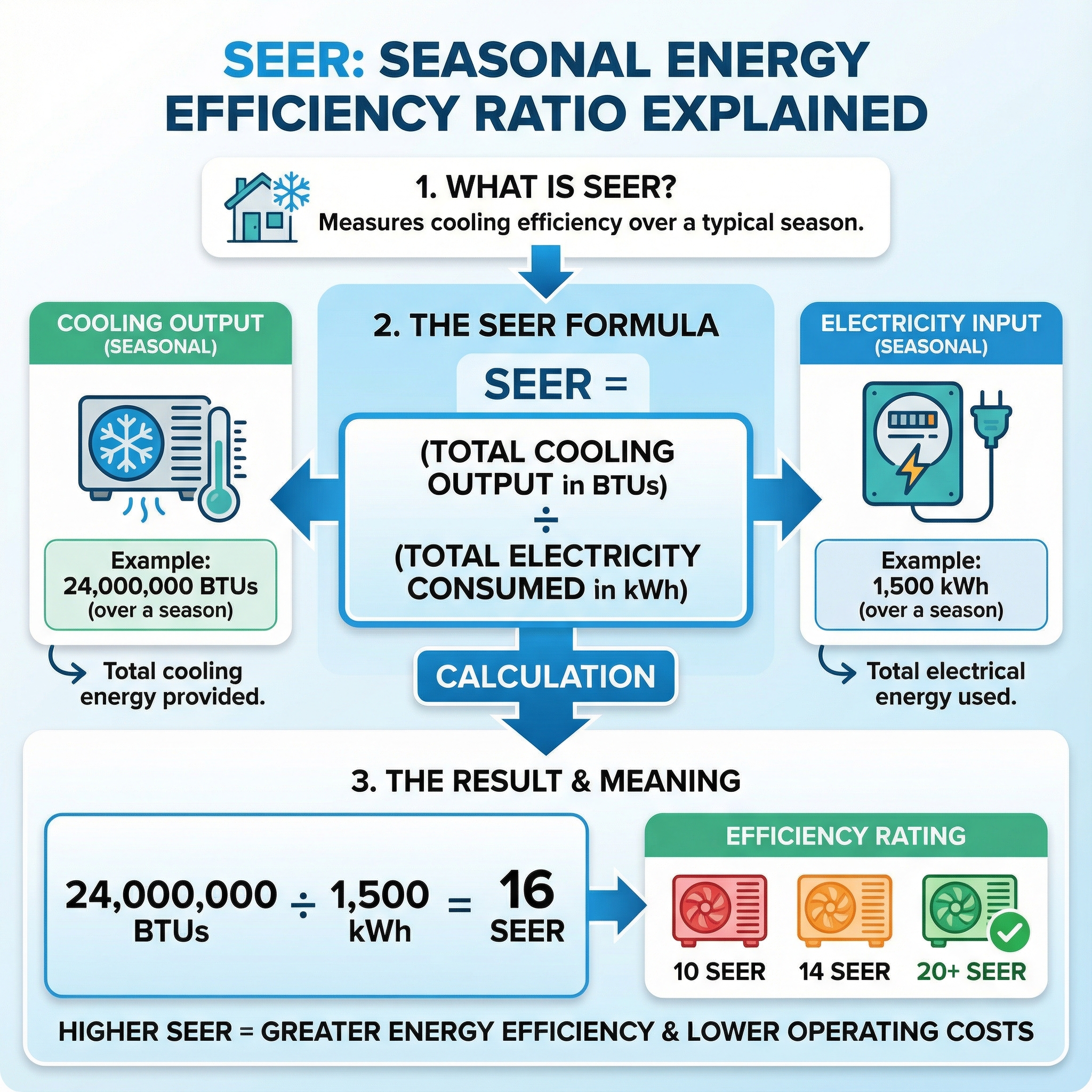
R32 systems typically span about 14.5 to 20+ SEER2. Many land in the 16-18 SEER2 range, which usually trims monthly cooling energy 15-25% versus a baseline. Premium 19-22+ SEER2 models can reach roughly 30-40% or more. A clear tiering helps: entry (around 14.5-15 SEER2), mid (16-18), high (19-22+). Replacing an older 10 SEER unit with about 16 SEER often cuts AC use near 38%.
To frame payback, treat efficiency like miles per gallon tiers. Estimate the price premium for the higher tier, then divide by expected annual energy savings. Example: if summer cooling runs about $1,000 per season, a 20% reduction saves roughly $200 per year, so a $1,000 premium returns in about five seasons. Incentives and rebates frequently improve the math, reducing the upfront gap and moving mid or high tier options into faster-payback territory.
When R32 Might Not Be the Best Choice: Tradeoffs, Limits and Better Alternatives
R32 is capable and efficient, but it is not automatically the right fit for every project. In our experience, it can be suboptimal in the scenarios below.
- Code or site constraints: if local A2L permitting or clearances are hard to meet, selecting an equipment family that uses another approved refrigerant, or keeping a healthy matched system until a full changeout, can be cleaner.
- Heating-first needs in deep cold: when winter heating is the priority, a cold-climate inverter heat pump matched to your load, or a separate heating source with simple cooling, can perform better.
- Hard retrofits: legacy coils or line sets that are not R32 compatible, inaccessible, or very long make partial conversions poor value. Replace indoor, outdoor, and lines together, or go ductless where new lines are feasible.
Start with a Manual J load calculation, room by room, and assess ducts and the building envelope to size correctly and avoid oversizing, short cycling, and humidity issues. Verify best practices: nitrogen brazing, 500 micron or lower vacuum, charge by weight, and confirm subcooling and superheat. Use A2L-trained, EPA-608 technicians, compare ducted and ductless inverter options, and check SEER2 or HSPF2 where applicable. Keep permits and commissioning data for rebates and warranties, and be honest about retrofit versus replace economics. If components cannot be made R32 compatible, replacement is the right call.
How R32 Raises System Efficiency: SEER2, Inverter Tech and Real-World Gains
SEER and SEER2 tell you how much cooling you get per unit of electricity across a season, and higher numbers mean lower energy use. SEER2 uses updated tests that better reflect real ductwork conditions. R32 boosts these ratings because it transfers heat efficiently, so you get more cooling per watt. In our experience at Budget Heating (BudgetHeating.com), many R32 central systems land around 16 to 18+ SEER2, while premium ductless inverter units reach about 26 to 27.
Inverter or variable speed technology is the other half of the story. Instead of running full blast then shutting off, the compressor modulates to match the load. That reduces start stop losses, keeps temperatures steadier, and shines during part load hours when most systems operate. For quick tiers, think 14.5 as entry, about 16 mid, and 18+ premium. Energy use drops roughly in proportion to SEER2: moving 14.5 to 16 trims cooling about 10 percent, while going from an older SEER 10 to SEER2 16 can cut around 38 percent.
Codes, Standards and Market Context: Is R32 Legal and Future Proof?
R32 is already addressed in the 2026 International Mechanical Code and UL 60335 2 40, which set the safety requirements for A2L refrigerants. When equipment is installed to those codes and the manufacturer's instructions, R32 systems are legal nationwide. That framework is what inspectors and utility programs look for.
R32 also aligns with the HFC phasedown under the Kigali amendment, which reduces the risk of buying a system that becomes a regulatory orphan. As minimum efficiencies tighten, including the current SEER2 regional baselines of 13.4 in the North and 14.3 in the Southeast, R32's higher SEER2 performance helps units meet future rules rather than chase them. Many utilities tie rebates to qualifying high efficiency equipment, so R32 models commonly qualify for incentives.
Safety and Maintenance: Handling R32's A2L Classification Correctly
R32 is an A2L refrigerant, meaning mildly flammable. In the field, we only service it with certified HVAC technicians trained on A2L procedures. Safe ownership pairs simple homeowner habits with proper pro service.
- Homeowners: replace or clean filters, keep indoor and outdoor units clear of clutter, and do visual checks for damage. If you suspect a leak, shut the system off, ventilate the area, and call a professional. Never handle refrigerant, open sealed components, or store R32 cylinders at home.
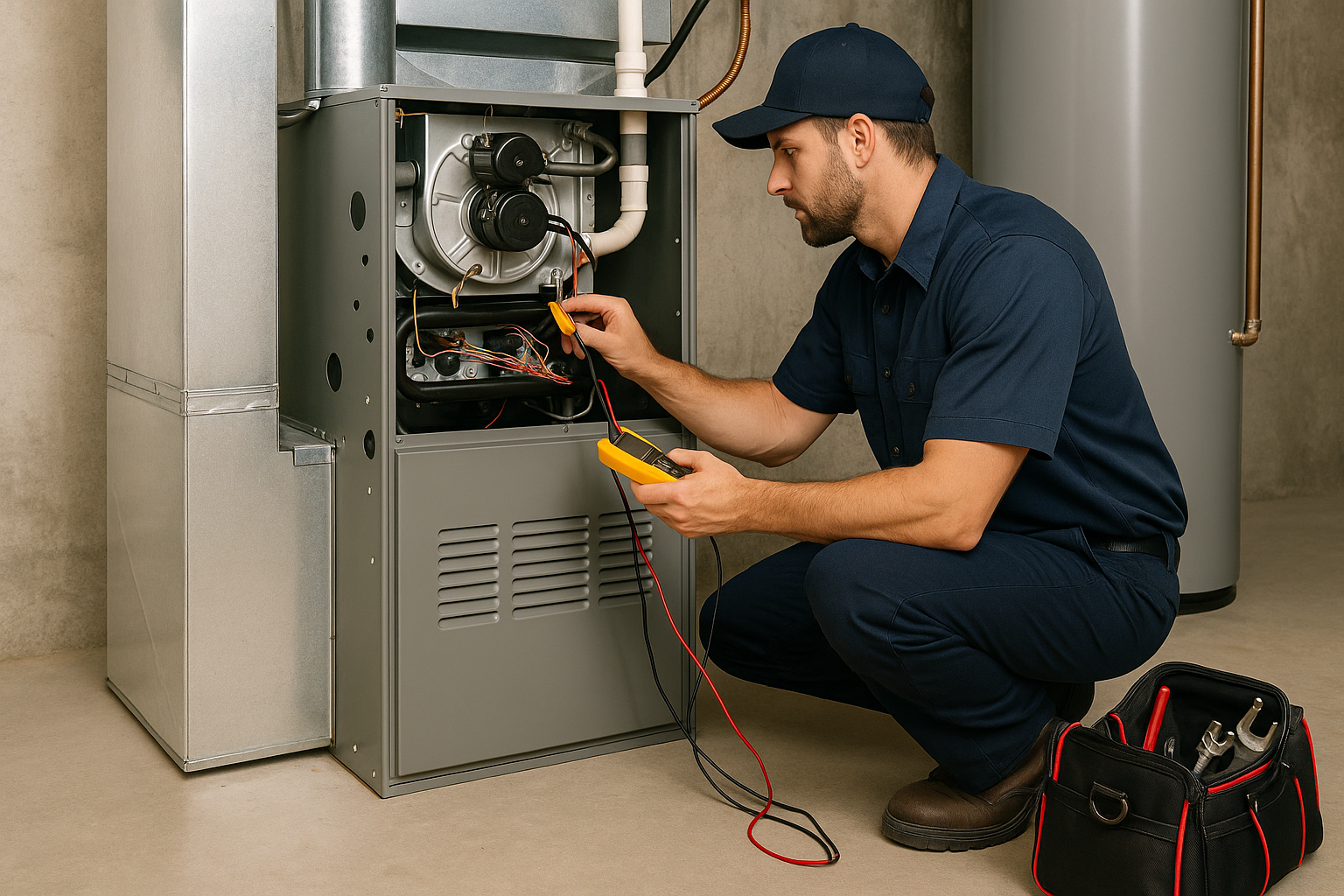
- Professionals: perform leak checks, verify the correct charge, inspect A2L safety controls, and follow safe brazing and evacuation procedures during installs or repairs.
These practices keep the system safe and efficient while respecting the requirements of A2L refrigerants.
Common Myths and Mistakes About R32: What Homeowners Often Get Wrong
Here are the common misconceptions, and the facts:
- Not eco friendly: GWP is about one third of R410A.
- Upgrading will not save: higher SEER2 plus inverter typically lowers energy use.
- Too dangerous at home: A2L class, risks are managed when installed by trained pros.
- Unsupported or complex: now mainstream, with broad parts availability and installer training.
- No assistance: many utilities and jurisdictions offer rebates that reduce upfront cost.
Is R32 Right for Your Eco Home? Practical Next Steps and How to Get Started
R32 pairs higher energy efficiency with a much lower GWP than R410A, trimming utility costs and lifetime climate impact. Thanks to strong heat transfer and a lower refrigerant charge that supports higher SEER/SEER2 and smoother part load comfort, the main caveat is its A2L rating, so use certified installers and code compliant equipment; when you choose reputable brands, require a Manual J, and maintain the system, R32 is a future resilient upgrade.
Every home, code jurisdiction, and rebate program is different, so a clear plan prevents missteps and maximizes incentives.
Our team at Budget Heating can size your system, connect you with A2L trained pros, map available rebates, and ship the right equipment at wholesale pricing. We bring 30+ years of HVAC experience, 200,000+ orders fulfilled, and U.S. phone support from factory authorized pros.
- Get a Custom Quote: send your home details for a right sized R32 plan, usually within 24 hours.
- Talk to Our Team: call to speak with a U.S. based technician about A2L, codes, or rebates.
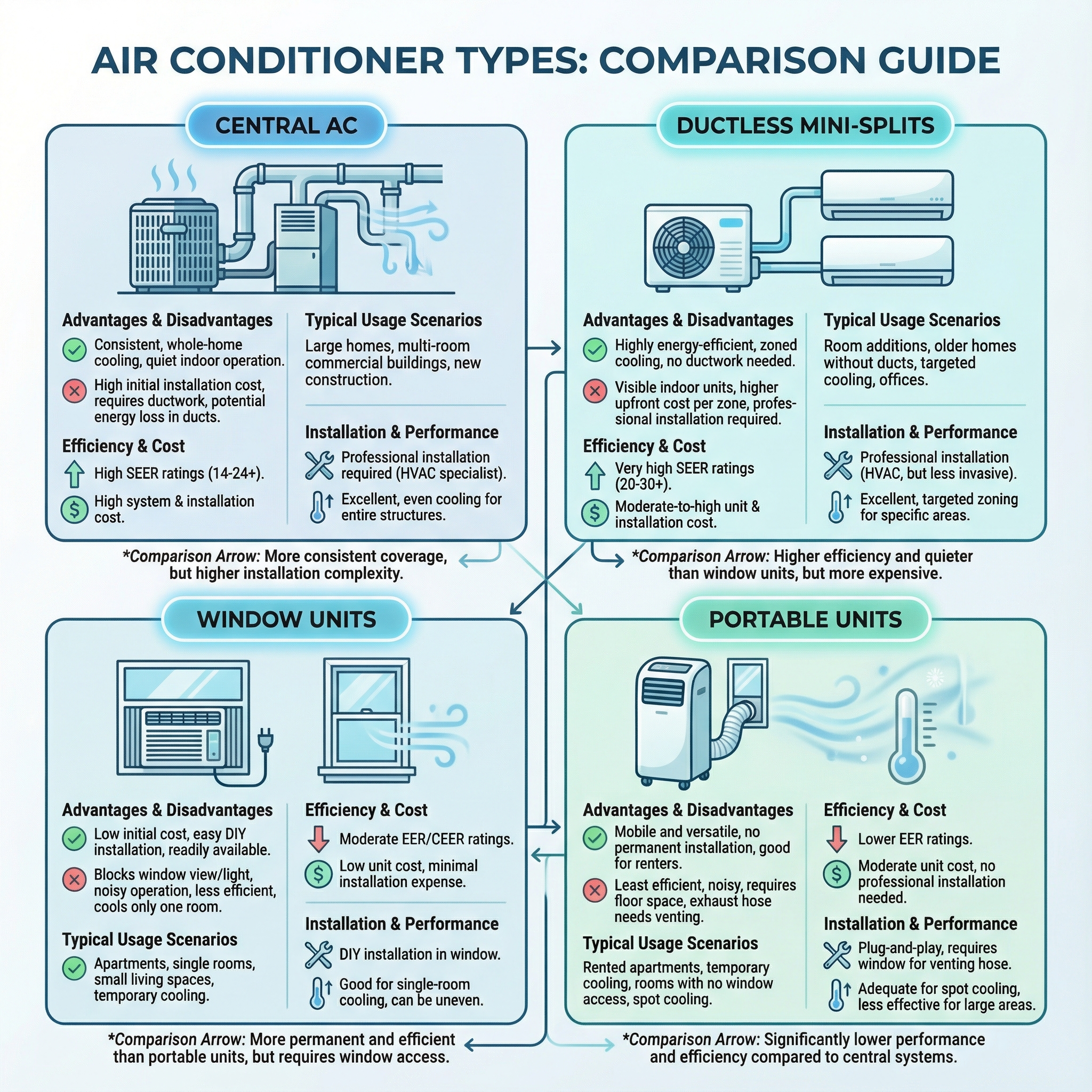
- Shop R32 Heat Pumps and Mini Splits: browse top brands ready to ship.
- Save Smart: free shipping on most systems and financing with Affirm.