




Mini Split Air Conditioners for Campers & Trailers: A Quick Overview
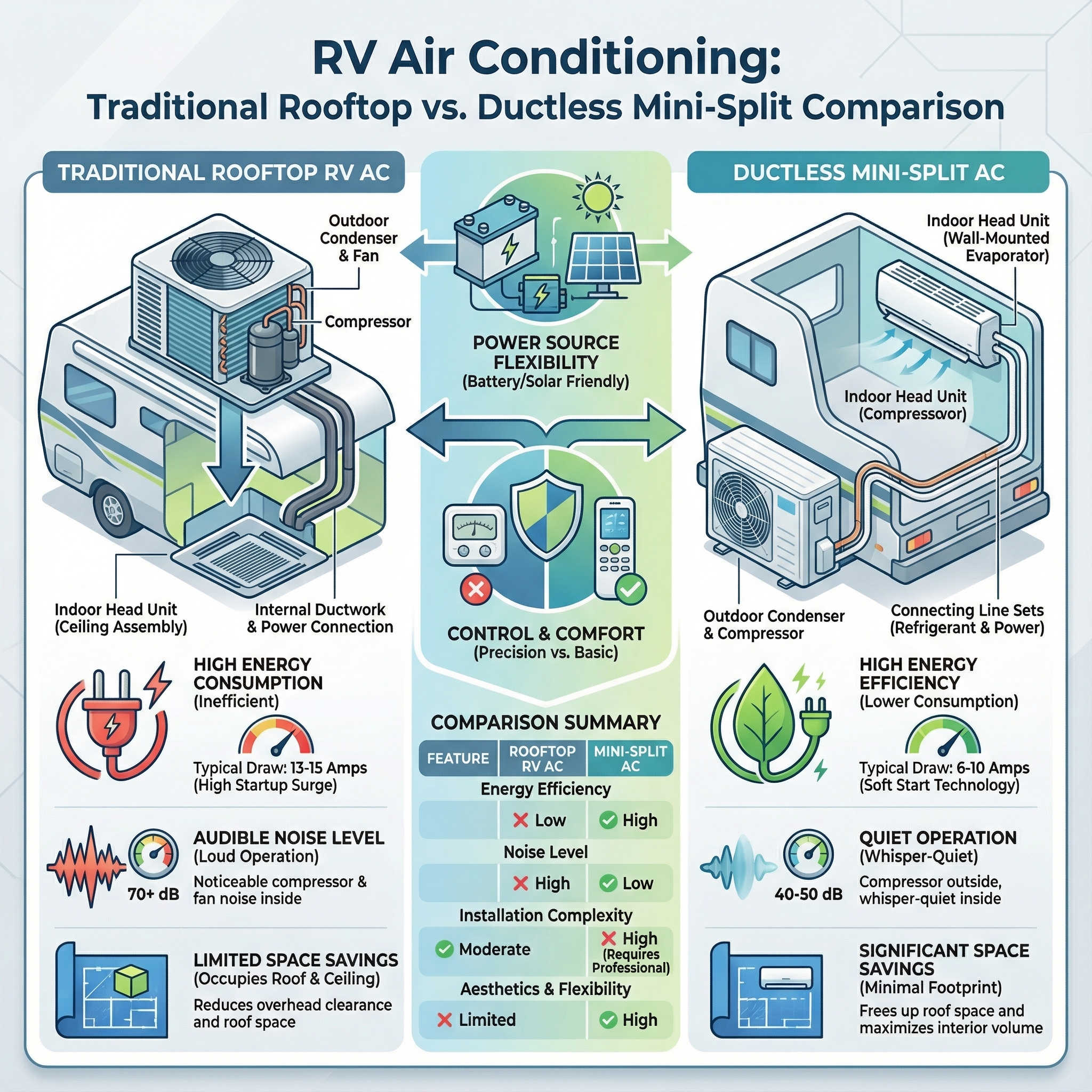
A ductless mini split pairs a small outdoor condenser with one or more slim, wall-mounted indoor air handlers connected by refrigerant and condensate lines. For RVs, inverter-driven compressors modulate output, which saves energy, keeps temperatures steadier, and eases the load on limited power systems. Indoor noise is typically 20 to 30 dB, far quieter than many 60+ dB rooftop units. The compact indoor units fit tight spaces, spread air more evenly, and their filtration helps maintain cleaner cabin air with basic upkeep.
Why Choose a Ductless Mini Split for Your RV or Trailer?
For campers and van lifers, comfort has to fit tight spaces, light power budgets, and changing climates. A ductless mini split checks those boxes with efficient, quiet, targeted conditioning that plays well with off grid setups.
- Boondock compatible: High SEER performance trims average watt draw, so systems are easier to run from batteries, inverters, or smaller generators while off the cord.
- Inverter modulation, the big advantage: Instead of blasting on and off, the compressor ramps up and down like cruise control matching load to speed. That means minimal startup surge, fewer spikes that trip small generators, lower seasonal kWh, less wear, steadier temperatures, and quieter operation at part load.
- Quieter cabin: Indoor sound levels around 20 to 30 dB are a dramatic drop from typical rooftop RV units, which makes sleeping and conversation easier.
- More even airflow: A wall mounted head can push air along the cabin length, cutting the hot and cold spots common with central rooftop discharge.
- No duct losses: Ductless delivery avoids leakage and routing compromises, a real win in compact, segmented interiors.
- Heating and cooling in one: Many models are heat pumps, giving efficient cooling in summer and reliable heat in shoulder seasons and, when low ambient rated, many winter conditions.
- Compact outdoor options: Small condensers can be frame or bumper mounted, or integrated into the chassis with proper clearances and vibration isolation.
- Steady comfort: Because they maintain low power operation instead of short cycling, temperature and humidity stay more consistent in tight living spaces.
The result is a smaller power footprint, better livability, and four season versatility without giving up valuable storage or quiet.
Mini Split vs Portable, Window and Roof Mounted RV AC: Which Fits Your Rig?
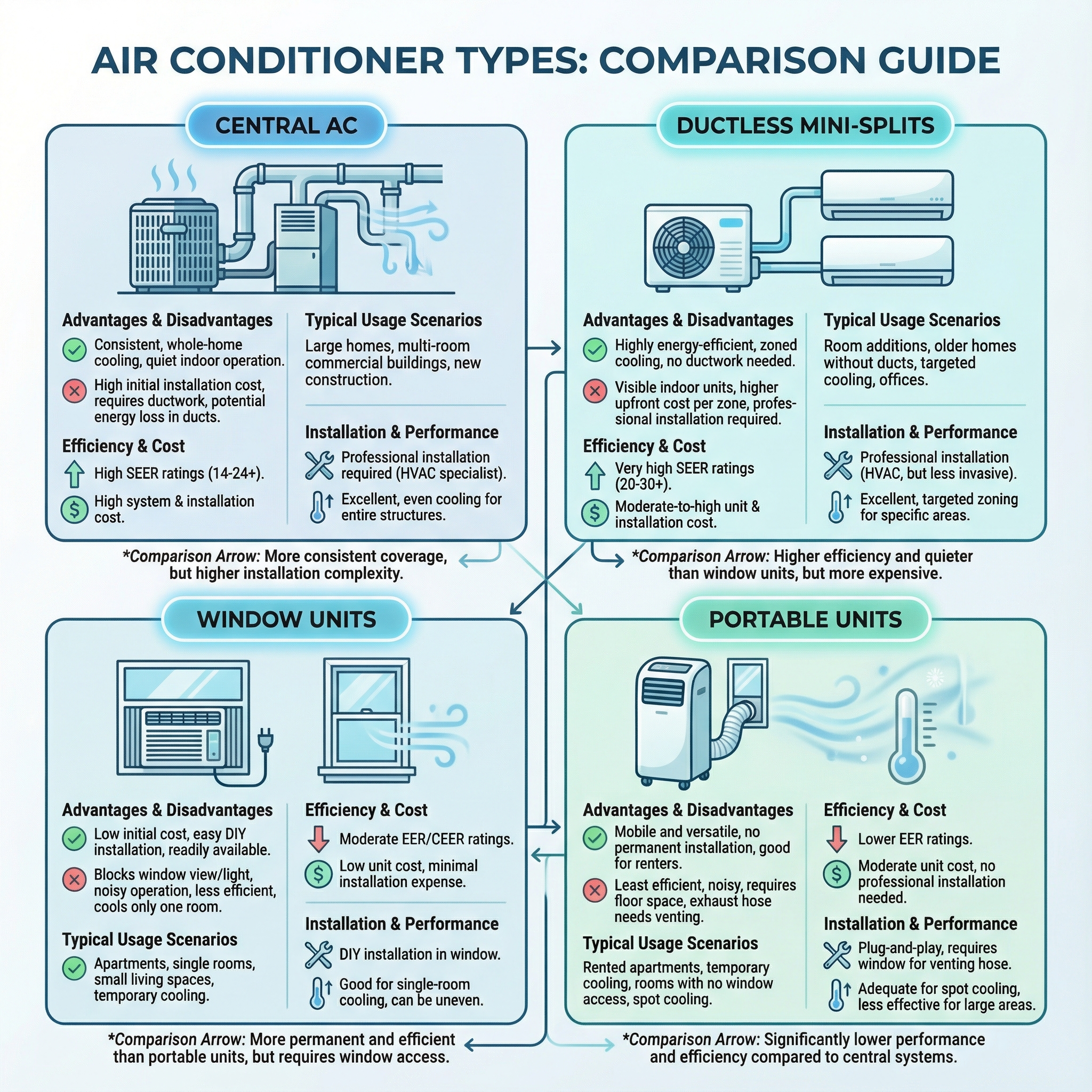
Choose by how permanent you want the system to be and how your rig travels and breathes. Portable and window units are quick to drop in, easy to remove for storage or resale, and avoid holes in the shell, but they consume floor or window space and can struggle to distribute air evenly.
Mini splits are semi permanent. They need a wall bracket, line set penetrations, and an outdoor section, so think about reversibility and future buyer preferences. In our experience, they free up roof space and can deliver smoother cabin airflow, but the exterior unit placement affects clearance, departure angle, rear cargo, and slide outs.
Roof mounted ACs are familiar and simple to swap, but they occupy roof real estate, are typically louder, and discharge centrally, which can leave hot spots.
How to Size a Mini Split for Your Camper: BTU Guide & Load Factors
We size camper mini splits by square footage first, then adjust for real-world conditions. Think of BTU as horsepower for cooling and heating: just enough keeps you comfortable, too much wastes energy and feels clammy.
- Small campers or single rooms, about 100 to 200 sq ft: roughly 9,000 Btu
- Medium rigs, about 200 to 400 sq ft: roughly 12,000 to 18,000 Btu
- Larger trailers, about 400 to 750 sq ft: roughly 18,000 to 24,000 Btu
Adjust for conditions that add heat: increase capacity by about 10 to 20 percent for poor insulation, lots of glass, dark exteriors, or very hot and sunny climates. Avoid oversizing, since oversized systems short cycle, weaken dehumidification, and create uneven temperatures.
If you camp in cold climates, check the unit's published low ambient heating data. Some models maintain useful capacity down to about -13 F. Example: a 300 sq ft rig with thin walls in the Southwest often fits in the upper half of the 12,000 to 18,000 Btu range, then add 10 to 20 percent for the harsh conditions.
Electrical & Condenser Placement: Wiring, Breakers and Ventilation Best Practices
High-voltage hookups must match the nameplate: correct breaker, wire gauge, bonded ground, and an outdoor disconnect. Connections to the coach panel must meet code and manufacturer specs. If you are not fully competent, a licensed electrician or HVAC technician should do this work.
- Place the condenser with clear intake and exhaust and required clearances, away from sleeping areas and neighbors.
- Keep it above splash, shielded from road debris, and out of any hot exhaust recirculation under the rig.
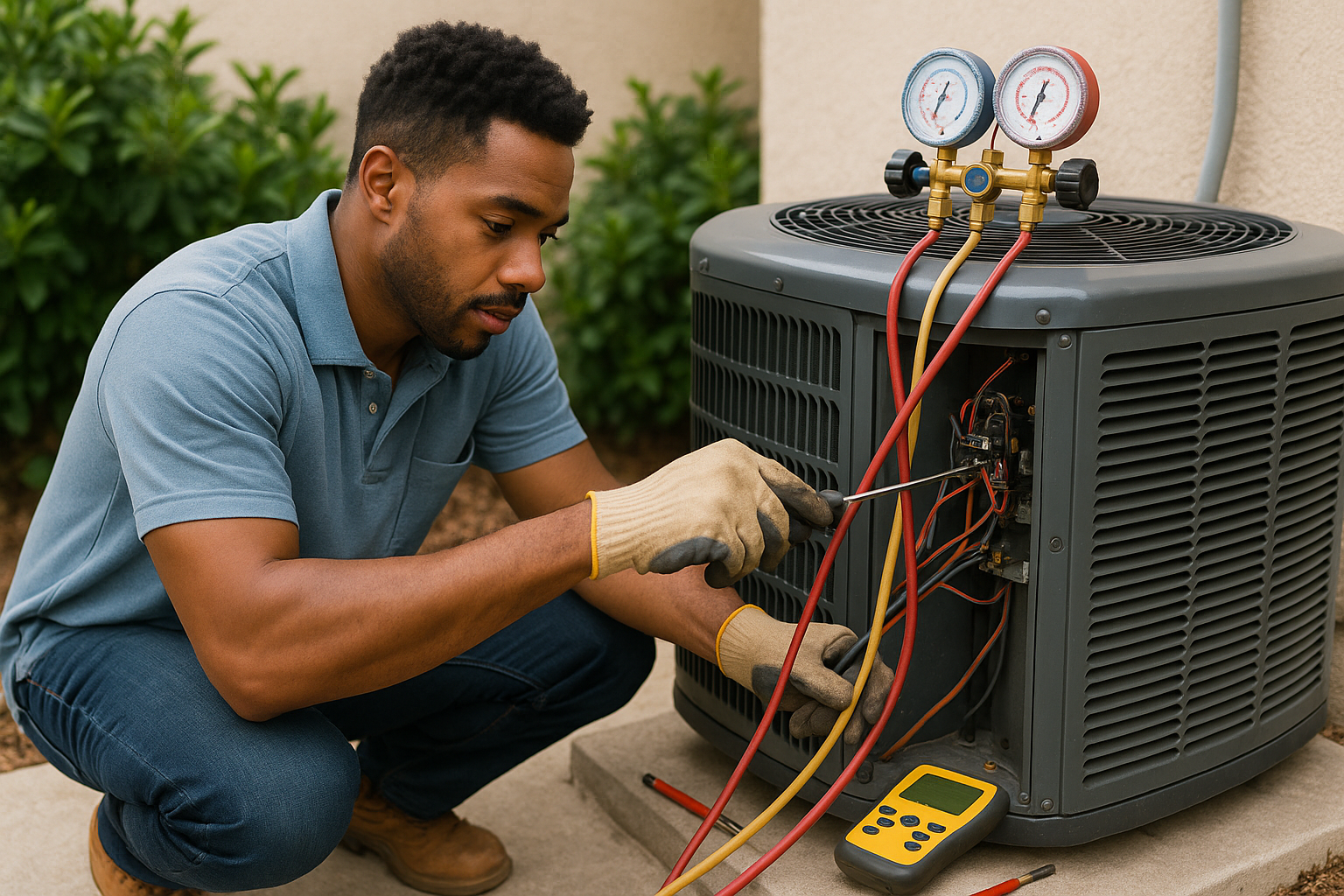
- Qualified HVAC pros handle refrigerant and commissioning: pressure-test and evacuate the line set, leak check, adjust charge if line length differs from factory pre-charge, then test cooling and heating modes.
When a Mini Split May NOT Be the Best Choice (Limitations & Alternatives)
From decades of hands-on installs, there are cases where a mini split is not the right fit.
- Very cold climates: some units lose heating output in deep winter. Confirm low-ambient ratings and plan backup heat, or use a gas furnace or dedicated propane heater.
- Fully portable or temporary needs: if you cannot mount equipment or penetrate walls, a quality portable or window unit, or a rooftop replacement, is simpler.
- Limited power supply: rigs without 30A or 50A shore power and small generators or inverters often cannot support larger mini splits without upgrades.
- Higher upfront and install complexity: structural mounting, wall penetrations, and vibration control add time and money.
Common myths persist. Mini splits can both cool and heat, but performance and economics depend on model and climate. Check low-ambient heating capability, SEER, and total lifecycle costs.
Power Options: 12V, 110/120V, Shore Power, Generator and Solar Considerations
Most RV oriented mini splits use 110/120 V, so they work on typical 30A or 50A shore power and many portable generators. Larger models may need 220/240 V. True 12V units are rare, so off grid plans should center on an inverter that provides the correct AC voltage and on adequate battery storage, not a direct 12V hookup.
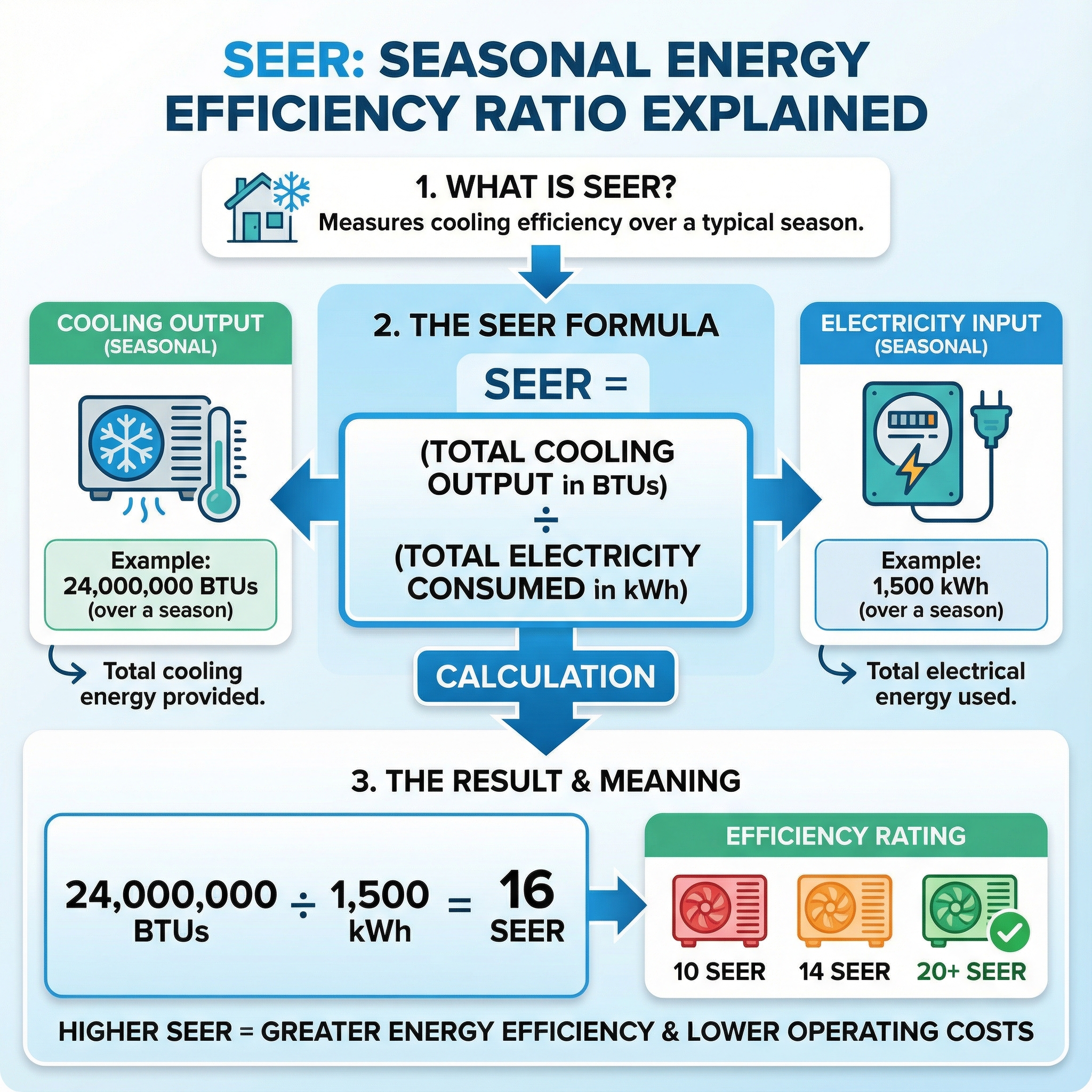
At normal loads, RV scale systems often draw about 600 to 1,200 W, manageable on 30A service or a modest generator. Higher SEER/SEER2 lowers average watts, stretching battery and generator runtime and making solar assist more practical.
Power source management: match inverter continuous rating to expected draw, budget for other onboard loads, and size solar to daily watt hours. Always use a dedicated circuit and size breaker and wire to the manufacturer spec. In our experience at Budget Heating (BudgetHeating.com), dialing these in prevents nuisance trips and keeps you comfortable off grid.
Installation Types: Wall Mount, Ceiling Cassette and Low Profile Options for Trailers
Common indoor styles for campers include wall-mounted heads, low-profile cassettes and ceiling units. Pick based on layout and headroom, then confirm the indoor unit's dimensions, especially depth, so it does not clash with cabinets or slide-outs. Mount heads high on a suitable wall where air can flow freely and filters stay accessible, and avoid blowing directly onto beds. Multi-head systems can zone living and sleeping areas, while a single-zone unit often suits small and mid-size rigs.
For mobile use, anchor indoor and outdoor components to solid framing with appropriate fasteners and anti-vibration pads. Protect line sets in conduit and add strain relief to handle road motion. Plan a single wall penetration about 2.5 to 3 inches for the line set, control wiring and condensate, then seal it with weatherproof sealant. Route condensate with a continuous downhill slope to a safe discharge point, or use a condensate pump when gravity is not possible, and add freeze protection in cold climates. Confirm installer and manufacturer policies on RV warranty coverage.
Top Mini Split Models, SEER Ratings and What to Look For (Daikin, Midea and RV Friendly Options)
Daikin and Midea mini splits are strong RV picks. RV-ready units run high-teens to low-20s SEER: Pioneer Diamante 9,000 Btu ~19, Senville LETO 12,000 Btu ~19, MRCOOL DIY 18,000 Btu ~22, with some Gree models higher. In 2023 the M1 test moved ratings to SEER2. Numbers read lower for the same performance, so compare equivalents. For <45k Btu ACs, minimums: North 13.4 SEER2, Southeast 14.3. In our experience at Budget Heating (BudgetHeating.com), focus on these features:
- Low-ambient heat
- Quiet indoor noise
- Low-profile heads
- Dehumidify mode, Wi-Fi/app
Cost, Maintenance and Next Steps: Is a Mini Split Right for Your Camper?
Sized and installed right, a camper mini split often beats a rooftop unit: quieter cabin, steadier temps, better dehumidification, and lower power. Energy use typically drops about 30% for cooling and up to 60% for heating, and replacing a low SEER roof unit commonly trims cooling 35% to 55%. Upfront cost is higher than a basic rooftop, so budget licensed refrigerant and electrical work. Keep it running: clean filters, clear the outdoor unit, check mounts and line insulation after trips, and verify drains.
Before you buy, confirm SEER2 or EER2 compliance, note refrigerant phase down activity, and check local codes and warranty for mobile installs. Next steps: size the load, confirm power, choose an RV suitable low ambient model, decide what you will DIY, and use licensed pros for evacuation or charging and major electrical.
If you are torn between an easy swap now and better long term economics, we get it. Our team can help you plan the right setup and avoid missteps.
- Get a Custom Quote
- Talk to Our Team by phone or chat
- Shop Ductless Mini Splits