




HVAC Trade Shows in 2026: Opportunities for Business Growth
Trade shows in 2026 are more than product showcases, they are working labs where contractors, manufacturers, and distributors get updates on code changes, preview low-GWP refrigerant options and next gen heat pump tech, sharpen crew training, and build partner pipelines. With decades in the field, we focus on outcomes you can measure: better bid accuracy, shorter install cycles, fewer callbacks, and steadier supply. This guide shows which shows matter and who gains the most.
Why HVAC Trade Shows Still Matter in 2026: Business and Technical Advantages
HVAC trade shows in 2026 remain a direct accelerator for growth when companies choose events that fit their goals and arrive with a simple ROI plan. Think of them like a wind tunnel for your business plan, where you can validate positioning, pricing and partnerships quickly, then bring those wins back to the field.
- High-value networking: contractors, OEMs, distributors and service partners build referral channels, negotiate pricing and establish co-marketing partnerships that move revenue, not just relationships.
- Implementable growth playbooks: many conferences center on practical marketing that attracts qualified leads, sales processes that lift close rates and operational systems that scale profitably.
- Skills and training: hands-on workshops and expert-led sessions help owners, managers and technicians upskill on codes, refrigerants, electrification, IAQ and best practices, which reduces callbacks and improves ticket averages.
- Decarbonization and electrification opportunity: the shift toward low-carbon and electric-driven solutions is creating new install, retrofit and service lines. Trade shows help teams align on the technical requirements and business models needed to capture this demand.
The tangible upside shows up fast: stronger pipelines, higher close rates, fewer callbacks and healthier margins. The combination of real partnerships, proven playbooks and targeted upskilling makes 2026 events a high-value investment for both business leaders and technical teams.
Top HVAC Trade Shows and Conferences to Watch in 2026 (What to Attend and Why)
Major shows pack market intelligence and early innovations. Seeing equipment and software live helps plan upgrades and competitive positioning. After decades in the aisles, we treat them as product and tech scouting runs: compare gear and controls, refrigerant-ready systems, and software, build a vendor shortlist, and capture show-only pricing.
- AHR Expo 2026: Broadest mix for contractors, engineers, distributors, facilities. Registration typically free. Real cost is travel and lodging.
- ACCA 2026 Conference & Expo: Contractor training and business strategy. Registration around $445+, plus travel and paid add-ons.
- ESCO Institute Conference 2026: Educators and technicians focused on credentials. Registration about $435, plus travel and extras.
How to Choose the Right 2026 HVAC Events for Your Business Goals, and When Not To Go
Picking events is like choosing the right tool for a job, not the biggest hammer. From decades of evaluating shows, we match the event to company stage. Small residential contractors usually gain most from business focused events such as ACCA that offer practical sessions. Larger multi branch firms should prioritize leadership or executive gatherings and major expos to deepen supplier relationships and time product rollouts. Avoid common mistakes: assuming bigger is better, treating symptoms instead of diagnosing root goals, and skipping follow up plans until after the show. If you cannot define targets and a follow up sequence, skip it.
- Single truck local shop with tight budget: choose regional workshops, manufacturer roadshows, or targeted vendor demos.
- Cash flow crunch: redirect spend to digital lead generation or local advertising first.
- Complex product needing long education: run small pilots or installer training programs, such as focused installer summits or virtual pilots, before a big expo.

Lead Capture and Pre-Show Marketing Tactics (Practical Checklist for Higher-Quality Leads)
We capture qualified intent by booking time, not badges. Send targeted pre-show emails to pre-book meetings. Offer segmented value, such as installer training, certification credits, or installer bundles. Drive replies to an appointment scheduler with limited slots. Ask role, project timeline, capacity range, and buying process in the form.
- Pre-show: set objectives, book meetings, prep demos and channel materials.
- At-show: run scheduled demos, note context, qualify by project scope.
- Post-show: cadence plan, prioritized quotes, pilot offers.
For homeowner leads, use: define goals, home facts, incentives, require Manual J, S, D, confirm refrigerant readiness and commissioning.
Regional Hubs & Regulatory Context: Las Vegas, Chicago, New York and Code Impacts for 2026
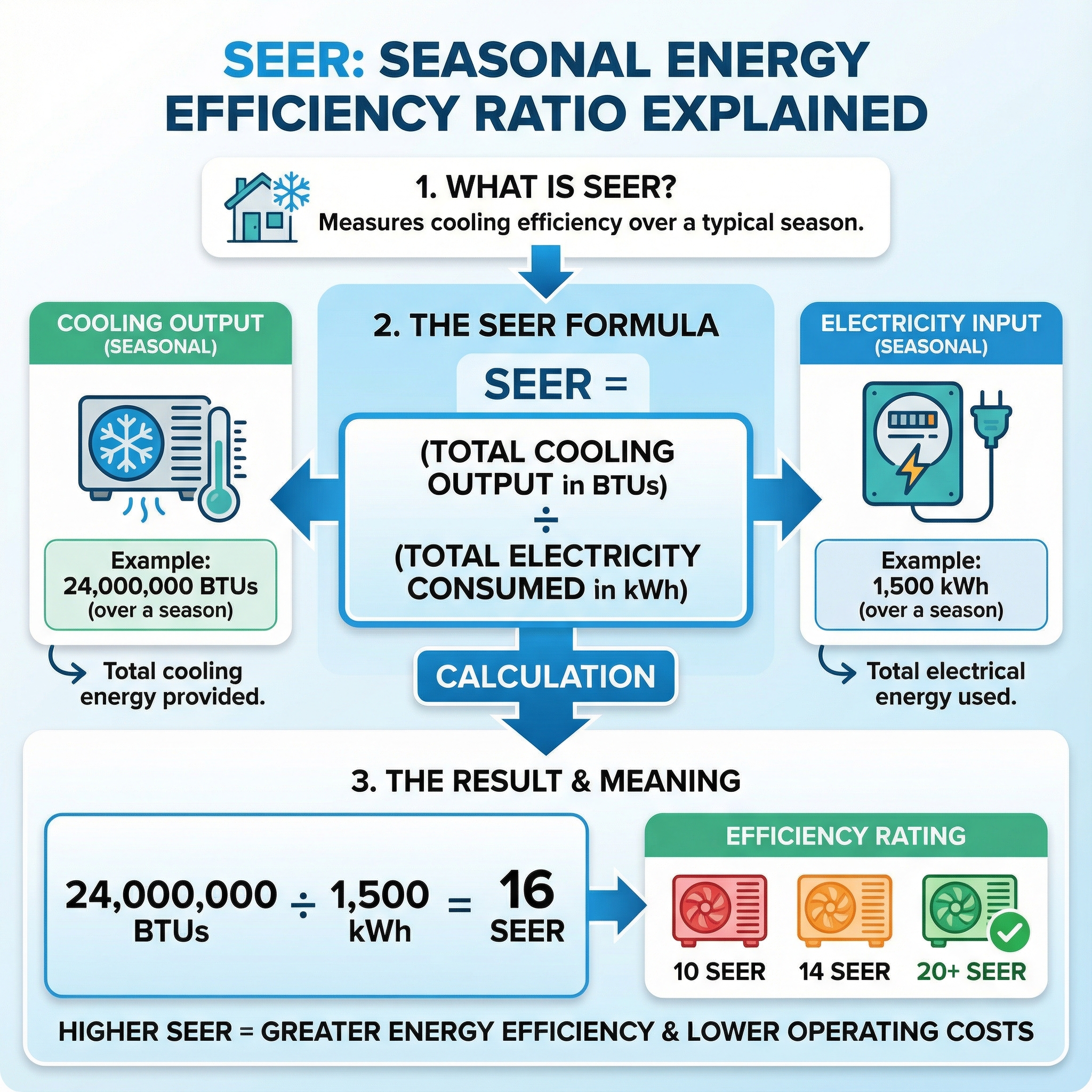
Region sets the playbook. Las Vegas favors high-ambient cooling packages and dust-tolerant filtration, Chicago leans to hybrid heat and code clarity for installs in tight basements, New York pushes cold-climate heat pumps and IAQ messaging to meet stricter ventilation rules. A2L refrigerant transition is front and center: low-GWP A2Ls are mildly flammable, so booths should feature listed components, leak detection, and charging steps that match local code. SEER2 drives efficiency talk: it is the updated test, DOE minima land in the mid-teens, and tiers should be clear as mid-teens entry, 20+ premium, 26+ flagship. In our experience at Budget Heating (BudgetHeating.com), the strongest booths translate these shifts into simple labels, regional install notes, and training slots. Prep spec cards that spell out SEER2 versus legacy numbers, A2L handling basics, and which models best fit desert sun, Great Lakes cold, or Northeast winters.
Setting SMART Objectives for Trade Show Participation (Pre-show Plans That Deliver)
Treat the show like a job site: measure twice, cut once. We set SMART objectives before badges print and use them to run the week.
- Meetings: pre-book a set number by role, for example 6 partner or vendor meetings with technical stakeholders.
- Sessions: choose target sessions to attend that support current initiatives.
- Demos and training: schedule time slots and define pass criteria, such as runtime, noise, and install steps to validate fit.
- KPIs: minimum lead quality score, target close-rate uplift of 3 to 5 points, and a meetings-to-opportunity conversion goal.
- Pre-qualify: use targeted pre-show marketing and calendar links to confirm intent.
- Follow-up plan: map 24-hour, 7-day, and 30-day digital nurturing to turn contacts into quotes, pilots, and visible pipeline.
Structured pre-show planning paired with systematic post-show nurturing turns floor activity into measurable pipeline movement.
Exhibitor Strategy: Booth Design, Experiential Demos and Product Launch Tactics for 2026
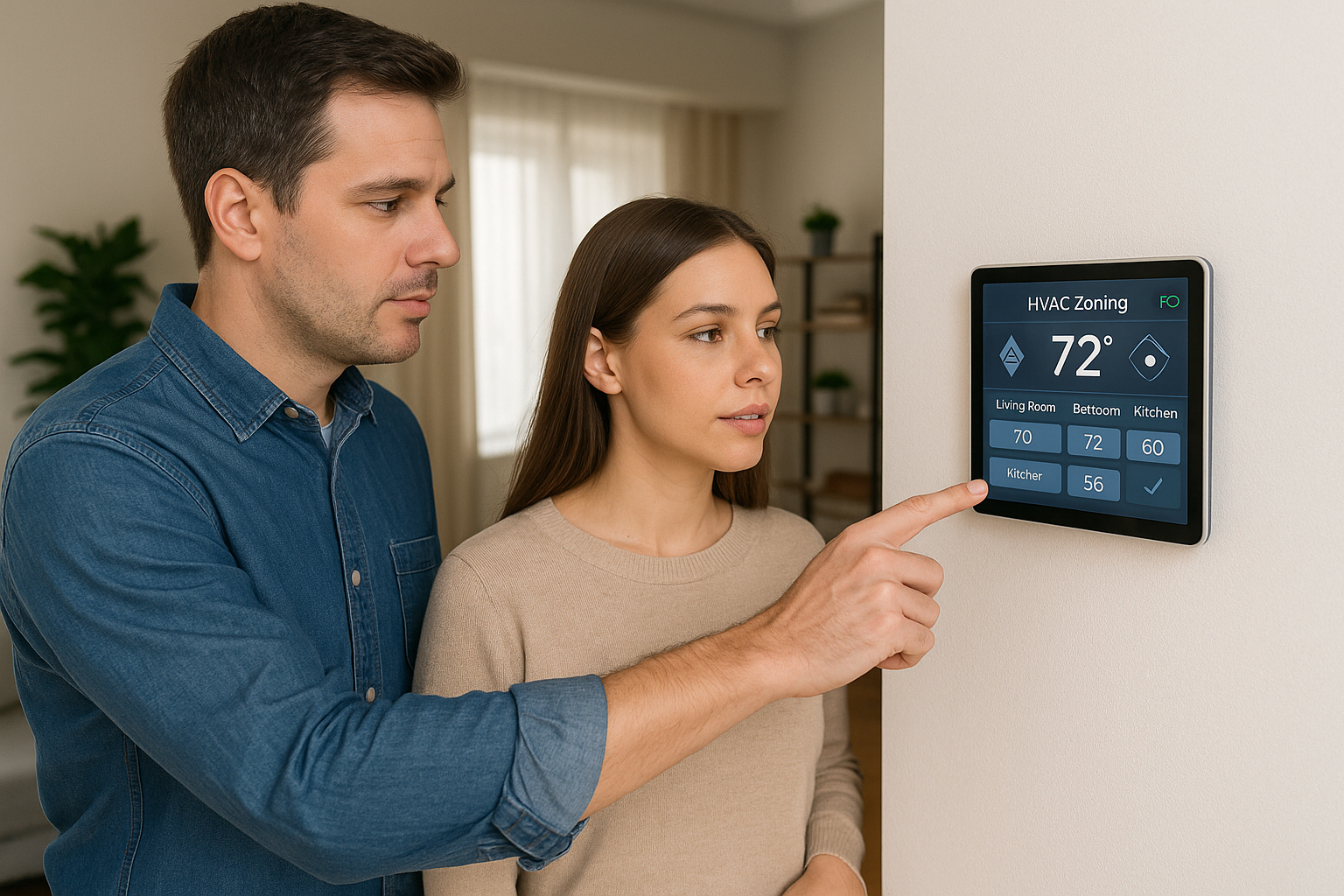
Think of your booth like a well run service bay, with lanes for intake, diagnosis, and delivery. Front edge: a hands-on demo bar where visitors can power up SEER2-rated equipment, scan commissioning guides, and see compliance-ready A2L-capable models. Mid-booth: appointment pods for 15 to 20 minute small-group certification sessions, plus scheduled install and tech deep-dives. Hybrid access belongs on every sign, use QR codes to book slots or join a live stream.
Own the experience: cap groups at 6 to 8, let attendees wire a control, trigger a sensor, then close with a clear commissioning checklist to shorten time-to-install and reduce callbacks. In our experience at Budget Heating (BudgetHeating.com), this format turns browsing into qualified demand.
Launch modular or prefab system solutions with a build table that shows how components snap together. Pair that with on-site financing for retrofit projects, a quick QR prequal flow, and a simple pay-over-time explainer.
- IoT and predictive maintenance zone: live dashboards, alert examples, and a service workflow that shows how faults become proactive visits.
- Subscription and recurring revenue models: bundle monitoring, filter delivery, and seasonal tune-ups with a pricing calculator and sample contracts.
- Channel and installer enablement: takeaway kits with spec sheets, wiring diagrams, quote templates, and co-branded marketing assets.
Post-Show Follow-Up: Turning Booth Leads into Customers and Measuring Impact
We turn show buzz into booked work with a tight sequence: prioritized quotes within 48 hours, high-touch follow-ups to demo attendees and scheduled meetings, then pilot projects that prove fit. Pilots generate quantified results and case studies that speed later deals and secure installer or channel support.
Measure ROI by downstream signals, not badge scans or foot traffic:
- Lead quality and conversion rates
- Demo or session engagement
- New partner or distributor agreements
- Aftermarket and service contract wins
Done well, this yields a fuller qualified pipeline, higher close rates, vetted stacks, new partnerships and recurring service revenue.
Conclusion: Building a Scalable Trade-Show Program for 2026 and Beyond
Align shows to company stage, lead with decarbonization and electrification, put hands-on demos front and center, and run tight pre and post-show processes. When you also track downstream KPIs, your 2026 HVAC events become engines for sustained, measurable growth.
We know planning a national calendar is a big lift and rules keep shifting. Formal safety guidance is not universal, so anchor demos to manufacturer materials and current A2L and code training.
If you want a practical partner to help scope demos, equipment, compliance and measurement, our team is ready.
- Get a Custom Quote
- Talk to Our Team by phone
- Shop Heat Pumps
Frequently Asked Questions
-
How should I measure trade-show ROI beyond badge scans?
We treat the show as the start of a pipeline, not the finish. Track lead quality and conversion: meeting-to-opportunity rate, demo or session engagement, quote requests, and pilot-to-contract conversion. Add cost per qualified meeting and time to first follow-up. Short-term KPIs include meetings booked, demos run, and scheduled follow-ups within 72 hours. Over 6 to 12 months, grade the show by closed-won revenue, distributor or partner deals signed, recurring service or monitoring contracts, and average deal size versus your baseline.
-
Which 2026 HVAC events are best for contractors versus manufacturers?
For residential and light commercial contractors, we recommend operations and business training conferences where owners bring home playbooks: ACCA Conference, Service World Expo, EGIA EPIC, and PHCC CONNECT. They deliver pricing, staffing, and service-agreement tactics. Manufacturers and distributors should prioritize big-tent expos and leadership summits that attract global buyers and media: AHR Expo for launches and demos, ASHRAE Winter for standards engagement, HARDI Annual Conference for channel strategy, and AHRI leadership events for policy and product roadmap alignment.
-
What regulatory topics will dominate HVAC shows in 2026?
Expect three themes to lead agendas: SEER2 and DOE efficiency updates that affect sizing, labeling, and test procedures, the low GWP A2L refrigerant transition with safety, tools, and charge-limit requirements, and refreshed IAQ and ventilation guidance influenced by ASHRAE 62.1, 62.2, and 241. We advise using shows to verify product listings and installation instructions, confirm technician training paths, and compare field tooling such as A2L-rated recovery machines, detectors, and ventilation controls so your team is compliant before the next season.
-
How much should I budget to attend or exhibit at a 2026 HVAC show?
General attendee registration ranges from free to the mid 400s, depending on timing and access level. Exhibiting is a different budget class that includes booth space, freight, labor, and on-site services, which are typically the largest line items. Plan travel, lodging, per diem, and paid workshops or certifications separately. To optimize spend, prioritize events with the best vendor fit and learning tracks for your goals, then set targets such as cost per qualified meeting and cost per opportunity created.
-
What pre-show activities actually increase meeting quality at the event?
We see the best results from pre-booked appointments anchored to value. Use segmented emails that offer targeted assets, such as installer guides, spec submittals, and financing packages, then link to a calendar with limited slots. Schedule small-group demos or certification sessions and invite by role to improve relevance. Send clear, pre-qualified meeting requests that state agenda, duration, and who should attend. Two to three days before the show, confirm times, share your booth map, and collect job timelines and application details to accelerate on-site conversations.