




How to Create a Pet Friendly Home Environment with Your HVAC
Pets shed, track in pollen, and stir up dander. Litter boxes and wet coats add persistent odors. All of that rides your home's air currents like confetti in a box fan, which is why a standard set and forget approach to heating and cooling often falls short. In our decades working with pet owners, we have seen that a pet focused HVAC strategy improves day to day comfort and helps pets and people breathe easier.
The HVAC system is the air's traffic cop for pet health. Strong filtration helps capture dander and fine hair. Balanced ventilation dilutes odors and refreshes stale rooms. Steady humidity keeps airways from drying out, supports skin and coat, and discourages mold. Even, right sized airflow avoids cold or hot spots where pets camp out and overheat or chill. Regular cleaning of coils and blower components prevents buildup that can reintroduce smells and irritants into the home.
When these pieces work together, indoor air stays cleaner, odors fade faster, and both you and your pets feel more comfortable throughout the day.

Why HVAC Matters for Your Pet's Health, Comfort, and Your System's Longevity
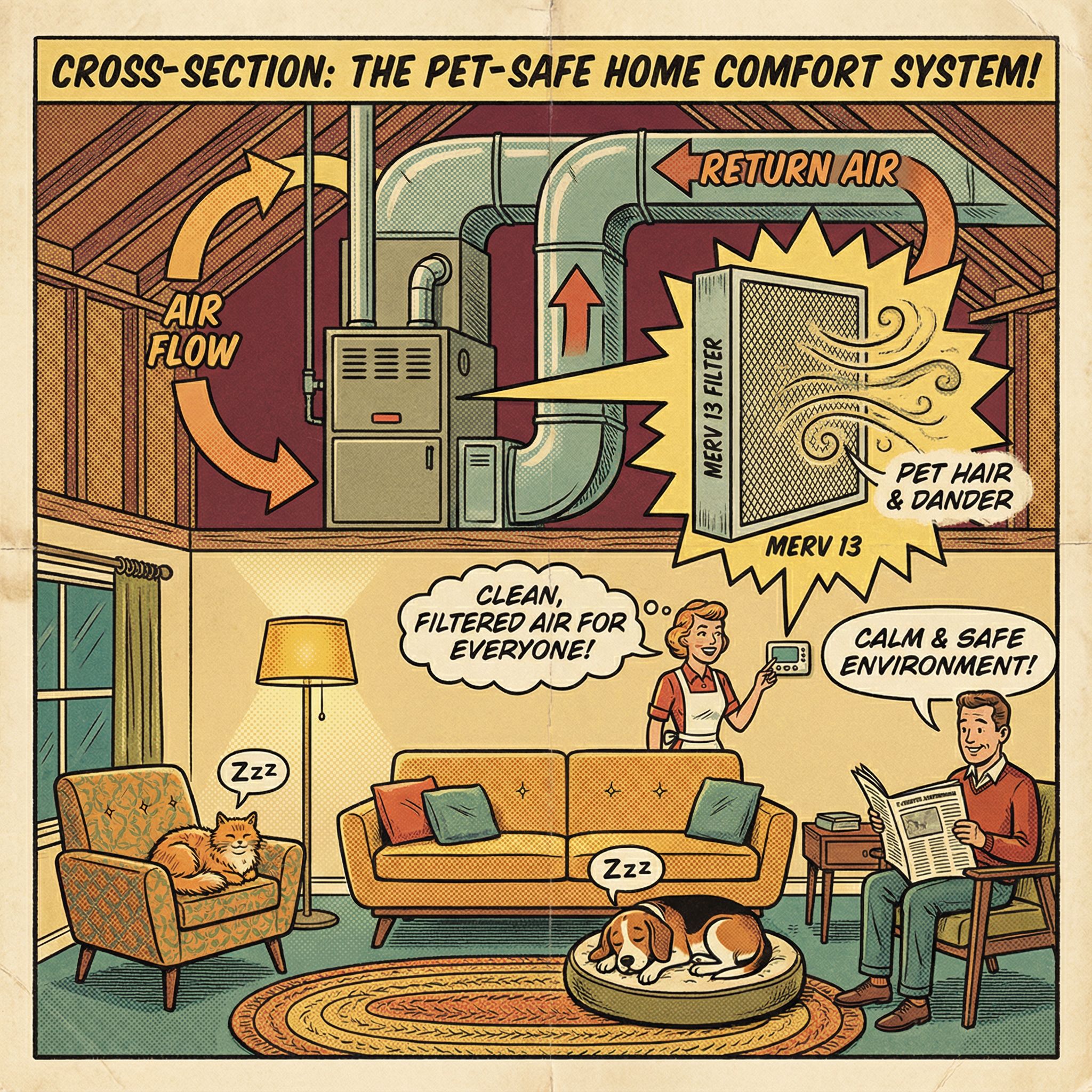
Pets shed dander and hair, and they track in outdoor debris. A pet aware HVAC setup keeps indoor air quality in check, capturing particles and odors so animals and people breathe easier, especially seniors or breeds with sensitive airways. From years of service calls, we see pet homes benefit most when filtration, airflow, ventilation, and humidity are planned together. Think of the system as the home's lungs, when filters and airflow are dialed in, fresh air circulates and irritants are removed instead of settling on floors and bedding.
Attention to filtration and airflow also protects the equipment. Less fur pulled into the return means cleaner coils, steadier static pressure, quieter operation, and fewer sudden lockouts from clogged filters. That reduces wear on motors and compressors, which can extend service life and cut the odds of mid season breakdowns.
Safety improves too. Proper ventilation and tight connections help manage odors, litter box gases, and hair that can accumulate near burners or electric elements. Finally, good air movement and balanced humidity make housekeeping easier, fewer dust bunnies, less lingering wet dog smell, and more even room temperatures so pets stay comfortable where they nap.
How Pets Affect Indoor Air Quality: Dander, Odors, Dust and Common Sources
Pet hair and microscopic dander add particles and allergens to the air. Litter boxes, wet fur, and tracked-in soil add odors and extra dust. These loads clog filters and can coat coils, which cuts airflow and forces longer run times, similar to lint clogging a dryer screen. In our field work, heavy shedders near return grilles often cut filter life in half.
- Groom smart: brush pets outdoors, vacuum with a HEPA vacuum, and wash pet beds weekly. Place mats at entries and wipe paws.
- Control odors: ventilate and scoop litter boxes, dry wet fur promptly, and store pet food sealed.
- Filtration: use MERV 8 to 10 for hair and dust, MERV 11 to 13 for finer dander if the blower can handle it. True HEPA belongs in a room purifier or engineered add-on, not a standard return slot.
- Filter timing: check monthly. With pets, plan 30 to 60 day changes. Two or more shedders often need 30 days. Seal return leaks and keep registers clear.
Routine HVAC Maintenance and Safety Tips for Homes with Pets
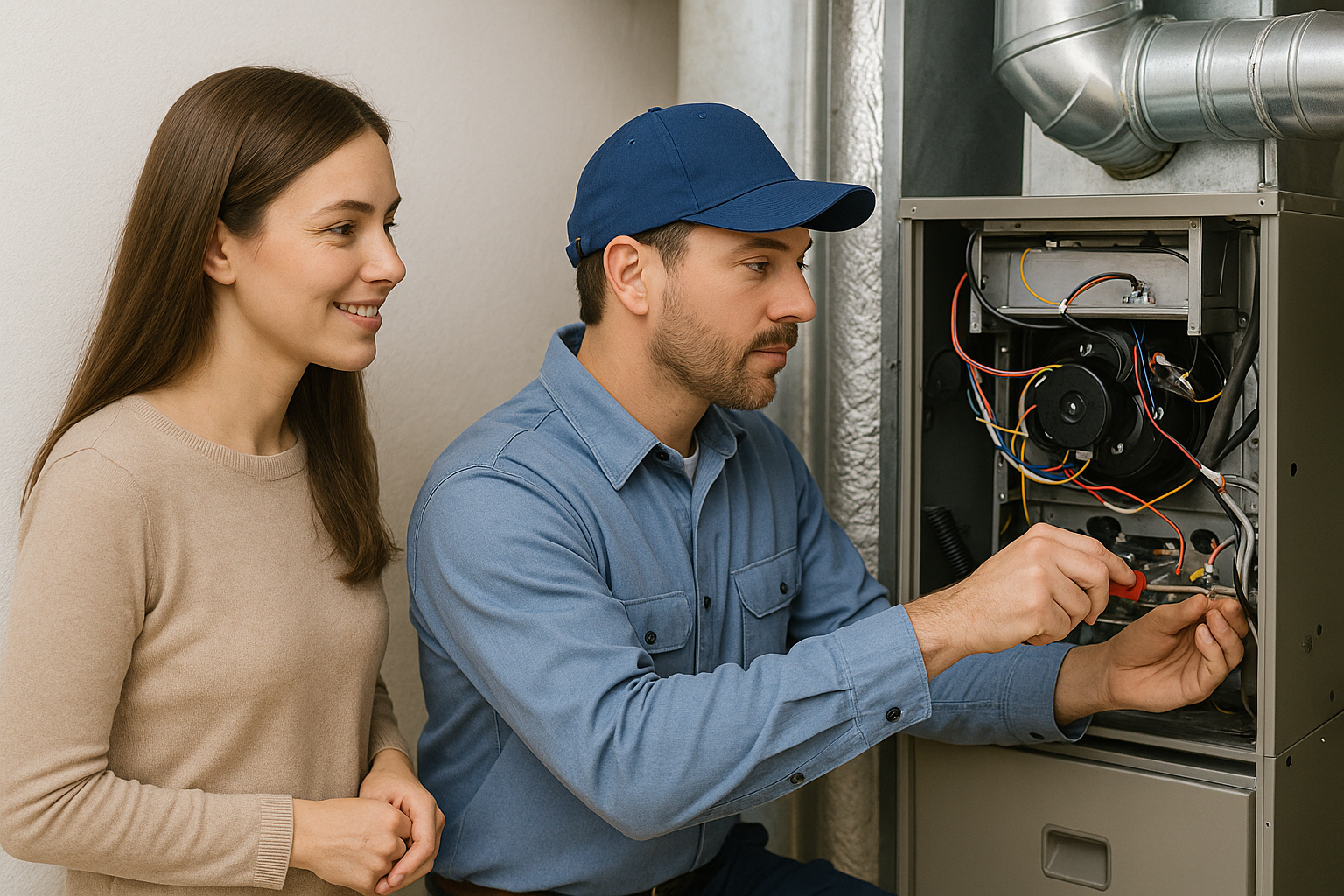
From decades in the field, we see pets add hair and curiosity that stress HVAC equipment and create safety risks. Here is what belongs to homeowners versus pros.
Homeowner tasks
- Check filters monthly. With pets, replace every 30 to 60 days, or when the media looks gray.
- Vacuum return and supply grilles weekly, and keep pet beds about a foot away.
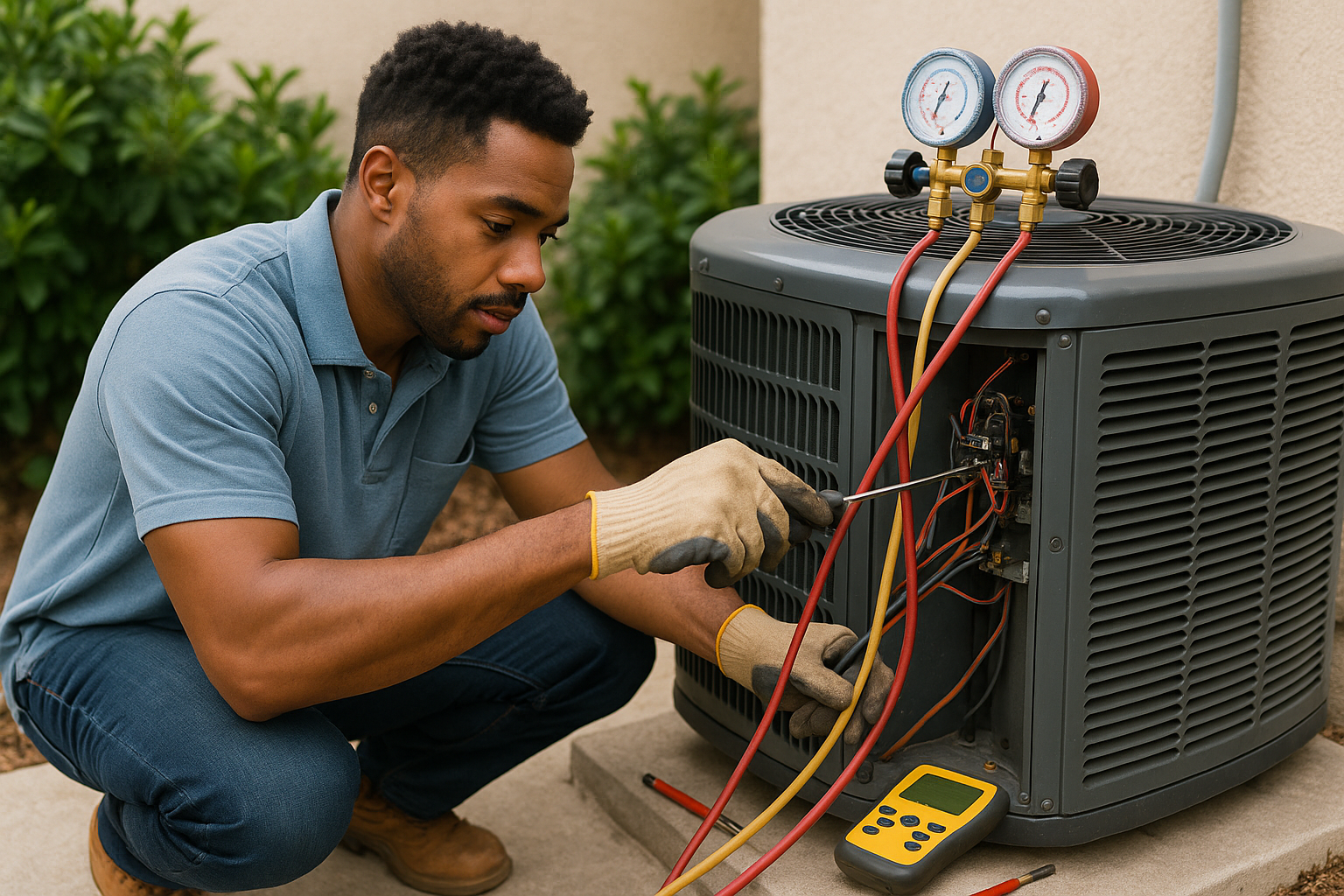
- Keep the outdoor unit clear, trim vegetation, maintain 18 to 24 inches of open space, and use a simple barrier to prevent licking or chewing.
- Tuck thermostat and low-voltage wires out of chewing range, and keep equipment panels closed.
- During service, crate pets in another room and set the thermostat to Off.
Professional work
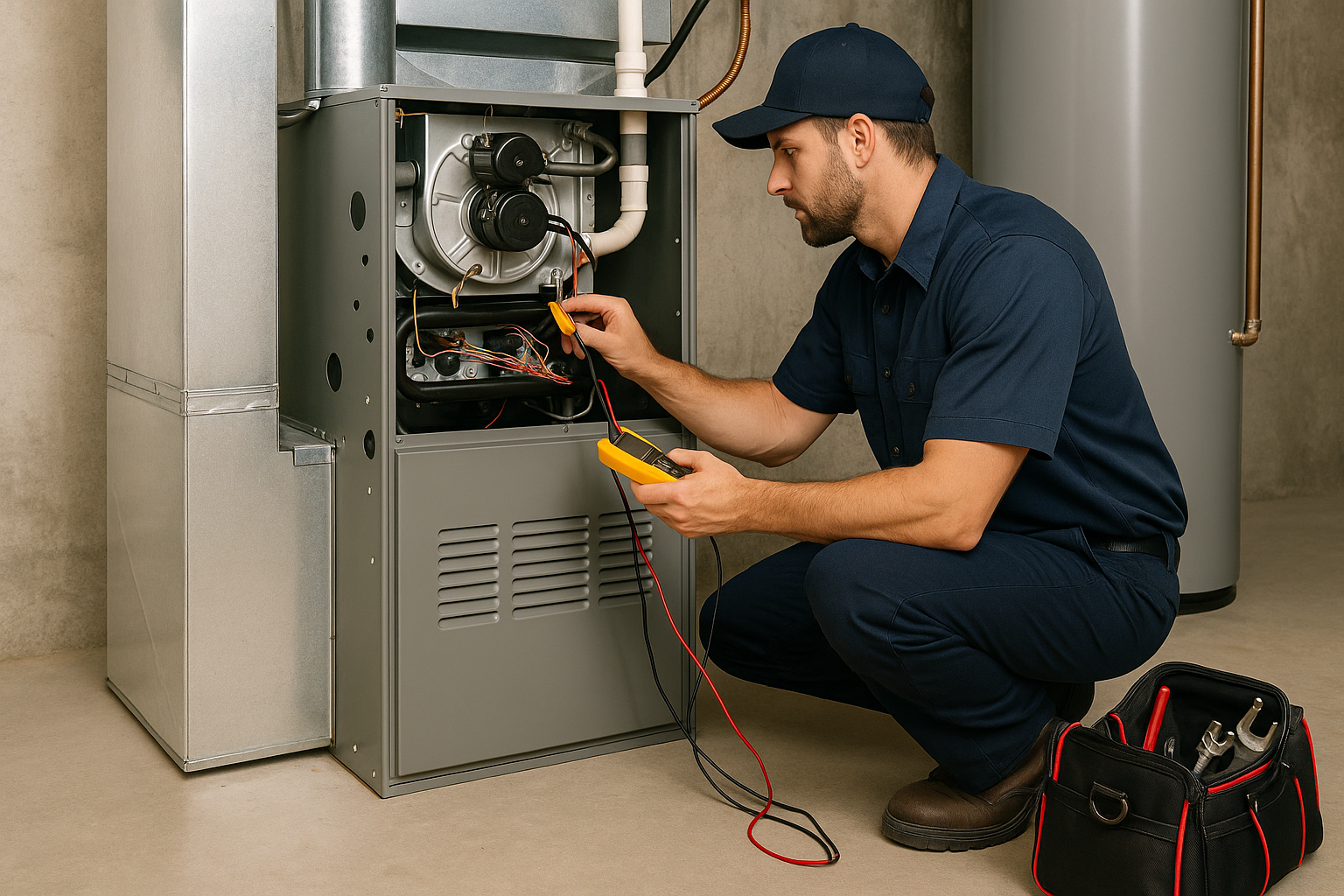
- Internal cleaning, coil washing, blower removal, refrigerant or gas diagnostics, electrical testing, and any panel removal.
- Repair chewed wiring and reinsulate line sets to factory spec, with power locked out.
What to Expect for Cost & Savings (And What We Don't Have Data For)
We do not publish specific cost or savings ranges here. In our experience, installed prices and payback vary widely by home size, climate, duct condition, labor rates, equipment tier, utility rates, and incentives. That spread makes a single number misleading.
To estimate your own ROI, use a simple approach:
- Gather the last 12 months of electric and gas bills to set a baseline.
- Compare your current system's age and nameplate efficiency to the new unit's published ratings.
- Estimate annual energy reduction, then multiply by your local rate to find yearly savings.
- Add full installed cost, subtract available rebates or credits, and divide by yearly savings for payback years.
For quotes and incentives, check multiple licensed installers, your utility's rebate portal, and your state energy office.
Honest Tradeoffs: When HVAC Fixes Aren't Enough (and Better Alternatives)
After decades sizing, installing, and troubleshooting systems, we have learned that not every comfort or bill problem is an HVAC problem. Sometimes replacing equipment is the wrong first move.
- Leaky homes and thin insulation: A bigger AC on a leaky house is like pouring water into a cracked bucket, you waste capacity and never feel right. Air sealing, attic insulation, and shading typically deliver bigger comfort gains per dollar.
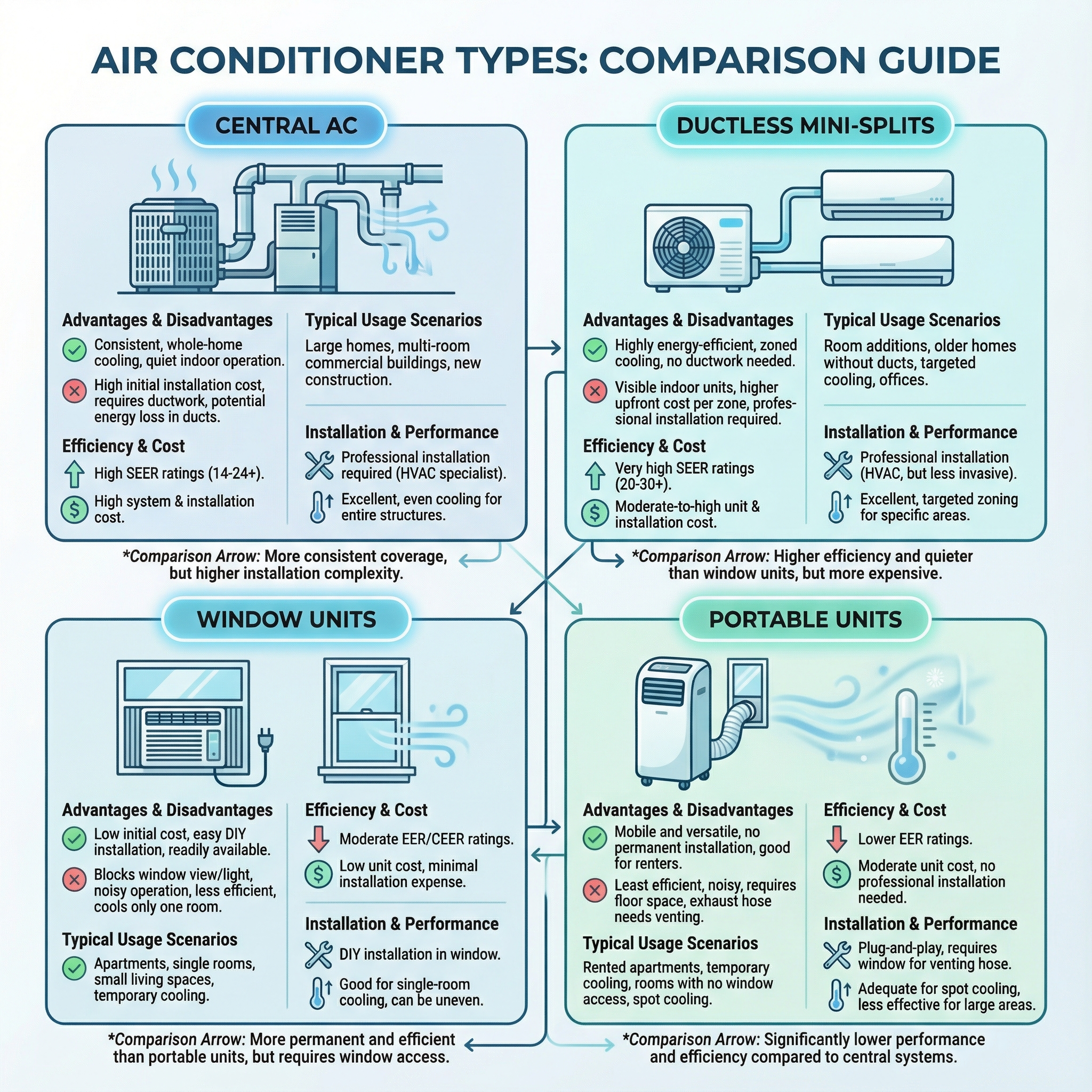
- Bad duct design: Uneven rooms often stem from undersized returns or long runs. Fix leaks, rebalance, add returns, or redesign trunks. For distant spaces, a small ductless unit can outperform extending ducts.
- Humidity and air quality: Temperature is fine yet sticky or stuffy. A dedicated dehumidifier, ERV or HRV, and stronger bath or range venting solve the source better than upsizing the AC.
Common myths: more tons equals more comfort, a smart thermostat cures airflow, closing vents saves energy, and swapping only the outdoor unit is fine. In practice, right sizing, matched components, and ducts in good shape win.
Choosing Efficient Equipment and Understanding SEER2 for Pet Homes
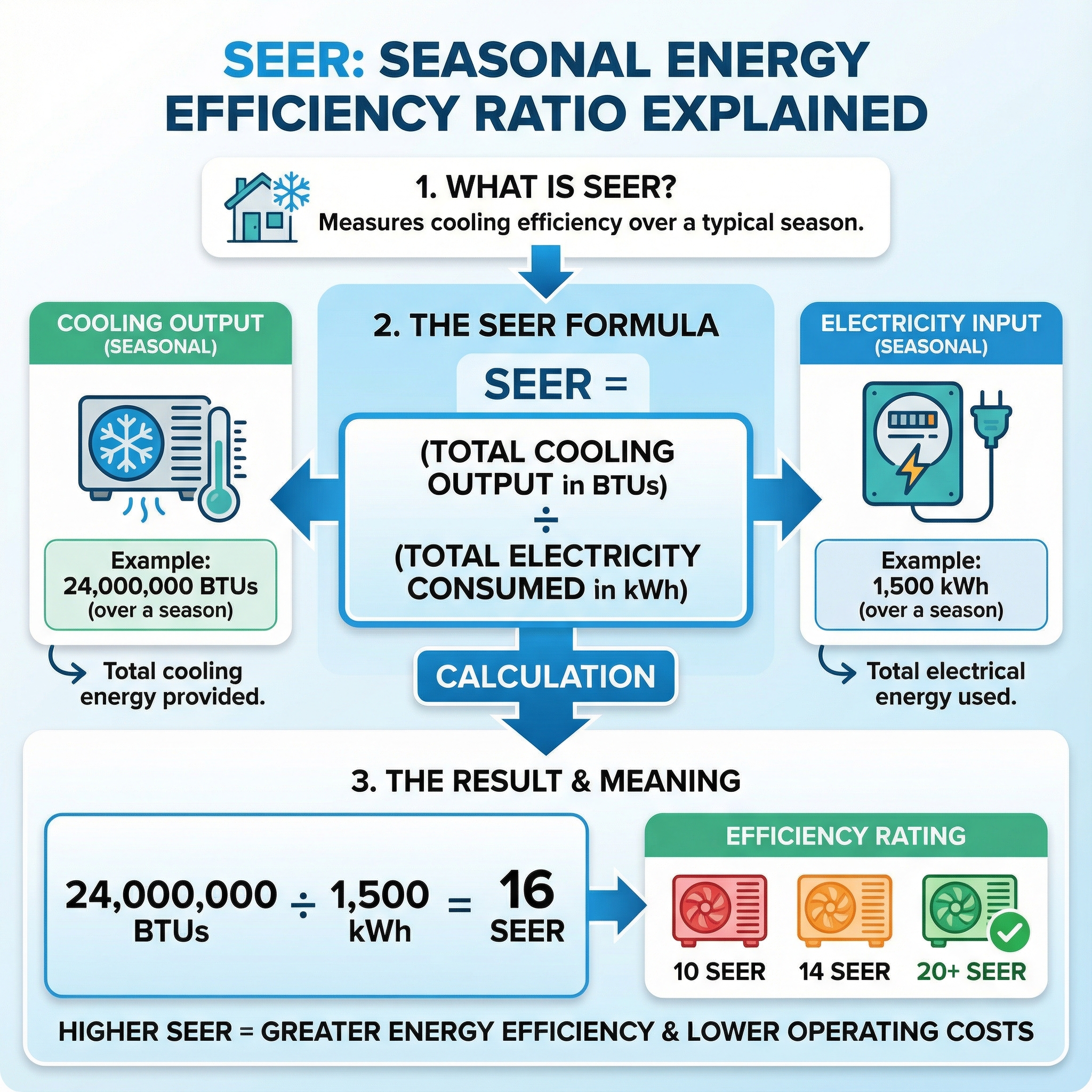
Pet homes often run longer to trap hair and dander. Higher MERV filters add resistance, so airflow drops and the system works harder. That is where efficiency counts. SEER2 is the updated rating that reflects real ductwork better than the older SEER. Its numbers read lower for the same unit, but within SEER2, higher still means less energy per hour of cooling.
For these homes, step up in SEER2 and pick variable speed. An inverter heat pump or variable speed blower can cruise at low output, like cruise control, keeping filtration, temperature, and humidity steady without short cycling. In our experience at Budget Heating (BudgetHeating.com), that combination offsets the extra runtime pets bring, keeps rooms evenly conditioned, and reduces strain on the blower when filters load up.
Climate, Codes, and Regulatory Considerations for Pet Friendly HVAC
In humid Gulf and Atlantic areas, we prioritize whole home dehumidifiers and variable speed airflow to hold 45 to 55 percent RH, which keeps pet dander and odors in check. In the arid Southwest, sealed ducts and MERV 11 to 13 media handle dust and hair, with spot humidification in winter. Wildfire regions benefit from tight cabinets, carbon plus high efficiency filtration, and ERVs set for gentle continuous fresh air. Cold climates call for cold climate heat pumps or dual fuel, with ERV vs HRV chosen by how dry the home runs. Local codes shape ventilation and minimum filtration, and some jurisdictions add smoke readiness rules. Refrigerant transitions to A2L blends are underway, so we plan clearances, rated components, and safe installs that protect pets and people.
Recommended Products, Brands and Practical Tools (Including Bosch Home Comfort)
For homes with pets, start with a quality pleated furnace filter and, if odors are a concern, add a carbon blend. Pair that with a room HEPA unit in the spaces your pets actually use, like near a dog bed or litter area. Whole-home options include media filter cabinets, electronic air cleaners, and coil air purifiers that live in the ductwork. In our experience at Budget Heating (BudgetHeating.com), matching the solution to the home's layout and return size matters more than chasing the most expensive gadget.
- Room HEPA: choose a unit sized for the room, place it away from walls, and keep pet beds within its airflow path.
- Whole-home: media cabinets are low fuss, electronic air cleaners boost fine-particle capture, and carbon inserts help with pet smells.
- Brands to consider: Bosch Home Comfort for quiet, well-sealed ducted systems, plus solid staples like Goodman and Rheem.
- Scent diffusers: essential oils can leave residue on filters and coils. Keep diffusers away from returns and go light.
- Ask your contractor: fit in existing ductwork, static pressure impact, filter access, noise, and warranty support.
Putting It Together: A Practical Pet Friendly HVAC Action Plan
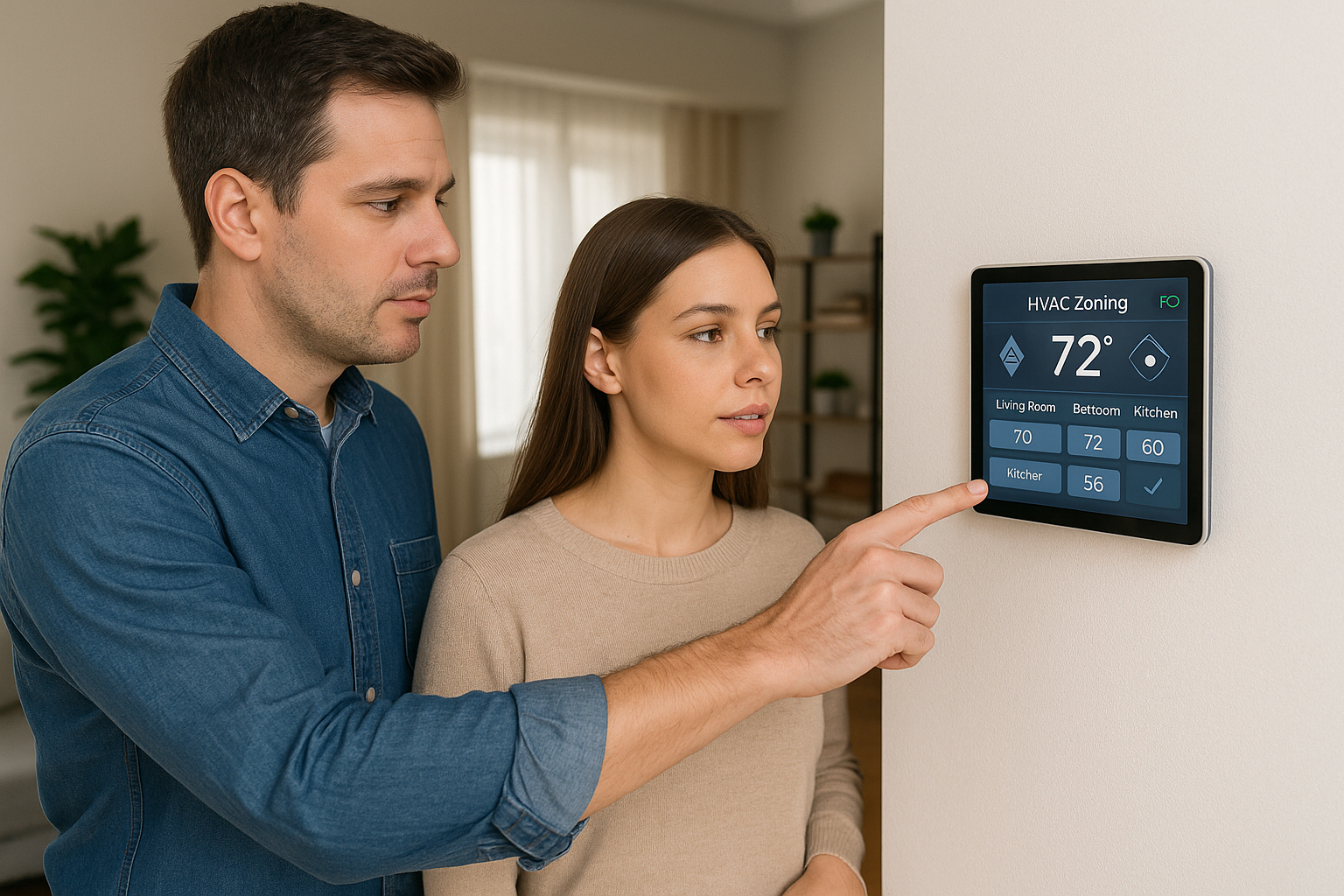
Here is the plan that works: control fur and vacuum registers weekly, run a MERV 11 to 13 filter on schedule, keep indoor humidity near 40 to 50 percent, keep coils and returns clean, check ducts for leaks, and use zoning or smart controls for pet rooms. DIY the housekeeping and filter swaps, call a licensed pro for sizing, duct changes, and refrigerant work, then let our team match the right IAQ add ons and equipment.
- Get a Custom Quote: we size systems, filters, and IAQ for homes with pets.
- Talk to Our Team: U.S.-based phone support from a factory authorized dealer with 30+ years.
- Shop Pet Friendly HVAC: filters, air cleaners, dehumidifiers, and right sized heat pumps at wholesale pricing.
- Fast checkout: many systems ship free and Affirm financing is available.