




How to Choose the Best AC Unit for Your Apartment: What to Know First
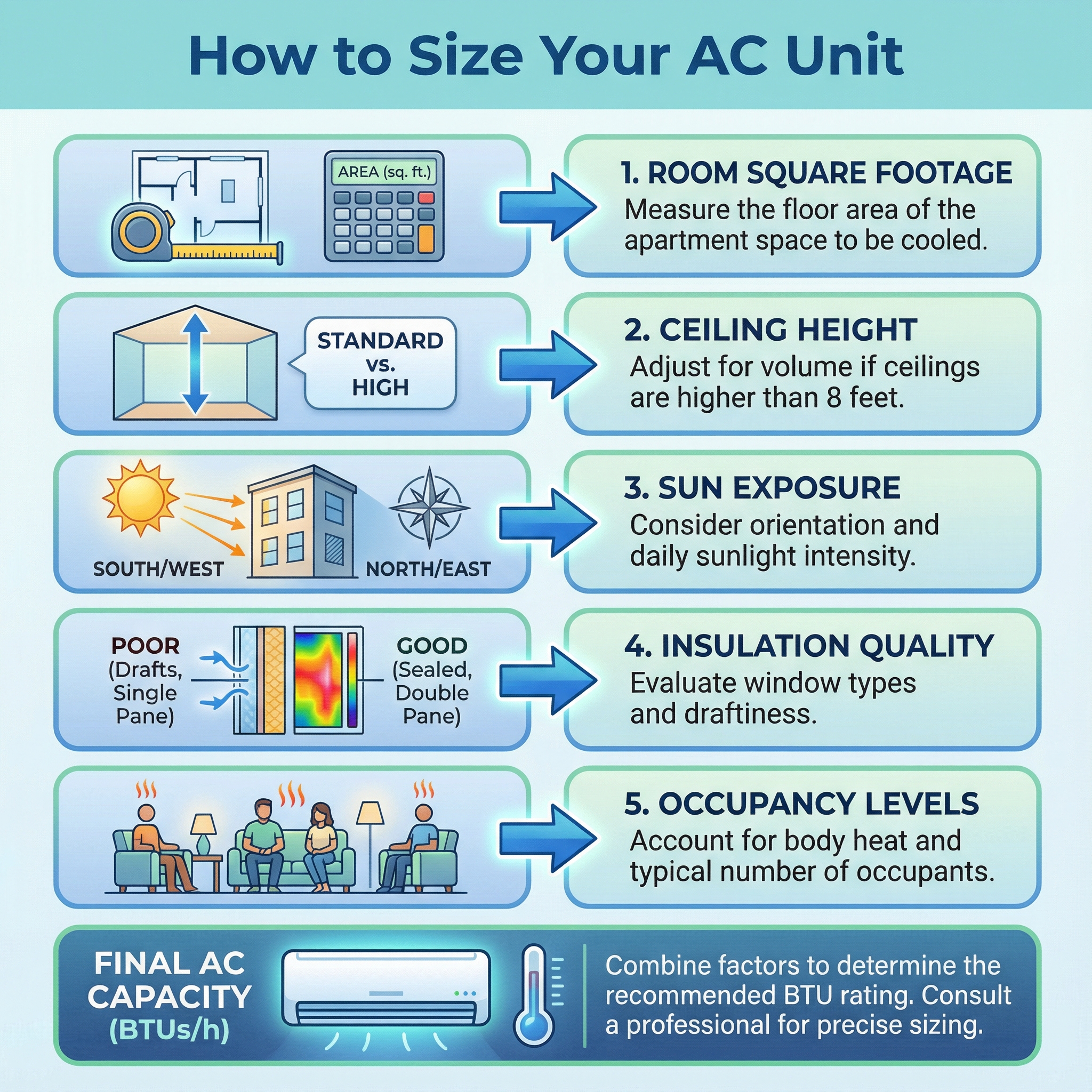
Choosing the right apartment AC is about fit, not just price, like a pair of shoes where size and support matter. We start by measuring the actual cooling load: square footage, ceiling height, sun exposure, insulation, and occupancy. Confirm building and lease rules, exterior restrictions, and electrical capacity. Then pick a format that fits the space and power limits, window, portable, through-the-wall, ductless mini-split, or central. Compare efficiency ratings (SEER2 or SEER, EER or CEER), noise levels, smart controls, and indoor air quality features. Finally, plan routine maintenance to keep comfort reliable and costs steady.
What 'Best AC Unit for an Apartment' Really Means (Who This Guide Is For)
This guide serves renters and small space homeowners who need apartment friendly cooling within real limits, building rules, deposits, and tight budgets. Based on years of field installs, we focus on options that install with minimal disruption and deliver solid comfort per dollar.
- Sizing: room area and BTUs that match, no short cycling.
- Building rules: what equipment and install methods are allowed.
- Form factor: window, casement, portable, or ductless mini split where permitted.
- Electrical fit: outlet type and circuit load.
- Noise: sound levels suitable for bedrooms and neighbors.
- Efficiency: CEER or SEER2 and operating cost.
- Moisture: dehumidification performance.
- Maintenance: filter access and simple cleaning.
- Total cost: unit, accessories, install, energy.
Types of Apartment AC Units: Window, Portable, Through the Wall, and Mini Splits Explained
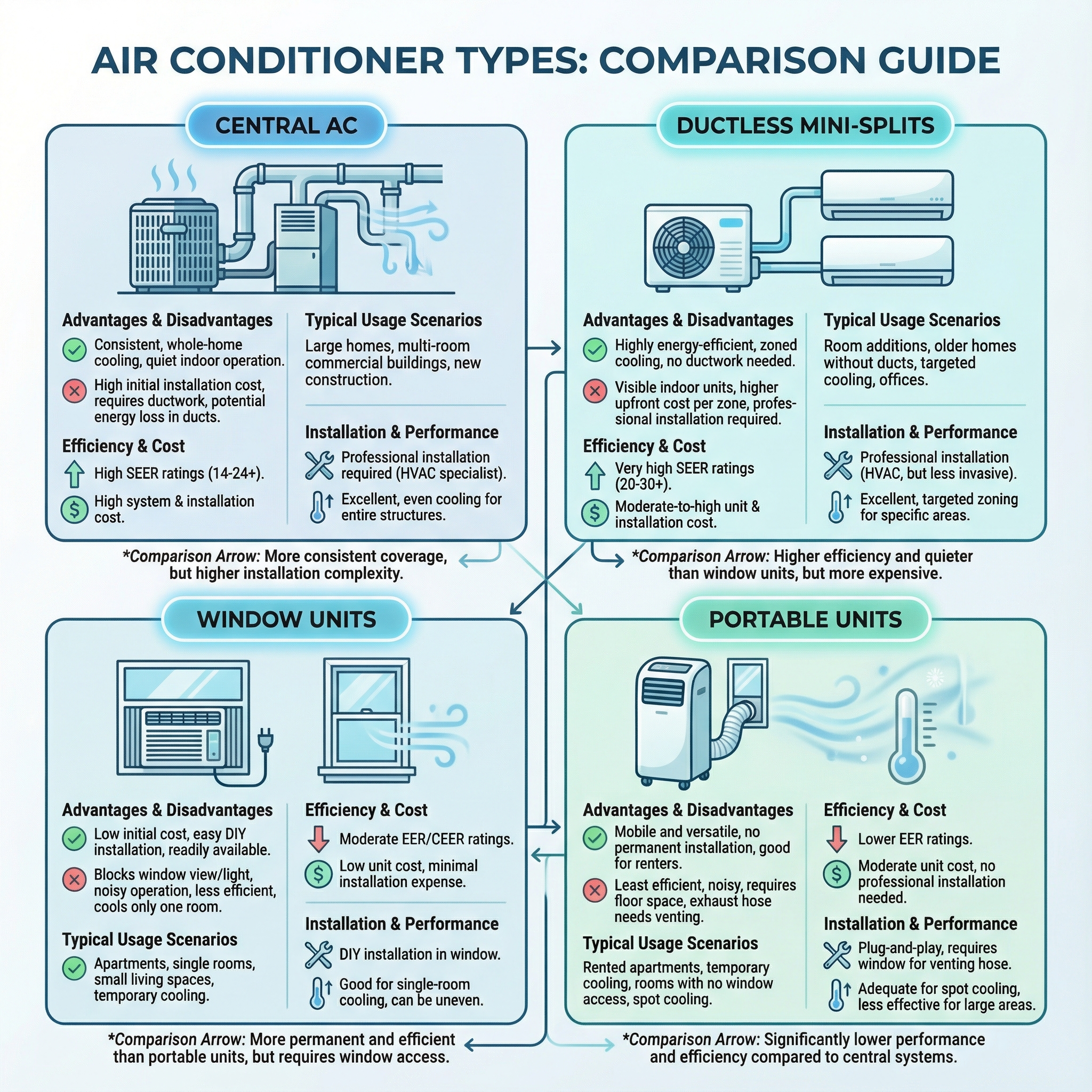
Pick AC type by space and rules: square footage, ceiling height, sun, insulation, people, and heat sources set capacity. Sizing is like shoe fit, too small struggles, too big short cycles. Weigh noise, efficiency, electrical fit, and access for filters. In our experience at Budget Heating (BudgetHeating.com), these basics narrow choices fast.
- Window AC: low cost, quick install, louder, blocks light. Best for single rooms.
- Portable: renter friendly, needs window vent, least efficient. Good short term.
- Through the wall or PTAC: cleaner look, tighter seal, needs sleeve and approval. Suits longer stays.
- Ductless mini split: top efficiency and quiet, zoning, pro install and outdoor space required. Great for multi room or low noise.
Regional Rules, Codes, and Refrigerant Changes That Affect Apartment AC Choices
Climate and code often narrow your options before features do. In hot humid zones, prioritize systems with strong dehumidification and continuous low speed operation. In hot dry regions, favor units with solid high temperature EER performance. Cold or mixed climates often benefit from heat pump mini splits.
Since 2023, federal efficiency enforcement uses SEER2 and EER2 with regional minimums: roughly 13.4 SEER2 in the North and 14.3 SEER2 in the South and Southwest. Models must meet the minimum for the region where they are installed, which is commonly checked at permitting.
Refrigerant rules are shifting under the AIM Act toward lower GWP options such as R 32 and R 454B. Expect potential changes to charging procedures, recovery equipment, and, in some jurisdictions, added installation steps or documentation.
Apartment constraints matter: landlords, HOAs, and cities may limit visible condensers, exterior penetrations, condensate drainage paths, and noise. Confirm building rules and permits before committing to equipment.
Common Mistakes, Limitations, and When an AC Option Isn't Right for You
With decades in the field, we see the same pitfalls: skipping proper sizing, which causes short cycling or nonstop run; ignoring sun exposure and top floor loads; assuming more BTUs are better; trying to cool faster by setting the thermostat lower; overlooking breaker capacity; and neglecting filters or blocking the outdoor condenser.
Not every option fits every space. Portables struggle with whole-room dehumidification and quiet nights, so consider through-the-wall or PTAC. If windows or rules forbid a window unit, a through-the-wall install is cleaner. Mini-splits are poor fits where exterior placement or installation approval is impossible or when pro install is out of budget; a central or building system, or a higher-efficiency window or portable unit, can be the smarter choice.
SEER, SEER2, EER, CEER and Why Efficiency Ratings Matter for Apartment Bills
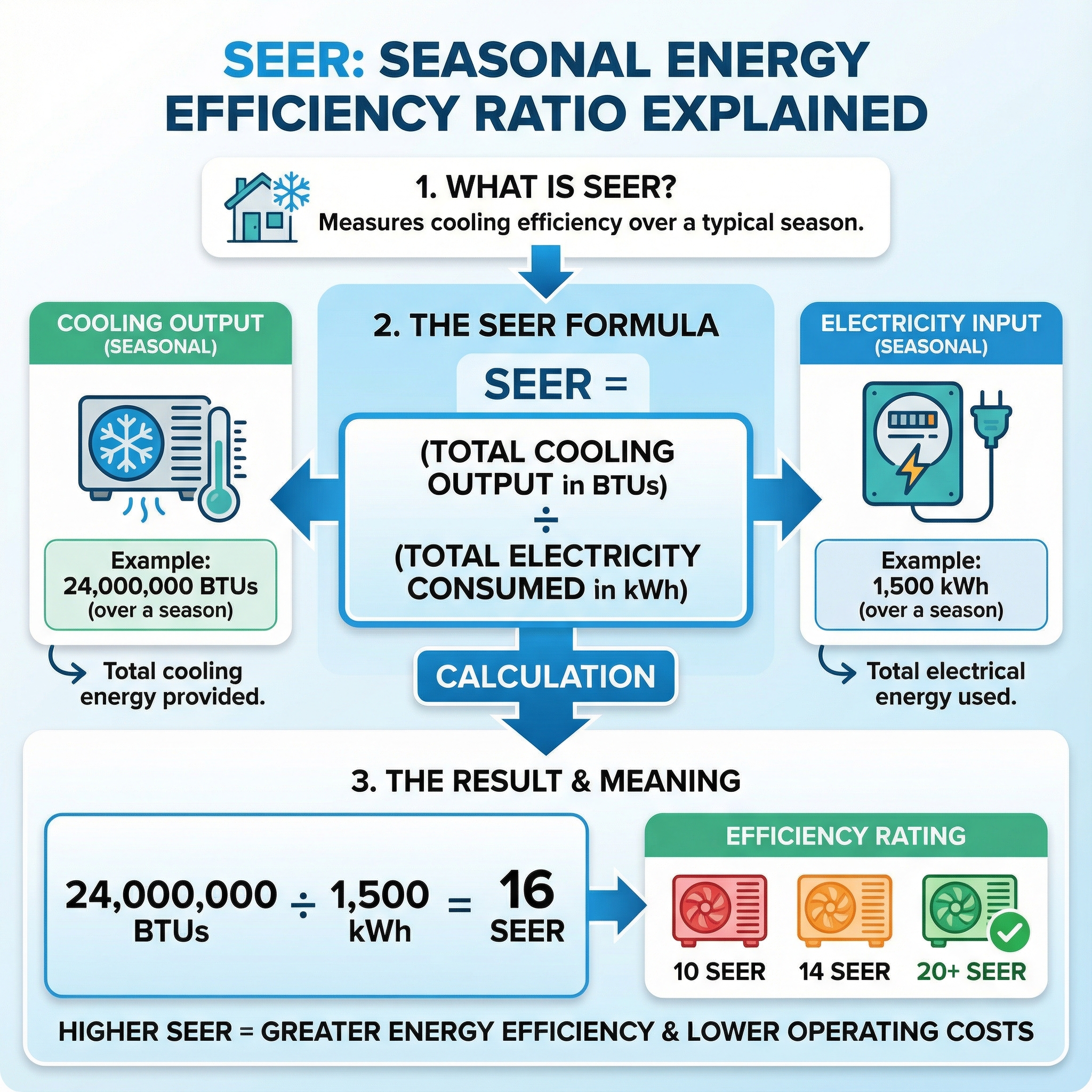
SEER measures seasonal efficiency for central systems. SEER2 is the newer post-2023 test with more realistic conditions, so values are usually lower than legacy SEER. Room, window and portable units use EER or CEER. Higher numbers mean fewer kWh for the same comfort, much like mpg. Moving from 14 to 16 SEER typically saves about 12 to 13 percent. Inverter, variable speed compressors reduce cycling, improve humidity control, cut noise, and lower energy use. Always compare models using the same metric and meet regional minimums. In our experience at Budget Heating (BudgetHeating.com), pairing ENERGY STAR listings with inverter tech pays back quickly on apartment bills.
Safety, Maintenance and What You Can and Shouldn't Do Yourself
From years in the field, we split upkeep into simple tenant tasks and pro-only work. Do these yourself: replace or clean filters every 1-3 months, keep supply and return vents open, clear at least 2 feet around outdoor condensers, and watch the condensate drain for steady flow and any leaks. Think of the condensate line like a gutter for your AC, if it clogs, water goes where it should not. Always disconnect power before basic cleaning.
- Leave to pros: Manual J load calculations, refrigerant charging or recovery (EPA 608), opening sealed systems or brazing, and any electrical panel work.
- Safety first: never handle refrigerant, respect high voltage, and schedule annual professional tune-ups for central and mini-split systems.

Tenant Checklist: How to Prepare, Measure, and Get Approval Before You Buy or Install
- Confirm rules: read your lease and building policies, then get written landlord or HOA approval for the AC type and any exterior work.
- Measure the space: square footage and ceiling height. Note insulation, sun exposure, number of occupants, and heat sources. Use a BTU sizing calculator to estimate capacity.
- Match the system: follow building rules when choosing ductless mini split, window, through the wall, or portable. In mixed climates, consider heat pump mini splits for heating too.
- Check efficiency: review SEER2, CEER or EER and look for ENERGY STAR where applicable.
- Verify electrical fit: confirm voltage (115 vs 230), circuit amperage, plug type, and whether a dedicated circuit is required. Think of circuits like parking spots, one appliance per dedicated spot when the nameplate calls for it.
- Plan installation: indoor location and clearances, outdoor placement and mounting, line set route, wall penetrations, and condensate drain or pump to an approved location. Confirm noise limits.
- Total cost: include equipment, installation, electrical upgrades, permits, and potential rebates.
- Maintenance and warranty: filter access, cleaning schedule, warranty terms, and local service availability.
- Get written quotes: include load calculation, exact models, scope of work, electrical scope, permits, and cleanup.

Cost, Savings, and How to Estimate Payback for an Apartment AC
Upfront cost depends on size and features, while operating cost depends on efficiency and run time. Upgrading 14 to 16 SEER cuts cooling energy about 12 to 13%. New high efficiency units can use 20 to 40% less than 10 year old ones. Regular maintenance can cut electricity use by up to 30% versus a neglected unit.
Quick payback: annual cost = cooling hours x load BTU / SEER / 1,000 x electric rate. Payback = price premium / annual savings. High rates and long seasons shorten payback. Renters should choose ENERGY STAR and higher CEER, plus rebates or tax credits.
Putting It Together: A Simple Process to Pick the Right AC for Your Apartment
Measure the room, include height, sun, insulation, people and heat sources, then size capacity. Choose what your building allows: window or portable for quick value, through-the-wall or PTAC for semi permanent, ductless mini split for top efficiency and quiet. Prioritize SEER2 or CEER, low noise, safe power and condensate. Keep filters clean and schedule annual tuneups. Smart controls and shading help cut runtime.
It is a real decision, and the right pick avoids hot spots and bill shock.
We back you with 30 plus years of HVAC experience, two stocked warehouses, wholesale pricing, U.S. phone support, free shipping on most orders, and Affirm financing to make the choice easy.
- Get a Custom Quote
- Talk to Our Team by phone or chat
- Shop AC Units