




How Smart Thermostats Are Helping New Yorkers Cut Heating & Cooling Bills
Heating and cooling dominate many NYC utility bills, especially in older buildings with inconsistent temperatures. A simple, high value upgrade is a smart thermostat, which trims unnecessary runtime while keeping rooms more comfortable.
A smart thermostat is a connected control that learns your schedule, adapts to weather, and lets you adjust settings from your phone. It can use occupancy cues and geofencing to lower setpoints when you are away, then preheat or precool before you return. Think of it like cruise control for indoor comfort, steadying temperature without constant overshooting.
In practice, that automation means systems only run when needed, and many households see meaningful savings, often up to about $180 per year. There is also added value from rebates and utility demand response programs that reward smart controls. For New Yorkers, the appeal is straightforward: fewer temperature swings, less wasted runtime, and lower bills, all from a thermostat that fits most modern HVAC setups and can be installed with minimal disruption.
Why New Yorkers Are Switching: Key Benefits of Smart Thermostats
Smart thermostats fit city living by cutting unnecessary runtime while keeping apartments comfortable. Learning algorithms build adaptive schedules from daily habits, then fine-tune for weather, so heating or cooling ramps up only when needed. That smooths temperature swings and reduces short cycling that wastes energy.
Geofencing and occupancy sensing add another layer of precision. When everyone leaves, the thermostat sets back automatically. As phones approach home or motion is detected, it starts recovery so the space feels right on arrival, even with unpredictable work or transit schedules.
Remote control and smart-home integration make adjustments simple from the subway platform, the office, or the couch. Apps and voice control handle quick tweaks, while scenes can coordinate with other devices to trim runtime. Clear energy reports highlight patterns, helping users spot waste and track progress.
Savings can stack further through local utility rebates and demand-response participation. Enrolling in peak-time events earns bill credits, and combining those with rebates lowers upfront cost while the thermostat continues to manage consumption day to day.
How Smart Thermostats Cut Your Energy Bills: Typical Savings & Payback in NYC
Smart thermostats trim wasted runtime, especially in NYC apartments and brownstones where heating and cooling can be stop and go. Typical savings land in the single digit to low teens percent of your heating and cooling use, often up to about $180 per year for many households.
What does that look like on a bill? For a one-bedroom or studio with modest AC, expect roughly 5 to 8 percent, maybe $60 to $120 per year. For a multi-zone condo or brownstone with central AC and a boiler, 8 to 12 percent is common, around $120 to $180 per year. Households that are away most weekdays tend to see the higher end, while already dialed-in schedules will be closer to the low end.
With utility rebates and demand-response credits, payback typically falls in about 1 to 3 years. Over 8 to 12 years of use, larger or multi-zone homes often rack up several thousand dollars in cumulative savings. In our experience at Budget Heating (BudgetHeating.com), the biggest wins come from consistent setbacks, reliable occupancy detection, and keeping zones coordinated.
Compatibility & Checklist: Is a Smart Thermostat Right for Your NYC Home?
- Confirm your system: central AC with furnace or air handler, heat pump, or boiler with steam/radiators are typically low voltage and compatible. Electric baseboard is line voltage and needs a line voltage smart thermostat, not a standard model.
- Check for a C wire: most smart stats need constant 24V power. If you only see R and W (or R, W, Y, G) at the wall, plan one of these: a power extender kit at the furnace or air handler, adding a C at the equipment, or a plug in adapter. Two wire boiler setups often need the extender kit.
- Verify Wi Fi where the thermostat sits: test with your phone at the wall location, 2.4 GHz signal is usually required. Weak signal means a mesh node or extender before installation.
- Plan placement: mount about 52 to 60 inches high, away from sun, drafts, radiators, window ACs, and kitchens so readings stay accurate.
- Consider remote room sensors: great for uneven or railroad apartments. Place sensors in key rooms and use temperature averaging or follow me modes.
- Feature check: look for ENERGY STAR, plus learning, geofencing, and occupancy options. If you expect demand response participation, confirm compatibility.
- Multifamily approvals: get landlord or co op sign off, keep the original thermostat to reinstall at move out, and coordinate access if any work touches building mechanical spaces.
When Smart Thermostats Aren't the Best Choice: Tradeoffs, Limits & Alternatives
After decades in the field, we appreciate what smart controls can do, but they are not right for every home. Upfront purchase and installation costs, older building stock with quirky wiring, landlord or co-op permission needs, and privacy concerns around connected devices often limit adoption. C-wire questions aside, there are clear cases where another approach fits better, even though broad deployment can lower citywide peak demand and emissions.
- Line-voltage electric baseboards or radiant heat: most Wi-Fi stats are incompatible. Use a purpose-built 120/240V programmable control, and hire a pro because these circuits are not DIY safe.
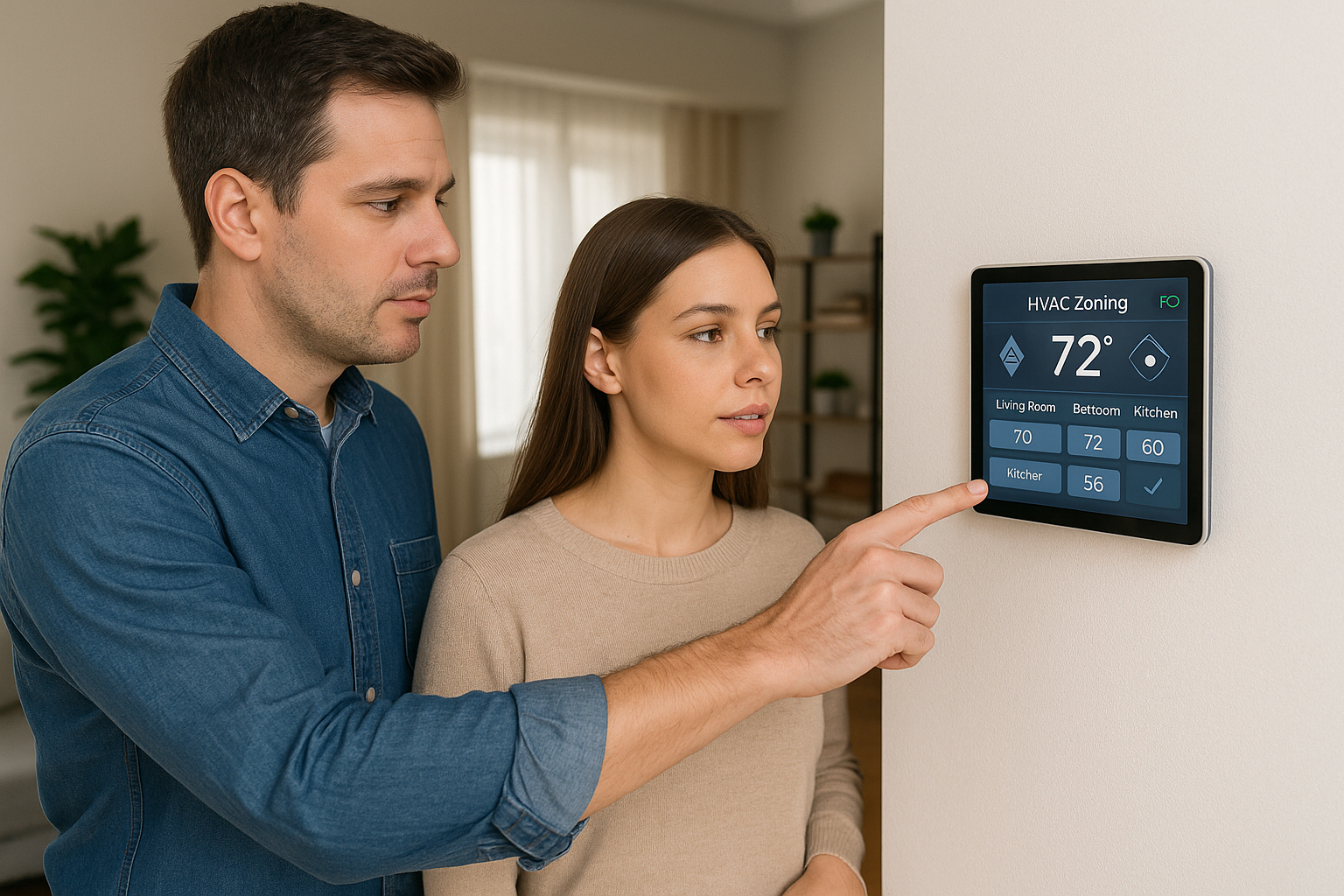
- Communicating or complex multi-stage systems, zoning, or hydronics: stick with the manufacturer's matched control or a professionally installed gateway.
- Rentals or strict HOAs: choose a simple battery 7-day programmable or room-by-room devices that do not alter wiring.
- Privacy-first households or tight budgets: a non-connected 7-day programmable provides predictable scheduling without cloud data.
DIY is generally limited to low-voltage, like-for-like swaps. Sealed refrigeration or combustion equipment requires professional service. Recycle old mercury thermostats through a hazardous waste program.
NY Incentives & Programs: NYSERDA, Con Edison, National Grid and Demand Response Offers
In New York, utilities like Con Edison and National Grid offer instant rebates through their online marketplaces. For smart thermostats and similar gear, the discount typically appears at checkout, often in the 50 to 100 dollar range, so there are no forms or long waits. NYSERDA and state oversight emphasize ENERGY STAR models and evaluator reviewed savings, so choosing certified equipment keeps you eligible and makes verification straightforward.
Many homes also enroll in demand response. Connect an eligible thermostat, and on a few peak days the utility will make small, temporary setpoint adjustments. You keep control and can opt out when needed, and you receive bill credits for participating. It is an easy way to add value after the upfront rebate, and the adjustments are brief, generally set to protect comfort.
In our experience at Budget Heating (BudgetHeating.com), the smoothest path is to purchase through your utility's marketplace, then enroll the thermostat during setup to stack the instant rebate with ongoing bill credits.

How Thermostat Controls Complement HVAC Efficiency (SEER, SEER2 and Long Term Savings)
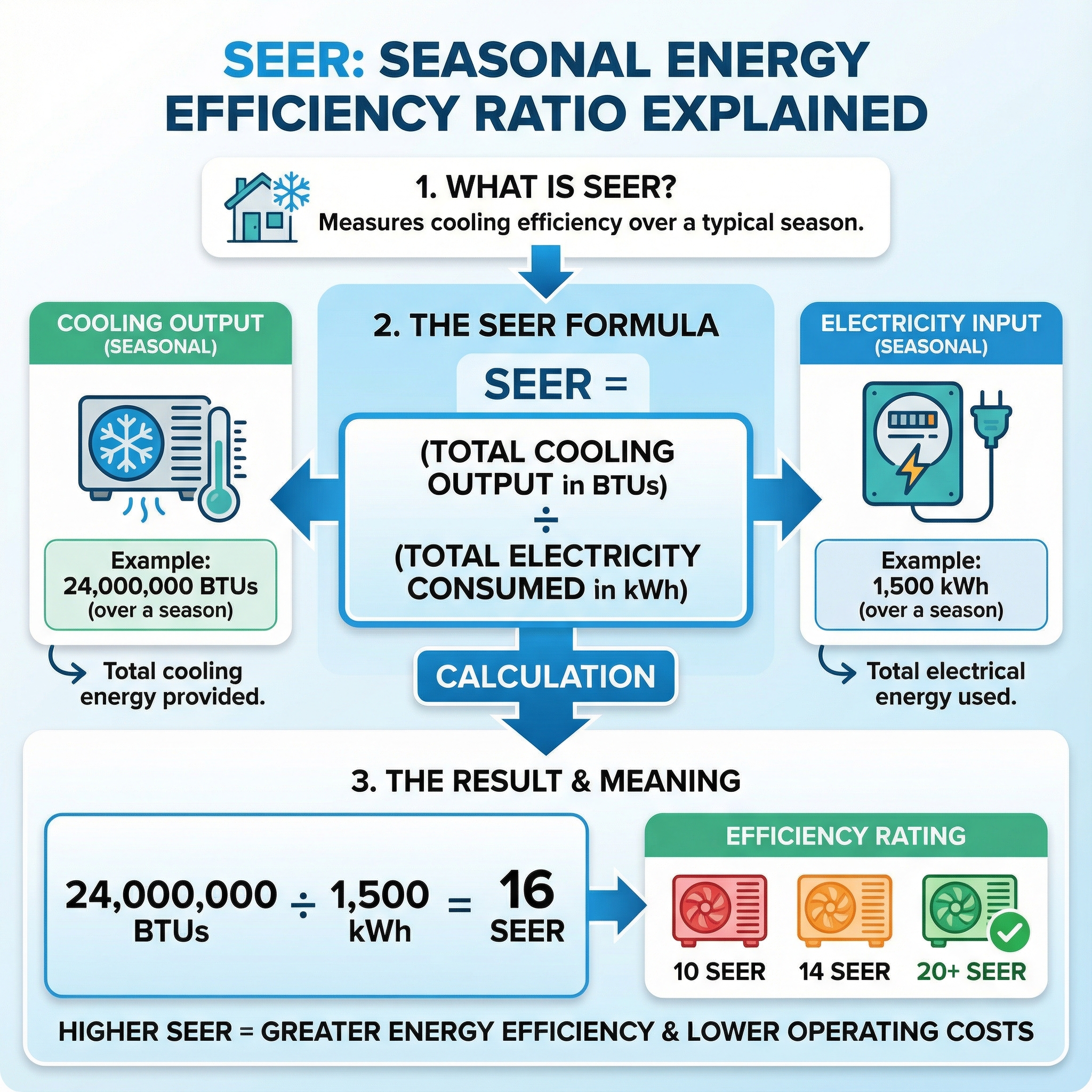
SEER and SEER2 rate how efficiently a cooling system turns electricity into comfort across a season. Upgrading from an older low-SEER unit to 16 SEER or higher delivers the big structural savings, often 30 to 40 percent on cooling costs. A smart thermostat then layers on incremental gains, typically single digit to low teens, by tightening schedules, managing setpoints, and minimizing unnecessary runtime. Think of high SEER as a fuel efficient engine, and the thermostat as cruise control that smooths out the drive and avoids waste. In the field we see the pairing translate to better real world performance, fewer short cycles, and steadier temperatures. Over 8 to 12 years, the combined effect commonly adds up to several thousand dollars, because the equipment uses less energy and the controls help it use it at the right times.

Installation Options: DIY vs Professional and What to Expect in NYC
From years of installs in dense cities, we see DIY make sense for simple, like-for-like swaps after basic wiring checks are confirmed. Expect a few hours, basic hand tools, and careful adherence to safety. It saves labor, but you assume code compliance risk, limited warranties, and building rules.
Professional install is preferable for new systems, refrigerant circuits, gas, electrical changes, and required permits and inspections. In NYC, expect a site visit, coordination with building management, proof of insurance, and permit handling. Timelines range from a single appointment for replacements to staged visits for multi-family or roof access. Pricing typically reflects labor, materials, disposal, permits, and any lift or crane needs. Choose based on your comfort with tools, project scope, and the need to meet NYC code and building requirements.
Next Steps: Choosing a Model, Renters' Options and Local Installers
Pick an ENERGY STAR smart thermostat or controller that fits your system after you confirm wiring and equipment compatibility. Renters should get landlord permission for any wired device, or choose portable options such as smart AC controllers for window units or mini splits that you can take when you move. To install or confirm eligibility, check your utility's online marketplace. It lists approved devices, available incentives, and vetted local installers. Manufacturer dealer locators and neutral trade directories can help as well.
Start Saving: Simple Steps New Yorkers Can Take Today
Smart thermostats start saving when you nail the basics. Today, confirm compatibility with your HVAC, connect to reliable Wi-Fi, enable learning or auto-schedule, set gentle setbacks, turn on occupancy or eco modes, and claim any available rebates. If choosing a model or wiring has you hesitating, that is normal. Our U.S.-based team has decades of hands-on HVAC experience, and we can help you pick and set up the right thermostat for your home.
- Get a Custom Quote
- Talk to Our Team by phone or chat, real HVAC techs on the line
- Shop Smart Thermostats