




How Air Conditioning Shapes Home Value, Demand and Neighborhood Growth
Air conditioning does more than keep a home cool. It shapes what buyers want, how much properties sell for, and which neighborhoods grow. With decades in HVAC, we see AC act as a market signal, not just a comfort feature. Think of it as the bridge between climate and comfort that turns a location into livable square footage.
As a locational amenity, AC changes the way a home's setting is perceived. In hotter markets, listings with reliable central AC attract larger buyer pools, spend fewer days on market, and face fewer price cuts. Rooms that would otherwise be seasonal, like top floors and west facing spaces, count as true, all day living area, which supports higher valuations. At the neighborhood level, when AC becomes common and efficient, demand maps shift. Buyers consider corridors that once felt too hot, and builders have more flexibility to plan infill and density because interior comfort is predictable. Over time, that concentration of demand influences which blocks get renovated first, where new construction clusters, and how services follow. In short, AC is both a home upgrade and a place making tool that pushes pricing, desirability, and growth in the same direction.
Why AC Matters to Buyers, Sellers and Landlords
Reliable cooling changes market dynamics. In our experience, it is more than a locational amenity: it shapes search filters, pricing, and speed.
- For buyers and sellers: Central AC broadens the buyer pool and cuts days on market. Many shoppers filter for AC, which influences showing schedules and offers.
- For home value: Efficient, well maintained systems support higher sale prices than similar homes without AC, with the biggest premiums in hot, humid regions.
- For rentals: Dependable AC draws more applications and faster lease up. It can support higher asking rent and, where owners pay utilities, improve net operating income.
Regional Trends: Climate, Cooling Demand, and Market Dynamics
Cooling functions as a locational amenity. As extreme heat and longer hot seasons expand, dependable AC shifts from perk to necessity, and in our experience it shapes migration patterns and which neighborhoods grow. Where summers are getting hotter, households prioritize resilience and consistent indoor comfort.
In hot regions such as the Sunbelt and parts of California, permanent AC is a baseline expectation. Homes without it often sit longer and transact at a discount. In temperate markets it remains a differentiator, but the price premium is smaller and more seasonal. Codes also steer demand: local adoption of IECC or Title 24 increases the importance of efficient equipment and tight building envelopes in new and renovated homes. At the same time, refrigerant transitions and federal or state incentives influence equipment availability and replacement timing, which ultimately sets buyer and renter expectations region by region.
Energy Efficiency, SEER2 Rules and How Cooling Costs Affect Property Value
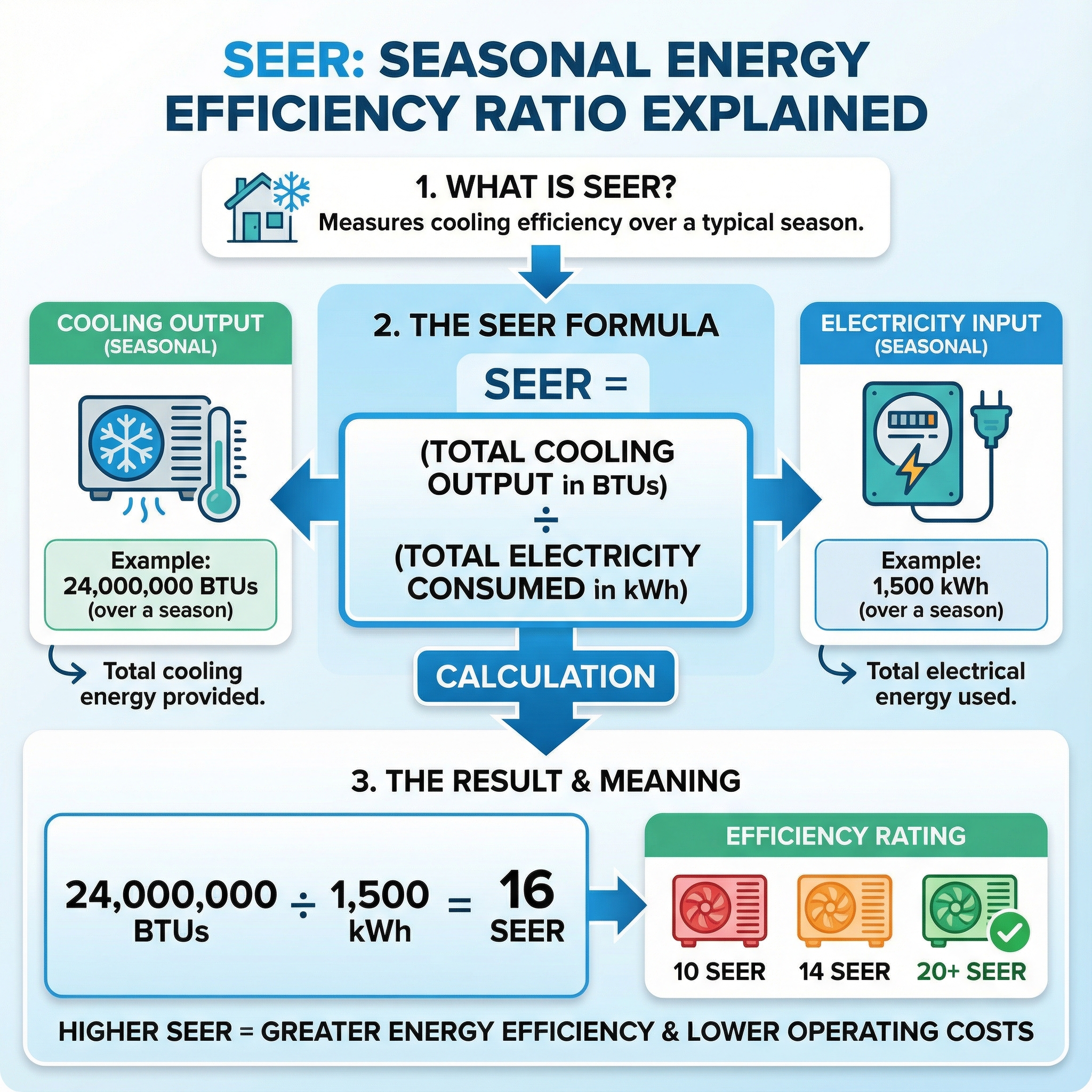
SEER and SEER2 are like miles per gallon for cooling. The higher the number, the fewer kWh you use per unit of cooling, and SEER2 is the newer 2023 test standard. Federal rules in 2023 raised regional minimums, roughly SEER 14 in the North and SEER 15 in the Southeast and Southwest, with heat pump minima increasing similarly. Many existing systems sit around SEER 10-13, while replacements start at SEER 14+ and premium units reach the high teens to low 20s.
Efficiency drives operating cost. Upgrading from an older SEER 10 to SEER 16 can cut cooling costs by up to about 30 percent, and typical savings land in the mid teens to low 30s depending on climate and run time. For a home that spends $900 on summer cooling, a 20 percent improvement saves about $180 per year. In our experience at Budget Heating (BudgetHeating.com), buyers and investors pay close attention to equipment age, SEER or SEER2, duct condition, and smart thermostats because these reduce bills and perceived replacement risk. A properly installed and documented higher-SEER system is a marketable performance feature that can support stronger offers or higher rents.
HVAC Age, Replacement Risks and What Buyers Look For
System age, proof of care, and any remaining warranty drive buyer confidence and negotiation outcomes. Documented maintenance, service records, and transferable warranties lower perceived risk and often reduce inspection credits. Proper sizing, commissioning, and steady upkeep cut failure risk during peak heat, a key livability factor. When equipment is very old or unreliable, replacing it before listing can improve appraisals, trim concessions, and support a higher asking price. Buyers typically check age, matched components, refrigerant type, and warranty terms.
Tradeoffs & Common Mistakes: When Upgrading or Replacing AC Isn't the Right Move
We often see upgrading AC is not the best first step. In cold climates or where electricity is pricey, a standard heat pump may need a cold climate model or backup heat, and a gas furnace can be the better heat. In dry regions, an evaporative cooler delivers comfort per watt in summer. For small homes or additions, ductless mini-splits fix hot spots without a full system swap. If the shell leaks, money goes further on sealing and insulation before any equipment, especially in older rentals or when subsidies exist.
- Closing vents in unused rooms raises static pressure, worsens duct leakage, and can increase energy use.
- Thermostat myths: setting it lower does not cool faster, and a constant setpoint is not always cheapest. Smart setbacks cut runtime.
- Oversizing causes short cycling, poor humidity control, and higher costs.
- Replacing only the outdoor unit, without matching indoor coil or ducts, blocks rated performance.
- Higher SEER alone does not guarantee real-world savings if sizing, ducts, and installation are wrong.
- Skipping routine maintenance cuts efficiency and invites inspection objections later.
- Window or portable units can hurt resale in hot markets compared with permanent systems.
Indoor Air Quality, Filters and How IAQ Affects Marketability
In our field work, we see buyers and renters notice clean, neutral-smelling homes. Filtration and humidity control do the heavy lifting for that perception and for health value.
Air-cleaning filters work like a finer and finer sieve. As air passes through the media, fibers capture dust, dander and smoke-sized particles. The MERV rating tells you how fine that sieve is. For typical homes, MERV 8 to 13 balances capture and airflow, which we find is the sweet spot. Higher MERV and specialty virus-rated media can target smaller particulates, but they add static pressure, so the filter must be compatible with the blower and cabinet to protect airflow and efficiency.
IAQ is not only about particles. Keeping indoor relative humidity in a middle band limits mold risk and helps people with allergies breathe easier. Homes with proven filtration and humidity management often photograph better, smell fresher during showings, and feel quieter and cleaner, which boosts appeal and perceived value.

Retrofitting Central AC vs Window Units, Ductless Options and Builder Choices
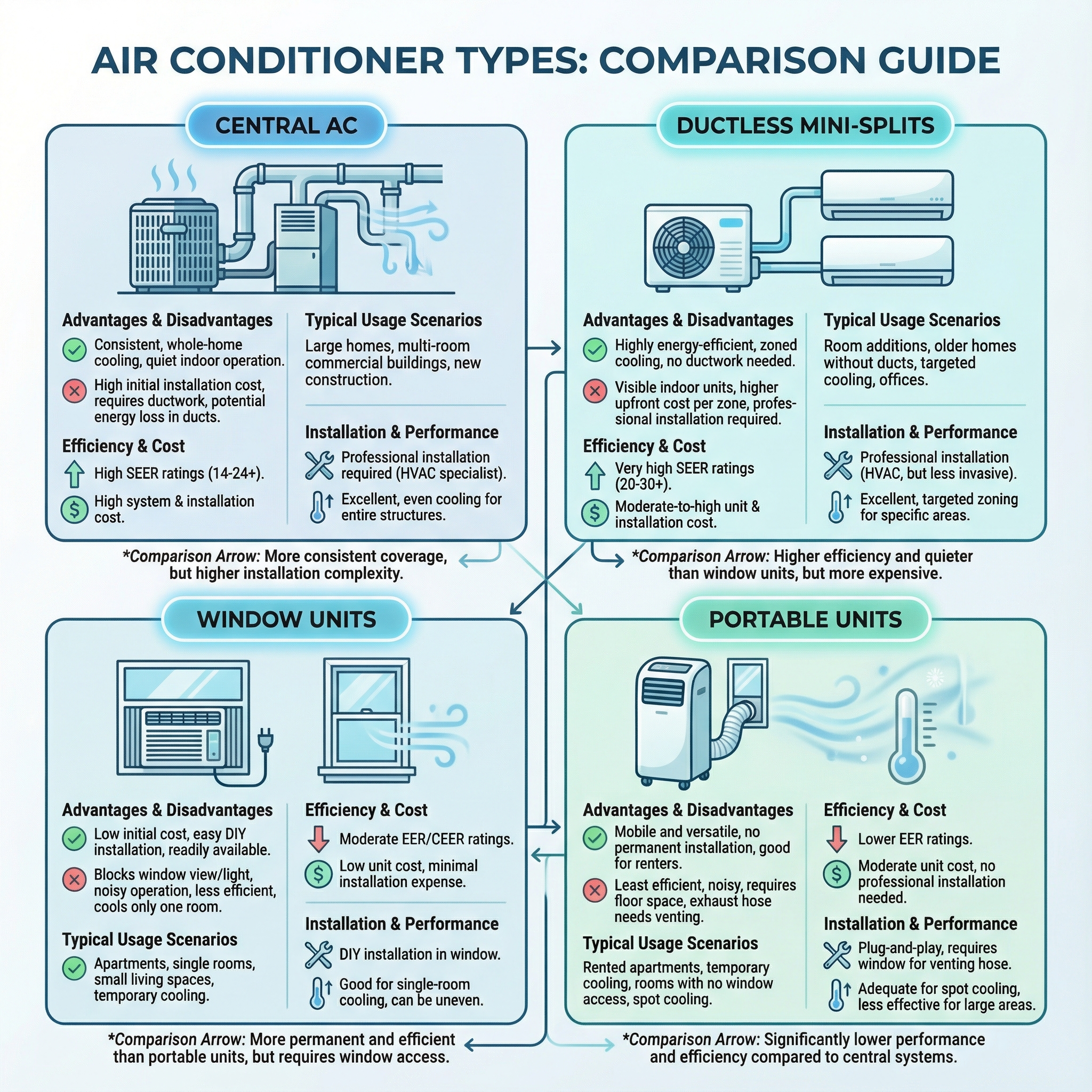
Retrofitting cooling comes down to three paths: central ducted, ductless mini splits, or window and portable units. In older homes without ducts, ductless adds conditioned space with much less disruption, small wall penetrations and surface line sets. Window or portable units cool a room, but in hot markets they are less desirable on resale and can hurt curb appeal.
We choose central AC when ducts already exist or a renovation allows new chases, soffits, or attic runs. It delivers a single thermostat and whole home distribution. We choose mini splits for additions, closed plans, and historic interiors where opening walls is costly. Room by room zoning improves comfort and energy use. Builders in warm regions design around central AC or high performance heat pumps, and that choice drives layout, duct strategy, and marketing. Quiet condensers, careful placement, and code or HOA compliance protect curb appeal and cut noise buyers notice.
How to Prepare a Home for Sale: HVAC Checklist for Sellers and Agents
Use this pre-listing checklist to protect value and reduce inspection objections. A properly sized, efficient, well-documented system signals low risk to buyers.
- Gather home data: square footage, ceiling heights, insulation levels, window types and orientation, and occupancy patterns. This feeds accurate load calculations.
- Confirm climate and humidity profile: hot humid, hot dry, mixed, or cold. Match equipment and controls to those conditions.
- Require a Manual J: a room-by-room calculation of heat gain and loss. It prevents oversizing that short cycles and undersizing that struggles. Think of it like shoe sizing, too big or too small is uncomfortable.
- Choose system type by need: central heat pump or AC for whole-home, ductless mini splits for additions or rooms, alternative cooling options in dry climates.
- Verify ducts and airflow: seal leaks, ensure adequate return air, and ask for measured static pressure and CFM per ton.
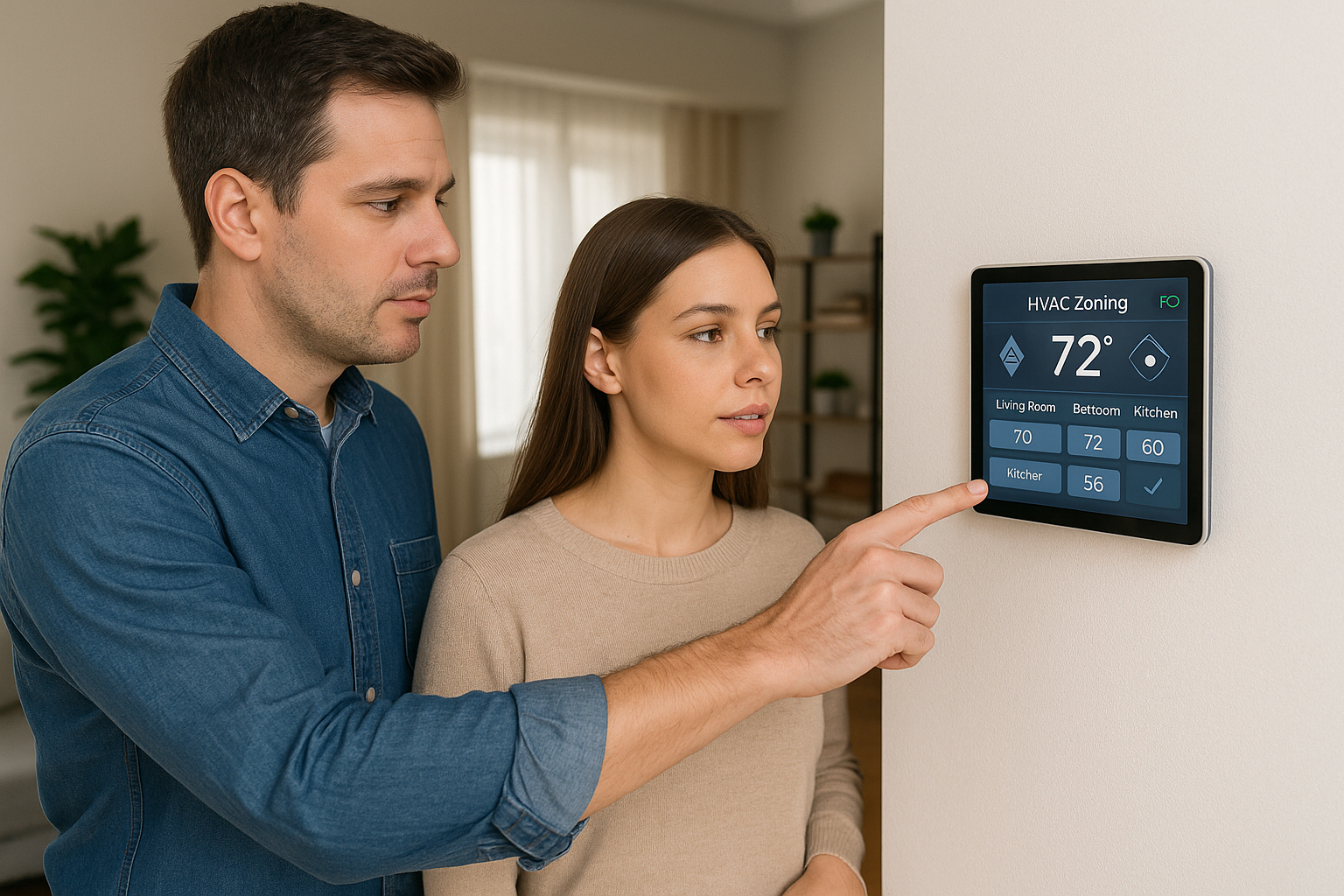
- Efficiency and controls: compare SEER/SEER2 ratings, variable-speed compressors, ENERGY STAR models, smart thermostats, and zoning. Consider noise ratings and outdoor unit placement.
- Humidity and IAQ: plan for humidity control and use appropriate filters, typically MERV 8-13, to reduce mold risk.
- Compare bids and total cost: get 2-3 written bids listing model numbers, tonnage, duct scope, and lifecycle costs, then check rebates and incentives. In our experience at Budget Heating (BudgetHeating.com), sellers who present clean bids and specs earn more buyer confidence.
- Installation documentation: pull permits and keep commissioning readings, model numbers, warranties, and service records ready to show.
- Ongoing maintenance: replace filters on schedule, keep coils and drains clean, and document annual professional service.
Create a single folder with your Manual J, bids, permits, and service logs. Neat paperwork reduces renegotiation risk during inspection.
Conclusion: What AC Trends Mean for Home Prices, Buyers and Policy
AC now shapes demand, pricing, design, and even inequality. Efficient, reliable cooling earns premiums and resilience, and as climates warm it guides location choices, so policy must expand equitable access.
If you are weighing a replacement or upgrade, it affects comfort, power bills, and your home's value. We combine wholesale pricing with U.S.-based support and 30+ years of hands-on HVAC experience to help you choose confidently.
- Get a Custom Quote
- Talk to Our Team by phone
- Shop Central AC and Heat Pumps
- Ask about free shipping and Affirm financing