




Why Reliable Workplace Air Conditioning Is a Business Imperative
After three decades in HVAC, we treat workplace AC like power or internet: essential infrastructure. Stable temperature and clean indoor air keep people healthy, reduce heat stress, and protect those with respiratory sensitivities. When air is right, focus lasts longer, errors drop, and equipment rooms stay within safe limits, which cuts unplanned downtime. Expect practical, field tested ways to align thermal comfort and IAQ with consistent productivity and lower operating risk.
Why Indoor Air Quality and Stable Conditions Matter for Employee Health
Reliable air conditioning does more than cool the room. It keeps temperature and humidity steady, which helps the body stop fighting the environment and focus on the task at hand. When the room swings from warm to chilly or dries out, people fatigue faster, make more mistakes, and lose concentration. Think of steady climate control like cruise control on a highway, it removes constant corrections so mental energy stays on work, not on getting comfortable.
Protection from heat stress is a core health benefit. By controlling peak temperatures, AC lowers the strain on the cardiovascular system and reduces the risk of overheating. That means fewer headaches, less lightheadedness, and better stamina through the afternoon. In our field work, we consistently see teams maintain a steadier pace when the space is held within a comfortable band rather than spiking hot during busy periods.
Clean air matters just as much as cool air. Filtration captures common irritants such as dust and pollen, and proper ventilation refreshes the space by diluting indoor pollutants. Together, these steps reduce allergy flare-ups, eye and throat irritation, and the stale, stuffy conditions associated with sick building complaints. People breathe easier, which supports clearer thinking and fewer comfort-related distractions.
Balanced humidity rounds out comfort and health. It limits mold growth, helps reduce musty odors, and makes the room feel comfortable at moderate temperatures instead of clammy or parched. Well-tuned systems also bring practical wins for the workday: fewer hot-cold complaints that interrupt meetings, quieter operation that keeps noise down, and smoother run cycles that support longer equipment life. The net effect is a calmer environment where employees can think, collaborate, and produce at a steady level throughout the day.
Setting Targets: Temperature, Humidity and Controls that Boost Productivity
Set clear comfort targets and hold them: 68 to 76 F (20 to 24 C) and 40 to 60% RH. Keep a tight deadband and avoid daily swings.
- Proper sizing and load calculation: Require a Manual J or equivalent for each area, not a rule of thumb. Right-sized equipment runs steady and controls moisture. In our experience at Budget Heating (BudgetHeating.com), persistent setpoint drift often points to oversizing.
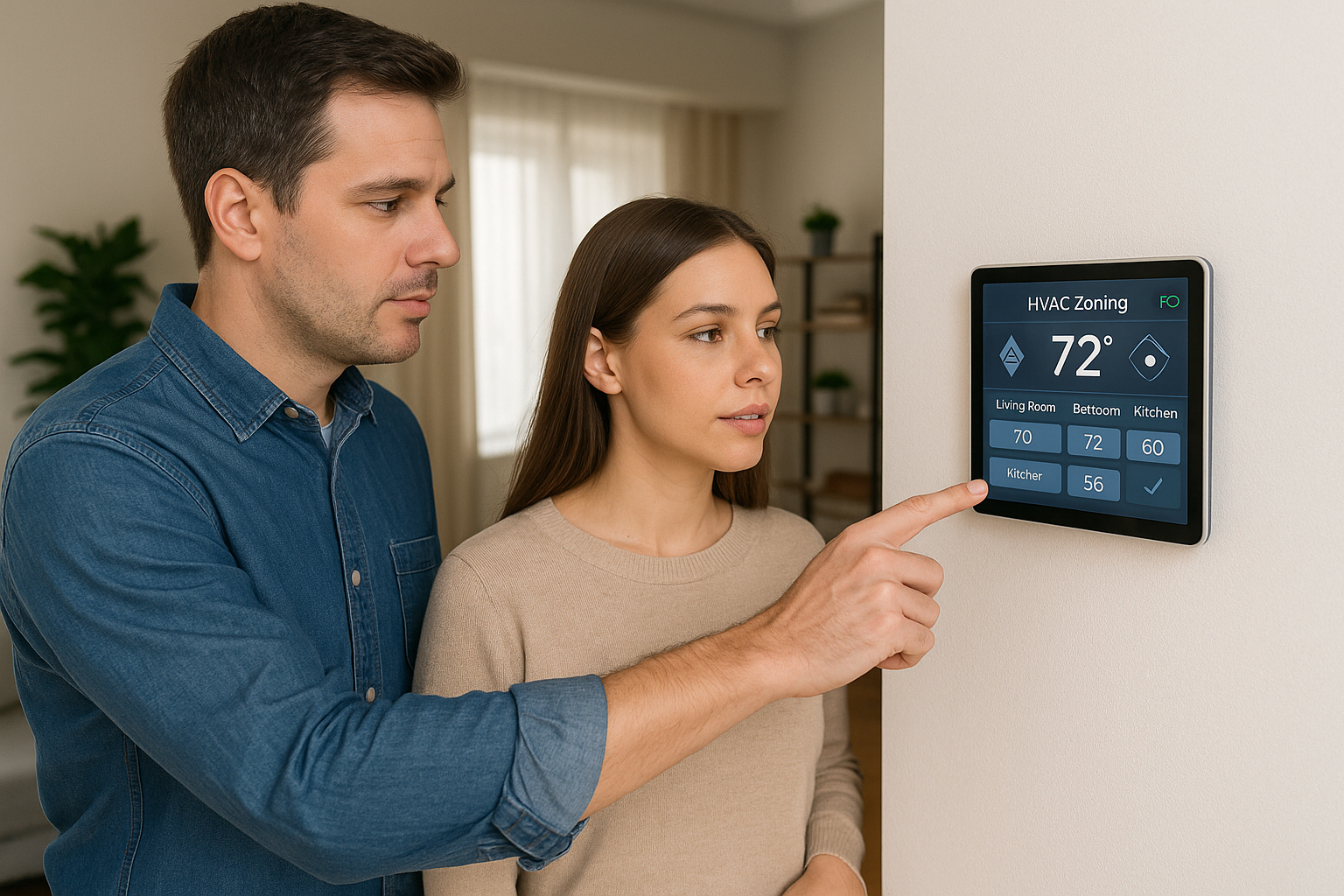
- Zoning: Group spaces by sun exposure, occupancy, and internal loads. Give each zone its own thermostat and damper, like light switches for rooms instead of one master switch.
- Occupant-sensitive controls: Use smart thermostats, remote sensors, firm schedules, limited user ranges, and occupancy-based ventilation. Add humidify or dehumidify as needed. Where supported, use MERV 11 to 13 filtration.
Facility, HR, and ownership should agree on the ranges, who can adjust them, and alerts for drift so comfort becomes a consistent policy.

SEER, SEER2 and Choosing Efficient Equipment (Why Efficiency Matters)
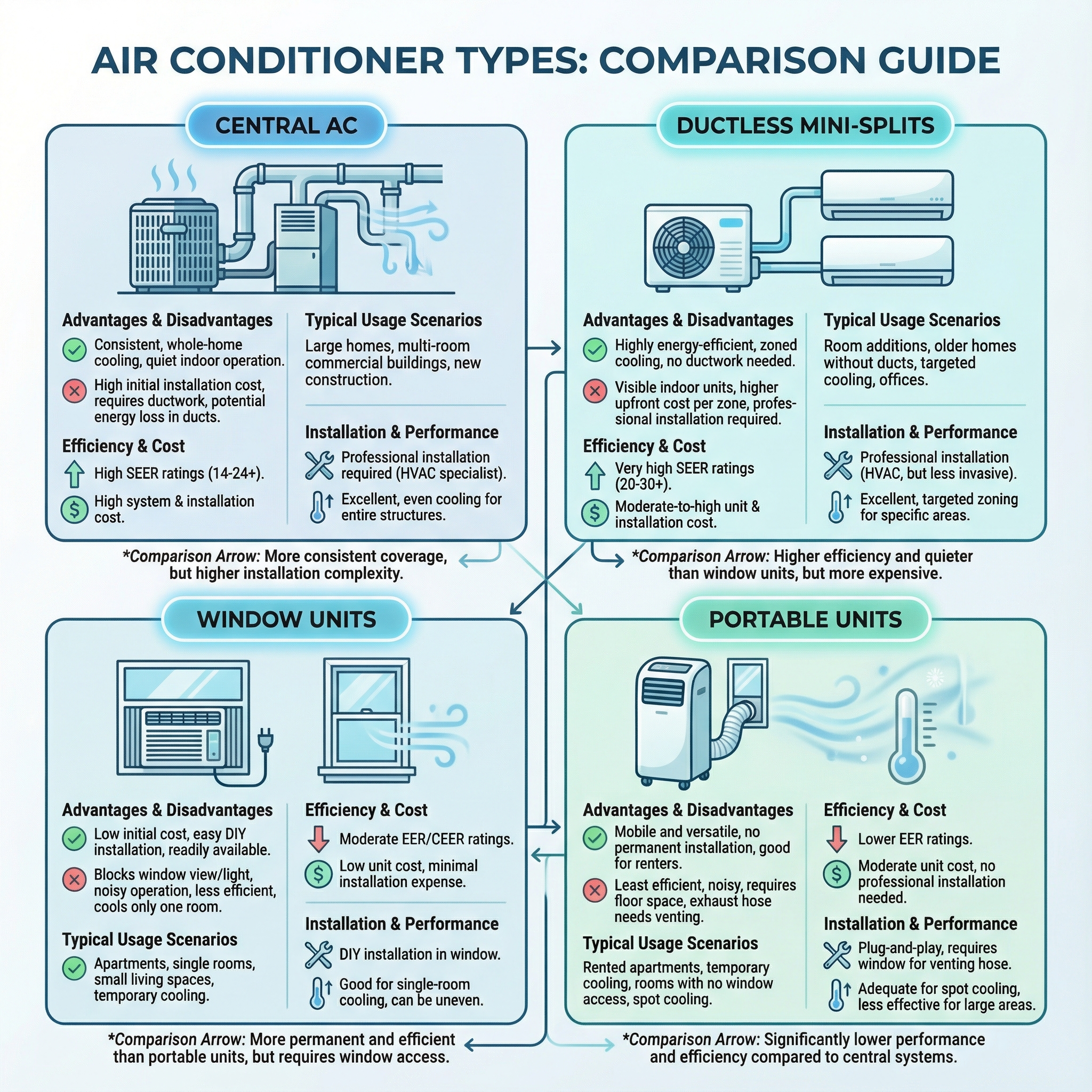
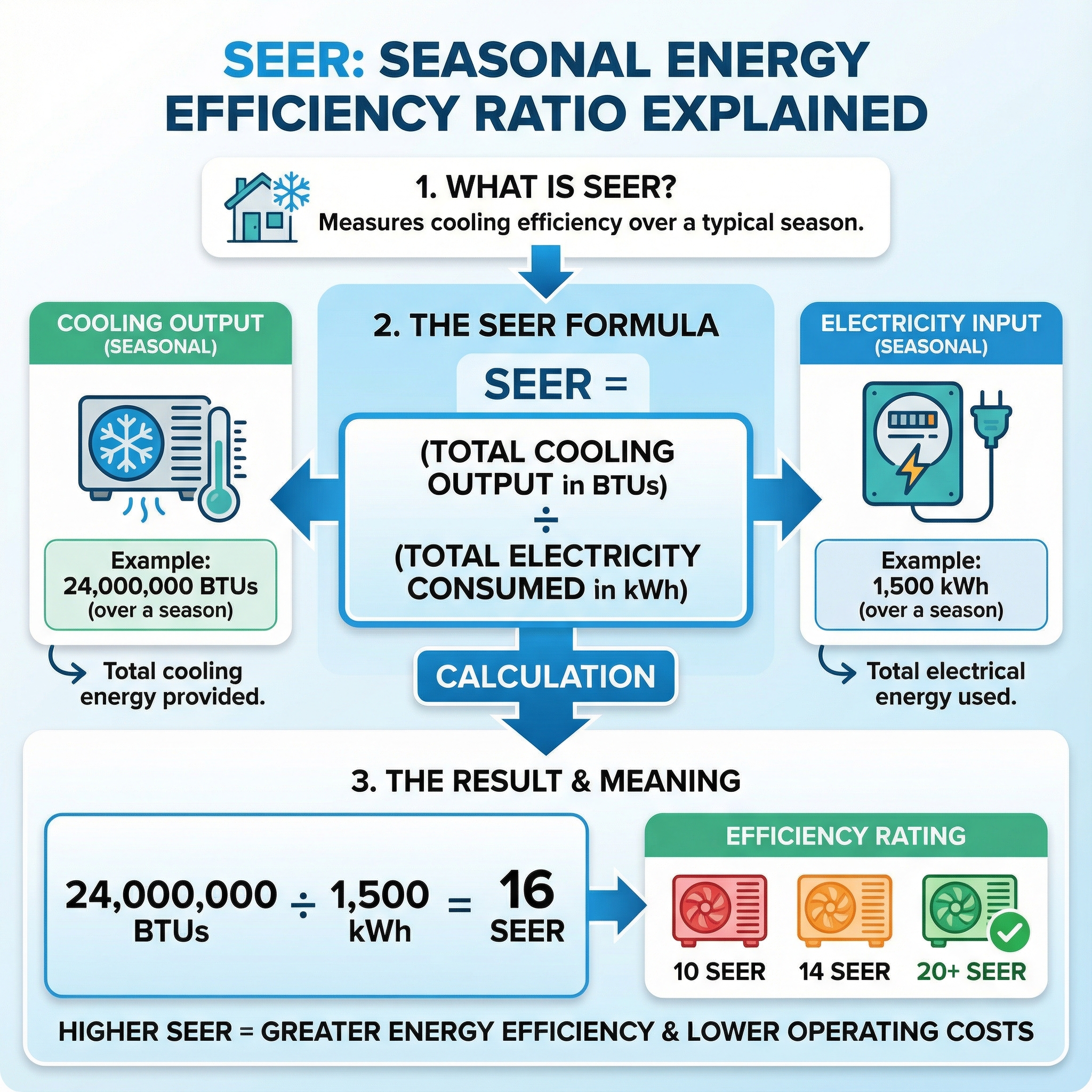
SEER is the seasonal efficiency rating for cooling, similar to miles per gallon. SEER2 is the updated 2023 test that uses more realistic duct pressures, so numbers run a bit lower for the same unit. Compare apples to apples: SEER2 vs SEER2. Post 2023 minimums rose, with air conditioners typically at 13.4 to 14.3 SEER2 by region, and heat pumps at about 14.3 SEER2 for cooling. Modern equipment spans roughly SEER2 14.3 to the low 20s.
Higher efficiency cuts operating cost and smooths comfort. Moving from SEER2 15 to SEER2 20 can trim cooling energy by about one third. Variable speed compressors and ECM indoor fans are the big comfort upgrade, running longer at low speed for steadier temperatures, quieter operation, and stronger dehumidification, especially in humid climates. Part load efficiency is where these systems shine, since most homes run at partial capacity most of the time. These gains assume proper sizing is selected.


Common Myths About Office AC: Debunked
- AC is just comfort: It also manages humidity and filtration.
- AC makes air stale: Proper setups bring in and clean fresh air.
- Temperature or IAQ do not impact productivity: Both affect focus and error rates.
- Fans or open windows are equivalent: Fans recirculate, windows add pollutants and moisture.
- Remote workers do not need reliable AC: Home offices still need stable conditions.
- Short heat exposure is harmless: Spikes trigger fatigue and mistakes.
- Any unit is fine, reliability optional: Downtime and lifetime costs compound.
Maintenance Matters: Practical HVAC Upkeep to Protect Health and Productivity
Healthy air and steady comfort start with simple habits and a steady pro tune-up rhythm.
- Building team: replace or clean filters every 1 to 3 months, keep returns and supplies clear, clear debris around outdoor units, verify thermostats hold your target setpoints.
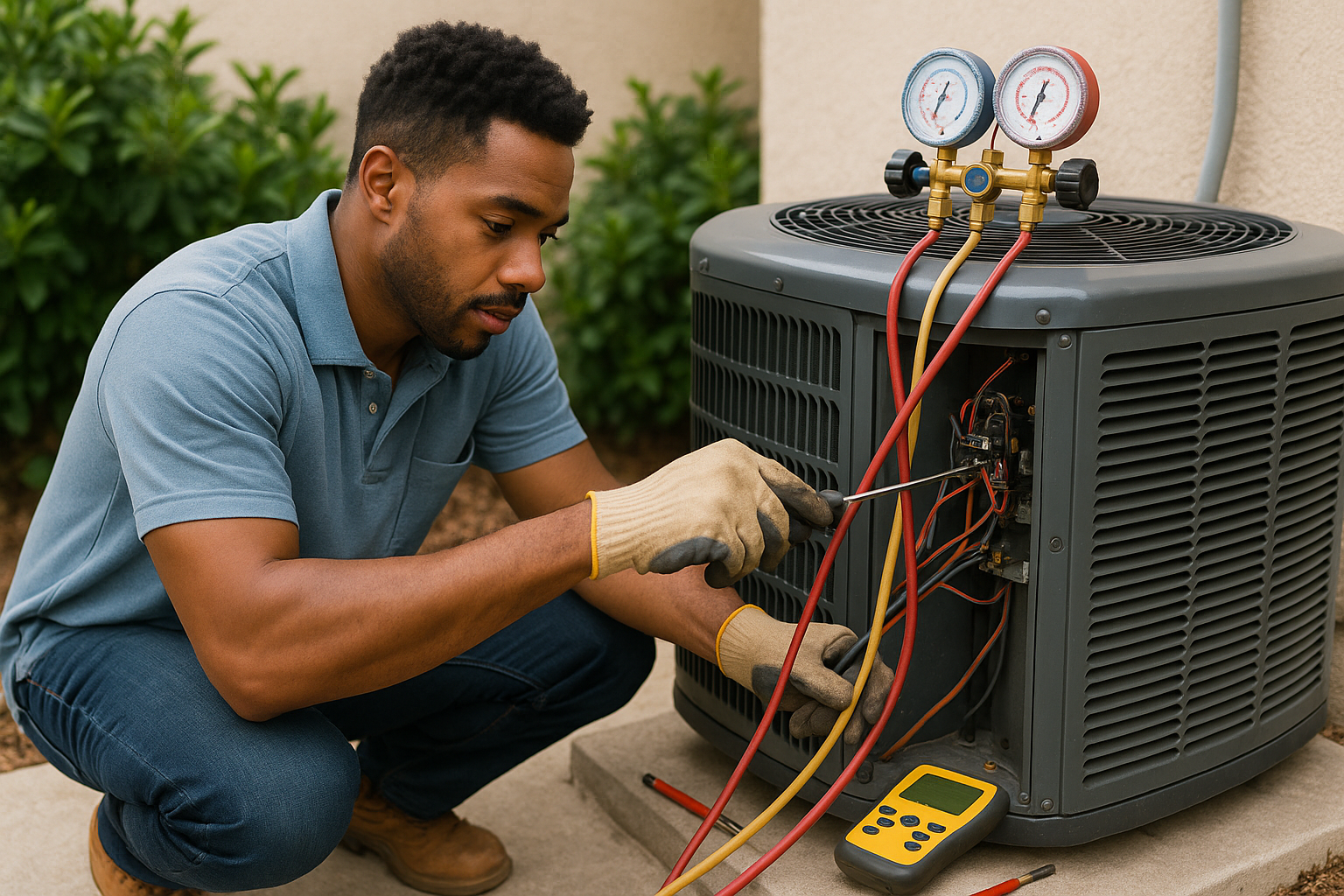
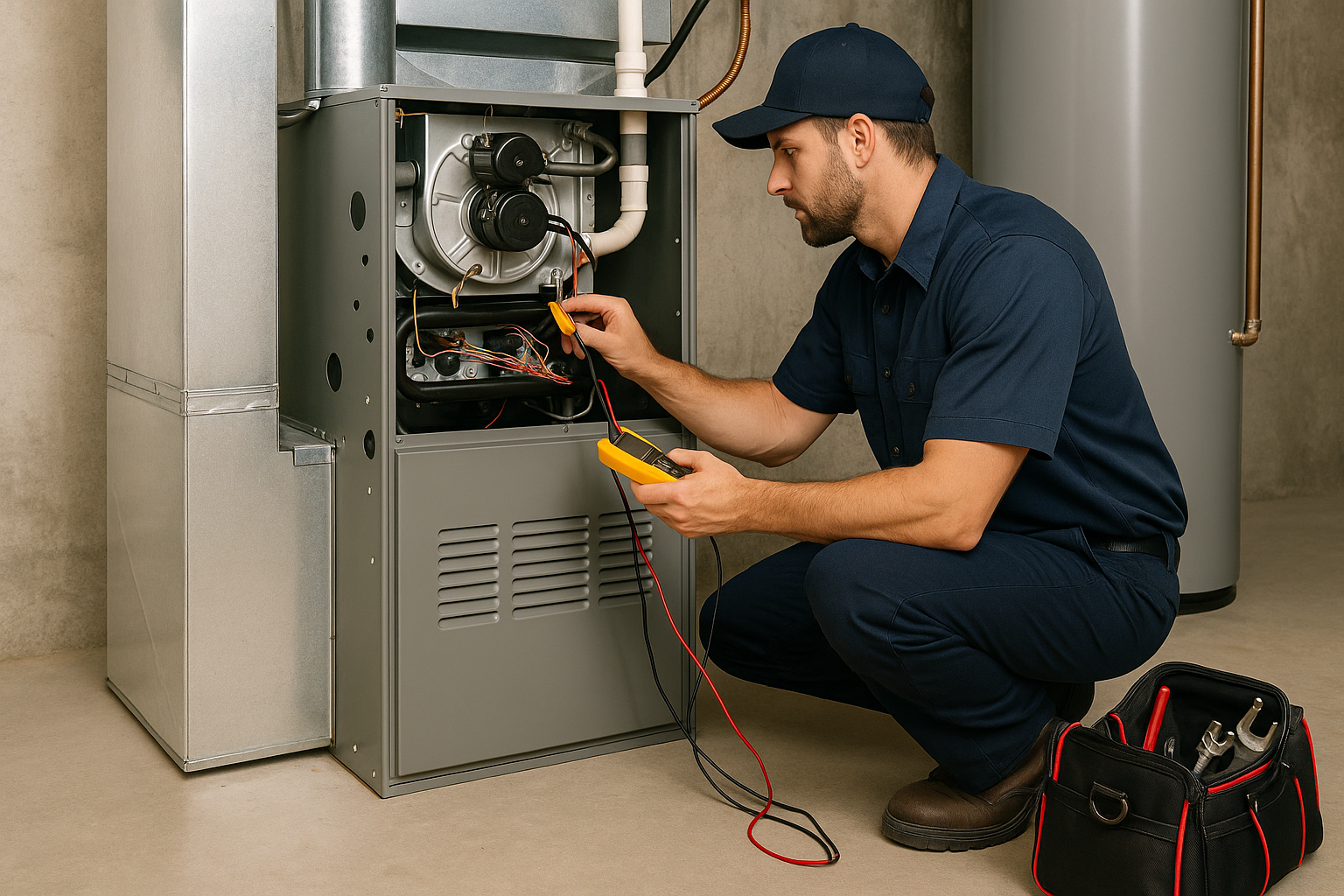
- Licensed pros only: coil cleaning, refrigerant service, duct testing, electrical or gas safety checks, advanced control calibration.
Recommended cadence: filters every 1 to 3 months, debris check monthly, vent check weekly, and professional service twice a year before cooling and heating seasons. In our experience at Budget Heating (BudgetHeating.com), this routine cuts IAQ complaints and avoids surprise failures. Safety first: shut off power before any DIY, never open refrigerant circuits, and leave combustion or gas work to certified technicians.
When Reliable AC May Not Be the Best Fit: Tradeoffs, Limits and Better Alternatives
Standard comfort AC suits many offices, but certain conditions call for different approaches.
- Hot-humid climates: AC can hit temperature before removing enough moisture, leaving indoor RH above 60%. Better options: a dedicated dehumidifier or a DOAS with reheat and variable-speed control to target latent load.
- Hot-dry climates: Sensible heat dominates and outside air is dry. Direct or indirect evaporative cooling can cut energy use notably in shops and warehouses, sometimes paired with small DX capacity for shoulder seasons.
- High ventilation or filtration needs: Meeting ASHRAE 62.1 outdoor air and MERV 13 often overwhelms a standard split. Use an ERV or DOAS to condition outside air, then a right-sized sensible cooling system.
Cold or temperate regions risk short cycling if oversized. Keep regulatory trends in view: 2023+ SEER2 regional minimums, AIM Act transitions to low-GWP A2L refrigerants, and emerging heat protection rules that may require spot cooling and higher airflow.
Energy, Cost and ROI: What Upgrades and Maintenance Really Save
In day to day facility budgets, efficiency upgrades are where the heavy lifting happens. We generally see cooling energy trimmed about 20 to 40 percent when moving to higher SEER or SEER2 equipment. A jump from SEER near 10 to about 16 alone can cut consumption roughly 38 percent. If your summer bill is $50,000, that range equals $10,000 to $20,000 saved, with around $19,000 in that 10 to 16 example.
Reliability drives ROI too. With consistent preventive maintenance, breakdown risk can drop by up to 95 percent, which means fewer outages, less overtime, and steadier production. Think of it like replacing an aging delivery truck with one that burns less fuel and spends less time in the shop. When you add energy cuts to avoided downtime, the lifecycle math is usually compelling, even after accounting for the higher upfront price of efficient equipment.
Selecting a Trusted Commercial HVAC Partner (Quick Questions to Ask)
Choose on proof, not promises. We suggest asking:
- Are you licensed and insured, with recent commercial references?
- Will you provide a documented load calculation and a ventilation plan with outdoor air rates?
- What filter rating will be installed, and how will pressure drop be managed?
- What SEER2/IEER/AFUE ratings and full submittals are you proposing?
- What is the commissioning scope: start-up, functional tests, trend logs, and a test-and-balance report?
- Do we get a written maintenance plan, training, and warranty terms in the contract?
Next Steps: Protect Health, Boost Productivity and Lower Costs with Reliable AC
Reliable AC protects health, improves focus, and lowers lifecycle costs when you prioritize four moves: preventive maintenance, IAQ monitoring, right-sizing, and efficiency upgrades with modern controls. If you are deciding between repair and replace or timing a tune-up, we get it. Schedule an assessment or maintenance visit and we will surface quick wins and ROI in plain numbers. With 30+ years in HVAC, we handle equipment and logistics end to end.
- Get a Custom Quote
- Talk to Our Team by phone, U.S.-based technical support
- Shop AC Systems at wholesale pricing, with free shipping and Affirm financing