




The future of home HVAC: what homeowners need to know now
Home HVAC is changing quickly: more electrification, smarter controls, higher efficiency, cleaner refrigerants, more ductless and zoning, and a sharper focus on indoor air quality. After 30+ years working with equipment in real homes, we see one clear goal behind these shifts: steadier comfort with lower energy use and fewer surprises.
Here is how that translates into practical choices for a homeowner:
- Electrification with heat pumps and ductless zoning: modern systems cover a wider range of weather, reduce reliance on fuel, and let you condition only the spaces you use.
- Connected controls and sensors: thermostats, room sensors, and apps coordinate schedules and can flag issues early, which helps avoid no-heat or no-cool events.
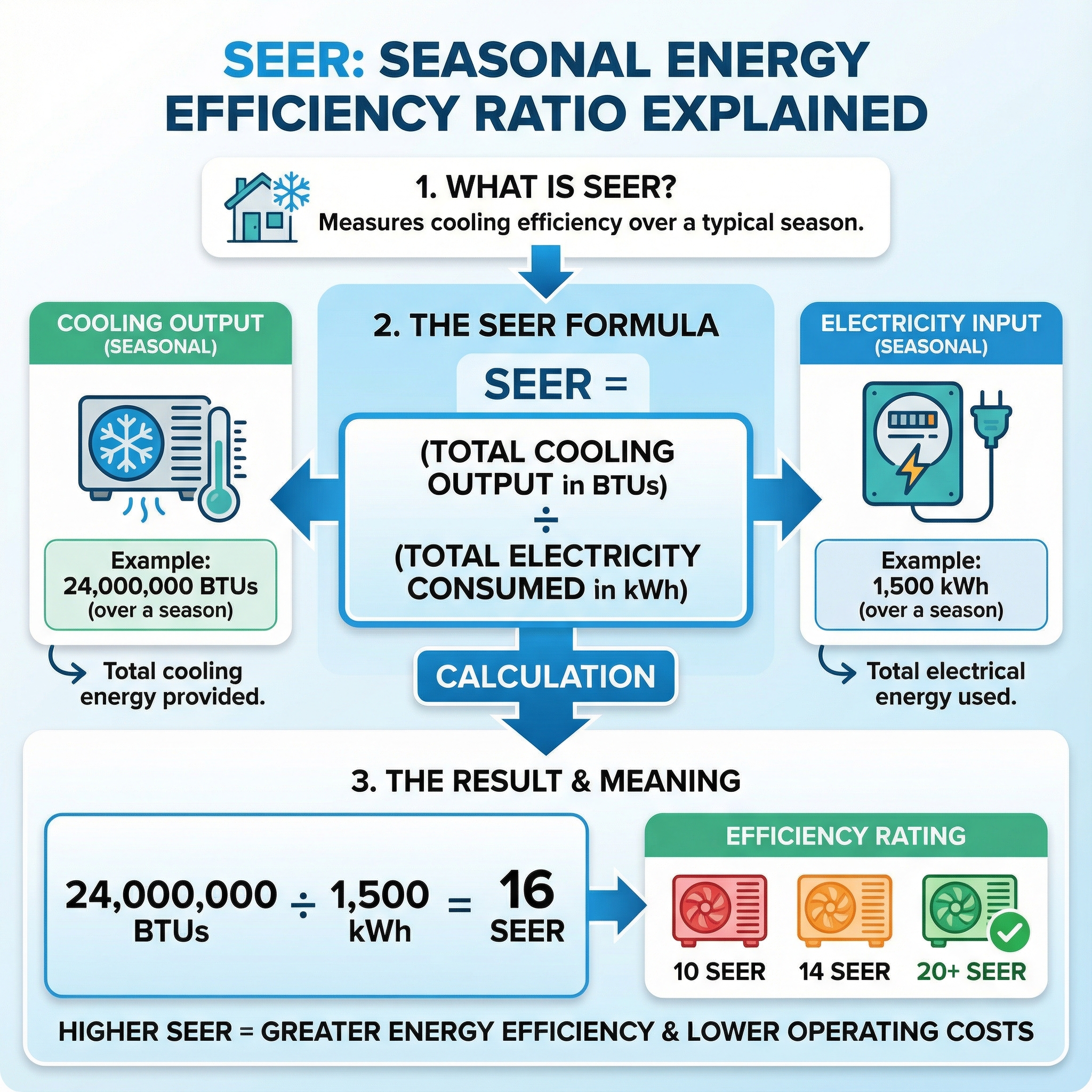
- Efficiency rules: new SEER2 and HSPF2 test methods make ratings more realistic in real-world ductwork, so comparisons are clearer when you shop.
- Refrigerant transition: next generation, lower GWP refrigerants reduce environmental impact and call for compatible equipment and proper servicing.
- Indoor air quality: better filtration, balanced ventilation, and humidity control treat your home's air like its lungs, improving comfort and protecting finishes.
In the pages ahead, we turn these themes into simple, homeowner-ready guidance you can apply to your next upgrade.
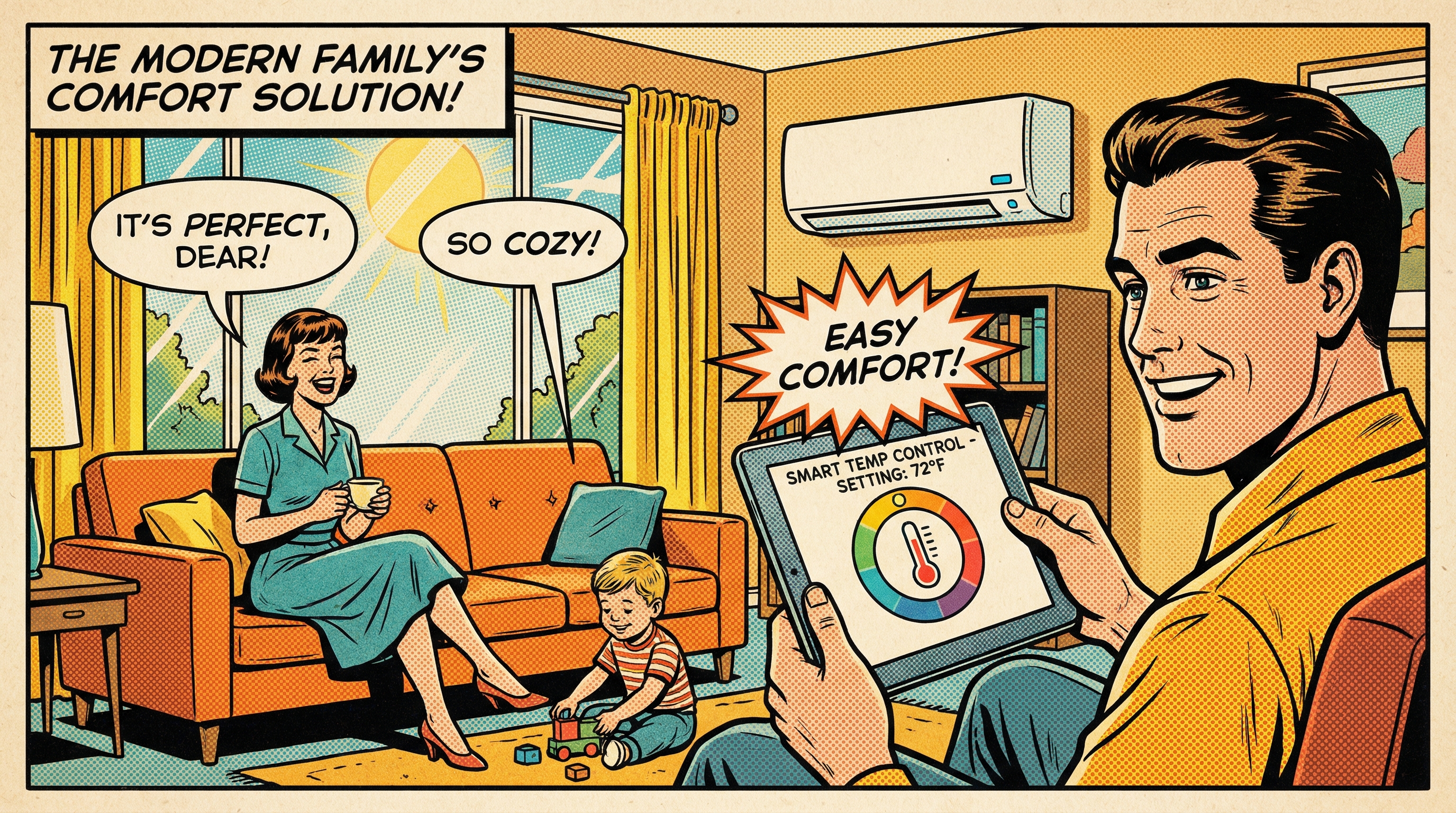
Electrification & the rise of heat pumps (air source and geothermal)
Heat pumps move heat rather than create it. Like a refrigerator in reverse, the compressor and refrigerant shift heat from one place to another. Moving heat uses less energy than making it with coils or flames, so one unit can heat and cool efficiently.
Air source systems are now common as primary HVAC, and cold climate versions are increasingly viable in winter, with details covered later in this article. Geothermal uses steady ground temperatures. It costs more upfront but often delivers the greatest long term savings, especially with incentives and a long time horizon.
Consider a heat pump when replacing an aging AC, when electric resistance heat is costly, when gas is unavailable, or when reducing on site combustion is a priority.
Smart controls, thermostats and predictive maintenance: smarter HVAC that prevents problems
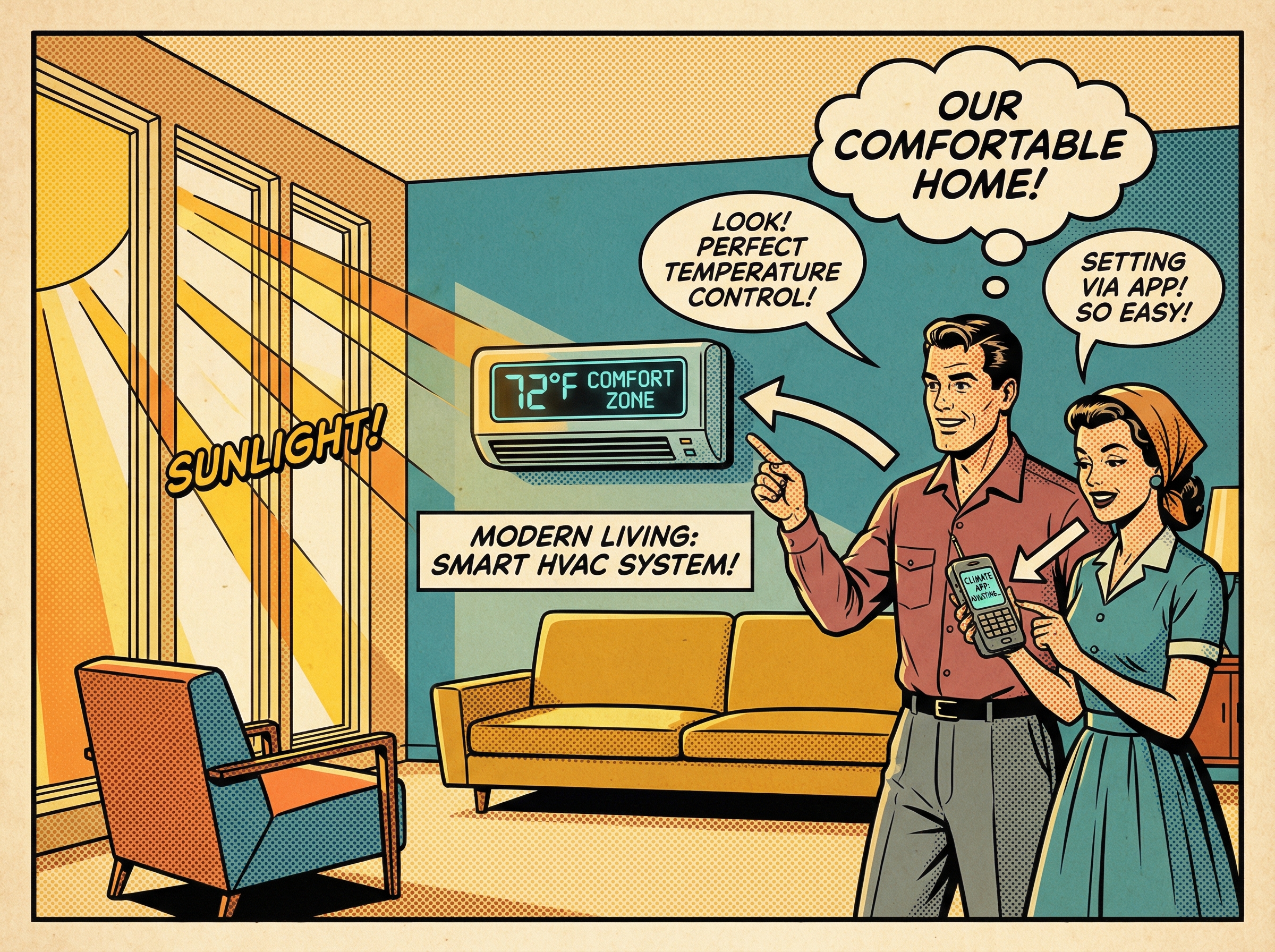
Smart controls, thermostats and IoT sensors change HVAC from wait-and-fix to watch-and-prevent. A smart thermostat gives remote access, scheduling and energy reports, and it can enroll your home in utility demand-response or time-of-use programs, often unlocking rebates if you plan controls early.
Predictive maintenance uses embedded sensors and analytics to spot anomalies quickly, like a dashboard warning light. We can run remote diagnostics, catch coil temp or motor draw issues before they cascade, and avoid surprise failures and emergency costs. In our experience at Budget Heating (BudgetHeating.com), this pairs best with old-fashioned care: filter changes, seasonal tune-ups and a yearly professional check to keep efficiency and reliability on track.
Zoning, dual zone conversions and personalized comfort without wasting energy
Zoning divides the home into independently controlled areas so you condition only the spaces that are occupied, much like turning off lights in empty rooms. A dual zone conversion is often a first step, splitting by floor or between living and sleeping areas, which reduces hot and cold spots, trims run time, and improves humidity balance when the system is right sized. This approach shines in mixed use layouts and multi story homes where temperatures naturally drift. For reliable results, pair zoning with compatible equipment and proper design to avoid poor humidity control from oversized systems. With the right controls, you avoid overconditioning, increase comfort room to room, and keep energy use focused where it matters.
When modern HVAC upgrades aren't the right choice (tradeoffs and honest limitations)
In very cold climates, standard heat pumps can struggle as outdoor temps drop, often below about 25 F. We recommend backup heat, electric strips or dual-fuel, or a high-capacity furnace. If upfront cost rules the project, advanced VRF, geothermal, or full electrification may not pencil in the short term; staged ductless zoning or air sealing and insulation can deliver immediate wins. With older R-410A systems, the shift to A2L refrigerants can complicate service and parts, so weigh repairability against replacement. Common pitfalls we still see: oversizing, skipping Manual J/S, ignoring duct sealing, and chasing the highest SEER without proper installation and commissioning.
Ductless mini splits and hybrid systems: flexible, room by room comfort
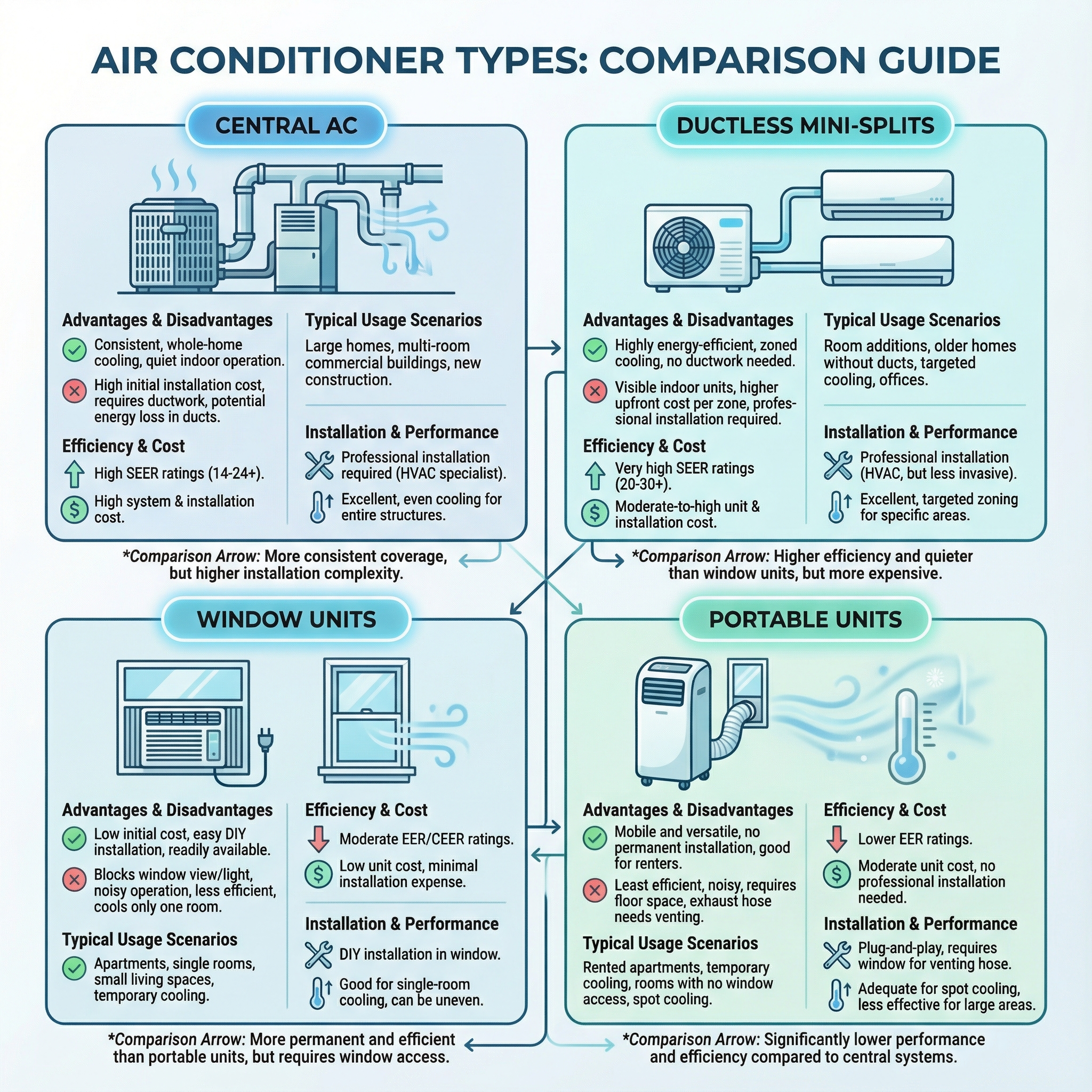
Ductless mini splits deliver flexible, room by room comfort by placing compact air handlers in the spaces that need it most. They connect to an outdoor unit through small refrigerant lines, so there is no ductwork to leak or steal heat, which reduces energy loss. In practice, we see them shine in additions, finished basements, bonus rooms, and stubborn hot or cold spots. They run quietly, retrofit cleanly, and multi zone models can serve several rooms without building a full trunk and branch duct system.
Hybrid strategies let homes evolve on their own timeline. One path mixes a few ductless zones with the existing central system to fix problem areas. Another pairs an electric heat pump with a backup gas furnace for extreme weather. Both approaches create a staged migration toward full electrification when that becomes practical.
VRF, SEER2/HSPF2 changes and the refrigerant transition: what the new rules mean for you
Since 2023, DOE testing shifted to SEER2, EER2, and HSPF2, using tougher conditions that better reflect seasonal performance. Use SEER2 and HSPF2 to compare models. Regional minimums matter: the Northern region is roughly 13.4 SEER2, the Southeast and Southwest require higher levels, and the Southwest has EER2 thresholds. In our experience at Budget Heating (BudgetHeating.com), the best value is equipment that clears those minimums by a comfortable margin, not just the lowest compliant unit.
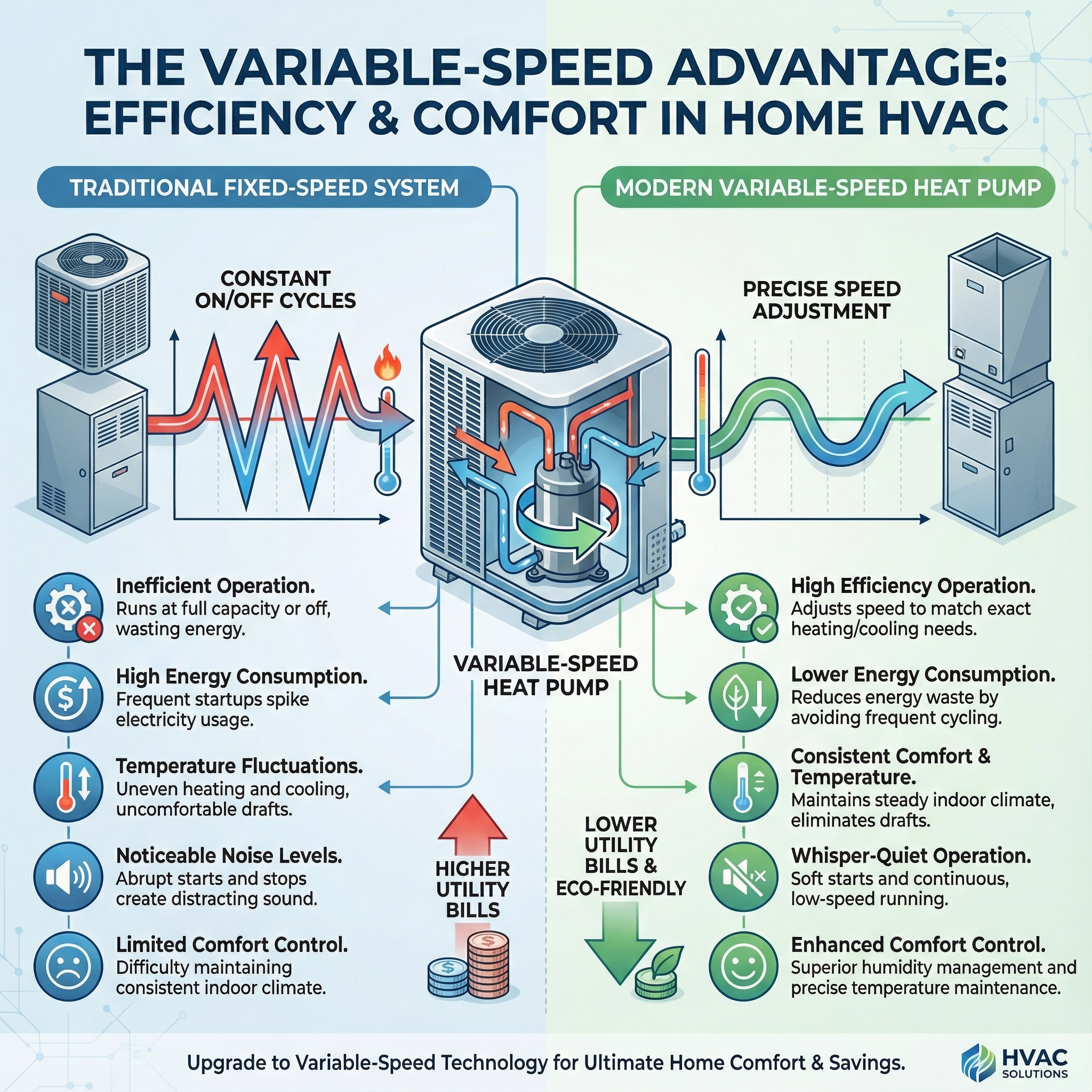
How do manufacturers hit higher ratings? Two workhorses do most of the lifting: variable speed inverter compressors and ECM blower motors. They let the system modulate capacity, smoothing temperatures, improving dehumidification, and trimming energy use versus fixed speed gear. VRF, short for Variable Refrigerant Flow, goes further by sending the right amount of refrigerant to each zone. It is appearing in more homes because it balances comfort and efficiency.
Refrigerants are changing too. The EPA phasedown is moving new systems away from R-410A to lower GWP A2L options like R-32 and R-454B. Ask which refrigerant a unit uses and what that means for service and parts.
Indoor air quality, routine maintenance and safety: practical steps homeowners can take
Cleaner air starts with three pillars: filtration, fresh air, and humidity control. Think of filtration as the sieve that catches fine dust before it spreads. We recommend using the highest MERV your system supports without adding excess static pressure. MERV 11-13 works well when compatible, and deep-pleat media filters or higher performance cleaners capture more with less resistance. In tight homes, an ERV or HRV supplies balanced fresh air. Manage humidity to limit mold and discomfort.
- Homeowner tasks: Replace filters every 1-3 months, faster with pets or allergies. Keep outdoor units clear of debris. Keep returns and supply vents unblocked. Check thermostat settings and listen for new noises or odors.
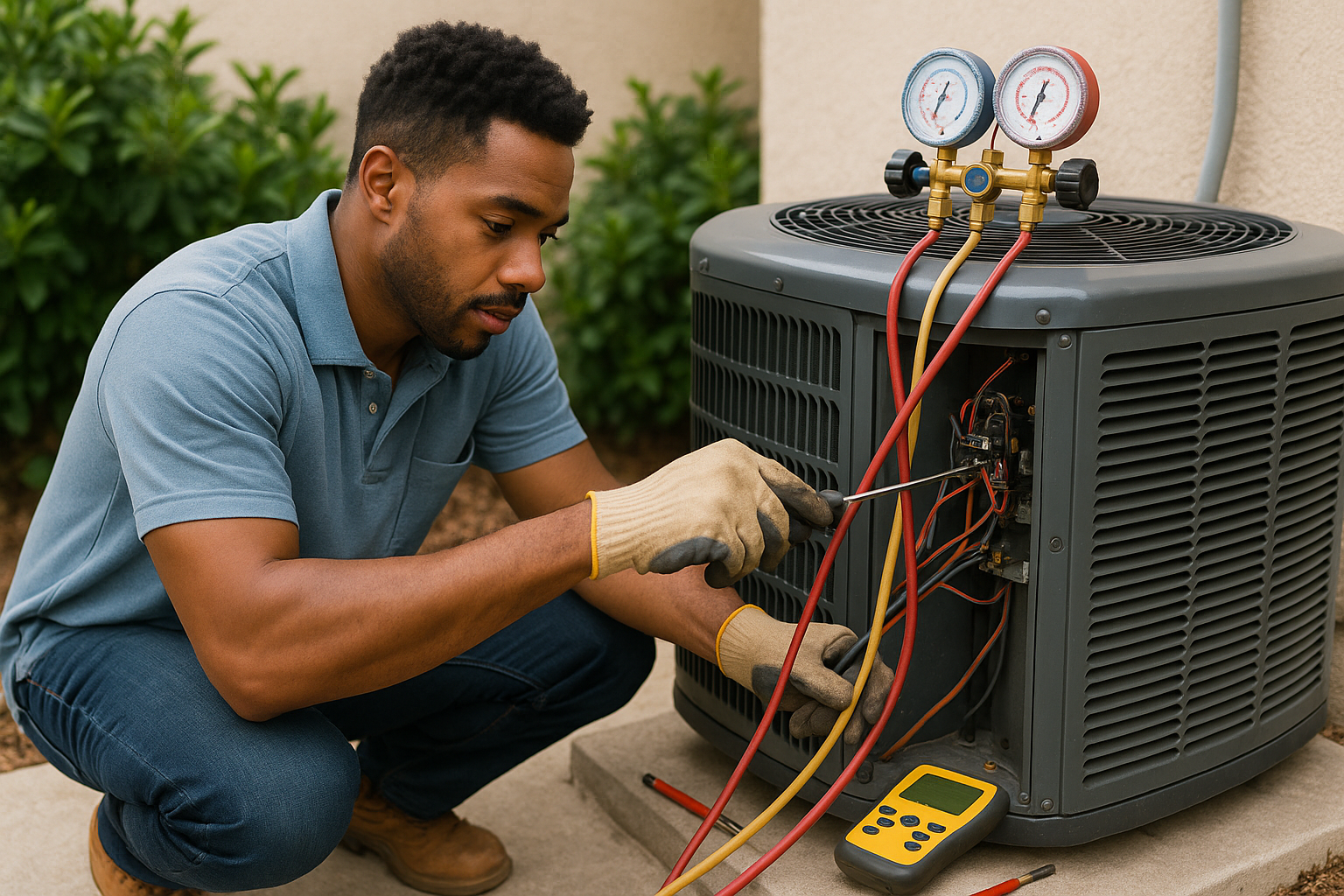
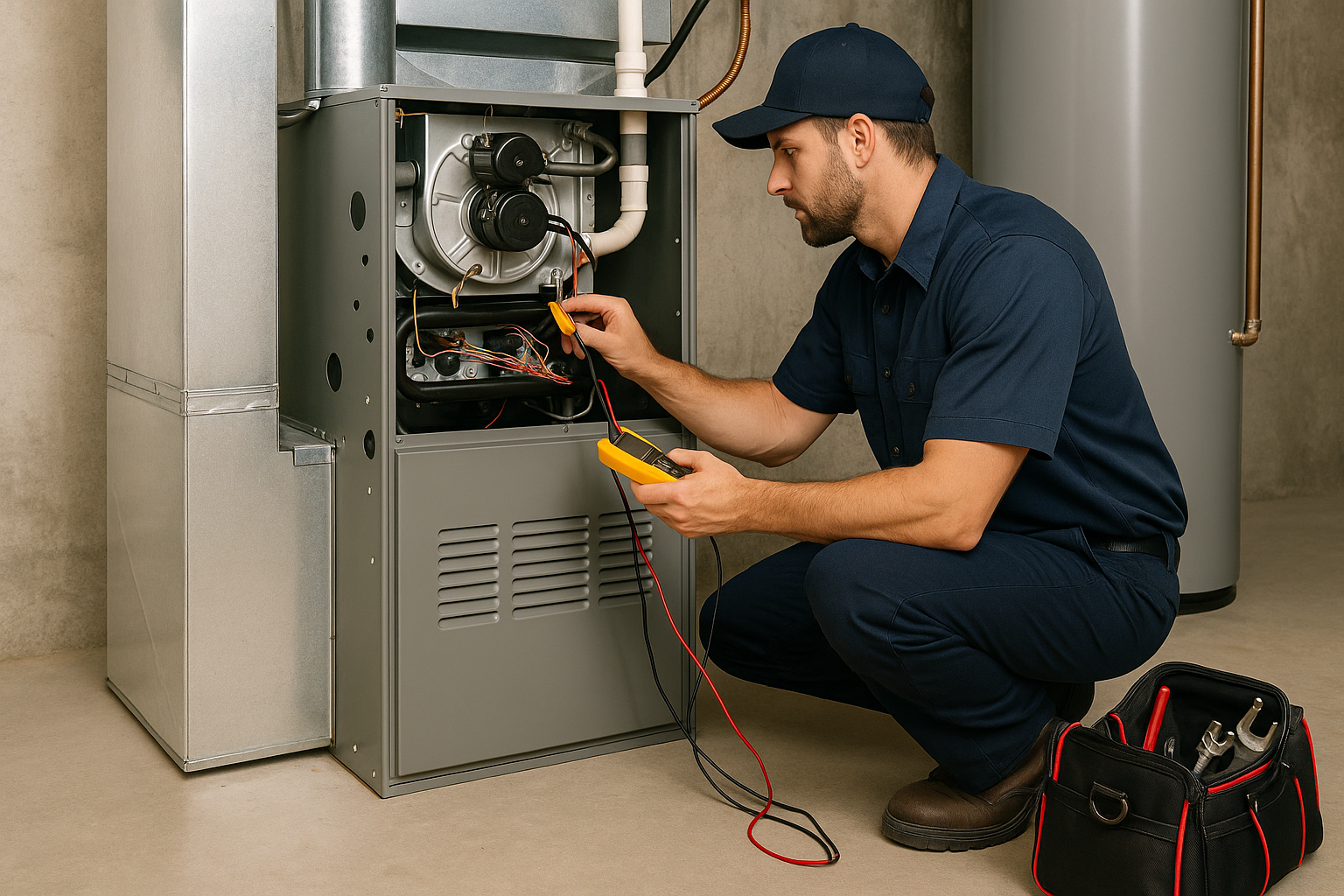
- Pro-only tasks: Seasonal tune-ups, refrigerant handling, electrical diagnostics, combustion components, coil access cleaning, duct balancing, and safety control testing.
Safety: Shut power off before simple cleaning. Never open sealed refrigerant or internal electrical panels. If you smell gas or a carbon monoxide alarm sounds, evacuate and call a professional.
Modeling, commissioning, contractor selection and a homeowner checklist to future proof your system
Future-proofing starts with design, not the box. Require Manual J for room by room loads, Manual S for equipment selection, and Manual D for ducts. Think tailored suit, not off the rack. In our experience at Budget Heating (BudgetHeating.com), projects that pair proper J/S/D with documented commissioning deliver steady comfort and predictable costs over 15 to 20 years.
- Apples-to-apples bids: At least two proposals listing exact model numbers, SEER2/HSPF2, refrigerant, scope including duct changes and line sets, commissioning steps, and included warranties.
- Commissioning: After install, get a signed report with total airflow CFM, room airflow, external static pressure, and refrigerant charge verification.
- Ducts: Request a duct leakage test. Seal and insulate ducts in attics, crawlspaces, or garages. Verify airflow targets at registers.
- Electrical and placement: Confirm panel capacity, dedicated circuits, clearances, service access, and condensate routing.
- Modeling: For complex homes, ask if they use modern modeling tools, such as CFD, and will provide outputs or verification.
- Incentives and ROI: Compare installed cost with estimated annual operating cost. Have the contractor identify rebates and help with documentation.
- Vetting and questions: Check licensing and references. Ask about SEER2/HSPF2, refrigerant and tech training, commissioning steps, sound levels, and estimated operating costs.
How to future proof your HVAC: next steps, financing and scheduling an assessment
The clearest path forward is simple: tighten the envelope first, then pair your home with right-sized, high-efficiency equipment. When it is time to replace, prioritize a heat pump or a hybrid system, add a smart thermostat and zoning where it makes sense, and keep indoor air quality on the list. Trends are moving toward electrification, low GWP refrigerants, higher SEER2 and HSPF2, smarter controls, and more zoning or ductless options, so choose gear that will live comfortably in that future. Check federal, state, and utility incentives, and have your contractor help document rebates and tax credits to speed payback. Schedule a professional assessment or energy audit, request Manual J and S with a written proposal, and enroll in maintenance so you realize the savings you were promised.
We know the decisions can feel complex, and that is exactly where our team shines after decades sizing and supplying systems that perform. If you want a straightforward plan and wholesale pricing made accessible, we are ready to help.
- Get a Custom Quote
- Talk to Our Team, U.S. based phone support available
- Shop Heat Pumps and Ductless Mini Splits
- Schedule a professional assessment and request Manual J and S