




Ductless Mini Splits for Restaurants: Comfort, Efficiency and Compliance, An Overview
Restaurants rely on consistent cooling for comfort and compliance: guests stay relaxed in the dining room, cooks stay productive on the line, and utility costs stay manageable. Ductless mini splits are purpose built for that job.
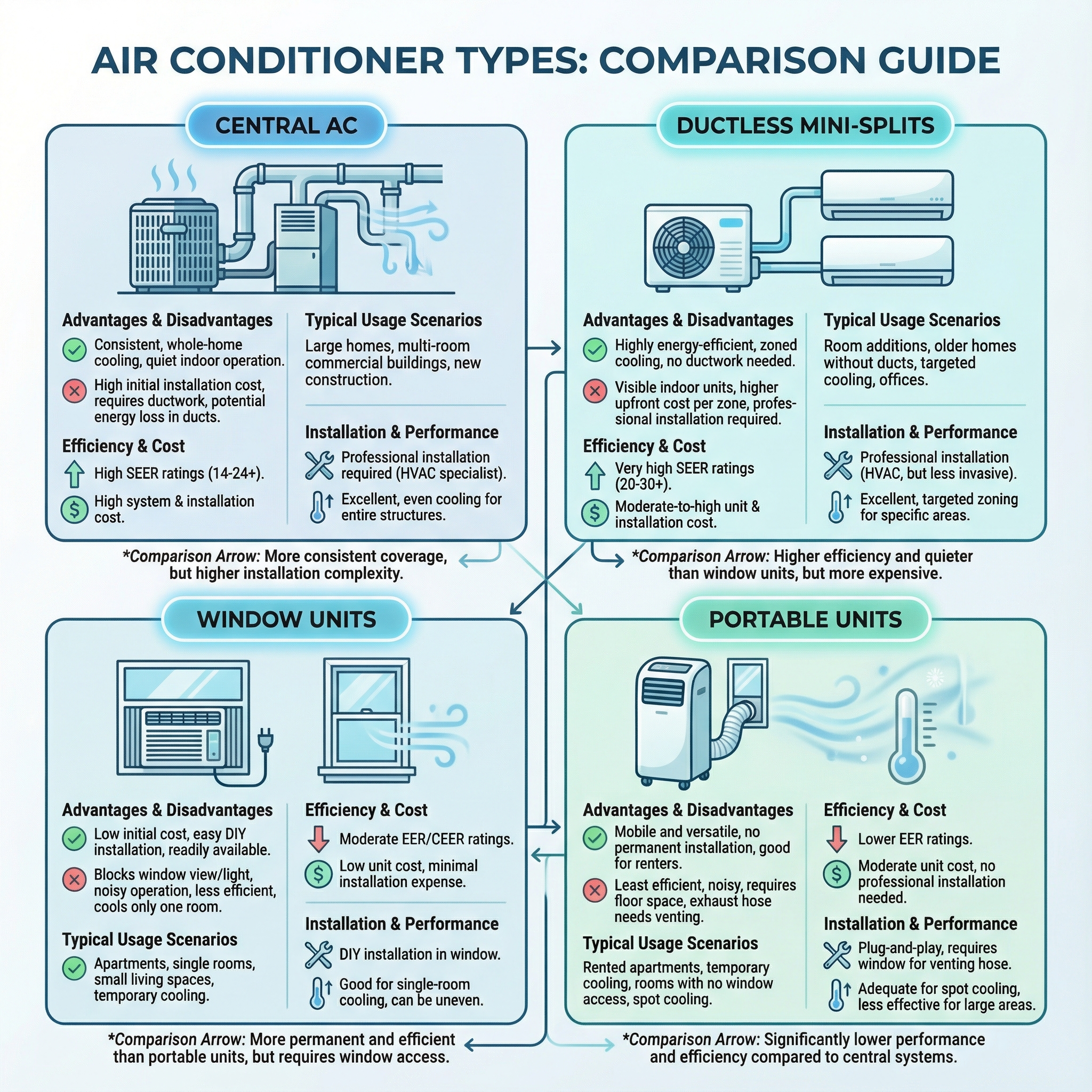
A ductless mini split is a compact heat pump system. It uses an outdoor compressor connected to one or more indoor air handlers by small refrigerant lines, not bulky ductwork. Each indoor unit serves a zone with its own controls, so you can dial in the dining area, bar, or prep space independently. A heat pump does not create heat, it moves it, reversing the refrigeration cycle to cool in summer and, when needed, provide shoulder season heating. The result is targeted comfort, quieter operation, and cleaner installs in tight kitchens or older buildings. With routine maintenance, these systems typically run 15 to 20 years.
Why Restaurants Are Choosing Ductless Mini Splits: Energy, Comfort and Practical Retrofit Wins
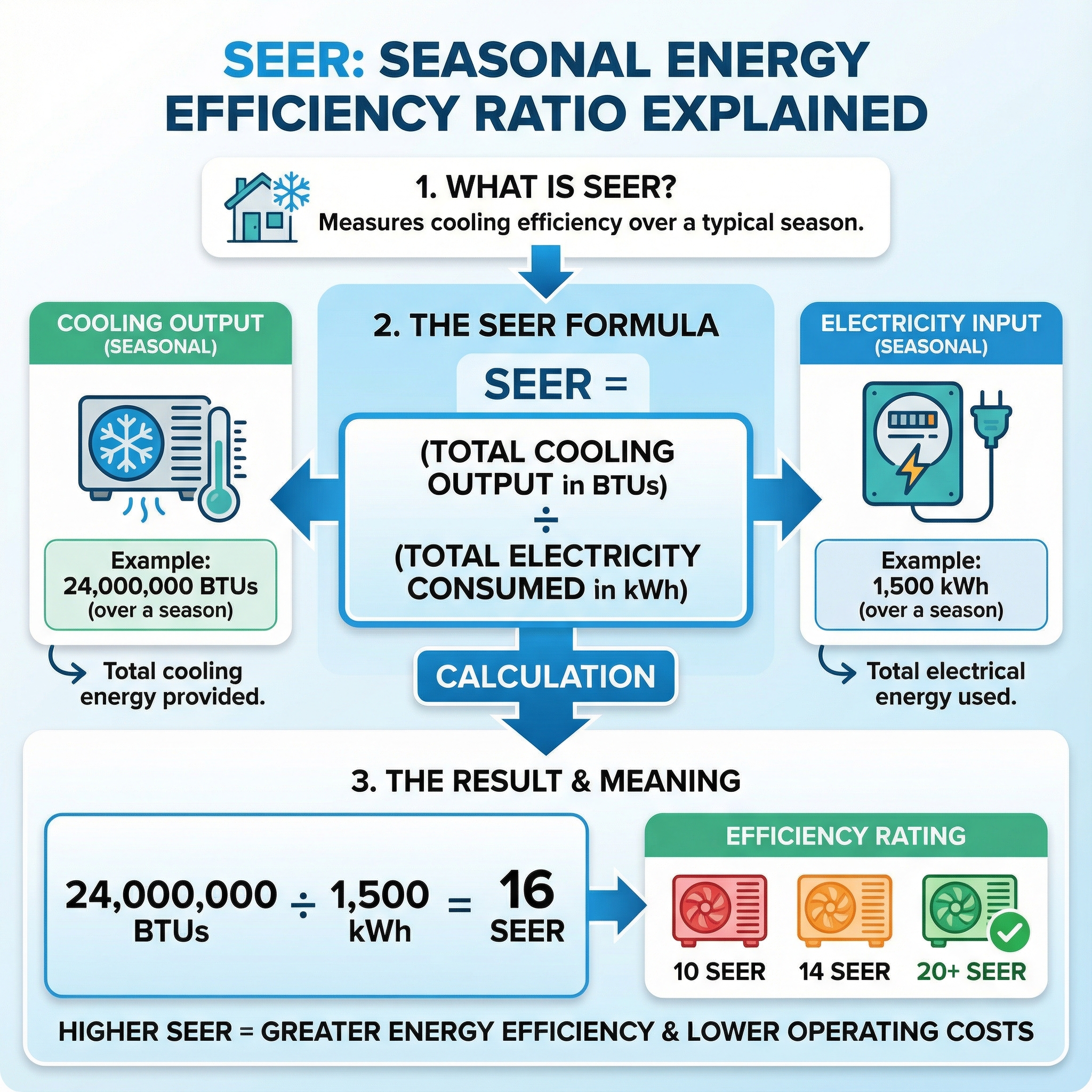
We see restaurants choose mini splits for economics and control. Zoning lets dining rooms, bars, and kitchens run separately, so you stop paying to overcondition empty spaces and you keep guests comfortable despite kitchen heat. High efficiency ratings matter too. Replacing roughly 13 SEER with about 18 SEER cuts kWh, and ductless delivery avoids 25 to 30 percent losses typical of leaky ducts. Simple illustration: a 3 ton zone operating 1,500 hours per year at $0.15 per kWh saves about 1,155 kWh, roughly $170 annually, moving from 13 to 18 SEER (illustrative only). Upfront cost can be higher, but lifecycle math often wins with energy savings and incentives. Myths to skip: many units heat as well as cool, zoning is efficient when conditioning only occupied areas, and installation needs only small wall penetrations. Installed costs vary, so compare project quotes.
How Ductless Mini Splits Work - A Short Technical Overview for Restaurant Managers
At a high level, these systems move heat, they do not create it. Refrigerant circulates through three core parts: the compressor, the outdoor coil that serves as the condenser, and the indoor coil that serves as the evaporator. The compressor drives the loop, sending high pressure refrigerant to the outdoor coil to release heat, then the indoor coil absorbs heat from the space and the cycle repeats.
With inverter-driven compressors the capacity is not simply on or off. Speed modulates to match real-time load, like a chef turning a burner up or down to hold a steady simmer. In our experience, variable restaurant loads are the rule, so this modulation improves efficiency and reduces short cycling, allowing the system to track demand without constant starts and stops.
Key Benefits for Restaurants: Zoned Comfort, Quiet Dining and Lower Utilities
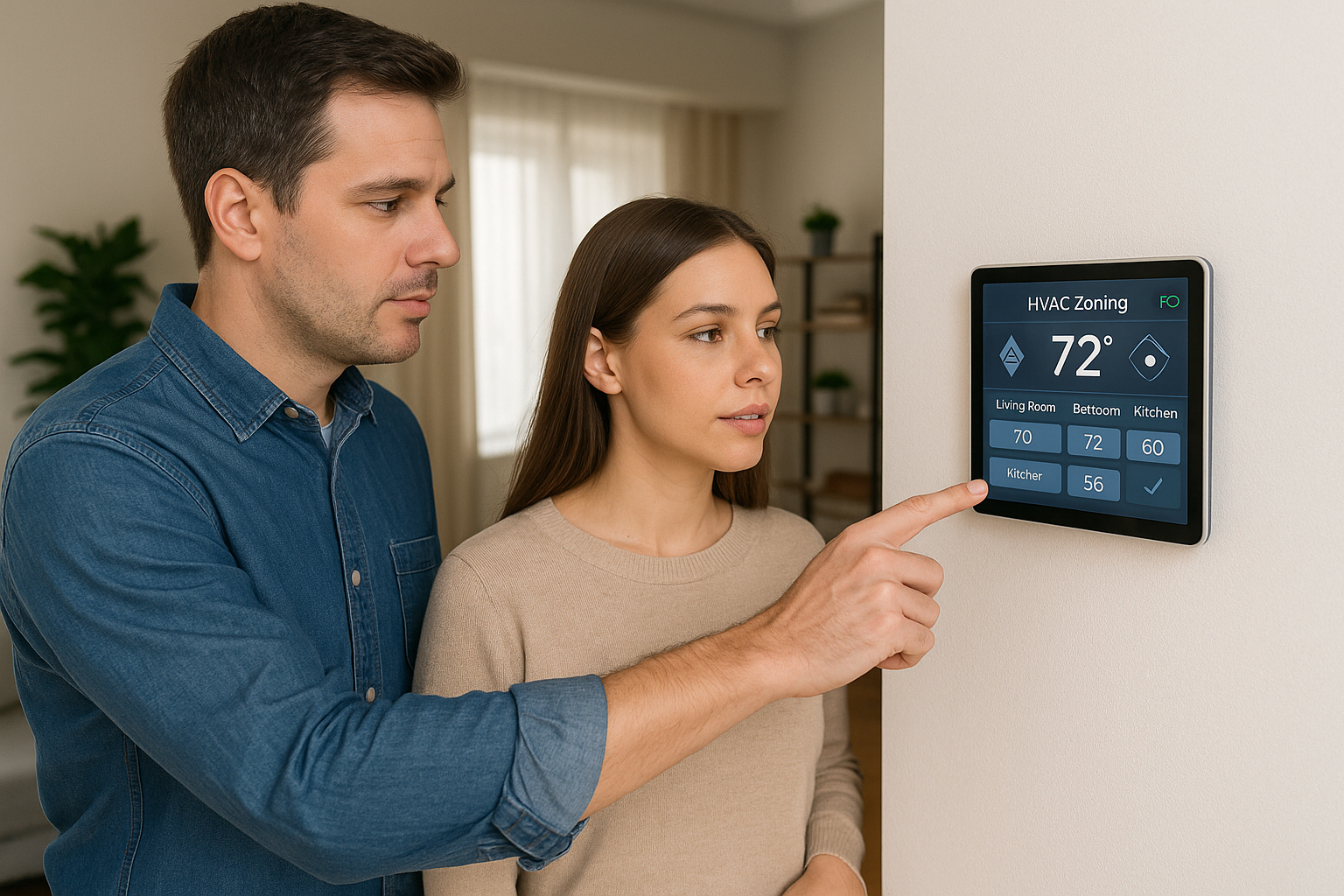
Ductless mini-splits line up nicely with how restaurants actually operate. You can fine tune temperatures for each area so guests and staff stay comfortable without over-conditioning empty spaces.
- Targeted comfort zoning: Dial in dining rooms, bars, private rooms and back-of-house independently to eliminate hot and cold spots and reduce energy waste.
- Quiet operation: Some indoor units run as low as about 19 dB, a big win for fine dining, tasting counters and conversation-friendly bars.
- Lower utilities: Many commercial systems deliver SEER ratings in the high teens to 20+, which trims operating costs compared with older rooftop or split systems.
- Comfort that supports compliance: Stable temperatures and onboard filtration improve perceived indoor air quality, helpful for meeting health-department expectations for employee comfort.
- Long service life: With monthly filter care and annual professional checks of coils, refrigerant and controls, systems commonly run 15 to 20 years.
Think of zoning like a lighting dimmer for each room, you set exactly what each space needs instead of one switch for the whole building. In our experience at Budget Heating (BudgetHeating.com), restaurants get the best results by choosing commercial-grade equipment, mapping zones up front, keeping maintenance simple, and planning technology upgrades around the 10 to 15 year mark, even if the hardware can run longer.
Health, Safety and Code Considerations: SEER2 Rules, Refrigerants and Ventilation Limits
Restaurants sit at the intersection of energy rules, health codes and real world moisture control. The current efficiency framework uses SEER2 and EER2, effective January 1, 2023. Split system AC minimums are regional: the North is roughly 13.4 SEER2, the South roughly 14.3 SEER2 for capacities under 45,000 Btu/h, and the Southwest adds EER2 backstops. Split system heat pumps carry higher national minimums, roughly 14.3 SEER2. For larger rooftop equipment at or above 65,000 Btu/h, updated DOE standards will tighten compliance starting January 1, 2029, which can influence long term rooftop selections.
Refrigerant rules are also shifting. Many jurisdictions are adopting lower GWP A2L refrigerants such as R 32. Designers must verify local charge limits, required clearances and construction details during layout. Permits, proper electrical circuiting, lockable disconnects and manufacturer service clearances should be confirmed with the authority having jurisdiction and matched to the specific unit.
Cooling and ventilation serve different jobs. Conditioning recirculates indoor air to remove heat and moisture, while ventilation exchanges air to meet code. Ductless mini splits recirculate and do not provide the required kitchen exhaust or makeup air, so dedicated hood and makeup air systems must remain. Local climate matters too: hot, humid markets often need capacity adjustments and stronger dehumidification to stay comfortable while meeting code ventilation rates.
Kitchen vs. Dining: Where a Mini Split Makes Sense: Honest Tradeoffs and Alternatives
Mini splits shine in dining rooms, bars, and private spaces where zoned comfort is the goal. In the back of house, realities change. In grease laden cooking environments, code required hood and makeup air systems do the heavy lifting. A mini split can support comfort in adjacent prep areas or offices, but it cannot replace hood or makeup systems.
- Heavy grease kitchens: Treat the kitchen like a firebox. Use a dedicated hood with makeup air, then handle the remaining load with ducted or packaged rooftop equipment. Mini splits belong in nearby zones, not as the primary kitchen solution.
- Very large cooking loads or extreme cold: Packaged rooftops or central ducted systems handle high latent and sensible loads better. In cold regions, choose a gas furnace or a cold climate heat pump with backup heat rather than a ductless only approach.
Bottom line: mini splits are excellent for targeted comfort, but they are not a substitute for required exhaust, makeup air, or dedicated outdoor ventilation.
Sizing a Commercial Mini Split: BTU, Load Calculations and Practical Zoning Steps
In our experience, the right mini split plan starts with room by room math, not rules of thumb. Think of zoning like setting a separate dimmer for each space so comfort matches how it is used.
- Require a written room by room load calculation and a BTU per ton recommendation from the contractor. Keep the assumptions and results on file.
- Define zones: list dining rooms, bar, host stand, private dining, kitchen, office, and storage. Note hours of use for each and door traffic that drives heat gain and loss.
- Right size each zone: measure square footage, ceiling height, window area, occupancy, and nearby cooking equipment heat gains. In very hot or humid climates, increase capacity about 10 to 20 percent.
A clear load sheet per room makes equipment selection straightforward and keeps future adjustments predictable.
Selecting Equipment: SEER2 Ratings, Inverter Technology, Refrigerants and Brand Choices
SEER and SEER2 describe seasonal cooling efficiency, similar to miles per gallon. Restaurant-grade mini splits typically sit in the mid teens to low 20s SEER, with many models at or above 15.2 SEER2, while premium lines exceed 25. For most dining rooms, targeting about 18 to 21 SEER hits a solid cost-to-savings balance. Extremely long-hour kitchens or 24-hour sites may justify 25 to 35 SEER. In our experience at Budget Heating (BudgetHeating.com), that tiering keeps projects on budget without sacrificing comfort.
- Inverter selection: choose inverter systems for steadier temps and better guest comfort.
- Refrigerants: confirm local acceptance of lower GWP A2L options like R-32, follow manufacturer guidance and code.
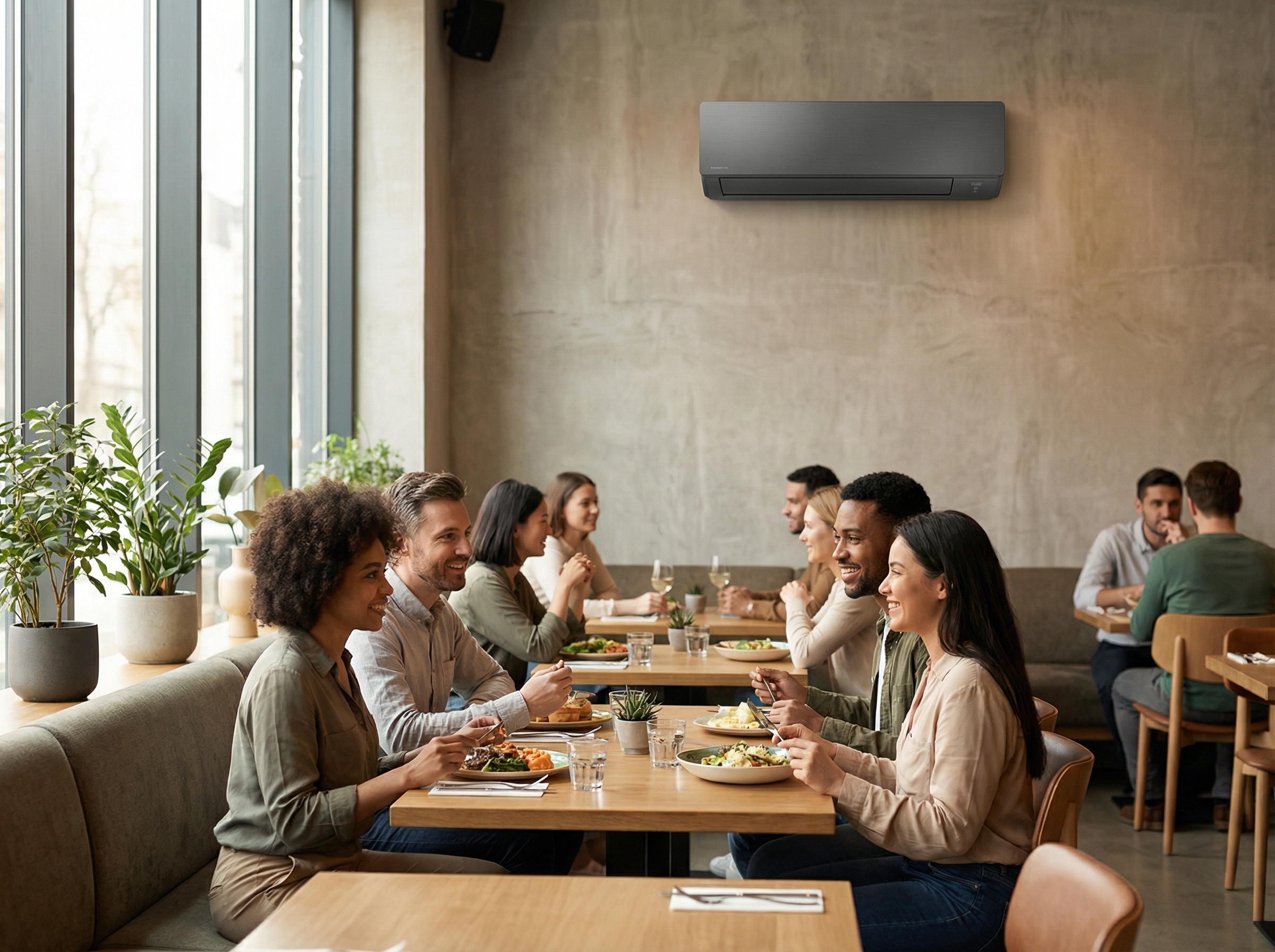
- Noise and airflow: compare indoor head sound ratings for dining areas, place supply air so guests are not in direct drafts.
- Heads and brands: shortlist proven, restaurant-capable manufacturers and pick head styles that fit your space, wall mounts, ceiling cassettes, or concealed ducted.
Match the efficiency tier to hours of operation, confirm refrigerant compliance, and pair quiet heads with smart airflow to deliver a comfortable dining experience.
Installation, Condensate Management and Maintenance: Keeping Systems Clean, Safe and Compliant
Installation and refrigerant work belong to licensed HVAC professionals. That includes brazing, deep triple evacuation to ≤500 microns, charging by weight and all refrigerant handling with proper EPA certification. Pull permits where required. For power, verify dedicated circuits, correct breaker sizing, outdoor disconnects and nameplate voltage. Follow MCA and MOP on the data plate and consider surge protection.
Condensate and sanitation: prefer gravity drains. If a pump is needed, include overflow or float switches, accessible service loops and test the drain at startup. Keep traps clear, sanitize pans and inspect lines regularly during peak season. Address any leak or overflow immediately to avoid slip hazards and indoor air quality problems. Place indoor units away from grease or steam plumes and allow service access. Give outdoor units proper clearance and shade where practical.
Maintenance roles: staff can wash or replace indoor filters monthly in peak seasons, verify locked setpoints and schedules, watch alarms and keep a simple log of recurring errors. Staff should not remove service panels or cut refrigerant lines. Professionals should clean coils and blowers quarterly or semiannually in kitchen areas and perform annual or pre season tune ups to check charge, coils, controls, condensate safeties and electrical components.
Next Steps: Evaluate Contractors, Get a Quote and Move Toward Comfort and Compliance
Ductless mini splits are a strong fit for restaurants, offering zoned comfort, high efficiency and minimally invasive installs, provided they are paired with code required kitchen ventilation and installed and commissioned by experienced contractors for compliance and safety. Every concept and floor plan is different, so the smartest path is a plan that aligns comfort, ventilation and code. Our team has decades of hands-on HVAC experience and will help you size, lay out and coordinate with your hood contractor.
- Get a Custom Quote
- Talk to Our Team by phone, U.S.-based support
- Shop Ductless Mini Split Systems, wholesale pricing, free shipping on many systems, Affirm financing