




Will Window AC Units Be Banned? A short, clear answer
There is no blanket nationwide ban on window air conditioners on the horizon. Federal agencies are tightening efficiency requirements and phasing in new refrigerants, but the product category is not being outlawed. If you own a window unit, you can keep using it, and replacements will continue to be available. Policies may affect what models are offered and when older refrigerants are phased down.
After decades in HVAC, we have seen how rules roll out in stages. In the rest of this guide, you will see:
- The real scope of federal and state rules, and why they focus on efficiency and refrigerants, not removal.
- Who can restrict window units locally, such as cities, landlords, HOAs, and historic districts.
- Approximate timelines and what they mean for availability, service, parts, and refrigerant choices.
- Practical steps for homeowners, renters, and landlords to plan repairs or replacements with minimal hassle.
Understanding current regulations and who sets them (DOE rules & refrigerant phase downs)
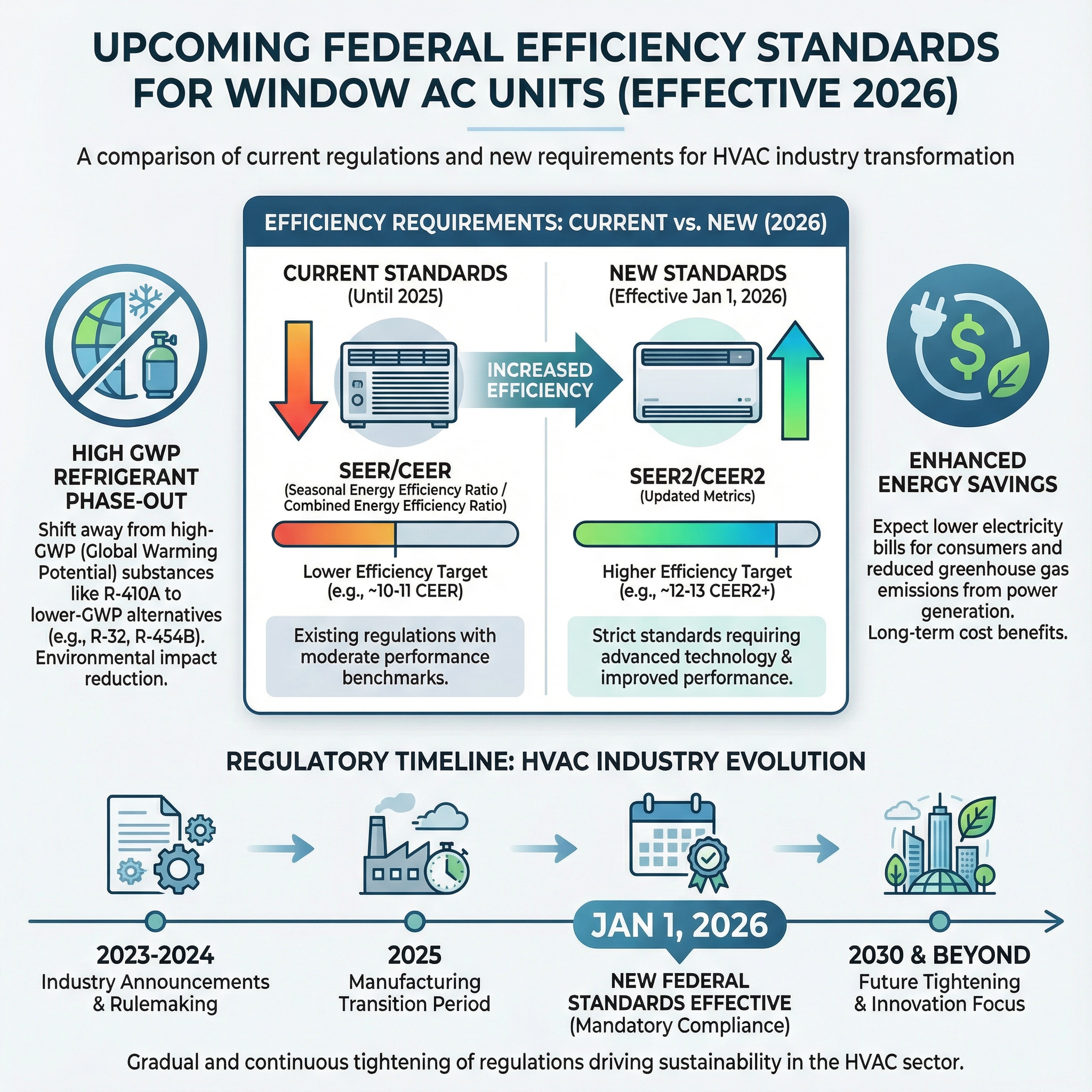
We think of current policy as two levers: efficiency standards and refrigerant phase downs. The U.S. Department of Energy sets national efficiency floors for appliances. For room and window air conditioners, DOE has finalized higher standards that apply to units manufactured or imported starting in 2026. These are performance requirements, not prohibitions. DOE has characterized rumors of a window AC ban as myths, and federal procurement programs, including ENERGY STAR and FEMP, continue to list room AC categories with eligibility criteria, which signals the product class remains available.
Why the change? DOE projects the updated standards will deliver cumulative national energy savings, lower grid demand, and cut emissions. The policy goal is simple: reduce energy use and climate impact while keeping compliant window ACs on the shelf, so buyers get higher efficiency without losing the option altogether.
Parallel to efficiency rules, refrigerant phase down policies, both federal and international, are removing older high global warming potential gases from new equipment over time. Think of it like updating a building code so new projects meet stronger efficiency targets. As the schedule advances, manufacturers transition to lower GWP refrigerants in new models. Together, these two levers raise performance and reduce emissions while preserving access to familiar product types.
Quick answer: Are window ACs actually going away, and when they still make sense
No, they are not disappearing overnight. Most restrictions come from landlords, HOAs, schools, and public housing policies that aim to prevent falling units, water damage, facade changes, and overloaded circuits. That is the practical gatekeeper for many apartments. Market pressure is tightening too: higher efficiency expectations, refrigerant transitions, and evolving codes are slowly squeezing the cheapest, older designs. Think of it as a dimmer switch, not a light switch. Meanwhile, a modern ENERGY STAR window AC typically uses much less electricity than a similar portable for the same room. In our experience at Budget Heating (BudgetHeating.com), a window unit still makes sense when you need one room cooled, your building allows it, and you want low upfront cost. Pick the right size and install securely.
Timeline and scope: efficiency metrics (SEER/SEER2 vs EER/CEER) and geographic differences
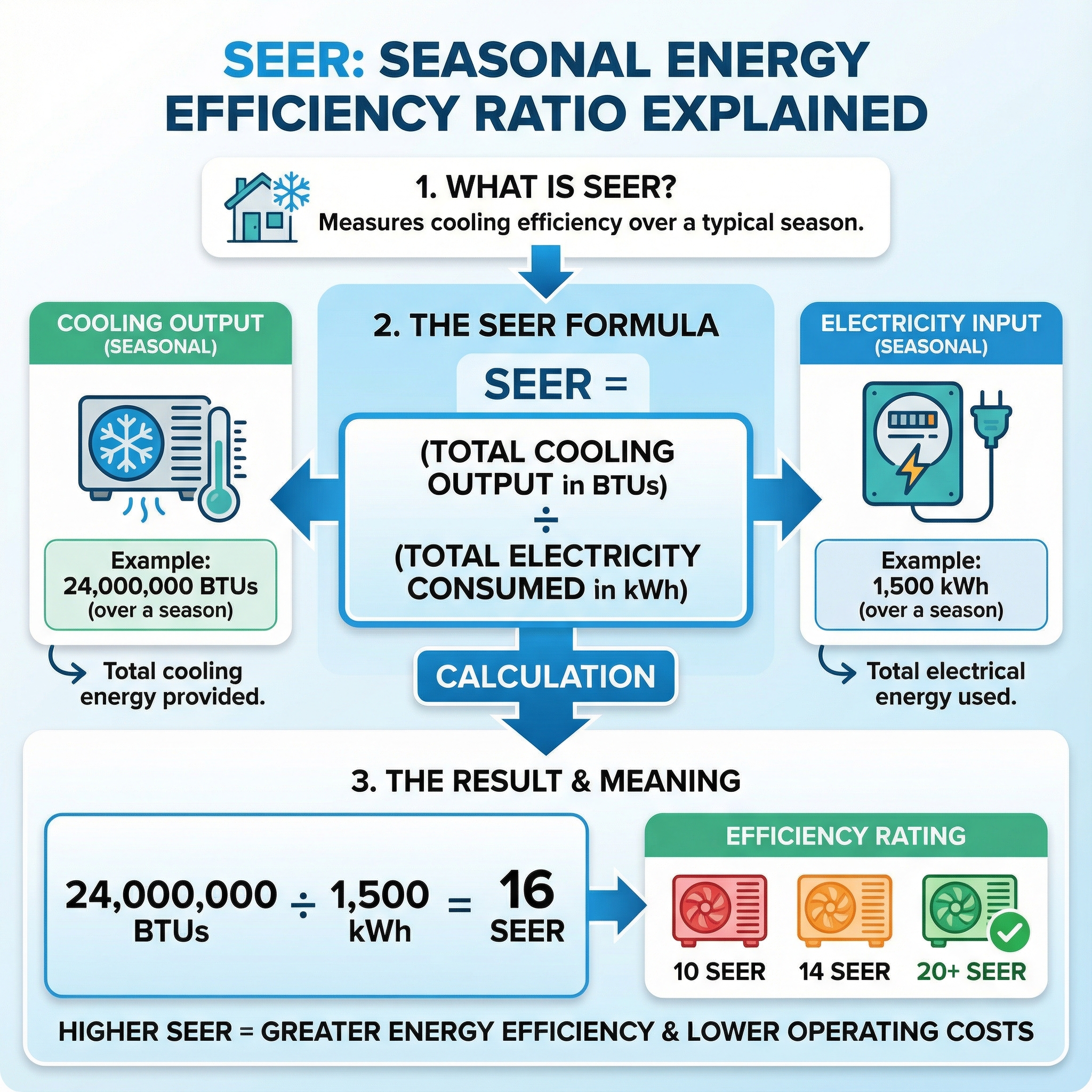
SEER and SEER2 apply to central and ducted systems. Both describe seasonal efficiency, similar to miles per gallon averaged over a whole year of mixed driving. SEER2 is the newer test method that better reflects real-world conditions, so a SEER2 number is not directly one-to-one with an older SEER label. During the transition, you will see both on literature and nameplates. Room and window air conditioners use different yardsticks: EER and CEER. These room-unit metrics rate fixed test conditions and account for controls and standby use, which is why recent room AC requirements are written around EER and CEER rather than SEER.
Geography matters. Central systems operate across an entire cooling season, so SEER and SEER2 capture how the unit behaves through varying temperatures and part-load operation. In hotter or longer cooling climates, the seasonal metric shows larger practical benefits from higher efficiency. In our experience at Budget Heating (BudgetHeating.com), customers in the Southeast often see more noticeable seasonal savings than those in milder coastal zones. Room and window units, however, are spot coolers. Their EER or CEER tells you how they perform at a steady test point, which fits how they are used: short bursts, one room at a time. As minimum efficiencies rise, households generally use less energy and pay less to stay comfortable over time.
Maintenance and compliance: refrigerants, recharging, safe disposal and when to call a pro
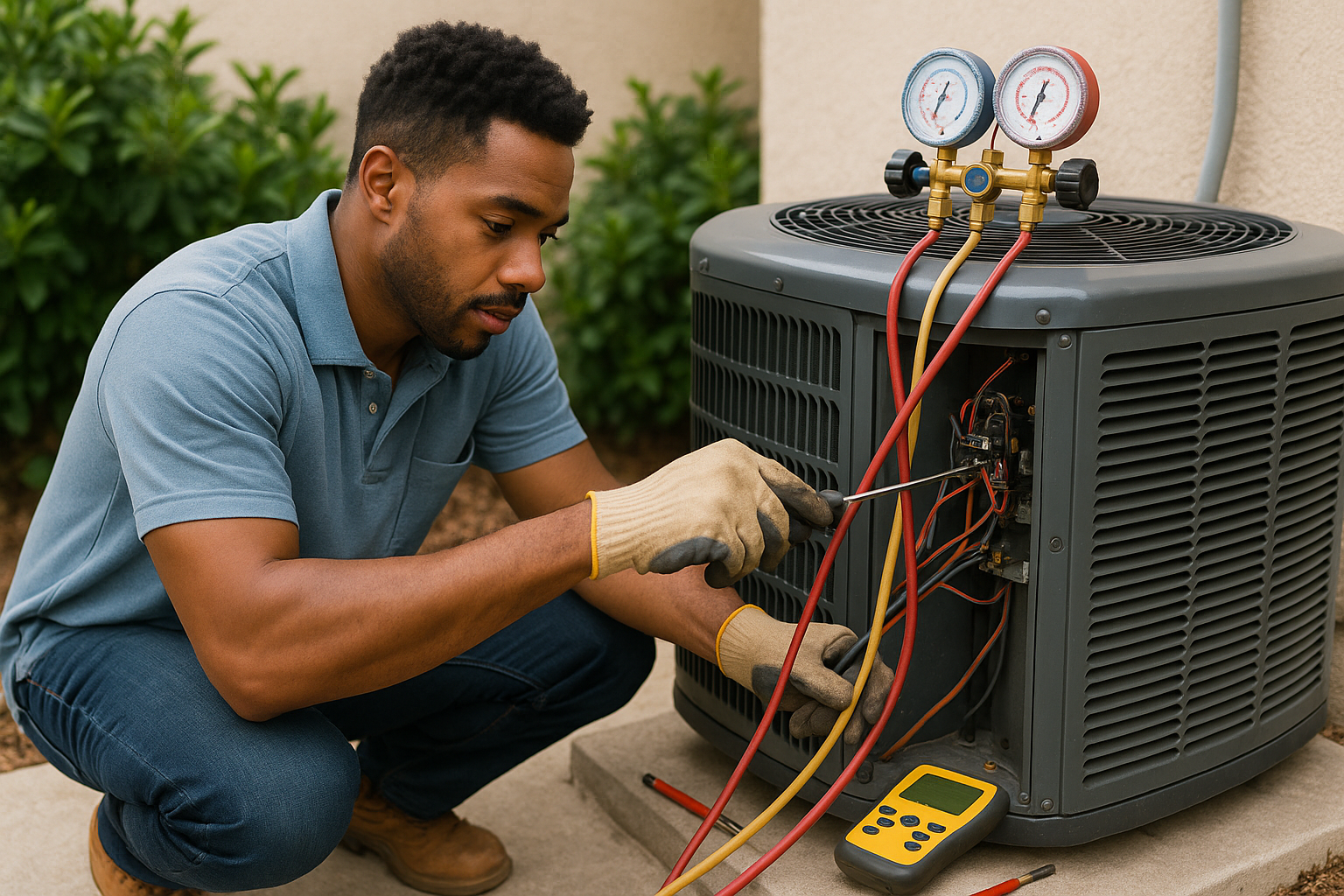
We draw a firm line between homeowner care and certified work. For routine care: clean or replace the filter monthly during heavy use, gently vacuum the evaporator and condenser coils and straighten bent fins as needed, keep drain holes clear, and set a slight outward tilt so condensate runs outdoors. Use manufacturer approved support brackets, confirm the window sill can handle the weight, and use two people for installation to prevent falls. Plug into a grounded, correctly rated receptacle, never an extension cord. Always unplug the unit and wait a few minutes for capacitors to discharge before any work.
- Call a licensed pro for repeated breaker trips, burning smells, failed capacitors, or noisy motors or compressor behavior.
- Any refrigerant work, leak checks, recharging, recovery or disposal must be handled by EPA Section 608 certified technicians. Some newer refrigerants, such as R 32 or R 290 variants, can be flammable, and liquid refrigerant can cause frostbite.
- Persistent indoor leaks or visible mold beyond surface cleaning require professional assessment or replacement.
- If the circuit is undersized, have a licensed electrician upgrade it.
Recommended cadence: check and clean filters monthly, clean coils once or twice per season, and annually inspect mounts, window seals, and electrical connections.
Which window units could be affected: refrigerants, efficiency tiers, and design changes
The models most exposed are older window or room ACs that rely on phased-out refrigerants and units with low CEER or EER. As rules tighten, these products become harder to produce, service, and legally import. On the other hand, top modern ENERGY STAR window ACs show a wide CEER performance spread, and the most efficient replacement models already clear stricter thresholds while legacy units fall behind.
- At risk: non ENERGY STAR, low CEER models built on older platforms.
- At risk: legacy units charged with refrigerants that are being phased out.
- Less affected: high efficiency models that already sit at the top of the CEER range.
Manufacturers are responding by redesigning around lower GWP refrigerants, notably R 32 and R 454B, to satisfy refrigerant phase downs and efficiency targets.
How a ban or phase out would affect homeowners and renters
If you already own a window AC, you can generally keep using it where local rules allow. Limits usually apply to new installations or a building’s house rules, not possession. The bigger shift shows up at repair or replacement time. As older refrigerants and matching components thin out, fixes on very old units become harder and often not worth the bill, which nudges owners toward replacement. New models will trend toward higher CEER or EER and newer refrigerants, which can mean a higher upfront price but lower operating costs over the life of the unit.
For many households, local policies matter most. HOAs, landlords, or campus housing can restrict window units outright or set strict criteria, so building rules may shape choices more than any federal action.
When a window AC may NOT be the best choice: tradeoffs, scenarios, and practical alternatives
From decades in HVAC we have learned that window units are great for spot cooling, not for every situation. Here are cases where another approach fits better.
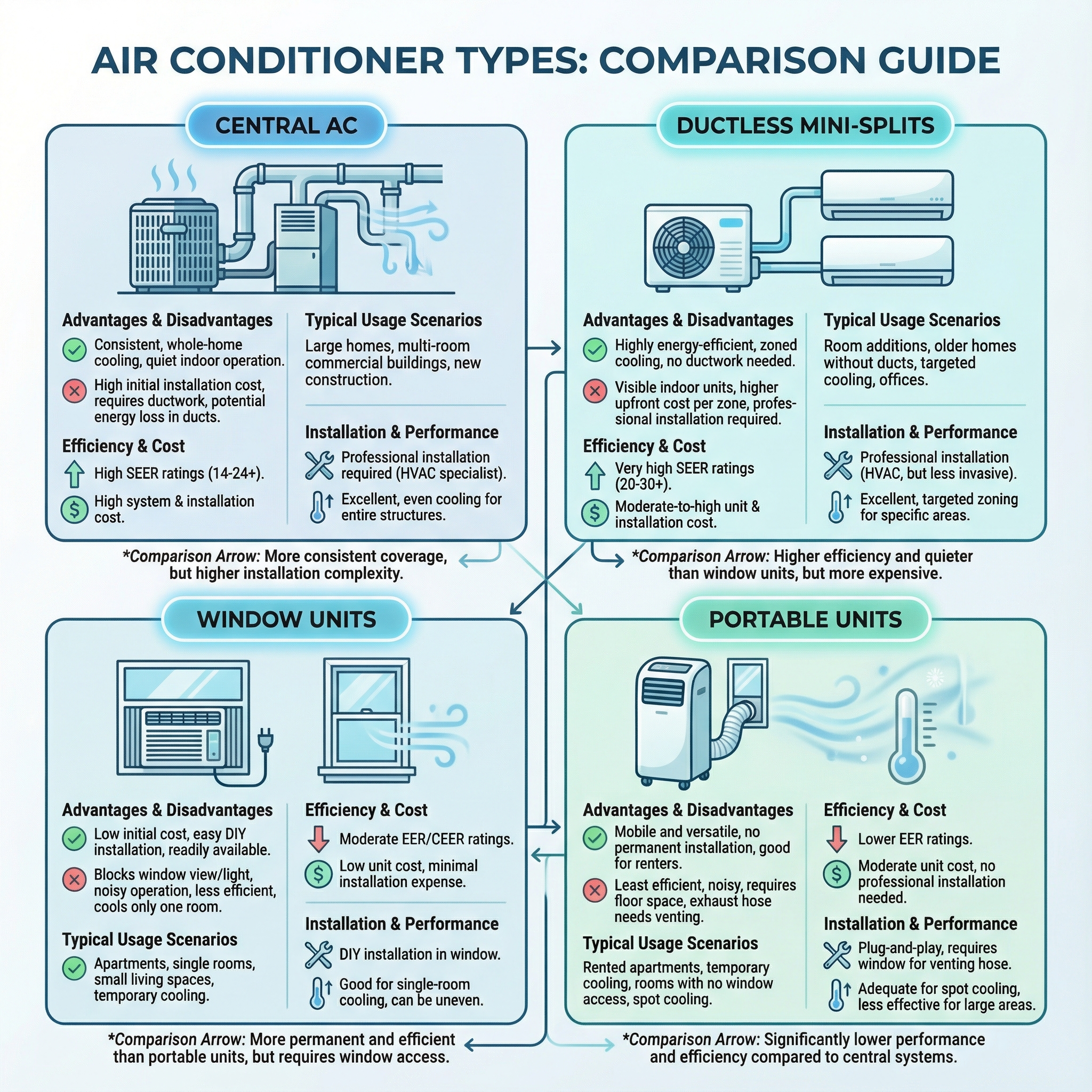
- Very hot, humid climates: Window units often short cycle, leaving rooms cool but clammy. Variable speed mini splits or central systems remove moisture consistently and hold comfort steadier.
- Multiple rooms or whole home: Stacking window units raises noise and energy use. Ductless multi zone mini splits or a central heat pump are quieter, control humidity better, and cut long term costs across the house.
- Buildings or HOAs that restrict window units: If rules or aesthetics block a window install, use a portable wheeled room AC for temporary relief, or a ductless mini split for a cleaner permanent solution.
For long seasons, these alternatives usually beat window units on comfort and efficiency.
What homeowners and landlords should do now (check labels, plan upgrades, and hunt rebates)
- Define the goal: spot cooling or whole home, expected hours of use, and how much humidity control matters.
- Size it correctly: measure square footage, note sun exposure, insulation, ceiling height, occupants, and internal heat loads. Choose capacity that runs steadily without short cycling. Follow manufacturer BTU guidance adjusted for your conditions.
- If many rooms or extreme climates apply, obtain Manual J load calculations and compare ductless mini split or central heat pump options.
- Verify window fit and support: confirm opening dimensions and unit weight, use approved support brackets, add foam panels and weatherstripping, lock sashes and install security brackets.
- Check electrical: read the nameplate voltage and amperage, avoid extension cords, consult an electrician if circuit capacity is marginal.
- Choose efficiency and useful features: ENERGY STAR, higher CEER or EER, inverter or variable speed, Dry mode, and smart controls.
- Placement and upkeep: use a shaded window, keep airflow clear, clean filters monthly, inspect seals and hardware each season.
- Plan for humidity near 50% RH. Compare upfront and operating costs, check federal, state, and utility rebates, and verify HOA or landlord rules. Heat pumps and ductless systems are more likely to qualify.
Conclusion: realistic expectations and next steps for staying cool and compliant
There is no sudden nationwide ban on window ACs, only a steady move toward higher efficiency and cleaner refrigerants. Your best path is to check local rules, replace when needed with an efficient, compliant unit, and, for multi-room or long-term comfort, consider a ductless mini split or a central heat pump.
If you are weighing whether to wait or upgrade, we can help you make a clear, cost-smart decision. Our team has 30+ years of hands-on HVAC experience and will match right-sized, code-friendly equipment at true wholesale pricing.
- Get a Custom Quote
- Talk to Our Team, phone support available and U.S. based
- Shop Ductless Mini Splits, Heat Pumps, and Window ACs
- Ask about free shipping options and Affirm financing