




Why Mitsubishi Mini Splits Are Leading Home Comfort in 2026
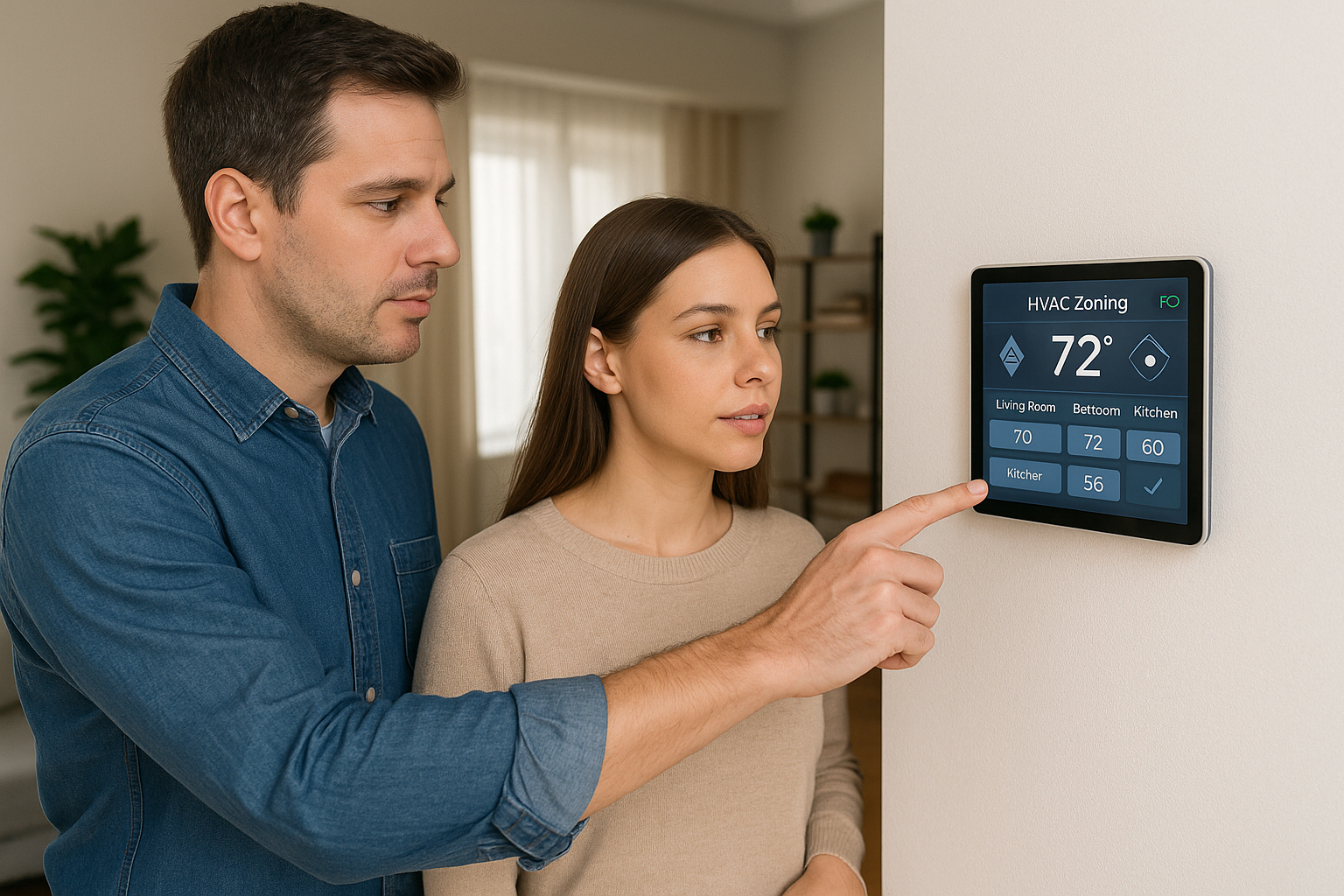
Home comfort is evolving quickly, and in 2026, Mitsubishi mini split heat pump systems are leading the way. Their inverter-driven, ductless design delivers precise, room-by-room temperature control and whisper-quiet operation while using less energy than traditional systems. Because each indoor head serves a zone, you can fine tune comfort without over-conditioning unused spaces. The result is steadier temperatures in every season, lower monthly energy use, and a system that runs smoothly thanks to efficient operation and straightforward upkeep.
At the heart of the efficiency is heat transfer, not heat generation. Instead of burning fuel or using electric resistance to make heat, a heat pump moves existing heat from one place to another. Think of it like a conveyor moving warmth where you need it, rather than lighting a new fire. In summer it carries heat out of the home, in winter it reverses the cycle to bring heat inside, which generally requires far less energy than creating heat from scratch.
Inverter compressors modulate speed to match the load, avoiding energy-wasting on and off cycles, reducing noise, and limiting wear. Ductless installation also sidesteps duct losses and delivers true room-by-room control. Together, these advantages make Mitsubishi Electric mini split heat pump systems a smart, year-round comfort solution.
What's New in 2026: Inverter, Hyper Heating and Low GWP Refrigerants
In 2026, Mitsubishi stands out for smarter modulation and cleaner refrigerants. Inverter driven, variable speed compressors and fans adjust output in small steps, like using a dimmer switch instead of an on or off lamp. That keeps rooms steadier and quieter, improves dehumidification, and delivers real world savings beyond the nameplate. In our decades of commissioning these systems, right sized inverters routinely trim kWh compared with fixed speed units.
Single zone models commonly land from the high teens to the mid 20s SEER, with premium units around 24 SEER or higher and some high end packages approaching 30 plus. On the current SEER2 yardstick, selecting roughly 20 to 26 plus SEER in 2026 results in materially lower energy use versus minimum standard equipment.
Cold climate Hyper Heating options preserve heating output as outdoor temperatures drop, extending comfortable heat without heavy reliance on electric resistance in many applications. The result is steadier winter comfort and fewer temperature swings.
This year also brings the shift to low GWP refrigerants. New U.S. installations move to R 32 and R 454B, which reduces long term climate impact and will influence model availability and specifications.
Top Mitsubishi Models to Watch in 2026: MSZ FH, MSZ GL and SRK Series
After decades sizing and shipping mini splits, we see three families covering most needs:
- Cold climate: MSZ FH paired with Hyper Heat variants for outdoor units. This line prioritizes peak efficiency and stable heat in deep winter, a smart pick for main living areas.
- Quiet bedrooms: MSZ FH remains the hushed standout, while MSZ GL is pleasantly quiet for guest rooms and home offices without premium pricing.
- Budget and multi room: MSZ GL offers strong value and slots easily into multi zone systems. SRK models often meet price targets while giving more head type choices.
Expect flexible installs across these families: wall, cassette, or floor console heads, plus multi zone options for room by room control. When comparing quotes, you will see codes like mitsubishi srk 20 css s6 a split ac specifications, which helps align dealer spec sheets with your wish list.
Understanding Mitsubishi Model Codes, SEER2 and 'Mr. Slim' Specs
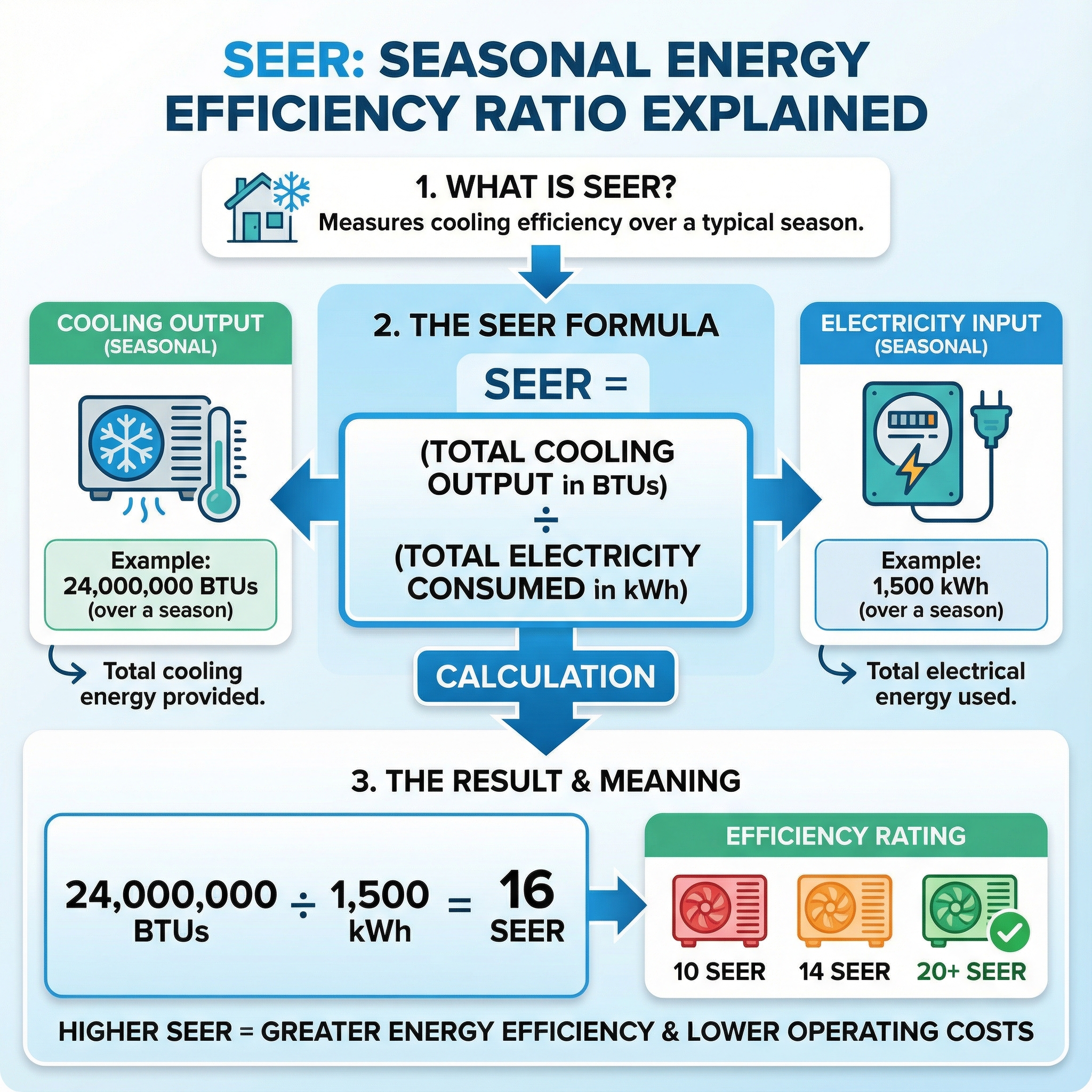
SEER and SEER2 measure seasonal cooling efficiency. Higher numbers mean the system uses less electricity to deliver the same cooling, similar to miles per gallon for cars. Target ranges by climate: 22 to 25 in hot humid regions, 20 to 22 in hot dry or mixed climates, and 18 to 20 in cooler northern zones.
Mitsubishi model codes tie together the series, capacity class and whether the unit is an indoor head or an outdoor condenser. From field work, we treat the code as shorthand, then confirm details on the datasheet. The long running Mr. Slim lineup uses concise sheets that list SEER2 and HSPF2, low temperature capacity and allowable line set lengths, which are the key items to verify when matching components.
Select the indoor head style to fit the space: wall mounted, ceiling cassette or floor mounted. Match the choice to room layout, ceiling height and service access, so routine filter cleaning can actually be done without moving furniture or ladders you do not have.
When a Mitsubishi Mini Split May NOT Be the Best Choice (Tradeoffs and Alternatives)
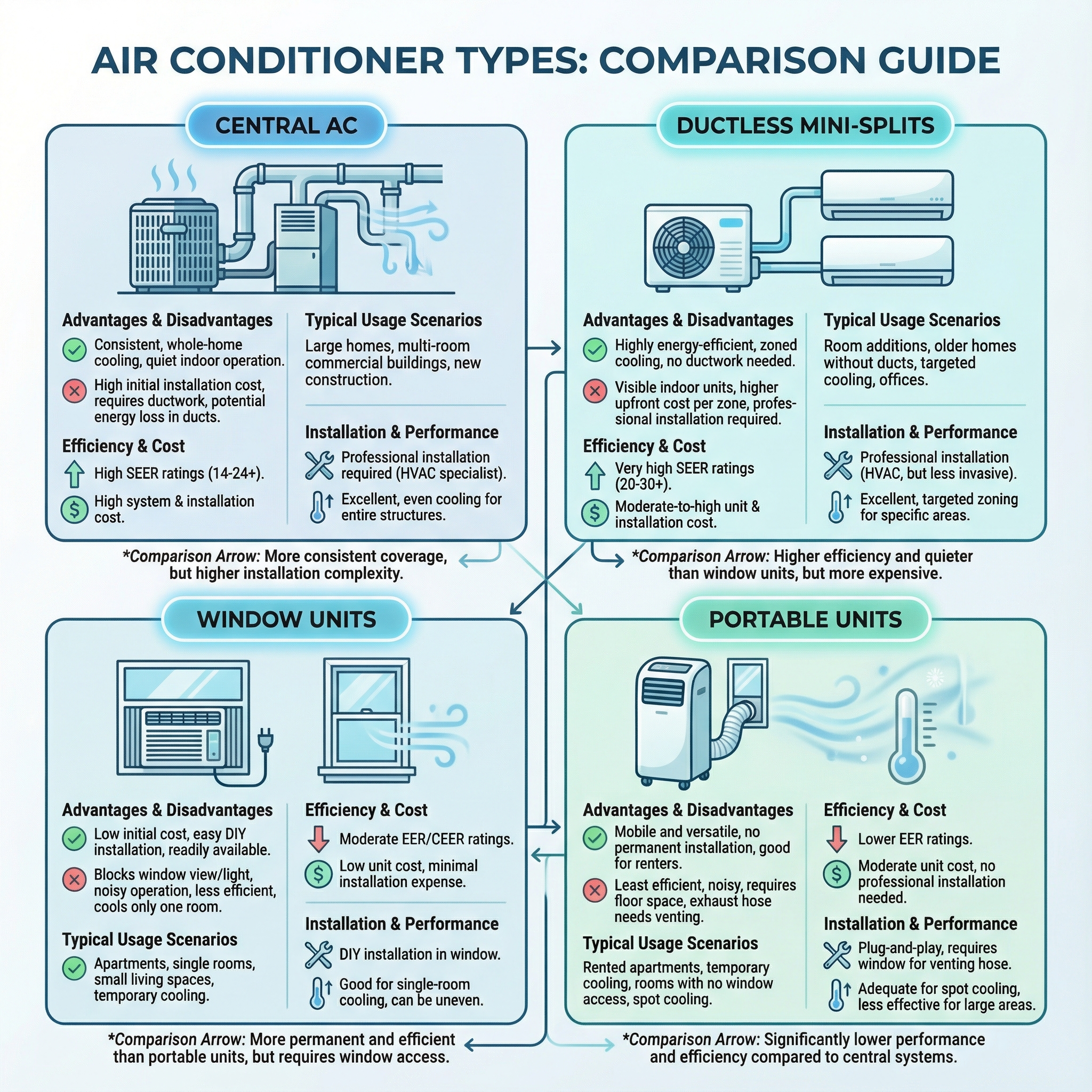
Mini-splits are flexible and efficient, but they are not perfect for every home. From years of field installs, we see three recurring situations where another path can make more sense. First, very cold climates: performance tapers as outdoor temps drop, and homes that need full heating capacity below about 25 F often require backup heat or a cold-climate model. In some extreme cases, a gas furnace remains the most practical primary heat source.
Second, if a fossil-fuel system is already in place, a hybrid setup can be simpler and more cost-effective, using the heat pump for moderate weather and the furnace for deep cold. Third, large multi-room homes with doors closed most of the time may favor a central ducted system. Multi-zone mini-splits with many heads on one outdoor unit do reduce outdoor equipment, but create a single point of failure and are trickier to size correctly, like asking one engine to pull several trailers.
Common myths to clear up: mini-splits do heat, modern cold-climate models operate in winter, and multi-zone systems can provide true room-by-room control.
Troubleshooting, Noise & Maintenance: Lights, Compressor Issues and Safe DIY Tasks
Indicator lights are like a dashboard. Two green lights versus one can signal different modes or faults, so check the manual, record codes, and do not clear them. Start with basics: replace remote batteries, verify breaker and outdoor disconnect are on, and inspect line set insulation for nicks. In our experience at Budget Heating (BudgetHeating.com), many no-cool calls stop here.
- Power off, wash filters monthly, more often with pets.
- Wipe grilles and vacuum with a soft brush.
- In cooling, confirm the condensate drain flows. Visually check pumps, but leave service to pros. Keep 18 to 24 inches of outdoor clearance and rinse coils gently with low pressure. Elevate or shelter units in snow zones.
Safety first: many systems run on 208 or 230 volts. De-energize before maintenance, wear PPE, follow lockout and tagout, and never pressure wash coils. New low GWP refrigerants such as R-32 are mildly flammable, so only certified technicians should handle refrigerant.
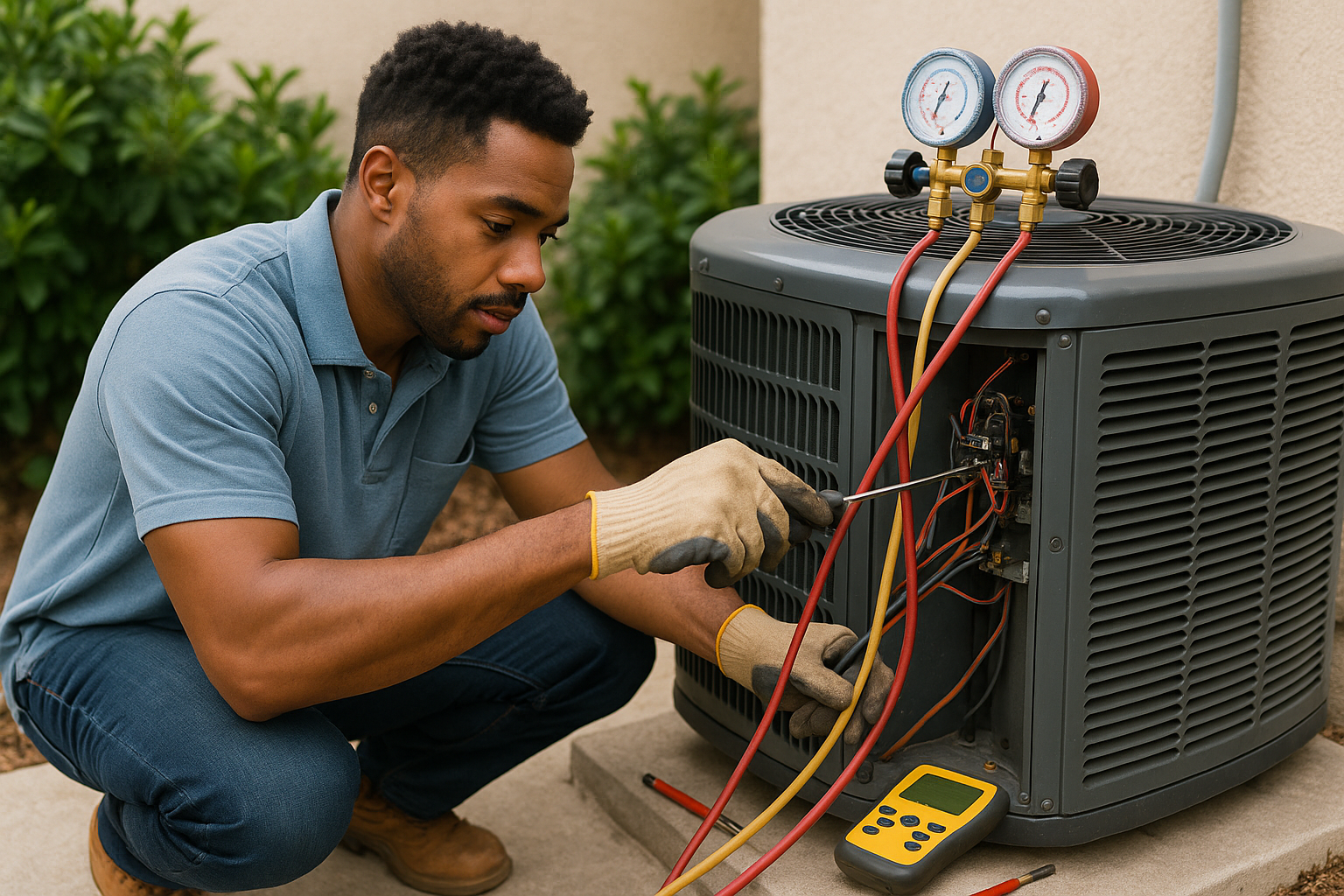
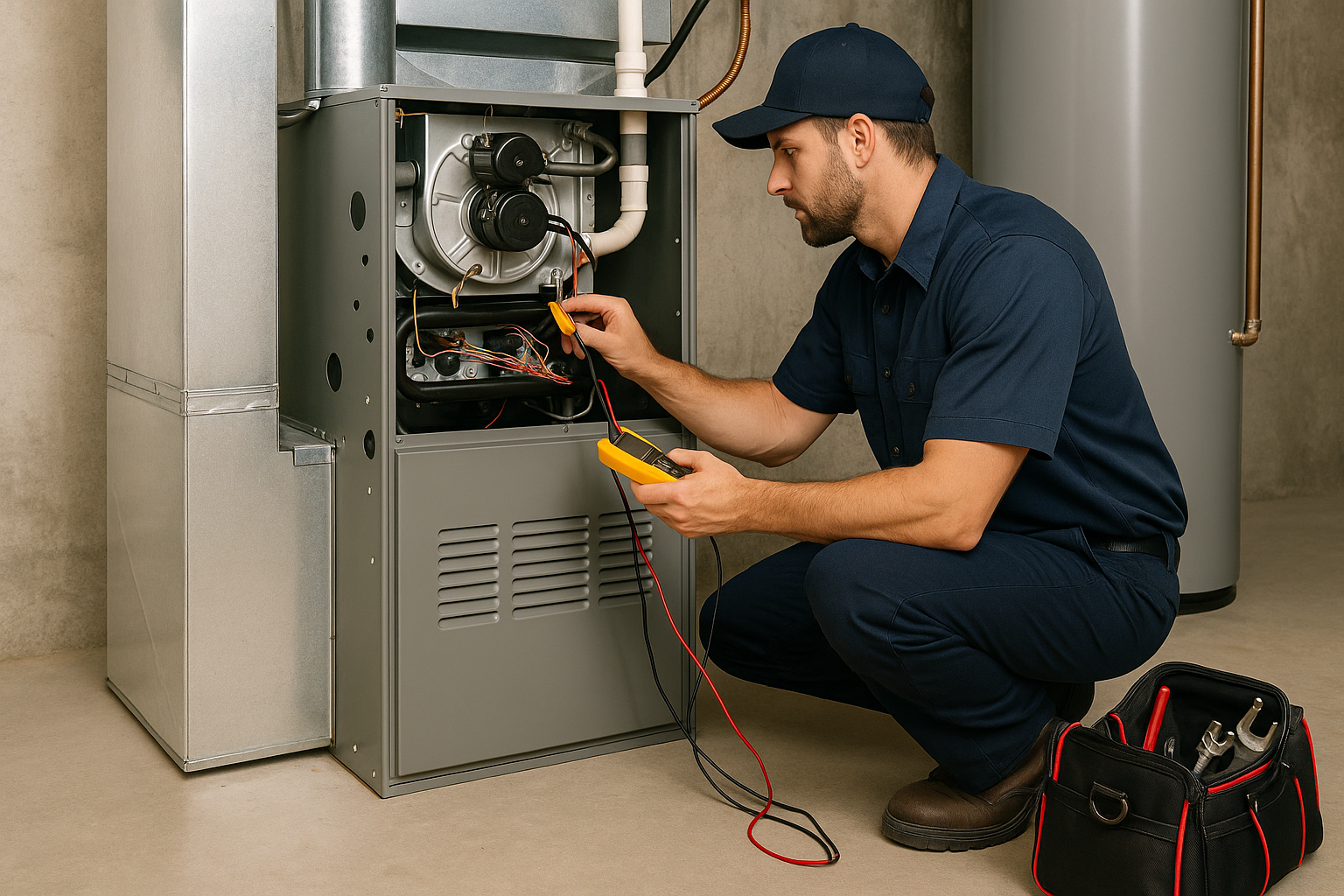
Call a pro for refrigerant work, electrical changes, chemical coil cleaning, compressor or fan issues, or error codes that persist. For warranty coverage, brands like Mitsubishi require professional installation. Keep invoices, permits, and serial numbers.
Sizing & Zoning: From Single Zone Units to 3 Ton 2 Zone Systems
Sizing a mini split is like tailoring a suit, start with measurements, not guesses. Provide room by room square footage, ceiling heights, insulation levels, window area and orientation, plus local climate, then request a Manual J style load calculation before approving equipment. For a single room, choose a head that matches the calculated load. In humid climates, prioritize strong inverter turndown and a dehumidify mode so the unit runs steadily at low output instead of short cycling. In our experience at Budget Heating (BudgetHeating.com), most comfort issues trace to oversizing.
- One problem room, use a single zone.
- Small home or open plan, one or two heads can cover it.
- Whole home, use a multi zone system or several single zones, design zones around how spaces are used.
For a 3 ton 2 zone plan, confirm the outdoor unit can modulate efficiently when only one head calls. Match each head to its room load, not the total. Respect line set length limits and elevation differences, and keep runs similar when possible. Proper turndown plus correct zoning preserves comfort and dehumidification.
Pricing Guide 2026: Typical Costs, Payback and What Impacts Price
Installed prices vary with job complexity, model chosen, number of heads or zones, and line-set lengths. Always request written proposals with model numbers and efficiency ratings. Think of SEER like miles per gallon for cooling: higher SEER, less electricity per unit of comfort.
Using a representative $1,500 annual cooling bill at about $0.16 per kWh: moving from an old 10 SEER to 14 SEER saves about $450 per year, to 18 SEER about $750, and to 22 SEER about $975. An 18 SEER Mitsubishi-style mini-split can trim cooling costs roughly 50 percent; 22+ SEER is about 65 percent.
Payback is simple: premium divided by annual savings equals years. At $750 savings, a 3-year payback supports about a $2,250 premium. At $975 savings, about $2,900 for 3 years or $4,900 for 5 years. For many households, the premium for high-SEER mini-splits is typically recovered in roughly 3 to 5 years, depending on local rates, usage, and climate.
Installation, Incentives & Regulations: Lowering Upfront Cost in 2026
In 2026, DOE and regional efficiency minimums apply, for example 14.3 SEER2 in some regions. Incentives often require higher levels, roughly 17 SEER2 and 12 EER2. Many high efficiency air source heat pumps, including qualifying Mitsubishi units, may be eligible for about a 30% federal tax credit up to $2,000, plus utility rebates. In our experience at Budget Heating (BudgetHeating.com), pre-qualifying rebates before you sign reduces surprises and improves payback.
- Electrical readiness: confirm panel capacity and dedicated circuits.
- Refrigerant path: verify line-set length and elevation are within limits.
- Condensate management: plan gravity drain or pump with an accessible cleanout.
- Placement: allow service clearances, keep away from bedrooms and neighbors, elevate or shelter in snow zones.
- Permits and licensing: pull required permits, use a licensed HVAC pro for refrigerant and electrical work, protect warranty terms.
- Compliance check: confirm regional SEER2 and EER2, and refrigerant alignment with low GWP rules.
- Incentive proof: gather AHRI certificates, model numbers and pre-approval where required.
- Warranty support: use Mitsubishi-authorized or qualified contractors, save invoices, permits and serial numbers.
- Maintenance plan: clean filters monthly, schedule an annual professional check.
Is a Mitsubishi Mini Split Right for Your Home in 2026? Final Buying Checklist
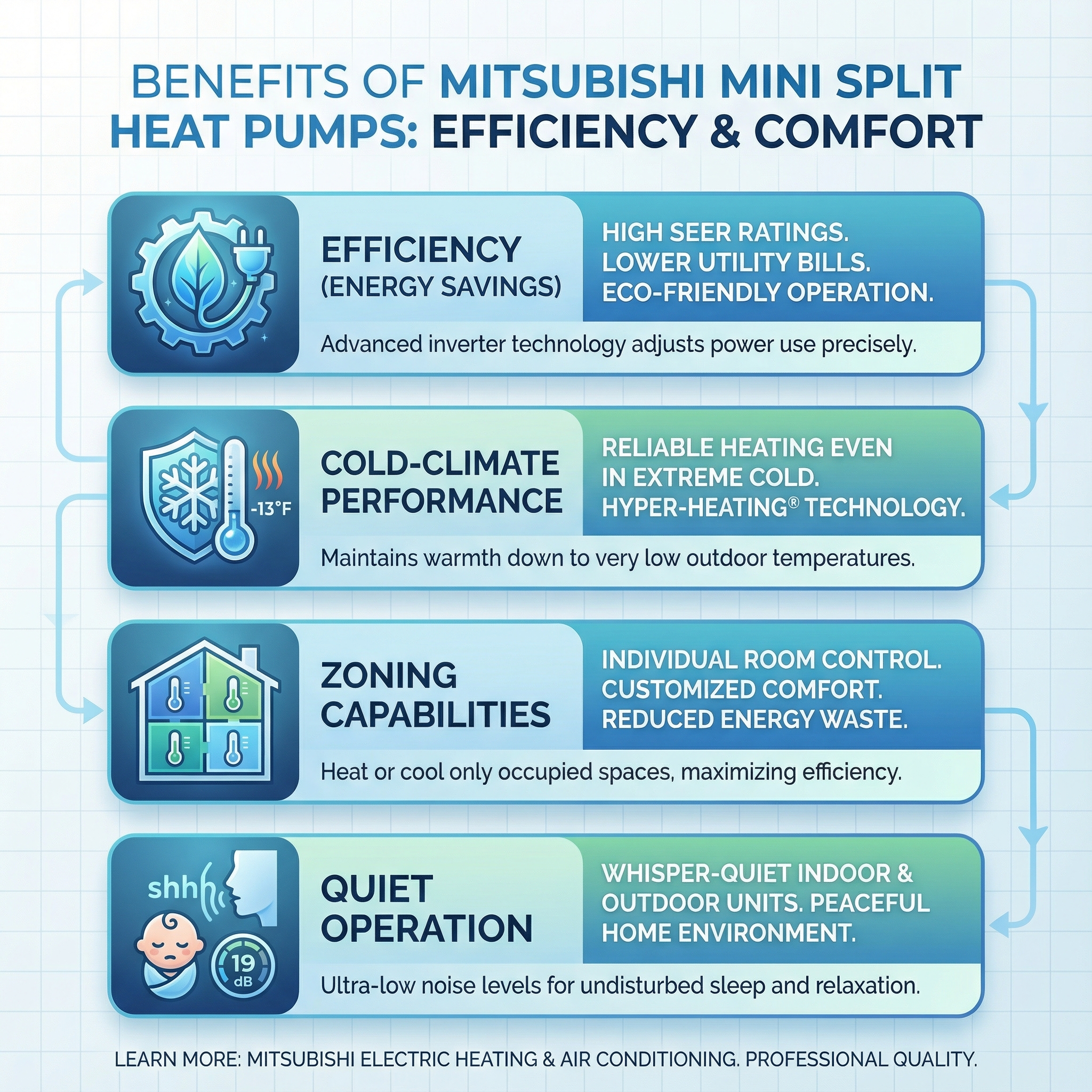
Mitsubishi mini split heat pumps deliver inverter efficiency, strong Hyper Heat performance in cold weather, flexible zoning and quiet operation for dependable comfort and lower bills in 2026. With correct sizing and professional installation, many homes see about 25% energy reduction with payback in roughly 3 to 5 years. Mature controls and routine filter and coil care help preserve efficiency and indoor air quality.
- Define your zoning goal and room priorities.
- Request a Manual J and written proposals with SEER2, HSPF2 and low temp capacity.
- Confirm installer credentials and warranty coverage.
- Verify incentive eligibility before purchase.
You have options and a budget to meet, and the right plan makes the choice clear. Since 1992 our factory authorized team has fulfilled 200,000+ orders with U.S. based phone support.
- Get a Custom Quote
- Talk to Our Team by phone for sizing and brand guidance
- Shop Mitsubishi Mini Splits, with free shipping and Affirm financing