




What Size AC Do I Need for My Living Room? Quick Overview
In our experience, getting the size right is not guesswork. It drives comfort, humidity control, indoor air quality, energy bills, and equipment life. Undersized units run constantly and miss the setpoint. Oversized units short cycle and under-dehumidify. As a quick check, many 300-500 sq ft living rooms land around 9,000-12,000 BTU, but specifics matter. Key inputs: room area, ceiling height, sun and window orientation, climate, insulation quality, and how many people use the space. The gold standard is a Manual J load calculation, especially for sunrooms or vaulted ceilings.
SEER, SEER2 and Efficiency: What the Ratings Mean for Your Living Room AC
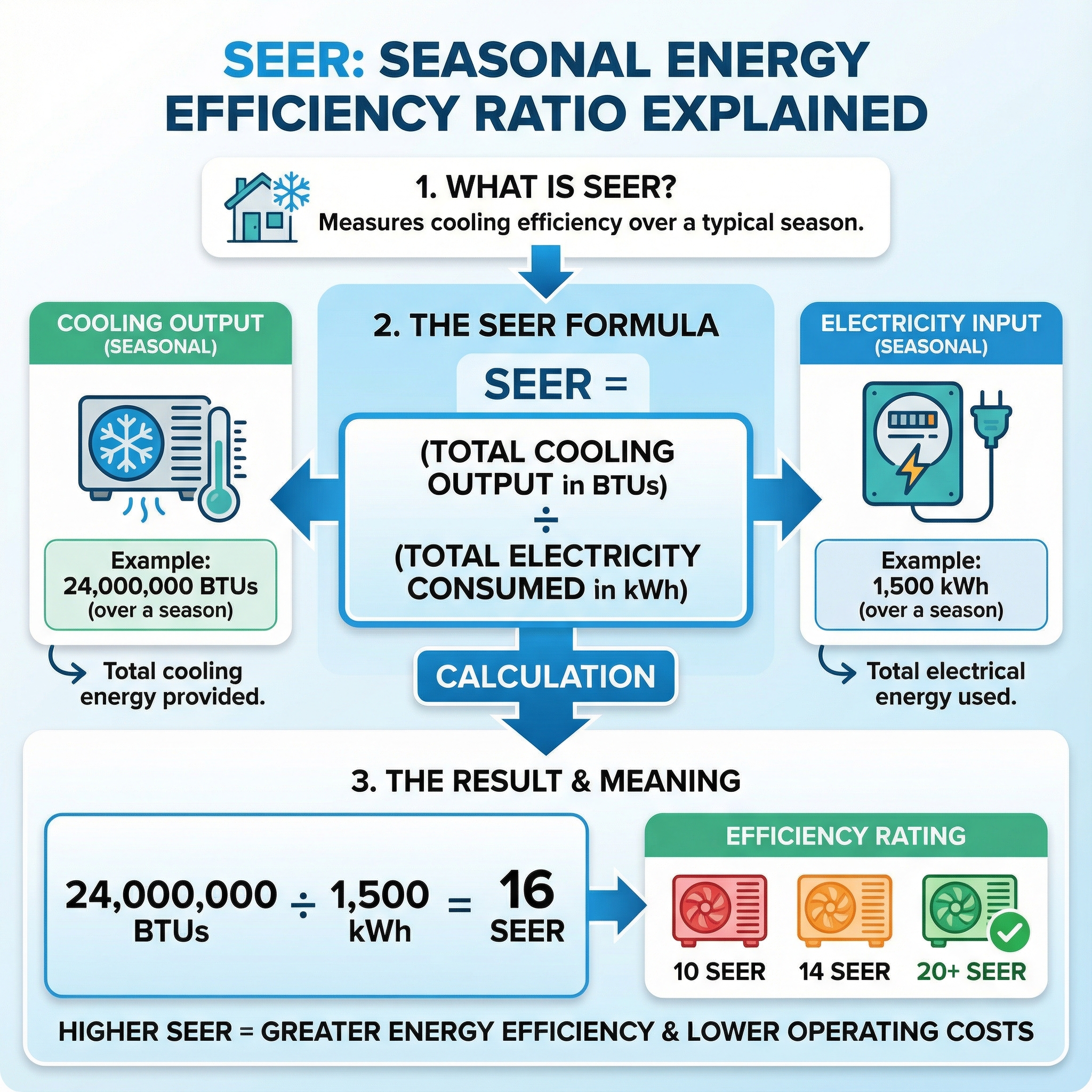
SEER and SEER2 both express seasonal cooling efficiency for central and mini split systems. Higher numbers mean the AC uses less electricity. SEER2 values run lower than SEER because the test is stricter. Think of it like miles per gallon over a full summer of driving.
For most living rooms, a cost smart target is about 14-16 SEER, which aligns to roughly 13.4-15.2 SEER2. Premium setups reach the low to mid 20s SEER, helpful where run times are long or power rates are high. DOE minimums changed in 2023 and vary by region, with hotter areas requiring higher minimums for many capacities. Size the unit correctly first, then choose efficiency to match usage and budget.
How AC Size Is Measured: BTUs and Tons, The Simple Math
Start with floor area: length x width in feet. Use a baseline of about 20 to 25 BTU per square foot. That gives you a target cooling capacity in BTUs. Think of BTU like calories for cooling, the higher the BTU, the more heat the unit can remove each hour. In our experience at Budget Heating (BudgetHeating.com), the 20 to 25 BTU per square foot rule gets most homes into the right range before factoring windows, sun, ceilings, or occupants.
To convert to tons, divide BTUs by 12,000. One ton equals 12,000 BTU. Example: 24,000 BTU is 2 tons.
- 150 sq ft about 3,000 to 3,750 BTU
- 250 sq ft about 5,000 to 6,250 BTU
- 400 sq ft about 8,000 to 10,000 BTU
Use this as a starting point, then adjust up or down for real room conditions.

Step-by-Step Homeowner Checklist: Measure, Adjust and Choose the Right Unit
After decades sizing systems, we find this quick process keeps homeowners on track from tape measure to model pick.
- Measure your living space. Include open adjoining areas that share air with the target room.
- Set a baseline: BTUs ≈ 20 × total square feet.
- Adjust for real conditions: upsize for ceilings over 8 ft, strong sun exposure, lots of windows, or weak insulation. Add about 600 BTU for each extra regular occupant and about 4,000 BTU if the area includes a kitchen.
- If comparing central systems or mini splits, convert to tons: BTU ÷ 12,000.
- Choose the closest standard size that meets your adjusted BTU. A slight overshoot is fine, but avoid large oversizing.
- Account for airflow and ducts. Your equipment can only deliver comfort if air can move. Think of ducts like straws, a bigger drink needs a wider straw. Verify you have adequate supply and return paths for the size you select, or plan for duct changes.
- When to call a pro: if the home has unusual features, multiple levels, big glass areas, or complex layouts, ask an HVAC contractor for a Manual J load calculation to dial in the exact size.

Regional Factors & Codes: How Climate and Regulations Change Sizing Choices
From field experience, hot, humid zones push living room cooling loads higher, so capacity per square foot is typically 45 to 60 BTU/ft². In cooler or drier regions, we see many rooms size closer to 30 to 35 BTU/ft². Regulations matter too. DOE 2023 SEER2 minimums increased and vary by region and by capacity tier, and some areas require higher SEER or EER for units above or below certain sizes. Local codes can tighten that again. Practical path: size for your climate, then verify your DOE region and local code so allowable models and minimum efficiency do not force a different tonnage.
AC Size Chart: Recommended BTUs for Common Living Room Sizes
Use these quick ranges to match a typical living room.
- Cozy den (250-350 sq ft): 7,000-8,500 BTU window unit
- Small living room (300-400 sq ft): about 9,000-10,000 BTU
- Standard family room (400-500 sq ft): 10,000-12,000 BTU
- Large or open plan (500-700 sq ft): 12,000-18,000 BTU
- Larger window unit zone (350-550 sq ft): 9,800-12,500 BTU window unit
In our experience at Budget Heating (BudgetHeating.com), lean to the high end if the room faces west or south, has vaulted ceilings, or weak insulation. If the space is unusually open, consider stepping up one bracket.
Costs and Long Term Savings: What to Expect When You Size Correctly
When equipment is sized correctly, you avoid paying for unused tonnage and the short cycling that inflates bills. Operating cost is driven more by SEER or SEER2 and system design than capacity. As a quick rule, each SEER point above a 13 SEER baseline can save about $7 per month, though climate and electric rates matter. Moving from 13 to 16 SEER often saves about $21 per month.
Variable-speed or two-stage systems carry a higher upfront price, yet they run longer at low speed, boosting efficiency and dehumidification. To gauge payback, total the purchase and installation premium, then compare it with expected yearly savings based on local cooling hours and your kWh rate. Example: if the premium is $1,200 and you save $250 per year, payback is under five years. Proper sizing keeps the unit cost in line with your load and prevents energy waste over the life of the system.
Tradeoffs & Common Mistakes: When Sizing Guidance Can Lead You Wrong
Sizing by square footage alone often misses the mark. Insulation levels, window count and orientation, ceiling height, and air leakage can swing the load dramatically. Another trap is assuming a bigger unit equals better comfort. Oversizing can backfire by causing short cycling, where the system starts and stops quickly, hits the setpoint, but leaves the air sticky because it never runs long enough to pull moisture out. Also, cabinet size does not equal capacity, tonnage and BTU rating do.
- Humid climates with an oversized single stage AC: expect short cycles, poor dehumidification, and uneven rooms. A variable speed system that can ramp down holds temperature and humidity more steadily.
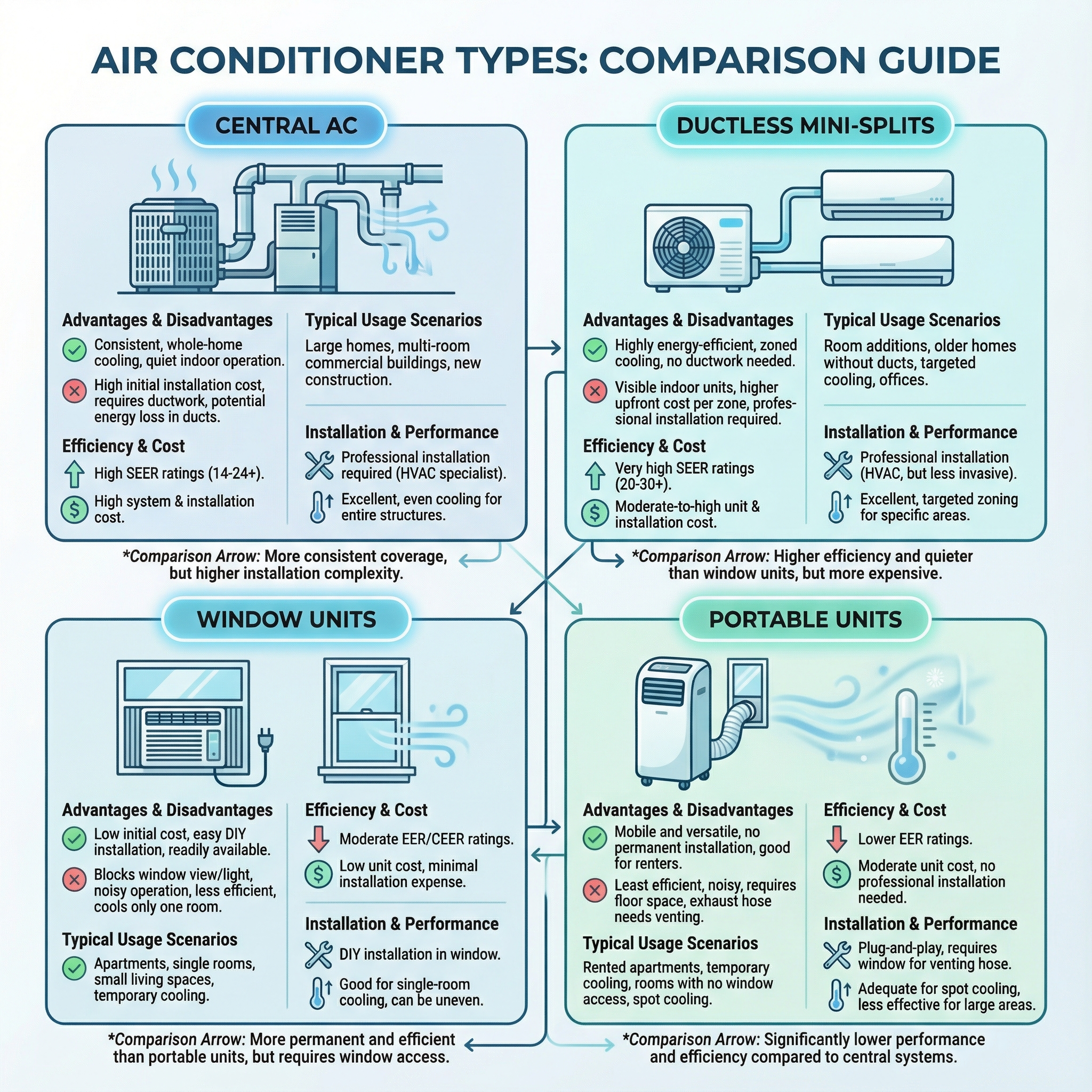
- Large open layouts or multi story homes served by one central zone: rooms fight each other for airflow. Zoning or mini splits can target load where it actually exists.
- Cold climates with a standard heat pump: capacity falls as outdoor temperatures drop, so run time spikes and electric heat may engage often. A cold climate model or planned supplemental heat fits better.
Undersizing rarely saves money if the unit runs nonstop and still misses comfort. For central systems, ample capacity without proper duct design and matched components can still fail to deliver. The right path is a room by room Manual J, then select equipment that can modulate and distribute air appropriately.
Safety, Maintenance and Practical Installation Tips for Living Room ACs
Based on field experience, we split DIY and pro work like this:
- Measure the room to select capacity.
- Clean or replace filters every 1 to 3 months.
- Rinse outdoor coils gently with a hose.
- Keep the condensate drain clear.
- Team lift window units.
- Keep supply and return paths open.
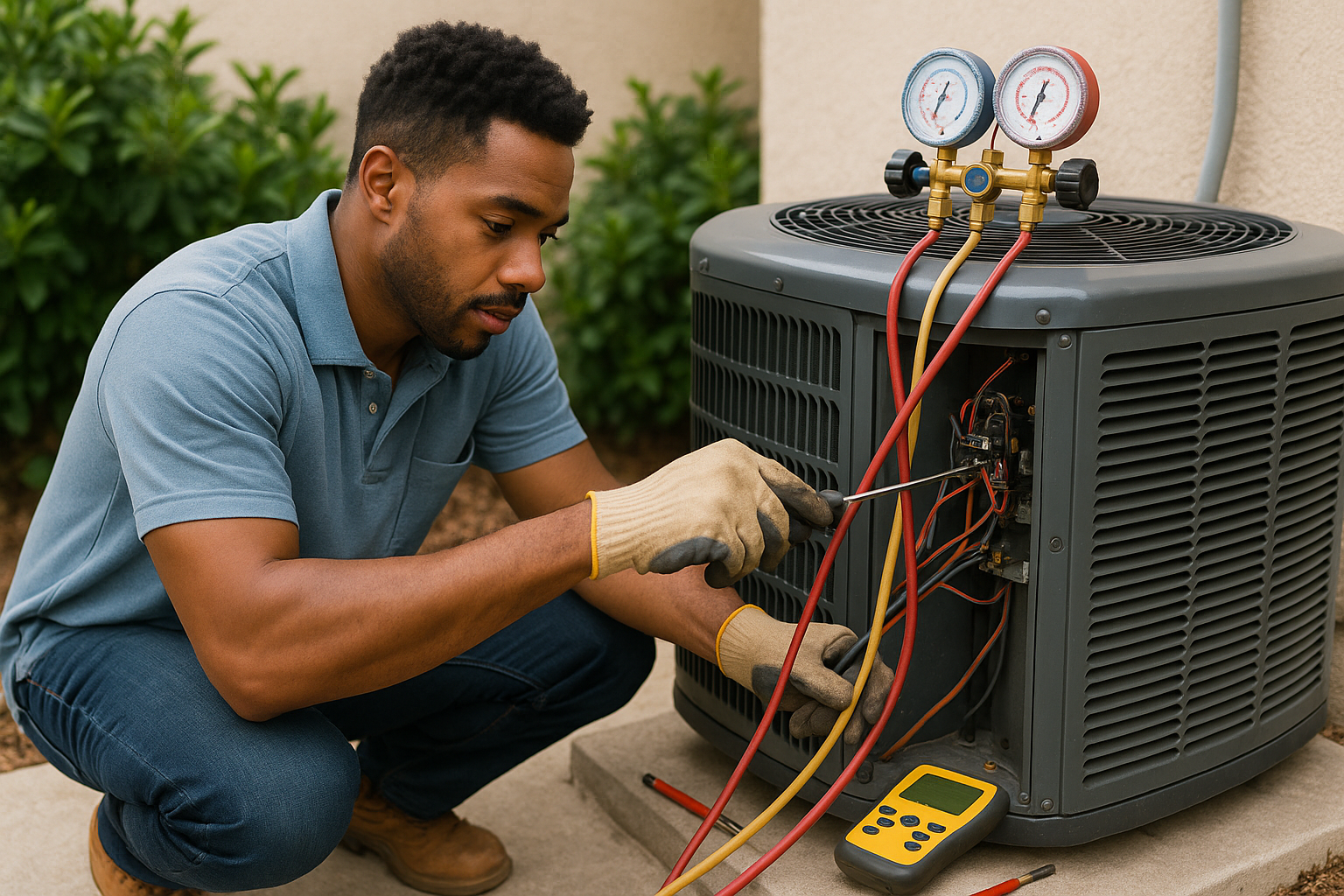
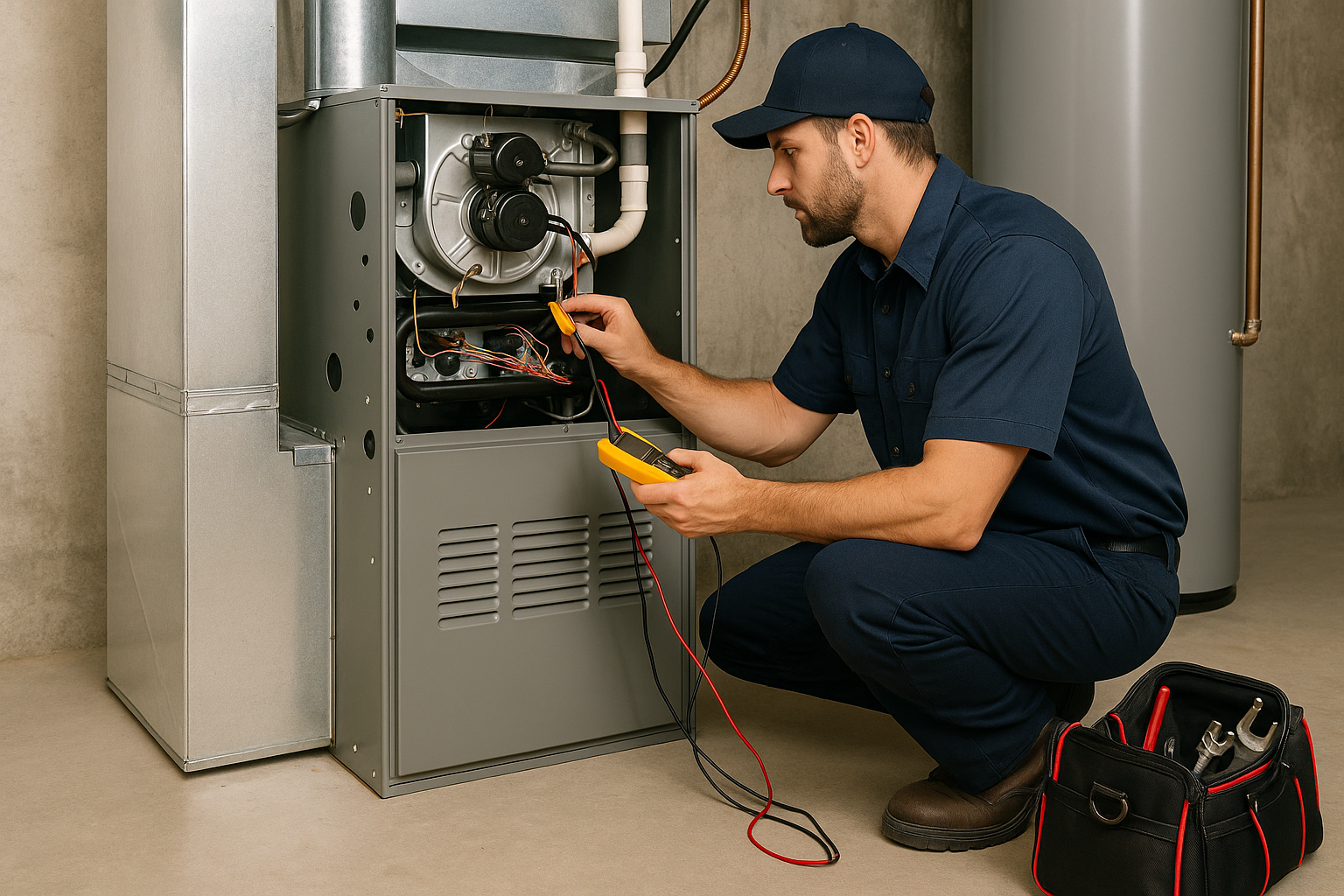
- Leave electrical, refrigerant, major repairs, new mini split or central installs, and stubborn drain clogs to a licensed pro.
Always shut off power, wear eye and hand protection, and schedule an annual professional tune up before peak season.
Next Steps: Calculate Your BTU Need and Book a Pro for a Manual J
Measure your square footage, start with 20 to 25 BTU per square foot, then adjust for sun, ceiling height, insulation, occupants, and heat producing appliances. Convert to tons to compare central and mini split options, then choose the nearest standard size. Borderline or odd rooms benefit from a Manual J to avoid chronic comfort and efficiency problems. If the decision feels tricky, with 30+ years in HVAC we can translate your numbers into the right system.
- Get a Custom Quote at wholesale pricing
- Talk to Our Team by phone or chat, U.S.-based support
- Shop Ductless Mini Splits
- Ask about Affirm financing and free shipping on most orders