




Virginia Winter Storm Emergency: HVAC Solutions to Stay Safe and Warm
Virginia winters can flip from chilly to hazardous when nor'easters, ice storms, and sudden cold snaps roll in. HVAC readiness matters because heat is more than comfort, it prevents frozen pipes, maintains indoor air quality, and protects sensitive electronics during long nights and short days. Your system is the home's first line of defense, and a little planning pays off when roads are closed and power flickers.
Drawing on 30+ years of hands-on HVAC work, we deliver practical, safety-first steps to take before, during, and after a storm, so you can ride out outages and recover without costly mistakes. Expect clear checklists, plain language, and decisions you can make quickly. In this guide you will learn:
- How to stage heat pumps and gas furnaces for extreme cold
- When to use emergency heat and safe thermostat settings
- Generator safety, transfer switches, and what not to power
- Protecting outdoor units from ice, snow, and wind driven debris
- Carbon monoxide, combustion, and venting checks in severe weather
- Safe restart steps and post-storm inspections to spot damage early
Quick emergency checklist: What to do right now
Virginians can use this timeline to protect people first, then property and essential equipment.
- 1 to 2 weeks before: Test heat, replace filter, check CO and smoke detectors, clear gutters and outdoor unit, trim branches, label breakers and gas shutoff, stage generator and cords, wrap exposed pipes.
- 72 to 24 hours before: Preheat to 70 to 72 and set hold, charge phones and power banks, top off fuel, secure outdoor items, cover outdoor unit top with a board spaced for airflow, drip faucets and open sink cabinets, set fridge colder, photograph equipment.
- During storm or outage: Stay in one warmed room, layer clothing, never use grills or ovens for heat, run generators outside 20 feet, monitor CO alarms, shut water if a pipe bursts, keep outdoor unit off if flooded.
- After: Inspect before restart, replace wet filters, clear debris, listen for odd noises, document damage, call the utility if you smell gas.
Supplies to keep on hand: batteries, flashlights, blankets, water, food, first aid kit, spare filters, thermostat batteries, plastic sheeting and tape, pipe insulation, surge protectors, heavy-duty cords, fuel stabilizer, sandbags, tarps.
Before the storm: HVAC preparation and maintenance every homeowner should do
Mid-storm failures are avoidable with a mix of licensed inspections and simple checks you can do. In the field, we see these steps make the difference.
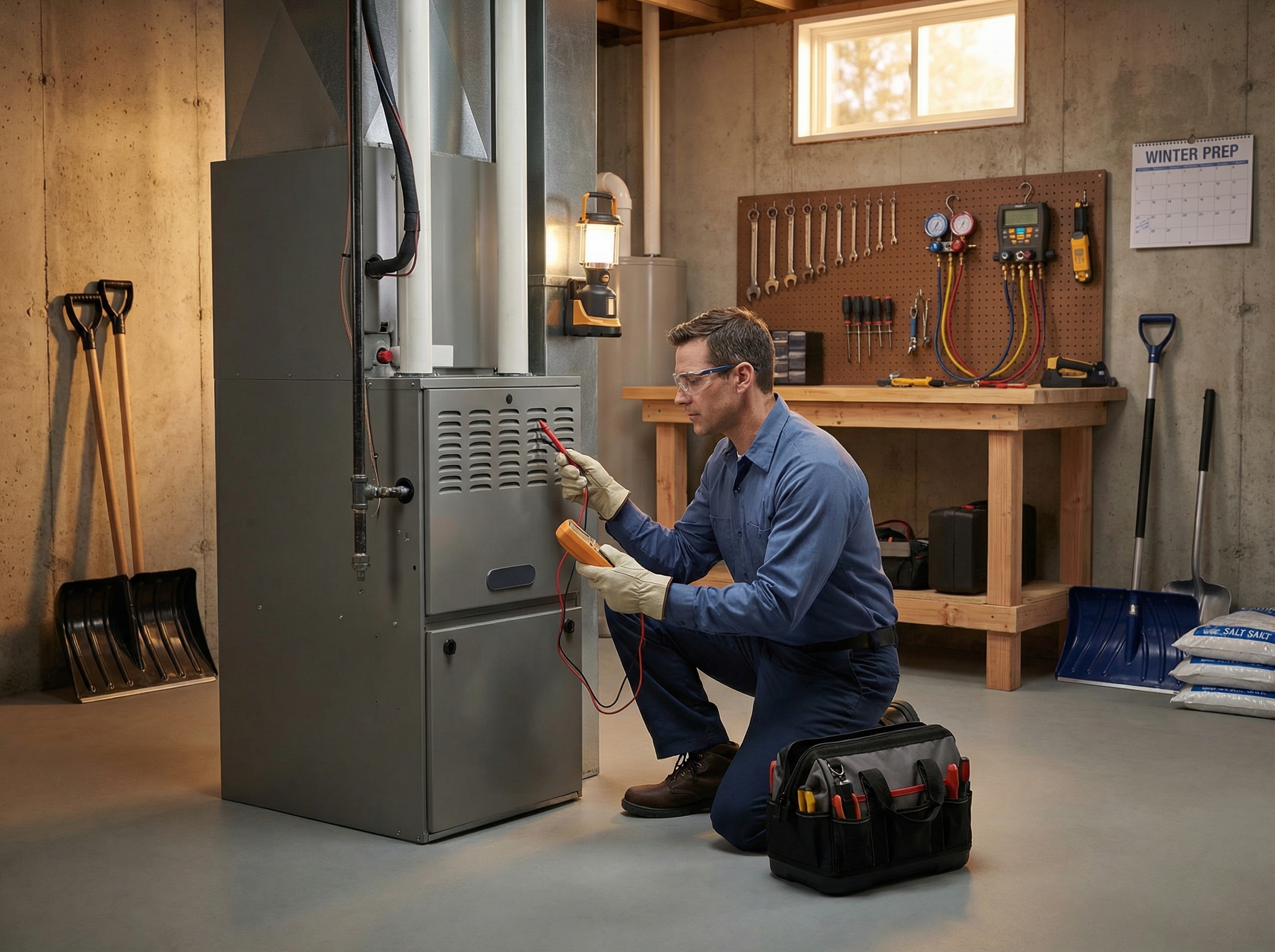
- System safety and inspection: schedule a licensed tune up before severe weather. Priorities: combustion and CO safety, heat exchanger integrity, venting, electrical connections, safeties and defrost, airflow, refrigerant charge, and clear condensate drains.
- Routine maintenance: treat the filter like the system's dust mask. Replace 1 inch every 30 to 60 days, media filters every 3 to 6 months. Keep returns and supplies unblocked.
- Outdoor unit care: maintain 18 inches of clearance, remove leaves and snow, keep the unit level, shield from falling icicles, and avoid tight covers that trap moisture.
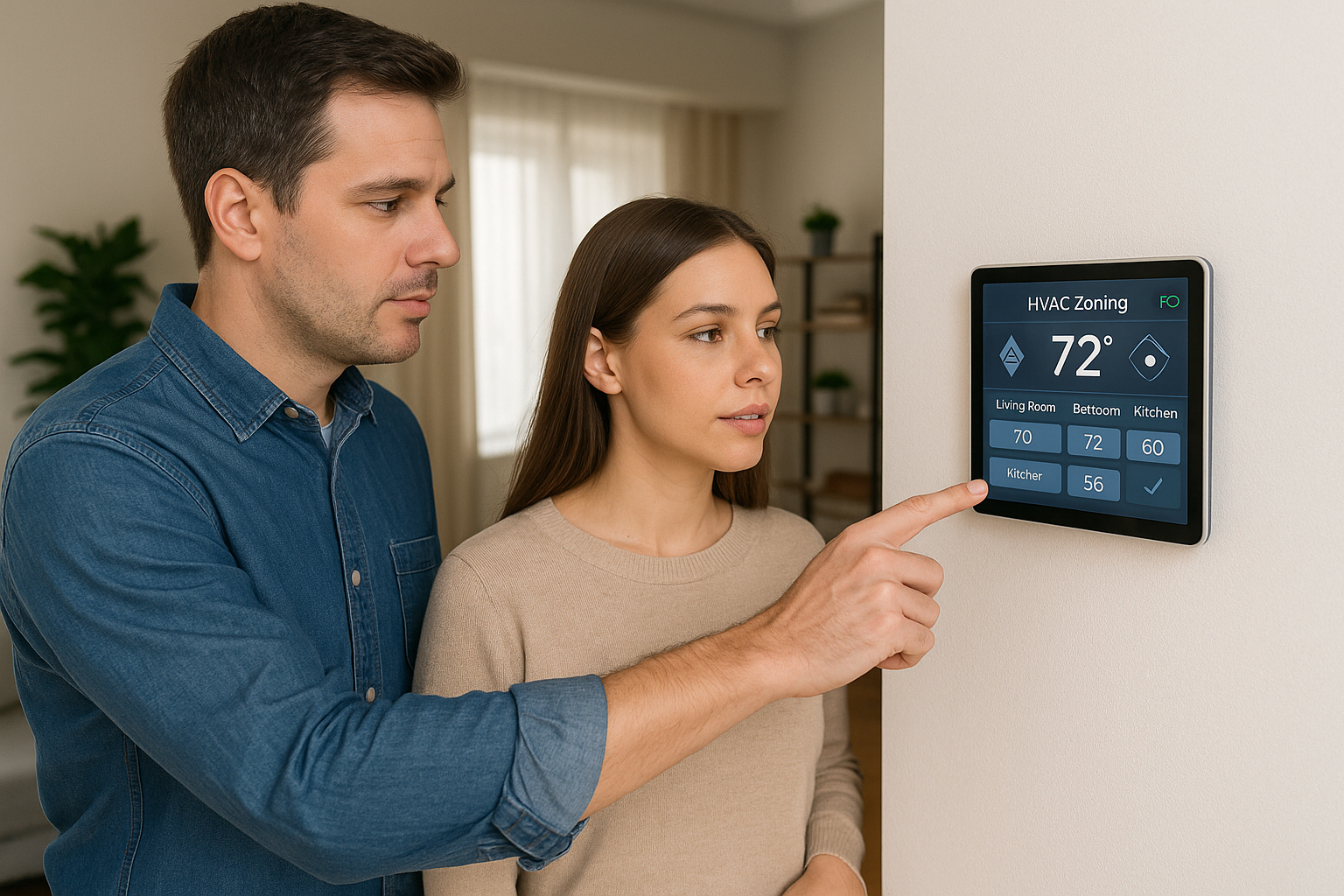
- Thermostat practices: preheat or precool a few degrees, use Hold, avoid deep setbacks, leave the fan on Auto. For heat pumps, use Aux only if the outdoor unit is iced or down.
- Generator and fuel safety: place portables outdoors at least 20 feet from openings, use a transfer switch, install CO detectors, store fuel safely, and use space heaters with tip over protection and 3 feet of clearance.
- Prevent frozen pipes: keep indoor temps at or above 55 F, open sink cabinets, let vulnerable faucets drip, insulate pipes, and seal drafts.
- After-storm checks: clear exterior vents and intakes, inspect the outdoor unit for ice or damage, replace wet filters, verify breakers and condensate pumps, then resume normal schedules.
Understand HVAC efficiency: SEER, HSPF and AFUE for winter resilience
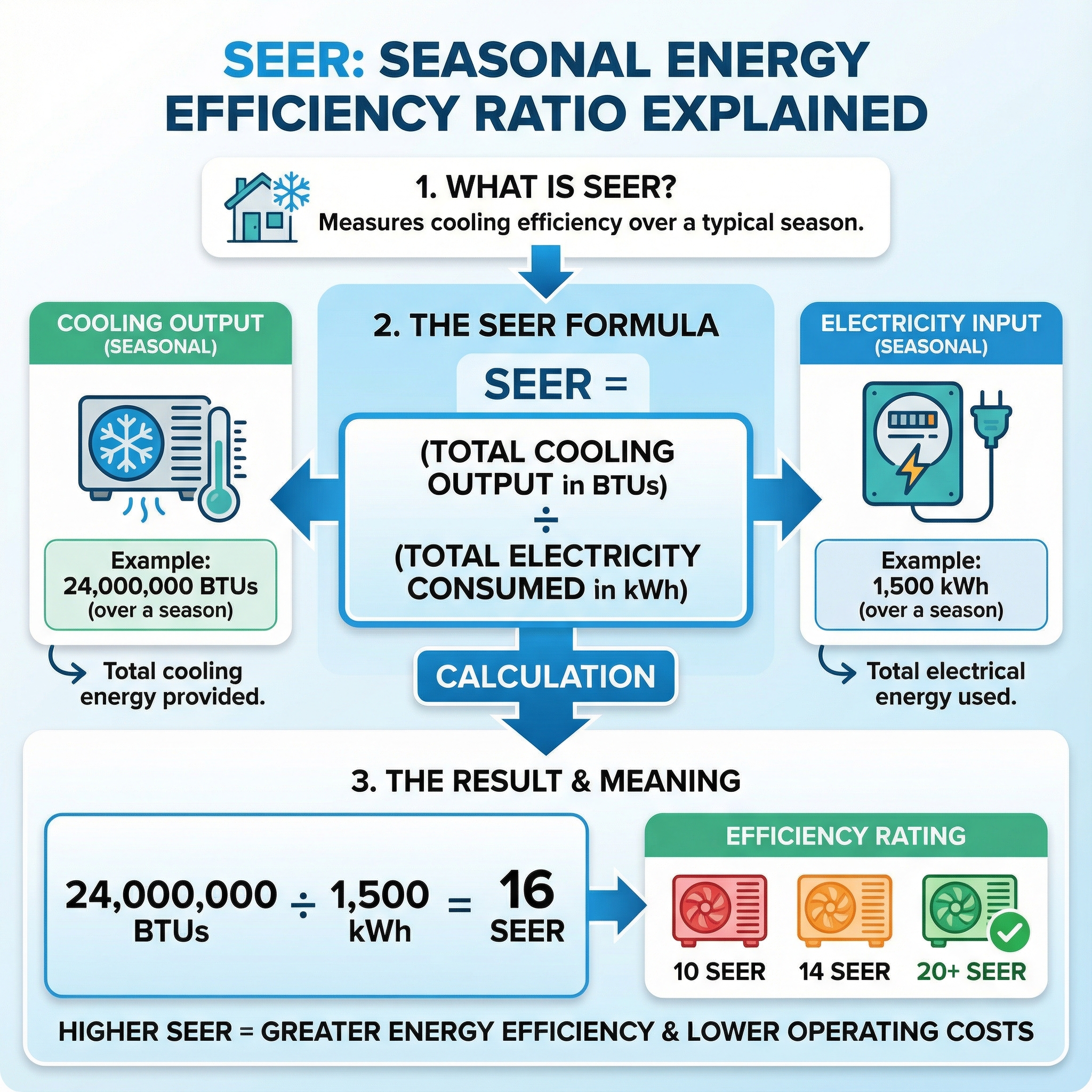
In our 30+ years working with Virginia homes, we find the simplest way to think about efficiency is miles per gallon for HVAC. SEER and SEER2 rate cooling efficiency, HSPF and HSPF2 rate heat pump heating, AFUE rates furnace fuel use. The 2 versions are newer test methods that read a bit lower than legacy ratings, so compare like with like.
- Virginia minimums: split AC 14.3 SEER2, heat pumps 14.3 SEER2 and 7.5 HSPF2, gas furnaces 80% AFUE.
Typical options run 14.3 to 21 SEER2, 7.5 to 10 HSPF2, and 80 to 98% AFUE. Stepping up a tier usually trims energy costs 10 to 25%, and for heat pumps it also cuts reliance on electric strip backup. For Virginia winters, target at least HSPF2 8.5 with variable speed and confirmed low ambient operation near 5 to 10 F. If using gas, 95%+ AFUE is a strong value. On tighter budgets, a 15.2 SEER2 heat pump around HSPF2 8 is a practical middle ground.
Virginia climate, code changes and what they mean for your storm plan
Virginia sits in the DOE Southeast region, so 2023 efficiency rules apply under the newer SEER2, EER2 and HSPF2 tests. Southeast air conditioners must meet higher minimums than the North. We plan for Virginia's microclimates, from Tidewater humidity and nor'easters to Blue Ridge cold snaps and Piedmont ice. Proper design follows Manual J for loads, Manual S for equipment selection and Manual D for ductwork, which most jurisdictions reference in code. Refrigerants are also shifting as HFCs phase down, with many systems moving from R-410A to lower GWP A2L options like R-32 or R-454B, along with new safety clearances and controls. Choosing equipment that already meets SEER2 minimums and accommodates A2L refrigerants helps future proof installations as codes evolve.

Why HVAC reliability matters in Virginia winter storms: benefits of preparedness
In a Virginia ice event, reliable heat is safety infrastructure. It keeps family spaces habitable, prevents frozen pipes, and avoids costly emergency calls. Treat preparedness like snow tires for your house: proactive maintenance before cold snaps cuts breakdown risk and trims bills. A seasonal tune up at roughly 150 to 250 dollars often preserves 10 to 20 percent efficiency and helps equipment reach a 15 to 20 year lifespan, versus a 1,500 to 2,000 dollar midwinter failure.
Resilient design matters too: cold climate heat pumps with inverter compressors, crankcase heaters, and proper sizing, dual fuel backups, surge protection, and battery backed thermostats ride out storms with fewer interruptions. In our experience at Budget Heating (BudgetHeating.com), these features reduce outage calls and stabilize comfort. The tradeoff is a modest upfront premium, but it buys lower operating costs and fewer unpleasant surprises.
When HVAC solutions fall short: myths, limits and better alternatives
In our experience, a few HVAC myths drive higher bills and uneven comfort.
- Cranking the thermostat does not heat faster, it only makes the system run longer. Set the temperature you want and use schedules.
- Skipping maintenance rarely saves money. Dirty filters and coils waste 10 to 20 percent in energy and can turn a $150 tune up into a $2,000 repair.
- Using ovens or space heaters to warm rooms invites moisture, safety issues, and higher bills. Seal drafts and add proper zoning or a small ductless head.
- Heat pumps are efficient, but not one size fits all. Undersized units struggle in cold snaps, and oversized systems short cycle. Use a load calculation and select cold climate models or pair with gas heat.
Where typical choices fall short: all electric systems in subfreezing winters do better as dual fuel combinations. High ceilings or leaky homes overwhelm equipment; a gas furnace or larger cold climate heat pump fits better. Open plans with single stage units see swings, while variable speed or zoned mini splits deliver steady comfort.
Costs and savings: What to expect from tune-ups, repairs and upgrades
A routine HVAC tune-up is the most affordable lever. In our experience at Budget Heating (BudgetHeating.com), cleaning, airflow and control checks typically recover 15 to 20% efficiency, often paying for themselves within one season. That same maintenance cuts the chance of emergency failures and can add roughly 10 to 20% to equipment life.
Addressing small repairs early also pays: a minor part today often avoids a major component tomorrow, commonly a 5 to 10 times cost swing. For upgrades, use a simple yardstick: if your heating and cooling costs are $1,200 per year, a 20% drop saves $240 annually. A $1,000 premium would pay back in about four years, with comfort and reliability gains.
About this guide and who should use it
HVAC Decisions, Simplified: a practical guide for homes and properties. We wrote this for homeowners, renters, landlords, property managers, caregivers, and local decision-makers who need clear, fast answers without sales fluff. Use it when a system fails, a quote arrives, or you are planning a replacement. The tone is urgent, reassuring, and practical, with plain-language explanations and simple checklists so you can prioritize safety, comfort, and cost, decide what to do now versus later, and speak with confidence.
Conclusion: 10-point action plan to stay safe and warm
Staying safe and warm comes down to preparation and disciplined safety. With 30+ years in HVAC and over 200,000 orders fulfilled, our team has seen what works when winter turns rough. Use this 10-point plan now and call a pro if anything feels unsafe.
- Run a heat test early, replace filters, and clear supply and return vents.
- Use your pre-storm checklist to stage supplies, flashlights, batteries, and shutoff tools.
- Supplemental heat: use listed electric heaters, 3 feet of clearance, never ovens or grills.
- Generator and CO safety: outdoor-only placement, working CO alarms, proper transfer switch.
- Prevent frozen pipes: drip the farthest faucet, open sink cabinets, insulate exposed lines, shut exterior bibs.
- Power outage plan: consolidate to one room, keep doors closed, charge power banks, protect perishables.
- Passive warmth: sun during the day, curtains at night, seal drafts with towels or weatherstrip.
- Call pros for gas smells, CO alarms, repeated lockouts, no heat in freezing weather, or water on floors.
- Know local resources: warming centers, 211, Red Cross, utility outage maps and alerts.
- After the storm: clear flues and intakes, replace wet filters, try one safe reset then stop.
If you need equipment, sizing help, or a fast replacement, our U.S.-based team can move quickly.
- Get a Custom Quote for furnaces, heat pumps, and ductless systems
- Talk to Our Team: real technicians by phone and chat for honest guidance
- Shop Heat Pumps at wholesale pricing with free shipping on most orders and Affirm financing
- Need it now: ask about in-stock pickup from our PA or Houston distribution centers