




Upcoming Lennox & Trane Price Increases: What Homeowners and Contractors Need to Know
Both Lennox and Trane have announced residential HVAC price increases taking effect in early 2026. Even a modest percentage rise can add hundreds to a replacement, shaping the efficiency tier, accessories, and install timing you choose. In recent years we have seen repeated price file updates, often mid single digit to low double digit, driven by material, freight, labor, regulatory shifts, and the refrigerant transition. This guide explains what to watch and how to plan budgets and schedules.
Exactly What Lennox and Trane Announced (Dates, Scope, Percentages)
- Trane: price adjustments up to 5% on many residential HVAC products, effective January 1, 2026.
- Lennox: price increases up to 10% on residential equipment and accessories, effective February 5, 2026.
A 5 to 10 percent equipment bump typically adds several hundred dollars to a standard system replacement once markups, labor, and accessories are included. Homes with higher tonnage or multiple systems feel the jump more, since small percentage changes compound across larger equipment and paired components.
Which Lennox & Trane Products Will Be Affected: ACs, Heat Pumps, Furnaces, Controls and Accessories
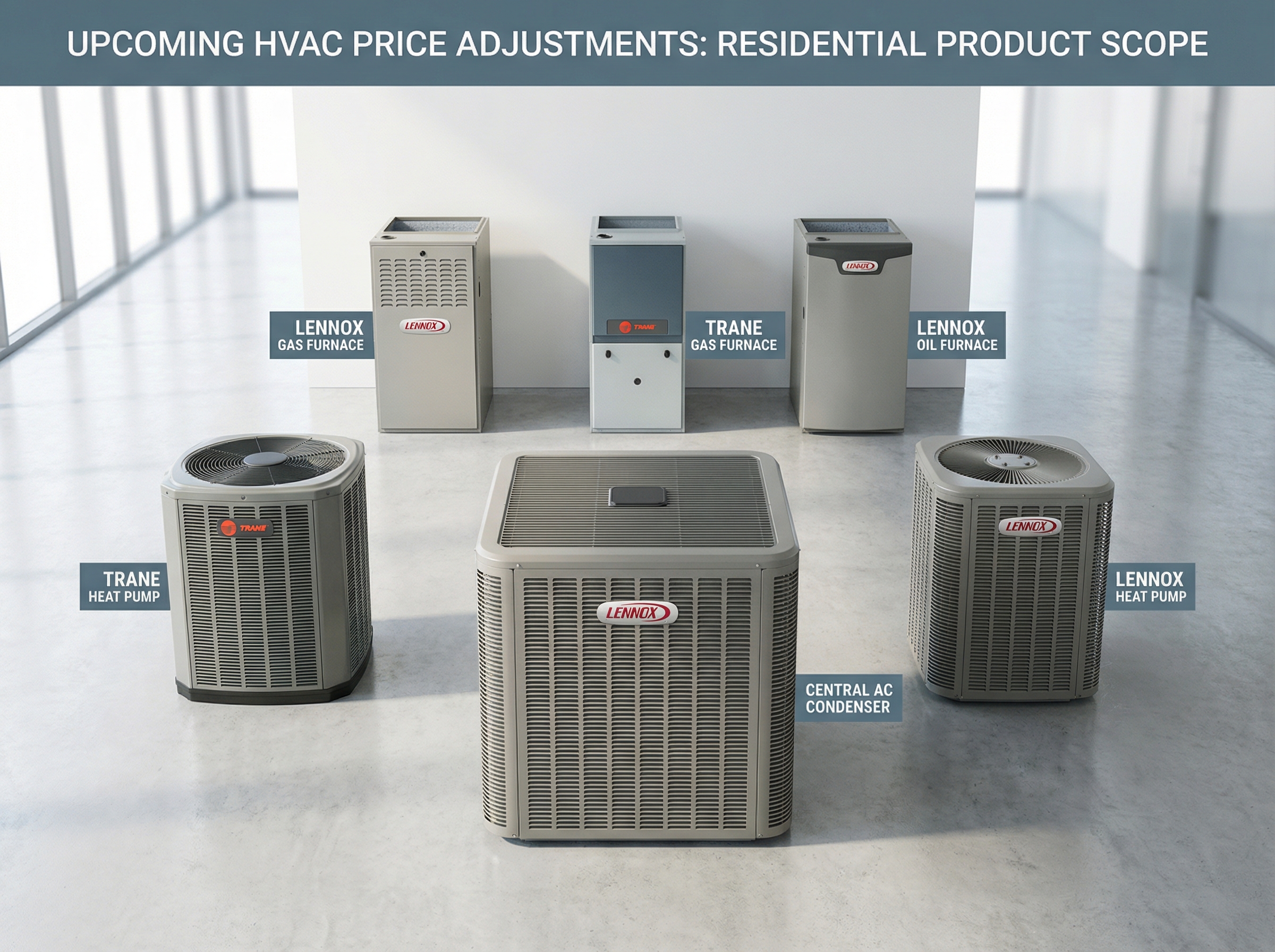
Adjustments apply across the Lennox and Trane portfolios: central AC condensers, heat pumps, gas furnaces, indoor coils and air handlers, thermostats and controls, and common accessories. It is not limited to outdoor units.
Match your project by efficiency tier:
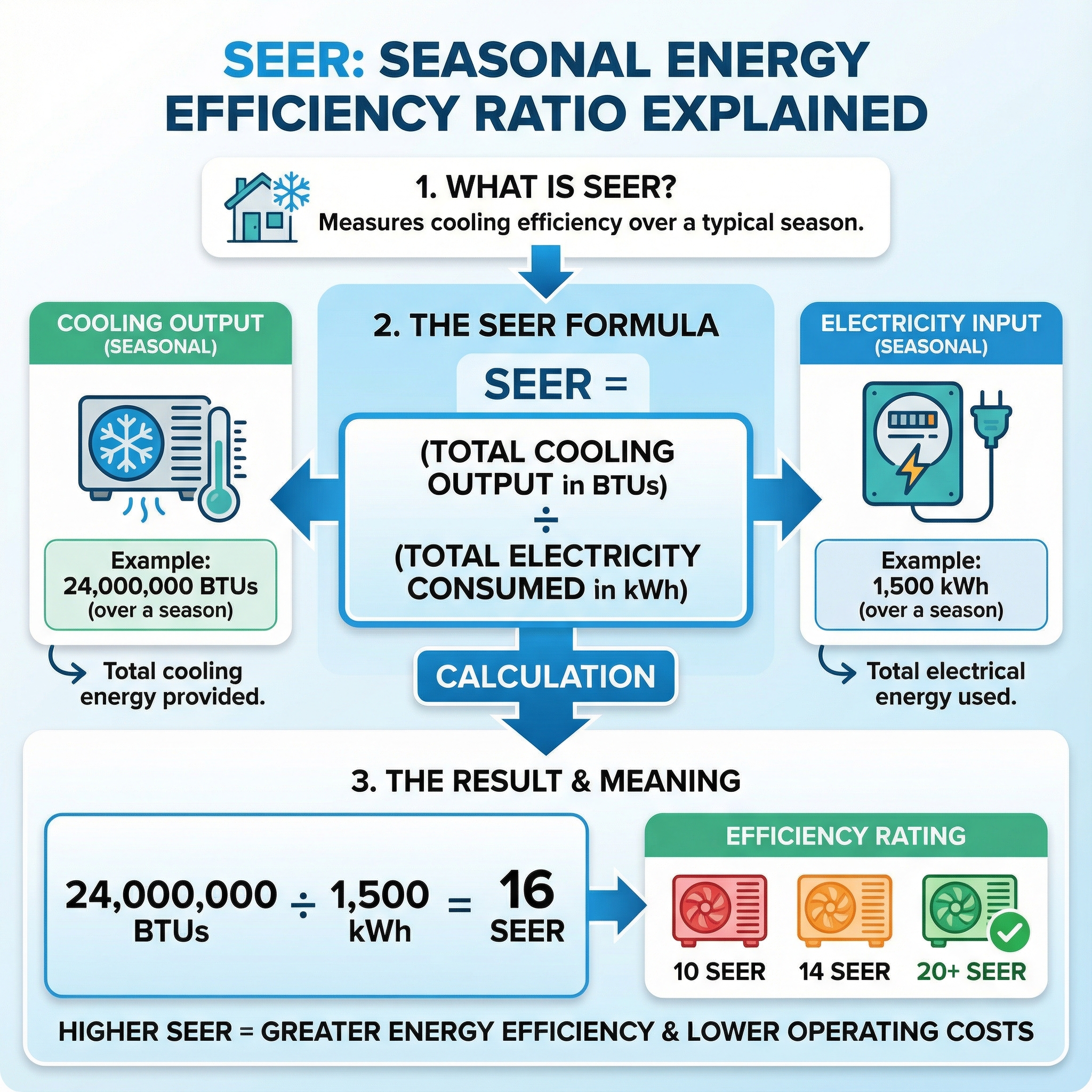
- Entry level: around regional minimums in SEER2.
- Mid tier: roughly 15 to 17 SEER2.
- Premium: high teens to low 20s SEER2.
Furnaces follow AFUE rules, federal minimum 80%, with higher efficiency options in both lines. Many heat pumps pair mid to high SEER2 with HSPF2 in the high 7 to 9+ range, improving both cooling and heating efficiency. In our experience at Budget Heating (BudgetHeating.com), plan for coils and controls alongside the main unit when estimating total cost.
How Much Prices Are Expected to Rise (Ranges, Historical Context, and Long Term Risk)
Recent cycles show repeated list bumps, typically mid single to low double digits. Lennox has taken 6 to 13% in prior rounds, and Trane has posted double digit moves on select lines. In 2026 specifically, Lennox was about 10% effective Feb 5, and Trane up to 5% Jan 1.
For 2026, tariff driven costs and the refrigerant transition keep upside risk in play, so budgeting for another mid single to low double digit bump is prudent. In our experience at Budget Heating (BudgetHeating.com), announcements often stagger across equipment, accessories, and parts, so timing can matter as much as brand.
One way to blunt higher tags is efficiency: stepping from roughly 14 SEER to 18 SEER2 can trim cooling energy about 20 to 25% depending on climate and load, which helps offset a higher upfront price over time.
When Replacing or Repairing Might Not Be the Best Choice (Tradeoffs & Alternatives)
Replacement or a top tier system is not always the smartest move. Compare any major repair to full replacement before scheduled price increases, and factor age: AC or heat pumps often 10 to 15 years, furnaces 15 to 20. In our work, sizing drives results: Manual J calculates load, Manual S matches equipment to that load, and Manual D checks ducts and static pressure. Undersized or leaky ducts make premium units short cycle and underperform.
- Short stay or low rates: pick the efficiency sweet spot, not the highest SEER2.
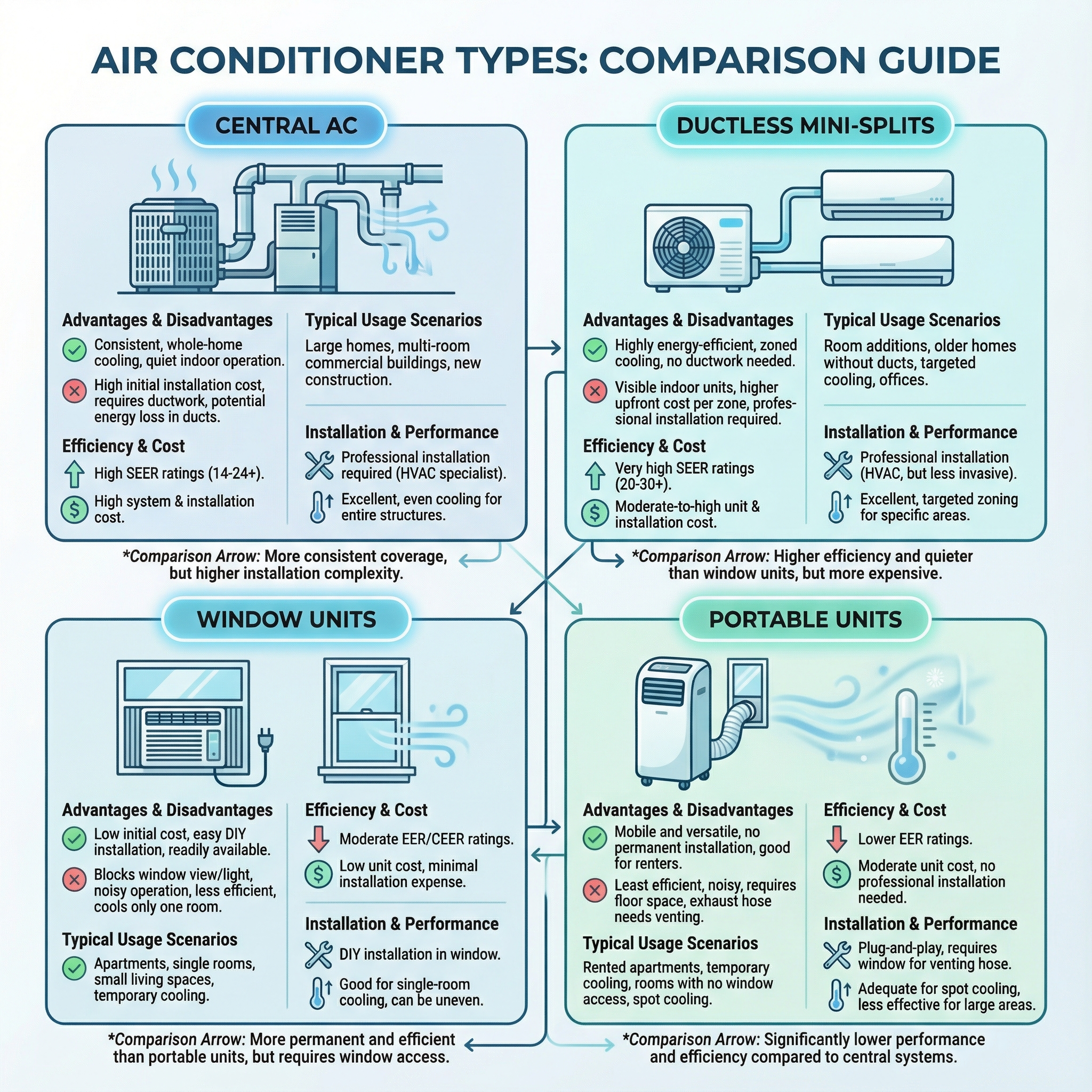
- Restrictive ducts: repair ducts or consider ductless instead.
- Very cold climate or limited electric capacity: use a cold climate heat pump or a hybrid furnace.
Myths to avoid: thermostat setbacks usually save, bigger is not better, and thermostat location matters.
Why Manufacturers Are Raising Prices: Materials, Refrigerant, Labor, Tariffs and Regulatory Costs
With 30+ years working directly with HVAC factories and freight docks, we see price pressure coming from several directions at once.
- Materials and operations: higher costs for steel, copper, electronics, plus rising labor, logistics, and general inflation are pushing manufacturing and distribution expenses up.
- Refrigerant transition and safety: 2026 compliant lines require added technology and safety features. It is like switching a vehicle to a new fuel, you need redesigned components and sensors, and those engineering changes spill into current product families.
- Trade policy: tariffs on parts and subassemblies raise costs even for units assembled in the U.S., since many critical components are imported.
Timeline & Regulation: SEER2 Minimums, Effective Dates and the 2026 Refrigerant Transition
On January 1, 2023 the DOE's M1 update replaced SEER/EER/HSPF with SEER2/EER2/HSPF2 and set regional minimums. We use SEER2 because the new test mirrors installed conditions, so ratings often read lower even if real efficiency is similar. It is illegal for dealers to sell or install new systems below the minimum for the applicable zone.
- North Central AC minimum about 13.4 SEER2.
- Southeast and Southwest split systems generally around 13.8 to 14.3 SEER2.
Through 2026 the market is shifting from higher GWP R-410A to lower GWP, mildly flammable A2L refrigerants such as R-454B and R-32. This requires re-engineered cabinets, coils, controls and leak detection. Manufacturers are adding Refrigerant Detection Systems and other safety features, which add parts and installation steps and can increase unit cost, so expect product designs and pricing to reflect these changes.
How the Increases Affect Homeowners, Dealers and Contractors (Quoting, Inventory and Servicing)
We are seeing quotes tighten as equipment pricing moves. Get written, itemized bids that separate equipment, materials, labor, crane rentals, disposal, surcharges, and optional add ons so you can compare Lennox vs. Trane model by model. Confirm how long pricing is honored and whether a pre order can lock it. Contractors often bundle rebates or financing, so compare APR, terms, fees, cash discounts, and any price protection window.
Higher upfront costs make life cycle value critical. With proper installation and maintenance, Lennox and Trane commonly deliver 15 to 20 years. Trane parts standardization and a broad support network help keep repair costs more predictable.
Homeowner maintenance vs. licensed professional:
- Homeowner: replace filters and gently clear debris around the outdoor unit.
- Licensed pro: any refrigerant work, high voltage diagnostics, combustion issues, or new safety controls. Call a tech for suspected leaks or unusual RDS behavior, electrical failures, gas smells, or CO alarms.
If You Need a Replacement Now: Practical Steps to Lock Price, Save Money and Ensure Proper Installation
Moving fast does not mean cutting corners. We suggest this quick checklist to protect your budget and outcome.
- Lock pricing: ask when the next price file update is scheduled, get a written quote with an expiration date, and confirm if a signed contract or deposit can hold current pricing. Ask about pre order options.
- Scope and quality: confirm permits, inspections, any electrical work, condensate management, proper mounting, nitrogen purged brazing, evacuation to at least 500 microns, weighed in refrigerant charge, and a commissioning report.
- Verify ratings: request precise SEER2, EER2, and HSPF2, plus the AHRI certificate for the exact outdoor, indoor, and coil combination.
- Refrigerant transition: clarify R 454B or R 32, whether the line set must be replaced or flushed, A2L tools and training, and any added costs.
- Timing: consider off season installation to reduce friction.
- Use incentives: stack utility rebates, tax credits, and manufacturer promotions.
- If delaying: maintain filters, clean accessible coils, seal obvious duct leaks, and refine thermostat schedules.
Bottom Line and Next Steps: How to Protect Your Budget Before Lennox & Trane Prices Rise
Residential prices for Lennox and Trane are trending higher into 2026 and likely beyond. The smart move is to act before published effective dates, choose an efficiency tier with a realistic payback, and make proper sizing and installation quality the priority. Treat the system as a life cycle investment: verify regional requirements, leverage incentives or financing, and plan maintenance. If this feels like a lot to juggle, our team can line up quotes, timelines and install readiness, including refrigerant transition and safety systems.
- Get a Custom Quote: request at least two itemized quotes with AHRI certificates and a quote lock window.
- Talk to Our Team: phone support to confirm pre order options and schedule installation before effective dates.
- Shop Systems: browse heat pumps, central AC, and ductless options to match your target efficiency and budget.