




Smart Home Integration with HVAC Systems: What it Is and Why It Matters
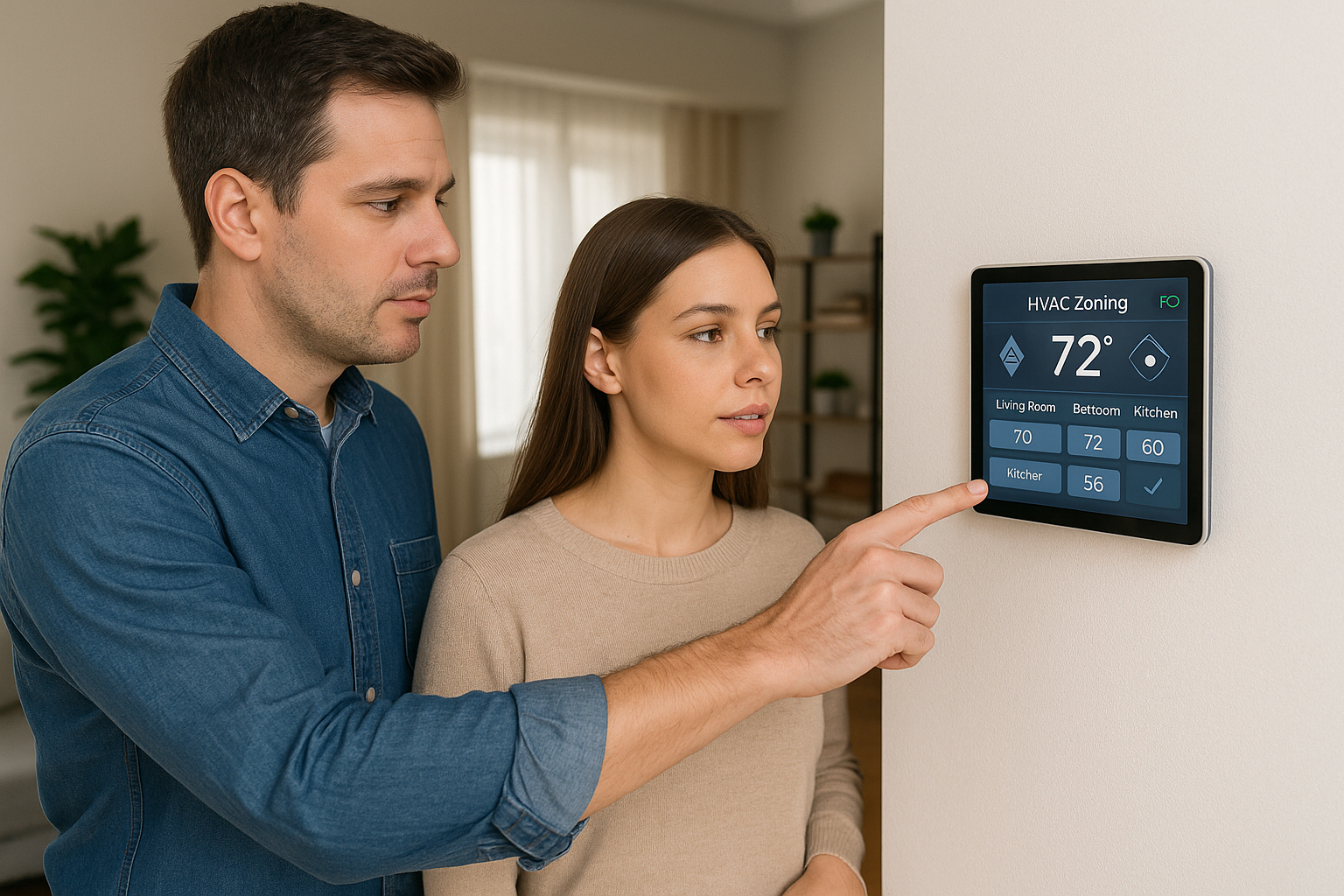
Smart home HVAC integration connects heating, cooling, and ventilation equipment to the digital tools that control them. Thermostats, zone controllers, vents, furnaces and air conditioners, heat pumps, air handlers, and indoor air quality devices tie into sensors, mobile apps, and automation. The system can react in real time, trimming output when a room reaches setpoint or ramping airflow when air quality drops. It creates a backbone for zoning and scheduling, using sensors to match output to actual conditions rather than fixed guesses.
Why it matters: comfort stays steadier, energy use drops, and control becomes simpler. Homeowners get scheduling, remote access, and voice control from the sofa or across town. Contractors and building managers gain consistent multi-zone coordination through the same connected components, which helps maintain comfort across different spaces while keeping indoor air quality on target. Think of it like a conductor guiding an orchestra, each device playing its part at the right moment so the whole building feels balanced.
Why Integrate Your HVAC with a Smart Home Platform? Key Benefits
Smart home integration turns HVAC into cruise control for comfort and efficiency. In our field work, the gains show up in daily comfort, lower waste, faster troubleshooting, and better indoor air. Here is what delivers the value:
- Energy efficiency: learning thermostats, occupancy sensing, geofencing, and scheduling trim unnecessary run time.
- Comfort: automation and pre conditioning warm or cool before you arrive, then hold steady during sleep or work hours.
- Convenience: remote and voice control adjust temperature or mode from anywhere.
- Room by room control: zoning and smart vents direct air where it is needed most.
- Reliability: remote diagnostics, timely alerts, and smoother cycling support longer equipment life.
- Indoor air quality: automatic humidity and fresh air control with humidifiers, dehumidifiers, ERV or HRV, and air purifiers.
- Visibility: energy and runtime insights help spot issues early and fine tune settings.
- Environmental impact: lower usage reduces your footprint without sacrificing comfort.
- Safety: notifications for extreme temperatures, filter and condensate problems, abnormal operation, and smoke or CO device interactions.
- Programs and incentives: compatibility with utility rebates and demand response offerings.
How Smart HVAC Systems Work: Architecture, Components and Data Flow
Smart HVAC is built as a layered system. A thermostat or central controller coordinates zone controllers, smart vents, and a gateway that bridges to apps and cloud services. Around that core sit sensors for temperature, humidity, occupancy, CO₂ and broader IAQ. Those pieces supervise the equipment itself: furnace, air conditioner, heat pump, air handler, humidifier or dehumidifier, ERV or HRV, and air purifiers. Think of the controller as a conductor, reading the room and cueing each section at the right moment.
Sensors feed readings to the controller. It shapes setpoints by schedule, learned patterns and occupancy, then issues calls for heating or cooling, selects stages, sets blower speed, modulates dampers or smart vents, and coordinates ventilation and filtration. The linked gateway enables remote control and updates. This architecture supports advanced scheduling, adaptive setpoints, occupancy based comfort, demand response participation, and energy optimization. Combining diverse sensor data, temperature, humidity, CO₂, occupancy and IAQ, with thoughtful control strategies yields robust comfort, equipment protection, and steady energy performance.

Protocol Choices: Wi Fi, Z Wave, Zigbee, Thread/Matter, BACnet, Modbus and MQTT
Connectivity choices shape range, reliability, latency, scalability, and how smoothly systems integrate. In our experience at Budget Heating (BudgetHeating.com), matching protocol to building size and IT policies prevents headaches later.
- Wi Fi: high bandwidth, easy app and cloud access, shorter range per access point, can load the router. Best for thermostats and gateways.
- Zigbee/Z Wave: low power mesh for battery sensors, hops extend range with modest latency. Choose Z Wave for sub GHz wall penetration, Zigbee for broad device variety.
- Thread/Matter: IP mesh with cross brand control, low power and resilient. Ideal for new installs aiming for interoperability.
- BACnet/Modbus: wired RS 485 or IP, deterministic and scalable. Proven for multi zone commercial systems and BMS integration.
- MQTT: lightweight publish/subscribe, bridges field buses to cloud analytics, alerts, and remote control for custom IoT.
Installation Options: DIY, Professional Integration and Contractor Best Practices
Treat installation and setup like a preflight check. Some steps are homeowner friendly, others belong to a licensed pro.
- Planning checklist: define goals (energy, comfort, IAQ, remote access). Inventory equipment and accessories. Check for a C-wire. Verify thermostat support for staging and add-ons. Ensure strong Wi Fi or plan for a hub. Choose your ecosystem. Pick thermostat type (learning or schedule). Add room sensors and IAQ monitors. Confirm zoning compatibility and smart vent safety. Build automations for Away, Home and Sleep, including geofencing.
- Safe DIY scope: app and network setup, basic upkeep like filters and sensor cleaning, and reviewing energy reports.
- Pro-only scope: any wiring changes, C-wire runs, zone panel integration, combustion or refrigerant work, and life-safety control wiring.
- Commissioning checklist: test heat, cool, fan and auxiliary. Verify heat pump balance points and auxiliary lockouts. Confirm humidification, dehumidification and IAQ devices respond. Make sure alerts and push notifications work. Request wiring diagrams and documentation.
- Maintenance cadence: homeowner monthly or quarterly filter checks and app reviews. Professional service twice a year for pre-season checks, coil cleaning, refrigerant evaluation, electrical inspections and safety verification.
Platforms & Compatibility: Choosing Google Home, Apple HomeKit, Alexa or a Custom IoT Solution
Your ecosystem choice sets the rules for everything that follows: which thermostats and sensors you can buy, how automations run, and how easily you can add devices later. In our experience at Budget Heating (BudgetHeating.com), decide first: Amazon Alexa, Google Home, or Apple Home. Confirm your thermostat, sensors, and controllers have native integration, support the voice and routine features you need (schedules, geofencing, scenes), and note whether control is local or cloud only.
To keep flexibility, prefer interoperable, widely supported hardware. If you build a custom IoT setup, favor open gear and local integrations to avoid lock in and keep options open with new services.
IoT Solutions for HVAC: Cloud vs Local Control, Edge Computing and Resilience
We see three control postures: cloud, local or edge, and hybrid. Cloud enables remote access and analytics, but relies on internet and vendor uptime, can add latency, and affects privacy. Local or edge keeps logic on site, so staging, damper moves, and safeties react quickly even if the WAN is down, data stays local, and schedules or fault detection can run at the unit. Hybrid pairs local autonomy with selective cloud features. Think of the cloud as headquarters and the edge as the on site supervisor.
For demand response, utilities send event or pricing signals. Enrolled systems with local override precondition before peaks, then hold a brief setback to trim load while protecting comfort. Larger or complex installs benefit from HVAC and controls professionals for design and commissioning to align equipment with grid programs and commercial standards.
Energy Savings, Comfort Optimization, ROI: Honest Tradeoffs and When Smart HVAC Isn't the Best Fit
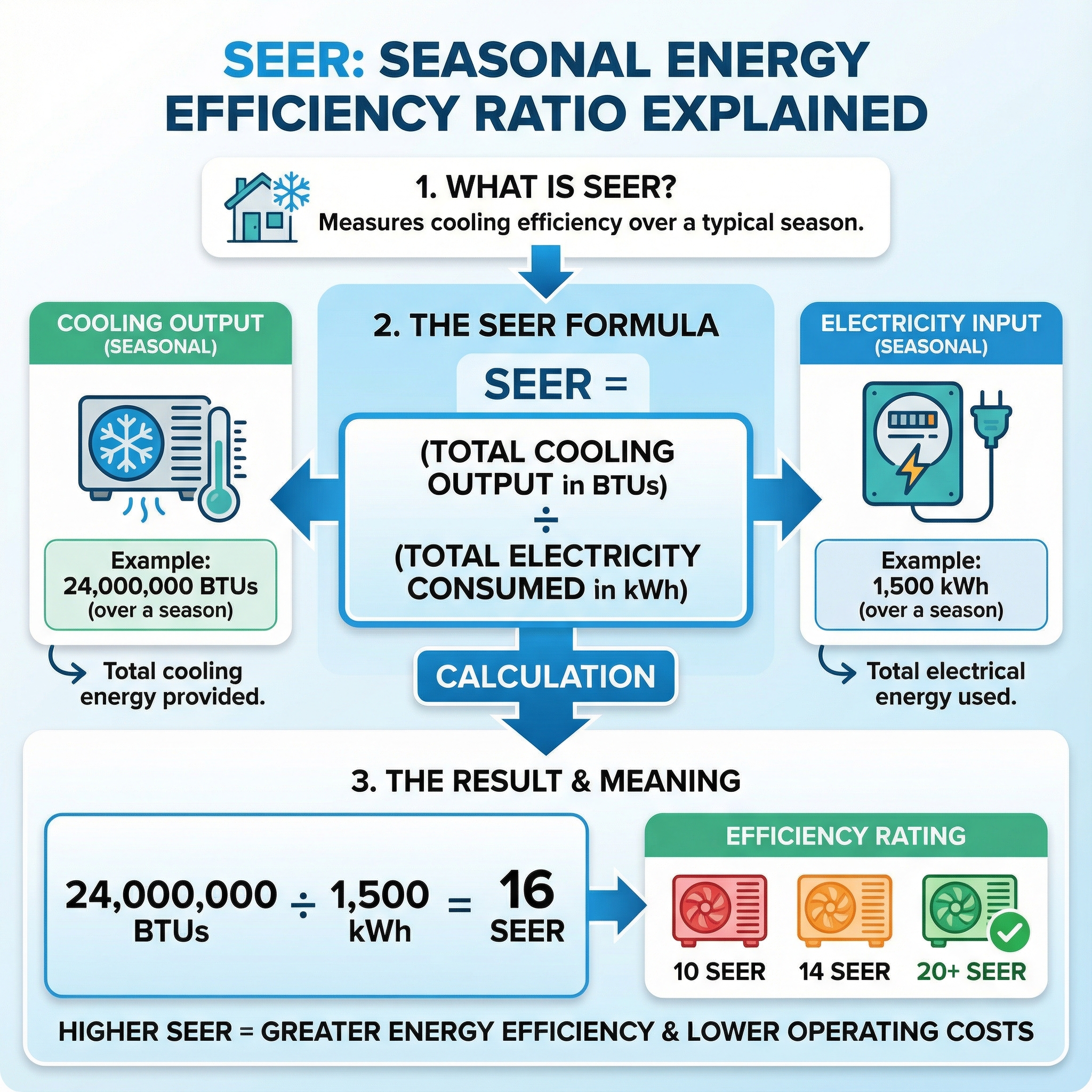
With 30+ years in HVAC, we see smart controls deliver up to about 15% added efficiency when properly configured. Typical integrated upgrades land near a 10% reduction in HVAC bills, often around 12% on heating and 15% on cooling. Combine better equipment, zoning and commissioning and 25 to 30% savings are realistic. In extreme cases, well tuned systems can cut usage by roughly 49% compared to poorly managed setups. Payback varies by climate, existing equipment and incentives, from months to several years, and a simple payback near 5 years is achievable in favorable cases. Since the 2023 DOE M1 rule, SEER2 is the standard. Targeting equipment around 15 to 16 SEER2 as a baseline, then layering smart controls, multiplies the benefit.
Smart is not always the smartest path. Older or proprietary systems may need costly OEM adapters, so consider non invasive monitoring or replacement controls or equipment. In very cold regions where heat pumps lean on backup heat, a gas furnace or correctly sized dual fuel system often performs better. If ducts leak or equipment is oversized, controls alone will disappoint. First address load calculations, duct repairs and envelope improvements. Regional rules matter too. Hot regions have higher minimum SEER2 or EER2, many utilities require demand response capable devices, and control priorities shift by climate, from humidity in hot humid zones to auxiliary heat lockouts in cold weather.
- Cranking setpoints does not condition faster.
- Manual cycling wastes energy, short cycling hurts efficiency.
- A smart thermostat does not guarantee big savings without proper setup and a decent envelope.
- Not every device fits every system. Confirm staging, O or B control for heat pumps, and C wire.
- Smart vents do not always save energy and can raise unsafe static pressure.
Security & Privacy: Network Segmentation, Authentication and Firmware Hygiene
From years of field installs and support, we prioritize simple steps that cut risk. We recommend: segment HVAC and other IoT devices on their own SSID or VLAN; use WPA2 or WPA3 with long unique passwords; enable two factor on cloud accounts; apply firmware updates promptly; limit app permissions, skip precise location unless required; review analytics and data sharing settings; avoid unofficial apps or sideloading; add surge protection or a small battery backup for key controls. Cloud features add convenience but increase exposure and vendor dependence. Local or edge options reduce sharing and keep control during internet outages.
Next Steps: Planning, Professional Help and Resources to Start Your Smart HVAC Project
Done right, smart HVAC improves comfort, reduces energy use, and unlocks demand response savings. Define your goals, confirm compatibility before buying, favor standards based hardware, and place IoT devices on a dedicated network with strong authentication and updates. Take the homeowner checklist to your contractor, request wiring diagrams and commissioning records, and weigh local versus cloud control. Check local rebates, then enroll eligible devices in time of use or demand response programs. For large or complex systems, engage an HVAC and controls professional.
You want a clear plan and a trustworthy partner. With 30+ years in HVAC, 200,000+ orders fulfilled, and U.S. based technical support, our team can take you from plan to parts to startup, with wholesale pricing, free shipping on many systems, and financing through Affirm.
- Get a Custom Quote
- Talk to Our Team, call for fast phone support
- Shop Smart Thermostats and Controls
- Shop Heat Pumps and Ductless Mini Splits