




Is It Safe to Use an Old Air Conditioning Unit in Your Home? Quick answer and what to check
Quick answer: there is no simple yes or no. Safety hinges on age, upkeep, visible issues, and refrigerant type. An air conditioner cools by moving heat from indoors to outdoors and removes moisture. It normally does not bring in outdoor fresh air.
Most central ACs last about 10 to 15 years. Beyond that, efficiency falls and safety concerns rise.
Before relying on an older unit, check:
- Nameplate age: 10 to 15 years or more, plan for replacement soon.
- Maintenance: clean filter and coils, intact panels, recent service.
- Smells or leaks: musty odors, oily residue, or water around the air handler.
- Electrical behavior: breaker trips, buzzing, scorched wiring.
- Refrigerant type: older formulations complicate service and leak cleanup.
Use this checklist to weigh safety, health, and cost before deciding on repair or replacement.
How Air Conditioners Age: Typical Lifespan and What Fails First
Air conditioners rarely quit all at once. Most split systems run about 10 to 15 years, and wear shows up in predictable places. In our field work we see small electrical parts and moving pieces age first, then refrigerant circuit issues, and finally the compressor.
- Capacitors and contactors: hard starts, clicking, or short cycling.
- Fan motors: bearing noise, weak airflow, or an outdoor fan that stalls.
- Coils and lines: corrosion and leaks that cause frost or high pressures.
- Clogged condensate drains: water around the air handler or ceiling stains.
- Compressor: overheating, breaker trips, and poor cooling, often end of life.
Aging looks gradual, like a chain that stretches link by link: longer run times, uneven rooms, and rising bills. Treat acute signs as safety problems: burning smell, smoke, repeated breaker trips, sparking, or water near electrical parts. If those appear, cut power and have it inspected.

Safety Risks of Using an Old AC: Electrical Hazards, Refrigerant Leaks, Mold and Structural Problems
Old air conditioners can become unsafe to run. Key risks include:
- Electrical: Aging wiring, loose connections, and failing capacitors, contactors or motors can overheat, trip breakers, or ignite nearby materials.
- Refrigerant: Leaks reduce cooling and may harm health or the environment. A leak often signals stressed coils or failing parts.
- Mold and structural: Slow or clogged drains wet insulation and ducts. Corroded pans and rusted brackets cause water damage or even a unit collapse.
How mold takes hold: moisture lingers on coils and in duct liner, dust is food, and warm, still air gives time. Like a garden fed by a steady drip, growth spreads and spores ride the airflow through living spaces.
In our experience at Budget Heating (BudgetHeating.com), these warning signs warrant fast evaluation to protect people, property, and indoor air quality.

Health Concerns: Indoor Air Quality, Mold, and Allergens from Old Units
Older or poorly maintained ACs can leave you breathing the same dusty air all day. Most residential systems recirculate indoor air and do not bring in fresh outdoor air unless a dedicated ventilation system is added. When filters, coils, or ducts are dirty, they simply push around dust, pet dander, and mold spores, which can aggravate allergies and asthma. Rooms start to feel stale, like a house that has been closed up too long.
Cooling equipment should pull moisture from the air as it runs. As units age, reduced capacity or airflow means less moisture is removed, indoor humidity creeps up, and that environment encourages mold. In our experience at Budget Heating (BudgetHeating.com), worn coils and mismatched blower settings are common culprits. Keep indoor humidity near 45 to 55 percent, use an ERV or fresh air kit for ventilation when needed, change filters regularly, clean coils and drains, and leave the fan on Auto, not On.
Efficiency and Cost: Why an Old AC Can Be Expensive to Run (and When It's Worth Replacing)
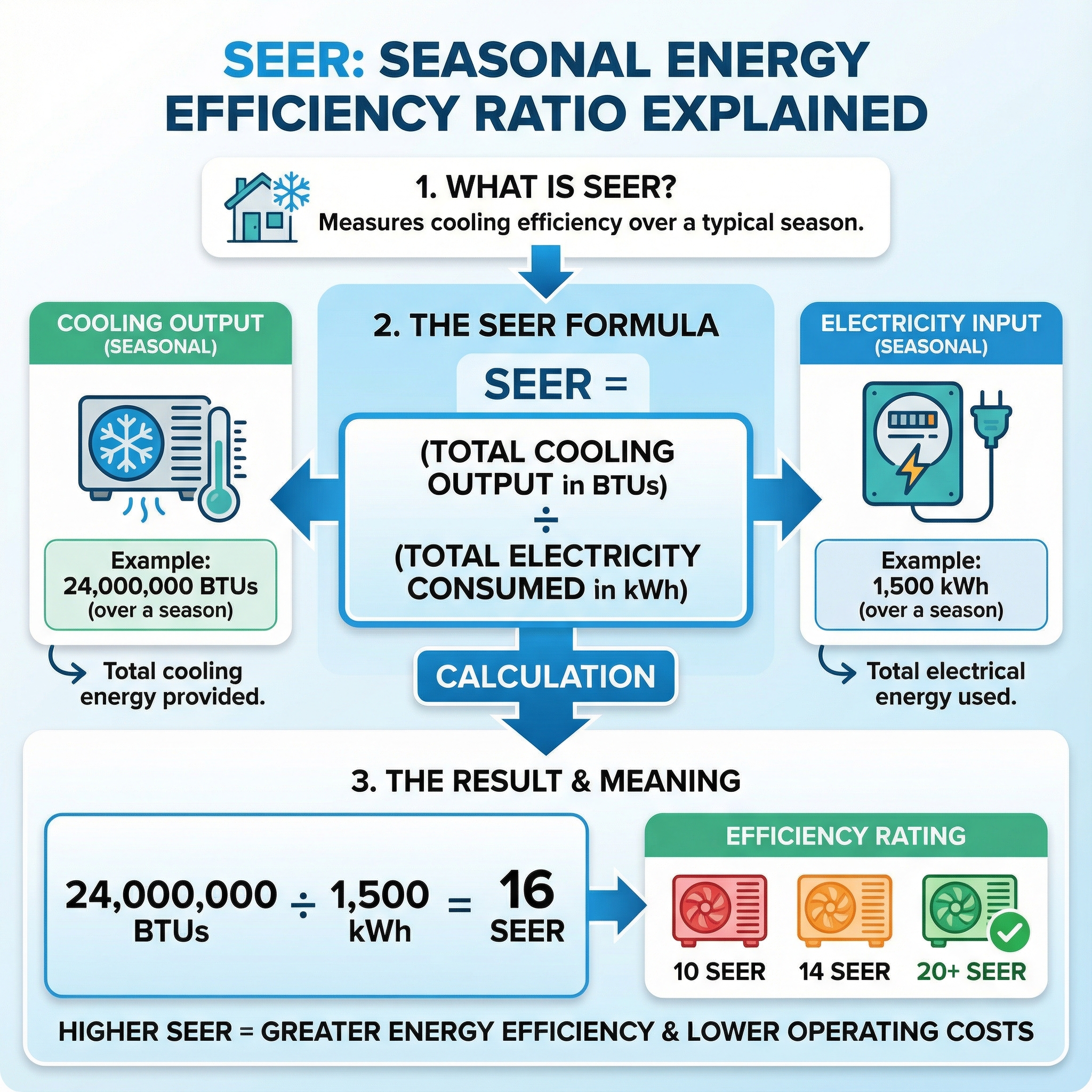
Running costs climb as older equipment loses efficiency: lower SEER ratings, minor leaks, dirty coils, and low refrigerant push utility bills higher. In our field experience, that steady drift in performance is what turns a working unit into an expensive one to operate.
Keeping an old AC is usually not the best economic choice when:
- The unit is over 15 years old.
- Repairs are happening more often or involve major components.
- It uses R22 refrigerant.
- You want lower energy bills and greater reliability.
Two misconceptions often cloud the decision. First, that repairs are always cheaper than replacement. They are not if you are paying for repeated service calls or big-ticket parts. Second, that all brands are the same. Installation quality and correct sizing influence efficiency and longevity more than the logo on the cabinet.
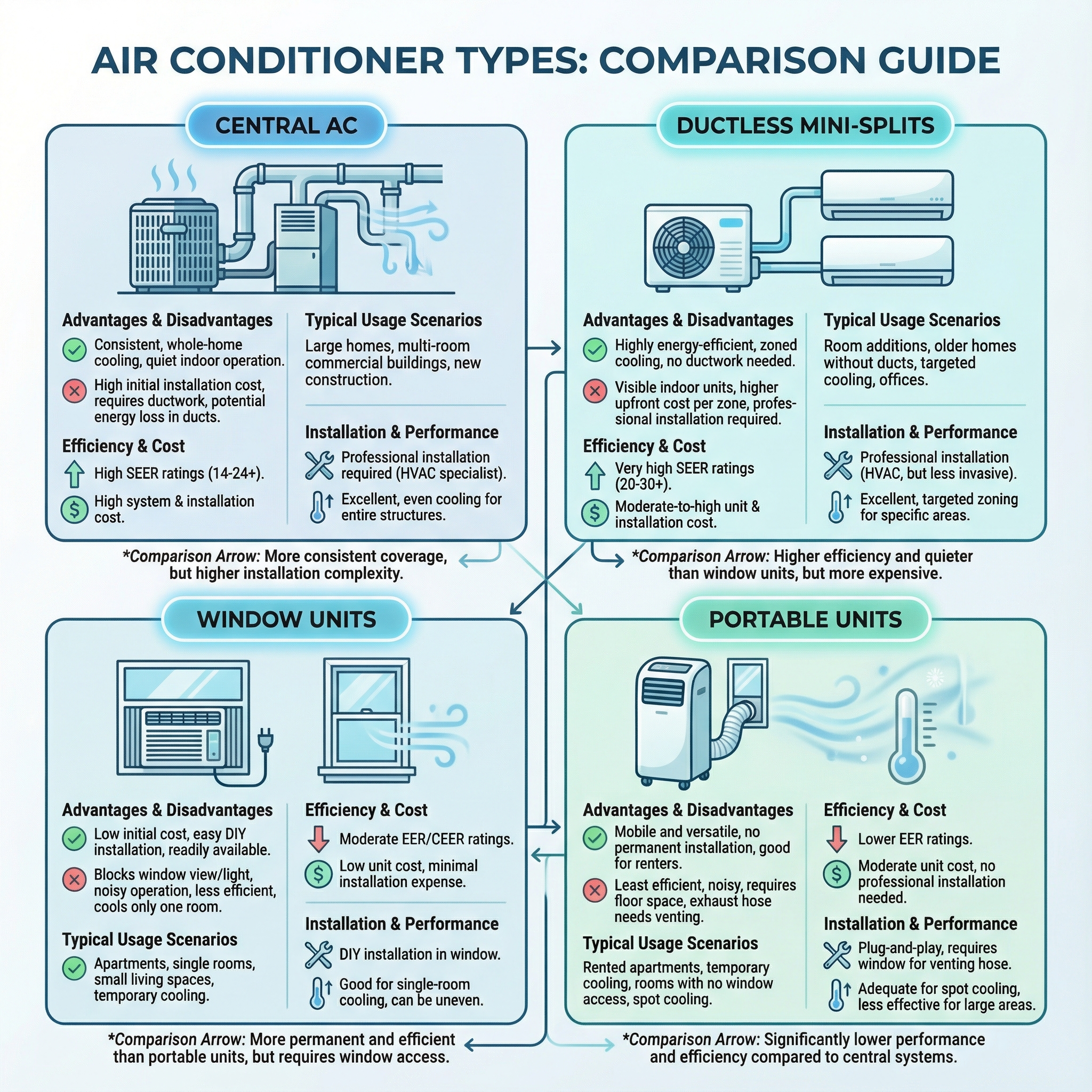
When the scenarios above apply, replacement alternatives make more sense: a modern high-SEER central AC, a heat pump, or a ductless mini-split. Their energy savings can offset the upgrade over time, depending on climate and usage.
Common Warning Signs Your AC Is No Longer Safe (Noises, Smells, Leaks, and Tripping Breakers)
From our field work, the signs below are stop signals. If you see them, shut the system off and arrange inspection promptly:
- Burning or electrical smells at the unit or from vents.
- Loud grinding or clanking from the blower or outdoor fan.
- Visible leaks: refrigerant frost on lines or unexpected water.
- Breaker tripping when the AC starts or during run.
- Oil stains near service valves, compressor, or line set.
- Persistent weak cooling or high indoor humidity while running.
These diagnostic warning signs can escalate quickly, so keep the system off until checked.
Repair vs Replace: When to Fix, When to Upgrade (including R22 refrigerant considerations)
Deciding comes down to age, cost, and reliability. Quick checks:
- About 12 to 15 years old or more: replacement usually pencils out.
- Repair estimate near 50 percent of a new system: replace.
- Frequent breakdowns: replace. A single low-cost fix on an otherwise solid unit: repair.
R22 matters. Production of R22 refrigerant has been phased out, so only reclaimed or stockpiled R22 is available, prices are volatile, and service options keep shrinking. On R22 systems, a compressor failure or significant leak typically tips the math toward replacement rather than paying for refrigerant and repairs that will be harder to support over time.
Brand is only part of the story. Era, model, and especially installation quality and maintenance drive results. We have seen Goodman models deliver good value when properly installed and cared for, while most premature failures trace back to poor setup or neglect.
Maintenance Checklist to Keep an Older Unit Safer and More Efficient
For older systems, focus on airflow, heat transfer, and electrical integrity. Here is a prioritized checklist we use in the field to stretch service life and curb risk.
- Replace filters every 1 to 3 months, more often with pets or heavy dust, to protect the blower and keep airflow steady.
- Inspect and clean the outdoor condenser: remove leaves, trim vegetation to 2 feet clearance, and gently rinse fins.
- Inspect and clean the indoor blower assembly to clear dust that robs airflow and stresses motors.
- Clean evaporator and condenser coils, since dirty coils reduce heat transfer and raise operating costs.
- Clear the condensate drain: flush the line to prevent clogs and water damage.
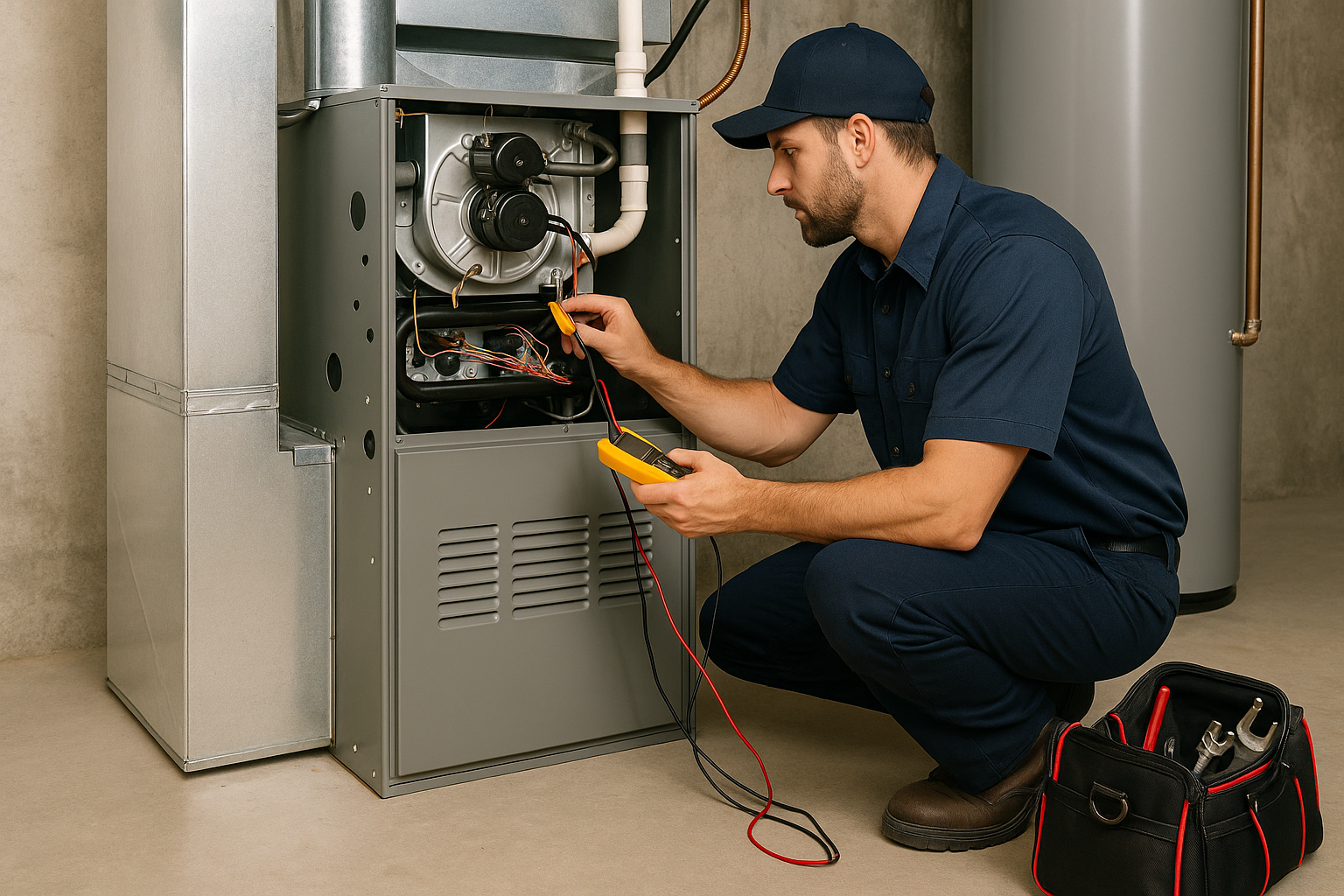
- Inspect and tighten electrical connections, looking for discoloration or loose lugs that create heat.
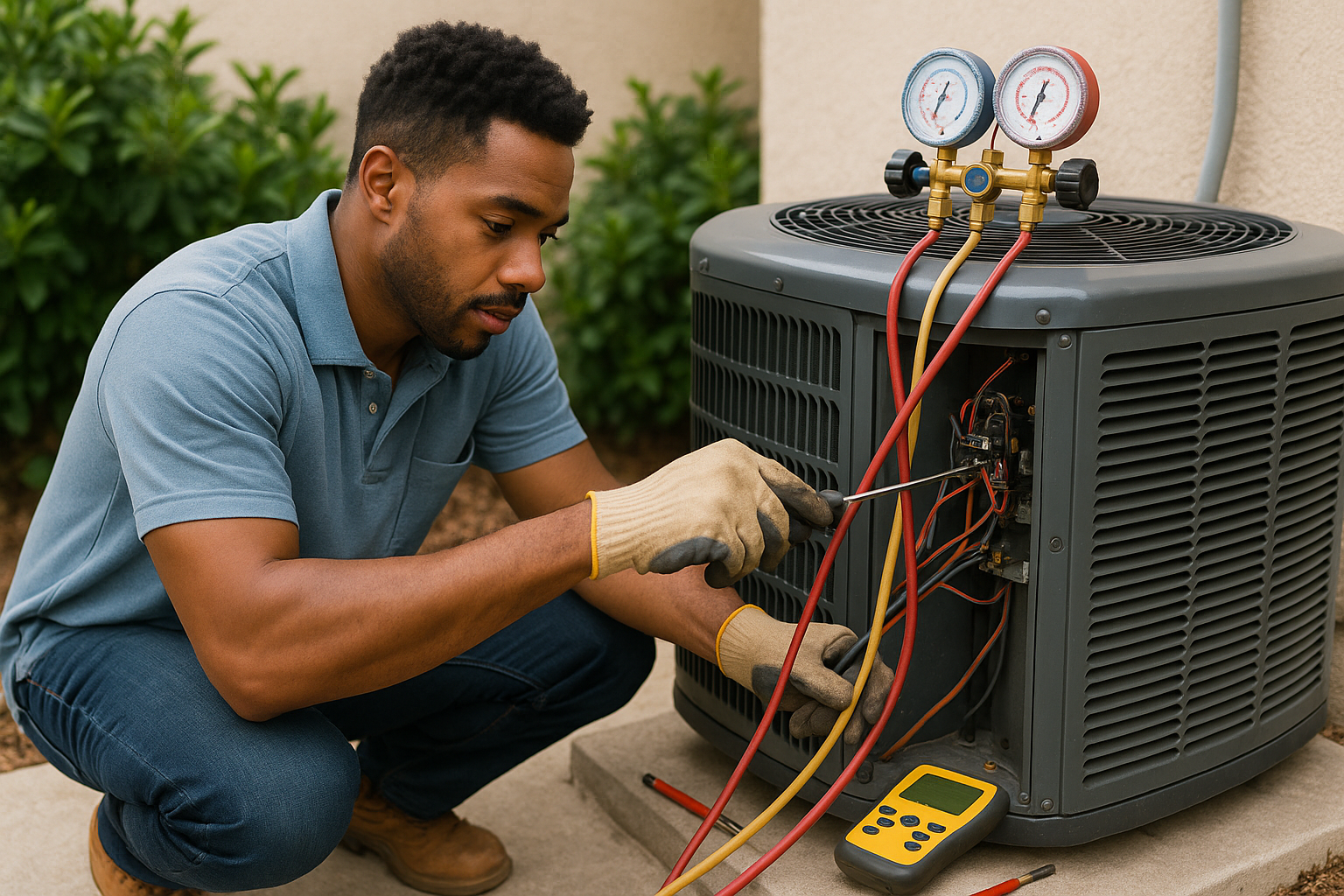
- Check refrigerant charge and look for leaks: do not connect gauges unless certified, but note any oil residue at joints.
- Schedule an annual professional tune up to verify charge, static pressure, amp draws, and overall safety.
Practical Tips: Should You Keep the AC Running Continuously? Fresh Air, Dehumidifying and Compressor/Installation Notes
Running constantly smooths temperature and humidity, but raises power and wear. Short cycling is worse. Use small thermostat setbacks and correct sizing. Fresh air is a separate ventilation choice.
Keep the outdoor condenser level or with a slight tilt for drainage. Indoors, the evaporator drain pan must slope to the drain.
Service rule: pull a deep vacuum before charging. Air left in a compressor weakens cooling and can cause damage. One compressor can serve multiple air handlers, but multi-zone design is not DIY.
Quick Checklist: Is Your Old AC Safe to Keep Using Today: Next Steps and When to Call a Pro
Do a quick safety pass: look for leaks, unusual smells or noise, clean filter and clear condensate drain, note age and repair frequency, and confirm refrigerant type (R22 or modern). Call a licensed HVAC tech or electrician immediately for burning smells, refrigerant leaks, frequent breaker trips, visible water damage, or any refrigerant service. If replacement is on the table, plan for several thousand dollars for small central systems, with regional labor and ductwork affecting price. Check local rebates and utility incentives, and consider financing, then get multiple written quotes before committing.
Not sure which way to go? With 30+ years in HVAC and U.S.-based support, we can inspect, maintain, or right-size a safe, cost‑smart replacement.
- Get a Custom Quote, including rebate guidance and financing options
- Talk to Our Team by phone for real technical advice
- Shop Central AC Systems at wholesale pricing