




Is It Safe to Run an AC Unit All Day? A Quick, Practical Overview
When temperatures spike, many homeowners ask if running the AC all day is safe and smart. From our 30+ years in HVAC, the short answer is usually yes if the system is healthy, properly sized, and maintained. Continuous operation can deliver steady comfort, but it also exposes any weak spots quickly.
- Safety: Modern systems tolerate long run times, but clogged filters, low refrigerant, or loose electrical connections can turn constant use into risk.
- Energy and bills: Longer cycles can be efficient, yet poor insulation or an older, low efficiency unit can drive costs up.
- Comfort: Extended runs smooth temperature and humidity, like using cruise control, but frequent short cycling points to sizing or airflow issues.
- Equipment health: Continuous use is fine, yet it magnifies neglect and accelerates wear on compressors and blower motors without routine care.
This guide explains what happens when an AC runs nearly nonstop, why some homes thrive while others struggle, and the simple checks and habits that keep comfort high, costs predictable, and equipment safe.
How Air Conditioners Are Designed to Run: Continuous Operation vs. Short Cycling
Residential ACs are built to run for long stretches in hot weather. The compressor and fans are cooled by refrigerant and airflow, so steady operation is normal and safe. Runtime alone rarely overheats a healthy system, more like highway cruise than city traffic.
Short cycling is the real concern. Frequent starts spike electrical and mechanical stress, and the coil does not stay cold long enough to remove moisture. Oversized units are prone to this. Breakdowns usually trace to neglect, poor sizing, or airflow and refrigerant faults, not to continuous running.
Safety Concerns: Fire, Refrigerant, Electrical Risks - What to Watch For
Running an AC all day is generally safe when the unit and circuit are healthy. The real problems come from electrical faults, blocked airflow, or refrigerant issues.
- Electrical and fire safety: plug window or portable units into a properly grounded, correctly rated outlet. Avoid extension cords and power strips, which can overheat.
- Shut it down if the plug, outlet, or breaker feels hot, you smell burning or see scorch marks, or the breaker trips more than once.
- Overheating comes from faults, like a failing fan motor, dirty or blocked coils, or loose electrical connections, not from long run time alone.
- Refrigerant leak indicators: weak cooling, ice on lines, hissing, or oily residue at fittings. Running low strains the compressor and can cause failure.
- Grinding, squealing, or rattling are stop-use warnings.
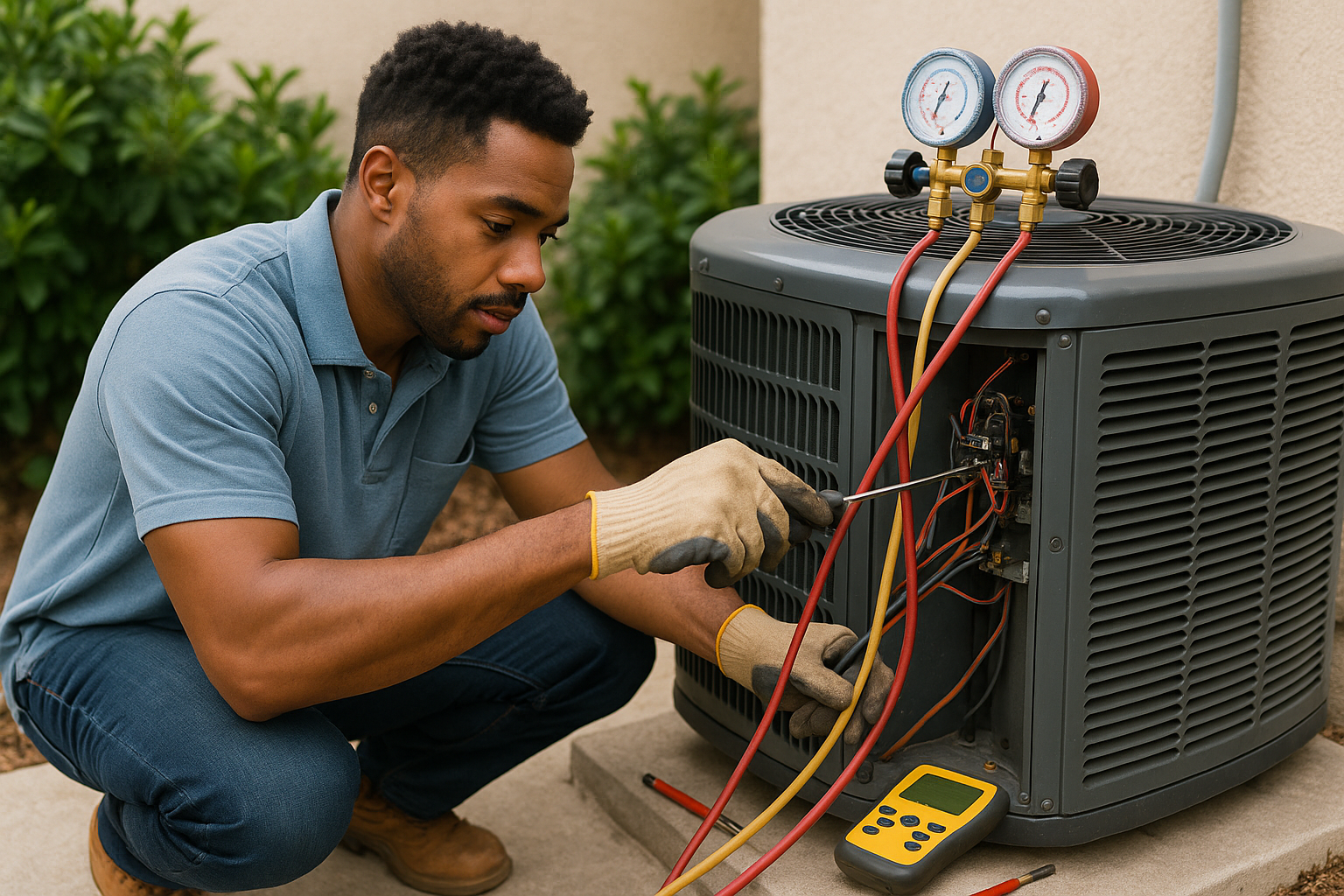
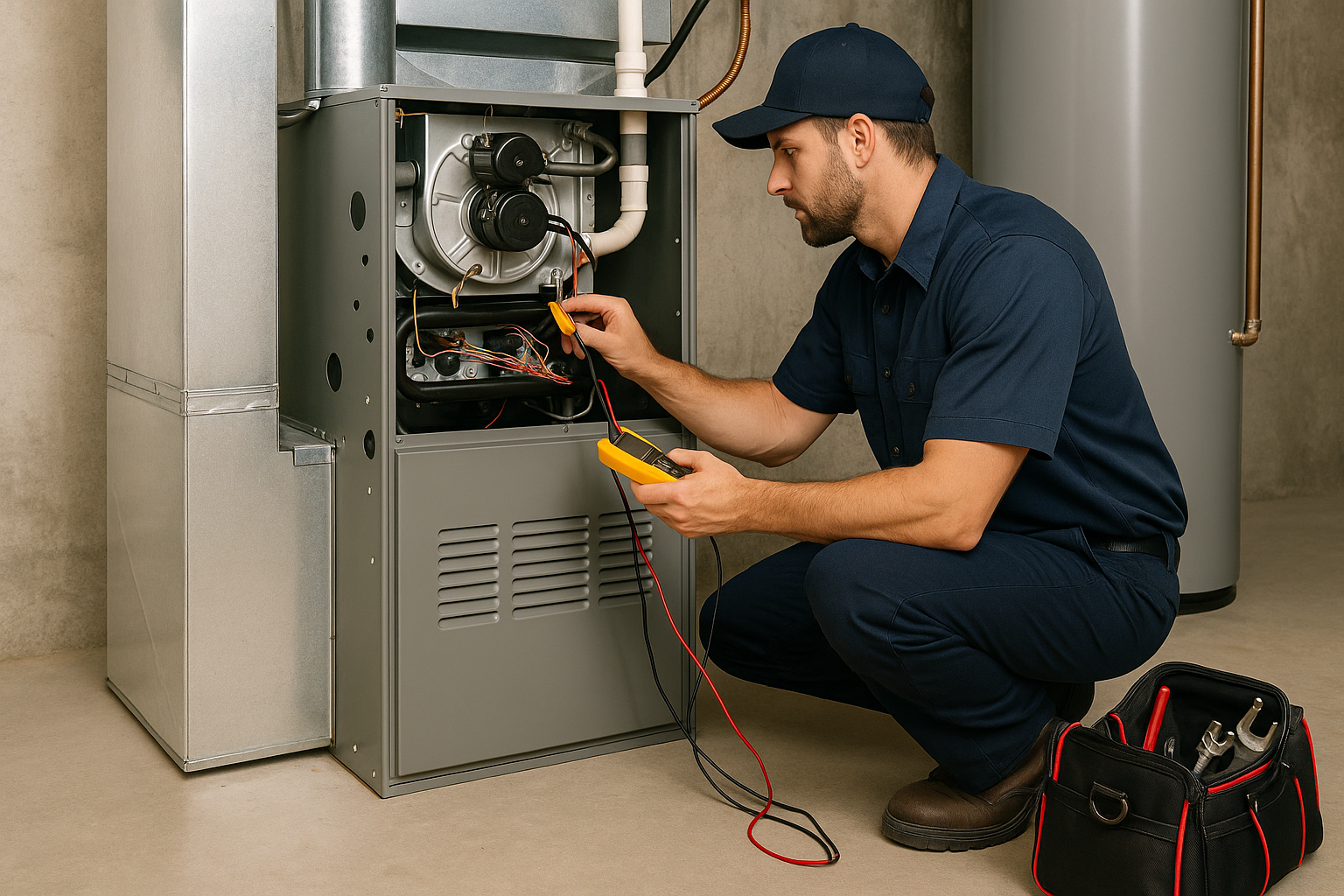
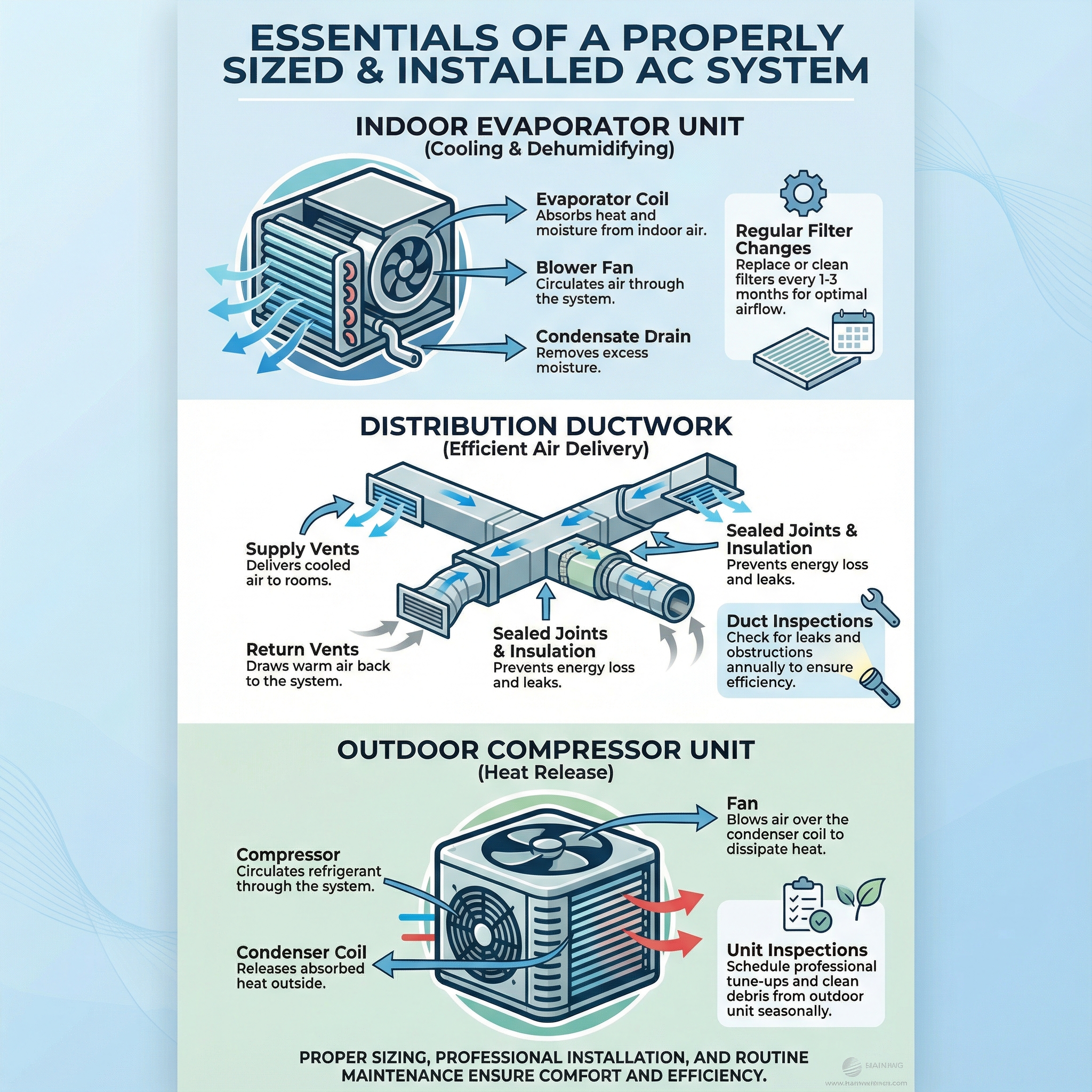
Minimum care: schedule at least annual pre-season professional maintenance. Heavy-use systems benefit from a mid-season check of refrigerant, electrical connections, coils, and blower performance.
When Running the AC All Day Makes Sense, and When It Doesn't
Climate matters. In hot humid regions, steadier or near continuous operation can keep indoor moisture in check and lower mold risk. In hot dry regions, larger thermostat setbacks, night ventilation, or evaporative cooling usually trim runtime without humidity penalties.
- Old or undersized units: poor candidates for all-day operation. Alternative: repair or replace with properly sized, higher-efficiency equipment.
- Hot dry regions with low humidity: better to use larger setbacks, ventilate at night, or consider evaporative cooling.
- Homes with humidity control problems: choose smaller setbacks, add a dedicated dehumidifier, or use equipment with stronger dehumidifying capacity.
Before committing to all-day operation, we advise assessing your climate, confirming system sizing with a professional load calculation, and prioritizing envelope upgrades, such as air sealing and insulation, instead of forcing an aging unit to run nonstop.
Reconsider constant operation if the system runs nearly continuously yet fails to reach set temperature, or you see short cycling, ice on refrigerant lines, musty odors, or frequent breaker trips. These are red flags that call for inspection to protect both equipment and occupants.
Energy Use and Cost: How Much Will Running the AC All Day Raise Your Bills?
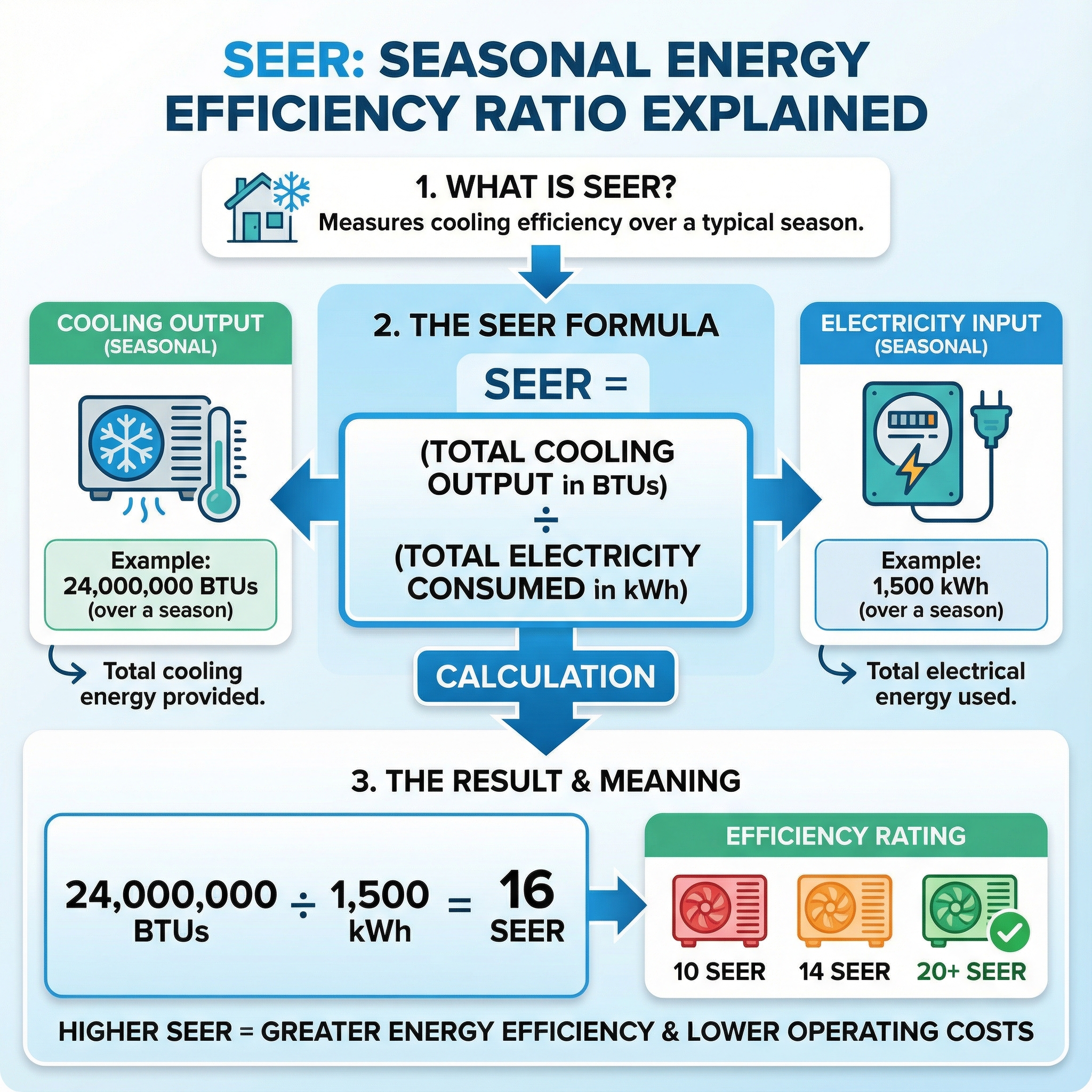
Running all day raises energy use and your bill because compressor and fan hours stack up. SEER and the newer SEER2 rate seasonal efficiency, higher is better, and SEER2 uses more realistic tests since Jan 1, 2023 with regional minimums. Modern systems span mid teens to mid 20s. Upgrading from about 13 SEER to 20 SEER can cut cooling electricity roughly 30% or more when you run long hours. Variable speed compressors cruise at low power and control humidity. In our experience at Budget Heating (BudgetHeating.com), the Southwest also enforces stricter EER2 to improve high temperature performance.
Effect on Equipment: Compressor Wear, Efficiency and When Constant Run Causes Damage
Long runs at full capacity raise discharge temperature, thin compressor oil, and stress bearings and valves. Blower motors and contactors see more heat and more arcing. Aging, undersized, or neglected units that run nonstop are the most likely to fail early.
Two stage and variable speed designs are meant to cruise at part load, so long cycles usually help comfort and are tolerated. Right sized units can run longer without harm, while oversized gear cools fast and restarts often with poor dehumidification. In our experience at Budget Heating (BudgetHeating.com), older or marginal systems do better with brief rests, about 15 to 20 minutes each hour. A well maintained modern unit rarely needs this.
Portable & Window Units: Special Considerations for All Day Use
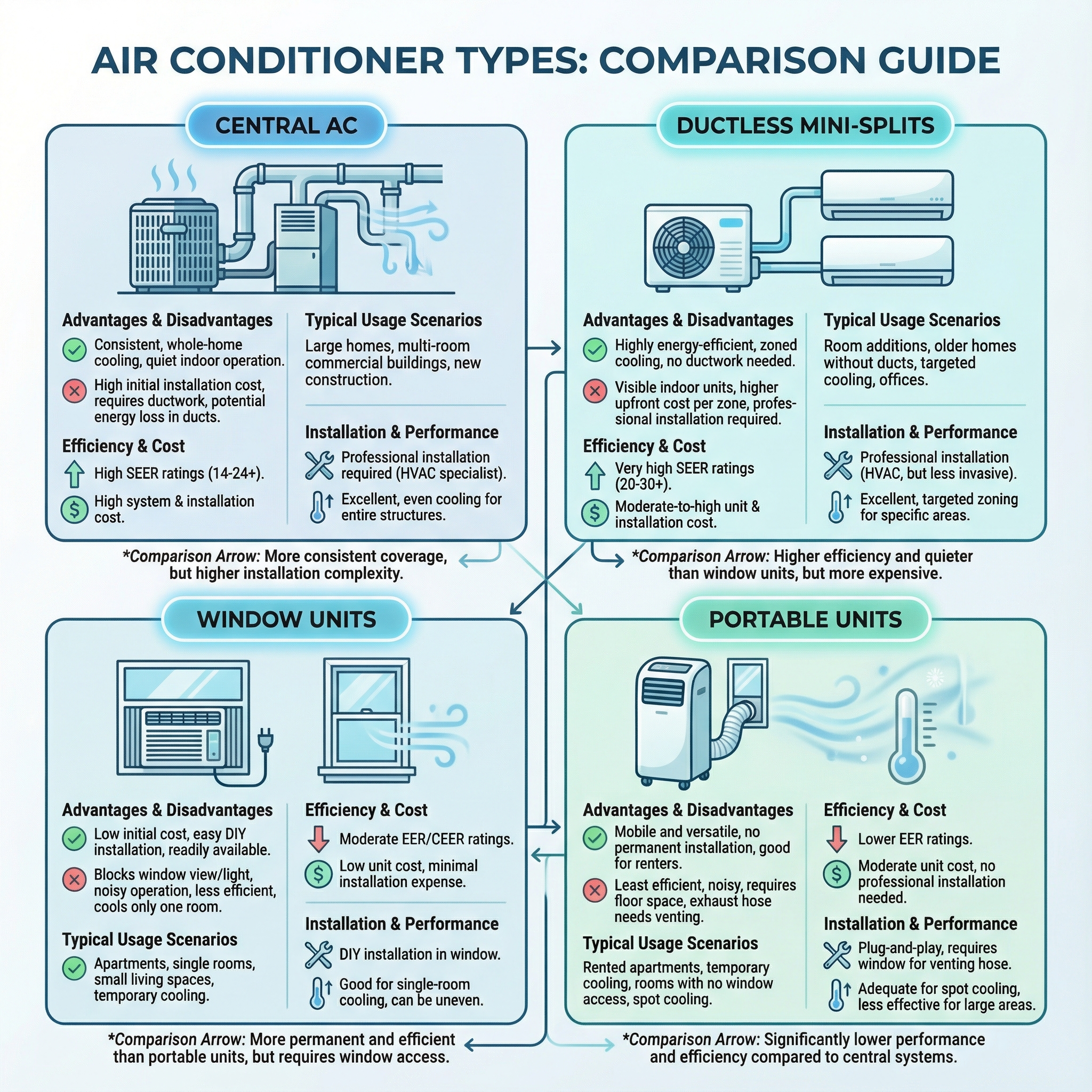
With 30+ years in HVAC, we can say a properly installed portable or window AC can run all day. The catch: these room units are more sensitive than central systems, especially on electrical and airflow limits.
- Electrical: use a dedicated, properly rated circuit and a grounded outlet. Do not run through extension cords or cheap power strips for continuous use.
- Fire and overload: undersized cords or overloaded wiring can overheat during long runtimes, creating a fire hazard. Monitor plug and outlet temperature and avoid adapters.
- Airflow and maintenance: clean the filter regularly and keep intake and discharge clear. Dusty or blocked units run hotter, less efficiently, and are more likely to trip circuits or burn out components during continuous operation.
- Longevity: expect a shorter lifespan under heavy duty than a central system.
Filters, Coils and Drainage: Maintenance (and Myths) That Keep All-Day Operation Safe
All-day runtime will not overheat a maintained system. It is not automatically wasteful, and in our field work, oversizing causes short cycles and poor dehumidification. In humid regions, shutting AC off for long stretches can let moisture build.
- Change filters every 1 to 3 months; keep vents open; clean coils as needed.
- Keep the outdoor unit clear; fix drips fast by clearing the condensate drain and pan. Never spray while running, use undersized extension cords, or build tight enclosures.
Thermostat Strategies & Energy Saving Alternatives to Running the AC 24/7
Use steady thermostat settings with modest setbacks: 75-78°F when home, pre cool before peak hours, then raise 3-5°F when away. Avoid frequent manual on/off switching, which causes short cycling. Program schedules or use a smart thermostat to manage ramps. Keep the fan on Auto; use On only briefly to mix air.
Cut heat gain: close blinds during sunny hours, add reflective blinds or low E film, seal air leaks, upgrade insulation, seal ducts, and add exterior shading or trees.
Dry climates can leverage night ventilation to pre cool. In humid climates, prefer smaller setbacks to keep moisture in check.
Bottom Line: When It's Safe to Run Your AC All Day, and What to Do Next
A modern, properly installed, correctly sized, and well maintained AC can safely run all day, especially in extreme heat. The real risks are higher energy use and faster wear if the system is old, undersized, dirty, or neglected.
If you plan heavy use, set 75 to 78°F, use a smart thermostat, keep filters and coils clean, confirm good airflow, and schedule professional service. Stop continuous use and call a pro if you see ice on coils, unusual noises, burning smells, or frequent breaker trips.
If your system struggles, we can size and spec an efficiency upgrade and help you line up an inspection to verify refrigerant, airflow, and electrical safety.
- Get a Custom Quote for right sized AC or heat pump
- Talk to Our Team by phone for real, U.S. based HVAC guidance
- Shop Air Conditioners and Heat Pumps at wholesale pricing, with free shipping on many items and Affirm financing