




Is It Illegal to Install Your Own AC Unit? A Clear, Short Answer
The short answer: installing your own AC unit is not automatically illegal. Legality is location dependent, and it turns on building codes, permits, and whether the work touches regulated refrigerant or electrical systems. Think of it like traffic rules that change from city to city. The same AC project can be allowed in one place and restricted in another.
Homeowners, renters, landlords, and DIYers should expect two layers of oversight. First are building and electrical codes that specify how equipment must be installed. Second are permit and inspection requirements that verify the work was done correctly. Opening a refrigerant circuit or performing high voltage wiring often triggers stricter rules, including who is allowed to do the work.
Lower impact tasks, like setting a simple plug-in unit, are commonly allowed, but even these can have placement rules. Higher impact work, like installing central air or a mini split that requires new electrical or refrigerant lines, is typically regulated more closely.
Bottom line: what you can do yourself depends on your local code office, the scope of work, and the property type. Always verify permits, inspections, and any lease or ownership obligations before starting.
Which AC Units Can You Install Yourself? Window, Portable, Mini Split, or Central: What's DIY Friendly
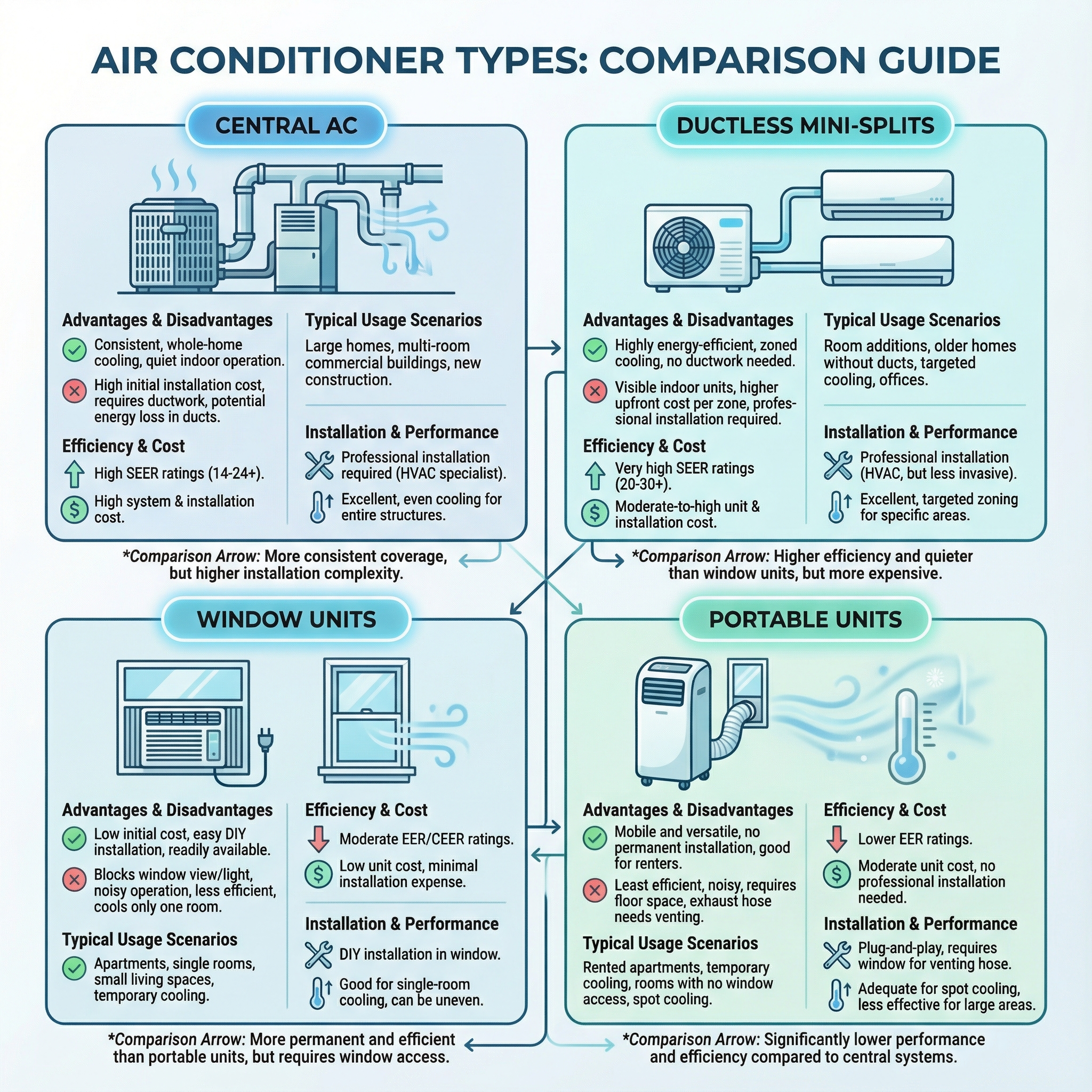
Home AC comes in four common types: portable, window, ductless mini split, and central split or heat pump. Central systems push conditioned air through ducts to every room, while mini splits move refrigerant to one or more indoor heads and cool each zone without ducts. In our experience, the DIY line is mostly about what touches refrigerant, high voltage, or permits.
- Portable AC: Designed for homeowners. Roll it in, plug into a standard outlet, vent through the window kit. No refrigerant or high voltage work.
- Window AC: Also DIY friendly. Set the unit, secure supports, seal gaps, and plug in. Again, no refrigerant handling.
- Ductless mini split: Some pre charged kits are marketed as DIY, but local permits, 240 V wiring, and refrigerant rules can still apply. Multi zone or non pre charged installs usually need a vacuum pump, micron gauge, and nitrogen for pressure testing.
- Central AC or heat pump: Typically not DIY. Regulated refrigerant tasks, high voltage connections, and ductwork are involved. Proper results depend on Manual J load calculations, duct design, and airflow balancing.

Permits, Licenses and Codes: What to Check With Your Local Building Department Before You Start
Permits and inspections are the backbone of legal HVAC work. Before you touch a tool, contact your local building department, often called the authority having jurisdiction, to confirm if homeowner installation is allowed for your property type and to learn exactly which permits and inspections are required. Think of permits as the green light at an intersection, they keep everything moving safely and legally.
- Permit types: Most projects need a mechanical permit and often an electrical permit.
- Inspection stages: Expect a rough-in inspection before equipment is sealed up and a final inspection at completion.
- Eligibility: Some jurisdictions require a licensed contractor's information on the permit application, which can limit a full DIY installation.
- Paperwork: Ask what submittals are needed, such as model numbers or equipment placement details.
- Consequences: Skipping permits or failing inspection can trigger fines, correction or removal orders, denied insurance claims, and resale problems.
Clarifying these items up front prevents surprises and sets your project on a compliant path.

EPA Section 608 and Refrigerant Laws: What DIYers Must Know (and Must Not Do)
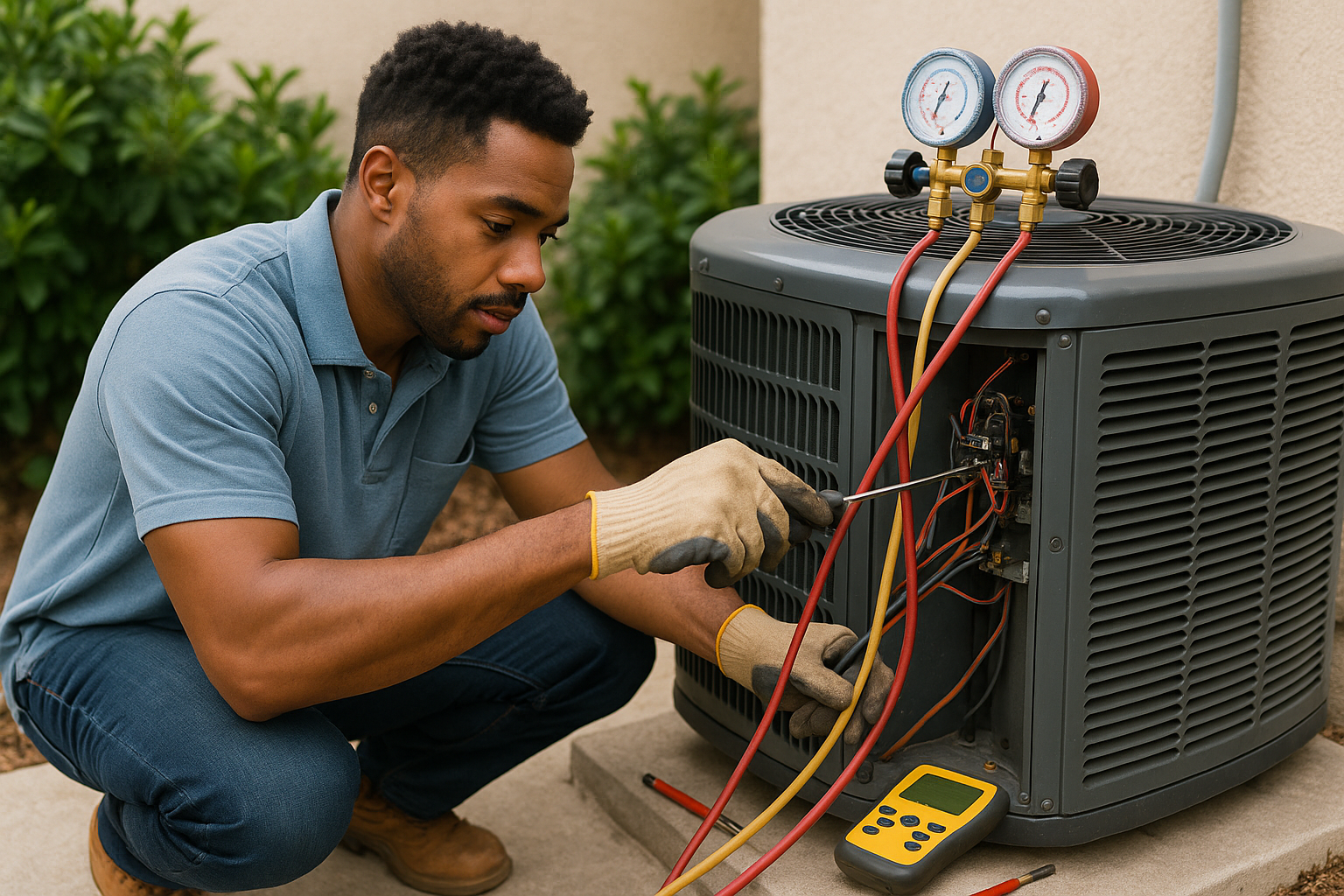
In the U.S., EPA Section 608 requires certification to open, evacuate, charge, or recover most refrigerants. Venting any refrigerant to the atmosphere is prohibited, and it is typically illegal for an uncertified person to recover or add refrigerant. Think of the refrigerant circuit like your system's sealed bloodstream, and opening it without the right training and tools is not allowed.
- Brazing or flaring lines that open the sealed circuit
- Nitrogen pressure testing
- Deep vacuum evacuation with a micron gauge
- Charging by weight
- Leak checking on the refrigerant side
These must be performed by EPA 608 certified technicians. In our experience at Budget Heating (BudgetHeating.com), DIY attempts on the refrigerant side often lead to frostbite risk, asphyxiation in confined spaces, compressor or metering device damage, environmental harm, and fines. Homeowners can handle supports, condensate, or low-voltage prep, but leave refrigerant handling to certified pros.
Liability, Warranties and Insurance: When DIY Isn't Worth the Risk (Honest Tradeoffs)
DIY can be rewarding, but some HVAC tasks carry legal, safety and financial pitfalls that outweigh the savings. In 30+ years around installs and repairs, we have seen well-intended projects turn into costly callbacks, denied claims and voided warranties.
- Myth: It is illegal everywhere to install your own AC. Reality: Not universally, but many steps still require licensed professionals.
- Myth: Homeowners can handle refrigerant. Reality: EPA 608 certification applies to opening the circuit.
- Myth: Permits are only for new builds. Reality: Most jurisdictions require them for replacements and alterations.
- Myth: Electrical is plug and play. Reality: Service sizing, breakers and disconnects must meet code.
Improper work, like undersized wiring, poor brazing or bad condensate routing, can cause fire, shock, water damage or even carbon monoxide exposure. Insurers often scrutinize non-permitted or non-licensed work, and claims can be reduced or denied.
Warranties are another tripwire: many manufacturers require licensed installation with documented commissioning. Utility rebates and tax credits typically demand permitted, code-compliant installs.
- Whole-home central AC or multi-zone mini split: hire a licensed HVAC contractor.
- Any task that opens the refrigerant circuit: use an EPA 608 certified technician.
- Panel upgrades or new high-voltage circuits: hire a licensed electrician.
Think of it like cars: changing wiper blades is DIY, rebuilding a transmission is not.
DOE, SEER2/EER2 Rules and Local Efficiency Standards: Why Equipment Choice Matters
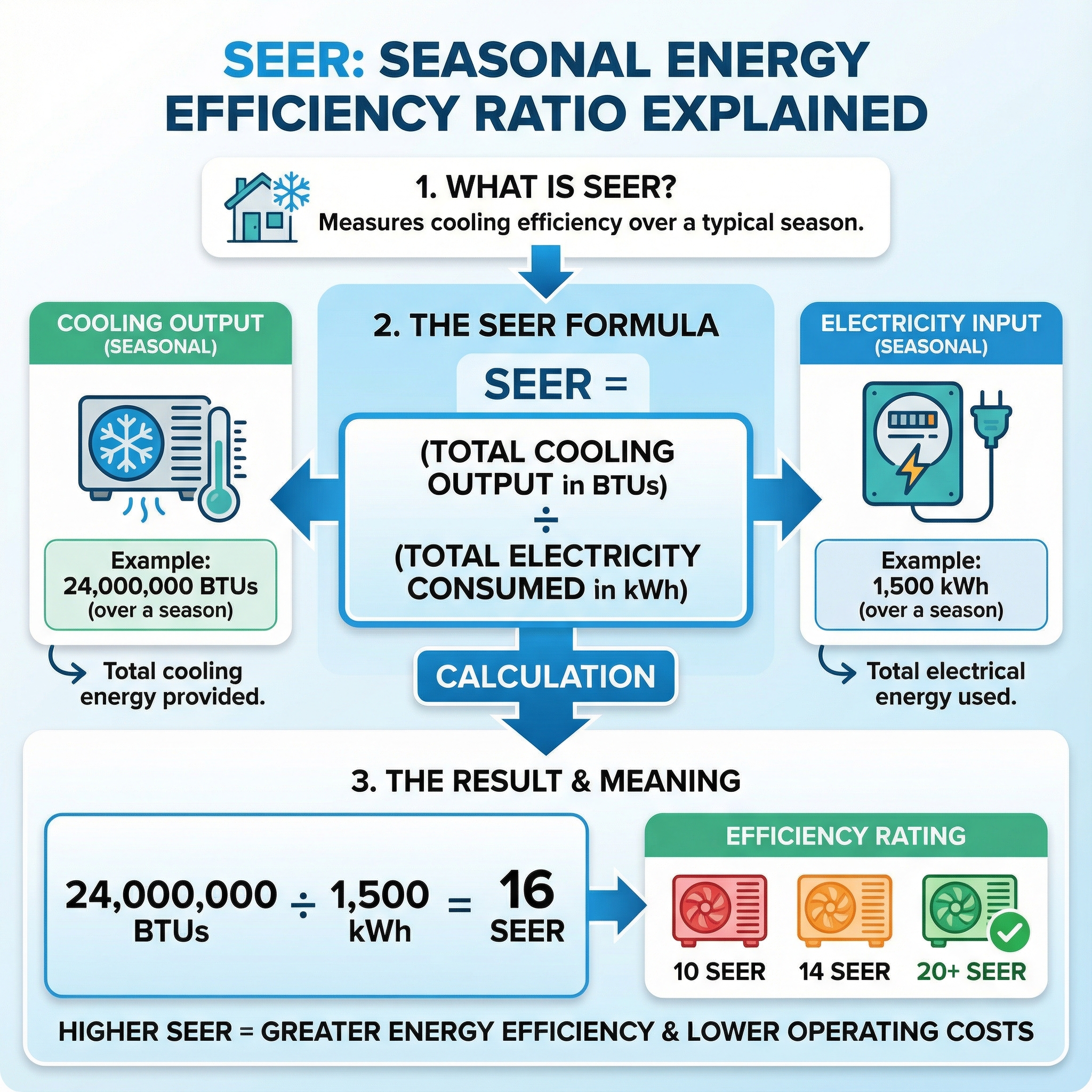
Since January 1, 2023 the DOE uses SEER2, EER2, and HSPF2. SEER2 comes from a tougher test, so numbers differ from old SEER even when the equipment is similar. These rules set what you can legally install, no matter who does the work. In our field experience, compliance is often checked at permitting and at final inspection.
Regional minimums vary. For split system central AC, the North requires at least 13.4 SEER2. The Southeast typically needs about 14.3 SEER2 for systems under 45,000 Btu/h. The Southwest sets both SEER2 and EER2 minimums. Installing noncompliant equipment can be illegal, fail inspection, and disqualify rebates or incentives.
Stepping up from the baseline to 16 or 18 SEER2 typically trims seasonal energy use by roughly 15 to 35 percent. Think of SEER2 like miles per gallon on a newer, more realistic road test. Before installation, verify your model meets regional DOE SEER2 and EER2 minimums and save the AHRI certificate and model numbers.
Electrical, Structural and Building Code Considerations You Can't Ignore
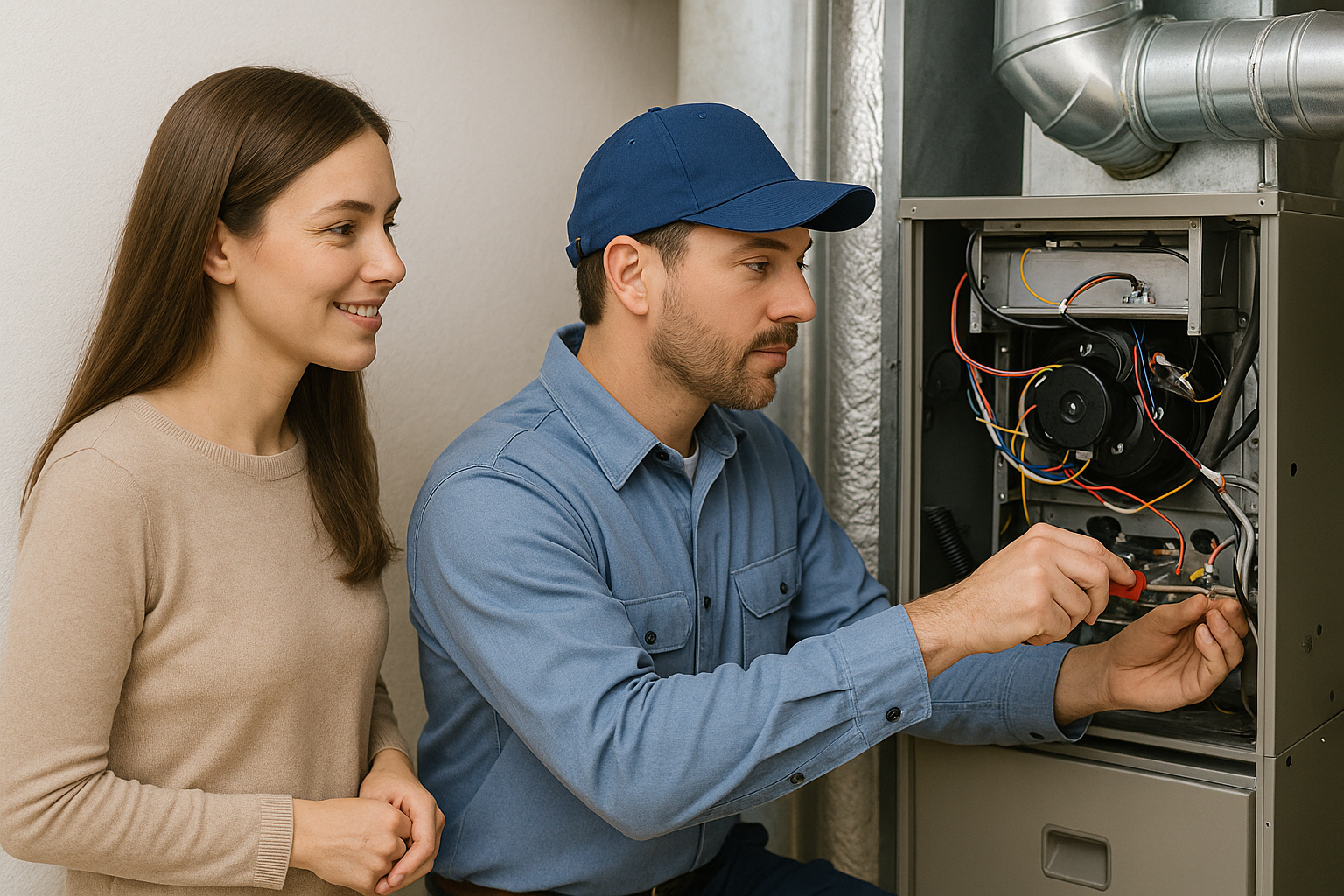
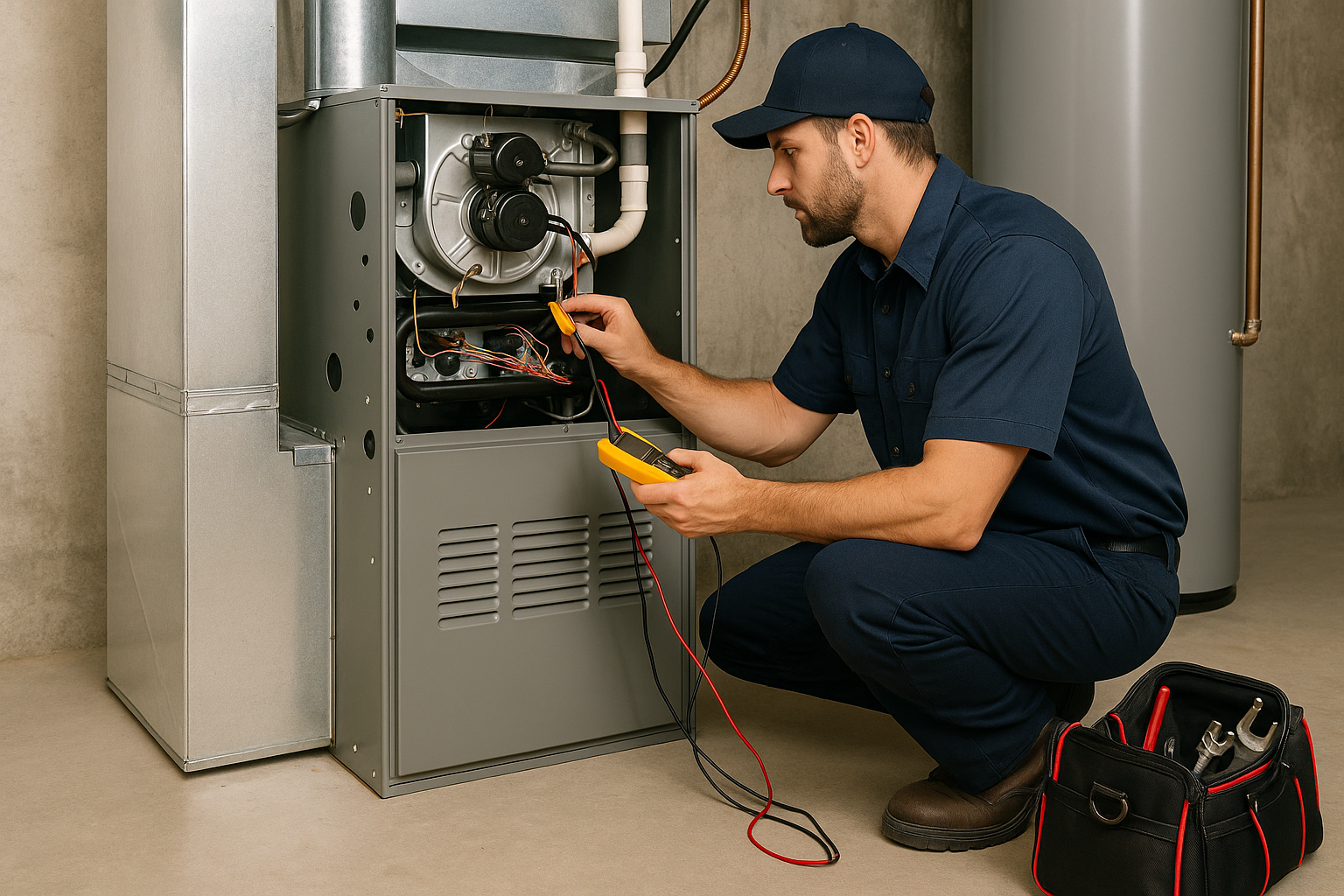
Central AC is high voltage, and code expects a dedicated circuit matched to the unit nameplate, a right-sized breaker, properly gauged conductors, an outdoor service disconnect, plus proper grounding and bonding. Before work, verify service capacity and circuit size, confirm ratings, and obtain needed electrical permits. Many jurisdictions require a licensed electrician to perform or sign off the connections, since mistakes risk shock or fire and failed inspection.
Placement is regulated: keep manufacturer and code clearances for airflow and service access. Condensate handling must be sloped, end at an approved location, and, where required, include a secondary pan and float or overflow protection. In our experience at Budget Heating (BudgetHeating.com), inspectors look closely at slope and termination. Think of the drain like a roof gutter: if it cannot carry water away, it will back up into your home.
When Local Permits or Inspections Are Typically Required: Replacements, Rentals, HOAs and More
Codes and enforcement are local. We routinely see permits required even for like-for-like equipment swaps. Single-family, condos, and multifamily are often handled differently, and rentals are commonly checked more strictly. Your authority having jurisdiction sets the process. Ask them if homeowners may pull the permit or if a licensed contractor must be named, and which inspections apply, such as rough-in and final, for your scope. Some cities or states will not approve a replacement without documented heating and cooling load calculations. Communities with associations may add their own approval steps separate from code. In short, verify the rules where the system sits before ordering or scheduling work.
Safe DIY Steps for Window and Plug In Units: Prep, Install and Maintain Without a Pro
For plug in window or portable units, focus on tasks that are genuinely DIY safe. Do not open refrigerant circuits, modify high voltage wiring, perform gas or combustion work, create structural penetrations, or handle final commissioning steps, per EPA Section 608 and electrical code. Plan carefully, then keep it simple.
- Site prep: level a small pad, clear vegetation, confirm the window can support the load, and set up good access and lighting for service.
- Mounting: install sleeves or brackets, set the unit, secure fasteners, and seal gaps per the manufacturer's instructions.
- Mid project checklist: decide what you will DIY versus hire out, hire for refrigerant and high voltage, verify thermostat compatibility, run low voltage thermostat wiring if comfortable, and gather permit or inspection documents.
- Maintenance routine: change or clean filters, keep outdoor sides clear of debris, clean coils as needed, and check condensate drains and float switches. Dust on coils acts like a sweater on the unit, trapping heat.
- Safety limits: if a step touches refrigerant, high voltage, gas, structural work, or commissioning, stop and defer to a licensed pro.
Bottom Line: How to Stay Legal and Safe If You Want to Install an AC Unit Yourself
Installing your own AC is not automatically illegal, but it is tightly regulated. Check with your building department, confirm efficiency and refrigerant rules, pull permits, and follow inspections. Use a hybrid plan: you handle low risk prep, like site prep, access, basic mounting, and thermostat wiring, then a licensed pro completes refrigerant work, high voltage, commissioning, and code critical steps. For full home systems, pro installation is usually the safer, more cost effective long term choice. Because costs vary by system, home, and labor, get multiple quotes and verify rebates.
We have 30 plus years in HVAC and over 200,000 orders fulfilled, and can match equipment to your DIY and pro plan, then support you through the code path.
- Get a Custom Quote: Send photos or layout, we will spec it.
- Talk to Our Team: U.S. phone support with real HVAC pros.
- Shop AC and Heat Pump Systems: Wholesale pricing, full warranties, Affirm financing.