




HVAC Trends in 2026: What's Driving Change Right Now
New efficiency rules and the surge of smart, connected equipment are reshaping HVAC in 2026. As expectations grow for lower bills, steadier comfort, and healthier indoor air, stricter efficiency and refrigerant standards are changing what gets installed and how it is serviced. Drawing on decades in the field, we break down what matters now for contractors, facility leaders, and owners: efficiency, refrigerants, connected controls, workforce skills, and financing.
Why 2026 Is a Pivotal Year: Rules, Tests and Regional Impacts
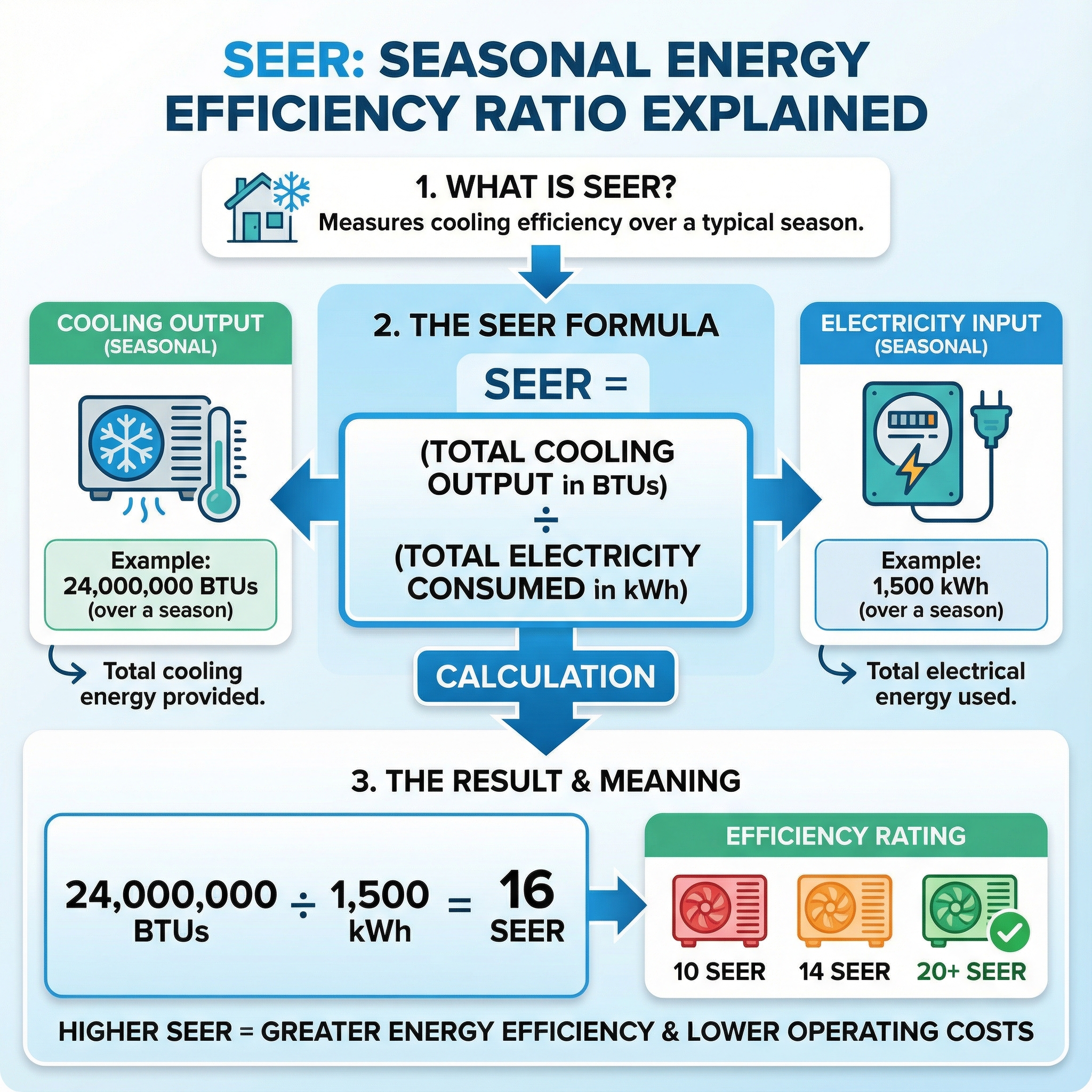
2026 targets push split systems to about 17 SEER2 and 12 EER2, with packaged units lower and premium models in the high teens to roughly 20 SEER2. SEER2, EER2 and HSPF2 are post-2023 tests using higher static pressure to mirror real homes, so ratings read lower and better match field results. Since 2023, regional minimums are about 14.0 to 14.3 SEER2.
Systems will also need demand-response and grid-interactive readiness. IECC updates and local electrification policies raise minimums and steer choices toward heat pumps. Climate priorities vary: latent control in hot-humid, high EER2 in hot-dry, and cold-climate heat pump performance in cold or mixed regions.

Energy Efficiency Expectations: Variable-Speed Gear, Ratings and Economics
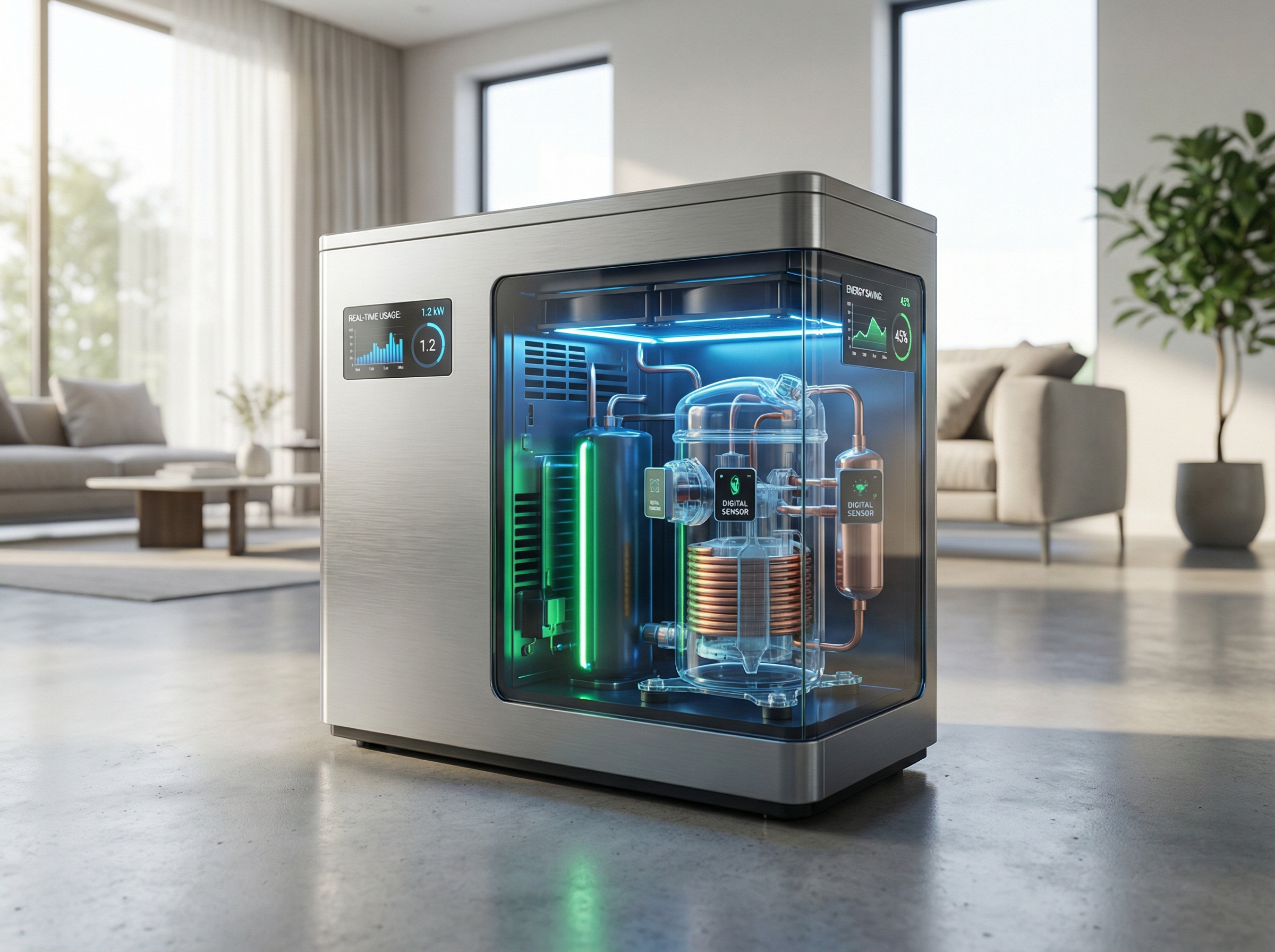
Variable-speed, inverter-driven compressors and ECM blowers operate like a dimmer switch, matching output to the home's needs. The result is steadier temperatures, quieter operation, tighter humidity control, and lower energy use. This modulation is central to meeting tightened SEER2 and HSPF2 baselines and aligns with 2026 efficiency targets.
Across the market, mid to high teens SEER2 is becoming standard, while premium variable-speed systems reach about 20 SEER2. Stepping from 14 SEER2 to 17 SEER2 can cut cooling energy roughly 15 to 20 percent, about $90 to $120 per year for a home that spends around $600 on cooling. Since heating and cooling can account for 40 to 48 percent of household energy, these reductions add up. Expect a modest upfront premium, often near 10 percent for 2026-ready equipment, which the energy savings and improved comfort can offset over time, especially in hot, humid climates.
Refrigerants in 2026: The Phase down, A2Ls and Safety Implications
By 2026, many HVAC systems will move from higher GWP R 410A to low GWP A2L options such as R 32 and R 454B to meet HFC phasedown milestones. A2Ls are mildly flammable, which drives redesigned equipment, updated safety listings, and new installation and ventilation requirements. Think of the risk like a pilot light, controlled but never ignored.
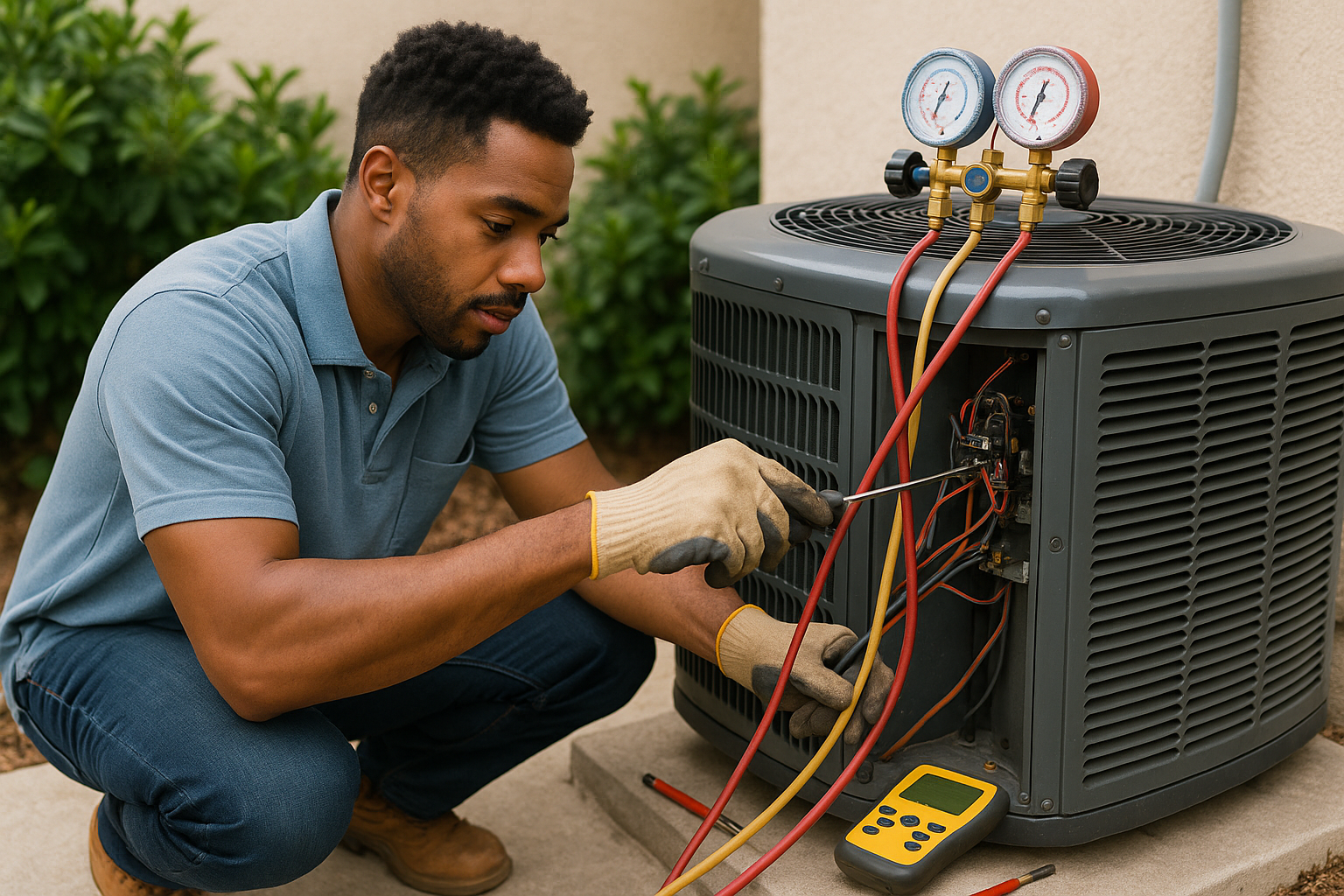
Codes are being updated to address A2L use, and service practices must follow suit. Charging, recovery, brazing, and related work require trained, certified technicians. Retrofitting existing R 410A equipment with an A2L is generally not allowed. Use equipment specifically listed and rated for A2Ls.
- Verify contractor training and certification for A2L refrigerants.
- Discuss availability and long term pricing of new refrigerants.
- Confirm code compliant clearances, ventilation, and leak detection plans.
Tradeoffs & Tough Cases: When 2026 Solutions Aren't the Best Fit
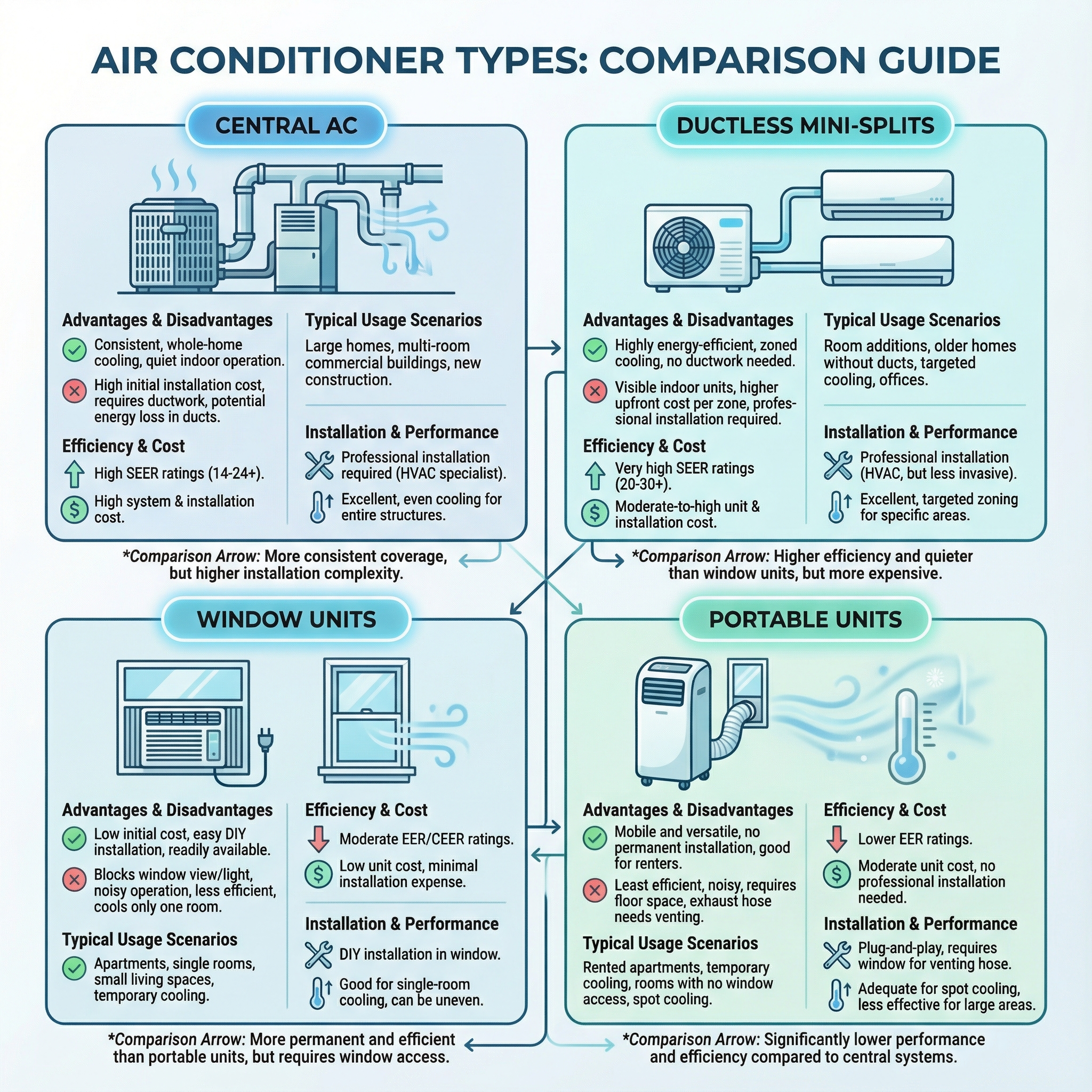
In our experience, 2026-ready is not one size fits all. In extreme cold, consider dual-fuel or a cold-climate heat pump with proven low-ambient data. If the electrical panel is tight, staged upgrades, hybrids, or demand management with batteries can defer pricey upgrades. For historic or hard-to-duct homes, prioritize envelope fixes, then ductless zoning or a packaged unit. Myths: smart systems are not set and forget, they need updates and security; compare SEER2 to SEER2 only; IAQ belongs in the design. If any of this fits, get a load calc, electrical review, and envelope analysis before full electrification.
The Rise of Heat Pumps and Electrification: Practical Choices in 2026
Heat pumps are mainstream in 2026 because they move heat rather than make it, like a refrigerator running in reverse, so one all electric system can heat and cool efficiently. Policies that favor electrification and decarbonization reward this approach, and pairing a heat pump with rooftop solar and battery storage improves resilience while unlocking more incentives.
Modern air source heat pumps cut fossil fuel use, often qualify for rebates and tax credits, and cold climate models hold useful capacity well below freezing. Choose all electric if rates are favorable and you want to lean into incentives and renewable integration. Choose dual fuel if winters are severe, electric rates are high at peak times, or you value a gas backup for the coldest hours. In cold regions, select units with documented low ambient capacity.
- Start by inventorying your system: type, age, and refrigerant. At 10-15 years or with legacy refrigerants and recurring leaks, consider replacement.
- Replace if the unit is old, uses R 410A and leaks repeatedly, or if repair exceeds about 50% of replacement cost.
- Incentives matter: the 25C federal credit can provide up to $2,000 for qualifying heat pumps, and many utilities and states stack additional rebates, shortening payback.
Smart Controls, IoT and Building Automation: Connected HVAC That Works for the Grid
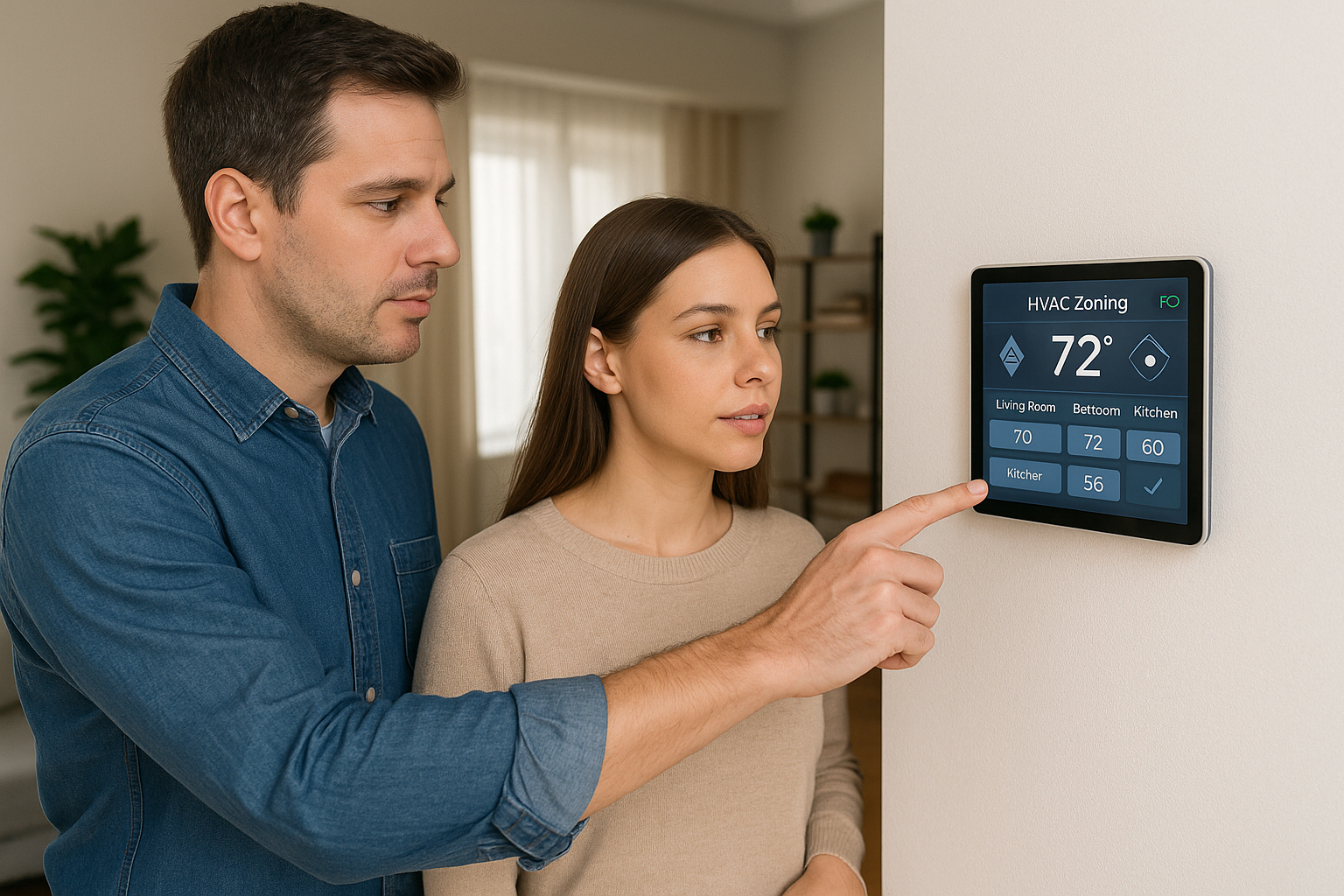
Connected thermostats, room sensors, BACnet or Modbus devices, and IoT gateways link HVAC to building automation and utility signals. They automate schedules, surface faults with onboard diagnostics, enable remote monitoring, and tune runtime for time-of-use rates. Many 2026 ready systems pre-cool or pre-heat to shift load and earn bill credits. In our experience at Budget Heating (BudgetHeating.com), choosing open, utility ready controls up front pays off.
- Ask vendors about demand-response readiness, BACnet or Modbus, open APIs, and compatibility with utility programs and batteries.
- Homeowner checklist: ENERGY STAR smart thermostat that supports heat pump staging, enable occupancy scheduling and geofencing, and place HVAC or IoT devices on a separate network.
- Cybersecurity: Myth, smart HVAC is set and forget. Reality, change default passwords, use strong credentials, keep firmware updated, and segment the network.
Predictive Maintenance, AI and Workforce Shifts: More Data, Less Downtime
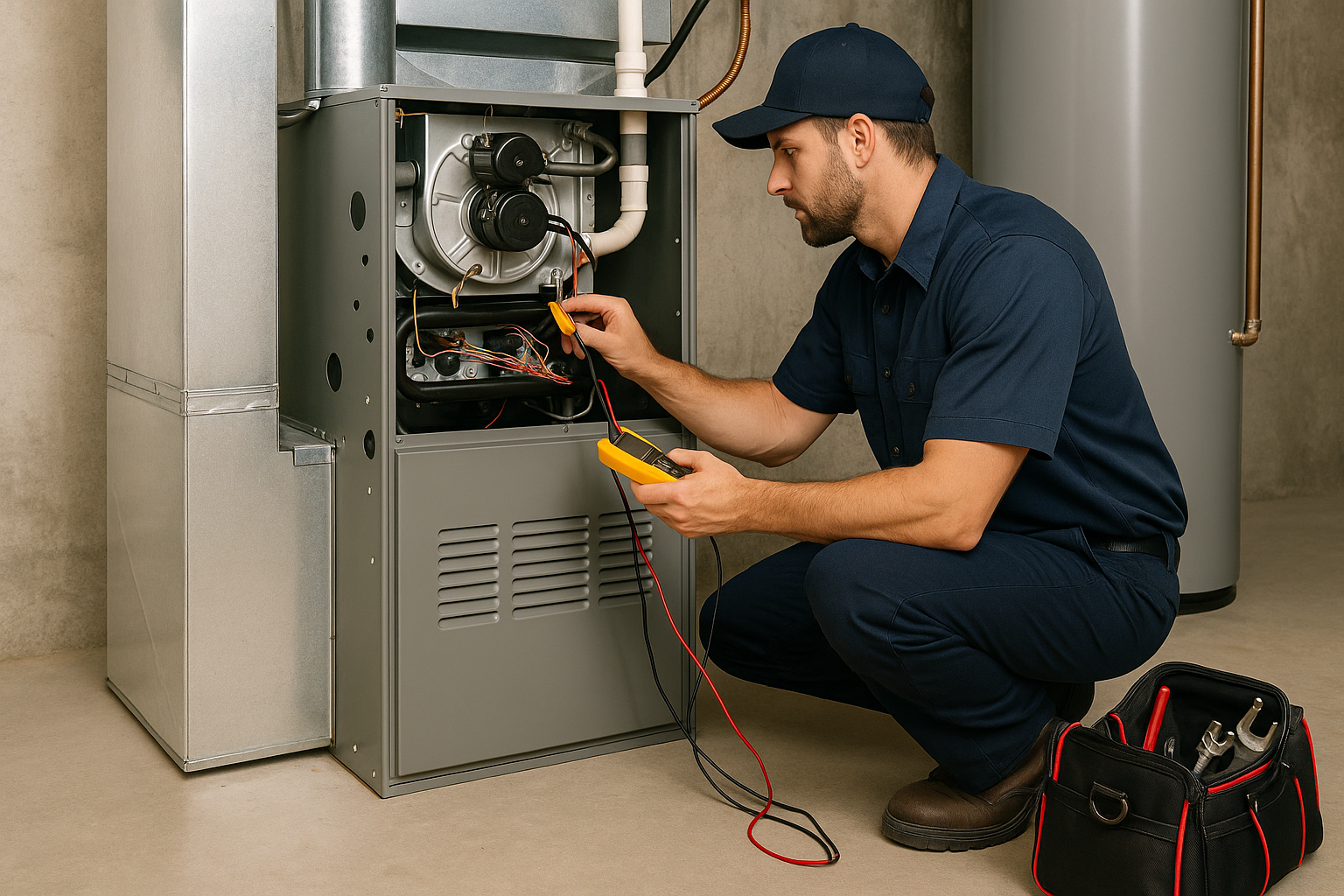
In our experience, connected sensors and AI catch faults early, optimize setpoints, and cut downtime. Commercial sites see roughly 15.8% energy savings. Choose equipment with onboard diagnostics and remote support. Homeowners should replace filters every 1 to 3 months, keep coils and drains clear, watch alerts, and leave refrigerant and electrical to pros. Schedule heat pumps twice yearly, others annually, and review firmware monthly. Contractors are upskilling on low GWP refrigerants and controls.
Installation, Retrofits and Replacement: Getting It Right in 2026
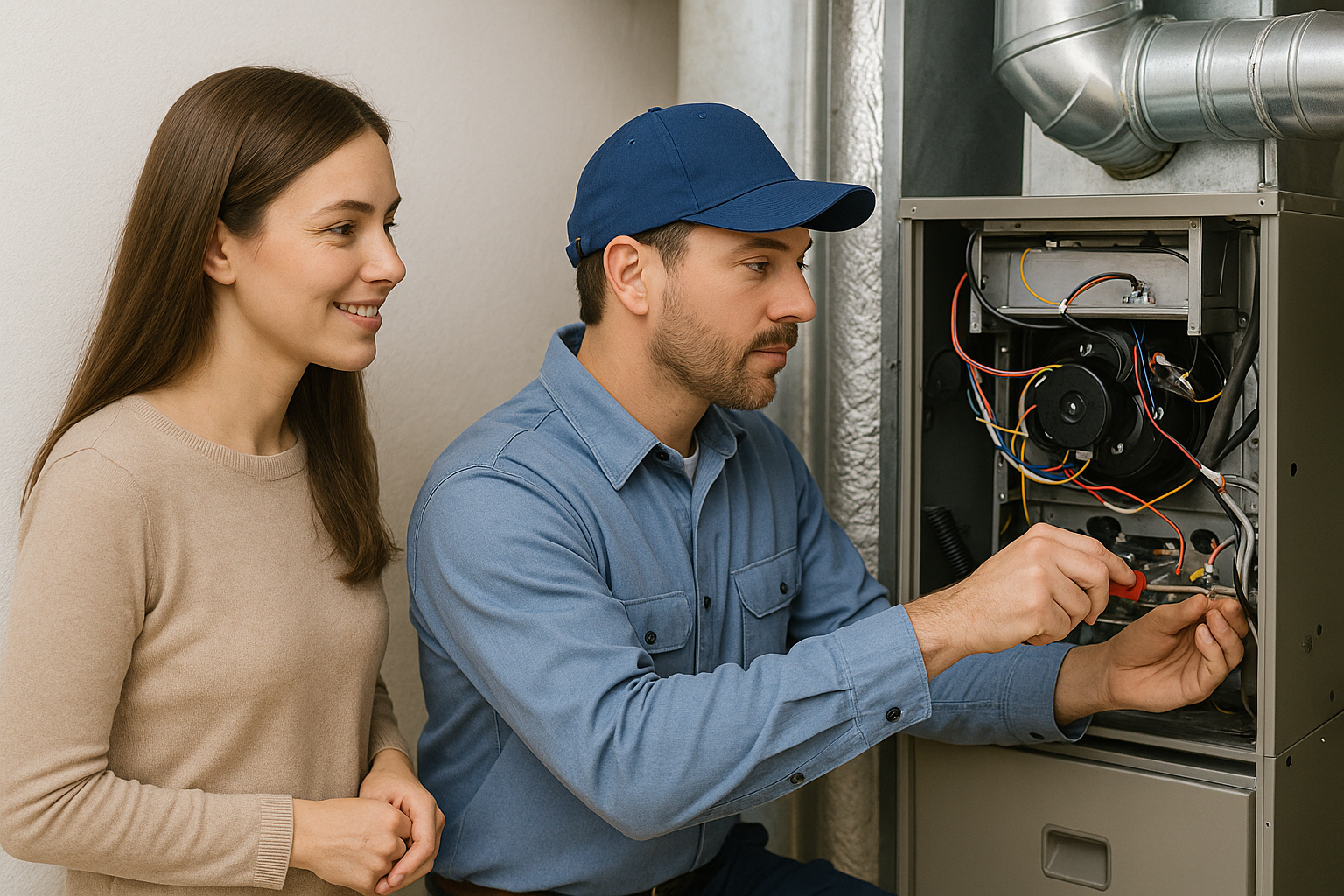
Start with data, not guesses: Manual J for loads, Manual S for equipment, Manual D for ducts. Then commission to the numbers, airflow, static pressure, and refrigerant charge verified. In our experience at Budget Heating (BudgetHeating.com), about 50 percent of underperforming systems come from misinstallation, so a correct install avoids costly repairs and early replacement.
- Require permits, a written load calc, and duct leakage testing with sealing.
- Demand apples-to-apples bids listing model numbers and SEER2 or HSPF2, and review parts and labor warranties.
- Use nitrogen-purged brazing, pull a deep vacuum to ≤500 microns with a decay test, weigh in the charge, and document superheat, subcooling, static, and airflow.
- Plan proper refrigerant recovery and disposal. Do not retrofit R-410A systems with A2L or violate equipment listings.
- Expect longer lead times for 2026 low GWP equipment, schedule before peak season, secure rebate pre-approval, and book post-install verification.
Key Takeaways and Next Steps for 2026 Ready HVAC Upgrades
HVAC is shifting to integrated, service oriented, data ready solutions by 2026. Get ready by hiring qualified pros, insisting on design and commissioning, using incentives, confirming refrigerant and cybersecurity readiness, and choosing systems that align with new codes and grid programs. Prioritize lifecycle value: longer service life, refrigerant reclamation, recycling, firmware updates, and strong parts and labor warranties. Upfront is modestly higher, but lower bills, fewer repairs, and stacked incentives shorten payback. If you are weighing options, we can map the best path, backed by 30+ years and U.S. phone support.
- Get a Custom Quote
- Talk to Our Team by phone for design and sizing
- Shop Heat Pumps, Mini Splits, and Smart Controls