




Why HVAC Training and Certification Matter for Modern Systems
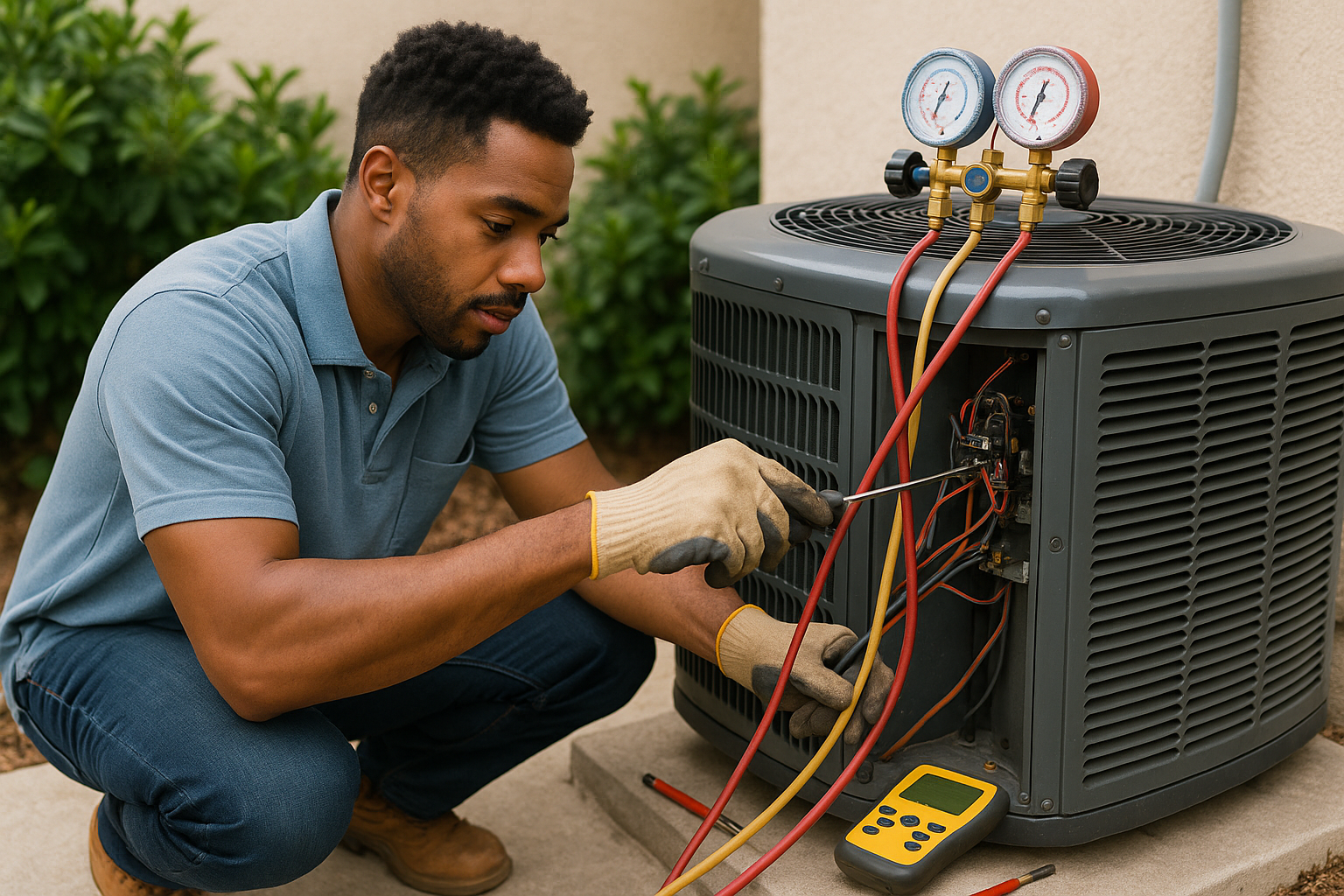
Modern HVAC is no longer a simple thermostat and a single-speed unit. It is a coordinated system, more like a smart device that learns and responds in real time. In the field we work with variable-speed heat pumps, VRF networks, building automation, connected thermostats, onboard diagnostics, and new low-GWP A2L refrigerants. Each piece has to be installed, commissioned, and maintained correctly to deliver steady comfort, lower energy bills, healthier indoor air, and longer equipment life.
- Variable capacity equipment that modulates for load and climate
- VRF piping networks and branch controllers
- Smart controls, sensors, and BAS integration
- Advanced fault codes and data logs for diagnostics
- Refrigerants that require new safety and handling practices
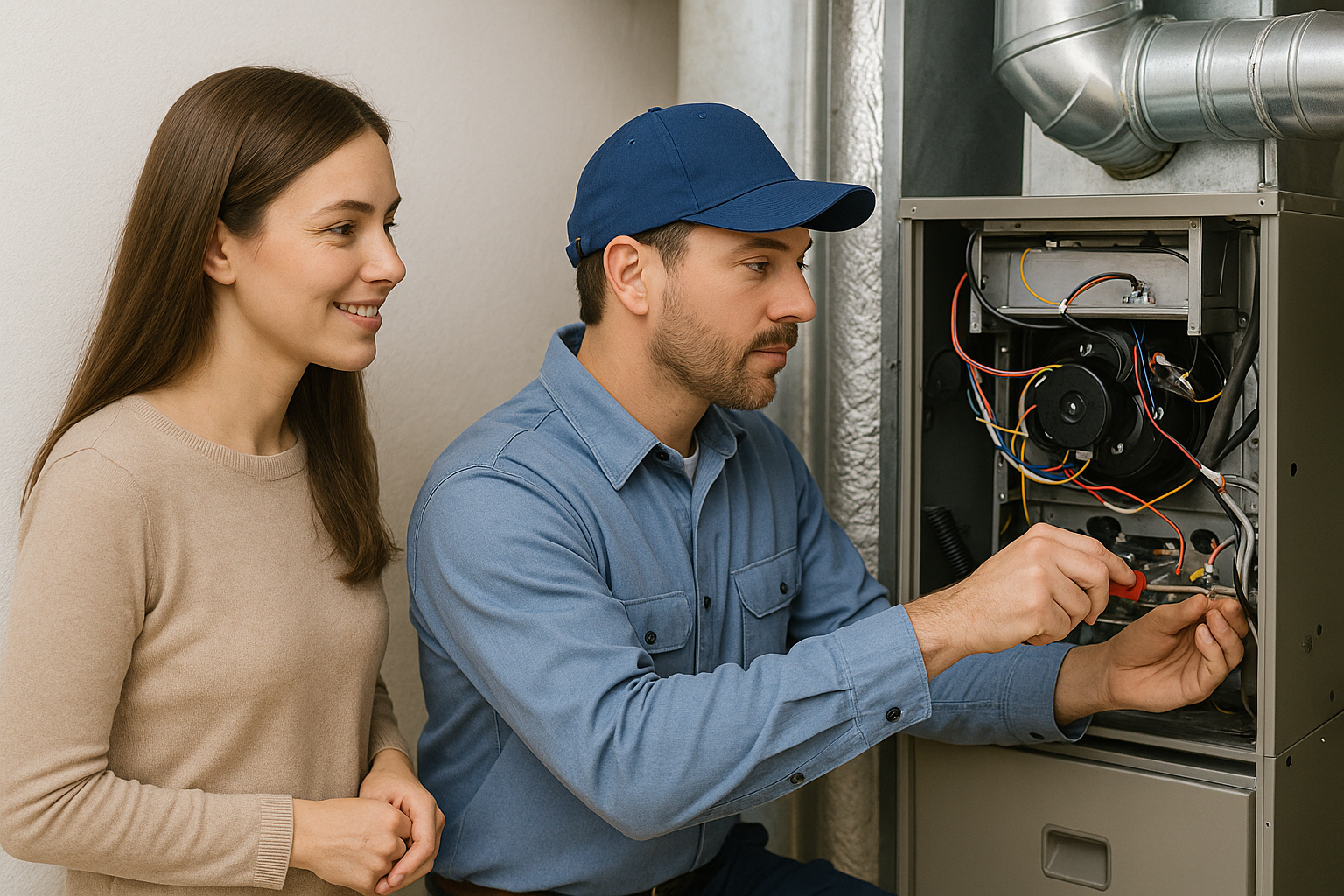
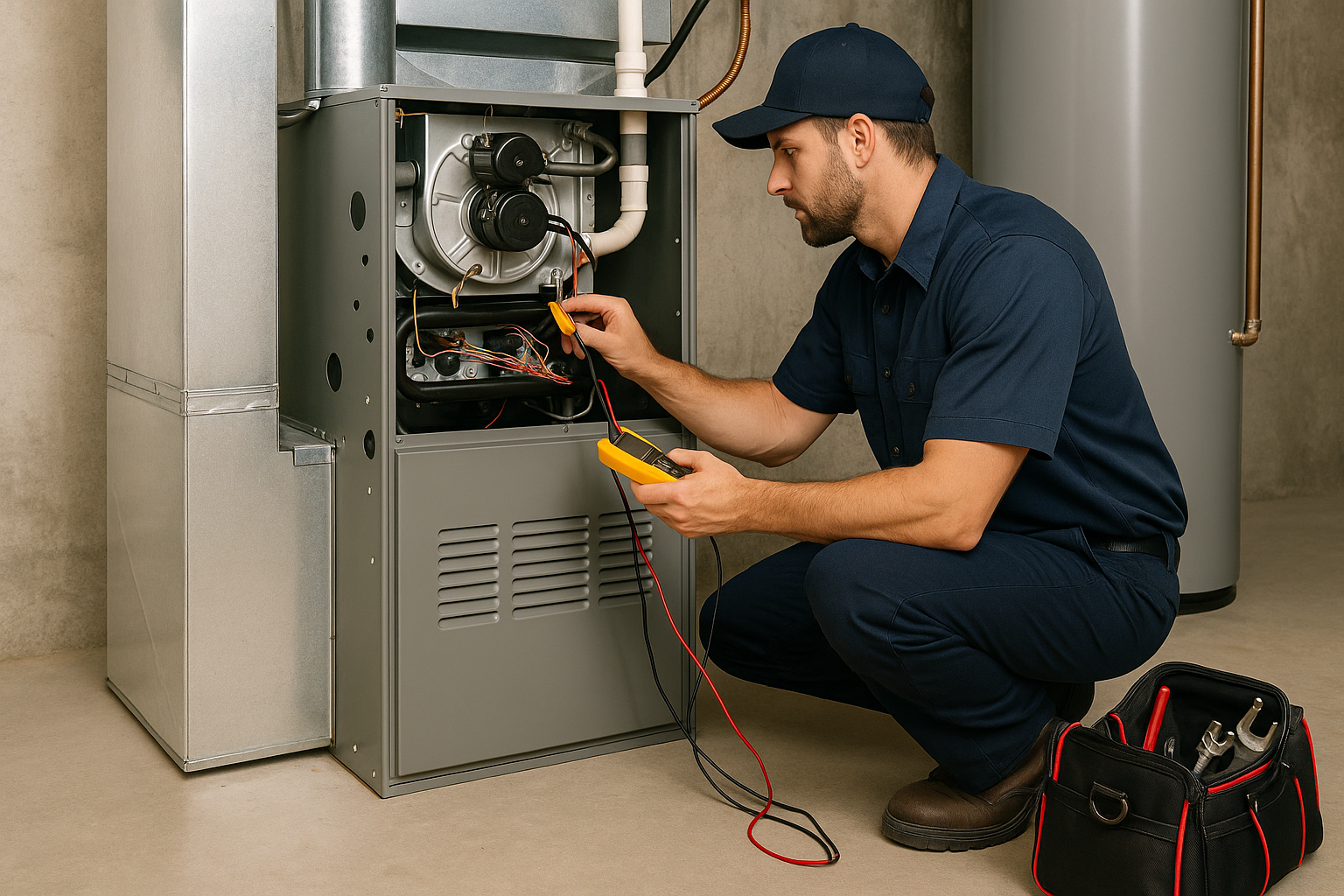
Up-to-date training and recognized credentials keep work safe, code compliant, and warranty friendly. Well-trained technicians balance airflow, verify charge, program controls, and use data to prevent unexpected breakdowns. Core skills include heat pump and refrigeration diagnostics, ventilation and IAQ measurements, smart control setup, safe handling of A2L refrigerants, and data-driven maintenance. For technicians, certifications validate competence and open career paths. For owners and occupants, they translate into reliable comfort and predictable operating costs.
Top Benefits: How Certification Improves Modern HVAC Outcomes
Modern equipment, from variable speed heat pumps and ductless systems to smart controls and newer refrigerants, performs best in trained hands. In our field work, certified technicians deliver clear gains for homeowners and property managers. Proper commissioning is like tuning an instrument, small adjustments unlock peak performance.
- Right first time installs and repairs, fewer misdiagnoses, fewer callbacks, shorter downtime.
- Faster, cleaner service visits, quicker commissioning and troubleshooting with minimal disruption.
- Lower utility spend through correct airflow, refrigerant charge, control programming, and maintenance.
- Fewer breakdowns and longer life by following procedures and protecting critical components.
- Better indoor air quality and comfort via airflow balance, duct sealing, filtration, and ventilation.
- Safety and code compliance, proper refrigerant and electrical handling, preserved warranties, reduced risk.
- Higher satisfaction and trust, credentials signal competence and consistent service quality.
- Strong ROI and future readiness, smoother operation, smart integrations, and incentive eligibility.
Regulations, Codes and Core Certifications Every Technician Needs
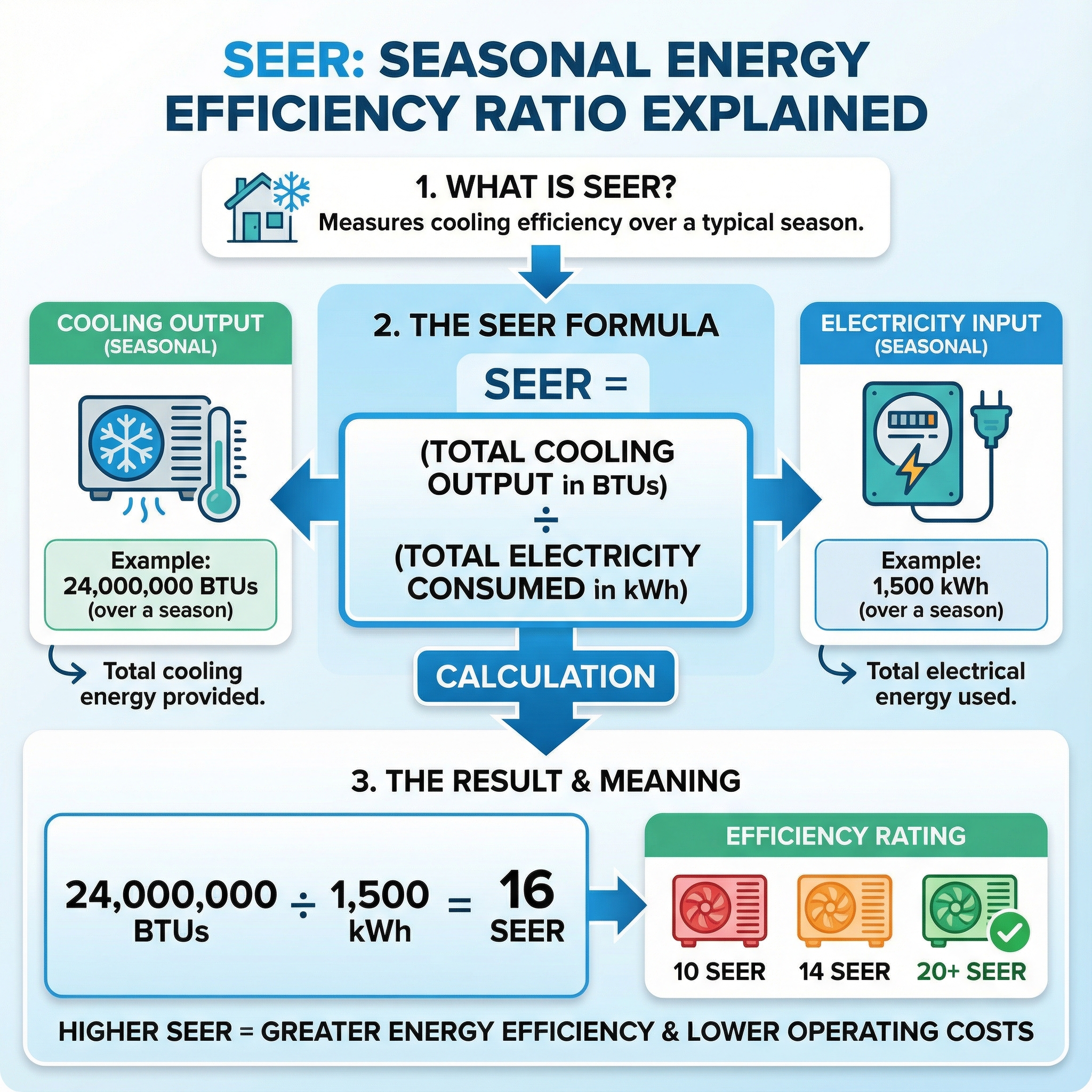
Technicians work inside a moving target of rules. Since January 1, 2023, the DOE's SEER2 test is the federal yardstick for new residential gear. Think of SEER2 as a new measuring stick, so techs must translate legacy SEER to SEER2 and match regional minimums: North about 13.4 SEER2, Southeast and Southwest about 14.3 SEER2 under 45,000 Btu/h and around 13.8 SEER2 at or above 45,000 Btu/h, with the Southwest also checking EER2. Heat pumps follow a uniform national minimum. In hot, humid regions, training leans into load calculation, airflow, and humidity control; in arid Western markets, it centers on sensible cooling, ventilation, and freeze-season risks. In our experience at Budget Heating (BudgetHeating.com), the following are baseline musts:
- EPA Section 608 certification for anyone handling refrigerant.
- State or local licensing, permits, and continuing education per jurisdiction.
- Program prep for credentials like HVAC Excellence and NCCER.
- Code literacy to select equipment that meets SEER2 and, in the Southwest, EER2.
Common Myths and Tradeoffs: When Certification and a Given Technology Aren't the Right Fit
We often see the same misconceptions derail comfort and efficiency. A few big ones deserve quick clarifications:
- You do not need to add refrigerant every year. Refrigerant is not a fuel. If it is low, there is a leak that must be found and repaired before recharging. Repeated top offs waste money and can damage the compressor.
- Bigger equipment is not better. Oversizing causes short cycling, uneven rooms, humidity issues, and higher bills. Proper sizing comes from Manual J load calculations, Manual S equipment selection, and Manual D duct design.
- Cranking the thermostat way down does not cool faster. Most systems condition at a fixed rate. Extreme setpoints make the unit run longer and can create humidity problems.
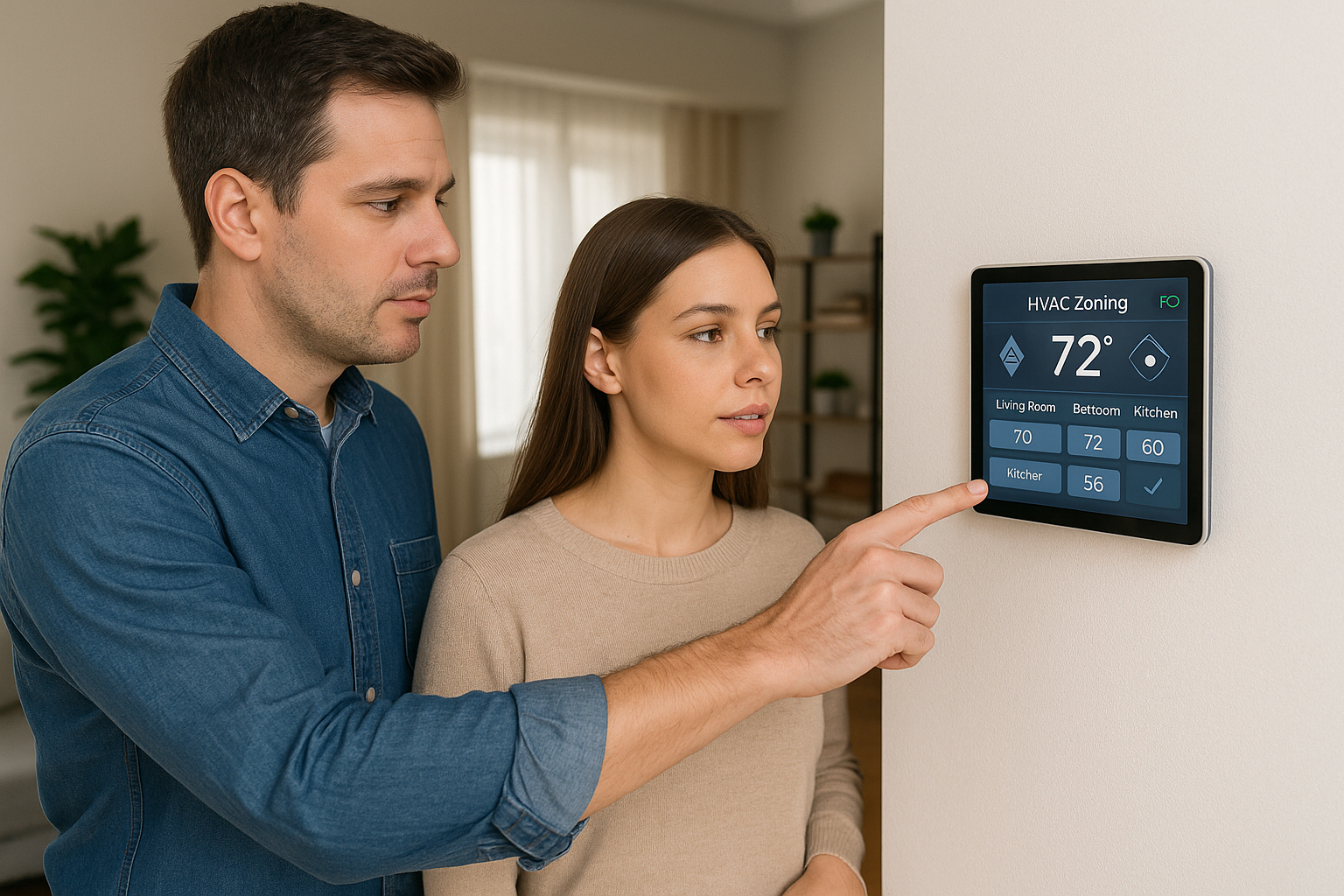
- Closing supply vents does not save energy. It raises static pressure, increases duct leakage, and can overheat or freeze equipment. Better solutions are zoning, adequate returns, and sealing ducts.
There are also clear cases where a given technology is not the best fit:
- Very old, leaky buildings: prioritize air sealing and insulation before high SEER equipment.
- Extremely cold or off grid homes: consider hybrid systems or cold climate heat pumps with supplemental heat and proven defrost strategies.
- Tight budgets: focus on right sizing, duct sealing, and targeted upgrades for better near term ROI.
Cost, Savings and ROI: How Training and Proper Installation Pay Off
We look at HVAC like a printer, the sticker price matters, but the ink bill over years matters more. Lifecycle cost is where training and installation quality earn their keep. Moving from about 14.3 to 16 SEER2 trims cooling electricity roughly 10 to 11 percent. If a home spends around 600 dollars a year on cooling, that is about 60 to 70 dollars saved annually. Upgrading older 13 SEER gear to a 16 to 18 SEER class system typically cuts 19 to 28 percent, with bigger gains in hotter climates or where kWh rates are high.
Over a 10 to 15 year life, those avoided costs can offset part or all of the premium, especially when proper design, duct improvements, and commissioning are included, along with any rebates. In our experience, technicians should use the simple inverse ratio rule, savings percent is roughly 1 minus old rating divided by new rating, then plug in local rates and cooling hours, and explain that correct sizing, duct quality, and commissioning drive real world results more than nameplate numbers.
SEER2, Efficiency Ratings and What Technicians Must Know Today
SEER and SEER2 both rate seasonal cooling efficiency. SEER2 is the 2023 update that tests at higher external static pressure, so values run slightly lower, but higher still means better. Think of SEER2 as mpg measured on a hill. Since Jan 1, 2023, SEER2 is required and remains the standard through 2026. Regional minimums for split A/C: North ≥13.4 SEER2, South and Southwest ≥14.3. Heat pumps are ≥14.3 nationwide. Legacy SEER mentions roughly map to 14 North and 15 South.
Typical picks: code 13.4 to 14.3 SEER2, mid tier 15 to 17, premium variable speed high teens or more. Rule of thumb: savings percent ≈ 1 − old ÷ new. 14.3 to 16 saves about 10 to 11 percent, or $60 to $70 on a $600 bill. In our experience at Budget Heating (BudgetHeating.com), customers respond when ratings are translated into yearly dollars.
- Verify regional SEER2 minimums for selection.
- Compare SEER2 to SEER2, avoid mixed metrics.
- Present good, better, best with kWh savings.
- Confirm heat pumps meet ≥14.3 SEER2.
- Measure duct static and commission correctly.
Safety, Maintenance and What Homeowners Can Do (and Shouldn't Do)
We suggest handling the simple items yourself, then stop when work involves electricity, refrigerant, or combustion. A dirty filter is like a dusty mask on your system.
Homeowner-safe:
- Filters: check monthly, replace every 1-3 months, correct size and airflow arrow.
- Outdoor unit: keep 2-3 ft clear, gently remove debris, do not open panels or bend fins.
- Vents and returns: vacuum grilles, keep unblocked, call a pro if mold or heavy buildup appears.
- Thermostat: set schedules and modes, replace batteries only.
- Safety: power off at switch or breaker before access, use basic PPE and ladder safety.
- CO safety: install and test detectors near fuel-burning equipment and sleeping areas.
Do not DIY:
- Electrical problems: breakers, burning smells, wiring, capacitors, boards, motors.
- Refrigerant issues: leaks or icing, charging or evacuating, EPA-certified techs only.
- Internal cleaning and diagnostics: coils, blower wheels, drains, calibration, performance tests.
- Complex mechanical or inverter faults, and any gas or flue concern; shut off if suspected.
- Work that affects warranties or requires permits and code compliance.
Immediate red flags:
- Gas odor or CO alarm: evacuate, avoid sparks, call the gas utility and an HVAC professional.
- Electrical burning or sparking: cut power at the breaker and call a professional.
- Water leaks or frozen coils: turn the system off and contact a technician.
- Poor airflow, unusual noises or odors, short cycling, or repeated breaker trips: stop DIY and schedule service.
Maintenance cadence:
- Homeowner: filters monthly, grille cleaning as needed, CO detector test monthly.
- Professional tune-ups: at least annually, ideally before each heating and cooling season.
- Safety: high pressure, dangerous voltage, and CO risks mean caution is essential.
Homeowner Checklist: What to Require from Contractors and Certified Techs
- Verify credentials: active state HVAC license, general liability and worker's comp with policy numbers, EPA 608 for anyone handling refrigerant, plus NATE or HVAC Excellence and factory training for inverter systems.
- Require real design work before pricing: a Manual J load calculation with documented inputs, Manual S equipment selection that meets both sensible and latent loads, and Manual D duct design or verification. Have them measure total external static pressure and design airflow, typically 350 to 450 CFM per ton, and request a duct leakage test if reusing ducts.
- Put installation quality in the contract: permits and inspections, and full commissioning. Demand recorded airflow and static pressure, refrigerant charge by weigh in plus superheat or subcool per manufacturer, supply and return temperatures, and control setup. Specify nitrogen brazing, a filter drier, and triple evacuation to 500 microns with a decay test. Ducts sealed with mastic or UL 181 tape, leakage tested and insulated. Proper condensate trap and safety switch, and correct outdoor clearances on a level pad.
- Climate and controls: a clear humidity plan in humid regions, cold climate heat pump capacity at 47, 17, and 5 F with a backup strategy, a compatible smart thermostat, and ventilation that meets ASHRAE 62.2 when needed.
- Proposal clarity: written model numbers, Manual J, S, and D reports, scope and timeline, commissioning steps, haul away, line item pricing, efficiency ratings, rebates or credits, and parts and labor terms. Confirm you will receive the commissioning report.
Where to Find Training: Programs, Apprenticeships and Continuing Education
From our years on the tools, the strongest paths are hands-on and aligned with credentials you already know, including EPA 608, Manual J/S/D and commissioning.
- Trade schools or community colleges with labs and service call simulations.
- Apprenticeships with licensed contractors, paid hours and supervised installs.
- Manufacturer courses, in person or online, focused on controls and diagnostics.
- Self‑paced online modules for code updates and software workflows.
Prioritize state‑approved programs that include load and duct design practice, commissioning labs, and clear prep for required testing.
Action Plan: Steps to Get Certified and Future-Proof Your HVAC Career
Start with a short HVAC certificate and EPA Section 608. Add safety training, lockout tagout and PPE, plus a working grasp of ASHRAE, IECC and local codes. Move into an apprenticeship or entry-level service role for 3 to 5 years to solidify field skills. Layer in manufacturer courses on heat pumps, inverter and VRF platforms, and controls basics like BACnet and Modbus. Then pursue industry credentials such as NATE or HVAC Excellence, aiming for senior or master levels.
Keep current with a simple continuing education plan. Take annual manufacturer updates, refresh on low GWP refrigerants, and track recertification dates. Treat it like a tune-up schedule for your career, small, regular steps prevent big gaps. Keep your 608 card and CE hours up to date.
Bottom line: fundamentals plus hands-on practice and recognized credentials future-proof your career. Whether you are starting or leveling up, choosing the right courses can be daunting. We can map a plan, align equipment to your goals, and support you by phone and email with our U.S.-based technical team.
- Get a Custom Quote for heat pumps, mini splits and VRF bundles.
- Talk to Our Team by phone for training calendars and spec help.
- Shop Heat Pumps, Ductless Mini Splits and Controls at wholesale pricing with full manufacturer warranties.
- Ask about free shipping on qualifying orders and financing with Affirm.