




Why Indoor Allergens Matter: Health Risks and Common Sources
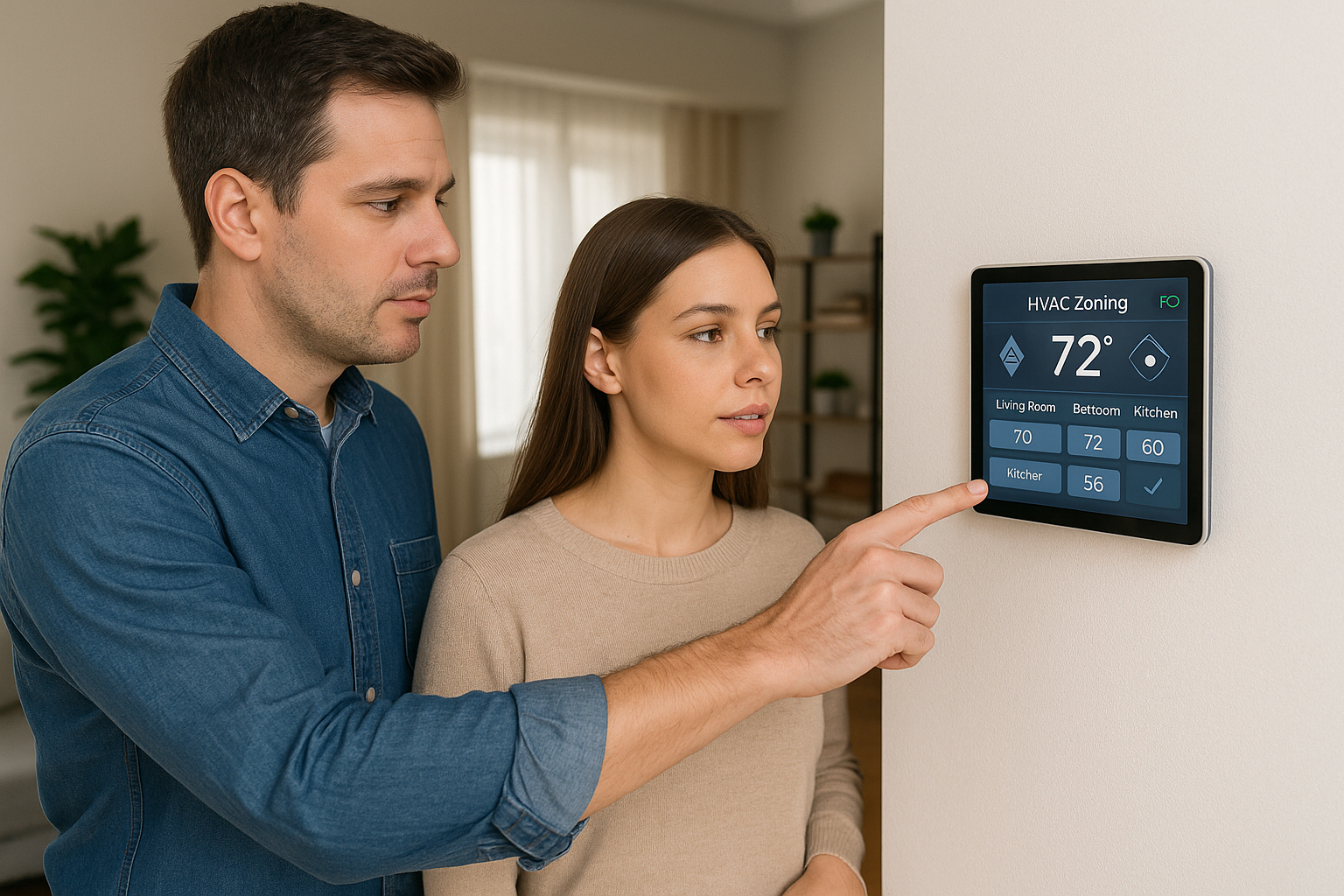
Allergen free living starts with the air you breathe, and your HVAC system is the backbone of cleaner, healthier indoor air. We see every day how airborne irritants can drive sneezing, coughing, itchy eyes, and asthma flare ups. The right setup and upkeep work together to filter contaminants, dilute what remains with fresh air, manage moisture, and keep every room consistently comfortable.
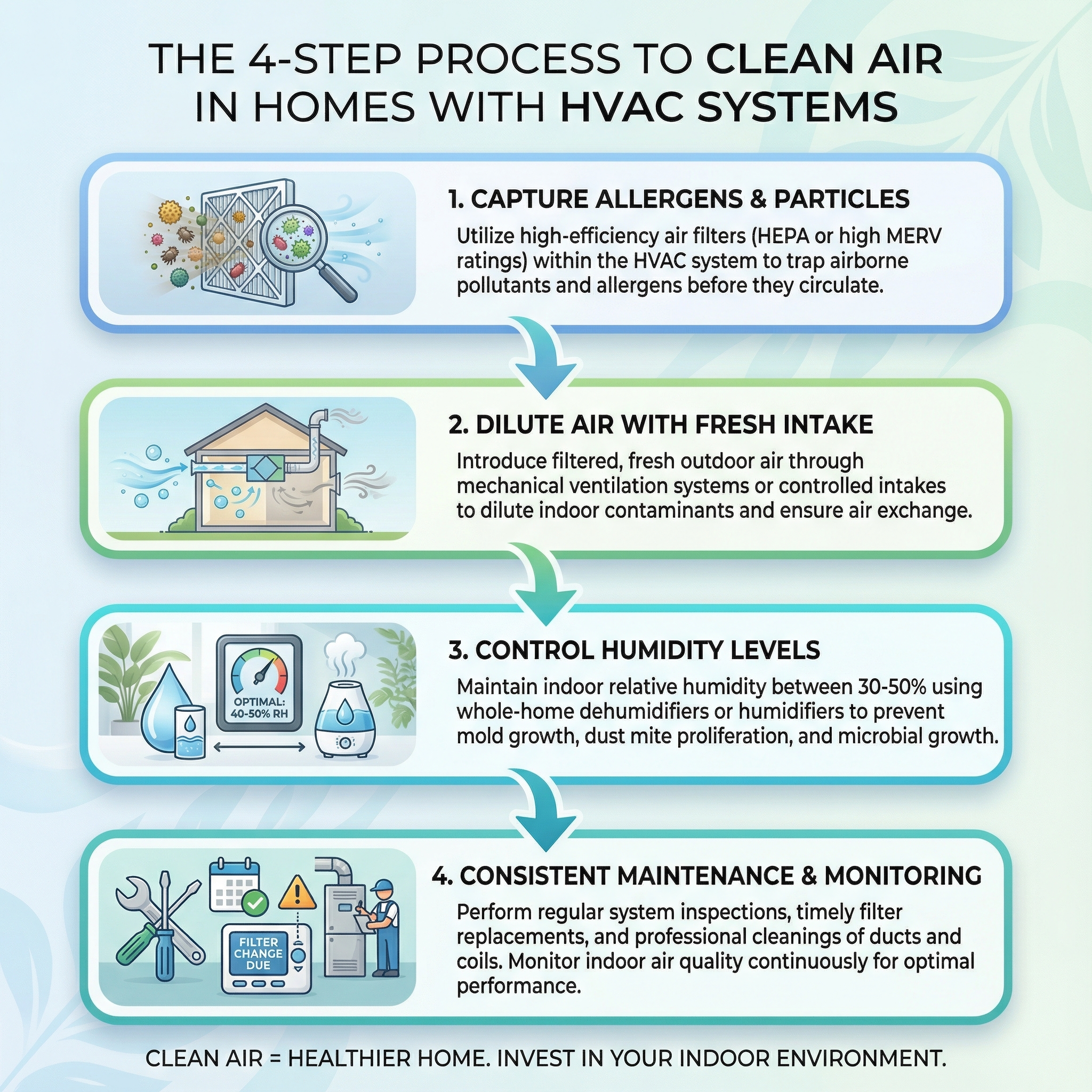
Thoughtful choices here pay off on multiple fronts: steadier comfort in all seasons, lower monthly energy bills from a more efficient system, cleaner indoor air that helps reduce common allergens, fewer surprise breakdowns, and a longer equipment lifespan. The core elements act as a system, high efficiency filtration options like MERV or HEPA where appropriate, balanced ventilation and airflow, tight humidity control, air purification, clean and sealed ducts, and smart controls that maintain settings and schedules. Regular maintenance sustains efficiency and keeps these protections working as designed.
- Common sources indoors: everyday living and cleaning, people and pets, outdoor pollutants that enter the home, and moisture related growth in damp areas.
How HVAC Systems Reduce (and Sometimes Spread) Indoor Allergens
HVAC can scrub or spread allergens. Leaky ducts or filter bypass recirculate dust, while tuned systems cut loads. Use higher MERV 13 to 16 filters or a HEPA bypass cabinet to trap pollen, dust mite debris, pet dander, and smoke, but only if the blower can handle the added static and the filter rack is sealed. Replace filters every 1 to 3 months.
Bring in fresh air without opening windows using ERV or HRV ventilation. ERV suits humid climates, HRV fits colder, drier regions. Keep intake filters and cores clean. Variable speed operation runs long, low speed cycles that extend time across the filter and improve dehumidification with minimal energy impact. Zoning and smart fan schedules keep air moving through filters, prioritize bedrooms, and can be paired with closed doors and pet limits for extra protection.
Filters Explained: HEPA vs. MERV - How to Choose and Maintain Filters
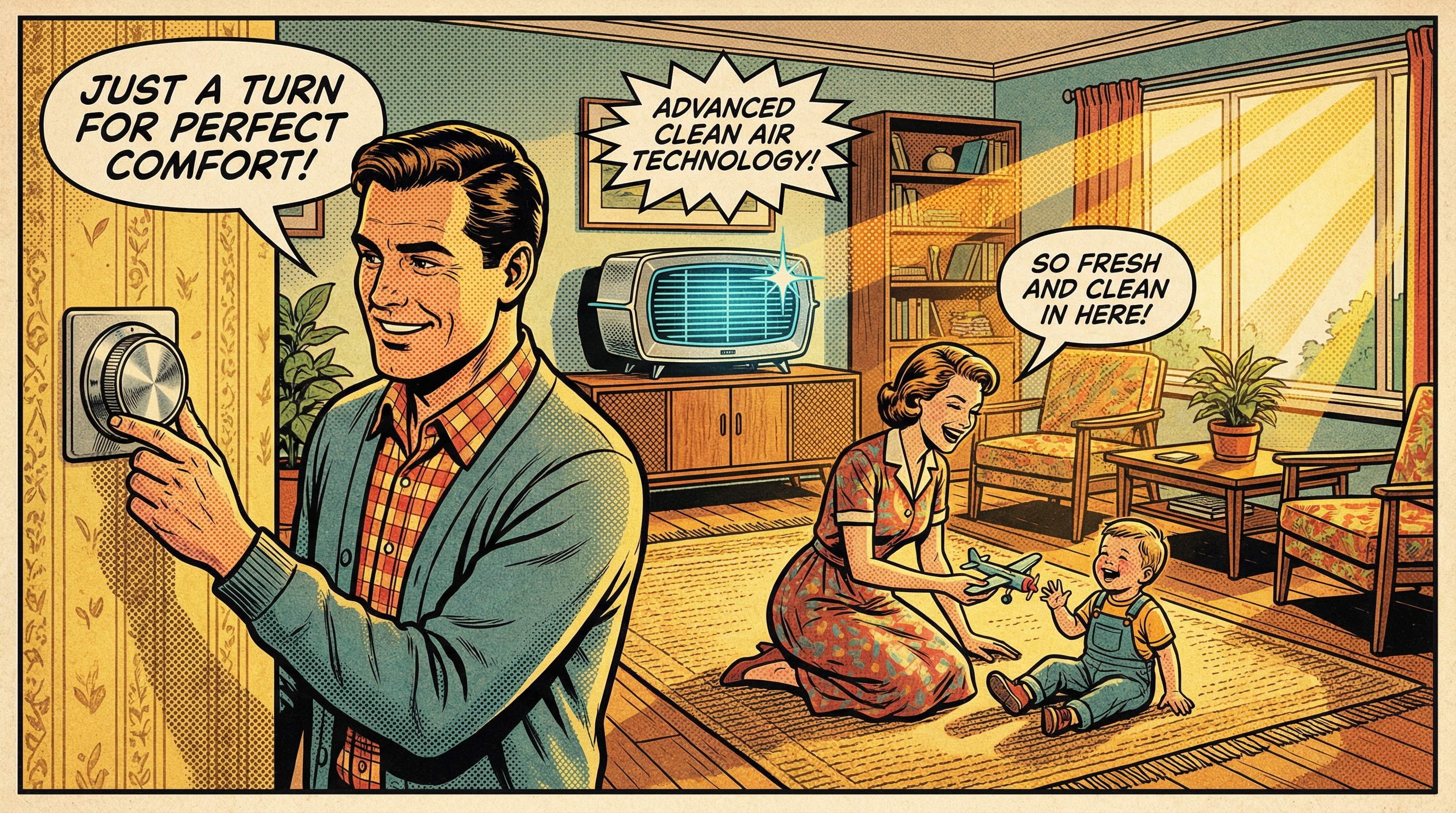
From decades of field work, here is the practical split: most central HVAC systems are designed for MERV filters, typically MERV 8 through 13. MERV 11 to 13 captures pollen, pet dander, and fine dust effectively, but only if the system can handle the added resistance. Check cabinet size and blower limits, and avoid jumping to higher MERV if it starves airflow. True HEPA has superior capture, yet it is usually installed as a bypass HEPA with its own fan, not as a standard 1 to 5 inch filter. If severe allergies are a concern, pair a properly sized MERV filter with an approved media cabinet, HEPA bypass, or in duct purifier. Variable speed air handlers often tolerate higher MERV ratings more gracefully.
- Inspect filters monthly and replace every 30 to 90 days based on dust load, pets, and allergies.
- Shut power off, follow the airflow arrow, and ensure a snug fit. Never run without a filter or stack filters.
- Vacuum return grilles, keep returns clear, and maintain indoor humidity around 30 to 50 percent RH. Ask your HVAC contractor about adding humidification or dehumidification if needed.
- Schedule routine HVAC maintenance and consider balanced or filtered ventilation. Combine with HEPA vacuuming and regular bedding washes to reduce overall allergens.
When HVAC Upgrades Aren't Enough: Limits, Myths and Better Alternatives
We see this often: HVAC helps, but it is the goalie, not the whole team. Clearing the air takes strategy beyond equipment tweaks. A few myths and mistakes keep allergy control from working as intended.
- Myth: Refrigerant needs topping off yearly. Reality: the circuit is sealed. If charge drops, there is a leak that hurts efficiency and can create moisture conditions that feed microbes.
- Myth: Filters only need annual changes. Reality: 1 to 3 months is typical in homes with pets, high pollen, or sensitivities. Waiting a year raises static pressure and recirculates dust.
- Myth: Single stage is most efficient. Reality: variable or multi stage runs longer at lower output, improving humidity control and comfort.
- Mistake: Installing very high MERV or HEPA media in standard slots without verifying blower and duct capacity.
- Mistake: Closing many registers, which spikes static pressure and bypass leakage.
- Mistake: Relying on ozone ionizers instead of proven filtration, humidity control, ventilation, and cleaning.
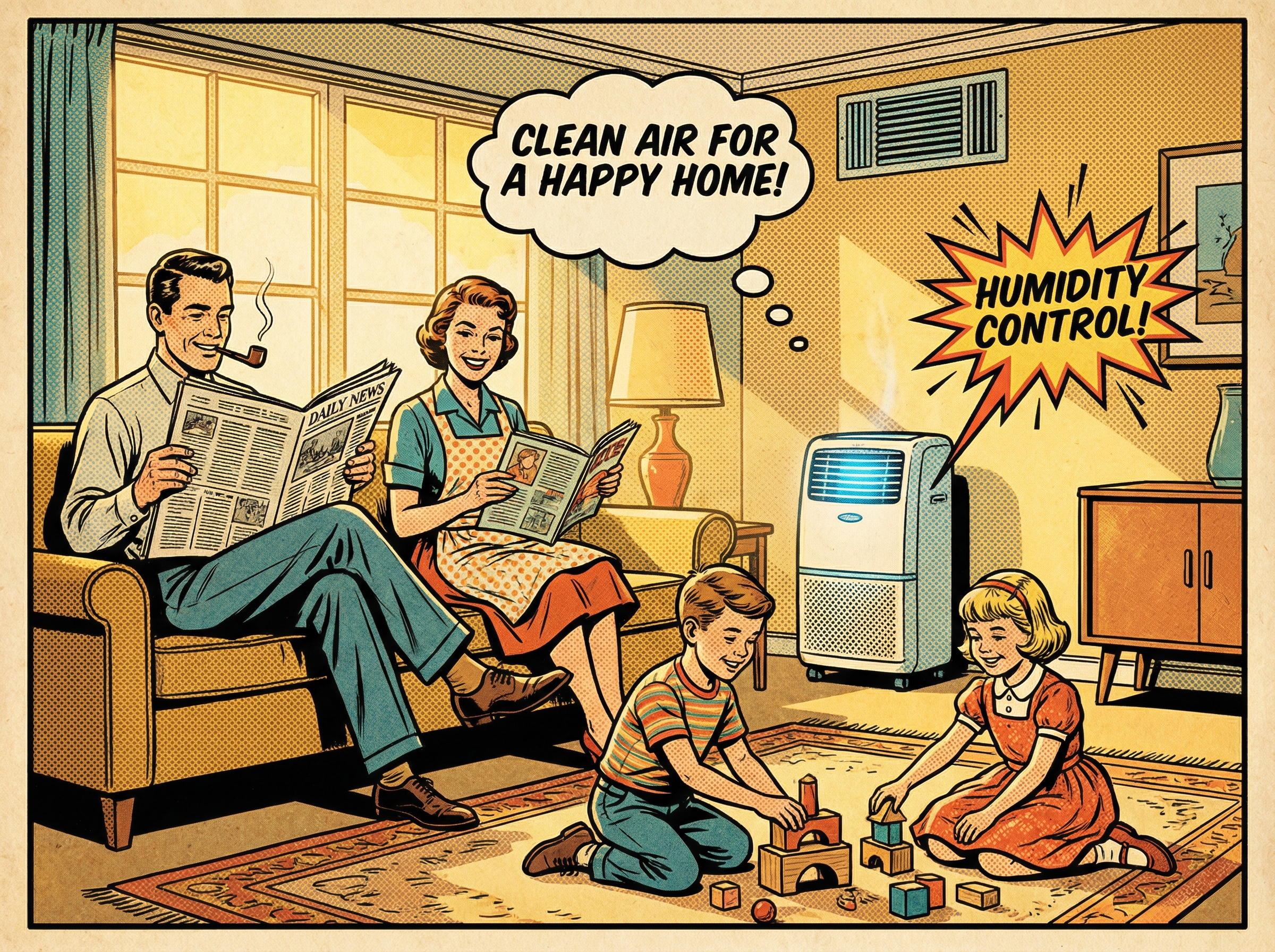
When HVAC is not enough: ongoing moisture or leaks call for building repairs and possibly a dedicated dehumidifier, leaky homes benefit from air sealing and balanced ventilation, and severe sensitivities often need room HEPA purifiers sized by CADR plus strict source control and cleaning.
System Choices: Central HVAC, Ductless Mini Splits and Whole Home Options for Allergy Control
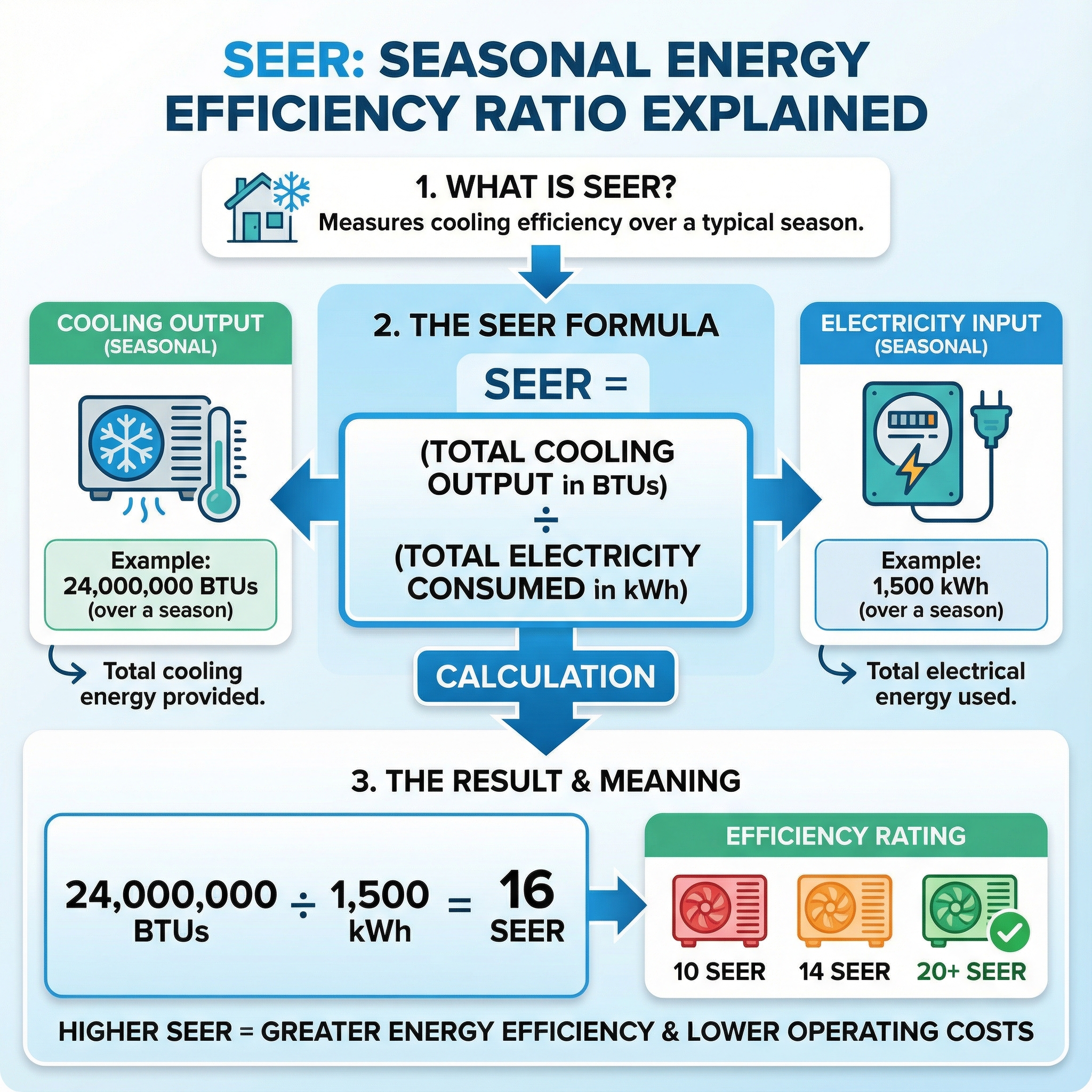
SEER and the newer SEER2 tell you how much cooling you get per unit of electricity. Higher ratings use less power and, just as important for allergy control, allow longer low speed runtimes that keep air moving through filters and manage humidity. Typical residential systems land around SEER 13 to 21, with many 2026 SEER2 models ranging about 13.4 to 18.
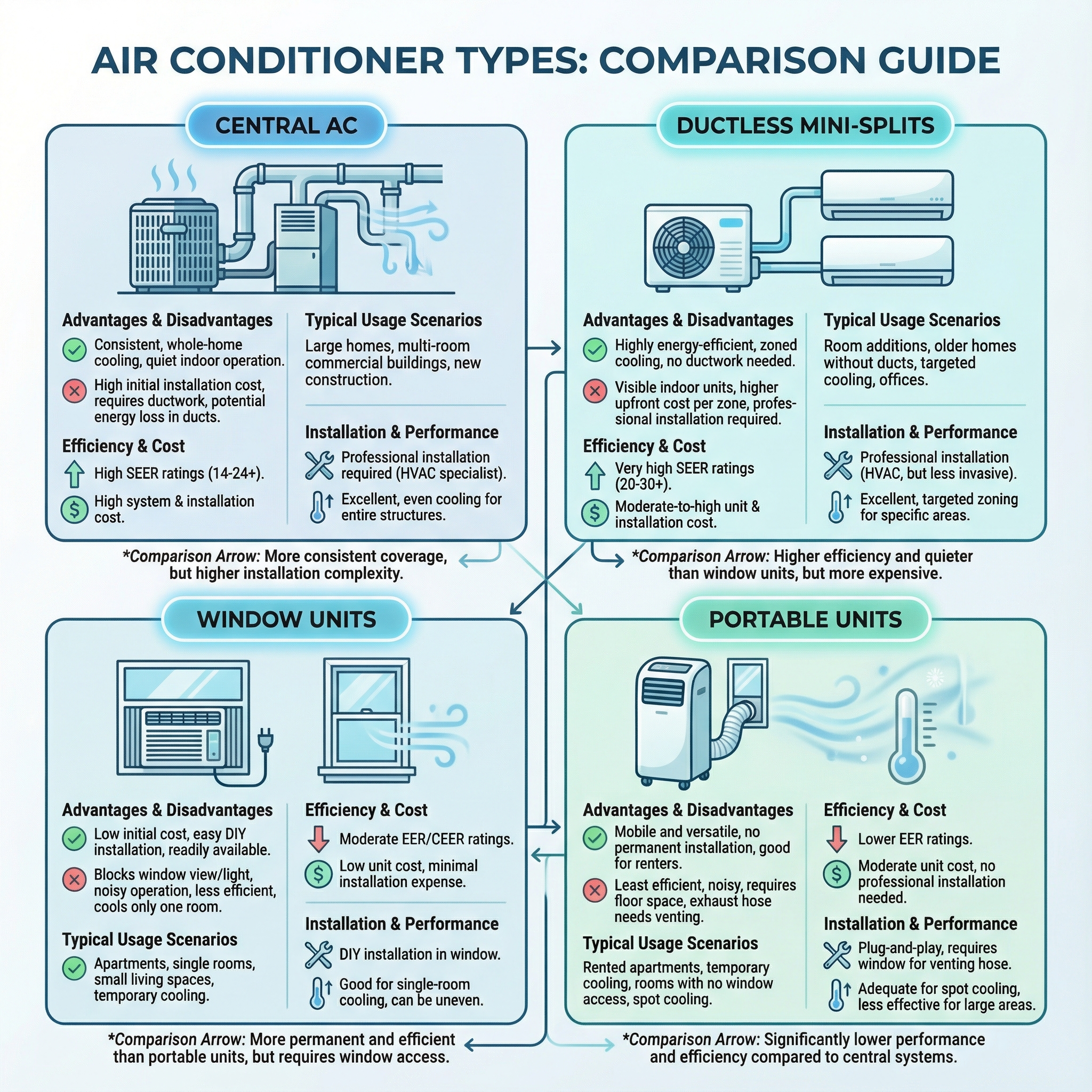
- Central HVAC: Best for whole home filtration. Pair a MERV 13+ filter or HEPA bypass with a blower that can handle the added resistance. Think of a thicker filter like breathing through a tighter mask.
- Ductless mini splits: Great efficiency room by room, but onboard filters are not HEPA. Whole home HEPA is difficult without ducts, so use targeted room HEPA units.
- Whole home HEPA add ons: Increase pressure drop, so blower capacity and duct design are critical to maintain airflow and prevent coil icing or moisture issues.
In our experience at Budget Heating (BudgetHeating.com), stepping up to higher SEER2 with capable blowers, especially in multi stage or variable setups, keeps filtration effective without spiking energy use.
Active Air Cleaning: UV C, Ionizers and Room HEPA Cleaners: Safety & Maintenance
In our experience, UV-C, ionizers, and room HEPA units are helpful supplements, not replacements for solid filtration and housekeeping. UV-C targets microbes on coils or in the airstream, it does not catch dust. Always shut power at the disconnect before opening panels and never view a lit lamp. Have UV lamps replaced on the manufacturer schedule.
Homeowner focus: inspect HVAC filters monthly and replace every 30 to 90 days, closer to 30 with pets or allergies; use high efficiency, HVAC approved media; keep indoor humidity near 30 to 50 percent with a hygrometer; vacuum and wipe registers and returns; maintain 2 to 3 feet of clearance around equipment; service room HEPA and prefilters on time; check the condensate trap and use distilled white vinegar only if the manual allows. Leave refrigerants, electrical work including UV power supplies, gas systems, duct changes, coil or blower cleanings, and whole home IAQ installs to licensed professionals.
- Monthly: filter check.
- Weekly: humidity check.
- Annually or twice yearly: professional maintenance.
- Every 3 to 5 years: duct cleaning when needed.
- Every 12 to 24 months: UV lamps and IAQ media per manufacturer.
Humidity Control and Allergens: Target Levels and Climate-Specific Strategies
Relative humidity is the throttle for many allergens. Aim for roughly 40 to 50 percent RH. Above 55 percent, mold and dust mites accelerate, below about 30 to 35 percent, airways dry out and irritation rises.
Humid Southern markets: prioritize strong dehumidification. Pair high SEER2, variable speed cooling with a whole home dehumidifier, MERV 13 filtration, and an ERV to temper incoming moisture while bringing in filtered outdoor air.
Hot dry climates: focus on efficient, right sized cooling that avoids over drying. Variable speed capacity, tight ductwork, and high MERV filtration manage dust, a common trigger in arid regions.
Mixed humid zones: variable speed heat pumps or hybrids handle temperature and seasonal moisture swings, with zoning and balanced ventilation to keep RH steady.
Cold climates: use humidification to maintain about 35 to 45 percent RH, plus year round high efficiency filtration and controlled ventilation.
Regulatory note: 2023 SEER2 minimums vary by region. Selecting above minimum supports MERV 13 filtration and dehumidification with less energy penalty, and A2L refrigerant adoption will shape compatible equipment choices.
Ductwork, Sealing and Routine Cleaning: Preventing Allergen Buildup and Saving Energy
Ductwork is the lungs of the house, so leaks and imbalanced airflow pull dusty attic or crawlspace air into returns and push conditioned air out. Sealing and balancing stop that path, lower fan workload, and stabilize pressures, which cuts allergens and energy use. Cleaning coils, the blower and drain pan, plus targeted duct sections, removes grime that can cut efficiency by up to 20 percent.
Regular tune ups can recover up to 30 percent efficiency and keep systems running 15 to 20 years instead of failing before 10, a maintenance ROI when you stick to a maintenance schedule. In our experience at Budget Heating (BudgetHeating.com), sealing and balancing come before a higher SEER swap. If you do upgrade, high SEER units can cut cooling energy 20 to 40 percent, and moving from SEER 14 to 16 trims costs. Over 10 to 15 years, incentives help offset the premium.
How to Choose an HVAC Pro and Next Steps for an Allergen Focused Assessment
We recommend pros who prove performance. Look for license and insurance, NATE-certified techs and EPA 608. Insist on Manual J and Manual D, measured static pressure and airflow, and a duct leakage test. They should design for MERV 13 or HEPA bypass, plus humidity and balanced ventilation, and deliver a written commissioning report with targets noted. Before the visit, log humidity for 7 days, note rooms with symptoms, photograph returns and duct gaps, and list filter sizes, model numbers and room dimensions.
Next Steps: Assessment, Product Recommendations, and Scheduling an Installation
An HVAC system is a primary tool for lowering indoor allergens, but it is not a cure. Real results come from an integrated plan: right-size filtration (pleated MERV 8 to 13, with true HEPA via room units or whole-home cabinets), balanced ventilation with an ERV or HRV, humidity held near 30 to 50 percent, and targeted supplements like portable HEPA cleaners and UV at the coils. Pair that with routine professional care of coils, pans, blowers and ducts, and confirm the equipment and ductwork can handle the added filter pressure, ideally with variable-speed operation for longer, steadier runtimes.
If allergies are severe, even the best setup reduces rather than eliminates exposure, and a tailored assessment with IAQ specialists and your healthcare provider is wise. Source control still matters: pet and dust management, frequent HEPA vacuuming, hard or washable flooring where possible, and bedding encasements.
We design, supply and support these solutions every day. With 30 plus years in HVAC and over 200,000 orders fulfilled, our U.S.-based team will specify compatible gear, verify airflow needs, and time delivery to match your install schedule.
- Get a Custom Quote: tell us about your home and allergies for tailored filtration, ventilation and humidity control.
- Talk to Our Team: call our U.S.-based specialists for no-pressure guidance and scheduling help.
- Shop Filters and IAQ Equipment: wholesale pricing, many items ship free, financing available with Affirm.