




HVAC Supply Chain Issues: What to Expect in 2026 - A Quick Overview
The HVAC and refrigeration pipeline is still under strain heading into 2026. From equipment shortages and rising material costs to shipping bottlenecks and the shift to lower GWP refrigerants, the HVAC/R supply chain is entering 2026 under sustained pressure. These disruptions affect manufacturers, distributors, contractors and end users, causing longer wait times, fewer options, and higher prices. Think of it like highway traffic: one lane opens up, another slows down, and the overall trip still takes longer.
With decades of field and fulfillment experience, we have watched how these pressures ripple from factory to jobsite. This article translates that reality into practical guidance: what the current bottlenecks mean for project timelines, how refrigerant changes influence product availability, and smart ways to plan around unpredictable ETAs without compromising code compliance or performance.
- Know where delays are most likely and how to sequence orders to minimize idle time.
- Understand refrigerant transition impacts on models, parts, and tooling.
- Budget for volatility in freight and materials while protecting specification goals.
- Use contingency options, substitutions, and maintenance strategies to bridge gaps.
Why 2026 Is Pivotal: Price Pressure, Quote Windows and Market Volatility
2026 is shaping up to be a turning point because pricing is moving faster than it has in years. We continue to see rising material, freight and tariff-driven costs ripple through the supply chain, which pushes equipment and installation prices upward and shortens how long suppliers can honor a quoted price. Think of it like booking airfare: the fare you saw in the morning may not be there in the afternoon if upstream costs shift.
The practical takeaway is simple: budget for higher prices and tighter quote windows. Quote windows, the period a supplier locks your price, are tightening because input costs and availability change quickly. Supply conditions can shift rapidly in 2026, so buyers and contractors benefit from checking in regularly with suppliers and staying flexible on acceptable alternatives to keep projects on schedule. Early planning and timely approvals reduce surprises when markets move.

Current State (Lessons from 2023-2026): What Has Changed and Common Myths
The market has steadied compared to peak pandemic disruption, but it is a partial recovery. Structural pressures, like regulatory transitions and uneven component supply, still limit immediate normalization. We have seen lead times improve, yet the pipeline acts like a highway after a storm: open, but with lane closures that slow traffic.
- The supply chain is fully back to normal
- Regulations will not affect product availability
- Upsizing a system solves availability problems
- SEER or SEER2 do not matter during shortages
- All refrigerants are interchangeable
- Paying more guarantees immediate delivery
- Contractors can forecast precise delivery dates
- Skipping maintenance is fine in tight times
- Closing vents saves energy
- Cheap stopgaps are always best
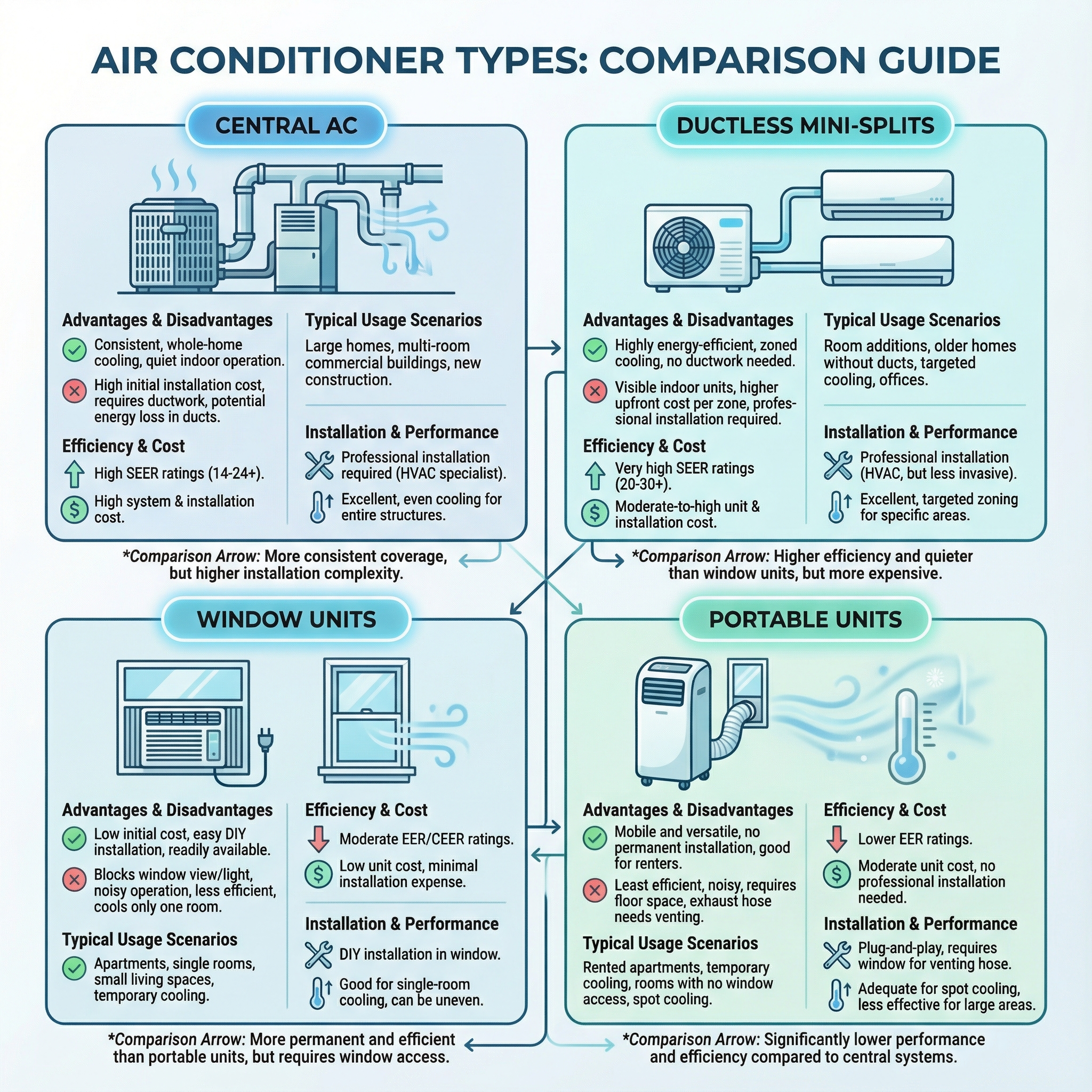
Tradeoffs to consider: if you need cooling in days, a full system replacement may not be the best choice, a targeted repair or a temporary packaged or portable solution can bridge the gap. Homes without usable ductwork may be better served by ductless equipment rather than forcing a split system. If budgets are tight during a shortage, preserving a serviceable unit with maintenance and minor repairs can be smarter than a rushed replacement.

Component-Level Risks: Compressors, Controls, Semiconductors and Refrigerants
In our experience, lead times and service headaches cluster around a few high-impact parts. When these fail or run short, projects stall and simple repairs become multi-visit events.
- Compressors: The compressor is the heart of the system. Selective shortages in specific capacities and refrigerant matches can sideline both new builds and replacements, since substitutions are often not approved.
- Electronic controls and PCBs: Manufacturers report spot shortages that create bottlenecks. A single board can take an entire system offline, and control logic is model specific, so delay risk is elevated.
- Semiconductors for smart controls: Lingering constraints continue to limit availability of connected thermostats and integrated IAQ modules, reducing swap options and stretching repair timelines.
- Refrigerants and compatibility: Supply tightness and the shift to lower GWP options, including A2L, reduce access to legacy refrigerants and certain compatible components. That can turn a routine service call into a search for matched parts.
Net result: these components drive the bulk of schedule risk, especially when failure timing and supply gaps overlap.
Regulatory & Environmental Drivers: SEER2, Refrigerants and Code Changes
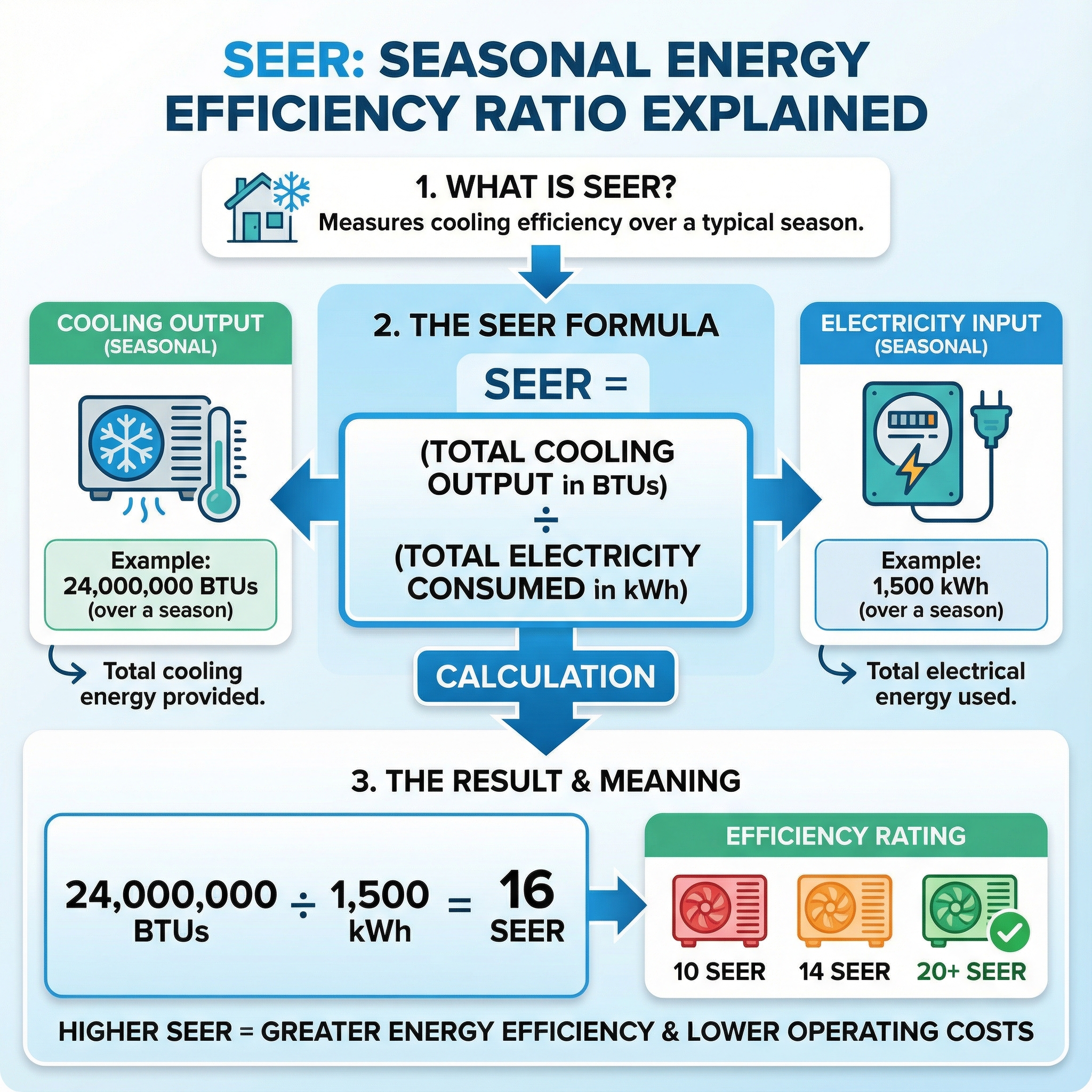
SEER2 changed more than a label. The DOE revised test procedures to better mirror real installations, so ratings now read as SEER2, EER2, and HSPF2. Because the test loads are tougher, numbers often look lower than legacy SEER, but performance comparisons are apples to apples. Regional minimums are now in effect, roughly 13.4 SEER2 in the North and 14.3 SEER2 in the Southeast and Southwest. Manufacturers have re-certified and refreshed model lines, which shifts stocking plans and puts more emphasis on duct static pressure and airflow checks. Think of it like rating a car in city traffic instead of a lab track, the figure drops but matches reality.
At the same time, federal phase-downs and SNAP updates are moving new systems toward lower-GWP refrigerants, including mildly flammable A2L options. Building and fire codes are adding handling, ventilation, and leak-detection requirements that influence installation workflow and permitting. In practice, we plan for added safety steps, coordinate earlier with inspectors, and account for accessory components where required by code.
Top HVAC Supply Chain Challenges to Expect in 2026
As discussed above, the pressure points are real, but the day-to-day impact will be uneven and very practical for job sites and purchasing desks.
- Lead time dynamics and locality effects: Expect weeks to months for specialized components and premium systems. Stock will vary by region and week, not uniformly across the country. Think of inventory like weather, clear in one county and stormy in the next, which can force staggered installs, temporary heat or cooling, and more frequent substitutions.
- Localized shortages: Periodic gaps will pop up for specific tonnages, air handlers, controls, or refrigerants. One branch may be flush while the next zip code is out, so split shipments and alternate warehousing become more common.
- Price volatility: Shorter price-hold windows, potential surcharges, and wider spreads between budget and premium lines. Quotes may need faster approvals, bids benefit from contingency language, and re-checking pricing before issuing a PO reduces surprises.
Logistics, Freight and Lead-Time Pressures for HVAC Equipment
Port congestion, container-rate swings, and weather-related disruptions remain material sources of delay and cost variation for imported equipment and components. When ports back up, containers sit and sailings get rolled, pushing factory-ready units into a queue. Container spot rates can jump sharply, then ease, and carriers often add peak-season or congestion surcharges, so the same pallet may land at very different costs. Severe weather can close terminals or reroute vessels, adding days or weeks. Ongoing tariffs on many HVAC imports, including goods from China, increase landed costs and complicate sourcing, which ripples into distributor allocations and pricing. In our experience at Budget Heating (BudgetHeating.com), these bottlenecks create unpredictable ETAs and occasional pass-through freight fees, even before local lead-time effects are considered. Think of the supply chain as a toll plaza: when lanes close, everyone waits longer and pays more.
Labor, Manufacturing Capacity and Raw-Material Constraints
Even when freight is smooth, production is capped by people and metal. Persistent skilled labor gaps on factory lines and in the field cut throughput, so builds and installs take longer. We see copper, steel and aluminum swings raise component costs and, when availability tightens, plants slow or combine runs, sometimes trim SKUs. The result is longer quoted lead times and schedules that move.
Practical Mitigation Strategies, Sourcing & Inventory Playbook for 2026
Expect many 2026 compliant systems to price up to roughly 30% higher than prior models. Balance that with lifecycle math, higher efficiency can lower operating costs and may unlock rebates or tax credits. To reduce risk and keep projects moving, work this playbook:
- Order early for major jobs, secure longer quote holds, and pre approve alternates for key models to avoid backorder surprises.
- Prioritize stocking high failure SKUs and carry strategic safety stock. Where possible, lock longer term contracts on critical items.
- Diversify suppliers, consider nearshore options when feasible, and favor flexible platforms that accept alternate components or refrigerants.
- Standardize submittals that confirm A2L readiness and current test ratings, then keep a vetted alternate lined up.
Homeowner support checklist: plan early, ask for Manual J, S and D, verify refrigerant and code readiness, budget for surcharges, maintain the current system, keep spare filters, coordinate permits and site readiness. In our experience at Budget Heating (BudgetHeating.com), teams that pair this with disciplined preventive maintenance see fewer emergency replacements.
Safe owner tasks include filter changes, clearing debris, and condensate checks. Leave refrigerant handling, electrical work, and combustion systems to licensed pros. Preventive maintenance lowers downtime and helps avoid rushed, high cost choices.
Conclusion: 6 Action Steps to Protect Your HVAC Operations in 2026
Refrigerant changes, tighter efficiency standards, and shifting trade policy will keep risk and cost pressure elevated through the 2026 season. We know you are juggling bids, budgets, and compliance on tight timelines. With 30+ years in HVAC and over 200,000 orders fulfilled, our team can help you lock compliant equipment and keep projects on schedule.
- Plan and order early: reserve equipment and accessories before peak season.
- Diversify suppliers and secure critical SKUs: line sets, coils, air handlers, controls.
- Prioritize preventive maintenance: tune-ups now reduce emergency replacements later.
- Verify refrigerant and code readiness: choose A2L-ready models where required, confirm local approvals.
- Use flexible platforms and pre-approved alternates: standardize on families with cross compatible parts.
- Invest in visibility and training: track shipments, train techs on new refrigerants and commissioning.
Audit upcoming projects against this checklist, secure quotes and inventory early, and partner with a trusted supplier to lock timelines and compliance.
- Get a Custom Quote: wholesale pricing, many systems ship free, Affirm financing.
- Talk to Our Team: U.S.-based phone support from factory-authorized pros.
- Shop Heat Pumps: compliant, high efficiency options from Goodman, Rheem, Bosch, and Gree.