




Why HVAC Matters for Aging Homeowners: Comfort, Health, and Independence
As we or our loved ones age, a home's heating and cooling shifts from nice-to-have to a safety system. Stable indoor conditions support circulation, breathing, sleep, and steady energy levels. For anyone aging in place, predictable comfort helps daily routines stay manageable, and predictable utility costs protect fixed budgets.
After more than 30 years working with residential systems, we have seen small HVAC decisions shape big outcomes: fewer temperature swings, calmer humidity, cleaner air, and controls that are easy to see and use. Think of a well tuned system as cruise control for the house, it smooths out weather ups and downs so the body does not have to.
This guide keeps a practical, safety-first focus. We will cover how to stabilize temperatures, manage humidity, improve indoor air quality, and make controls accessible. Each step reduces strain on the body, lowers the chance of illness from poor air, and keeps comfort consistent from room to room, which supports independence at home.
Maintenance Checklist for Caregivers and Homeowners Supporting Seniors
Use this simple list to keep heating and cooling safe, reliable, and comfortable for older occupants.
- Safety first: Test CO and smoke detectors monthly, replace batteries yearly, and place units near bedrooms and each floor. With gas or oil, prefer sealed-combustion equipment that draws air from outdoors. All-electric systems reduce CO risk, but detectors are still wise.
- Filtration: Check filters monthly and replace every 1 to 3 months. Ask a contractor if the blower can handle MERV 11 to 13 media without excessive pressure drop, or if a deeper media cabinet is needed.
- Thermostat comfort: Mount at about 48 to 52 inches high in a frequently used room, away from sunlight and drafts. Choose large, backlit, easy-to-read controls with simple schedules.
- Healthy humidity: Aim for 40 to 50 percent relative humidity. Clean humidifier tanks, confirm condensate drains are clear, and verify dehumidifier operation in damp seasons.
- Manual J, S, and D requirements: Request a room-by-room Manual J load calculation, Manual S equipment selection that matches the load, and Manual D duct sizing and layout. Printed reports help avoid short cycling, drafts, and uneven rooms.
- Duct sealing and insulation: Seal joints with mastic or UL 181 tape, not cloth duct tape. Insulate attic or crawlspace ducts to at least R-6. This improves airflow, keeps rooms even, and cuts noise.
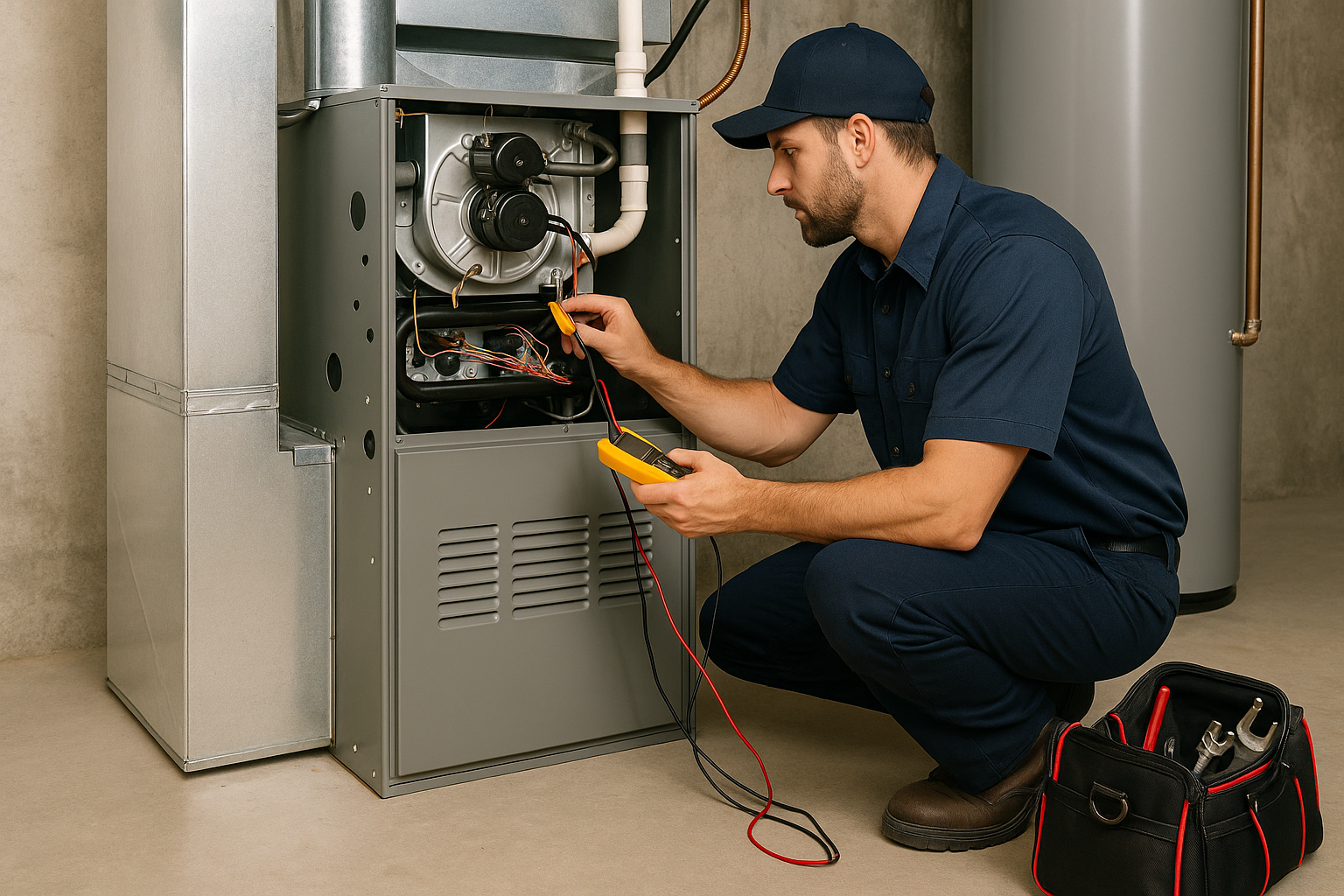
- Commissioning checklist: After installation or major repair, ask for documented static pressure, airflow in CFM per ton, temperature rise or split, refrigerant superheat and subcool, combustion analysis on gas heat, and thermostat calibration.
- Maintenance cadence: Spring and fall tune-ups, coil cleaning, drain flushing, and safety checks. Inspect returns and grilles quarterly and verify filter condition monthly.
Safety First: Preventing Mold, Carbon Monoxide, Water Damage, and Other HVAC Risks
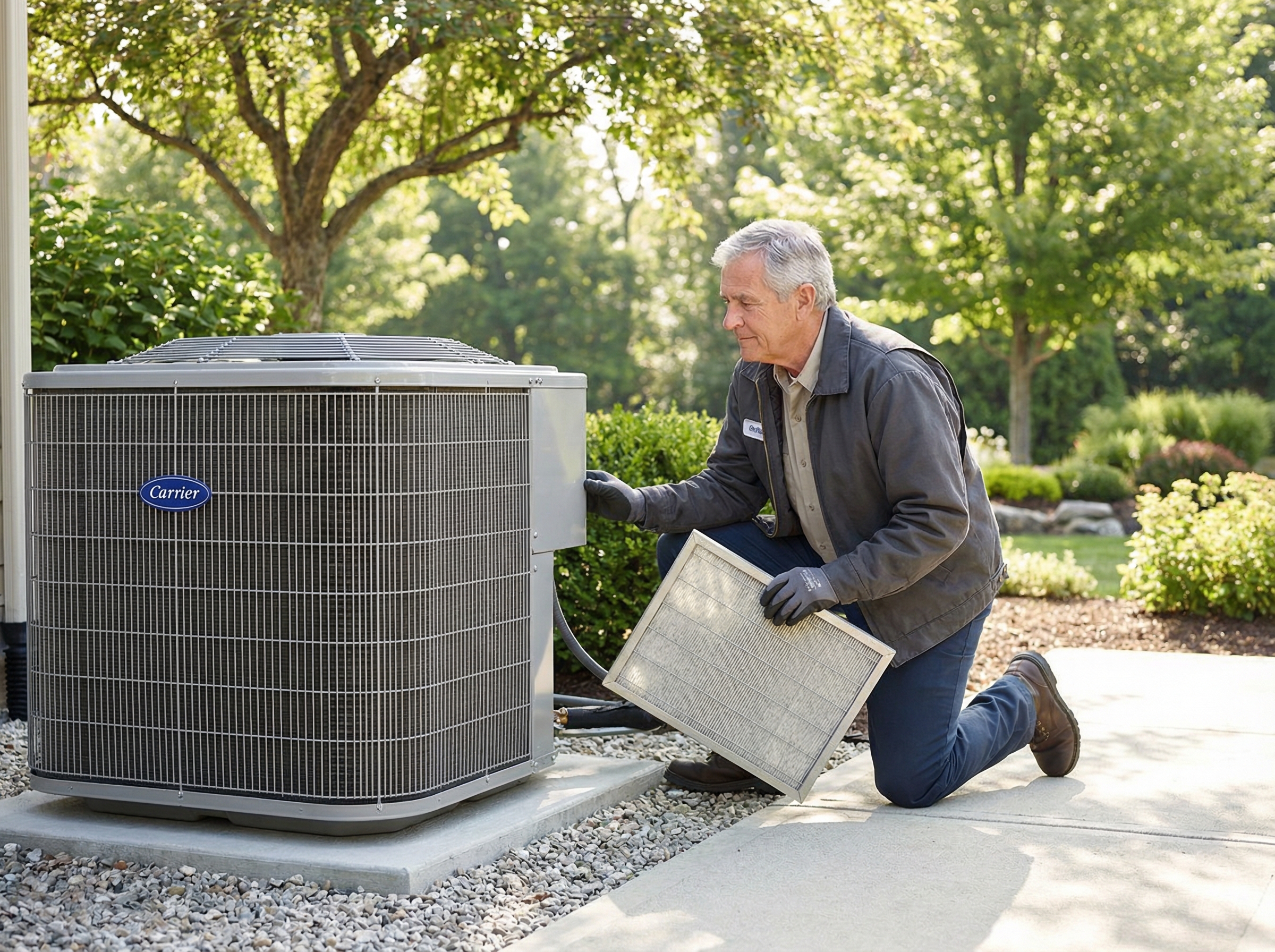
Homeowners can handle simple care: check filters every 1-3 months, clear debris from the outdoor unit, and test smoke and CO detectors monthly. Place detectors on every level and outside bedrooms, think of them as seatbelts for the home. In our experience, older adults face higher risk from CO exposure and falls, so avoid DIY in attics or crawlspaces where heat, tight spaces, and poor lighting raise hazards.
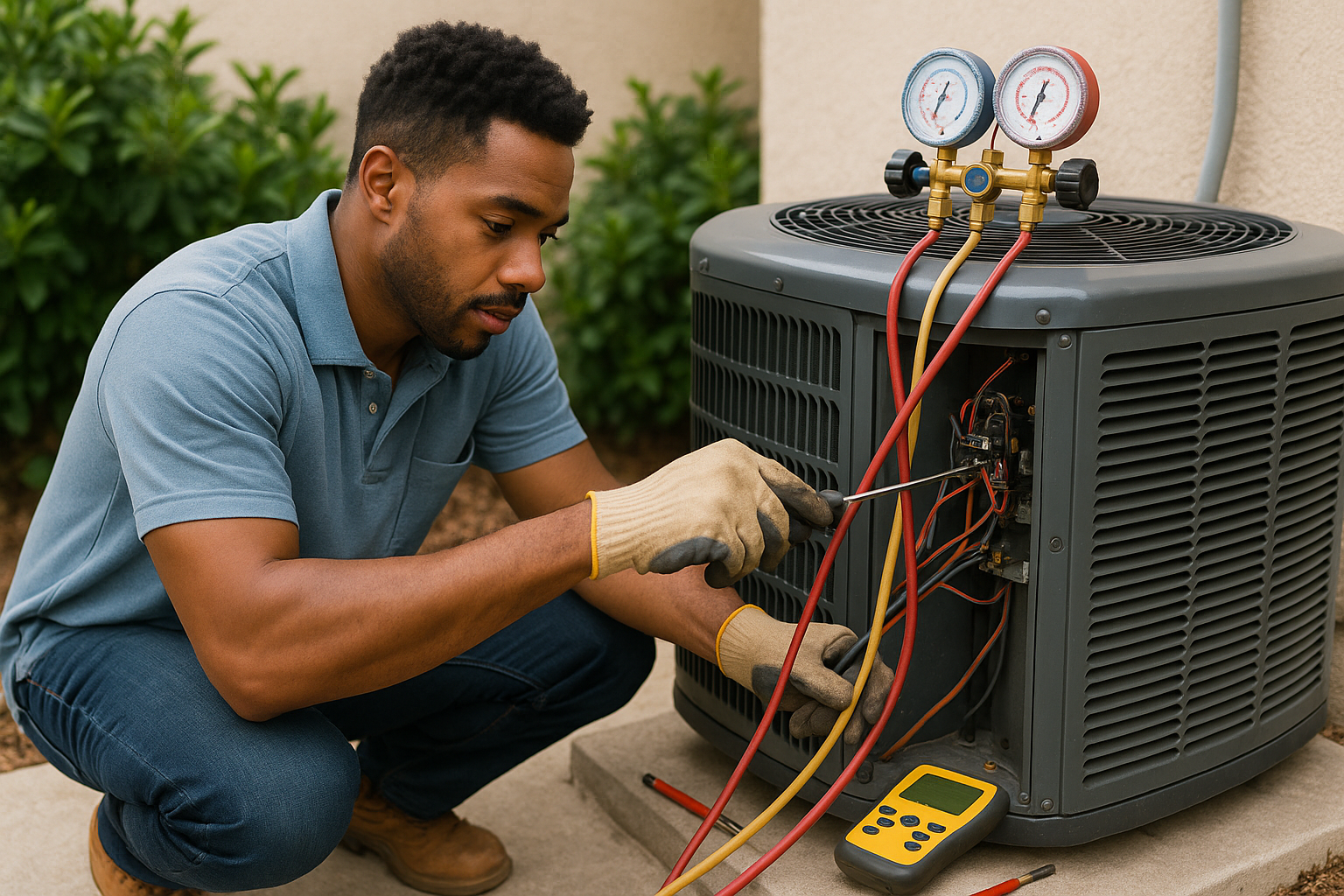
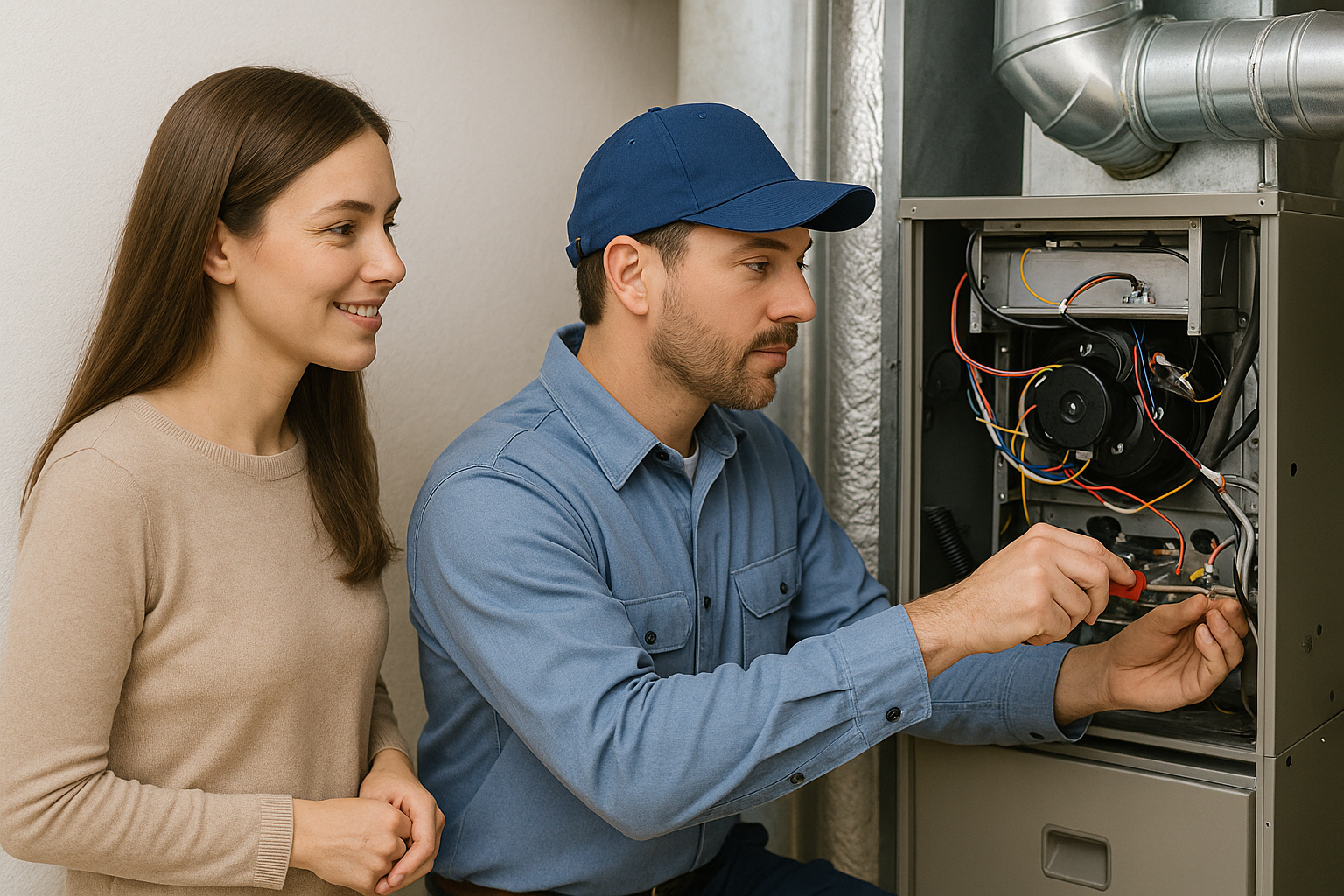
Leave to licensed pros: electrical repairs, refrigerant work, combustion testing, heat exchanger inspections, and flue drafting. Schedule tune ups annually, spring for cooling and fall for heating, to prevent mold in condensate drains and CO risks from combustion.
- Danger signs: gas odors, unusual noises, water pooling near equipment, ice on refrigerant lines. Shut the system off and have it assessed promptly.
Understanding Efficiency: SEER, SEER2 and What They Mean for Senior Households
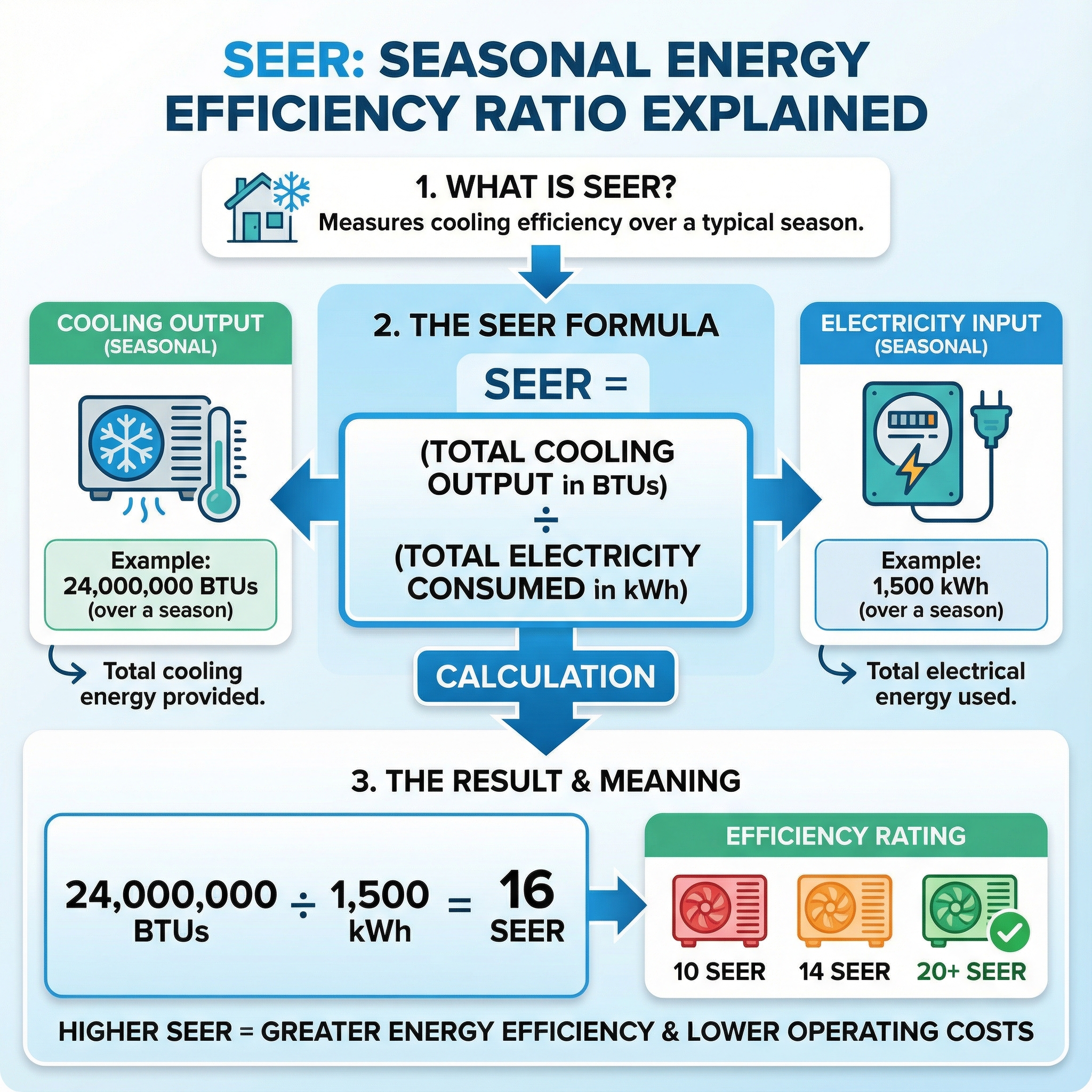
Think of SEER like miles per gallon for cooling. It measures how much cooling you get over a season per unit of electricity. SEER2 uses a newer 2023 test that increases system resistance to mimic real homes, so numbers often look a bit lower than legacy SEER for the same unit, yet they reflect real operating costs more accurately.
Regional rules tightened with the new test. The Northern baseline is roughly a 14 SEER equivalent, while Southern regions require higher thresholds. For budget-conscious seniors, that matters: moving from an older SEER 10 system to SEER 16 typically cuts cooling energy about 35 to 40 percent. Real savings depend on proper installation, sealed ductwork, and thorough commissioning, not just the label. In our experience at Budget Heating (BudgetHeating.com), right-sized equipment paired with careful start-up delivers steadier temperatures and lower bills without guesswork.

Regional Codes, Climate, and System Choices: Pick What's Right Where You Live
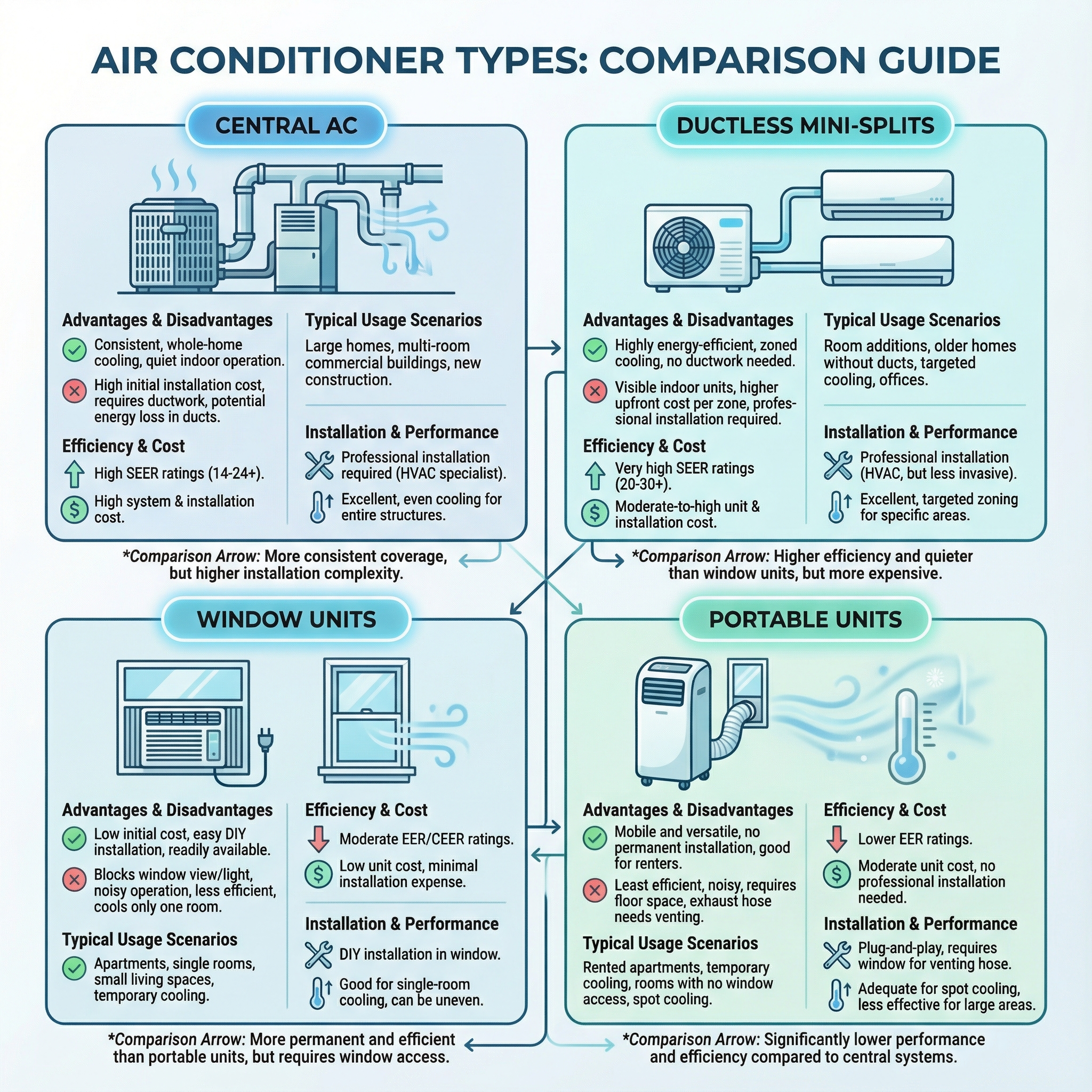
Climate and code drive your shortlist. Since 2023, DOE SEER2 and HSPF2 set regional minimums, so hot humid zones favor variable-speed heat pumps or AC with dedicated dehumidifiers or ERVs, while northern areas lean on cold-climate heat pumps or hybrid furnace pairs. In dry cold, HRVs handle fresh air better, in humid regions, ERVs help keep moisture in check. Codes expect proper load, duct, and airflow design. In our experience at Budget Heating (BudgetHeating.com), variable speed smooths comfort swings in the Gulf and Southeast.
Refrigerants are shifting to lower GWP A2L types like R-454B or R-32, which require listed A2L equipment, defined clearances, compatible tools, and trained installers. Plan accordingly when replacing or upgrading.
Common Myths and Tradeoffs: When Popular HVAC Choices Fall Short
We often see popular choices backfire. Oversizing is like using a sledgehammer to hang a picture: the system short cycles, humidity rises, and efficiency drops. Closing vents to save money creates high static pressure, which strains blowers and can worsen duct leaks. Filters are not set and forget, restricted media starves airflow. A higher SEER label alone does not guarantee savings if ducts leak or controls are off. Heat pumps can work in cold climates when properly selected. Overusing portable heaters drives up bills and uneven comfort. HEPA filters rarely suit standard residential blowers, they choke airflow without a dedicated system.
- Chasing SEER without fixing ducts: sealing and balancing often deliver more real savings.
- All electric heat pump in very cold homes with poor insulation: consider a cold climate model or dual fuel, plus envelope upgrades.
- Allergy filtration via the furnace slot: use a high quality media filter or a standalone HEPA unit, not a HEPA in a standard blower.
Indoor Air Quality for Seniors: Filters, Filtration Levels, and Pollutant Risks
Older adults are more sensitive to fine particles and fumes, so filtration must balance capture with airflow. Aim MERV carefully: MERV 8 is a baseline for dust, MERV 11 is a strong sweet spot for most allergy loads, and MERV 13 is worth considering where wildfire smoke or urban pollution is common, but only if the system can maintain airflow. In our field work, MERV 11 often delivers the best balance on typical residential systems. Use deeper 2 to 4 inch pleated media to keep pressure drop in check, and replace filters on schedule.
Ventilation matters too. Balanced mechanical ventilation with an ERV or HRV dilutes indoor pollutants while managing humidity and heat transfer. ERV fits humid regions, HRV suits cold dry climates. For targeted cleanup, pair whole home media or electronic cleaners for background reduction with portable HEPA units in bedrooms or main sitting areas. Combine with appropriate CO and smoke detection.
Humidity Control: When Humidifiers or Dehumidifiers Help Respiratory Health
For seniors, aim for 40 to 50% indoor relative humidity. Below 30% dries airways and can worsen coughing; above 55% encourages mold and dust mites. In cold or arid seasons, add a humidifier. In muggy climates or summer, use a dehumidifier.
Whole-home units pair with ducted systems for even control, while portables focus on bedrooms. Ductless mini splits often include a Dry mode. Gas furnaces and very warm supply air lower RH, so winter humidification is common. Energy bill effects are a separate consideration.
Accessible Thermostats and Controls: Smart Options for Independent Living
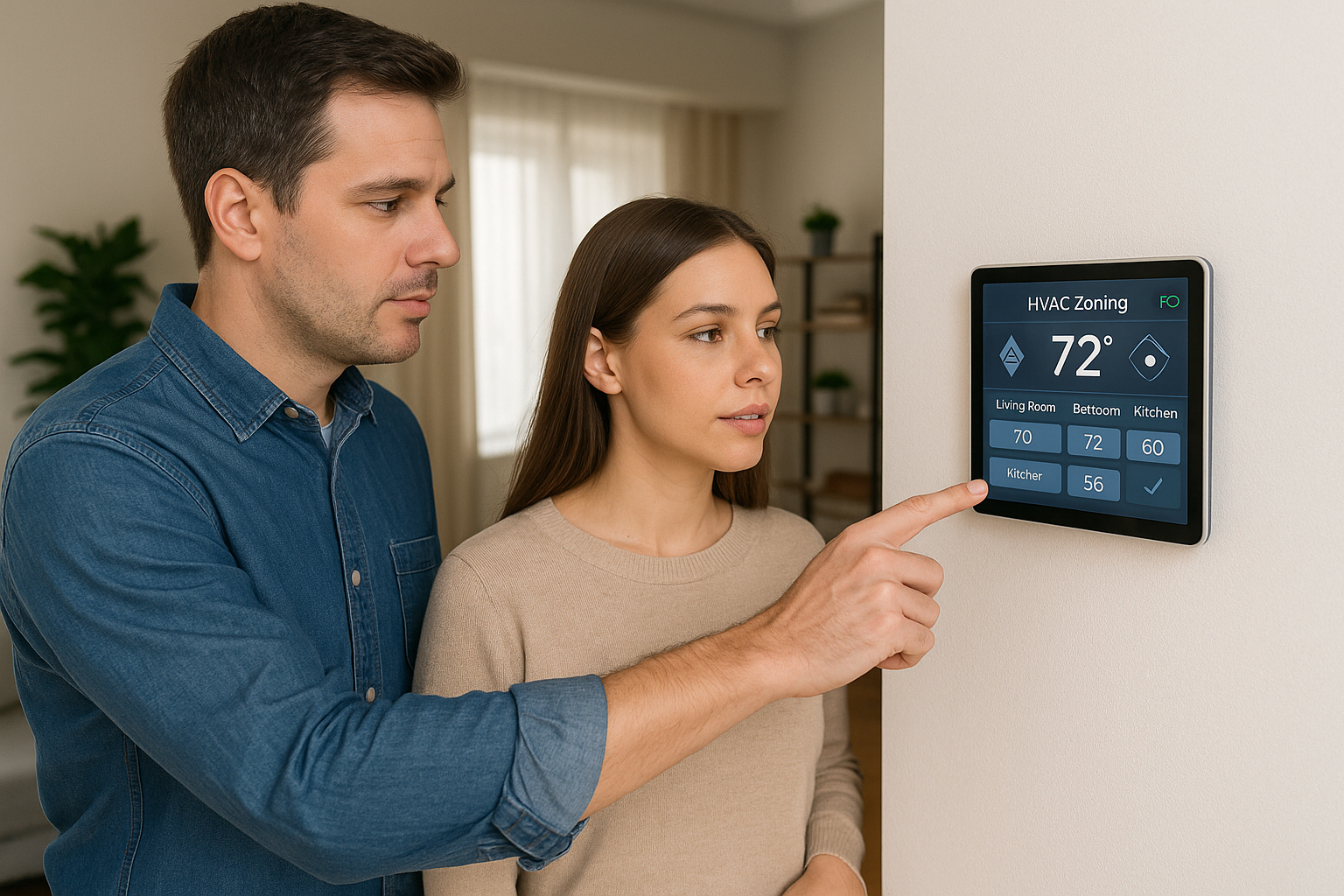
Accessible controls reduce friction. We prefer large, high contrast displays, backlit oversized buttons with plain labels, a simple heat or cool selector, and audible feedback. One touch presets for day, night, and away keep routines easy.
Remote and voice control add independence. Wi-Fi apps let trusted caregivers view and adjust settings, set high or low temperature alerts, lock setpoints, and see offline status. Mount at 48 to 52 inches, away from sun, drafts, and lamps. Use a contrasting wall plate and clear sightlines. Verify these in the commissioning checklist.
Putting It All Together: Reliable, Safe HVAC for Aging in Place
Stable temperatures, controlled humidity, the MERV ranges noted earlier, balanced ventilation where required, simple labeled controls, CO and smoke alarms, and backup power create predictable comfort and safer living. If you are aging in place or supporting a parent, the right equipment with proper commissioning and scheduled professional maintenance protects comfort, health, and budget, and our 30+ years, wholesale pricing, U.S.-based phone support, free shipping on many items, and Affirm financing make the plan easy with your local installer.
- Get a Custom Quote
- Talk to Our Team by phone
- Shop Heat Pumps and Ductless
- Shop Air Quality and Thermostats